
Last Updated on September 10, 2026 by Daniel Globe
Hiking can be as simple as a short walk on a familiar trail or as demanding as a full day in remote terrain. Either way, conditions can change quickly. A wrong turn, delayed return, sudden storm, minor injury, or unexpected temperature drop can turn an easy outing into a problem. Packing the 10 hiking essentials gives you basic tools to handle those situations more safely.
Quick Answer
The 10 hiking essentials are navigation, sun protection, extra clothing, illumination, first-aid supplies, fire-starting equipment, repair tools, extra food, water plus treatment supplies, and emergency shelter. Carry them on day hikes as well as longer trips, then adjust the amount and type of gear for the weather, terrain, distance, remoteness, and people in your group.
Key Takeaways
- Think of the Ten Essentials as safety systems rather than exactly ten individual objects.
- Carry a physical navigation backup instead of relying entirely on cell service or an online map.
- Bring extra food, water, clothing, light, and shelter for delays or changing conditions.
- Treat water from uncertain natural sources before drinking it.
- Check the forecast, trail conditions, closures, and local fire rules before leaving.
- Tell someone your route and expected return time, especially for remote hikes.
Disclosure: As an Amazon Associate I earn from qualifying purchases. Some links on this page are affiliate links, at no extra cost to you.
The 10 Hiking Essentials at a Glance
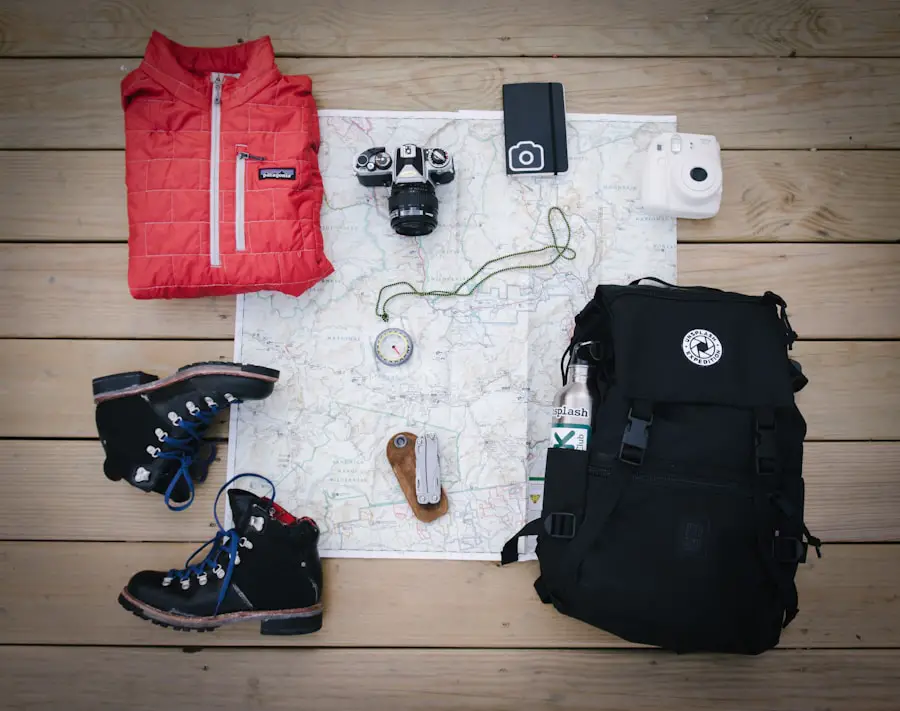
The National Park Service Ten Essentials are organized into ten categories. The exact equipment inside each category can change with the trip.
| Essential | What to Carry | Why It Matters |
|---|---|---|
| 1. Navigation | Map, compass, offline GPS or navigation device | Helps you stay on route and recover from a wrong turn. |
| 2. Sun Protection | Sunscreen, sunglasses, hat, protective clothing | Reduces exposure to ultraviolet radiation. |
| 3. Extra Clothing | Insulating layer, rain shell, hat or gloves as conditions require | Provides protection when weather or temperature changes. |
| 4. Illumination | Headlamp or flashlight plus spare batteries or power | Allows safe movement and signaling after dark. |
| 5. First Aid | First-aid kit and personal medications | Helps manage minor injuries and medical needs. |
| 6. Fire | Lighter, waterproof matches, or appropriate fire starter | May provide emergency heat or a signal where fire use is legal. |
| 7. Repair Kit and Tools | Duct tape, multi-tool, knife, or trip-specific repair items | Helps repair damaged equipment in the field. |
| 8. Nutrition | Extra ready-to-eat food | Provides energy if the trip lasts longer than planned. |
| 9. Hydration | Water plus treatment supplies when natural water may be used | Helps prevent dehydration and provides a backup water option. |
| 10. Emergency Shelter | Emergency bivy, tarp, space blanket, or suitable shelter | Provides protection from wind, precipitation, and exposure during an unexpected delay. |
Note: The Ten Essentials are a starting point, not a complete packing list for every environment. Desert heat, winter conditions, high altitude, bear country, river crossings, overnight trips, and travel with children may require additional equipment and planning.
Choosing the Right Footwear
Footwear is not one of the traditional Ten Essentials categories, but it can have a major effect on comfort, traction, and stability. Trail runners, hiking shoes, and hiking boots each suit different conditions, and no single style is best for every hiker.
Trail runners are generally lightweight and flexible, making them popular on maintained trails and among hikers who prefer less weight on their feet. Hiking shoes offer a middle ground between trail runners and full boots. Boots may provide more protection from rocks, mud, snow, and debris and can feel more supportive when carrying a heavier pack.
Fit matters more than the label on the shoe. Your toes should have enough space to move without repeatedly hitting the front on descents, while your heel should stay secure enough to limit rubbing and blisters. Test footwear with the socks you expect to hike in and, when possible, walk on slopes before committing to a long trip.
Waterproof membranes can help in sustained rain, mud, or wet vegetation, although waterproof footwear may dry more slowly and feel warmer than highly breathable non-waterproof footwear. Match the footwear to the conditions rather than assuming waterproof or high-cut footwear is always necessary.
Clothing for Comfort and Protection
Layering allows you to adjust clothing as temperature, wind, precipitation, and activity level change. A practical system normally combines a moisture-managing base layer, an insulating layer when needed, and an outer layer that protects against wind or rain.
For the base layer, quick-drying synthetic fabrics or merino wool are commonly used because they manage moisture better than clothing that stays wet for long periods. The insulating layer can be fleece, synthetic insulation, down, or another material suited to the expected temperature.
The outer layer should match the weather forecast and environment. A waterproof or water-resistant shell can help during rain and strong wind. Pack an additional layer for conditions that are colder or wetter than you expect, particularly when hiking at elevation or far from shelter.
Avoid planning only for the temperature at the trailhead. Elevation, shade, wind, storms, sunset, and an unexpected stop can change how warm or cold you feel.
Navigation Tools and Maps
| Navigation Tool | Best Use | Important Limitation |
|---|---|---|
| Topographic Map | Route planning, terrain awareness, junctions, elevation, and physical backup | You need to know how to interpret the map and identify your position. |
| Compass | Determining direction and working with a map when electronics fail | A compass is most useful when you have practiced using it before the trip. |
| Offline GPS or Navigation App | Position checks and following a downloaded route without cellular data | Battery failure, device damage, or missing offline data can make it unavailable. |
Smartphones and GPS devices are useful, but cellular reception should not be assumed in remote areas. The National Park Service recommends knowing how to use a topographic map, compass, or GPS and carrying a physical map as backup. Download digital maps before leaving coverage and start with a fully charged device.
Pro Tip: Put your phone in airplane mode when you do not need a cellular connection and carry a suitable backup battery on longer hikes. Searching continuously for weak cell service can drain a phone more quickly.
Map and compass skills are worth practicing before they become necessary. A navigation tool provides little protection if you first try to learn it after becoming lost.
Hydration and Nutrition
Carry enough water for your route, expected temperature, exertion level, and access to reliable water sources. Needs vary widely, so a single amount does not work for every hiker or environment. During strenuous activity in hot weather, the CDC advises drinking more water than usual and not waiting until you are thirsty.
When your route depends on streams, lakes, or other untreated natural water, carry an appropriate treatment method. Clear-looking water is not necessarily safe. According to the CDC’s hiking and camping water-treatment guidance, untreated water can contain bacteria, viruses, or parasites. CDC says boiling is the best way to kill germs; when boiling is not practical, filtering followed by disinfection is another option where appropriate.
Food matters for both energy and emergency preparedness. Pack easy-to-eat foods such as nuts, trail mix, bars, dried fruit, sandwiches, or other foods suitable for your dietary needs and conditions. The National Park Service recommends carrying extra food in case the trip takes longer than planned.
For longer hikes, choose a mix of carbohydrates, fats, protein, salt, and foods you know you can tolerate while active. Keep a portion of emergency food separate so it is less likely to be eaten early in the day.
Safety and First Aid
Even on familiar trails, slips, blisters, cuts, insect bites, and other problems can occur. Carry a first-aid kit that matches the size of your group, trip duration, remoteness, and personal medical needs.
A basic kit may include adhesive bandages, gauze, medical tape, antiseptic supplies, blister care, gloves, and other items you know how to use. Pack necessary personal medications and check the expiration dates of first-aid supplies before longer trips.
Equipment is only part of first-aid preparedness. Learning basic first aid and CPR can make the kit more useful during an emergency. For remote or backcountry travel, wilderness first-aid training can provide additional skills for situations where professional help may take longer to arrive.
A whistle is also useful for attracting attention while using much less energy than repeatedly shouting.
Shelter and Weather Protection
Emergency shelter is not limited to overnight backpacking. A day hiker who becomes injured, lost, or delayed may still need temporary protection from wind, rain, cold, or intense sun.
Depending on the environment, suitable emergency shelter can include a lightweight bivy, tarp, emergency blanket, or tent. Choose an option that makes sense for the terrain and conditions rather than automatically carrying the largest shelter available.
Before leaving, check the forecast as well as trail closures, fire conditions, and area-specific warnings. Weather at high elevations can differ greatly from conditions at home or at the trailhead.
Warning: If you hear thunder, treat lightning as an immediate hazard. The National Weather Service says no outdoor location is safe during a thunderstorm. Seek a substantial enclosed building or metal-topped vehicle when possible. If you are caught in the backcountry without safe shelter, get off peaks, ridges, and other elevated areas and avoid isolated trees and bodies of water.
Sun Protection, Illumination, Fire, and Repair Gear
Sun Protection
Sun protection is one of the Ten Essentials systems. Pack sunscreen, sunglasses, a hat, and protective clothing appropriate for the conditions. UV exposure can remain significant in cool weather, at altitude, and when reflected by snow or water.
Illumination
Carry a headlamp or flashlight even if you expect to finish before sunset. Navigation mistakes, injuries, slower companions, difficult terrain, or unexpected delays can extend a hike beyond daylight. A headlamp is especially convenient because it leaves both hands free.
Check batteries before departure and carry spare batteries or another appropriate power source. A phone flashlight can be useful as a backup, but using it for long periods also consumes the battery you may need for navigation or communication.
Fire
A lighter, waterproof matches, or another suitable fire starter can provide emergency heat or help with signaling in some environments. However, the ability to start a fire does not mean a fire is legal or safe.
Check current fire restrictions before the trip. During burn bans, extreme fire danger, or in locations where fires are prohibited, follow the local rules and rely on clothing and emergency shelter for warmth.
Repair Kit and Tools
A small repair kit can solve problems that would otherwise end a hike. Depending on the trip, it may include duct tape, a multi-tool, knife, cord, cable ties, a sewing item, a spare buckle, or repair materials specific to your tent, stove, footwear, trekking poles, or sleeping equipment.
Trekking poles can also improve stability on uneven ground and may reduce the load felt on steep descents. They are optional rather than one of the Ten Essentials themselves.
Plan Your Hike and Emergency Communication
Gear works best when combined with a plan. The National Park Service Hike Smart guidance recommends choosing a route that matches the abilities of your group, checking conditions, making an emergency plan, and leaving a trip plan with someone who is not joining the hike.
Your trip plan should identify where you are going, who is going, your planned route, and when you expect to return. Tell that person what to do if you fail to check in.
Do not assume a cell phone will work everywhere. Remote valleys, mountains, and wilderness areas may have weak or nonexistent service. For trips where being unable to contact help would create substantial risk, consider whether a satellite messenger or personal locator beacon is appropriate for the route.
The Ten Essentials are most useful before an emergency happens: pack them, know how to use them, and make your route and return plan known to someone at home.
How to Customize the 10 Hiking Essentials
The standard list is a foundation. Adjust it for the actual trip rather than packing the same equipment every time.
- Short local hike: Carry the Ten Essentials in compact form while matching quantities to the route and conditions.
- Hot or desert hike: Increase water capacity, sun protection, and heat planning.
- Cold or winter hike: Add insulation, traction where appropriate, gloves, head protection, and more substantial emergency shelter.
- Remote hike: Strengthen navigation, communication, first-aid, food, water-treatment, and emergency-shelter redundancy.
- High-elevation hike: Prepare for colder temperatures, stronger UV exposure, wind, rapid weather changes, and possible altitude effects.
- Hiking with children: Carry their food, water, clothing, sun protection, medications, and emergency needs in addition to your own.
- Overnight trip: The Ten Essentials remain the baseline, but camping, sleeping, cooking, hygiene, and additional food requirements go beyond the basic list.
Before every hike, ask what would happen if you were outside several hours longer than planned. That question helps determine how much extra food, water, clothing, lighting, and shelter to carry.
Other Essential Gear for Hiking
Several useful items sit outside the formal Ten Essentials. Trekking poles can improve balance on uneven terrain. Insect repellent may be important in areas with mosquitoes or ticks. Depending on the environment, you may also need gaiters, traction devices, bear-safety equipment, sanitation supplies, or specialized gear.
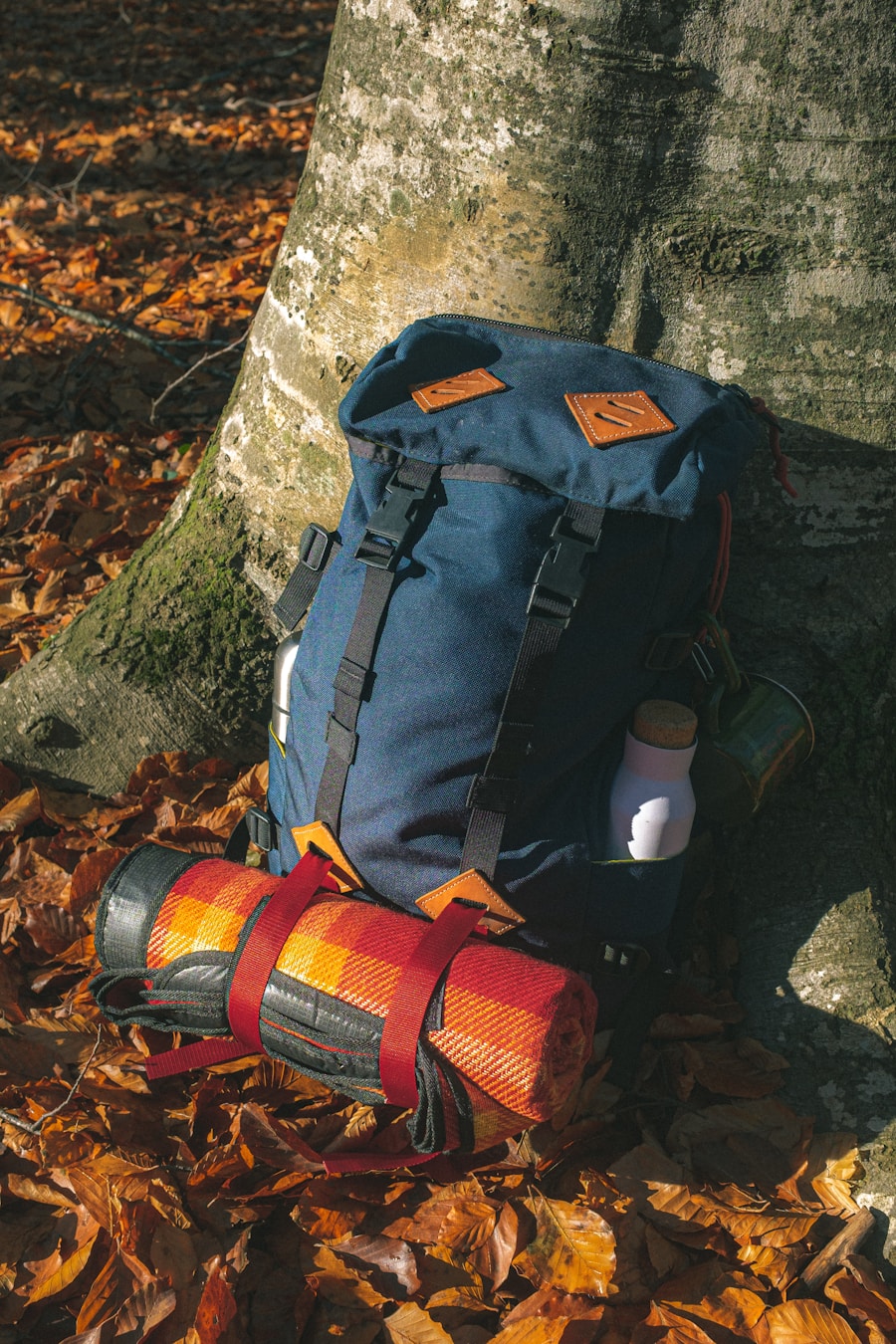
A backpack should hold the essentials securely while remaining comfortable for the expected distance. Keep frequently used items such as water, navigation, snacks, rain protection, and sun protection easy to reach. Protect equipment that must stay dry with waterproof bags or an appropriate pack liner.
For longer outings, a lightweight backpacking stove can make hot food or drinks possible where stove use is allowed, but a stove does not replace the extra ready-to-eat food carried for emergencies.
If you are hiking with young children, a stroller is not part of the Ten Essentials and ordinary travel strollers should not be treated as equipment for rugged backcountry trails. On suitable paved, multi-use, or maintained routes where stroller use is allowed, our Best Double Stroller for Travel guide can help you compare options for family travel. Always match the stroller to the route surface and manufacturer instructions.
Love travel? Join Our Facebook Community For More Tips.
Frequently Asked Questions
What are the 10 hiking essentials?
The 10 hiking essentials are navigation, sun protection, extra clothing, illumination, first-aid supplies, fire, repair tools, extra food, hydration, and emergency shelter. They are best understood as ten preparedness systems rather than ten individual products.
Why are the 10 hiking essentials important?
They help you respond to common outdoor problems such as getting off route, sudden weather, darkness, minor injuries, damaged equipment, dehydration, hunger, or an unexpected delay. They do not eliminate risk, but they improve preparedness.
What items belong in each of the 10 hiking essentials categories?
Typical examples include a map and compass for navigation; sunscreen, sunglasses, and a hat for sun protection; spare layers; a headlamp; a first-aid kit; matches or a lighter where appropriate; repair tools; extra food; water and treatment supplies; and an emergency bivy, tarp, blanket, or similar shelter.
How should I pack the 10 hiking essentials?
Organize them so important items are easy to reach. Keep first aid, navigation, light, food, and weather protection accessible, and protect items that must stay dry. Avoid burying emergency gear beneath equipment you will not need until camp.
Are the 10 hiking essentials necessary for short hikes?
They remain a useful minimum preparedness system even on day hikes because emergencies are not limited to long trips. However, the size and quantity of individual items can be adjusted to the route, weather, remoteness, duration, and abilities of your group.
Where can I purchase the 10 hiking essentials?
Outdoor retailers, sporting-goods stores, pharmacies, camping stores, and many general retailers sell the individual items. Focus on equipment that fits your route and that you know how to use rather than buying a preassembled kit without checking its contents.
Can I customize the 10 hiking essentials list?
Yes. Keep the ten preparedness categories in mind while adapting the actual equipment to weather, terrain, season, trip length, remoteness, medical needs, local regulations, and the people in your group. Some environments require substantially more than the basic Ten Essentials.
What should I do if I forget one of the 10 hiking essentials?
Assess what is missing before starting or continuing the hike. Consider the weather, distance, daylight, terrain, remoteness, available alternatives, and consequences if something goes wrong. If the missing item leaves you unable to manage a realistic hazard safely, turn back, replace it, or choose a lower-risk route.
Is my phone enough for hiking navigation?
Do not make a phone your only navigation plan in remote terrain. Download maps for offline use, begin with a charged battery, and carry an appropriate physical map and compass backup. Cell service may be unavailable, and electronic devices can fail, become damaged, or lose power.
Can I drink directly from a clear mountain stream?
Do not assume clear-looking natural water is safe. Lakes and streams can contain disease-causing organisms even when the water looks clean. When the safety of a source is uncertain, use an appropriate water-treatment method and follow current public-health and product instructions.
Sources
- U.S. National Park Service — Ten Essentials — current Ten Essentials categories, navigation backup, food, hydration, fire, lighting, and emergency shelter guidance.
- U.S. National Park Service — Hike Smart — trip planning, emergency preparation, weather checks, and cell-service limitations.
- Centers for Disease Control and Prevention — Water Treatment When Hiking and Camping — treating uncertain natural water sources.
- Centers for Disease Control and Prevention — Heat and Athletes — hydration and heat-safety guidance during physical activity.
- National Weather Service — Lightning Tips — thunderstorm shelter and outdoor lightning-risk guidance.

