
Last Updated on July 26, 2026 by Daniel Globe
Hiking can be physically challenging and mentally restorative, whether the route crosses mountains, forests, or dry open terrain. Good hiking gear does more than make a walk comfortable. It helps a hiker stay oriented, manage changing weather, treat minor injuries, carry enough food and water, and handle an unexpected delay. The right setup depends on the route, season, terrain, trip length, group size, and distance from help.
A short walk on a busy local trail may need less equipment than a remote mountain hike, but every trip should begin with the same safety systems. Pack the essentials first, then add clothing, footwear, shelter, and optional tools that match the actual conditions.
Quick Answer
Essential hiking gear includes navigation, sun protection, extra clothing, illumination, first aid, fire, repair tools, extra food, water plus treatment supplies, and emergency shelter. Add footwear and a properly fitted pack suited to the route, weather, trip length, terrain, and distance from help.
Key Takeaways
- Start with the 10 Essentials, even on familiar day hikes.
- Choose layers, footwear, and pack capacity for the route and forecast, not for appearance alone.
- Do not assume clear stream water is safe. Carry enough water and a treatment method that matches the hazards.
- Bring a physical navigation backup, a headlamp, first aid supplies, and an emergency shelter.
- Tell a trusted person where you are going and when you expect to return.
Warning: Gear cannot remove every outdoor risk. Check official trail conditions, closures, permits, fire rules, wildlife guidance, and weather before leaving. Turn back when conditions exceed your skills, equipment, or available daylight.
Disclosure: As an Amazon Associate I earn from qualifying purchases. Some links on this page are affiliate links, at no extra cost to you.
Hiking Gear Checklist: The 10 Essentials
The National Park Service 10 Essentials organize hiking safety gear into systems rather than a single fixed product list. Each system should be adjusted for the location and activity.
- Navigation: A route map, compass, GPS device, or offline mapping app, plus the skill to use them.
- Sun protection: Sunglasses, sunscreen, a hat, and protective clothing.
- Extra clothing: Warm layers and rain or wind protection for the worst reasonable conditions.
- Illumination: A headlamp or flashlight with spare power.
- First aid: A kit matched to the group, trip length, medical needs, and distance from help.
- Fire: A lighter, waterproof matches, or another legal fire-starting method for emergency use where fires are allowed.
- Repair tools: A small knife or multi-tool, tape, cord, and trip-specific repair items.
- Extra food: Nutritious food that does not depend on cooking, including a reserve for delays.
- Hydration: Drinking water and, where needed, reliable water-treatment supplies.
- Emergency shelter: A tarp, bivy, emergency blanket, or tent suited to the route and conditions.
Pro Tip: Pack by system. A hiker who has a phone but no backup map, a water bottle but no refill plan, or a first aid kit with no personal medication has only part of the system covered.
Choose Gear for the Hike You Are Actually Taking
There is no single perfect hiking list for every trail. Build the pack around the likely conditions and the consequences of a delay.
| Planning Factor | How It Changes Your Gear |
| Trip length | Longer trips need more food, water capacity, spare clothing, repair supplies, and overnight equipment. |
| Weather and season | Heat, cold, rain, snow, wind, and lightning risk change clothing, shelter, traction, and water needs. |
| Terrain | Rock, mud, loose gravel, stream crossings, snow, and steep grades affect footwear, traction, poles, and route timing. |
| Remoteness | Remote routes require stronger navigation, communication, first aid, repair, and emergency-shelter plans. |
| Local rules | Permits, fire bans, food-storage orders, waste rules, seasonal closures, and pet restrictions may require specific equipment. |
Clothing and Footwear
Clothing and footwear protect against weather, friction, rough ground, and temperature changes. The best setup keeps the hiker comfortable while moving and provides enough protection for stops or delays.
Use a Layering System
- Base layer: Moves moisture away from the skin. Synthetic fabrics and wool are common choices.
- Insulating layer: Holds warmth. The required thickness depends on temperature, wind, pace, and how long the group may stop.
- Outer layer: Blocks rain and wind. A rain shell should be easy to reach before the weather changes.
Carry an extra dry layer when cold, wind, rain, elevation, or a long wait could create an exposure risk. Avoid relying on a single heavy garment that cannot be adjusted as activity levels change.
Choose Footwear for Fit, Traction, and Terrain
Hiking footwear ranges from light trail-running shoes to mid-height hiking shoes and stiff backpacking boots. Light shoes can work well on maintained trails and fast day hikes. Sturdier boots may be useful for rough off-trail terrain, heavy loads, snow, or conditions that demand more protection.
Fit matters more than the label. To reduce rubbing and blisters, try footwear with the socks you plan to wear, check that the heel does not lift excessively, leave room for toes on descents, and test the footwear before a long trip. Choose an outsole with traction suited to the surface.
Note: A higher boot collar may feel supportive and can protect the ankle from debris, but footwear height alone has not been shown to reliably prevent ankle sprains. Good fit, appropriate traction, route choice, balance, and conditioning also matter.
Backpacks and Daypacks
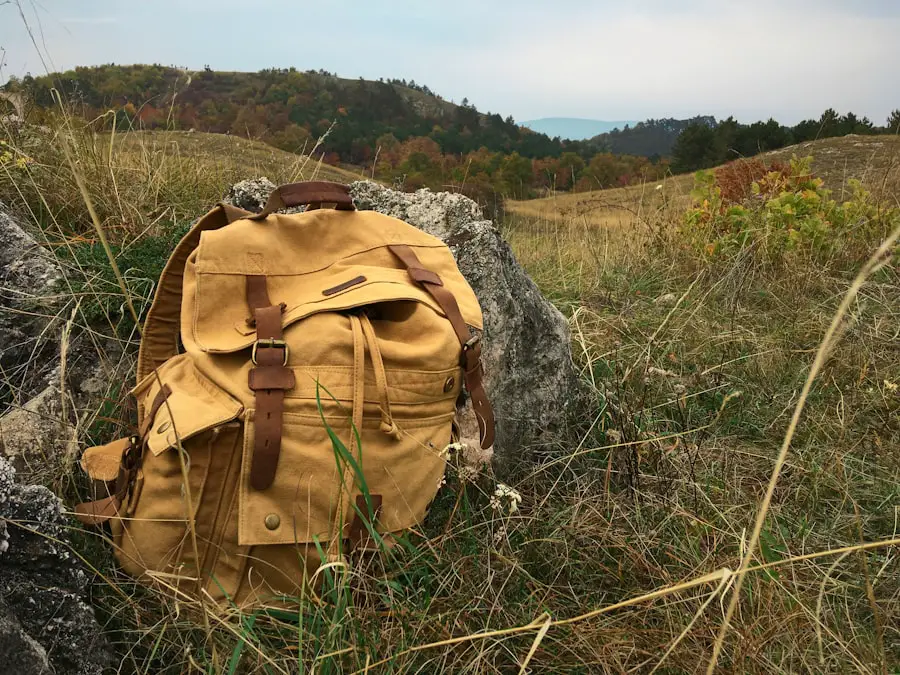
A backpack is the main way to carry water, food, clothing, navigation tools, first aid supplies, and emergency gear. Choose capacity after listing what the trip requires. An oversized pack can encourage unnecessary packing, while a pack that is too small may leave essential items behind.
Small daypacks can work for short, mild-weather outings. Medium daypacks provide more room for water, food, layers, and the 10 Essentials. Larger daypacks or overnight packs are useful when the route requires bulky clothing, group equipment, extra water, or sleeping gear. Multi-day pack size depends on the volume of the shelter, sleep system, food, and seasonal clothing, so 50 liters is not a universal minimum.
Check Backpack Fit
- Match the torso length and hip-belt range to the wearer.
- Place dense items close to the back so the load does not pull backward.
- Use the hip belt and shoulder straps to stabilize the load without creating pressure points.
- Keep rain gear, snacks, water, navigation, and first aid items easy to reach.
- Use external attachment points only for secure items such as trekking poles or a sleeping pad; avoid loose gear that can snag or swing.
- Walk with the packed bag before the trip and adjust it while loaded.
Pro Tip: Perform a full pack test at home. Put in the actual food, water, clothing, and safety gear, then walk for at least a few minutes and correct rubbing, bouncing, or hard-to-reach items.
Navigation Tools
| Navigation Tool | What to Check |
| GPS device | Downloaded route, battery level, spare power, map detail, and satellite reception limits. |
| Compass | Correct use, local magnetic declination when relevant, and compatibility with the map. |
| Paper map | Current trail information, scale, contour detail, boundaries, water sources, junctions, and exit routes. |
| Satellite communicator | Active plan, charged battery, clear-sky use, emergency-contact setup, and a successful test before departure. |
Digital maps and GPS tools are convenient, but they can fail because of battery loss, damage, software errors, or limited reception. Download maps before leaving coverage and carry a physical backup on routes where getting lost would have serious consequences. Learn the route before the hike, identify major junctions and turnaround points, and know how to use the chosen tools.
Hydration and Nutrition
Water needs vary with heat, humidity, altitude, pace, distance, body size, clothing, and access to reliable water sources. Dehydration can contribute to fatigue, dizziness, poor judgment, and reduced physical performance. There is no single amount that fits every day hike. Estimate the full route, include a reserve, and confirm whether listed water sources are seasonal or currently flowing.
A hydration reservoir makes frequent drinking convenient, while bottles are easier to inspect and ration. In freezing weather, protect bottles, hoses, and filters from ice damage. In very hot or remote areas, carrying more water may be safer than depending on uncertain sources.
Warning: Clear water can still contain disease-causing germs. The CDC advises boiling uncertain water or using an appropriate treatment process. Many portable filters remove parasites but do not remove every bacterium or virus, so a filter may need to be followed by disinfection.
Pack lightweight foods that are easy to eat and provide steady energy. Trail mix, nuts, dried fruit, nut-butter packets, jerky, crackers, and bars are common choices. For longer trips, choose meals that match the stove, fuel, water supply, food-storage rules, and cooking time. Carry extra food that can be eaten without cooking in case the trip takes longer than planned.
First Aid Kit
A first aid kit should match the group size, medical needs, trip length, terrain, weather, and distance from professional help. A useful kit is compact enough to carry but complete enough to manage common problems until the group can leave the trail or get assistance.
Common contents include:
- Adhesive bandages, gauze, medical tape, and wound-cleaning supplies
- Blister treatment and friction-reduction supplies
- Elastic wrap, triangular bandage, or another basic support item
- Non-latex gloves and a CPR barrier
- Tweezers, small scissors, and safety pins
- Pain reliever, antihistamine, and other over-the-counter medicine appropriate for the user
- Personal prescription medicine, emergency allergy medicine, and relevant medical information
- A compact first aid guide
Check expiration dates, replace used items, and protect medicines from heat, moisture, and freezing. Knowing how to use the supplies is as important as carrying them. The American Red Cross hiking first aid checklist offers a useful starting point for customizing a kit.
Warning: First aid supplies do not replace training or professional care. For a serious injury, severe allergic reaction, breathing problem, chest pain, major bleeding, altered mental state, or other emergency, contact local emergency services as soon as possible and act within your level of training.
Shelter and Sleeping Gear
Every hiker should have a way to reduce exposure during an unexpected stop. On a day hike, that may be an emergency blanket, bivy, or compact tarp. On an overnight trip, the shelter must also provide enough space, weather protection, ventilation, and stability for the expected conditions.
Backpacking tents balance weight, durability, interior room, and weather resistance. Tarps and bivy sacks can be lighter but may require more skill and better campsite selection. Practice setup before the trip, including in wind or rain if those conditions are possible.
Choose a sleeping bag or quilt with a temperature rating suitable for the expected low temperature, while allowing a margin for individual cold sensitivity and unexpected weather. A sleeping pad adds comfort and reduces heat loss to the ground. Inflatable and self-inflating pads can pack smaller than many foam pads, but they also need puncture protection and an appropriate repair method. Protect insulation from moisture with an appropriate pack liner, dry bag, or waterproof stuff sack.
Safety and Emergency Supplies
Safety gear should support the most likely problems and the most serious reasonable emergencies. It should also be easy to find when visibility is poor, the weather changes, or a person is injured.
Illumination
Carry a headlamp or flashlight even when the plan is to return before dark. A headlamp keeps both hands free for walking, first aid, shelter setup, or repairs. Pack spare batteries or another dependable power source, and prevent the light from switching on inside the backpack.
Communication and Trip Plan
A mobile phone is useful but should not be treated as guaranteed emergency coverage. Keep it charged, protect it from weather, and consider airplane mode when service is weak. On remote routes, a satellite communicator or personal locator beacon may provide an important additional option, but the user should understand its limits and test procedures.
Before leaving, give a trusted person the route, trailhead, vehicle details, group names, expected return time, and the time at which they should contact authorities if the group does not check in. Update that person if the plan changes.
Weather and Lightning
Check the latest forecast and local alerts before departure, then watch the sky and conditions during the hike. Build a turnaround time that leaves enough daylight and avoids exposed terrain during forecast storms.
Warning: The National Weather Service states that no place outside is safe when thunderstorms are nearby. If thunder is heard, move toward a substantial enclosed building or a hard-topped enclosed vehicle when available. Do not shelter under an isolated tree, on a ridge, or beneath a small open shelter.
Fire and Emergency Warmth
Waterproof matches, a lighter, and fire starter can provide heat or a signal in some emergencies, but only where fire is legal and conditions permit safe use. A compact emergency blanket can reduce heat loss and can also serve as a visible signal or wind barrier. Do not rely on fire as the only warmth plan.
Personal Care Items
Sunscreen, sunglasses, a brimmed hat, and sun-protective clothing help reduce ultraviolet exposure, including on cool or cloudy days. The CDC recommends broad-spectrum sunscreen with at least SPF 15 and reapplication after two hours, or more often after heavy sweating, swimming, or toweling. Lip balm with sun protection can help protect exposed lips.
Use an EPA-registered insect repellent when mosquitoes, ticks, or other biting insects are a concern, and follow the product label. Long sleeves, long pants, and walking near the center of the trail can also reduce tick contact. Check skin, clothing, children, and pets after the hike.
Carry toilet supplies, waste bags, and hand-cleaning supplies that match local rules. When soap and water are unavailable, the CDC recommends hand sanitizer containing at least 60% alcohol. Biodegradable soap is still soap and should be used sparingly away from lakes, streams, and other water sources.
Multi-Use Tools and Repair Supplies
A compact multi-tool can combine a knife, screwdriver, scissors, pliers, bottle opener, and other functions. It may help with food preparation, splinter removal, gear adjustments, or minor repairs. Choose only the functions the trip is likely to need.
A simple repair kit may include duct tape wrapped around a bottle, cord, cable ties, a sewing needle, strong thread, a patch kit, a spare buckle, and repair parts for the stove, tent, sleeping pad, footwear, or water system. Some compact camp stoves integrate a pot support or cooking vessel, but they still require suitable fuel, safe ventilation, and a backup plan for food that does not need cooking. Overnight hikers should know how to repair the most important gear they carry.
Optional Gear That May Help
- Trekking poles: May improve balance on loose ground, stream crossings, steep slopes, or long descents.
- Gaiters: Help keep debris, mud, or snow out of footwear.
- Traction devices: Microspikes, crampons, or snowshoes may be required in winter conditions, but each tool has limits and requires suitable footwear and skill.
- Seat pad: Adds insulation during rest stops.
- Binoculars or camera: Useful for wildlife viewing without approaching animals.
- Food-storage system: A bear-resistant container, approved bag, or other method may be required by the land manager.
Avoid Packing Unrelated Gear by Default
A travel trailer battery is vehicle or campground equipment, not a normal hiking essential. A travel fishing rod belongs only when fishing is part of the legal, permitted plan. Waterproof sneakers may work on easy trails, but waterproofing alone does not make footwear suitable for hiking. Fit, traction, comfort, drying time, terrain, and weather are more important.
Extra equipment can add bulk and make essential items harder to reach. Pack each item because it supports the route, conditions, safety plan, or planned activity.
Leave No Trace Principles
Responsible gear choices also reduce impact on the places hikers visit. The Leave No Trace Seven Principles cover planning, durable surfaces, waste, natural and cultural objects, fire, wildlife, and consideration for other visitors.
- Plan ahead and follow permits, closures, fire restrictions, and local waste rules.
- Travel and camp on durable surfaces instead of widening trails or damaging vegetation.
- Pack out trash, leftover food, pet waste, toilet paper, and hygiene products when required.
- Leave rocks, plants, artifacts, and other natural or cultural items where they are.
- Use a stove when practical and minimize campfire impacts.
- Observe wildlife from a distance and never feed animals.
- Keep noise low and share the trail with other users.
Use toilets where available. When they are not available, follow the land manager’s rules. Common guidance for a cathole is 6 to 8 inches deep and at least 200 feet from water, camp, and trails, but some environments require all human waste to be packed out.
The best hiking kit is not the largest kit. It is a complete, tested, route-specific system that the hiker knows how to use.
Day-Hike Packing Checklist
- Current map, compass or GPS, and a physical or offline backup
- Water, reserve capacity, and treatment supplies if refilling is possible
- Food for the planned hike plus a no-cook reserve
- Weather-appropriate clothing, rain protection, hat, and extra layer
- Suitable footwear and spare socks when conditions justify them
- Headlamp with spare power
- First aid kit and personal medications
- Emergency shelter
- Sun protection and insect repellent as needed
- Fire and repair supplies allowed for the area
- Phone, optional satellite device, whistle, and emergency contacts
- Waste bags, toilet supplies, and hand-cleaning supplies
Overnight Hiking Packing Checklist
- Everything required for a day hike
- Tent, tarp, bivy, or other planned shelter
- Sleeping bag or quilt and sleeping pad suited to the conditions
- Stove, fuel, lighter, cookware, and utensils when cooking is planned
- Overnight food, no-cook backup food, and required food storage
- Water capacity and a complete treatment method
- Extra clothing and dry storage for insulation and sleep gear
- Trip-specific repair parts, hygiene supplies, and waste system
- Permit, reservation, route information, and emergency plan
Before You Leave: Final Gear Check
- Review the route, distance, elevation, water sources, hazards, and exit points.
- Check the current forecast, trail conditions, closures, permits, fire rules, and wildlife notices.
- Test the headlamp, navigation devices, stove, water treatment, shelter, and communication device.
- Inspect footwear, pack straps, first aid supplies, batteries, food, and personal medication.
- Load and carry the backpack before departure.
- Share the trip plan with a trusted person and agree on a check-in deadline.
- Set a turnaround time and be willing to use it.
Frequently Asked Questions
What should I pack for a day hike?
Pack the 10 Essentials: navigation, sun protection, extra clothing, illumination, first aid, fire, repair tools, extra food, water plus treatment supplies, and emergency shelter. Add route-specific items such as insect repellent, trekking poles, traction, required permits, and a satellite communicator.
What should I pack for an overnight hike?
Start with the day-hike essentials, then add a shelter, sleeping bag or quilt, sleeping pad, overnight food, cooking equipment if needed, extra clothing, more complete repair supplies, hygiene items, waste supplies, and any food-storage system required by the land manager.
How much water should I pack for a hike?
There is no universal amount. Plan for the route length, weather, altitude, pace, body size, water-source reliability, and refill options. Carry a reserve, drink regularly, and do not depend on an untreated stream or a seasonal source that may be dry.
What type of clothing should I pack for a hike?
Use adjustable layers: a moisture-managing base layer, insulation for the expected low temperature, and rain or wind protection. Add a hat, gloves, sun-protective clothing, and spare socks when the season, terrain, or trip length makes them useful.
What type of food should I pack for a hike?
Choose lightweight food that you will eat and that remains safe in the expected temperature. Trail mix, nuts, dried fruit, bars, crackers, jerky, and nut-butter packets are convenient. For overnight trips, match meals to the stove, fuel, water, cooking time, and food-storage rules.
Are hiking boots better than trail-running shoes?
Neither is always better. Trail-running shoes are lighter and often comfortable on maintained trails. Boots may provide more protection, stiffness, or warmth for rough terrain, heavy loads, snow, and cold conditions. Choose by fit, traction, protection, terrain, load, and personal comfort.
Is a phone enough for hiking navigation?
A phone can be useful, especially with offline maps, but it can lose power, break, or fail to receive a signal. Carry spare power and a physical navigation backup when a wrong turn could create a serious problem. Know how to use the backup before leaving.
Do I need a first aid kit on a short hike?
Yes. A compact kit can manage blisters, small cuts, stings, and other common problems. Customize it for the group and include personal medication. Short distance does not guarantee quick help, especially when the trail is remote or access is difficult.
Sources
- U.S. National Park Service: Ten Essentials — core hiking safety systems, navigation backup, extra food, water, illumination, and emergency shelter.
- CDC: Water Treatment When Hiking, Camping, or Traveling — risks in natural water and treatment methods.
- American Red Cross: Hiking and Backpacking First Aid Kit Checklist — suggested first aid supplies and customization.
- U.S. Environmental Protection Agency: Tips to Prevent Tick Bites — clothing, trail, repellent, and tick-check guidance.
- Leave No Trace: The Seven Principles — low-impact planning, travel, waste, wildlife, fire, and trail courtesy.
- National Weather Service: Lightning Safety Tips — thunderstorm shelter and outdoor lightning risk.

