
Last Updated on September 10, 2026 by Daniel Globe
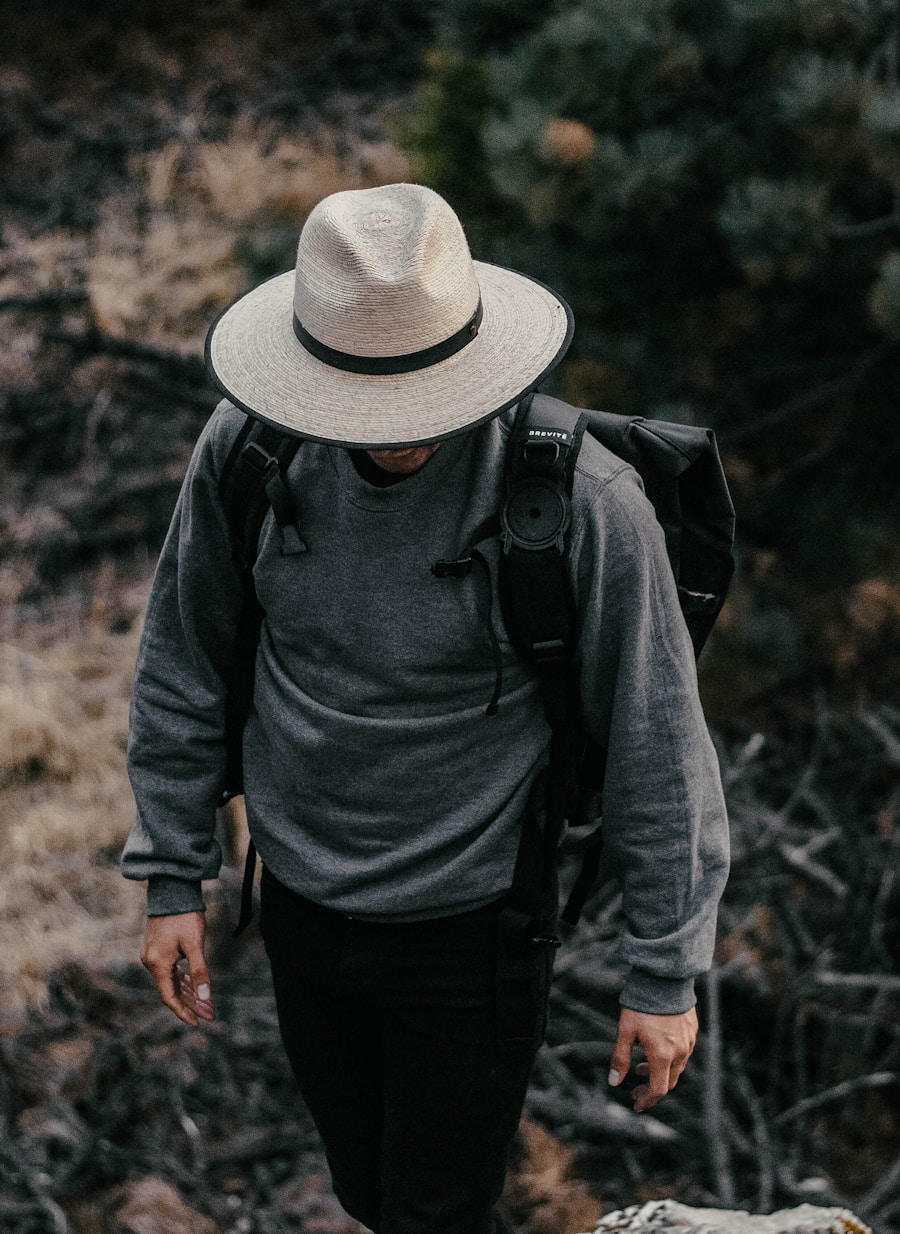
What you wear hiking affects far more than comfort. The right clothing helps manage sweat, protects your skin from sun and brush, keeps rain and wind off your body, and gives you room to move over uneven ground. Your best outfit will depend on the weather, trail surface, distance, elevation, and how hard you expect to work.
You do not need the most expensive outdoor wardrobe. Start with clothing that fits well, dries reasonably fast, and can be layered as conditions change. Then match your footwear, insulation, rain protection, and accessories to the specific hike.
Quick Answer
For most hikes, wear moisture-managing socks, sturdy trail footwear, flexible hiking pants or shorts, and a breathable shirt. Carry a warm layer and rain shell when conditions could change. Add a hat, sunglasses, sunscreen, and weather-specific protection. Avoid relying on heavy cotton clothing in cool, wet, or unpredictable conditions.
Key Takeaways
- Choose hiking clothing for the expected weather, terrain, distance, and intensity of the hike.
- Footwear should fit securely, provide useful traction, and suit the trail; heavy boots are not necessary for every hike.
- Use layers so you can add or remove insulation as your body temperature and the weather change.
- Synthetic fabrics and wool are useful when moisture management and quick drying matter, especially in cool or wet conditions.
- Do not overlook socks, sun protection, rain protection, and extra clothing for unexpected delays.
- Check the forecast and current trail conditions before leaving rather than choosing your outfit by season alone.
Disclosure: As an Amazon Associate I earn from qualifying purchases. Some links on this page are affiliate links, at no extra cost to you.
What to Wear Hiking: A Basic Checklist
For a typical day hike, your clothing system can be simple. Adjust this list for the temperature, forecast, elevation, and trail conditions:
- Hiking socks: Wool or synthetic socks that fit without bunching.
- Trail footwear: Trail-running shoes, hiking shoes, or hiking boots with suitable traction.
- Bottoms: Flexible hiking pants, shorts, or leggings that allow a full range of motion.
- Shirt: A breathable synthetic or wool shirt suited to the temperature.
- Warm layer: Fleece or an insulated jacket when cooler weather is possible.
- Weather shell: A rain jacket or other protective outer layer when rain or strong wind is possible.
- Sun protection: Hat, sunglasses, sunscreen, and covering for exposed skin as needed.
- Cold-weather extras: Gloves, warm hat, additional insulation, and appropriate leg protection.
The National Park Service Ten Essentials also recommends carrying extra clothing suitable for the most severe conditions you could reasonably encounter, along with navigation, illumination, first aid, food, water, and emergency equipment.
Pro Tip: Dress so you feel slightly cool when you start an active hike in chilly weather. If you begin heavily bundled and immediately sweat through your layers, you may become colder when you stop moving.
Choosing the Right Footwear for Hiking
Footwear is one of the most important parts of a hiking outfit because poor fit, inadequate traction, or the wrong shoe for the terrain can quickly make a hike uncomfortable. There is no single style that is best for every trail.
Trail-running shoes are light, flexible, and breathable. They can work well on maintained trails and for hikers who prefer less weight on their feet.
Hiking shoes usually provide more underfoot protection and structure than trail runners while remaining lighter than most traditional boots.
Hiking boots can provide more coverage, structure, and protection from rocks, mud, vegetation, or rough terrain. They can also be useful when carrying heavier loads or hiking in colder conditions. However, a high boot collar should not be treated as a guarantee against ankle injury.
The National Park Service recommends sturdy footwear appropriate for the route and specifically advises against unsuitable choices such as flip-flops on hiking trails. See the NPS Hike Smart guidance when planning your footwear and other trail equipment.
How Hiking Footwear Should Fit
Try hiking footwear with the socks you plan to wear on the trail. The heel should feel secure without painful rubbing, while the front of the shoe should leave enough room for your toes to move without repeatedly striking the end on descents.
- Walk on an incline or stairs if possible.
- Check for heel lifting, pressure points, and toe contact.
- Make sure the shoe does not squeeze the widest part of your foot.
- Consider normal foot swelling during a long day of walking.
- Test new footwear on shorter walks before relying on it for a long hike.
Some leather boots soften with use, but do not buy painful footwear expecting a “break-in period” to correct the wrong size or shape.
Waterproof or Breathable Footwear?
Waterproof footwear can be helpful in cold rain, mud, wet grass, or shallow snow. The tradeoff is that waterproof membranes often reduce airflow, and once water enters over the top, the shoe may take longer to dry.
Breathable non-waterproof footwear can be more comfortable in hot, dry weather and may dry faster after getting wet. Choose based on the conditions rather than assuming waterproof is always better.
Do Not Forget Hiking Socks
Socks help manage moisture and reduce friction between your skin and footwear. Wool and synthetic hiking socks are common choices because they manage moisture better than heavy cotton socks when conditions are wet or cool.
Make sure the sock is tall enough that the top of your shoe or boot does not rub directly against your skin. If you are prone to blisters, test your sock-and-shoe combination before a long hike and deal with any hot spot as soon as you notice it.
Layering for Comfort and Protection
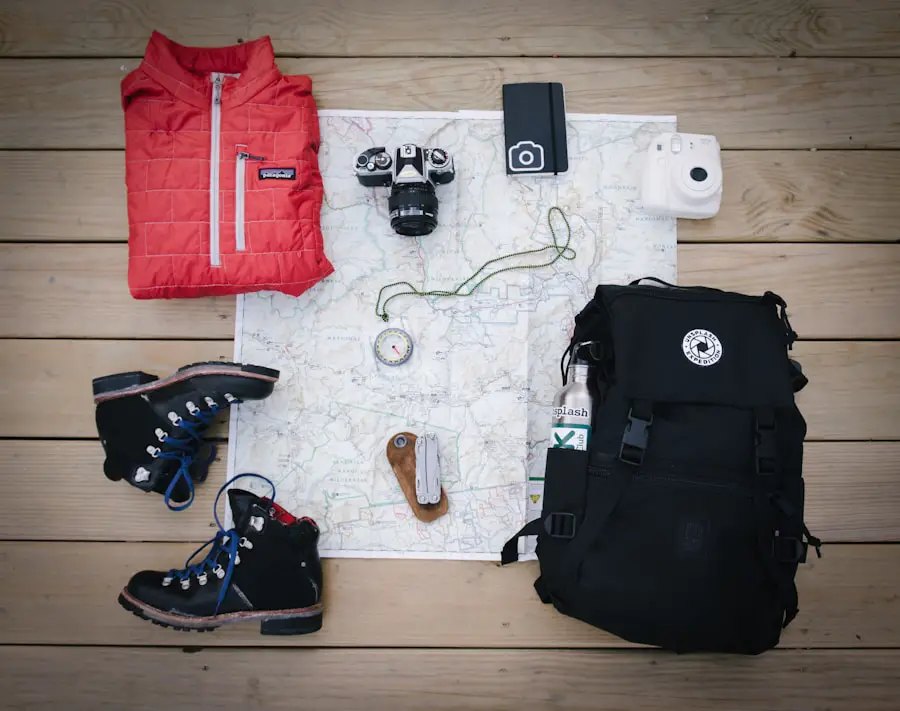
Layering makes it easier to adapt when the temperature, wind, precipitation, or your activity level changes. A common system uses a base layer, an insulating layer, and a protective outer layer. You may not need all three at the same time.
Base Layer
The base layer sits next to the skin. Its main job during active hiking is to manage sweat and reduce the clammy feeling caused by damp clothing.
Lightweight polyester, nylon blends, polypropylene, and merino wool are common options. In cold or wet environments, avoid relying on heavy cotton garments as your next-to-skin layer because they can remain wet for a long time.
Insulating Layer
The insulating layer helps retain body heat. Depending on the temperature, this might be a lightweight fleece, thicker fleece, synthetic insulated jacket, or down jacket.
Fleece is easy to use while moving because it remains breathable. Puffy jackets are often especially useful during rest stops or in colder conditions. Traditional down loses much of its insulating performance when saturated, so keeping it dry is important.
Outer Shell
The outer layer protects you from wind and precipitation. In rainy conditions, choose a waterproof shell that provides enough ventilation for the effort level of your hike. Rain pants can also be valuable during prolonged rain, cold rain, or wet vegetation.
You do not need a specific membrane brand. The best shell is one that fits over your other layers, suits the expected weather, and allows you to regulate heat through ventilation or layer changes.
Warning: Wet clothing can speed heat loss in cool weather. Carry dry or protective layers when conditions could turn cold or wet, and avoid letting sweat soak every layer before you stop for a break.
Selecting the Best Fabrics for Hiking Clothing
| Fabric Type | Features | Best Use / Tradeoffs |
|---|---|---|
| Merino Wool | Manages moisture, provides insulation, and generally resists odor well | Useful for socks and base layers across a wide temperature range; often costs more than synthetics |
| Synthetic (Polyester, Nylon) | Quick-drying, lightweight, durable | Useful for active hiking, shirts, pants, and base layers; some polyester garments can retain odor |
| Spandex / Elastane | Stretchy and form-fitting | Usually blended into pants, shorts, and leggings to improve freedom of movement |
| Polypropylene | Lightweight and hydrophobic | Common in moisture-managing base layers, especially for cool conditions |
| Cotton | Comfortable but absorbs moisture and dries slowly | Poor choice as a primary layer for cold, wet, or rapidly changing conditions |
Fabric choice becomes especially important when you expect to sweat, get rained on, cross wet vegetation, or hike in temperatures where becoming chilled would create a safety problem.
The National Park Service’s Denali hiking guidance, for example, recommends avoiding cotton and choosing quick-drying synthetic materials or wool for its local cool and changeable conditions.
Merino wool is popular because fine fibers can feel softer than traditional coarse wool while providing useful temperature and odor management. However, not every person finds every wool garment itch-free, and lightweight merino can be less abrasion-resistant than some synthetics.
Synthetic fabrics such as polyester and nylon generally dry quickly and can be highly durable. Blended fabrics add stretch, durability, or improved fit, which is why hiking pants and shirts often contain several different fibers rather than one material.
Hiking Shirts, Pants, Shorts, and Base Garments
Shirts
A lightweight moisture-managing shirt works for many hikes. Short sleeves provide ventilation, while long sleeves give more coverage from sun, brush, and insects. For exposed routes, consider clothing designed for sun protection.
Pants or Shorts?
Shorts are comfortable in hot weather and allow excellent airflow, but they leave your legs exposed to sun, insects, thorny vegetation, and scrapes.
Lightweight hiking pants provide more coverage and are often a better choice in brush, strong sun, tick habitat, or changing weather. Convertible pants can provide both options without carrying a second garment.
Underwear and Sports Bras
Choose underwear or a sports bra that remains comfortable while sweating and while wearing a backpack. Seams, elastic, and straps that feel harmless at home can rub after several hours of repetitive movement.
Moisture-managing synthetic or wool blends are often easier to keep comfortable on long hikes than thick cotton garments.
Essential Accessories for Hiking
Clothing and footwear are only part of trail preparation. A well-fitted backpack allows you to carry water, food, first-aid supplies, navigation equipment, extra layers, and other essentials. For longer hikes, padded shoulder straps and a supportive hip belt can make carrying weight more comfortable.
A hat can protect your face and scalp from sun or provide warmth in cold weather. Sunglasses should provide UV protection, while gloves or mittens should match the expected temperature and precipitation.
The FDA recommends combining sunscreen with protective clothing, sunglasses, shade, and other sun precautions. When using sunscreen, follow the product directions and remember that sweating may require more frequent reapplication. See the FDA sun-safety guidance.
When Gaiters Are Useful
Gaiters cover the gap between your pants and footwear. Depending on the design, they can help keep out loose trail debris, mud, snow, rain, or vegetation. They are especially useful on overgrown, muddy, snowy, or scree-covered routes.
Clothing for Tick and Insect Protection
Long pants and sleeves add a physical barrier in grassy, brushy, or wooded areas. In areas where ticks are a concern, the CDC recommends tick-prevention measures that include appropriate repellents and clothing or gear treated with 0.5% permethrin.
Note: Permethrin products intended for treating clothing and gear should be used according to their labels and should not be applied directly to skin.
Tips for Dressing for Different Weather Conditions
Hot Weather Hiking
In hot weather, choose lightweight clothing that allows heat and sweat to escape. Loose, light clothing can feel more comfortable in strong heat, while a wide-brimmed hat and long, lightweight garments can reduce direct sun exposure.
Clothing alone cannot prevent heat illness. The CDC advises people exercising in hot weather to pace themselves, drink water regularly, use sun protection, and move strenuous activity to cooler parts of the day when possible.
Warning: If you feel faint or weak while hiking in the heat, stop the activity and move to a cooler place. Heat illness can become serious even when you are wearing appropriate clothing.
Cold and Wet Conditions
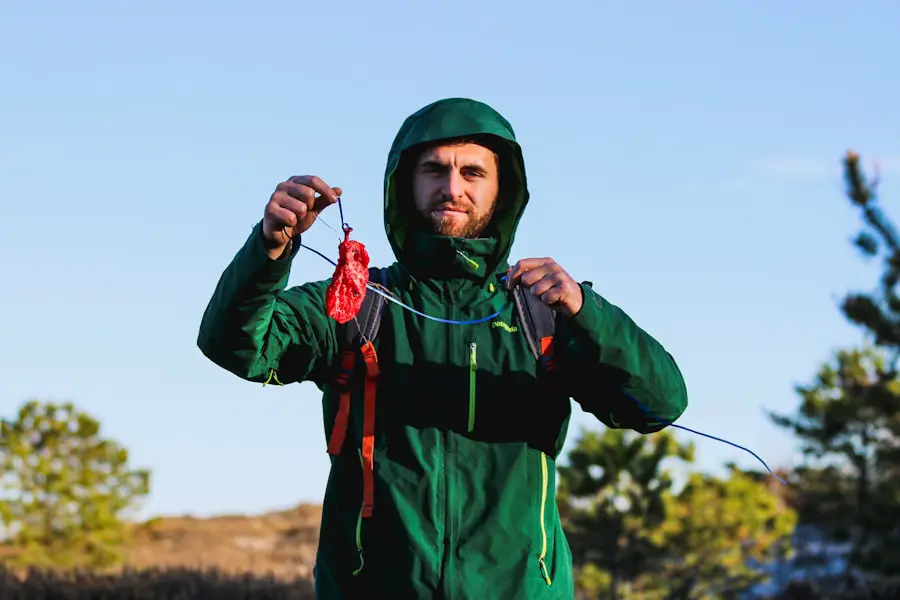
In cold or wet conditions, start with a moisture-managing base layer, add insulation appropriate for the temperature, and carry a shell that protects against rain and wind.
Keep spare clothing dry inside your pack. Gloves, a warm hat, rain pants, and additional insulation can become important if the temperature falls, the wind increases, or you have to stop moving because of an injury or delay.
Remove or vent layers before you become heavily sweaty. Staying dry from your own perspiration is part of cold-weather clothing management.
Windy and Exposed Conditions
Wind can make an otherwise comfortable temperature feel much colder, particularly when your clothing or skin is wet. On exposed ridges, open desert, or alpine terrain, carry a wind-resistant or weather-resistant outer layer even when the starting conditions are mild.
Be Prepared for Changing Conditions
Check the forecast and current trail conditions before leaving, but do not assume the forecast guarantees what you will experience. Elevation, thunderstorms, wind, shade, and approaching fronts can change trail conditions quickly.
Carry an extra layer suitable for the coldest or wettest realistic conditions on the route. This is particularly important on long hikes and routes where getting back to shelter could take several hours.
The best hiking outfit is not the one that feels perfect in the parking lot. It is the one you can adjust as your effort level, elevation, wind, temperature, and precipitation change.
Considerations for Hiking in Different Terrains
Different terrain creates different clothing and footwear needs. Instead of choosing gear only by mileage, think about what will be underfoot and what your clothing will contact along the way.
Rocky and Mountain Trails
Rocky trails usually call for footwear with reliable traction, a secure fit, and enough underfoot protection for the surface. Some hikers prefer boots for additional structure and coverage, while others are comfortable in hiking shoes or trail runners.
Long pants can protect your legs from rough rock and vegetation. At higher elevations, pack extra insulation and weather protection because wind and temperature may differ sharply from conditions at the trailhead.
Desert Trails
For desert hiking, prioritize sun coverage, airflow, and moisture management. A lightweight long-sleeve shirt, light hiking pants, hat, sunglasses, and sunscreen can provide more protection than leaving large areas of skin exposed.
Plan hydration for the actual route and heat. Longer or more strenuous hot-weather hikes may also require food and electrolyte replacement, but needs vary with conditions, duration, exertion, and the individual.
Brushy or Tick-Prone Trails
Long pants and sleeves can help protect against scratches, irritating vegetation, insects, and ticks. Light-colored clothing can make ticks easier to notice. Check yourself, your clothes, and your gear after hiking in tick habitat.
Muddy and Rainy Trails
In mud or prolonged rain, traction and water management become priorities. Waterproof footwear, gaiters, rain pants, and a rain shell may be useful, particularly in cool weather.
Even waterproof footwear can fill from the top or eventually become wet. Carrying dry socks can make a major difference on a long day.
Snow and Ice
Cold-weather hiking requires more than simply adding a thicker jacket. Clothing must work with the expected temperature, wind, moisture, snow depth, and activity level.
Snow or ice may also require traction equipment and skills that go beyond normal hiking clothing. Do not treat ordinary hiking boots as a substitute for equipment required by the actual route.
What Not to Wear Hiking
Avoid clothing simply because it looks outdoorsy. The wrong garment is one that does not work for the conditions or creates a problem after hours of movement.
- Poorly fitting footwear: Pain, slipping heels, crushed toes, and severe pressure points are warning signs.
- Flip-flops on normal trails: They provide little protection or secure footing on rough surfaces.
- Heavy cotton clothing in cold or wet conditions: It can absorb moisture, dry slowly, and leave you chilled.
- Restrictive pants: Clothing should allow you to step up, squat, and climb without binding.
- Brand-new untested gear on a major hike: Test shoes, socks, pack straps, and clothing combinations first.
- Too few layers: A mild trailhead does not guarantee mild conditions several hours later or at higher elevation.
Cotton deserves some nuance. A cotton T-shirt on a short, hot, dry walk close to help is not the same risk as cotton clothing during a cold, wet backcountry hike. The colder and wetter the environment, the stronger the case for quick-drying synthetic or wool layers.
The Importance of Proper Fit for Hiking Clothing
Fit directly affects comfort and freedom of movement. Clothing that is too tight can restrict your stride or rub repeatedly against the skin, while excessively loose clothing can snag on vegetation or bunch under a backpack.
When trying on hiking clothing, simulate trail movement. Take long steps, lift your knees, squat, reach overhead, and bend forward. Check the shoulders, waistband, crotch, knees, cuffs, and any area that will sit underneath backpack straps or a hip belt.
Pay attention to seams. Repeated friction combined with sweat can cause chafing even when a garment initially feels comfortable.
Adjustable waistbands, cuffs, vents, and hems can help one piece of clothing work across a wider range of conditions. Your layers should also fit together without compressing insulation or preventing normal movement.
Pro Tip: Test your complete hiking outfit with your loaded backpack, not just in front of a mirror. A shirt seam or waistband that feels fine by itself can become uncomfortable beneath shoulder straps or a hip belt.
Proper hiking attire is ultimately about creating a flexible system rather than finding one perfect outfit. Match your footwear to the trail, manage moisture with sensible fabrics, carry layers for realistic weather changes, and protect yourself from sun, rain, wind, cold, insects, and abrasive terrain. That preparation lets you spend less time thinking about your clothes and more time enjoying the hike.
If your hiking trip includes an overnight stay, your clothing is only part of staying comfortable after you stop moving. A sleeping bag suited to the expected nighttime conditions is also important. See this guide to choosing a sleeping bag for backpacking and travel when preparing for an overnight trip.
Love travel? Join Our Facebook Community
Frequently Asked Questions
What should I wear for hiking?
For most hikes, wear well-fitting trail footwear, wool or synthetic socks, flexible hiking pants or shorts, and a breathable shirt. Carry an insulating layer and rain shell when conditions may change. Add a hat, sunglasses, sunscreen, and other protection required by the forecast and terrain.
What kind of footwear is best for hiking?
The best footwear depends on the trail, weather, load, and your preferences. Trail runners are light and breathable, hiking shoes add structure and protection, and boots provide more coverage and can suit rough, muddy, cold, or heavily loaded trips. Fit and traction matter more than choosing one category for every hike.
What accessories should I bring for hiking?
Useful accessories include a comfortable backpack, hat, sunglasses, sunscreen, gloves when needed, navigation tools, first-aid supplies, water, food, a headlamp, and extra clothing. The exact list should be adjusted for the route, weather, remoteness, and duration of the hike.
What should I consider when choosing hiking clothing?
Consider temperature, rain, wind, sun exposure, elevation, terrain, insects, hike length, and how intensely you will be moving. Choose clothing that fits without rubbing, manages moisture, allows free movement, and can be layered as conditions change.
Are there any clothing items to avoid when hiking?
Avoid poorly fitting footwear, restrictive clothing, and garments that repeatedly rub your skin. Heavy cotton is a poor choice for cold or wet conditions because it absorbs moisture and dries slowly. Flip-flops are also unsuitable for most unpaved hiking trails.
Can I wear jeans hiking?
Jeans may be tolerable on a short, dry, mild walk, but they are usually a poor choice for demanding or changeable conditions. Denim is generally heavy, absorbs water, dries slowly, and can restrict movement compared with purpose-made hiking pants.
Should I wear hiking pants or shorts?
Shorts provide excellent ventilation in warm weather, while pants provide more protection from sun, brush, insects, ticks, and cool wind. Choose according to the trail and conditions. Lightweight convertible pants are useful when you expect both warm and cool conditions.
Sources
- U.S. National Park Service — Ten Essentials — supports recommendations for extra clothing, rain protection, sun protection, navigation, food, water, and emergency supplies.
- U.S. National Park Service — Hike Smart — supports trail-footwear, hiking-sock, preparation, and hiking-safety guidance.
- Denali National Park and Preserve — Day Hiking — supports quick-drying synthetic or wool clothing and avoiding cotton in its cool, changeable hiking conditions.
- Centers for Disease Control and Prevention — Heat and Athletes — supports hot-weather pacing, hydration, sun protection, and heat-illness precautions.
- Centers for Disease Control and Prevention — Preventing Tick Bites — supports protective clothing, repellents, tick checks, and permethrin-treated clothing and gear.
- U.S. Food and Drug Administration — Sun Safety — supports protective clothing, sunglasses, sunscreen use, and reapplication guidance.
