Last Updated on July 27, 2026 by Daniel Globe
What you wear hiking in Arizona should match the trail, elevation, season, and forecast—not just the fact that you are hiking in a desert state. A summer hike near Phoenix can demand aggressive heat and sun protection, while a winter hike near the Grand Canyon or Flagstaff may involve freezing temperatures, snow, ice, and strong wind. Start with breathable, protective clothing, dependable footwear, sun protection, enough water and food, and the emergency gear appropriate for your route.
Quick Answer
For most Arizona hikes, wear well-fitting hiking shoes or trail runners, moisture-managing socks, lightweight sun-protective clothing, a wide-brimmed hat, and UV-protective sunglasses. Carry layers for elevation and weather changes. In hot desert conditions, prioritize shade, early starts, water, food, and cooling; in winter high country, add warm and waterproof layers.
Key Takeaways
- Choose footwear for the route: trail shoes work well on many trails, while boots can add protection or stability for rough terrain, heavier loads, snow, or cold conditions.
- Wear lightweight sun-protective clothing in hot areas, but carry warmer and weather-resistant layers for high elevations and changing conditions.
- Bring a map or offline navigation, a paper backup, and enough battery power; tell someone your route and expected return time.
- Use a wide-brimmed hat, UV400 or 100% UV-protection sunglasses, and broad-spectrum sunscreen on exposed skin.
- Never assume a natural water source or trail faucet will be available or safe. Check current conditions and carry enough water for your route.
- During Arizona’s hot season and monsoon period, heat, lightning, and flash flooding can be more important than the gear itself. Check conditions before leaving.
Disclosure: As an Amazon Associate I earn from qualifying purchases. Some links on this page are affiliate links, at no extra cost to you.
Footwear: Hiking Boots or Trail Shoes for Arizona Terrain
Arizona’s trails range from smooth desert paths to loose gravel, steep canyon routes, sandstone, volcanic rock, snow, and ice. The best footwear is therefore the pair that fits your feet well and provides the traction and underfoot protection needed for the specific trail.
A stiff or protective sole can be helpful on sharp, rocky ground, but hikers do not automatically need a heavy boot. Broken-in trail-running shoes or low hiking shoes with dependable tread work well for many maintained routes. Boots may be preferable when carrying a heavier backpack, traveling through snow or cold conditions, or when you personally benefit from a more protective upper.
Some hiking models from brands such as Merrell and Salomon use Vibram or other high-traction outsole compounds, but brand name alone does not determine grip. Check the tread pattern, rubber compound, fit, and condition of the outsole before relying on footwear for steep or loose terrain.
Breathability matters in Arizona’s low-desert heat. Mesh or ventilated footwear can help feet dry more quickly, while waterproof membranes can feel warmer and may dry slowly once water gets inside. Waterproof footwear can still be useful for winter snow, cold rain, muddy trails, or consistently wet conditions. Choose based on the trip rather than automatically selecting either waterproof or non-waterproof shoes.
Fit is especially important on long descents. Your heel should stay secure without excessive slipping, and your toes need enough room that they do not repeatedly strike the front of the shoe when walking downhill.
Socks, Blisters, and Gaiters
Pair your footwear with synthetic or merino-blend hiking socks that manage moisture and fit without bunching. Carry blister treatment such as moleskin or purpose-made blister dressings on longer hikes. Lightweight gaiters can also help keep sand, gravel, and plant debris out of low-cut shoes.
Pro Tip: Do not start a demanding Arizona hike in brand-new footwear. Wear the shoes on shorter walks first and address any hot spots before they become blisters miles from the trailhead.
Clothing: Dressing for Desert Heat and High-Country Weather
Arizona is not one climate. Phoenix and Tucson can be extremely hot while high-elevation areas around Flagstaff and the Grand Canyon rims may be cool, windy, snowy, or icy. Check the forecast for the actual trailhead and elevation rather than dressing for the nearest city.
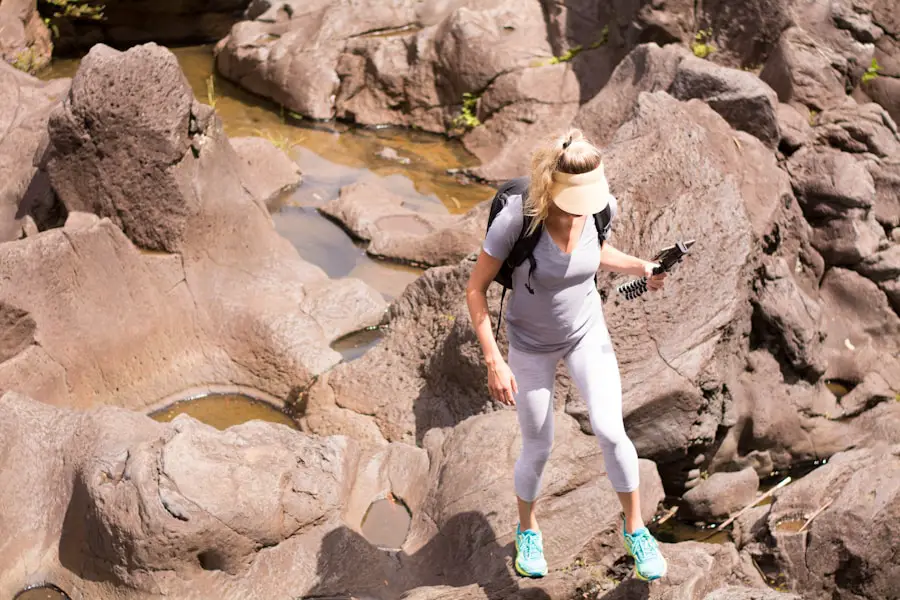
For hot, exposed trails, lightweight and loose-fitting clothing can reduce direct sun exposure while allowing airflow. Long-sleeved sun shirts and lightweight pants also protect against intense sunlight, brush, and prickly plants. Quick-drying synthetics and merino blends are useful choices for most hiking conditions.
Layering becomes more important as elevation increases. A breathable base layer can be paired with an insulating fleece or similar mid-layer and a wind- or rain-resistant outer layer. A lightweight jacket can make a major difference when an exposed ridge, storm, or evening temperature drop changes conditions quickly.
| Conditions | What to Wear | Main Concern |
| Low desert in warm weather | Loose sun shirt, lightweight pants or shorts, hat, UV sunglasses, breathable footwear | Heat, sun exposure, dehydration |
| Sedona and mid-elevation trails | Sun-protective hiking clothes plus a light insulating or wind layer | Sun, changing temperatures, exposed rock |
| Grand Canyon rim / Flagstaff in cold weather | Synthetic or wool base layer, insulation, waterproof/windproof shell, gloves, warm hat, suitable footwear | Cold, wind, snow, trail ice |
| Monsoon conditions | Quick-drying clothing and a lightweight rain shell carried in the pack | Lightning, heavy rain, flash floods, wind |
Note: “Never wear cotton” is too simple for Arizona. Grand Canyon National Park notes that water-holding clothing such as cotton can be useful for intentional evaporative cooling in extreme dry heat. In cold or wet winter conditions, however, cotton can hold moisture against the body and increase chilling risk. Match the fabric to the environment.
Navigation: Maps, GPS, and Compasses for Arizona Trails
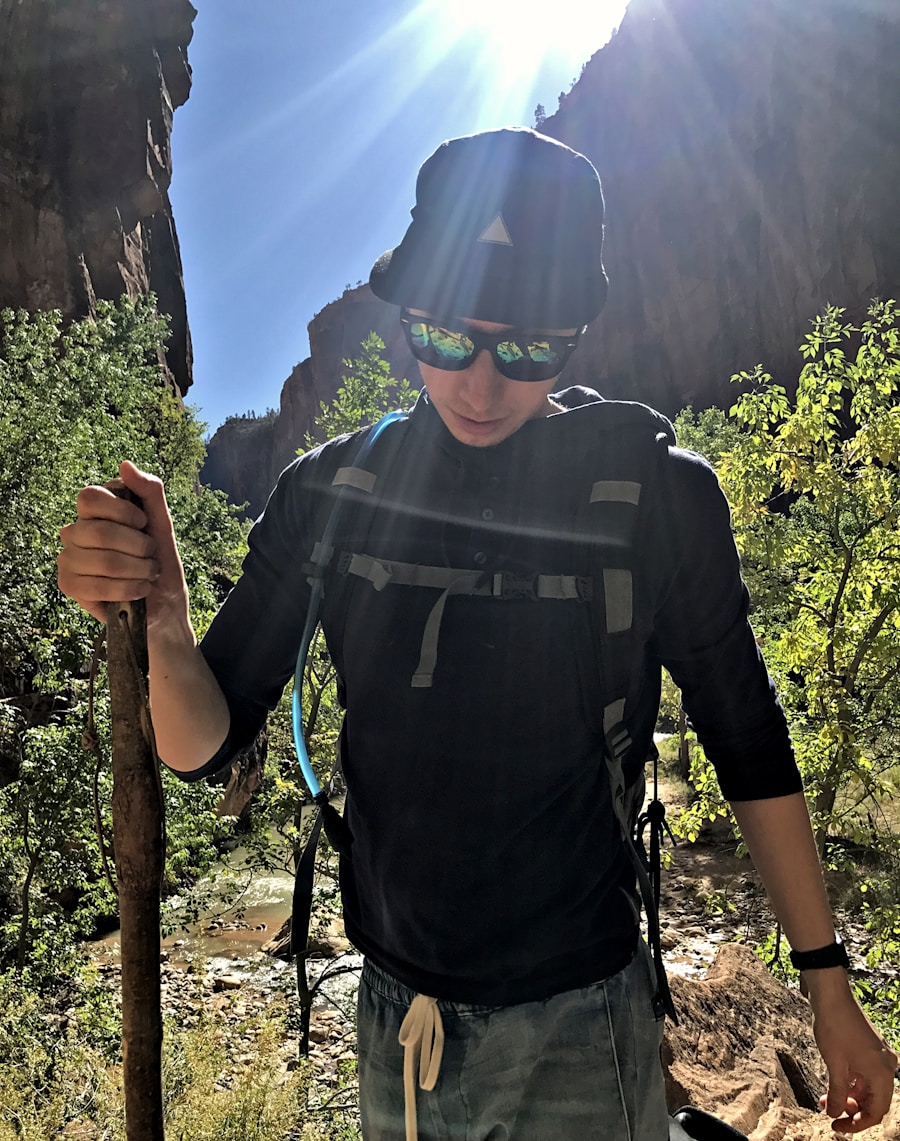
Navigating Arizona’s backcountry requires more than opening an online map at the trailhead. Many popular trails are easy to follow, but confusing junctions, washes, faint routes, darkness, or an unexpected detour can make navigation much harder.
A detailed topographic map can show elevation changes, drainages, trail intersections, and other features that may not be obvious from a simple route overview. The U.S. Forest Service Southwestern Region publishes maps and recreation information for national forests across the region.
A phone or dedicated GPS device can provide real-time position information, but do not depend on cellular data. Download the route or map for offline use before leaving, start with a full battery, and carry a power bank when appropriate. A paper map and compass provide a useful backup if the phone is damaged, lost, overheated, or out of power.
Know how to use your navigation tools before the trip. Leave your route, trailhead, destination, and expected return time with a responsible person, then check in when you return. For remote routes with little or no cellular coverage, a two-way satellite communicator or personal locator device may add another layer of emergency communication.
Sun Protection: Hats, Sunglasses, and Sunscreen
| Item | What to Look For | Protection | Trail Note |
|---|---|---|---|
| Wide-brimmed hat | Broad brim; UPF-rated fabric when available | Shades the face, ears, and neck | A chin strap helps in wind |
| Sunglasses | UV400 or “100% UV protection” | FDA says qualifying UV400/100% UV products block more than 99% of UVA and UVB radiation | Polarization can reduce glare but is separate from UV protection |
| Sunscreen | Broad-spectrum; SPF 30+ is a practical hiking choice | Helps protect exposed skin from UVA/UVB when used as directed | Reapply at least every 2 hours and more often after heavy sweating or water exposure, following the label |
Arizona’s intense sun makes physical coverage especially valuable. A broad-brimmed hat, long sleeves, pants, and shade can reduce how much skin is directly exposed. The U.S. Food and Drug Administration recommends UV400 or 100% UV-protection sunglasses and broad-spectrum sunscreen used according to its label.
Apply sunscreen to commonly missed areas such as the ears, neck, hands, exposed scalp, and tops of the feet. FDA guidance says sunscreen should generally be applied before sun exposure and reapplied at least every two hours, with more frequent application when sweating or swimming.
Grand Canyon National Park warned in June 2026 that Inner Canyon shade temperatures can reach about 109°F (43°C), making the timing of a summer hike as important as the clothing you wear.
Hydration: Water Bottles, Hydration Packs, and Water Treatment
Staying hydrated is a major part of hiking safely in Arizona, but there is no single water quantity that fits every hiker and every trail. Temperature, sun exposure, elevation, exertion, body size, trip length, and access to reliable water all affect your needs.
Water bottles are simple and make it easy to see how much you have left. Hydration reservoirs allow frequent hands-free sipping. An insulated reservoir or hose can slow warming, although it will not keep water cold indefinitely in intense desert heat.
Carry enough water for the planned route plus a reasonable margin rather than depending on an uncertain spring, creek, or trail faucet. Grand Canyon National Park specifically warns that even established drinking-water points can experience outages, so hikers should check current water availability before beginning a route.
If a trip relies on natural water, research the source and the appropriate treatment method in advance. Filters, boiling, and chemical disinfectants can address different biological hazards, but they do not make every contaminated water source safe. For example, Grand Canyon National Park’s safe-water guidance warns that ordinary backpacking filters, boiling, and chemical disinfection do not remove dissolved cyanotoxins.
During prolonged sweating, food and appropriate electrolyte replacement can help maintain fluid and salt balance. Do not force excessive amounts of plain water. Eat regularly, drink appropriately for conditions and thirst, and follow route-specific guidance from the managing park or land agency.
Warning: Confusion, altered mental status, collapse, seizures, or loss of consciousness can indicate heat stroke. Heat stroke is a medical emergency. Call 911, move the person to a cooler or shaded place, remove excess clothing, and begin rapid cooling. Do not treat suspected heat stroke as a simple dehydration problem.
First Aid: Supplies for Common Arizona Hiking Problems
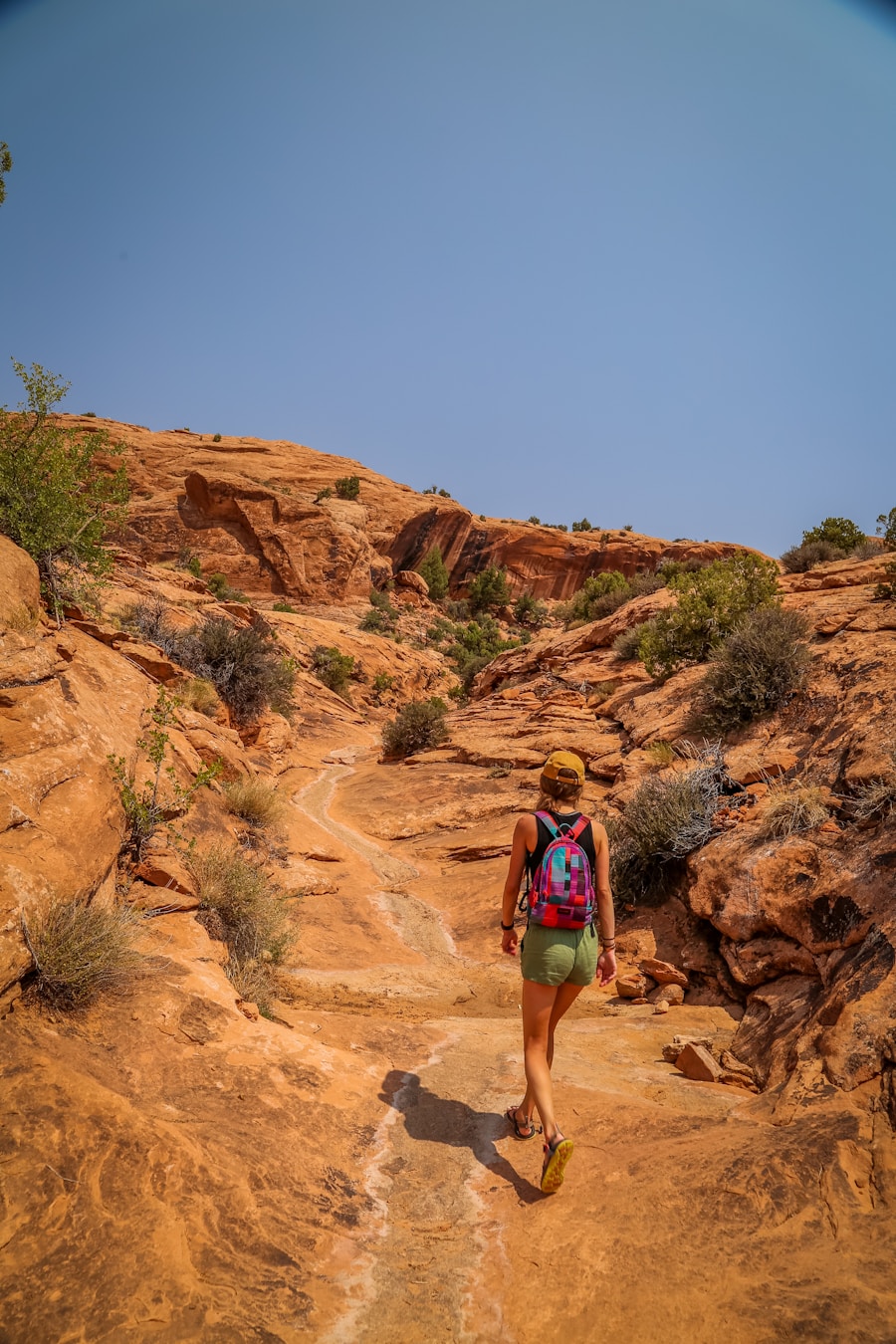
A hiking first aid kit should match the length and remoteness of the trip as well as your medical needs. For ordinary day hikes, useful items include adhesive bandages, gauze, medical tape, antiseptic supplies, blister dressings, elastic wrap, tweezers, gloves, and any personal medications.
Cuts and scrapes are common around sharp rock and thorny vegetation. Blisters are another frequent problem, so treat a hot spot as soon as you feel rubbing rather than waiting until the skin breaks.
Insect bites and stings may cause pain, swelling, or itching. An antihistamine may be appropriate for some mild allergic symptoms when a person can safely take it, but antihistamines are not a substitute for epinephrine and emergency treatment in anaphylaxis. Anyone prescribed an epinephrine auto-injector should carry it as directed.
Heat exhaustion can include heavy sweating, weakness, dizziness, headache, nausea, and other symptoms. Stop exertion, move to a cooler place, loosen unnecessary clothing, cool the body, and replace fluids as appropriate. Suspected heat stroke—especially confusion or loss of consciousness—requires emergency help and rapid cooling.
Note: A first aid kit is intended to help with minor injuries and initial emergency care. Serious heat illness, severe allergic reactions, snakebite, major trauma, chest pain, or altered consciousness require professional medical help.
Backpack: Choosing the Right Size and Features
The right backpack should carry your water, food, layers, navigation equipment, first aid supplies, emergency gear, and other essentials without forcing you to leave safety items behind. For many day hikes, packs in roughly the 15- to 30-liter range are practical. Multi-day trips often require 50 liters or more, depending on shelter, food, water capacity, weather, and equipment.
Fit matters more than the number printed on the pack. A properly adjusted backpack should sit securely against your body and transfer much of the load through the hip belt when the pack is designed for one. Shoulder straps should not create painful pressure points.
Multiple compartments can make frequently used items easier to reach. Hydration sleeves are convenient for reservoir users, while ventilated back panels can improve airflow in hot conditions. External pockets are useful for sunscreen, snacks, maps, and other gear you may need without unpacking the main compartment.
Pack the Ten Essentials
The National Park Service Ten Essentials provide a useful baseline for Arizona trips:
- Navigation: map, compass, and GPS or offline map
- Sun protection: sunglasses, sunscreen, and hat
- Extra clothing appropriate for changing weather
- Headlamp or flashlight with backup power
- First aid supplies and personal medication
- Fire-starting equipment where lawful and appropriate
- Repair kit and tools
- Extra food
- Water and appropriate water-treatment supplies
- Emergency shelter such as a space blanket, bivy, or tarp
Emergency Gear: Whistles, Signal Mirrors, Lights, and Communication
A whistle is a simple emergency signaling tool that requires far less effort than repeatedly shouting. A signal mirror can provide a visible signal in daylight when there is a clear line of sight. Keep both where you can reach them quickly rather than buried at the bottom of your pack.
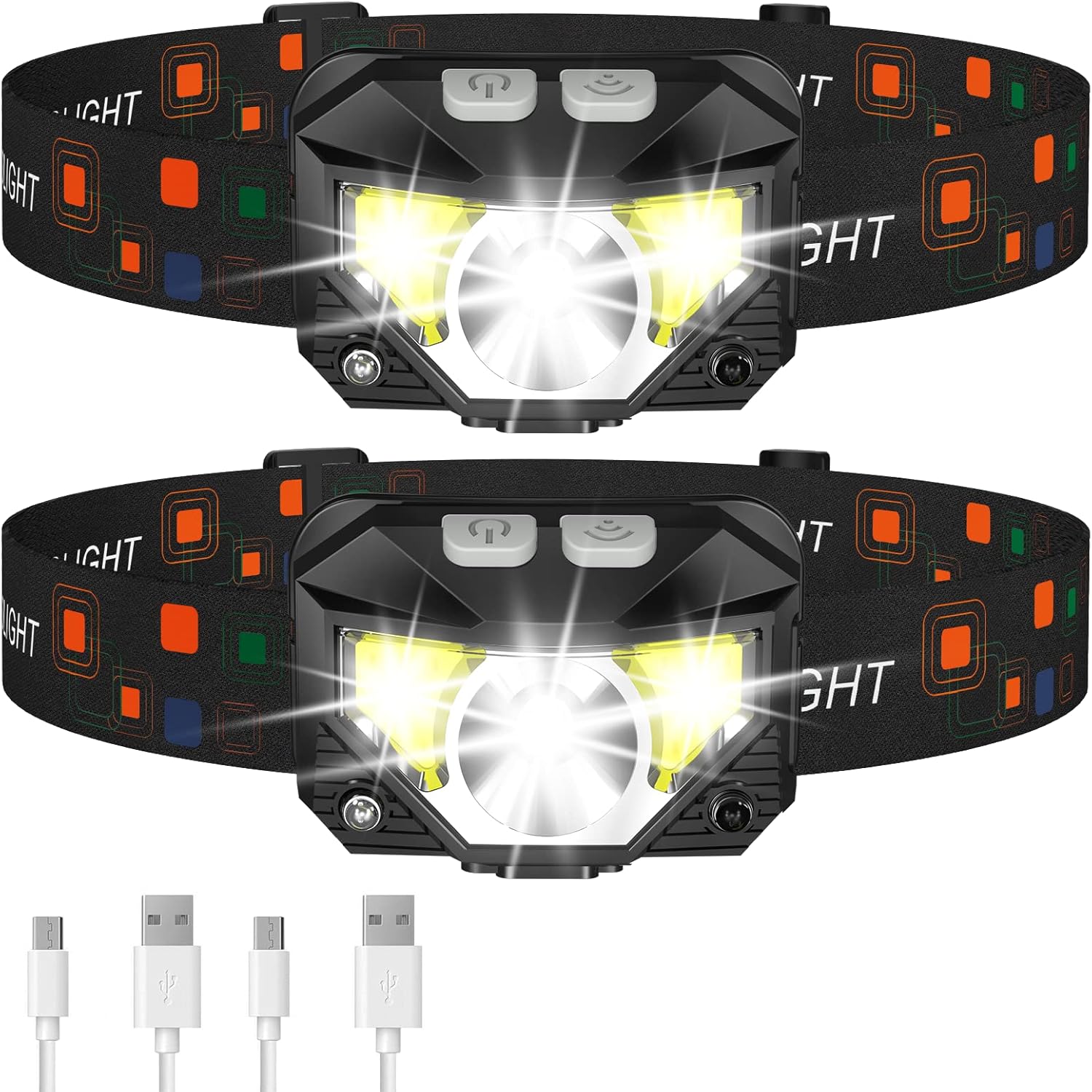
A headlamp is generally more useful than depending on a phone flashlight because it keeps your hands free and preserves phone battery for navigation or communication. Carry spare batteries or another suitable power source.
A multi-tool or small knife can help with equipment repairs, cutting cord, removing certain cactus debris with care, or other practical tasks. Pair it with repair tape and any tools specific to your equipment.
Remote Arizona routes may have unreliable cellular service. A two-way satellite messenger or personal locator beacon can improve emergency communication, but no device replaces route planning, adequate water, weather awareness, and leaving an itinerary with another person.
Monsoon, Flash-Flood, and Lightning Safety
Arizona’s summer monsoon can turn a dry-looking hike into a serious weather emergency. Thunderstorms can produce intense rain, lightning, strong wind, hail, and flash flooding. A dangerous flood can arrive downstream even when the storm itself is not directly over you.
Check the National Weather Service monsoon safety guidance and the local forecast before entering canyons, washes, or exposed high terrain. During threatening weather, do not enter a narrow canyon merely because the sky immediately overhead looks clear.
If you hear thunder, seek a substantial building or hard-topped vehicle when one is safely reachable. Stay away from exposed ridges, canyon edges, isolated tall objects, metal railings, and standing water. Wait until at least 30 minutes after the last thunder before resuming an exposed activity.
Warning: Never attempt to outrun or cross a flash flood in a canyon or wash. Move toward safe higher ground when flooding threatens and follow ranger or emergency instructions.
Cactus, Rattlesnakes, Scorpions, and Other Trail Hazards
Arizona’s desert environment adds hazards that may be unfamiliar to visitors. Stay on the trail where required, watch where you place your hands and feet, and give wildlife plenty of room.
Cholla and other cactus spines can penetrate clothing and skin. Do not grab a detached cactus segment with a bare hand. Saguaro National Park’s hiking checklist recommends staying alert for prickly plants and carrying tools that can help handle cactus debris without grabbing it directly.
Rattlesnakes and other wildlife generally should be left alone. Do not attempt to handle, move, corner, or provoke a snake. Shake out footwear and clothing before putting them on when camping in areas where scorpions or other animals may take shelter.
Check Conditions Before You Start
Arizona trail conditions can change because of heat, snow, fire, flooding, maintenance, water-system failures, or temporary closures. Check the official land-management page, weather forecast, and current alerts shortly before leaving rather than relying only on an old trip report or saved route description.
For Grand Canyon hikes, the park’s Key Hiking Messages page provides current information on trail conditions, closures, water availability, weather, and heat risk. Overnight backcountry use at Grand Canyon generally requires a backcountry permit, so confirm the rules for your exact destination before an overnight trip.
TakeTravelInfo also publishes general travel-accessory information beyond hiking, including its guide to the best travel humidor here and its guide to the best travel toothbrushes here. Those items are separate from the Arizona hiking essentials above and should not replace trail-specific safety gear.
Frequently Asked Questions
What should I wear when hiking in Arizona?
For a typical warm-weather Arizona hike, wear lightweight sun-protective clothing, comfortable trail shoes or hiking boots, moisture-managing socks, a wide-brimmed hat, and UV-protective sunglasses. Carry extra layers when hiking at higher elevation or when the forecast includes wind, rain, or cold temperatures.
What type of footwear is best for hiking in Arizona?
Well-fitting trail-running shoes, hiking shoes, or boots can all work. Prioritize traction, secure fit, underfoot protection, and suitability for the terrain. Boots may be useful with heavier loads, in snow or cold conditions, or when you prefer more protection; they are not mandatory for every Arizona trail.
Should I bring any specific accessories for hiking in Arizona?
Bring water, food, sun protection, navigation tools, a headlamp, first aid supplies, extra clothing, emergency signaling equipment, and the rest of the Ten Essentials appropriate for your trip. In remote areas, a satellite communication device may also be worth carrying.
Should I avoid cotton when hiking in Arizona?
Not in every situation. Synthetic and merino fabrics are versatile because they manage moisture and dry quickly. In extreme dry heat, Grand Canyon guidance notes that wet, water-holding clothing such as cotton can aid evaporative cooling. In cold or wet weather, however, cotton can hold moisture and increase chilling risk.
What should I consider when choosing clothing for hiking in Arizona?
Consider the trail’s elevation, exposure, season, forecast, trip length, vegetation, and whether storms are possible. Low-desert summer clothing may focus on shade and evaporative cooling, while high-country winter hiking can require insulation, a weatherproof shell, gloves, warm headwear, and footwear suitable for snow or ice.
Is it safe to hike in Arizona during summer?
It depends on location, elevation, forecast, and time of day. Some high-elevation trails may be reasonable while low-desert or Inner Canyon routes are dangerously hot. Grand Canyon National Park advises avoiding strenuous Inner Canyon hiking from 10 a.m. to 4 p.m. during extreme summer conditions. Check official heat alerts before leaving and change plans when conditions are unsafe.
Can I rely on streams or trail water stations in Arizona?
Do not assume that you can. Springs and creeks may be seasonal or unsafe, and even established park water systems can experience outages. Check current route information before the hike, carry adequate water, and learn which treatment method is appropriate if your plan depends on a natural source.
What should I do if a thunderstorm approaches while hiking?
Seek a substantial building or hard-topped vehicle when safely possible. Avoid exposed ridges, canyon edges, isolated tall objects, metal railings, and areas that may flood. Do not enter narrow canyons or washes when storms threaten, and wait at least 30 minutes after the last thunder before returning to exposed terrain.
Sources
- Grand Canyon National Park — Summer Hiking: Hike Smart — summer heat, footwear, water, sun protection, signaling gear, and hiking-time guidance.
- National Park Service — Ten Essentials — navigation, clothing, first aid, lighting, food, water, tools, and emergency shelter.
- National Weather Service — Arizona Monsoon Safety — lightning and flash-flood precautions.
- U.S. Food and Drug Administration — Sun Safety — sunscreen use and UV-protective sunglasses.
- Grand Canyon National Park — Safe Drinking Water — backcountry water collection, filtration limits, and cyanobacteria precautions.
- Saguaro National Park — Hiking Checklist — Arizona desert water, cactus, wildlife, navigation, and emergency preparation.