
Last Updated on September 10, 2026 by Daniel Globe
Fall is one of the best times to hike, but it can also be one of the hardest seasons to dress for. A cool morning can turn warm on a climb, while a shaded ridge may bring wind, rain, or even early snow. The best fall hiking clothes keep you dry, let you move freely, and make it easy to add or remove warmth as conditions change.
Quick Answer
For fall hiking, wear a moisture-wicking wool or synthetic base layer, flexible hiking pants, hiking socks, and trail footwear with dependable traction. Carry a fleece or light insulated layer plus a waterproof rain shell. Add a warm hat and gloves when temperatures may drop, and avoid relying on cotton in cold, wet conditions.
Key Takeaways
- Dress in layers so you can adjust as the temperature, wind, precipitation, and your activity level change.
- Choose wool or quick-drying synthetic fabrics instead of cotton when cold and wet conditions are possible.
- Match your footwear to the trail; traction, fit, protection, and conditions matter more than simply choosing the heaviest boot.
- Carry a waterproof shell and an extra warm layer even when the forecast looks favorable.
- Pack a hat, gloves, sun protection, water, and the rest of the gear needed for the route and expected conditions.
Disclosure: As an Amazon Associate I earn from qualifying purchases. Some links on this page are affiliate links, at no extra cost to you.
What to Wear Hiking in Fall: The Basic Outfit
A practical fall hiking outfit starts with clothing that manages sweat while you move and keeps extra warmth available for breaks or changing weather. Your exact setup should depend on the forecast, elevation, wind, trail exposure, trip length, and how warm or cold you normally run.
| Clothing Area | Good Fall Hiking Choice | Why It Helps |
| Base layer | Merino wool or synthetic shirt | Moves moisture away from your skin and dries faster than cotton. |
| Mid layer | Fleece, wool sweater, or light active-insulation layer | Adds warmth and can be removed during hard climbs. |
| Outer layer | Waterproof, wind-resistant rain shell | Protects against rain and wind without permanently trapping you in a heavy insulated coat. |
| Bottoms | Stretch hiking pants or quick-drying leggings | Provide mobility and protection from brush, wind, and cool conditions. |
| Socks | Merino or synthetic hiking socks | Manage moisture and provide cushioning without holding water like ordinary cotton socks. |
| Footwear | Hiking boots, hiking shoes, or trail runners with suitable tread | Improves grip and protects your feet on roots, rocks, mud, and wet leaves. |
| Accessories | Hat, light gloves, sunglasses, and optional neck gaiter | Adds easy-to-adjust warmth and protection with little pack weight. |
For a mild, dry fall afternoon, you may spend most of the hike in a lightweight shirt and hiking pants. On a colder day near freezing, you may need a warmer base layer, fleece, insulated jacket for stops, gloves, and a waterproof shell. Treat temperature ranges as starting points rather than rigid rules because wind, rain, elevation, sun exposure, and your pace can change how cold you feel.
Layering for Comfort and Functionality
Layering is especially useful in fall because your clothing needs can change several times during the same hike. A simple system uses a base layer, an insulating layer, and a protective shell.
Base Layer
The base layer sits against your skin and should manage sweat. Merino wool, polyester, nylon, and technical blends are practical choices. In cold, wet conditions, avoid relying on cotton because it absorbs water and dries slowly. The National Park Service recommends wicking layers and avoiding materials such as cotton and jeans when getting chilled and wet could lead to hypothermia.
Insulating Layer
The middle layer holds warmth. Fleece works well for active hiking because it is breathable and easy to vent. A lightweight insulated jacket or vest can add more warmth, especially during breaks. Down can provide excellent warmth for its weight, but it should be protected from moisture; synthetic insulation is often easier to manage in persistently damp weather.
Outer Shell
The shell protects you from wind and precipitation. For sustained rain, choose a waterproof shell with sealed seams rather than relying only on a water-resistant windbreaker. Breathability still matters because sweat trapped inside your clothing can leave you damp and cold.
Pro Tip: Adjust your layers before you become soaked with sweat. Open vents, remove a mid layer, or slow your pace when you start overheating; put warmth back on before a long rest or exposed ridge.
The National Park Service’s hiking-safety guidance recommends checking weather before hiking and carrying equipment appropriate for the route and conditions, including the Ten Essentials and extra clothing when needed.
Warning: Cold rain and wet clothing can become a serious problem even when it is not deep winter. Uncontrolled shivering, stumbling, poor coordination, confusion, unusual exhaustion, or slurred speech can be signs of hypothermia. Stop, get out of the cold and wind, replace wet clothing with dry layers, and seek professional medical help when hypothermia is suspected.
Current Rocky Mountain National Park hypothermia guidance emphasizes staying dry, using wicking layers, carrying warm gloves and socks, and packing waterproof protection.
Choosing the Right Footwear for Fall Hiking
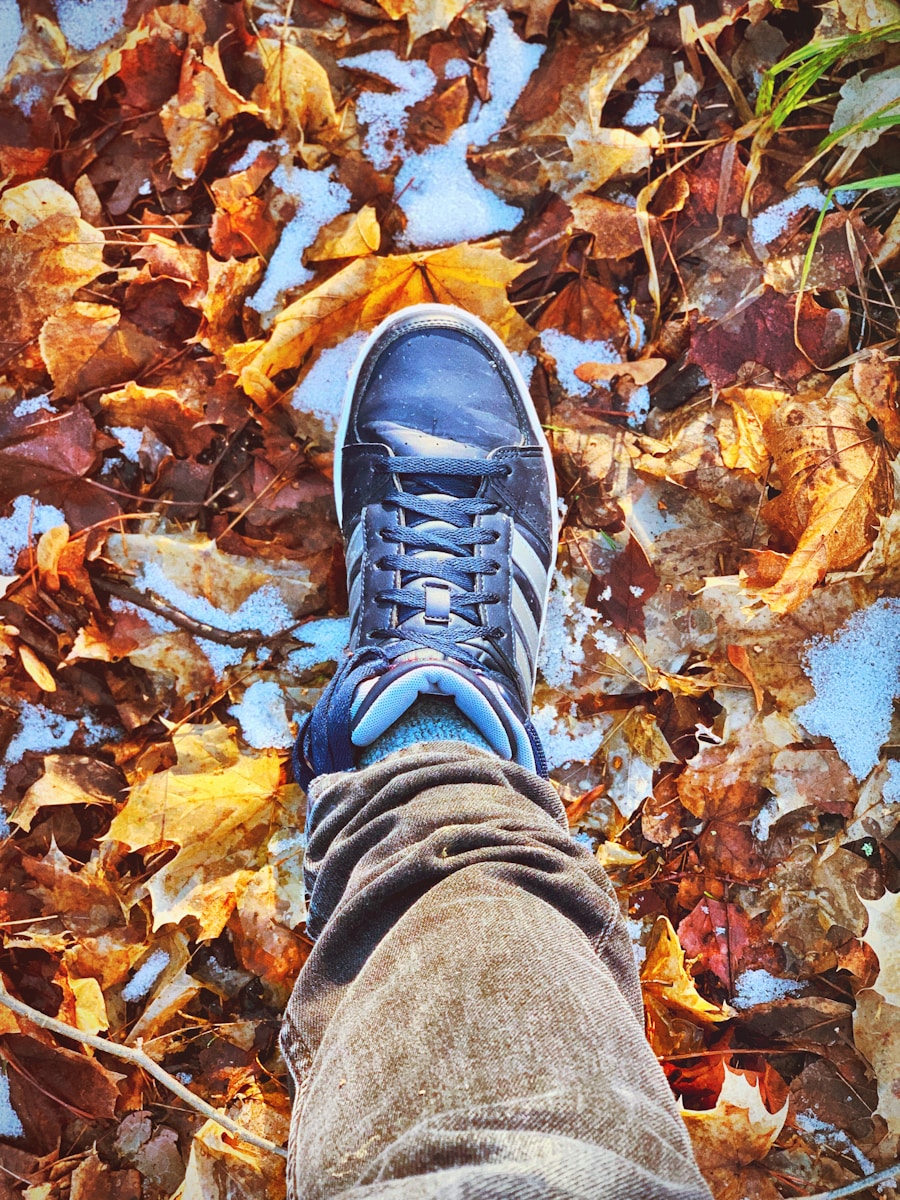
Fall trails can combine wet leaves, mud, roots, loose rock, frost, and early-season snow. That makes traction and fit especially important.
You do not automatically need a heavy hiking boot for every fall hike. Low-cut hiking shoes or trail runners can work well on maintained trails when they provide adequate grip, protection, and comfort. Mid- or high-cut hiking boots may be preferable for rough trails, colder conditions, deeper mud, snow, or hikers who want more protection around the foot and ankle.
Look for Traction and a Secure Fit
Choose an outsole with enough tread for the surfaces you expect to encounter. Vibram is one well-known outsole manufacturer, but the brand name alone does not guarantee grip; tread design, rubber compound, trail conditions, and your movement all affect traction.
Your heel should feel secure, your toes should have room without sliding forward on descents, and the shoe should be comfortable with the hiking socks you actually plan to wear.
Waterproof or Breathable?
A waterproof membrane can be helpful in cold rain, wet grass, shallow mud, and light snow. The tradeoff is that waterproof footwear usually breathes and dries more slowly than comparable non-waterproof footwear. On a dry, mild fall hike, a breathable hiking shoe or trail runner may be more comfortable.
Note: Waterproof boots do not keep feet dry if water enters over the collar. In sustained rain, gaiters or rain pants that shed water over the boot can be useful.
Do Not Forget Hiking Socks
Choose merino wool or synthetic hiking socks that fit without bunching. Adjust thickness to the footwear and temperature rather than automatically wearing the thickest pair available. Carrying a dry spare pair can be valuable on longer hikes in wet conditions.
Prepare for Ice and Early Snow
Wet fall trails can freeze overnight, especially at elevation or in shaded areas. If hard-packed snow or ice is possible, check trail reports before leaving and carry suitable traction when conditions require it. The National Park Service recommends traction devices for hard-packed snow and ice and notes that trekking poles can also help with stability.
Weather-Resistant Outerwear Options
A fall shell should protect against the weather you actually expect rather than simply carrying the highest number on a product label. Waterproof ratings, breathability tests, face fabrics, seam construction, ventilation, and garment design can differ considerably even within the same brand.
| Brand / Technology Example | Verified Waterproof Information | Breathability | What to Know |
| The North Face / GORE-TEX on select shells | GORE-TEX states that its current laminates meet a waterproofing standard above 28,000 mm. | Gore uses laboratory testing, ISO methods, comfort simulations, and wear trials rather than one universal g/m²/24h number. | Check the exact jacket because construction and intended use vary by model. |
| Patagonia H₂No | Patagonia’s current H₂No testing begins at 20,000 mm and requires selected fabrics to maintain a 10,000-mm water rating after its durability testing. | Breathability is tested as part of the H₂No standard; Patagonia does not publish one universal 15,000 figure for every H₂No garment. | H₂No is a performance standard, not one single membrane with identical specifications in every garment. |
| Columbia Omni-Tech | Columbia says hydrostatic-head ratings vary by garment and can range from the thousands up to 10,000 or 20,000 mm. | Performance varies with the specific garment rather than one universal rating. | Use the specification for the exact jacket you are considering. |
| Arc’teryx / GORE-TEX PRO on select shells | GORE-TEX laminates meet Gore’s current waterproofing standard above 28,000 mm. | There is no single 25,000 g/m²/24h figure that should be assigned to every Arc’teryx GORE-TEX PRO shell. | GORE-TEX PRO is designed for demanding use, but the complete jacket’s fabric weight, ventilation, and construction still matter. |
For the technical background behind those numbers, see the current GORE-TEX membrane specifications and Patagonia H₂No Performance Standard.
For ordinary fall day hikes, prioritize dependable rain protection, sealed seams, useful ventilation, a hood that stays secure in wind, and enough room to fit your mid layer underneath. Pit zips and adjustable cuffs can make a shell much more comfortable during strenuous climbs.
Hiking Pants and Lower-Body Layers
Fall hiking pants should allow a full range of motion while providing enough protection for the terrain. Stretch woven nylon or polyester pants are popular because they resist light abrasion and dry relatively quickly.
Lightweight leggings can work on maintained trails, while tougher hiking pants are often better in brush, rough rock, or cold wind. When temperatures approach freezing, a thin synthetic or wool base layer under hiking pants can add warmth without requiring bulky insulated trousers.
If steady rain is likely, lightweight waterproof rain pants provide far more protection than ordinary water-resistant hiking pants. They can also act as a wind-blocking layer on exposed ridges.
Essential Accessories for Fall Hiking
Small accessories can make a large difference when fall temperatures change quickly. A lightweight beanie or warm cap is easy to carry and useful during cold starts, exposed ridges, and rest stops. Gloves should provide enough warmth without making it difficult to handle trekking poles, zippers, or navigation equipment.
Sun protection still matters in fall. Sunglasses, sunscreen, and a brimmed hat can remain useful even when the air feels cool. The National Park Service also recommends sun protection and extra clothing as part of its broader hiking-preparedness guidance.
A well-fitting backpack should distribute the load comfortably and hold water, food, navigation tools, rain protection, insulation, a first-aid kit, and other essentials appropriate to your route. A hydration reservoir can be convenient, but ordinary bottles work just as well when they are easy to reach.
Hydration remains important in cool weather because hikers may notice thirst less readily than they do on hot days. For additional bottle options, see 5 Must-Have Portable Water Bottles for Your Spring 2025 Adventures.
Trekking poles can improve balance on steep, muddy, rocky, or slippery terrain and can be particularly helpful on long descents.
Protect Yourself From Ticks on Fall Trails
Ticks can remain a concern during outdoor recreation, especially in grassy, brushy, and wooded areas. Clothing is only one part of prevention, but long pants and long sleeves can reduce exposed skin.
The CDC recommends several tick-prevention steps, including using an EPA-registered repellent and treating clothing and gear with products containing 0.5% permethrin when appropriate. Permethrin products intended for clothing should be used according to the label and should not be applied directly to skin.
After the hike, check your clothing, body, gear, and pets for ticks. Showering soon after returning indoors can also help with finding and removing unattached ticks.
Incorporating Fashion into Functional Hiking Attire
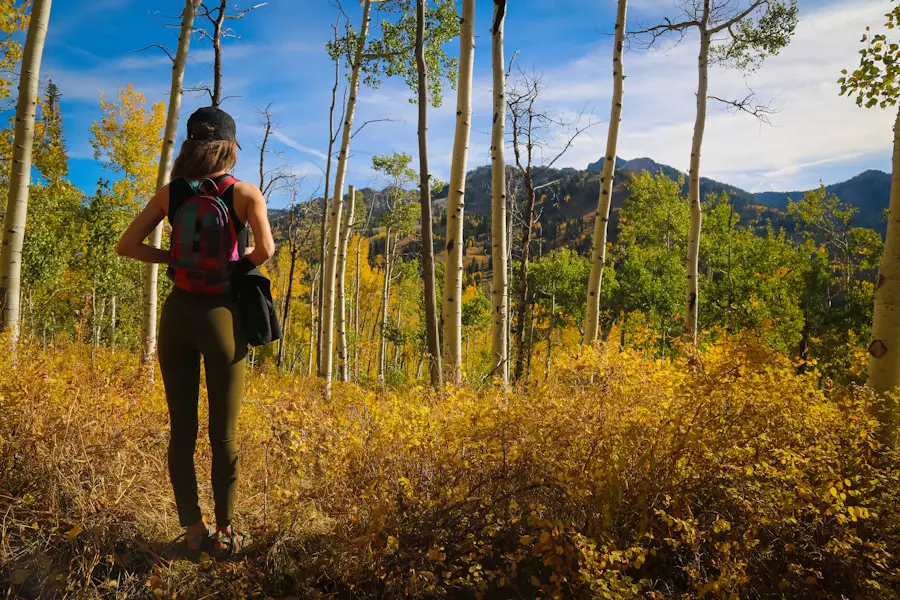
Functional hiking clothes do not have to look dull. Modern outdoor apparel comes in a wide range of colors, cuts, and patterns, so it is possible to choose clothing that suits your style while still meeting the demands of the trail.
Hiking pants are available in slim, relaxed, jogger, and traditional cuts. Technical shirts range from simple solid colors to patterned designs, while fleeces, beanies, neck gaiters, and jackets can add personality without changing their basic purpose.
Put function first when choosing between pieces. A stylish jacket is not useful as your only rain protection if it cannot handle the weather you expect, and fashionable footwear is a poor choice if it does not fit securely or provide enough grip for the trail.
Tips for Staying Stylish and Safe on the Trails
Choose pieces that work together instead of building an outfit around one heavy garment. A base layer, fleece, and shell give you more combinations than one thick coat and make it easier to respond to temperature changes.
Bright or high-visibility colors can also have a practical benefit. NPS Ten Essentials guidance recommends bright clothing because it may make a person easier for search-and-rescue teams to see if help is needed.
Fit matters too. Clothes should give you enough room to climb, step over logs, and reach comfortably without excessive loose fabric that constantly catches on brush. Your rain shell should fit over your insulating layers without restricting movement.
As daylight shortens in fall, do not assume you will be back before dark simply because the hike is planned for daytime. Carry suitable illumination as part of your hiking essentials, especially on longer or unfamiliar routes.
The best fall hiking outfit is not the warmest outfit at the trailhead. It is the one you can adjust as your effort level and the weather change.
Sustainable and Eco-Friendly Hiking Fashion Options
Outdoor clothing is increasingly available with recycled fibers, repair programs, lower-impact treatments, and more detailed material disclosures. Instead of relying only on a broad “eco-friendly” label, look for specific information about what a product is made from, how durable it is, whether it can be repaired, and how the manufacturer supports the product after purchase.
Keeping a reliable jacket, fleece, or pair of hiking pants in use for longer can also reduce the need for frequent replacement. Repairing damaged gear, buying durable products, and considering secondhand equipment are practical ways to extend a product’s useful life.
Some manufacturers are also changing waterproofing chemistry. For example, Patagonia states that all new products have been made without intentionally added PFAS since Spring 2025. Technologies and product materials continue to change, so check the current specifications for the exact garment rather than assuming every product from a brand is made the same way.
Fall Hiking Clothing Checklist Before You Leave
- Moisture-wicking shirt or base layer
- Flexible hiking pants or other trail-appropriate bottoms
- Merino or synthetic hiking socks
- Hiking shoes, boots, or trail runners with suitable traction
- Fleece or another insulating mid layer
- Packable insulated jacket when colder conditions are possible
- Waterproof rain shell
- Rain pants when prolonged rain or strong wind is expected
- Warm hat and gloves
- Sunglasses and sun protection
- Extra dry layer or socks when conditions warrant it
- Traction devices when ice or hard-packed snow is possible
- Water, food, navigation, illumination, first-aid supplies, and the rest of the Ten Essentials appropriate to the trip
Note: Check the forecast, trail conditions, elevation, sunset time, and park or land-management alerts shortly before leaving. Fall conditions at the trailhead may be very different from those on an exposed summit or shaded high-elevation trail.
Frequently Asked Questions
What should I wear for fall hiking?
Wear a moisture-wicking wool or synthetic base layer, hiking pants, hiking socks, and trail-appropriate footwear. Carry an insulating mid layer and waterproof shell so you can adapt to colder, wetter, or windier conditions. A hat and gloves are useful when temperatures may drop.
What type of fabric is best for fall hiking clothing?
Merino wool, polyester, nylon, and technical blends are good options because they manage moisture and generally dry faster than cotton. In cold, wet conditions, avoid depending on cotton as an insulating layer because it absorbs water and dries slowly.
Should I wear a hat and gloves for fall hiking?
Carry them whenever cool temperatures, wind, higher elevations, or late-day hiking are possible. Lightweight gloves and a warm hat take little pack space and can make a major difference during rest stops or sudden weather changes.
What type of footwear is best for fall hiking?
Choose footwear that fits well and provides enough traction and protection for the trail. Hiking boots are useful for rough, cold, muddy, or snowy routes, while hiking shoes and trail runners can work well on many maintained trails. Waterproof footwear is useful in wet conditions but can be warmer and slower to dry.
Should I bring a backpack for fall hiking?
Yes. A daypack gives you room for water, food, navigation, first-aid supplies, rain protection, extra clothing, illumination, and other essentials appropriate to your route. Choose a pack that fits securely and keeps frequently used items easy to reach.
Is cotton okay for fall hiking?
Cotton can be comfortable in mild, dry conditions, but it is a poor choice when cold and wet weather is possible because it absorbs moisture and dries slowly. Wool and quick-drying synthetic fabrics are safer choices for changing fall conditions.
Do I need waterproof hiking boots in fall?
Not always. Waterproof boots are useful in cold rain, mud, wet vegetation, and light snow. On dry trails, breathable non-waterproof footwear can feel cooler and may dry faster. Choose based on expected trail conditions rather than the season alone.
When should I carry traction devices on a fall hike?
Carry suitable traction when trail reports or weather conditions indicate hard-packed snow or ice, especially at higher elevations or on shaded trails where freeze-thaw cycles can create slick surfaces. Check local trail guidance because conditions vary widely by location.
Sources
- National Park Service — Hike Smart — weather checks, trip preparation, and essential hiking equipment.
- Rocky Mountain National Park — Hypothermia — cold-weather clothing, wet-clothing risks, warning signs, and response guidance.
- National Park Service — Hiking With Traction Devices — traction guidance for hard-packed snow and ice.
- CDC — Preventing Tick Bites — protective clothing, repellents, permethrin-treated gear, and post-hike checks.
- GORE-TEX — Membrane Technology — current waterproofing standard and breathability-testing information.
- Patagonia — H₂No Performance Standard — waterproofness, breathability, durability testing, and current materials information.
