
Last Updated on September 10, 2026 by Daniel Globe
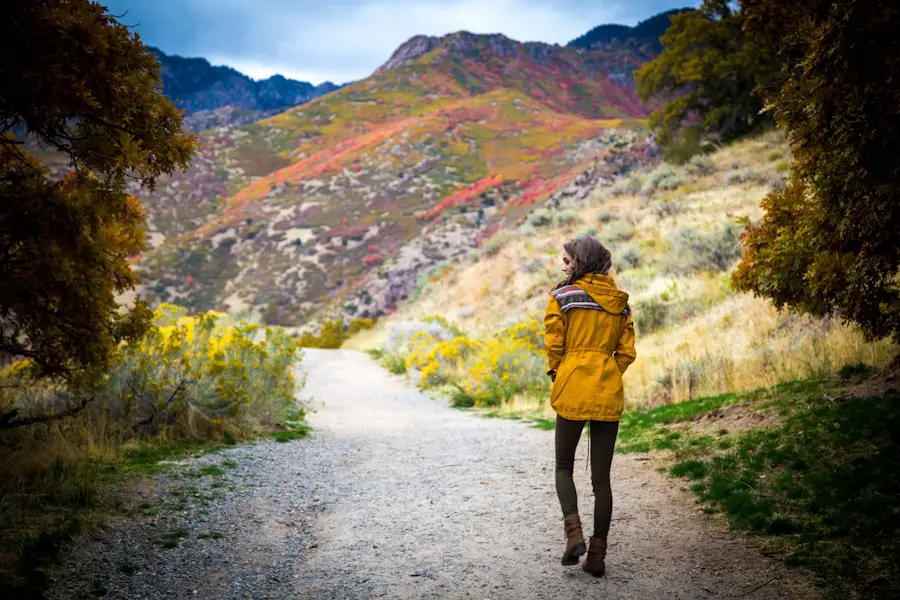
Fall hiking can mean a cool start, a warm climb, wind on an exposed ridge, and rain before you return to the trailhead. The best clothing therefore is not one heavy outfit. It is a flexible system of moisture-managing layers that you can add or remove as your pace and the weather change.
Quick Answer
For fall hiking, wear a moisture-wicking base layer, a light fleece or insulated midlayer, and a windproof or waterproof shell. Add quick-drying hiking pants, wool or synthetic socks, trail footwear with reliable traction, and a hat and gloves. Carry extra insulation and rain protection even when the morning forecast looks mild.
Key Takeaways
- Use three adjustable layers: a moisture-wicking base layer, an insulating midlayer, and a weather-resistant shell.
- Choose synthetic or wool clothing that dries faster than cotton or denim if rain, sweat, or cold conditions are possible.
- Wear footwear with traction suited to the trail and pair it with wool or synthetic hiking socks.
- Carry a hat, gloves, rain protection, and an extra warm layer even if you do not need them at the trailhead.
- Check the forecast, sunset time, trail conditions, and local hunting-season rules before leaving.
At a Glance
| Time Required | About 10–15 minutes to check conditions, choose layers, and pack backup clothing |
| Difficulty | Easy, once you know the basic layering system |
| Gear Needed | Base layer, insulation, shell, hiking pants, socks, trail footwear, hat, gloves, pack, water, and hiking essentials |
| Cost | $0 if you already own suitable outdoor clothing; new gear costs vary widely by material and brand |
Disclosure: As an Amazon Associate I earn from qualifying purchases. Some links on this page are affiliate links, at no extra cost to you.
How to Layer Clothes for Fall Hiking
Layering lets you respond to changing temperatures without carrying several completely different outfits. The basic system is a base layer next to your skin, an insulating layer for warmth, and an outer shell for wind and rain. The American Hiking Society also recommends moisture-wicking, quick-drying hiking clothes and advises avoiding heavy materials such as cotton denim when wet conditions are possible.
Base Layer
Your base layer manages sweat. Choose merino wool or a synthetic fabric such as polyester or nylon. These materials move moisture away from your skin and generally dry faster than cotton.
The layer should fit close enough to manage moisture without restricting movement. On mild fall days, a lightweight hiking shirt may be enough. As temperatures fall, long-sleeve base layers and thermal bottoms become more useful.
Insulating Midlayer
Your insulating layer holds warmth. Fleece, synthetic insulation, and down are common options. A light fleece works well while you are moving because it is breathable and easy to vent.
A puffy jacket or vest is especially useful during breaks, on exposed ridges, or after sunset. Down offers excellent warmth for its weight, but it performs poorly when thoroughly soaked. Synthetic insulation is often the easier choice when persistent rain or damp conditions are likely.
Adjust this layer as your effort changes. If you start sweating heavily on a steep climb, slow down, open vents, or remove insulation before your clothing becomes soaked.
Pro Tip: Start a cool-weather hike feeling slightly cool rather than bundled for standing still. Your body will warm once you begin climbing. Keep your warmer layer near the top of your pack so you can put it on quickly during breaks.
Outer Shell
The outer layer protects you from wind and precipitation. A breathable rain shell is one of the most useful fall-hiking items because wind and wet clothing can cool you quickly.
Water-resistant soft shells work well in dry, breezy weather, but a waterproof shell is the safer choice when steady rain is possible. For prolonged wet weather, consider waterproof rain pants as well.
Warning: Cold rain can turn an ordinary fall hike into a hypothermia risk. The National Park Service recommends staying dry, wearing moisture-wicking layers, avoiding moisture-holding cotton and denim, and carrying extra warm and rain-protective clothing.
Simple Fall Outfit Guide by Temperature
Temperature alone cannot tell you exactly what to wear. Wind, rain, elevation, sun exposure, your pace, and how easily you run hot or cold all matter. Use these combinations as starting points rather than rigid rules.
| Conditions | Good Starting Outfit |
|---|---|
| Mild, roughly 50–65°F | Light base layer, hiking pants, light fleece in your pack, and rain shell |
| Cool, roughly 35–50°F | Long-sleeve base layer, fleece or light puffy, hiking pants, shell, hat, and light gloves |
| Near freezing or below | Warmer base layer, substantial insulation, wind/waterproof shell, thermal bottoms as needed, warm hat, gloves or mittens, and suitable cold-weather footwear |
Choosing the Right Footwear
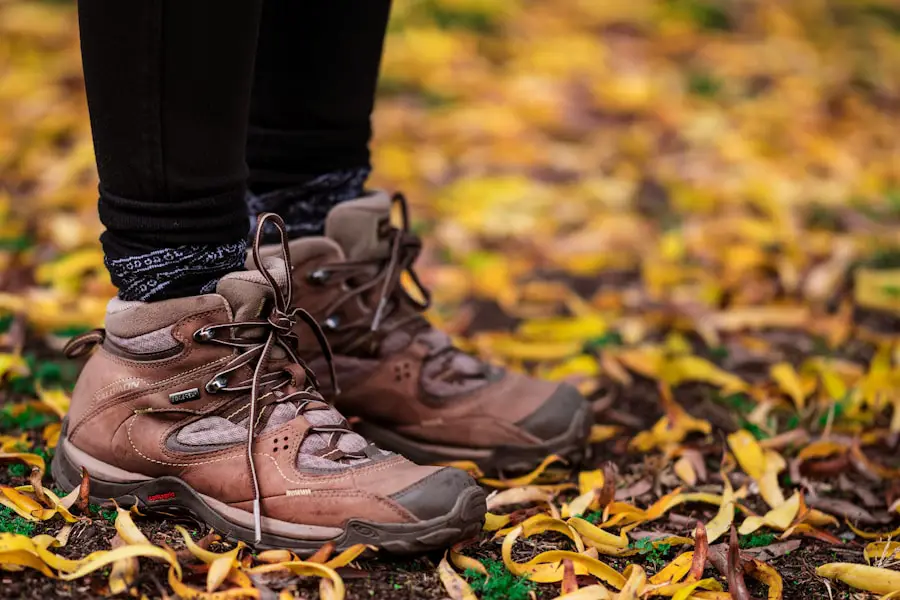
Footwear is one of the most important parts of a fall hiking outfit because wet leaves, mud, loose rock, frost, and early snow can reduce traction. Choose hiking shoes or boots based on the terrain, expected weather, pack weight, and the support that feels comfortable to you.
Look for an outsole with tread that grips the surfaces you expect to encounter. Vibram is one common outsole brand, but the brand name alone does not guarantee traction; tread pattern, rubber compound, wear, and trail conditions also matter.
Waterproof footwear is useful on muddy or consistently wet trails. Gore-Tex is one common waterproof-breathable membrane, but no hiking shoe can guarantee dry feet in every situation. Water can enter over the cuff, and prolonged wet conditions may eventually overwhelm footwear.
Insulated boots are usually unnecessary for mild autumn hiking but can be valuable at high elevations or when temperatures remain near or below freezing. Whatever style you choose, make sure your toes have room to move and your heel is secure. A poor fit can encourage rubbing, blisters, and unstable footing.
Do Not Forget Hiking Socks
Pair your footwear with wool or synthetic hiking socks rather than ordinary cotton socks. Choose a thickness that matches the temperature and the volume of your footwear. Socks should extend above the top of the shoe or boot where the collar might rub.
Carrying one dry spare pair can be especially useful on wet fall hikes. If your feet become soaked, changing into dry socks can improve comfort and reduce prolonged skin exposure to moisture.
Traction for Frost, Ice, and Early Snow
Some fall trails develop frost or ice well before winter officially begins, especially at elevation or in shaded areas. Check current trail reports before leaving. If ice or packed snow is expected, traction devices designed for the conditions may be appropriate; the National Park Service recommends traction devices when walking on ice and snow.
Protecting Your Head and Hands
Your head, ears, and hands are exposed to wind and cold, so a warm hat can make a noticeable difference in comfort. However, it is misleading to say that a uniquely large percentage of all body heat automatically escapes through the head. Heat loss depends heavily on which parts of your body are exposed and how well the rest of you is insulated.
A lightweight wool or synthetic beanie works well for many cool hikes. In milder sunny weather, a brimmed hiking hat may be more useful for sun protection, with a warmer hat kept in your pack for later.
Gloves help keep your hands functional for trekking poles, zippers, maps, and other gear. Lightweight fleece or synthetic gloves are enough for many autumn hikes. Windproof or waterproof versions are useful in exposed or wet conditions.
Mittens generally retain more warmth because your fingers share heat, although they reduce dexterity. Layering thin liner gloves under warmer gloves or mittens gives you more flexibility as conditions change.
Selecting the Best Bottoms
| Bottoms | Fall-Hiking Suitability | Wet-Weather Performance | Typical Material |
|---|---|---|---|
| Jeans | Poor for cold or wet hikes | Absorb water and dry slowly | Cotton denim |
| Leggings | Good when made for outdoor use | Good if synthetic or wool blend | Polyester, nylon, elastane, or wool blend |
| Chinos | Depends on fabric | Cotton versions dry slowly; synthetic travel pants perform better | Cotton or synthetic blend |
| Skirts | Variable; workable with appropriate layers | Depends on fabric and tights underneath | Varies |
| Hiking Pants | Excellent all-around choice | Usually quick-drying; some add water resistance | Nylon, polyester, or stretch blend |
| Rain Pants | Useful backup for wet or windy hikes | Designed to block rain and wind | Waterproof shell fabric |
The best fall hiking pants balance mobility, wind protection, and quick drying. Stretch-woven nylon or polyester hiking pants are versatile because they move easily and do not hold as much water as cotton.
Convertible pants can be useful during warm early-fall days because the lower legs zip off when temperatures rise. Pockets with zippers can also keep small items more secure while climbing or scrambling.
Leggings, hiking skirts, and shorts can work in suitable conditions. In cooler weather, thermal tights or long underwear add warmth underneath. On brushy trails, full-length pants also provide extra protection from scratches and vegetation.
If rain is likely, lightweight rain pants can be more useful than simply wearing thicker everyday pants. Gaiters can also help keep mud, wet vegetation, debris, or light snow from entering the tops of your footwear.
Insulating with Jackets and Vests
A jacket or vest gives you an adjustable source of warmth when the temperature falls. Fleece jackets, down insulation, and synthetic insulated jackets each have strengths.
Fleece is breathable and practical while you are moving. It works especially well under a wind or rain shell. A lightweight fleece can also be opened or removed quickly when your body warms on a climb.
Down jackets and vests provide excellent warmth for their weight and compress well in a pack. They work particularly well for dry, cold conditions and rest stops. Because wet down loses much of its loft, protect it from rain or choose synthetic insulation when prolonged damp weather is expected.
A vest warms your torso without restricting your arms and can be useful in cool but not severe conditions. For colder weather, however, a full insulated jacket gives more complete protection.
Essential Accessories for Fall Hiking
A comfortable daypack gives you room for layers you take off and the gear you may need later. Adjustable shoulder straps and a supportive hip belt can improve comfort on longer outings, especially when carrying extra water, food, and cold-weather clothing.
Trekking poles are useful on steep, muddy, or uneven terrain. They can improve balance and, when used correctly, reduce some lower-extremity loading during descents. They are optional on easy trails but can be valuable when wet leaves or loose surfaces make footing less predictable.
A backpack rain cover can protect the outside of your pack, although important insulation, electronics, and emergency gear are even safer inside waterproof dry bags or sealed plastic bags.
Carry water in bottles or a hydration reservoir such as a CamelBak-style bladder. Cooler weather does not eliminate your need for fluids, so drink regularly instead of waiting until you feel very thirsty.
Considering Weather Conditions
Fall weather can change quickly, especially in mountains and exposed terrain. Check the forecast shortly before leaving and look at conditions for the actual trail area rather than relying only on weather in the nearest town.
Elevation gain and exposure also matter. A sheltered trailhead may feel comfortable while a ridge is colder and windier. Carry enough clothing for the most demanding conditions that could reasonably occur during your hike, not just the conditions at your car.
If thunderstorms are possible, take them seriously. The National Weather Service advises checking the forecast and leaving exposed high ground when thunder threatens. A substantial enclosed building or hard-topped vehicle provides safer lightning shelter than a picnic shelter, isolated tree, or rocky overhang.
Note: Fall days become progressively shorter. Check local sunset time before starting and carry a headlamp even when you expect to finish in daylight. A delayed hike, wrong turn, injury, or slower pace can keep you on the trail longer than planned.
Hiking During Hunting Season
Fall hiking season overlaps hunting seasons in many parts of the United States. Where hunting is permitted, check the land manager’s current rules before your trip. The National Park Service recommends blaze orange or other high-visibility clothing for hikers in several shared-use hunting areas.
A bright hat, vest, jacket, or pack cover can make you easier to see. Stay on established trails where required or recommended and follow all location-specific closures and regulations.
Packing and Carrying Essentials
Clothing is only part of preparing for a fall hike. Organize your pack so rain gear, insulation, food, navigation tools, first aid supplies, and emergency equipment are easy to reach.
The National Park Service Ten Essentials include navigation, sun protection, extra clothing, illumination, first aid supplies, fire, repair tools, food, hydration, and emergency shelter. The exact amount of gear you need depends on the route, weather, remoteness, and length of your hike.
- Navigation: Carry a map, compass, GPS, or an appropriate combination and know how to use them.
- Extra clothing: Pack insulation and rain protection suitable for the worst reasonable conditions.
- Headlamp: Carry one with usable batteries even on planned daytime hikes.
- Food: Trail mix, bars, sandwiches, jerky, fruit, and other compact foods provide convenient energy.
- Water: Carry enough for your route and know whether reliable treated water is available.
- First aid: Include supplies for common trail problems such as cuts and blisters and know how to use what you carry.
- Emergency protection: A lightweight emergency shelter or bivy can provide protection if you are unexpectedly delayed.
Packing cubes, dry bags, or sealed bags can help organize clothing and keep important insulation dry. Place the items you may need quickly—rain shell, gloves, hat, snacks, navigation, and headlamp—where you can reach them without emptying the entire pack.
The goal of fall layering is not to stay as warm as possible at every moment. It is to stay dry enough and carry enough adjustable protection to remain comfortable when your effort or the weather changes.
If your hiking trip is part of a longer camping or road-trip adventure, other equipment may matter once you are back at camp. For example, this travel trailer battery guide covers power options for trailer-based trips. A sturdy travel fishing pole may also be useful if fishing is part of your itinerary. For additional ideas on comfortable travel bottoms, see this guide to traveler pants. Keep those trip extras separate from the clothing and emergency gear you actually need on the trail.
Frequently Asked Questions
What should I wear for fall hiking?
Start with a moisture-wicking base layer, add fleece or another insulating layer, and carry a windproof or waterproof shell. Wear quick-drying hiking pants, wool or synthetic socks, trail footwear with suitable traction, and pack a hat and gloves for colder periods.
What type of fabric is best for fall hiking clothing?
Merino wool, polyester, nylon, and suitable blends are good choices because they manage moisture and generally dry faster than cotton. Cotton and denim are poor choices when cold or wet conditions are possible because they absorb water and dry slowly.
Should I wear shorts or pants for fall hiking?
Quick-drying hiking pants are the most versatile choice for cool, wet, brushy, or windy fall conditions. Shorts can still work on warm early-fall hikes, especially if you carry another leg layer. Convertible pants offer both options in one garment.
What kind of footwear is suitable for fall hiking?
Choose well-fitting hiking shoes or boots with traction appropriate for the trail. Waterproof footwear can help on persistently wet or muddy routes. If frost, ice, or early snow is expected, check current trail conditions and carry suitable traction equipment when necessary.
Do I need to wear a hat and gloves for fall hiking?
It is smart to carry them whenever cooler temperatures, wind, elevation, or an evening return could make your hands, ears, and head uncomfortable. Lightweight versions take little space and can be added quickly when conditions change.
Should I bring a backpack for fall hiking?
Yes. A daypack lets you carry water, food, navigation, first aid, a headlamp, rain protection, insulation, and other essentials. Fall layering works best when you have enough pack space to remove and store clothing as you warm up.
What socks are best for fall hiking?
Wool or synthetic hiking socks are usually better than cotton because they manage moisture and dry more effectively. Match sock thickness to your footwear and weather, and consider carrying a dry spare pair on wet or longer hikes.
Do I need rain pants for fall hiking?
Not for every hike. They are most useful when prolonged rain, cold wind, wet vegetation, or near-freezing conditions are possible. For short hikes in mild weather, quick-drying hiking pants and a rain jacket may provide enough protection.
Sources
- U.S. National Park Service — Ten Essentials — navigation, extra clothing, illumination, first aid, food, hydration, and emergency preparation.
- Rocky Mountain National Park — Hypothermia — cold and wet weather preparation, moisture-wicking layers, and avoiding moisture-holding clothing.
- Katahdin Woods and Waters National Monument — Fall Colors — high-visibility clothing guidance where hiking overlaps hunting season.
- National Weather Service — Outdoor Lightning Safety — forecast checks, high-ground hazards, and safe shelter guidance.
- American Hiking Society — Hiking for Beginners — quick-drying clothing, layering, footwear, and hiking essentials.
- Journal of Applied Physiology / PubMed — Head Cooling Study — evidence used to correct the common misconception that the head necessarily accounts for a uniquely large share of total heat loss.

