
Last Updated on September 10, 2026 by Daniel Globe
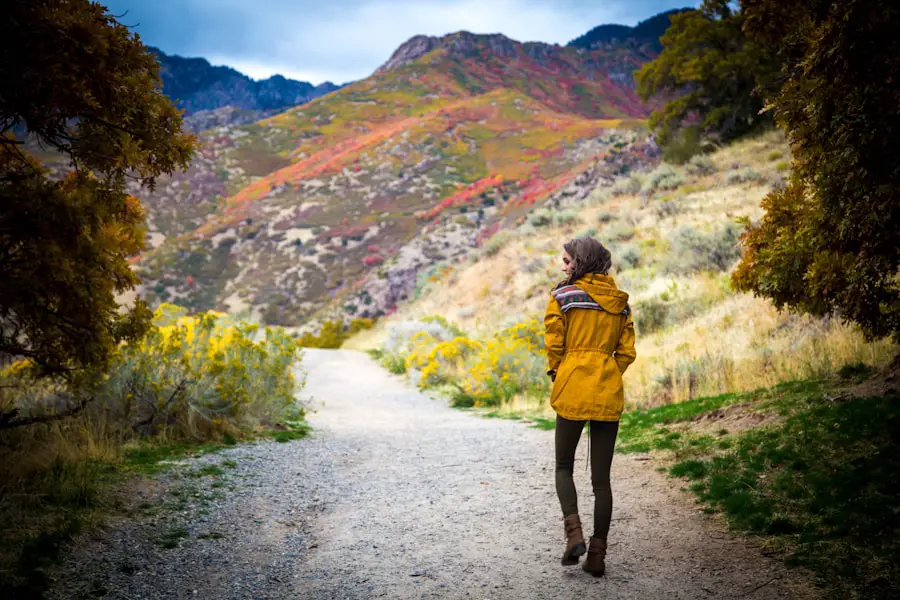
Fall hiking can shift from warm sunshine to cold wind, rain, or even early-season ice in a matter of hours. The best approach is to wear moisture-managing layers that you can add or remove as conditions change, then pair them with trail-appropriate footwear, weather protection, and a few safety essentials.
Quick Answer
For fall hiking, wear a wool or synthetic base layer, an insulating fleece or puffy layer, and a waterproof shell when rain is possible. Add quick-drying hiking pants, wool or synthetic socks, trail footwear with reliable traction, a hat, and gloves. Carry extra layers because fall temperatures and trail conditions can change quickly.
Key Takeaways
- Use a base layer, insulating midlayer, and weather-resistant or waterproof shell so you can adjust as temperatures and exertion change.
- Choose footwear for the actual trail. Good tread matters especially on wet leaves, mud, frost, rocks, and early-season ice.
- Favor wool and quick-drying synthetic fabrics over cotton when cold or wet conditions are possible.
- Pack a warm hat, gloves, extra socks, rain protection, water, food, navigation tools, a headlamp, first-aid supplies, and emergency gear.
- Use bright or high-visibility clothing where appropriate, particularly where hunting is permitted or being easily seen could improve safety.
Fall Hiking at a Glance
| Mild and Dry | Light synthetic or merino top, hiking pants or shorts, breathable trail footwear, sun protection; carry a light insulating layer. |
| Cool and Windy | Moisture-managing base layer, fleece or light puffy, wind-resistant shell, hiking pants, hat, and light gloves. |
| Rainy and Cold | Wool or synthetic layers, waterproof breathable shell, rain pants when needed, warm hat, gloves, spare dry layer, and appropriate wet-trail footwear. |
| Frost or Ice Possible | Warm layers, waterproof footwear with strong tread, gloves, and trail-appropriate traction devices when conditions require them. |
Disclosure: As an Amazon Associate I earn from qualifying purchases. Some links on this page are affiliate links, at no extra cost to you.
Layering Basics for Fall Hiking
Layering is the foundation of fall hiking clothing because it lets you respond to changing weather and changing levels of exertion. A practical system has three main parts: a base layer, an insulating layer, and an outer shell.
Base Layer
The base layer sits next to your skin. Merino wool and synthetic materials such as polyester or nylon blends are popular because they move moisture away from the skin and dry more efficiently than ordinary cotton.
This matters in fall because sweat that feels harmless while climbing can become uncomfortable once you stop moving or reach a windy ridge. The National Park Service recommends wool or synthetic clothing over cotton for cold-weather recreation because cotton absorbs moisture and provides little insulation when wet.
Insulating Layer
The insulating layer retains body heat. A fleece jacket, synthetic insulated jacket, or lightweight puffy can all work. A down vest or jacket can provide excellent warmth for its weight, but hikers should keep conventional down dry unless the garment is specifically designed to handle damp conditions.
The colder the expected conditions, the more important it becomes to carry enough insulation for rest stops and unexpected delays rather than dressing only for the heat you generate while climbing.
Outer Layer
The outer layer protects you from wind and precipitation. In dry weather, a lightweight wind shell may be enough. When sustained rain is possible, use a genuinely waterproof shell rather than assuming a water-resistant jacket will provide the same protection.
Technologies such as GORE-TEX are designed to combine weather protection with breathability, although performance varies among individual garments and constructions.
Pro Tip: Adjust your layers before you become soaked with sweat. Remove a midlayer or open ventilation while climbing, then put insulation back on before a long stop or exposed descent.
Warning: Cold rain can be more serious than it looks. CDC guidance notes that hypothermia can occur even above 40°F when a person becomes chilled by rain, sweat, or cold water. Seek shelter and replace wet clothing with dry insulation if you develop persistent shivering, confusion, unusual clumsiness, slurred speech, or extreme fatigue.
Footwear Selection
Terrain and Ankle Support
For rocky, muddy, or uneven trails, sturdy hiking shoes or boots with a grippy outsole can provide useful protection and stability. Boots with higher collars may feel more supportive to some hikers, especially on rough terrain or while carrying a heavier pack, but heavy boots are not mandatory for every trail.
The National Park Service advises choosing sturdy footwear appropriate to the walking surface. Regardless of style, fit matters: your heel should feel secure, your toes should have room to move, and the shoe should not create pressure points before you begin a long hike.
Trail Running Shoes
Trail running shoes or low hiking shoes can work well for maintained paths, shorter hikes, and hikers who prefer lighter footwear. They are generally lighter and more flexible than traditional boots, but you should still look for a secure fit, adequate underfoot protection, and tread suited to the trail.
A lightweight shoe with good traction may be more useful than a heavy boot with a worn or unsuitable outsole.
Weather Conditions and Quality Footwear
Waterproof footwear is useful when you expect cold rain, mud, shallow snow, or consistently wet vegetation. In warm conditions or on routes with frequent water crossings, breathable non-waterproof footwear may dry faster and feel less clammy.
Autumn brings another footwear challenge: leaves can hide loose rocks, roots, holes, mud, and frost. The National Park Service warns that loose, slick leaves can create a fall hazard. Slow down when footing is hidden and use extra care on steep descents.
If ice is expected, ordinary hiking tread may not be enough. Use traction equipment that matches the trail and conditions, and turn around when conditions exceed your experience or equipment.
Choose the Right Socks
Pair your footwear with wool or synthetic hiking socks rather than ordinary cotton socks when cold or wet weather is possible. Socks should fit smoothly without bunching, and carrying a dry spare pair can make a major difference after a stream crossing, heavy rain, or sweaty climb.
Weatherproof Outerwear
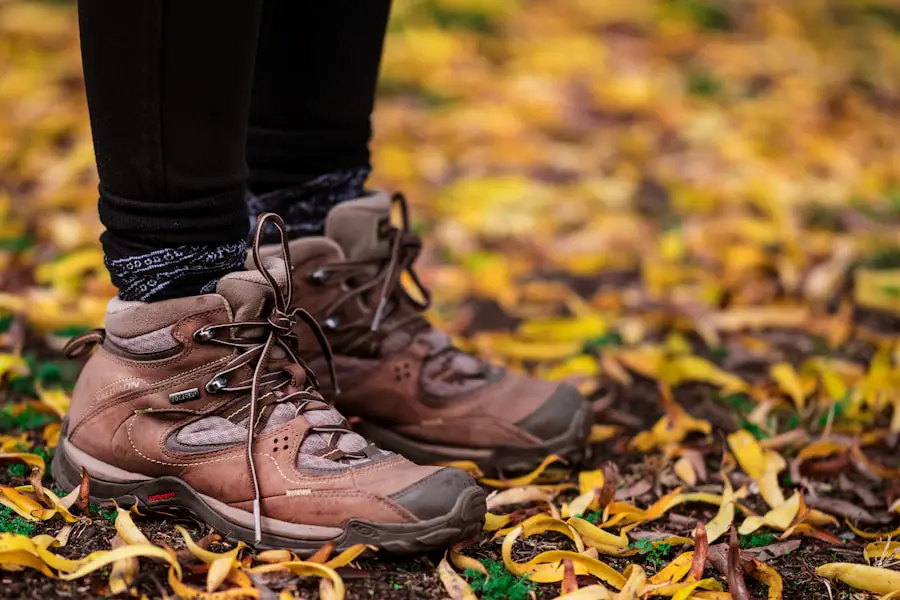
Reliable outerwear is especially useful in fall because wind, rain, and temperature changes can arrive quickly. A waterproof jacket should keep precipitation out while allowing enough ventilation for the activity.
Look for practical details such as a hood that stays secure in wind, adjustable cuffs, covered or water-resistant zippers, ventilation openings, and seams designed to resist water entry. A jacket can be waterproof yet still feel damp inside if you are sweating heavily, so ventilation and good layering remain important.
Brands such as Patagonia and The North Face sell hiking shells, but choose according to weather protection, fit, ventilation, weight, and intended use rather than brand name alone.
Rain pants can also be worthwhile when steady rain, wet brush, cold wind, or exposed terrain is expected. Lightweight water-resistant hiking pants may handle a brief drizzle, but they are not a substitute for waterproof rain pants during prolonged wet conditions.
Comfortable Bottoms
| Clothing Type | Typical Material | Fall Hiking Use | Main Consideration |
|---|---|---|---|
| Leggings | Synthetic stretch fabric or blends | Comfortable on mild-weather trails when made from quick-drying fabric | Thin fabrics offer less protection from brush, wind, and abrasion |
| Sweatpants | Fleece, cotton, or synthetic fleece | Can feel warm on easy, dry outings | Cotton-heavy versions absorb moisture and are a poor choice for cold, wet backcountry conditions |
| Yoga Pants | Nylon-spandex or polyester-spandex | Flexible for mild trails when the fabric is durable and quick-drying | May provide less weather and abrasion protection than hiking pants |
The right hiking bottoms should allow a full range of movement without chafing or bunching. For cool fall weather, quick-drying hiking pants made from nylon, polyester, or suitable blends are often more practical than ordinary cotton pants.
Features such as articulated knees, gusseted crotches, stretch panels, and adjustable waistbands can improve mobility when stepping over logs, climbing rocky sections, or navigating steep terrain.
In mild weather, lightweight shorts or convertible pants can provide more ventilation. Convertible pants are particularly useful when a cold morning turns into a warm afternoon.
On brushy or tick-prone trails, long pants provide more coverage. They also reduce minor scrapes from vegetation and rocks.
Head and Hand Protection
Protecting your head and hands can make a large difference when fall temperatures fall unexpectedly. A brimmed hat offers shade during sunny weather, while a lightweight beanie or fleece cap adds warmth in cold or windy conditions.
Do not assume sun protection is only a summer concern. The EPA recommends protective clothing, hats, sunglasses, and sunscreen when UV exposure warrants protection.
For your hands, lightweight fleece or synthetic gloves may be enough during cool mornings. Waterproof or more heavily insulated gloves make more sense in colder, wetter conditions. A thin glove liner can add versatility because it can be worn alone or underneath a warmer pair.
A neck gaiter can also add useful warmth with very little pack weight and can be removed easily once you heat up.
Note: Visibility matters. NPS guidance recommends bright clothing because it can make hikers easier to locate. In areas where hunting is permitted, follow local recommendations or requirements for high-visibility clothing such as blaze orange.
Ticks and Fall Clothing
Ticks can remain a concern during fall, depending on location and weather. The CDC recommends EPA-registered insect repellents and clothing or gear treated with 0.5% permethrin where tick exposure is possible. Permethrin is used on clothing and gear rather than directly on skin; always follow the product label.
Long pants and long sleeves provide additional coverage, while light-colored clothing can make crawling ticks easier to spot. Check your clothing and body for ticks after hiking.
Hydration and Snack Accessories
Cooler weather can make thirst less noticeable, but hikers still need adequate fluid. A hydration reservoir is convenient because its drinking tube is accessible while walking, while bottles are inexpensive, easy to monitor, and simple to refill. Neither system is inherently required; use the one that works best for your hike.
Water needs vary with temperature, altitude, exertion, body size, route length, and other factors. Carry enough for the planned outing plus a reasonable safety margin, and know where reliable water sources are located before depending on them.
Do not assume that clear mountain water is safe to drink. The CDC recommends treating water when its safety is uncertain. Boiling is the most reliable germ-killing method; properly selected filtration and disinfection methods are alternatives when used according to their instructions.
For snacks, choose foods that travel well and provide useful energy, such as trail mix, nuts, dried fruit, sandwiches, energy bars, or other foods you already tolerate well. Keep them accessible so you are more likely to eat before fatigue becomes a problem.
Navigation and Safety Gear
Clothing is only part of fall hiking preparation. The National Park Service Ten Essentials include navigation, sun protection, extra clothing, illumination, first-aid supplies, fire, repair tools, food, hydration, and emergency shelter.
Map, Compass, and GPS
Carry navigation information for unfamiliar trails. A phone or GPS device can be extremely useful, but download maps for offline use before leaving reliable service and start with a charged battery. A small power bank may be useful on long hikes.
A physical map is a valuable backup, especially in remote areas, and a compass is useful only when you know how to use it.
First Aid and Blister Care
A basic first-aid kit should match the length and remoteness of your trip. Common items include adhesive bandages, blister treatment, wound-cleaning supplies, gauze, tape, and personal medications.
Inspect the kit periodically so damaged or expired supplies are replaced before you need them.
Carry a Headlamp
Fall days grow shorter, and a delayed start, wrong turn, injury, or slower-than-expected pace can leave you on the trail after sunset. Carry a headlamp or flashlight even when you expect to finish before dark, and make sure its batteries are charged.
Check Conditions Before Leaving
Check the local forecast, trail alerts, closures, sunset time, and recent conditions before starting. Mountain and exposed environments can differ significantly from nearby towns, so use information for the actual hiking area whenever possible.
Tell someone where you are going, which route you plan to take, and when you expect to return. In remote areas, do not assume your phone will have service.
Fall hiking clothing should keep you comfortable while moving, but your pack should also contain enough warmth and weather protection for the time you may spend standing still.
Optional Accessories for Fall Hiking
Trekking Poles
Trekking poles can add extra points of contact on uneven terrain and may improve confidence during steep descents, stream crossings, or leaf-covered sections. Adjustable poles let you fine-tune the length for different terrain.
Poles do not replace careful foot placement or appropriate traction, especially on ice.
Traction Devices
If your route may contain frost, packed snow, or ice, trail-appropriate traction devices can provide more grip than ordinary hiking soles. Choose equipment for the conditions you actually expect and learn how to fit it before leaving home.
Conditions can vary widely, so check local ranger or land-manager guidance before entering icy terrain.
Sitting Pad or Lightweight Chair
A lightweight sitting pad or compact backpacking chair is optional, but it can make breaks more comfortable when the ground is cold or damp. A sitting pad usually provides the most warmth and comfort for the least weight.
Emergency Blanket or Shelter
A lightweight emergency blanket, bivy, tarp, or other compact emergency shelter can provide valuable protection during an unexpected delay. Emergency shelter is one of the NPS Ten Essentials and is particularly relevant when cool fall temperatures can become much colder after sunset.
Extra Dry Layer
Pack an extra insulating layer or dry clothing in a waterproof bag when cold rain is possible. Keeping one layer dry gives you something warm to put on if your worn clothing becomes soaked.
High-Visibility Clothing
Bright clothing can improve visibility to hiking partners and rescuers. During local hunting seasons, check the rules and recommendations for the land you are visiting and use high-visibility clothing when appropriate.
Careful clothing selection works best when paired with the rest of your hiking equipment. For longer trips, choosing a pack that comfortably carries your clothing, food, water, shelter, and safety supplies becomes especially important. See this guide to choosing the best hiking backpack for a multi-day trek when planning an overnight or multi-day trip.
Fall Hiking Clothing Checklist
- Merino wool or synthetic base layer
- Fleece, synthetic insulated jacket, or appropriate puffy layer
- Waterproof shell when rain is possible
- Rain pants for sustained wet weather or wet vegetation
- Quick-drying hiking pants or shorts
- Trail shoes or boots with suitable traction
- Wool or synthetic hiking socks plus a spare pair
- Warm hat or beanie
- Brimmed sun hat when needed
- Gloves appropriate to the expected temperature and precipitation
- Neck gaiter for colder conditions
- Sunglasses and sunscreen
- Bright or high-visibility clothing where appropriate
- Extra dry insulating layer
- Water and food
- Navigation tools
- Headlamp
- First-aid and blister supplies
- Emergency shelter
- Weather-appropriate traction equipment when frost or ice is expected
Frequently Asked Questions
What should I wear for fall hiking?
Wear adaptable layers: a wool or synthetic base layer, an insulating fleece or puffy layer, and a wind- or waterproof outer layer appropriate to the forecast. Add quick-drying hiking pants, hiking socks, trail footwear with reliable traction, and a hat and gloves when temperatures call for them.
What type of pants are best for fall hiking?
Quick-drying nylon, polyester, or technical stretch hiking pants are versatile choices. Convertible pants work well when mornings are cool but afternoons become warm. For cold rain, carry waterproof rain pants rather than depending solely on water-resistant hiking pants.
What kind of footwear is suitable for fall hiking?
Choose hiking shoes, trail runners, or boots that fit well and provide traction for the actual terrain. Waterproof footwear can be useful for cold rain, mud, or shallow snow. Give extra attention to tread when trails may contain wet leaves, frost, or ice.
What accessories should I bring for fall hiking?
Useful fall accessories include a warm hat, gloves, neck gaiter, sunglasses, trekking poles, spare socks, a headlamp, and traction devices when ice is possible. Your pack should also include water, food, navigation tools, first-aid supplies, extra clothing, and emergency shelter.
What should I consider when choosing a jacket for fall hiking?
Match the jacket to the forecast. A wind shell may be enough in dry conditions, while sustained rain calls for a waterproof shell. Look for a useful hood, adjustable cuffs, ventilation, a comfortable fit over insulating layers, and enough breathability for your activity level.
What type of socks are best for fall hiking?
Merino wool or synthetic hiking socks are good choices because they manage moisture and dry more effectively than ordinary cotton socks. Choose a thickness that fits your footwear without making it tight, and carry a spare dry pair on wet or longer hikes.
What colors are best for fall hiking clothing?
There is no need to dress in earth tones to avoid insects. Bright clothing can make you easier for companions or rescuers to see, and high-visibility clothing may be recommended in areas where hunting occurs. Light-colored clothing can also make crawling ticks easier to notice.
Should I avoid cotton when hiking in fall?
Cotton is a poor choice when cold or wet conditions are possible because it absorbs water, dries slowly, and provides little insulation when wet. Wool and quick-drying synthetic fabrics are generally better choices for base layers, socks, and cold-weather hiking clothing.
Do I need traction devices for fall hiking?
Not on every hike. However, traction devices may be appropriate when the route has ice, hard-packed snow, or frozen steep sections. Check current trail conditions before leaving and use equipment designed for the terrain rather than relying on ordinary hiking tread when conditions are icy.
Sources
- National Park Service — Ten Essentials — navigation, extra clothing, illumination, hydration, first aid, and emergency shelter.
- National Park Service — Blue Ridge Parkway Trail Safety — autumn leaf hazards, ice, traction, and trail safety.
- CDC — Cold Weather and Travel — layering, waterproof footwear, staying dry, and cold-weather safety.
- CDC — Preventing Tick Bites — insect repellent, permethrin-treated clothing, and tick avoidance.
- CDC — Water Treatment When Hiking and Camping — safe treatment of uncertain natural water sources.
- U.S. Environmental Protection Agency — UV Index Scale — protective clothing, hats, sunglasses, and sun protection.

