
Last Updated on September 10, 2026 by Daniel Globe
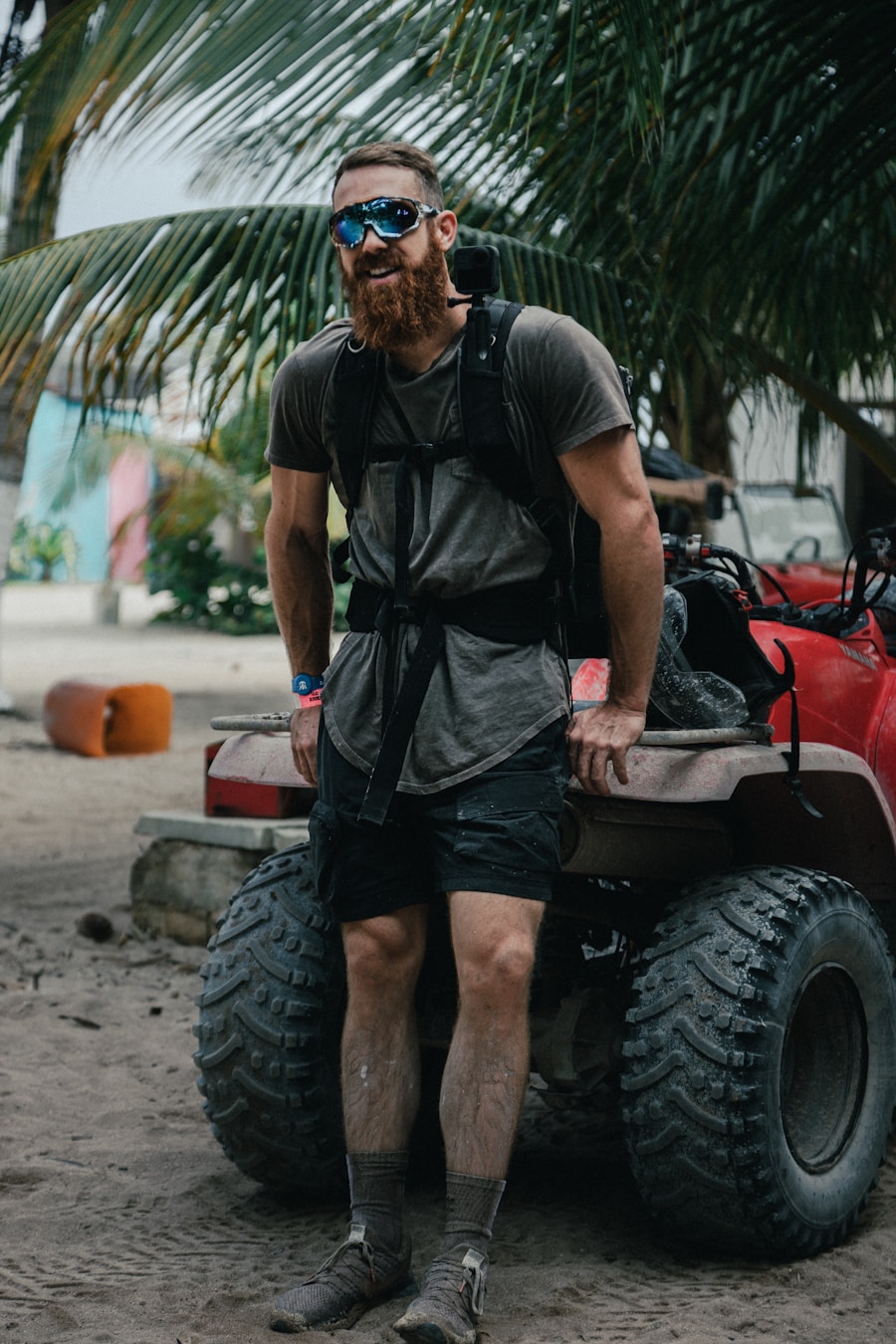
Costa Rica can give you hot Pacific sun, humid rainforest, sudden rain, and cool mountain wind on the same trip. The best hiking outfit is a quick-drying system you can adjust, not one heavy set of clothes. Match your shoes, layers, and pack to the exact trail, elevation, season, and park rules.
Quick Answer
For most Costa Rica hikes, wear quick-drying clothing, moisture-wicking socks, and closed-toe hiking shoes or boots with strong traction. Add a light waterproof shell, sun hat, UV-protective sunglasses, SPF 30+ sunscreen, and insect repellent. Carry a warmer layer for cloud forests, volcanoes, and other high-elevation routes.
Key Takeaways
- Choose footwear by trail condition: breathable trail shoes for maintained paths, supportive hiking shoes or boots for mud, rocks, roots, and long routes.
- Wear lightweight synthetic or merino-blend layers that dry faster than denim or heavy cotton.
- Carry a hooded rain shell even in the dry season because Costa Rica has strong regional and elevation-based microclimates.
- Use sun protection and an EPA-registered insect repellent, and follow the product label.
- Keep spare socks, electronics, documents, and a dry change of clothing inside waterproof bags.
What’s in This Article
Disclosure: As an Amazon Associate I earn from qualifying purchases. Some links on this page are affiliate links, at no extra cost to you.
Choosing the Right Footwear
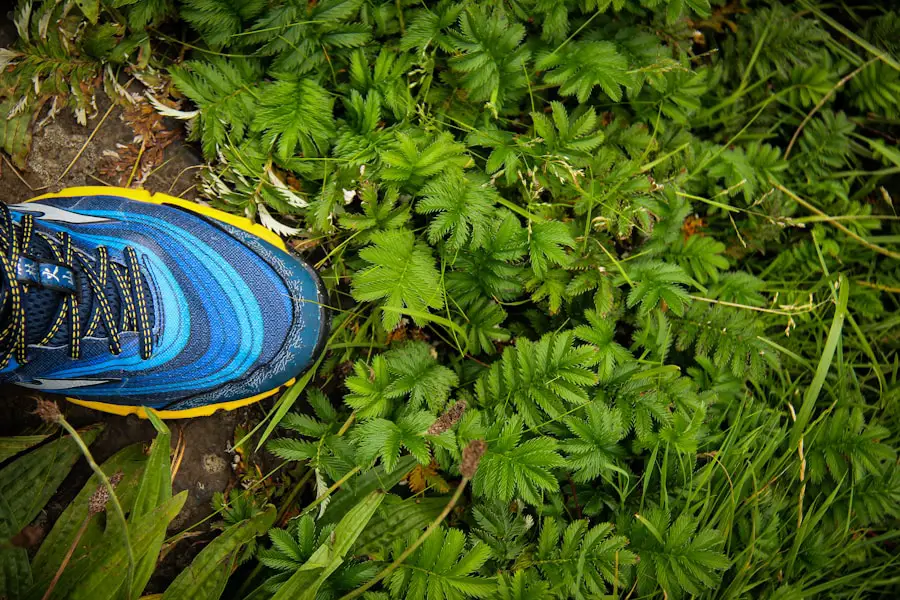
The trail should drive your footwear choice. Costa Rica’s protected-area authority, SINAC, recommends comfortable closed shoes for nature walks and hiking boots for demanding routes. Mud, wet roots, loose volcanic gravel, river approaches, and long descents all require more traction than a casual sneaker or sandal can provide.
| Trail condition | Best footwear | What to check |
|---|---|---|
| Maintained, mostly dry path | Trail runners or low hiking shoes | Grippy rubber outsole, secure heel, toe protection |
| Muddy rainforest or cloud forest | Hiking shoes, boots, or route-approved rubber boots | Deep lugs, fast drainage or waterproofing, easy cleaning |
| Rocky volcano or long mountain route | Supportive hiking shoes or boots | Stable fit, durable sole, room for toe swelling on descents |
| Water crossing where permitted | Secure water shoes as a separate pair | Closed or protected toe, heel strap, non-slip sole |
Fit matters as much as traction. Try shoes with the same socks you will wear on the trail. Your heel should stay secure, while your toes need enough room to move without striking the front of the shoe on descents. Waterproof footwear can help in steady rain or deep mud, but it may feel hot and can dry slowly once water gets inside. Breathable footwear often works better on warm, maintained trails.
Pro Tip: Break in new footwear on several short walks before your trip. Pack moisture-wicking socks, one dry spare pair, and blister treatment such as moleskin or hydrocolloid dressings.
Supportive insoles can improve comfort if they match your foot shape and shoe volume. Test them before travel rather than changing your footwear setup on the first long hike.
Dressing for Costa Rica’s Climate
Costa Rica does not have one uniform hiking climate. The official tourism board describes a Pacific dry season from about mid-December through late April and a green season from May through mid-December. The Caribbean side has rain through much of the year, with relatively drier periods around February to March and September to October. Elevation can make high mountain and volcano routes much cooler than nearby lowlands.
Lowland Rainforests and Coastal Trails
Wear a lightweight quick-drying shirt, thin hiking pants, moisture-wicking underwear, and breathable footwear with strong traction. Long sleeves and long pants reduce sun exposure, scratches, and insect bites. Carry a hooded rain shell and a dry shirt or base layer sealed inside your pack.
Cloud Forests and Higher Elevations
Cloud forests and volcano routes can feel cool, windy, and damp. Start with a moisture-wicking base layer, add a light fleece or synthetic insulating layer, and finish with a waterproof and wind-resistant shell. For the highest or longest routes, check the official trail forecast and ask the park or guide whether you also need a warm hat or gloves.
Dry Pacific Trails
Prioritize airflow and sun protection. A breathable long-sleeve sun shirt, lightweight pants or trail shorts, a brimmed hat, and sunglasses work well. Do not skip the rain layer, because local showers and changing elevation can still alter conditions quickly.
Note: Check the specific park, route, and weather forecast before packing. Costa Rica’s official hiking guidance recommends clothes suited to the local climate and a fresh change of clothing in case rain soaks your first set.
Sun Protection
Sun protection matters on exposed beaches, dry forest trails, volcano slopes, and cloudy highland routes. The American Academy of Dermatology recommends a broad-spectrum, water-resistant sunscreen with SPF 30 or higher. Apply it to uncovered skin before going outside, then reapply about every two hours and immediately after heavy sweating, swimming, or toweling off, following the label.
Use clothing as your first line of protection when practical. A lightweight long-sleeve shirt, pants, a wide-brimmed hat, and UV-protective sunglasses cover more skin without requiring repeated application. A UPF-rated shirt is useful on long exposed hikes, but ordinary tightly woven clothing also provides a physical barrier.
Cloud cover does not remove the need for sun protection. Pack sunscreen, a hat, and sunglasses even when your route enters rainforest or cloud forest.
Layering for Comfort
| Layer | Purpose | Costa Rica example |
|---|---|---|
| Moisture-wicking base layer | Moves sweat away from skin and reduces chafing | Light synthetic or merino-blend shirt |
| Insulating middle layer | Holds warmth in cool, windy, or high-elevation conditions | Light fleece or packable synthetic jacket |
| Weather-resistant outer layer | Blocks rain and wind | Breathable hooded rain shell |
| Dry backup layer | Provides warmth and comfort after a soaking | Spare shirt and socks in a waterproof bag |
Layering lets you adjust without carrying a heavy wardrobe. In hot lowlands, you may wear only the base layer while hiking. In Monteverde, Chirripó, or exposed volcano areas, you may need the middle and outer layers. Avoid overdressing at the start, because sweat trapped in clothing can leave you chilled when you stop.
Packing Essential Accessories
A hiking outfit works best when the rest of your kit supports it. The National Park Service’s Ten Essentials provides a useful baseline for navigation, sun protection, insulation, light, first aid, repair, food, water, and emergency shelter. Adapt that list to the Costa Rica route, park rules, and trip length.
- Navigation: An offline map, charged phone or GPS, and a backup map or route notes.
- Light: A headlamp with spare batteries, even for a planned day hike.
- First aid: Bandages, blister care, antiseptic, personal medicines, and any pain reliever you normally use safely.
- Rain protection: A pack cover plus waterproof bags for your passport, phone, camera, dry clothes, and medicines.
- Food: Extra snacks that tolerate heat and humidity.
- Repair and emergency gear: A small repair tool where permitted, tape, an emergency blanket, and a whistle.
Trekking poles can improve balance on muddy descents, uneven roots, and long climbs. Check airline baggage rules before flying with poles or tools that have sharp points or blades.
Staying Hydrated on the Trail
Plan water by route length, heat, humidity, elevation, and reliable refill points. Start with enough treated drinking water for the full outing unless the park or guide confirms a safe refill option. Sip regularly and carry extra for delays. For long, hot hikes with heavy sweating, an electrolyte drink or powder may help replace sodium, but it should not replace water or food.
Do not assume a clear stream is safe to drink. If a backcountry route allows water collection, use a treatment method suitable for the source and follow its instructions. The CDC also advises travelers in Costa Rica to avoid floodwater and contaminated mud, especially when they have open cuts or wounds.
Warning: Headache, unusual fatigue, dizziness, confusion, nausea, or worsening weakness can signal heat illness or dehydration. Stop, move to a cooler place, drink fluids if you can do so safely, and seek urgent help for confusion, fainting, severe symptoms, or rapid deterioration.
Insect Protection
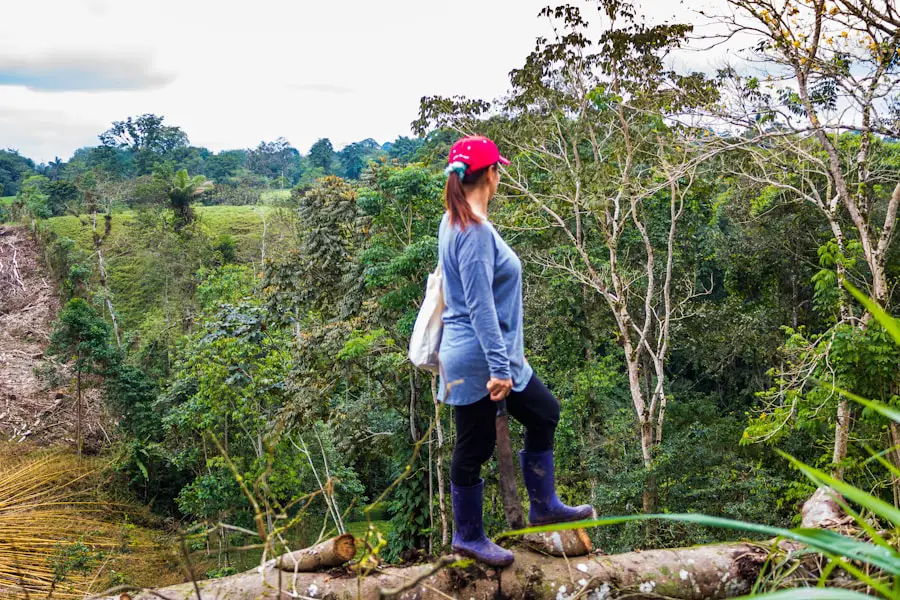
Mosquito and other insect protection is part of dressing safely for Costa Rica. Cover exposed skin with a lightweight long-sleeve shirt, long pants, socks, and closed shoes when trail conditions allow. Apply an EPA-registered skin repellent containing an active ingredient such as DEET, picaridin, IR3535, oil of lemon eucalyptus or PMD, or 2-undecanone, and follow the label for age limits, application, and reapplication.
Permethrin-treated clothing and gear can add protection. Use only products labeled for clothing or gear, follow all directions, and never apply permethrin directly to skin. Protection duration and the number of washes vary by product, so do not rely on a universal wash count.
Current Health Note, checked July 24, 2026: The CDC lists a Level 2 chikungunya outbreak notice for Guanacaste Province, with most reported cases in Playa Langosta. Check the current CDC notice again before departure because outbreak guidance can change.
Warning: Insect bites in Costa Rica can spread illnesses such as dengue, chikungunya, Zika, leishmaniasis, and malaria in certain areas. Seek medical advice promptly if you develop fever, severe joint pain, rash, or other concerning symptoms during or after travel, and tell the clinician where you traveled.
Dressing for Terrain
The route surface matters as much as the weather. On rocky or root-filled trails, wear durable stretch pants or hiking tights that allow a full stride without loose fabric catching on branches. In muddy rainforest, choose quick-drying pants and footwear with deep tread. Lightweight gaiters can help keep mud, sand, and small debris out of your shoes.
For beach-adjacent walks, river approaches, or waterfall routes, bring separate secure water shoes only when the route permits water entry. Do not use flip-flops as hiking footwear. On volcanic or high mountain terrain, prioritize traction, wind protection, and a warmer layer. Always remain on marked trails and follow ranger or guide instructions.
Choosing the Right Backpack
Most day hikes work with a 15- to 30-liter daypack, depending on rain gear, water, food, camera equipment, and family needs. Multi-day routes require more capacity and a pack fitted to the load. Look for padded shoulder straps and a hip belt that transfers part of the weight to your hips.
External bottle pockets make water easier to reach, while a ventilated back panel can improve comfort in humid lowlands. A pack cover helps in showers, but it does not fully protect the side against wind-driven rain or the bottom when you set the pack down. Use internal dry bags or sealed plastic bags for anything that must remain dry.
Try the pack with realistic weight before the trip. Adjust the hip belt first, then the shoulder straps and sternum strap. Keep dense items close to your back so the pack does not pull you off balance on steep or slippery ground.
If Costa Rica is part of a wider tropical itinerary, this seasonal guide to Puerto Rico and this guide to travel safety in the US Virgin Islands may help with separate destinations.
What Not to Wear
- Denim or heavy cotton: These materials hold water, dry slowly, and can chafe when wet.
- Flip-flops on forest trails: They lack traction, heel security, and toe protection.
- Brand-new shoes: Untested footwear increases the chance of blisters and pressure points.
- Heavy insulated clothing in lowlands: It can trap heat and sweat. Carry light layers instead.
- Only one pair of socks: A dry backup pair can prevent prolonged friction after rain or a stream crossing.
- Unprotected valuables: A pack cover alone is not enough for passports, electronics, or medicines.
Frequently Asked Questions
What are the best clothing options for hiking in Costa Rica?
Wear lightweight, quick-drying clothing that manages sweat and protects you from sun, insects, and scratches. A long-sleeve sun shirt, hiking pants, moisture-wicking socks, and a hooded rain shell form a reliable basic outfit. Add a fleece or light insulated layer for cloud forests, volcanoes, and high elevations.
What type of footwear is recommended for hiking in Costa Rica?
Choose closed-toe trail shoes or hiking boots with dependable traction. Trail runners suit many maintained paths, while supportive hiking shoes or boots work better for deep mud, loose rock, long routes, and steep descents. Some rainforest routes may favor rubber boots, so check the park or tour operator’s advice.
Which accessories are important for hiking in Costa Rica?
Carry a sun hat, sunglasses, SPF 30+ sunscreen, insect repellent, water, food, first aid supplies, a headlamp, navigation, rain protection, spare socks, and waterproof storage for valuables. Trekking poles can help on muddy or steep trails.
What should I wear during Costa Rica’s rainy season?
Wear quick-drying base clothing, closed footwear with strong tread, and a lightweight hooded rain shell. Put spare socks and a dry shirt inside a waterproof bag. Avoid relying on a thick waterproof outfit that traps heat in humid lowlands.
Can I wear shorts while hiking in Costa Rica?
Shorts can work on open, maintained trails in hot conditions, but lightweight pants provide better protection from sun, insects, mud, thorny plants, and scratches. Base the choice on the exact route rather than temperature alone.
Are waterproof hiking boots necessary in Costa Rica?
Not for every trail. Waterproof boots help in persistent rain, deep mud, and cool highland conditions, but they can feel hot and dry slowly after water enters. Breathable trail shoes may be more comfortable on warm, maintained routes. Traction and fit matter more than a waterproof label alone.
Which clothing should I avoid for hiking in Costa Rica?
Avoid denim, heavy cotton, loose clothing that catches on vegetation, open-toe sandals on forest trails, and brand-new shoes. These choices dry slowly, reduce protection, or increase blister and slipping risk.
The most important step is matching your clothing and footwear to the exact Costa Rica trail. Start with broken-in closed shoes, quick-drying layers, rain protection, and a dry backup set. Add sun, insect, navigation, water, and emergency gear, then confirm current conditions with the park, guide, weather service, and CDC before you leave.
Sources
- Visit Costa Rica: Climate — regional rainfall patterns, dry and green seasons, and microclimates.
- SINAC Tourism Tips — official protected-area guidance on shoes, clothing, water, sun protection, and repellent.
- CDC Costa Rica Traveler View — current travel-health notices, insect-bite prevention, and water or soil precautions.
- US EPA: Skin-Applied Repellent Ingredients — EPA-registered repellent active ingredients.
- Skin Cancer Foundation: Understanding Higher SPF — sunscreen selection and protection context.
- CDC: Preventing Tick Bites — clothing, repellent, tick checks, and post-hike prevention.

1 Comment
Pingback: Essential Hiking Gear: What To Wear On The Trails