Last Updated on July 28, 2026 by Daniel Globe
The best time to visit the Bahamas depends on whether you value dry weather, lower prices, warm water, or fewer crowds. Winter and early spring offer the most comfortable conditions, but they also bring the highest demand. Late April, May, and November often provide a better balance, while summer and early fall can be cheaper but come with more heat, rain, and tropical-storm risk.
Quick Answer
The best overall time to visit the Bahamas is from late November through April for lower humidity, less rain, and comfortable outdoor weather. For a better balance of weather, prices, and crowds, consider late April through May or November. June through October is hotter and often cheaper, but it overlaps with hurricane season.
Key Takeaways
- Best weather: December through April usually brings lower humidity and less rain.
- Best overall value: Late April, May, and November can offer pleasant weather with lighter demand.
- Lowest-demand period: September and October may have attractive rates, but they carry greater tropical-weather risk.
- Warmest water: Sea temperatures are generally warmest from July through October.
- Major cultural event: The main Junkanoo parades take place on Boxing Day and New Year’s Morning.
Disclosure: As an Amazon Associate I earn from qualifying purchases. Some links on this page are affiliate links, at no extra cost to you.
Bahamas Weather by Season
The Bahamas has a tropical marine climate shaped by warm ocean water and steady trade winds. Conditions vary across the archipelago, so averages for Nassau do not describe every island perfectly. The northern islands, including Grand Bahama and the Abacos, are generally more affected by winter cold fronts, while southern islands such as Inagua tend to be warmer and drier.
Dry Season: November Through April
The dry season generally runs from November through April. Humidity is lower than in summer, rain is less frequent, and afternoon temperatures in New Providence commonly reach the mid-70s Fahrenheit during winter. Cold fronts can still bring cooler evenings, clouds, wind, and short periods of rough water.
This season is usually the most comfortable for walking tours, beach days, outdoor dining, cycling, and exploring national parks. It is also the busiest and most expensive period, especially around Christmas, New Year’s, Presidents’ Day weekend, spring break, and Easter.
Wet Season: Late May Through October
According to the Bahamas Department of Meteorology, the wet season generally lasts from late May through October. Summer daytime temperatures can reach about 90°F, and nights are warmer and more humid than in winter.
Summer rain often falls as an afternoon shower or thunderstorm, but travelers should not assume that every shower will pass quickly. Tropical waves and other organized weather systems can produce extended rain, gusty wind, flooding, rough seas, and activity cancellations.
Atlantic Hurricane Season: June Through November
The official Atlantic hurricane season runs from June 1 through November 30, as defined by the National Hurricane Center. A storm can occur outside those dates, and no one can reliably predict months in advance whether a particular island will be affected during a specific vacation.
Historically, August, September, and October have brought the greatest frequency of cyclone effects or close approaches in the Bahamas. That does not mean a storm will occur during every trip, but it does mean flexible booking terms become more valuable during late summer and early fall.
Warning: During hurricane season, check airline, hotel, cruise, and travel-insurance policies before paying. Monitor the official Bahamas hurricane update page and National Hurricane Center forecasts as your departure date approaches.
The Bahamas has two main climate periods: a drier season from November through April and a wetter, hotter season from late May through October.
Bahamas Month-by-Month Travel Calendar
| Months | Typical Conditions | Crowds and Prices | Best For | Main Trade-Off |
| January–February | Mild days, lower humidity, limited rainfall, occasional cool or windy fronts | High demand and premium resort rates | Escaping winter, sightseeing, outdoor dining | Cooler water and possible windy days |
| March–April | Warm, generally dry, and comfortable | Busy around spring break and Easter | Beach vacations, weddings, boating, family trips | Higher prices on popular holiday dates |
| May | Warmer air and water; rainfall and humidity begin increasing | Often lighter than winter, except holiday weekends | Value seekers, swimming, couples | Greater chance of showers |
| June–August | Hot, humid, warm water, frequent showers or thunderstorms | Usually below winter demand, although family travel can raise summer occupancy | Warm-water activities and summer festivals | Heat, rain, and hurricane-season uncertainty |
| September–October | Very warm and humid; high tropical-weather risk | Often the quietest period, with possible promotional rates | Flexible travelers prioritizing low demand | Greatest chance of storm-related disruption or seasonal closures |
| November–December | Rain decreases and humidity becomes more comfortable | Moderate early in November; very high during the holidays | Shoulder-season trips and Junkanoo travel | Late-November and holiday prices rise quickly |
Peak Tourist Season: Mid-December Through Mid-April
The busiest travel period generally runs from mid-December through mid-April. Visitors from colder regions arrive for drier weather, comfortable daytime temperatures, resort entertainment, and winter events. Nassau, Paradise Island, Grand Bahama, and popular areas of the Exumas can feel especially active.
Flights, beachfront rooms, family suites, restaurant reservations, and popular boat excursions may cost more or sell out earlier during this period. Christmas, New Year’s, U.S. school breaks, spring break, and Easter usually create the strongest demand.
High season is a good choice for travelers who place weather comfort above price. It also suits visitors who want a full resort schedule, active nightlife, and the broadest selection of organized excursions.
Shoulder Season: Late April, May, and November
Late April through May and much of November can provide a useful middle ground. The weather is generally warmer than in winter, but demand may be lighter outside holiday weekends. May brings increasing humidity and showers, while November marks the transition toward drier conditions.
These months are often attractive for couples, flexible families, and travelers who want warm swimming conditions without committing to the highest winter prices. Rates are never guaranteed to be low, so compare the exact total for airfare, accommodations, resort fees, taxes, transfers, and activities.
Pro Tip: Compare late-April, May, and November dates before accepting a September or October deal. A slightly higher room rate may be worthwhile when it comes with lower storm risk and fewer possible business closures.
Off-Peak Tourist Season: June Through October
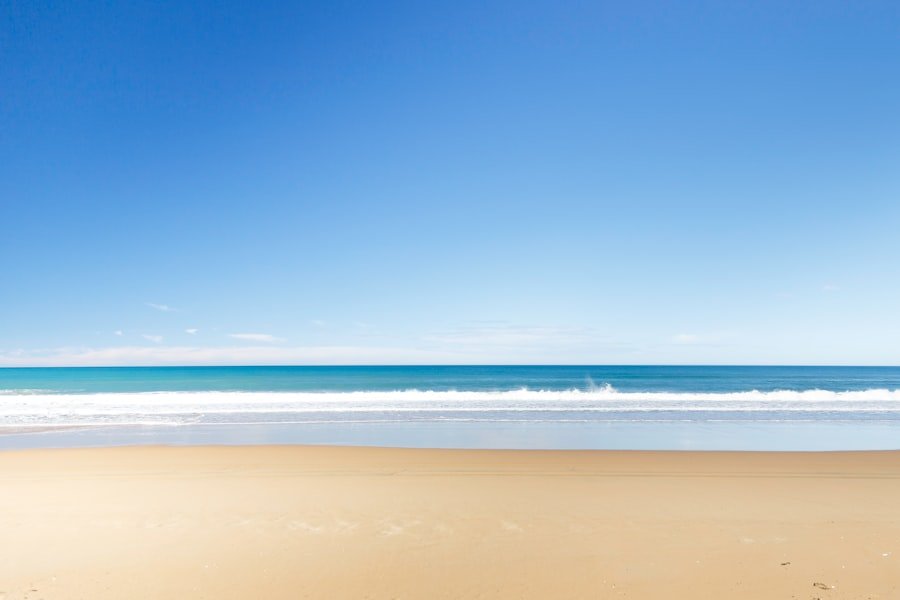
June through October is hotter, wetter, and generally less busy than winter. Travelers may find discounted rooms or packages, particularly after the main summer-vacation period, but savings vary widely by island, resort, and booking date.
The advantages include warm water, fewer visitors at some resorts, and a more relaxed pace. The disadvantages include higher humidity, more frequent rain, tropical-weather uncertainty, and the possibility that smaller hotels, restaurants, or excursion operators reduce their schedules for maintenance or seasonal breaks.
Before booking a quiet Out Island property during September or October, confirm that the hotel, restaurant, ferry, rental company, and planned tour operators will be open. Do not assume that every service listed online runs year-round.
Special Events and Festivals
Junkanoo is the Bahamas’ best-known cultural celebration. The main parades take place on Boxing Day, December 26, and New Year’s Morning, January 1. Nassau hosts the largest celebration, while other islands hold their own parades and community events.
The parades feature elaborate handmade costumes, goatskin drums, brass instruments, cowbells, dancing, and organized competition. Travelers planning a Junkanoo visit should reserve accommodations well ahead of time and confirm the parade location, start time, seating arrangements, and transportation plan.
The Goombay Summer Festivals bring music, Junkanoo rush-outs, crafts, local food, and cultural performances to different islands during summer. The country also hosts regattas, homecomings, fishing tournaments, food festivals, and sailing events.
Festival dates and venues can change from year to year. Check the official Bahamas events calendar before selecting flights or nonrefundable accommodations around a particular event.
Best Time for Outdoor Activities
Beaches and General Sightseeing
December through April is usually the most comfortable period for long beach days, walking tours, historic sites, cycling, and nature excursions. The air is less humid, but occasional winter fronts can bring clouds, cooler temperatures, wind, and rough surf.
Swimming, Snorkeling, and Diving
Swimming and diving are possible throughout the year. NOAA’s coastal water-temperature guide shows offshore Northeast Bahamas averages near the mid-70s Fahrenheit in winter and the mid-80s in late summer. Conditions closer to shore and around individual islands will differ.
Cold-sensitive swimmers may prefer May through October, while travelers who dislike heat and humidity may be more comfortable from December through April. Visibility and sea state depend on rainfall, wind, swell, tides, and the specific dive site, so there is no single month that guarantees perfect underwater conditions.
Boating and Fishing
Boating can be enjoyable in any season when the marine forecast is favorable. Winter cold fronts can create strong northerly winds, while summer tropical systems can produce dangerous seas. Use licensed operators, ask about safety equipment, and postpone a trip when official marine alerts or local conditions are unfavorable.
Fishing seasons vary by species, island, and fishing style. A traveler targeting bonefish, wahoo, tuna, mahi-mahi, or billfish should ask a local licensed guide about the best timing for that particular catch rather than relying on one general “best fishing month.”
Hiking, Birding, and Land-Based Eco-Tours
November through April is generally better for hiking and land-based exploration because temperatures and humidity are more comfortable. Inagua is known for birdlife, while islands such as Andros, Grand Bahama, Eleuthera, Cat Island, and Long Island offer nature reserves, blue holes, caves, coastal trails, and less-developed landscapes.
Note: Weather and sea conditions can differ substantially across the Bahamas. A forecast for Nassau may not reflect conditions in Bimini, Grand Bahama, the Exumas, Long Island, or Inagua.
Budget-Friendly Travel Times
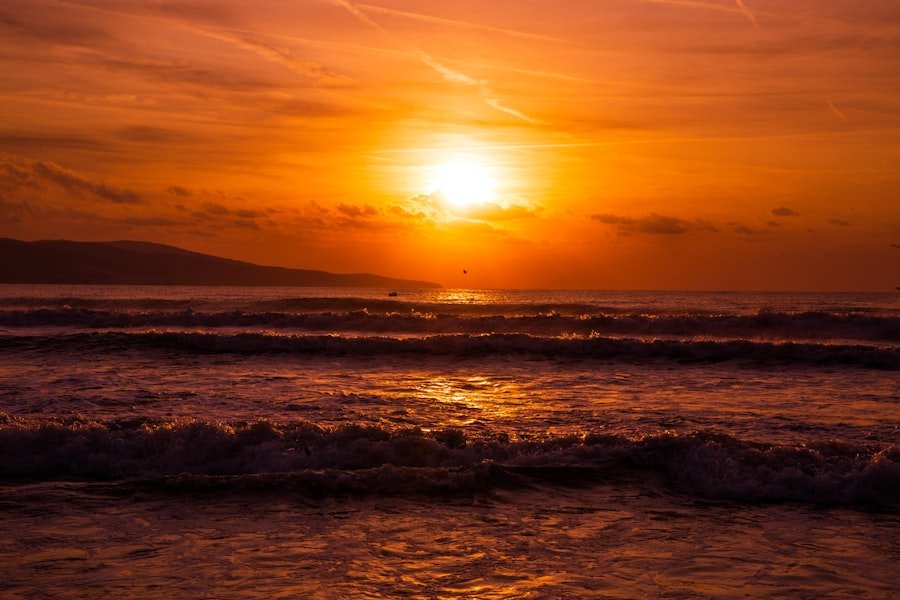
Travelers seeking lower prices should first compare May, early June, and November. These periods may offer better value than peak winter dates without taking on the full weather risk associated with September and October.
Late summer and early fall can produce some of the lowest advertised resort prices, but the cheapest room is not always the cheapest trip. Add mandatory resort fees, taxes, airport transfers, inter-island flights, meals, excursion costs, and insurance before comparing options.
Use flexible or refundable rates when possible. Also check whether a low-season package limits restaurant choices, housekeeping, ferry service, pools, children’s programs, or excursions. Contact smaller properties directly when their seasonal schedule is unclear.
Tips for Avoiding Crowds
- Avoid major holiday weeks. Christmas, New Year’s, spring break, Easter, and holiday weekends can increase demand sharply.
- Check cruise arrivals. Downtown Nassau, popular beaches, and excursion sites may be busiest when several ships are in port.
- Book the first tour of the day. Early boat trips, snorkeling departures, and attraction visits often feel less crowded.
- Look beyond Nassau and Paradise Island. Cat Island, Long Island, Rum Cay, San Salvador, Mayaguana, and other less-developed islands can provide a quieter trip.
- Stay overnight on the island you want to explore. This lets you visit beaches and attractions before day-trippers arrive or after they leave.
How to Plan a Hurricane-Season Trip
A hurricane-season trip can still include long periods of sunshine, but it requires more flexible planning. A favorable historical average is not a forecast for your travel dates.
- Choose airfare and accommodations with clear change, cancellation, and refund terms.
- Ask the hotel for its written hurricane policy before paying a nonrefundable deposit.
- Review travel insurance for trip cancellation, interruption, delay, medical care, and evacuation coverage. Check exclusions and the deadline for buying coverage.
- Monitor official forecasts rather than social-media rumors or long-range storm predictions.
- Keep airline, hotel, ferry, tour, and airport contact details available offline.
- Follow evacuation instructions and do not attempt boating, swimming, or driving through flooded areas during severe weather.
The U.S. Department of State’s Bahamas information page advises travelers to consider insurance that includes evacuation assistance, medical coverage, and trip cancellation. It also notes that airports and seaports may stop operating before a predicted storm arrives.
Finding the Perfect Time to Visit
Choose December through April when comfortable weather is the top priority and higher prices are acceptable. Consider late April, May, or November when you want a stronger balance of warmth, availability, and value. Choose June through October only when you are comfortable with heat, rain, and the possibility of tropical-weather disruption.
The best month also depends on the island. A busy Nassau resort vacation has a different crowd pattern, transportation network, and activity schedule from a quiet stay on Cat Island, Long Island, or Rum Cay. Confirm conditions and opening schedules for the exact destination rather than planning from a Bahamas-wide average alone.
Traveling with cigars also requires protection from humidity and physical damage. The existing guide to the best travel humidor explains options for keeping cigars protected during a Bahamas trip.
Frequently Asked Questions
What is the best time to travel to the Bahamas?
December through April usually provides the driest and most comfortable weather. Late April, May, and November are often better for travelers seeking a balance between weather, crowds, and price.
What is the cheapest time to visit the Bahamas?
September and October often have low demand, but they also bring greater hurricane-season risk and possible seasonal closures. May, early June, and November may offer a better balance. Always compare the complete trip cost for your exact dates.
What is the weather like during the best travel season?
Winter and early spring usually bring warm afternoons, cooler nights, lower humidity, and less rain. Passing cold fronts can still produce windy, cloudy, or unusually cool days, particularly in the northern Bahamas.
When is hurricane season in the Bahamas?
The official Atlantic hurricane season runs from June 1 through November 30. Historical cyclone effects in the Bahamas are more frequent from August through October, although storms can occur outside the most active period.
Can you swim in the Bahamas during winter?
Yes. Many visitors swim throughout winter, although the water feels cooler than it does in summer. Offshore Northeast Bahamas averages are around the mid-70s Fahrenheit during the coolest months, and local conditions vary by island and shoreline.
When does Junkanoo take place?
The major Junkanoo parades take place on Boxing Day, December 26, and New Year’s Morning, January 1. Schedules, routes, seating, and local island celebrations should be confirmed through official event information.
How can I avoid crowds in the Bahamas?
Travel outside major holidays, check cruise-ship arrival schedules, reserve early-morning excursions, and consider less-developed islands. Late April, May, and November can also be quieter than the main winter season.
Sources
- Bahamas Department of Meteorology — Climate of the Bahamas — dry and wet seasons, temperatures, winds, rainfall, and historical cyclone timing.
- NOAA National Hurricane Center — official Atlantic hurricane-season dates and tropical-weather forecasts.
- NOAA National Centers for Environmental Information — Coastal Water Temperature Guide — monthly offshore water-temperature averages.
- Bahamas Ministry of Tourism — Junkanoo — main celebration dates and cultural background.
- Bahamas Ministry of Tourism — Events Calendar — current festival, regatta, tournament, and cultural-event listings.
- U.S. Department of State — Bahamas International Travel Information — insurance, hurricane disruption, marine safety, and emergency-planning guidance.