
Last Updated on September 10, 2026 by Daniel Globe
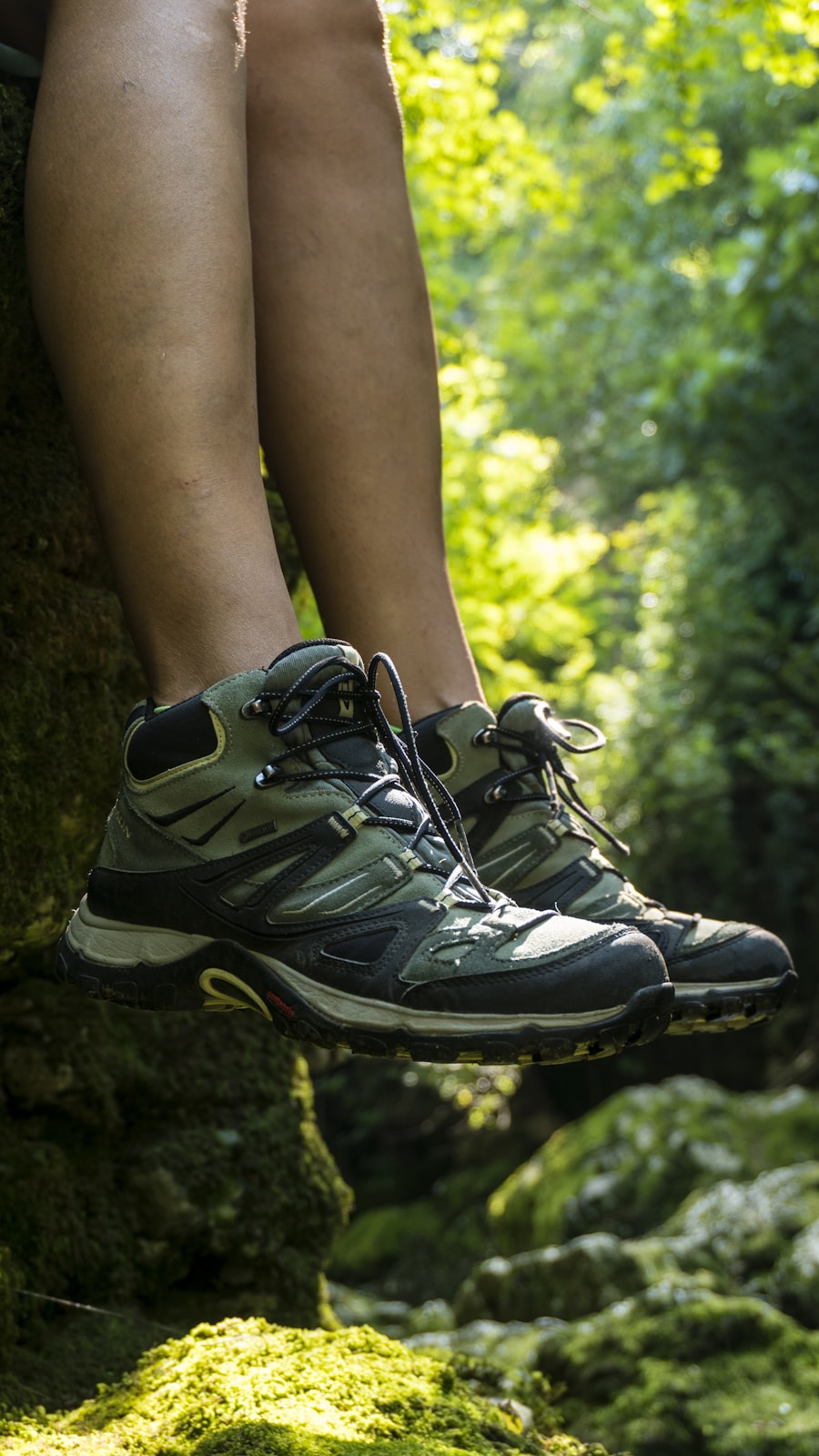
The best hiking shoes are not simply the toughest or most expensive pair on the shelf. The right choice depends on where you hike, how much weight you carry, the weather you expect, and—most importantly—how the footwear fits your feet. A light trail runner can be ideal for one hiker, while another may be more comfortable in a structured backpacking boot.
Quick Answer
The best hiking shoes fit securely without pinching, leave room for your toes, provide enough traction and underfoot protection for the terrain, and match the weather and pack weight. Choose breathable low shoes or trail runners for lighter hikes and more structured footwear when rough terrain, wet conditions, or heavier loads demand it.
Key Takeaways
- Hiking shoes, hiking boots, trail runners, and approach shoes each suit different terrain and hiking styles.
- Fit matters more than the brand name: your heel should feel secure while your toes have room to move and avoid striking the front on descents.
- Waterproof footwear is useful in sustained wet conditions, but non-waterproof shoes are often cooler and faster drying in warm weather.
- Higher collars can add structure and limit ankle movement, but no shoe can guarantee that you will avoid an ankle sprain or fall.
- Most modern synthetic hiking shoes need only a short shakedown period; traditional leather boots may require more time to soften.
Disclosure: As an Amazon Associate I earn from qualifying purchases. Some links on this page are affiliate links, at no extra cost to you.
Types of Hiking Shoes and Boots
Hiking footwear comes in several styles, each designed around a different balance of weight, flexibility, protection, traction, and support. Understanding these categories makes it much easier to narrow your choices before you start comparing individual models.
Hiking Shoes
Low-cut hiking shoes are usually lighter and more flexible than boots. They work well for day hikes, maintained trails, moderate terrain, and hikers carrying relatively light packs. Their lower collar allows natural ankle movement and often makes them feel less bulky than traditional hiking boots.
The tradeoff is less coverage around the ankle and generally less protection from mud, loose debris, brush, and deep water.
Hiking Boots
Mid- and high-cut hiking boots add more structure around the foot and ankle. They are commonly chosen for rocky ground, steep trails, backpacking, colder conditions, or trips where the extra protection is worth the added weight.
A higher collar can mechanically limit some ankle movement and may improve stability for certain hikers. However, footwear should not be treated as a guarantee against ankle sprains. A 2026 biomechanics study found that high-top shoes reduced ankle inversion angles and velocities during simulated sudden inversion, but real-world injury risk also depends on terrain, fatigue, previous injuries, strength, balance, and other factors. See the peer-reviewed study on high-top footwear and ankle inversion.
Trail-Running Shoes
Trail runners are designed for lighter weight, flexibility, and quick movement. They have become popular among fast hikers, thru-hikers, and ultralight backpackers. Many use breathable mesh uppers and aggressive rubber outsoles, so they can feel cooler and more agile than traditional boots.
They usually provide less protection from sharp rocks, brush, snow, and heavy loads, and softer models may wear faster than a sturdy hiking boot.
Approach Shoes
Approach shoes bridge the gap between hiking footwear and climbing shoes. They typically use sticky rubber, a firm sole, and a close-fitting toe area for scrambling or hiking toward climbing routes. They can work well on rocky trails but are more specialized than a general-purpose hiking shoe.
Note: Shoe height alone does not determine support. Midsole stiffness, heel structure, outsole width, lacing, fit, and your own foot and ankle mechanics also affect how stable a shoe feels.
How to Choose the Right Hiking Shoes for Your Needs
Start with the hike rather than the brand. A lightweight shoe that feels excellent on a dry five-mile trail may be a poor choice for loose scree, snow, or a multiday backpacking trip.
Match the Shoe to the Terrain
For smooth, well-maintained trails, lightweight hiking shoes or trail runners often provide enough traction and protection. As terrain becomes steeper, rockier, or more uneven, a firmer outsole and more protective upper can help isolate your feet from sharp rocks and provide a more stable platform.
Salomon’s current footwear guidance similarly recommends considering terrain, pack weight, hike duration, and footwear height together rather than choosing solely by whether a shoe is labeled a “boot” or a “shoe.” See Salomon’s low-, mid-, and high-cut hiking footwear guide.
Consider Your Pack Weight and Hiking Style
A light daypack places different demands on your feet than a loaded backpack. Some experienced hikers comfortably carry substantial loads in trail runners, while others prefer the firmer platform and higher collar of a backpacking boot. There is no universal cutoff that works for every hiker.
Think about your normal pace as well. Fast hikers often value flexibility and low weight. Slower hikers carrying more equipment may prefer durability, cushioning, and a stiffer platform.
Waterproof or Non-Waterproof?
Waterproof-breathable footwear can be valuable in persistent rain, wet grass, shallow mud, cold weather, and snow. Membranes such as GORE-TEX are designed to resist outside water while allowing some water vapor to escape.
There is still a tradeoff. Waterproof footwear usually feels warmer and less ventilated than an otherwise similar mesh shoe. In hot, dry conditions—or on hikes with stream crossings deep enough to send water over the collar—a breathable shoe that drains and dries quickly can be more comfortable.
Pro Tip: Do not buy waterproof footwear automatically. Choose it because your normal hiking conditions justify it. For hot, mostly dry trails, breathability may be more useful than a waterproof membrane.
Look at the Outsole and Underfoot Protection
Traction depends on more than deep-looking tread. Rubber compound, lug shape, lug spacing, and outsole stiffness all affect grip. Widely spaced lugs can shed soft mud more easily, while a firmer platform can feel more stable on sharp or uneven rock.
No outsole is slip-proof. Wet roots, polished rock, ice, loose gravel, and mud can defeat even aggressive tread, so slow down when footing deteriorates.
At Bryce Canyon National Park, inappropriate footwear is identified as the number-one cause of rescues and injuries requiring hospital visits. Source: U.S. National Park Service.
The Importance of Proper Fit and Support
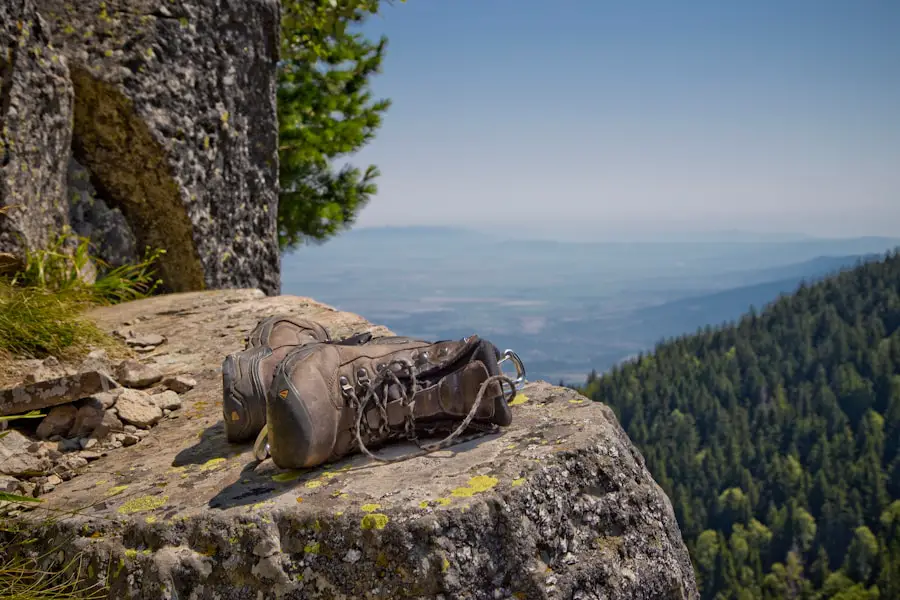
Fit should be the deciding factor once you have narrowed down the type of hiking footwear you need. A premium shoe is still the wrong shoe if your toes hit the front, your heel repeatedly lifts, or the upper creates painful pressure points.
Wear the same type and thickness of socks you intend to hike in when trying shoes. Trying footwear later in the day can also be useful because feet normally become somewhat larger after hours of standing and walking.
Use This Fit Checklist
- Toe room: Your longest toe should not touch the front. A practical starting point is roughly a thumb’s width of clearance.
- Heel hold: Your heel should feel secure without painful squeezing. A small amount of movement can occur, but repeated rubbing is a warning sign.
- Width: The forefoot should not spill over the edge of the footbed or feel compressed from the sides.
- Foot volume: A shoe can have the correct length and width yet still be too shallow or too deep over the instep.
- Downhill test: Walk down a ramp or inclined surface if possible. Your toes should not slam into the front.
- No hot spots: Do not assume an uncomfortable pressure point will disappear after several hikes.
Salomon’s fitting guidance recommends trying hiking footwear with hiking socks, checking it later in the day, and leaving enough space for swelling and downhill movement. See Salomon’s hiking-shoe fit and sizing guidance.
Support, Insoles, and Orthotics
Underfoot support should feel stable and comfortable for your own foot rather than conforming to a simple rule such as “high arches need this” or “flat feet need that.” Factory insoles work well for many hikers, while others prefer a different footbed.
If you already use custom orthotics or aftermarket insoles, bring them when trying on hiking shoes because they change the internal volume and fit. Avoid forcing a thick insole into footwear that becomes cramped once the original footbed is removed.
Warning: Do not rely on a higher boot collar to compensate for poor fit or unsafe footing. A boot that is loose at the heel, too narrow, or too short can still cause pain, blisters, falls, or toe injuries.
Materials and Features to Look for in Hiking Shoes
| Material/Feature | What It Does |
| Waterproofing | Waterproof-breathable membranes can block rain and shallow external moisture, but they usually run warmer than highly ventilated non-waterproof uppers. |
| Traction | Rubber compound and lug shape determine how the outsole interacts with rock, dirt, mud, gravel, and other surfaces. |
| Collar and Structure | Mid- and high-cut footwear can add lateral resistance, protection from debris, and a more structured feel on uneven ground. |
| Breathability | Mesh and other ventilated uppers release heat and moisture more readily, making them useful in warm conditions. |
| Cushioning | Midsole cushioning can soften repeated impact, but the best amount is personal; too soft can feel unstable to some hikers on rough terrain. |
| Durability | Leather, reinforced textiles, toe caps, protective randing, and durable outsoles can improve resistance to abrasion and trail damage. |
Leather is valued for abrasion resistance and structure, although it is generally heavier than a mesh-heavy synthetic shoe and requires appropriate care. Synthetic textiles can reduce weight and improve ventilation, while reinforced mesh is common in lightweight hiking shoes and trail runners.
A protective toe cap is useful on rocky trails where you are likely to strike roots or stones. A firm heel counter can improve rearfoot structure, while a rock plate or firmer midsole can protect the sole of the foot from sharp terrain.
Waterproof-breathable footwear also requires maintenance. GORE-TEX recommends following the shoe manufacturer’s instructions, brushing away loose dirt, using lukewarm water with a small amount of liquid detergent when appropriate, drying naturally at moderate temperatures, and avoiding direct heat. See the official GORE-TEX footwear-care instructions.
Breaking in Your Hiking Shoes for Maximum Comfort
Modern hiking footwear does not always require the lengthy break-in process associated with traditional leather boots. Many lightweight synthetic hiking shoes and trail runners should feel comfortable almost immediately. Leather footwear can take longer to soften and conform.
Even when a shoe feels good out of the box, use it for a few short walks or local hikes before taking it on an all-day or multiday trip. A shakedown hike gives you time to identify heel rubbing, lace pressure, toe contact, or other problems while you are still close to home.
Salomon notes that traditional leather footwear is more likely to require meaningful break-in than modern synthetic footwear. It also emphasizes that break-in cannot rescue a shoe that fundamentally does not fit. See Salomon’s hiking-shoe break-in guidance.
Pro Tip: Treat the first few outings as a fit test, not a mission to force the shoe to change shape. Persistent toe pain, heel rubbing, pinching, or numbness usually means the fit needs attention.
Tips for Maintaining and Cleaning Your Hiking Shoes
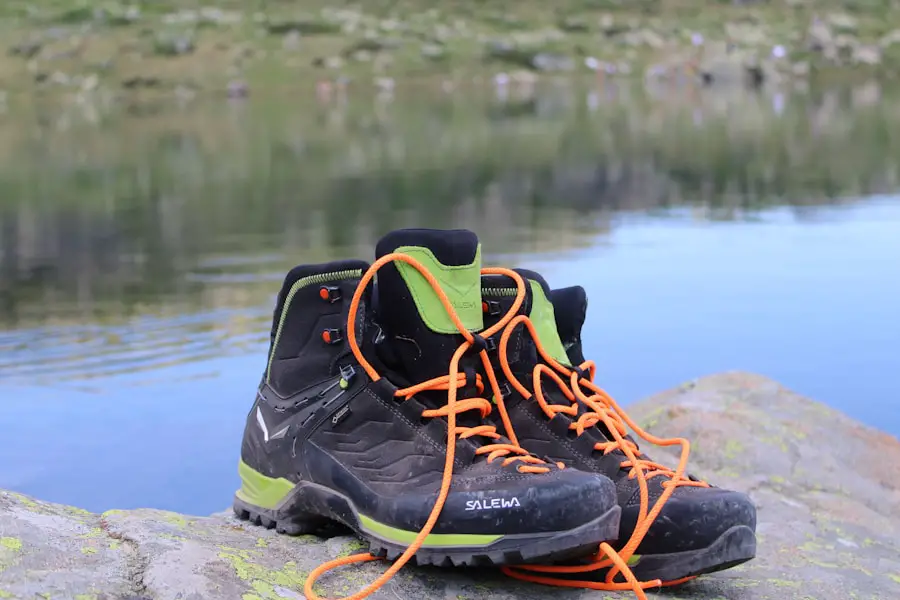
Cleaning hiking footwear after muddy trips can extend its useful life and makes it easier to inspect stitching, uppers, eyelets, and soles for damage.
Start by removing loose dirt with a soft brush or cloth. If the manufacturer allows it, remove the laces and insoles so dirt trapped around the tongue and inside the shoe can be cleared more easily. Use lukewarm water and the cleaning method recommended for the specific upper and waterproofing system.
Avoid placing hiking shoes directly against radiators, fireplaces, heaters, or other strong heat sources. Excessive heat can affect adhesives, leather, synthetic components, and waterproof treatments. Let footwear dry naturally in a ventilated area instead.
For GORE-TEX footwear, the manufacturer specifically advises against bleach and machine washing and recommends restoring the durable water-repellent treatment when water stops beading effectively on the outer material.
Know When It Is Time to Replace Them
There is no single mileage number that tells every hiker when a shoe is finished. Terrain, body weight, walking mechanics, shoe construction, and frequency of use all change wear rates.
Look instead for practical signs: lugs worn smooth, cracks or separation in the outsole, compressed or uneven cushioning, torn uppers, damaged eyelets, a heel structure that no longer holds the foot securely, or a noticeable loss of traction and comfort.
Best Hiking Shoes for Different Terrains and Conditions
No single hiking shoe is best for everyone, so named models are most useful as reference points rather than universal winners. Fit the category first, then compare individual shoes that match your foot shape.
Rugged Terrain and Multiday Backpacking
The Salomon Quest 4 GORE-TEX remains a current example of a structured backpacking boot. Salomon positions it for multiday hiking and mixed or alpine terrain, with a supportive chassis and waterproof GORE-TEX membrane.
Versatile Day Hiking
The earlier Moab 2 generation has been replaced in Merrell’s main lineup by the Merrell Moab 3 family. The line includes low and mid versions as well as waterproof and non-waterproof configurations, making it a useful example of how one basic platform can be adapted to different hiking conditions.
Wet Trails and Traditional Boot Feel
The Columbia Newton Ridge Plus II Waterproof remains in Columbia’s current range. It combines a waterproof-breathable construction, cushioned midsole, and all-terrain rubber outsole in a more traditional hiking-boot design.
Lightweight and Fast Hiking
Hikers who prefer a trail-running feel can compare the current Altra Lone Peak 9 and Lone Peak 9+ generation rather than the much older Lone Peak 6. These models use a zero heel-to-toe drop, so hikers accustomed to conventional footwear may prefer to transition gradually instead of immediately using them for their longest hike.
Note: A recommendation list cannot tell you whether a shoe matches your heel shape, forefoot width, instep volume, or walking mechanics. Always treat fit as the final test.
Reviews and Recommendations for Top Hiking Shoe Brands
Brand reputation can help narrow a large market, but it should not replace model-by-model comparison. Even two shoes from the same manufacturer may use different lasts, midsoles, outsole compounds, and toe-box shapes.
Merrell offers a broad range of traditional hiking shoes and boots, including its current Moab 3 family. Salomon produces everything from lightweight trail footwear to more structured backpacking boots such as the Quest series. Columbia has a large selection of accessible hiking footwear, including waterproof options such as the Newton Ridge line.
Scarpa is well known for technical mountain, approach, trekking, and climbing footwear, making it relevant when trips move beyond maintained trails. KEEN is another established hiking-footwear manufacturer and is particularly associated with roomier forefoot designs in several of its hiking ranges.
The best approach is to compare several brands instead of assuming your normal street-shoe size will fit identically across them. Footwear sizing and internal shape vary enough that the model that looks best on paper may not be the one that feels best on your feet.
In summary, choosing hiking footwear is a balance of terrain, weather, load, durability, weight, and personal fit. Lightweight hiking shoes and trail runners can be excellent for fast, warm-weather trips, while more structured boots remain useful when you want additional protection or stability. Whatever category you choose, comfortable fit and dependable traction should come before brand loyalty.
If you’re preparing for a longer trip, footwear is only one part of the load-carrying system. This guide to the best hiking backpack for multi-day treks can help you match your pack to the same terrain and trip length you considered when choosing your shoes.
Love travel? Join Our Facebook Community
Frequently Asked Questions
What are the best hiking shoes for beginners?
Beginners usually do well with comfortable hiking shoes or light hiking boots that fit securely, have dependable rubber traction, and provide enough cushioning and underfoot protection for their local trails. A heavier backpacking boot is unnecessary for many easy day hikes.
What are the best hiking shoes for experienced hikers?
Experienced hikers should choose according to the specific trip rather than experience level alone. Fast hikers may prefer trail runners, while technical terrain, cold weather, or heavier loads may justify a firmer hiking shoe or backpacking boot.
What features should I look for in the best hiking shoes?
Prioritize fit, traction, underfoot protection, appropriate cushioning, durability, and the right level of breathability or waterproofing for your climate. Toe protection and a firmer platform are especially useful on rocky terrain.
Are there specific brands known for making good hiking shoes?
Merrell, Salomon, KEEN, Columbia, Scarpa, and several other established outdoor brands make hiking footwear for different terrain and foot shapes. Brand reputation is useful, but the individual model and how it fits your feet matter more.
How do I choose the right size hiking shoes?
Try them with your normal hiking socks and leave enough room so your toes do not hit the front during descents. Your heel should feel secure, and there should be no painful squeezing or hot spots. Trying shoes later in the day can help account for normal foot swelling.
Are waterproof hiking shoes better?
Not always. Waterproof footwear is useful in sustained wet or cold conditions, but it is usually warmer and slower to release moisture than a highly breathable non-waterproof shoe. In hot, mostly dry conditions, ventilation and quick drying may be more valuable.
Are hiking boots better than trail runners?
Neither category is universally better. Trail runners are light, flexible, and breathable, while boots generally provide more structure, protection, and weather coverage. Choose according to terrain, pack weight, climate, pace, and personal preference.
Sources
- Salomon — High, Mid, or Low-Cut Hiking Shoes: How to Choose — footwear height, terrain, load, fit, and toe-room guidance.
- Salomon — How to Break In Your Hiking Shoes — modern synthetic footwear versus traditional leather break-in guidance.
- GORE-TEX — Footwear Care Instructions — cleaning, drying, and water-repellent treatment guidance.
- U.S. National Park Service — Bryce Canyon Safety — importance of suitable hiking footwear and traction.
- Annals of Biomedical Engineering / PubMed — High-Top Shoes and Ankle Inversion — biomechanics evidence on high- versus low-top footwear.
- Merrell — Moab 3 Collection — current Moab generation and hiking-footwear configurations.

