
Last Updated on September 10, 2026 by Daniel Globe
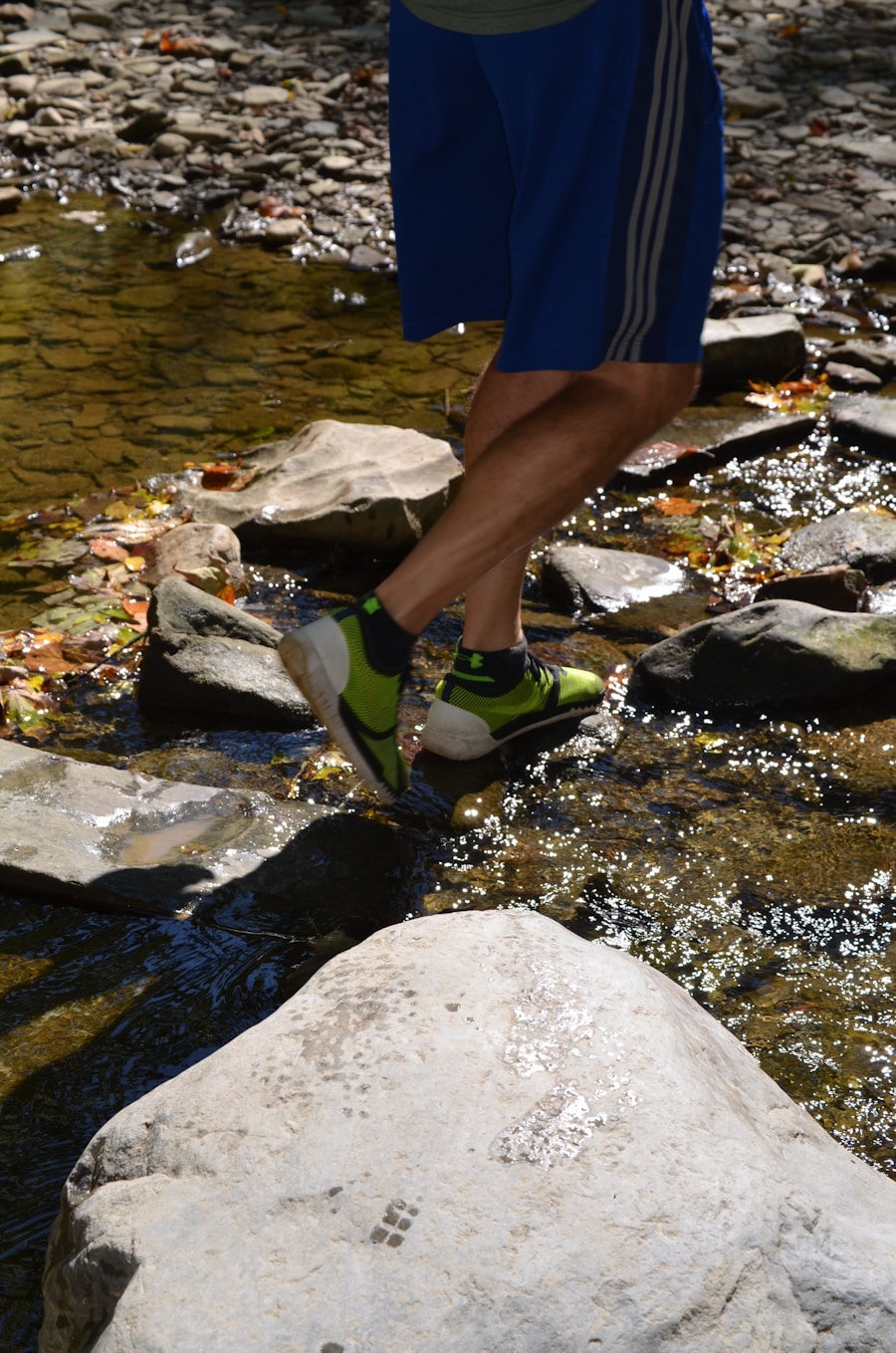
Trail running shoes sit between road-running shoes and traditional hiking boots. They are built for uneven ground but usually stay lighter, more flexible, and more breathable than boots. That combination makes them a practical hiking choice for many people, but the best footwear still depends on the trail, weather, pack load, fit, and how much protection you need.
Quick Answer
Yes. Trail running shoes are a strong hiking choice for many day hikes and light-pack trips, especially on maintained or moderately rough trails. They are light, flexible, breathable, and often grippy. Hiking boots remain the better choice when you need more structure, underfoot protection, weather protection, or support for heavier loads.
Key Takeaways
- Trail running shoes work especially well for day hikes, warm weather, faster hiking, and trips where you carry a relatively light pack.
- Traction is not automatically better or worse than a hiking boot. Lug depth, lug spacing, rubber compound, and the trail surface matter more than the footwear label.
- Boots usually offer more structure, upper protection, weather protection, and durability for demanding terrain and heavier loads.
- A higher shoe collar can restrict some ankle motion, but collar height alone does not guarantee that you will avoid an ankle sprain.
- Fit comes first. Choose a shoe that holds your heel securely, gives your toes room on descents, and matches the terrain you actually hike.
Disclosure: As an Amazon Associate I earn from qualifying purchases. Some links on this page are affiliate links, at no extra cost to you.
Differences Between Trail Running Shoes and Hiking Boots
Trail running shoes and hiking boots are both made for off-pavement travel, but they prioritize different things. Trail runners usually favor low weight, flexibility, ventilation, and fast movement. Hiking boots usually favor structure, protection, durability, and support under a load.
| Feature | Trail Running Shoes | Hiking Boots |
| Weight | Usually lighter | Usually heavier |
| Flexibility | More flexible and agile | Generally stiffer and more structured |
| Upper protection | Varies from light mesh to reinforced technical uppers | Usually more abrasion-resistant and protective |
| Underfoot protection | Varies; rugged models may include rock plates | Typically firmer and more protective |
| Weather protection | Available in breathable or waterproof versions | Waterproof versions are common and often warmer |
| Durability | Often trades some durability for lower weight | Usually built for more abrasion and long-term rugged use |
| Best use | Day hikes, fast hiking, light packs, warm conditions, light-to-moderate terrain | Rugged routes, heavier packs, harsher weather, greater protection needs |
Current hiking-footwear guidance from REI similarly recommends choosing footwear according to route duration, terrain, conditions, and the load you plan to carry rather than assuming one style is best for every hike.
Note: “Trail runner” is a broad category. A lightweight shoe for smooth dirt is very different from a rugged mountain-running model with deep lugs, a reinforced toe, and a rock plate.
Benefits of Using Trail Running Shoes for Hiking
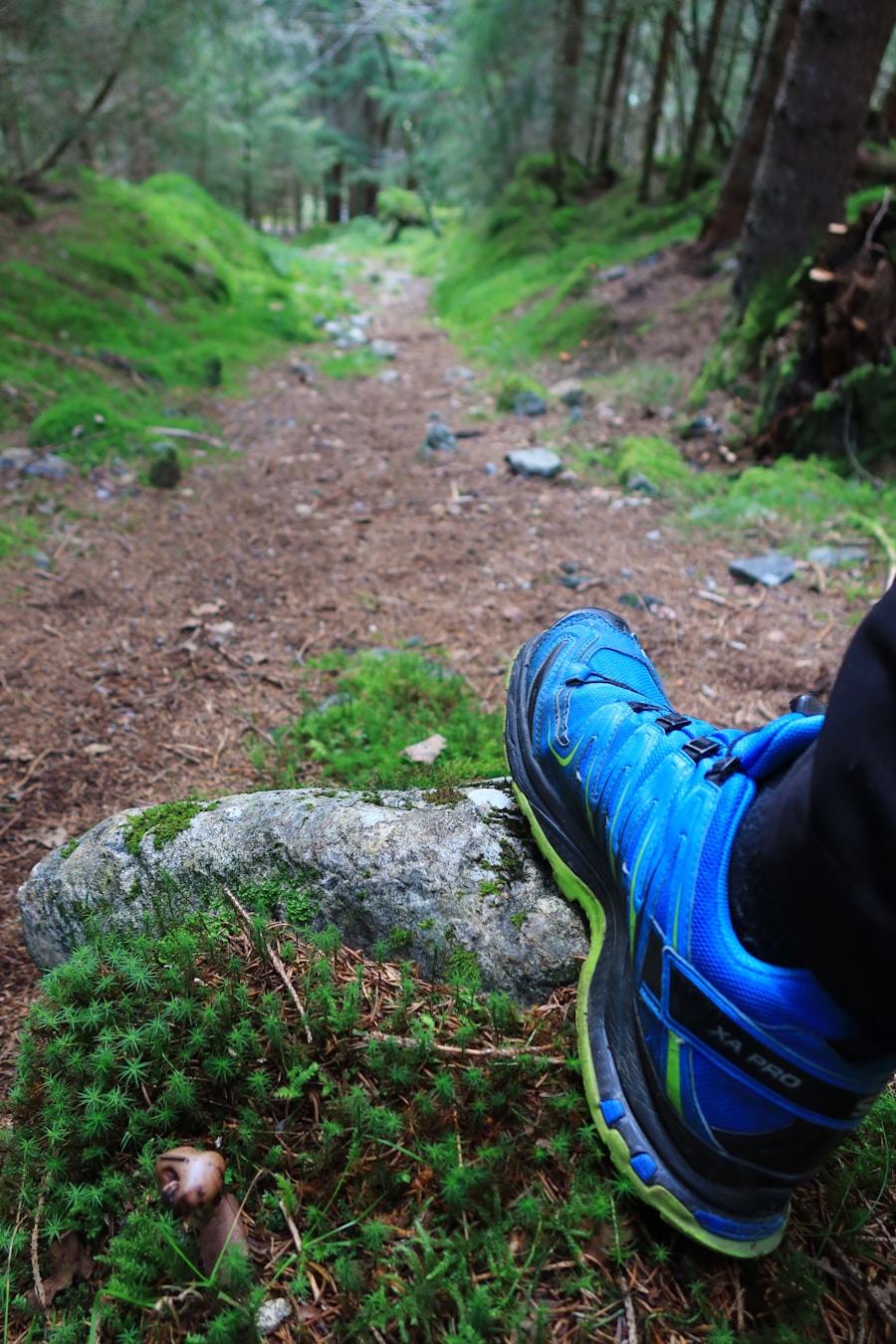
The biggest advantage is usually the combination of lower weight and flexibility. That can make each step feel less cumbersome, particularly if you like a brisk pace or spend long days moving on maintained trails.
A systematic review of running studies found an association between greater shoe mass and higher metabolic cost. That does not prove that a particular trail runner will make every hiker less tired, but it supports the basic idea that footwear weight can affect movement efficiency.
Lighter footwear can reduce the metabolic cost of running, but that evidence should not be turned into a promise that every hiker will automatically feel less fatigue.
Trail runners can also provide excellent traction. According to current trail-running shoe guidance, models intended for rugged terrain may use deeper lugs, wider lug spacing, sticky rubber, toe guards, and rock plates.
- Low weight: Helpful for hikers who value a nimble feel.
- Flexibility: Makes quick foot placement and directional changes easier.
- Breathability: Mesh models often release heat and moisture better than heavy waterproof boots.
- Trail-specific grip: The right lug pattern can work well on dirt, gravel, roots, mud, or rock.
- Little break-in time: A well-fitting trail runner should generally feel comfortable from the start.
Drawbacks of Using Trail Running Shoes for Hiking
Trail runners also make compromises. The exact drawbacks depend on the model, so it is more useful to look at the feature you are giving up than to assume every trail shoe has the same weakness.
| Potential Drawback | What It Means |
| Lower collar and less structure | Most trail runners do not provide the same structured feel around the foot and ankle as a stiff hiking or backpacking boot. |
| Potentially faster wear | Light mesh, soft rubber, and flexible foam can wear faster when repeatedly exposed to sharp rock and abrasive terrain. |
| Less protection in light models | Some lightweight shoes have little protection against sharp rocks, roots, brush, or repeated impacts. Rugged models may add toe guards and rock plates. |
| Weather tradeoffs | Breathable mesh dries quickly but lets water enter. Waterproof trail runners keep external moisture out better but can run warmer and dry more slowly if water enters from the top. |
| Traction must match the trail | A shallow-lug shoe can struggle in deep mud, while a soft, aggressive outsole may grip technical terrain well. Trail runners are not automatically more or less grippy than boots. |
What About Ankle Support?
Most trail runners have a low collar, while many hiking boots extend higher around the ankle. A higher or stiffer collar can restrict some ankle movement and provide a more structured feel. However, that does not mean a high collar alone guarantees protection from ankle sprains.
A 2023 systematic review of external ankle support found low- to very-low-certainty evidence for several biomechanical changes and noted uncertainty about how those changes translate into actual sprain risk. Shoe fit, fatigue, balance, terrain, previous injuries, and the load you carry also matter.
Warning: Do not choose lightweight trail runners simply to save weight if the route involves serious snow or ice, severe off-trail terrain, exposed scrambling, or conditions that require specialized protective footwear. Check local trail conditions and equipment recommendations before leaving.
When Trail Running Shoes Work Best for Hiking
Trail runners are especially appealing when the terrain and your hiking style reward mobility more than heavy-duty protection.
- Day hikes: Particularly on maintained or moderately rough trails.
- Fast hiking: Their lower weight and flexibility suit hikers who move quickly.
- Warm weather: Non-waterproof mesh models can release heat and moisture well.
- Light packs: Less structure is usually easier to tolerate when you are not carrying a large load.
- Frequent water crossings: Some hikers prefer breathable, non-waterproof shoes that drain and dry faster after getting wet.
- Mixed hiking and running: Trail runners make sense when you expect to jog sections of a route.
For rocky trails, look beyond the word “trail” on the box. A rugged-trail shoe with a secure upper, toe protection, firmer platform, and rock plate may be much more comfortable than an ultralight model designed for smooth dirt.
When Hiking Boots Are the Better Choice
Boots earn their extra weight when the route places a higher premium on protection, structure, and weather resistance.
- Heavy backpacking loads: A stiffer sole and more structured upper may feel more stable under a large load.
- Sharp or abrasive terrain: Tough uppers and firmer midsoles help shield your feet from repeated impacts.
- Cold and wet conditions: A waterproof boot can provide more coverage and warmth.
- Rugged off-trail travel: Stiffer footwear can offer greater protection from scree, brush, and uneven ground.
- Routes with specific footwear requirements: Snow, ice, mountaineering, and technical terrain may require equipment beyond ordinary trail runners.
The National Park Service hiking-safety guidance advises hikers to research the route and choose suitable footwear and equipment for the terrain and conditions.
Tips for Choosing the Right Trail Running Shoes for Hiking
1. Match the Outsole to the Terrain
The outsole determines how the shoe meets the ground. Do not judge grip only by how aggressive the sole looks.
- Dry, hard-packed trails: Shallower, more closely spaced lugs can provide a smoother and more stable ride.
- Mud and loose soil: Deeper, widely spaced lugs can dig into softer ground and shed mud more effectively.
- Rock: Rubber compound matters. Softer, stickier rubber may provide better grip on rock but can trade some durability for traction.
- Mixed rugged terrain: Full outsole coverage and multidirectional lugs can improve protection and grip.
2. Look for Enough Underfoot Protection
On rocky trails, cushioning alone may not be enough. Some trail runners use a rock plate or protective layer between the outsole and your foot. A toe cap can also reduce the sting of hitting roots and rocks.
A firmer midsole can make uneven terrain feel more stable, while a very soft or very tall shoe may feel less planted to some hikers. There is no universal ideal; choose a platform that feels predictable under your feet.
3. Get the Fit Right
Fit matters more than brand name. Your shoe should feel secure without squeezing.
- Try on both shoes because one foot may be slightly larger.
- Wear the socks and orthotics you plan to hike in.
- Shop or test shoes later in the day, when feet may be slightly swollen.
- Leave enough room in front for your toes to avoid hitting the shoe on descents.
- Make sure your heel does not slide excessively when climbing.
- Walk up and down an incline before deciding.
Pro Tip: A shoe that feels “almost right” in the store often becomes annoying after hours on the trail. Prioritize secure heel hold, enough toe room, and no obvious pressure points from the beginning.
4. Choose Cushioning and Flexibility for Your Route
More cushioning can reduce the harsh feel of long miles, but maximum cushioning is not automatically better. On technical ground, many hikers prefer a platform that feels stable and predictable. Others are comfortable in softer, taller shoes.
Heel-to-toe drop also varies widely. If you are used to one type of shoe, changing abruptly to a dramatically different geometry may feel unfamiliar. Comfort and a gradual transition are more useful guides than chasing a particular number.
5. Decide Whether You Need Waterproofing
Waterproof trail running shoes make sense in cold, damp conditions, wet grass, shallow snow, and situations where keeping outside moisture away matters. However, waterproof membranes also reduce ventilation and can trap more heat.
In warm weather or routes with deep water crossings, many hikers prefer non-waterproof mesh because it can drain and dry faster after getting soaked. REI’s waterproof trail-running guidance describes this same weather-dependent tradeoff.
6. Consider the Pack You Will Carry
There is no single pack-weight cutoff at which everyone must switch to boots. Your body size, foot strength, route, shoe design, and experience all matter. As the load gets heavier or the terrain becomes rougher, however, a firmer and more supportive hiking shoe or boot often becomes more useful.
How to Properly Care for Trail Running Shoes When Hiking
Trail shoes last longer and keep their grip better when dirt and mud are removed instead of being left packed into the outsole and upper.
- Remove loose dirt. Let heavy mud dry enough to brush away, then use a soft brush to clear the outsole lugs and upper.
- Remove the insoles and loosen the laces. This helps you clean and dry the shoe more thoroughly.
- Hand-clean the upper. Use a damp cloth or soft brush with mild soap as needed. Follow the shoe manufacturer’s care instructions, especially if the shoe contains a waterproof membrane.
- Rinse lightly. Avoid unnecessary soaking unless the manufacturer specifically allows it.
- Air dry. Let the shoes dry at normal room temperature. Stuffing them loosely with absorbent paper or cloth can speed the process.
- Avoid direct heat. Do not place performance running shoes in a hot dryer or directly against a heater, because heat can damage foam, fabric, or adhesives.
Brooks Running’s shoe-care guidance similarly recommends hand cleaning, removing the insoles, and air drying instead of machine washing or drying.
Know When the Shoes Are Worn Out
Do not rely on one universal mileage number. Trail surface, body weight, shoe construction, and walking style all affect wear. Inspect the shoes instead.
- Lugs have worn smooth or unevenly.
- The outsole is separating from the midsole.
- The upper has holes that affect fit or protection.
- The heel no longer holds your foot securely.
- The midsole feels permanently compressed or unstable.
- You develop discomfort that was not present when the shoes were newer.
Alternative Footwear Options for Hiking
Trail runners are not the only middle ground between road shoes and heavy hiking boots. Several other footwear styles can work well depending on the trip.
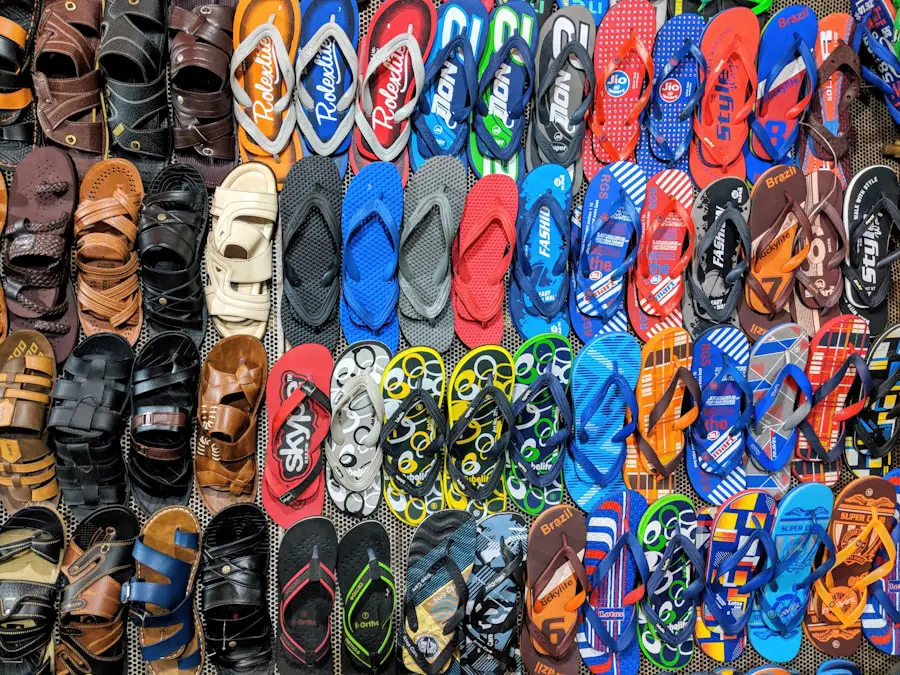
Casual sandals and flip-flops like those pictured above are not substitutes for secure trail footwear. Purpose-built hiking sandals are a separate category designed with better straps and trail-oriented soles.
Lightweight Hiking Shoes
Low-cut hiking shoes combine some of the flexibility of a trail runner with a sturdier upper and firmer platform. They are a useful choice for hikers who want more durability without a full-height boot.
Approach Shoes
Approach shoes were developed for walking to climbing routes. Many use sticky rubber, protective uppers, and a relatively stable platform. They can work well on rocky hikes and easy scrambling, although their specialized fit and sole design are not ideal for everyone.
Hiking Sandals
Purpose-built hiking sandals can work for easy warm-weather trails, water-focused trips, and situations where drainage matters. They provide much less protection from rocks, brush, and cold weather than closed footwear.
Warning: Ordinary flip-flops and loose casual sandals are poor choices for most hiking trails because they provide little protection and insecure footing.
Minimalist Footwear
Minimalist shoes use less cushioning and usually a more flexible platform. Some hikers enjoy the ground feel, but they should not be treated as a universal upgrade. If you normally wear highly cushioned or structured footwear, allow time to adjust and choose easy terrain while learning how the shoes feel.
Making the Decision Between Trail Running Shoes and Hiking Boots
Neither option wins every hike. The simplest approach is to choose for the hardest conditions you realistically expect to encounter.
| Choose Trail Running Shoes When… | Choose Hiking Boots When… |
| You are hiking maintained or moderately rough trails. | The route is consistently rugged, abrasive, or off trail. |
| You value low weight, flexibility, and breathability. | You value structure, protection, and durability. |
| Your backpack is relatively light and comfortable. | You will carry a heavier load over demanding terrain. |
| Conditions are warm or you want fast-drying footwear. | Cold, wet, or harsh weather makes extra coverage useful. |
For many recreational hikers, a well-fitting rugged trail runner is enough for a large share of ordinary day hikes. A hiking boot becomes more attractive as the terrain, load, exposure, and need for protection increase.
If you have repeated ankle problems, significant foot pain, or rely on prescription orthotics, choose footwear around your individual needs rather than following a blanket “boots versus trail runners” rule.
For readers comparing equipment for other kinds of travel, the site’s best travel scooter guide covers mobility gear for travel away from the hiking trail.
Sources
- U.S. National Park Service — Hike Smart — route preparation, terrain, footwear, and hiking-safety guidance.
- REI — How to Choose Hiking Boots and Hiking Shoes — current footwear types, terrain, load, and fit guidance.
- REI — Trail-Running Shoes Buying Guide — outsole lugs, protection, rock plates, waterproofing, and fit.
- Fuller et al., Sports Medicine — Footwear and Running Economy — evidence on shoe characteristics, including shoe mass and running economy.
- Rowe et al., Journal of Athletic Training — External Ankle Support Systematic Review — evidence and uncertainty surrounding ankle-support biomechanics.
- Brooks Running — Shoe Cleaning Guidance — hand washing, insole removal, and air drying.
Love travel? Join Our Facebook Community For More Tips.
Frequently Asked Questions
What are trail running shoes?
Trail running shoes are running shoes built for unpaved surfaces. Compared with ordinary road shoes, they typically add trail-oriented outsoles plus varying levels of protection, stability, and durability for dirt, gravel, roots, rocks, and mud.
Are trail running shoes good for hiking?
Yes. They can be excellent for day hikes, fast hiking, light packs, and light-to-moderate terrain. Rugged routes, heavy loads, harsh weather, and situations requiring greater foot protection may favor hiking boots instead.
What are the benefits of using trail running shoes for hiking?
Common advantages include low weight, flexibility, breathability, quick foot placement, and trail-specific grip. Non-waterproof models can also drain and dry faster than heavier waterproof footwear after getting wet.
Are there drawbacks to using trail running shoes for hiking?
Yes. Lightweight models may provide less upper and underfoot protection, less structure under heavy loads, and less durability on abrasive terrain. Weather protection also varies greatly between breathable and waterproof versions.
What should I consider when choosing trail running shoes for hiking?
Start with fit and terrain. Then compare outsole lugs, rubber compound, toe protection, rock protection, cushioning, platform stability, waterproofing, and how much weight you plan to carry.
Can you backpack in trail running shoes?
Many hikers do, especially with lighter packs and on trails they know well. As pack weight, trip length, and terrain difficulty increase, more structured hiking shoes or boots may become more comfortable and protective.
Should trail running shoes be waterproof for hiking?
It depends on conditions. Waterproof trail runners can be useful in cold, damp weather and shallow snow. Breathable non-waterproof shoes are often more comfortable in warm weather and can drain and dry faster after deep water crossings.
Do hiking boots prevent ankle sprains better than trail runners?
Higher and stiffer footwear can restrict some ankle motion and may feel more supportive, but collar height alone does not guarantee that an ankle sprain will be prevented. Fit, fatigue, terrain, balance, previous injuries, and the load you carry also affect risk.
