
Last Updated on July 27, 2026 by Daniel Globe
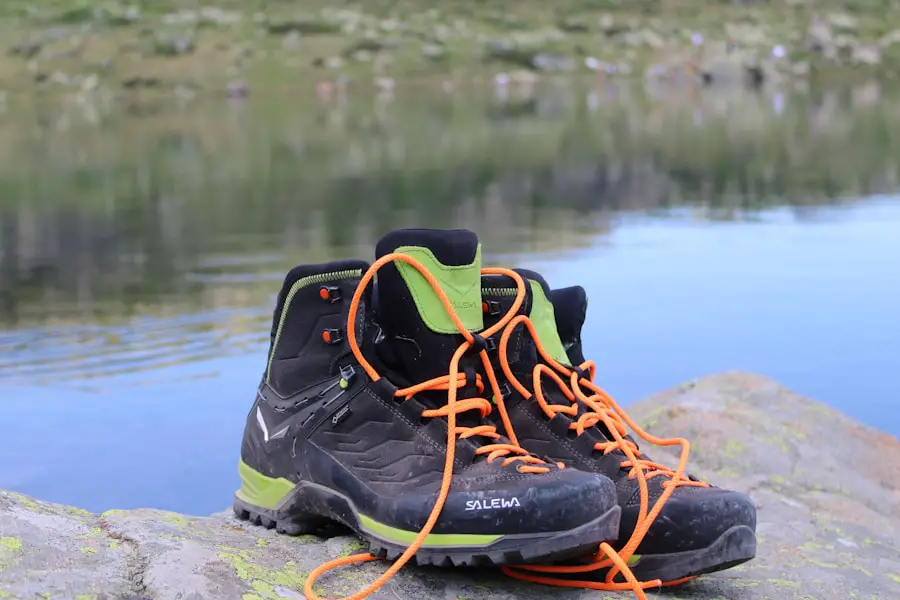
Wet grass, rain, mud, and shallow stream crossings can soak hiking footwear surprisingly quickly. Waterproof hiking shoes can help in those conditions, but choosing and maintaining them is more complicated than simply spraying any “waterproofing” product over the upper. The shoe material, waterproof membrane, durable water-repellent finish, fit, climate, and type of hiking all matter.
Quick Answer
To keep hiking shoes waterproof, clean them first, use a reproofing treatment approved for the exact upper material, and let them dry away from direct heat. Waterproof membranes and exterior DWR finishes do different jobs, so restoring water beading cannot repair a torn membrane, damaged seam, or worn-out shoe.
Key Takeaways
- Choose waterproof hiking shoes for persistent rain, wet vegetation, mud, snow, and other conditions where keeping external moisture out matters.
- A waterproof membrane and the shoe’s exterior durable water-repellent finish are not the same thing.
- Use a treatment made for your shoe’s material; full-grain leather, nubuck, suede, synthetic fabric, and membrane footwear can require different products.
- Avoid heat guns, radiators, campfires, and other concentrated heat unless the footwear manufacturer specifically instructs otherwise.
- Reproof when water stops beading or the manufacturer recommends it, rather than relying on one universal schedule.
At a Glance
| Time Required | About 20–40 minutes of hands-on cleaning and treatment, plus drying time |
| Difficulty | Easy, provided you use a treatment approved for the shoe material |
| Tools Needed | Soft brush or cloth, lukewarm water, manufacturer-approved cleaner if needed, and compatible reproofing treatment |
| Cost | Usually the cost of a footwear cleaner or reproofing product; no treatment may be needed when the factory finish is still performing well |
Disclosure: As an Amazon Associate I earn from qualifying purchases. Some links on this page are affiliate links, at no extra cost to you.
Why Waterproof Hiking Shoes Matter
Waterproof hiking shoes are designed to limit water entering through the upper while still allowing some moisture vapor from perspiration to escape. Technologies such as GORE-TEX footwear membranes and eVent waterproof footwear technology are examples of waterproof-breathable systems used in outdoor footwear.
Keeping feet reasonably dry can improve comfort on a long hike. The CDC’s foot-hygiene guidance also notes that fungi responsible for athlete’s foot thrive in warm, dark, moist environments and recommends keeping feet clean and dry.
Waterproofing is only one part of hiking-shoe performance, however. Grip comes mainly from the outsole’s rubber, tread, and lug design rather than the waterproof membrane. A shoe can therefore be highly waterproof yet still be poorly suited to a particular slippery surface.
Note: Waterproof footwear is not automatically better for every hike. In hot or dry conditions, a non-waterproof hiking shoe may feel cooler and can dry faster after becoming wet. Choose the protection level for the conditions you actually expect.
Types of Waterproofing Technologies for Hiking Shoes
Modern hiking footwear can keep water out in several ways. Understanding those layers helps you choose the right shoe and prevents you from applying the wrong treatment later.
Waterproof-Breathable Membranes
A waterproof membrane is a thin barrier built into the footwear. Its job is to stop liquid water from passing through the shoe while allowing water vapor to escape.
GORE-TEX footwear is designed to provide durably waterproof and breathable protection. GORE-TEX also offers different footwear constructions for different uses, including standard waterproof footwear, Invisible Fit, and SURROUND technologies.
eVent uses its Direct Venting approach in waterproof footwear. The company describes the technology as waterproof, breathable, and air-permeable. Rather than calling one membrane universally more breathable than another, compare the complete shoe because upper fabric, lining, insulation, fit, and construction also affect how warm or ventilated it feels.
Many footwear companies also use proprietary waterproof-breathable systems. For example, brands may combine their own membrane with leather, synthetic textile, seam construction, and an exterior water-repellent finish.
Durable Water-Repellent Finish
A durable water-repellent treatment, commonly called DWR, is applied to the outer material. It encourages water to bead and roll off instead of immediately soaking into the face material.
DWR is different from the waterproof membrane. According to GORE-TEX guidance on DWR, an exterior material can stop beading and become saturated while the underlying membrane remains waterproof.
Water beading tells you mainly about the condition of the exterior water-repellent finish. It does not, by itself, prove that the waterproof membrane and seams are leak-free.
Water-Resistant Leather and Synthetic Uppers
Some leather and synthetic uppers resist water even without a waterproof membrane. Full-grain leather can provide strong natural water resistance when properly maintained, while synthetic materials often dry faster. Neither should automatically be assumed to be fully waterproof unless the manufacturer labels the complete shoe that way.
How to Choose the Right Waterproof Hiking Shoes
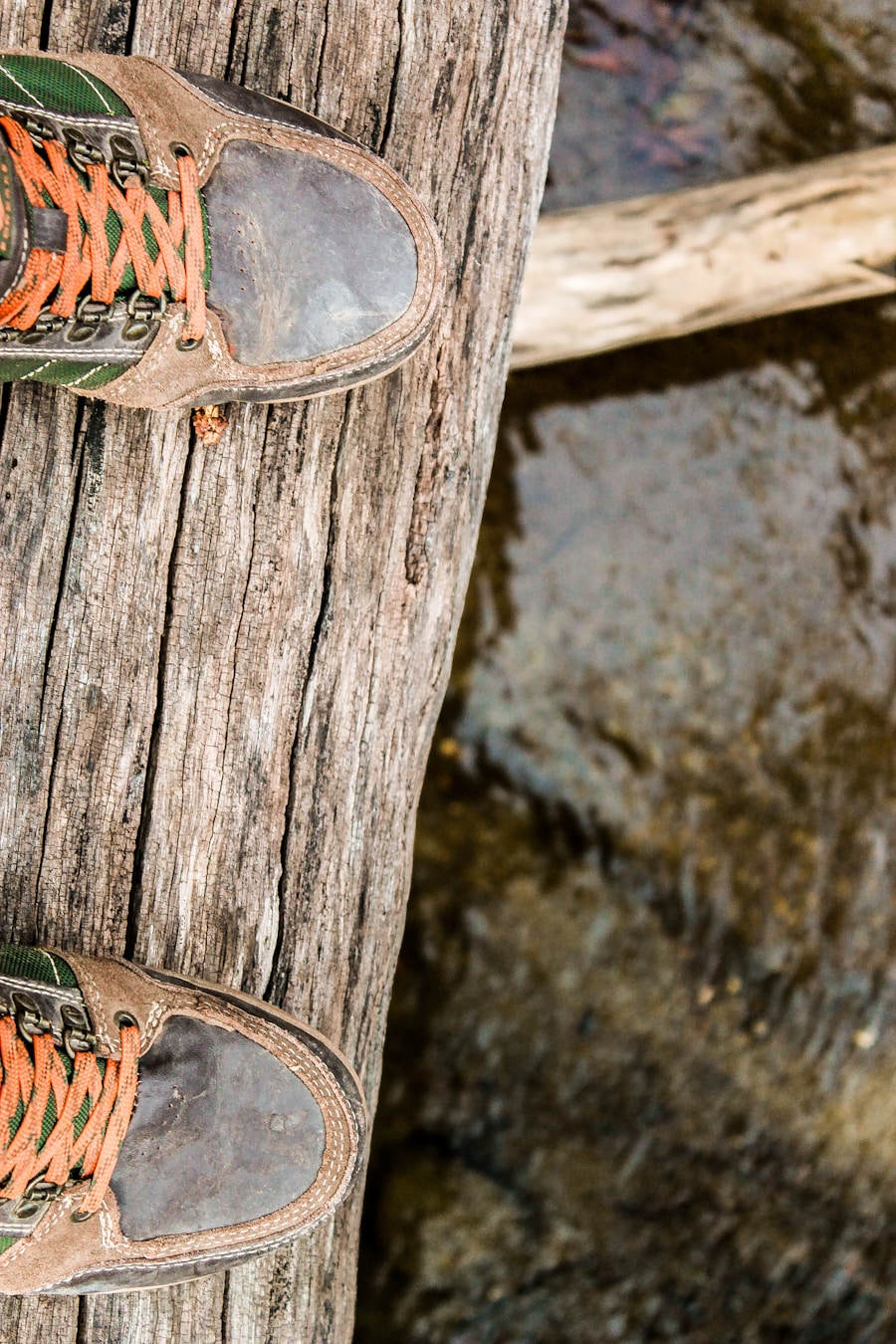
Selecting waterproof hiking shoes starts with the conditions and terrain rather than the waterproof label alone.
Match Waterproofing to the Conditions
- Frequent rain and wet grass: Waterproof footwear can prevent repeated wetting from rain and vegetation.
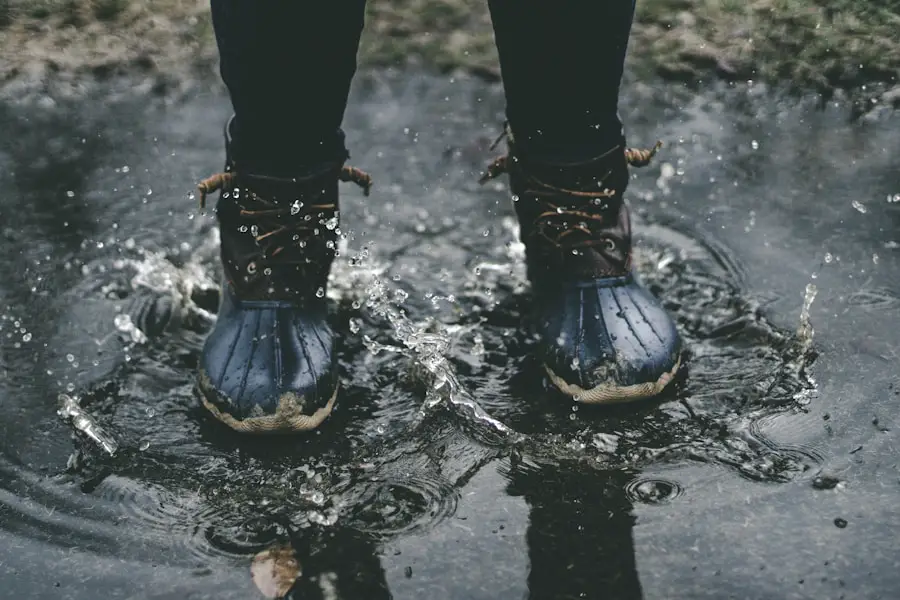
- Mud and shallow puddles: A waterproof membrane can be useful as long as water stays below the shoe collar.
- Cold and snow: Waterproof construction can help prevent external moisture from reaching socks, although winter conditions may also require insulation and suitable traction.
- Hot, dry trails: Breathable non-waterproof shoes may be more comfortable.
- Frequent deep water crossings: Even waterproof footwear will fill with water when water enters over the collar. Fast-draining, quick-drying footwear may sometimes make more sense.
Choose the Right Support and Outsole
Day hikes on maintained trails may suit lightweight hiking shoes, while rugged routes and heavier loads may call for more structured footwear. Waterproofing should not distract from outsole grip, cushioning, stability, toe protection, and the overall fit of the shoe.
Wet-rock traction, muddy-trail traction, and dry-rock traction can require different tread characteristics. Look at the outsole design rather than assuming the word “waterproof” means the shoe will also have the best grip.
Get the Fit Right
A waterproof shoe that does not fit properly will still cause problems. Try hiking footwear with the type and thickness of socks you intend to wear. Your toes should have room to move, while your heel should remain secure rather than lifting excessively.
Feet commonly swell during the day, so trying footwear later in the day can reveal a fit that feels fine in the morning but becomes cramped later. Walk on an incline when possible and check that your toes do not strike the front during descents.
Consider the Breathability Tradeoff
Waterproof-breathable membranes allow water vapor to escape, but they still create another layer between your foot and outside air. In warm conditions, highly ventilated non-waterproof shoes often feel cooler.
If your feet run hot, balance expected rain exposure against ventilation rather than choosing the most waterproof shoe automatically.
Waterproof vs. Water-Resistant: What Is the Difference?
Water-resistant footwear can shed light moisture for a limited period but may eventually soak through during sustained rain or immersion.
Waterproof hiking footwear normally uses a waterproof construction such as a membrane or carefully designed leather system intended to prevent liquid water from reaching the interior under its rated use conditions.
DWR-treated simply describes a water-repellent finish on the outer surface. A DWR treatment can improve how quickly the upper wets out, but spraying DWR onto an ordinary mesh shoe does not magically install a waterproof membrane or seal every seam.
Pro Tip: Before buying a waterproofing product, identify the upper material and check the shoe manufacturer’s care instructions. A treatment that is appropriate for smooth leather may change the appearance or texture of suede or nubuck, while waxes and greases may be unsuitable for some membrane footwear.
Proper Maintenance and Care for Waterproof Hiking Shoes
| Aspect | Recommendation |
| Cleaning | Remove loose dirt with a soft brush or cloth. Use lukewarm water and only a cleaner approved for the shoe material when deeper cleaning is needed. |
| Drying | Remove insoles when practical and air-dry at moderate room temperature. Avoid direct or concentrated heat. |
| Waterproofing | Reapply an approved treatment when the exterior stops repelling water or according to the footwear manufacturer’s instructions. |
| Storage | Store completely dry footwear in a cool, ventilated place away from prolonged heat, direct sunlight, and damp environments. |
| Inspection | Check flex points, seams, rand areas, the upper-to-sole junction, lining, and outsole for wear or separation. |
Regular care helps waterproof footwear perform as designed. Dirt and dried mud can be abrasive and can also interfere with exterior water repellency. Manufacturers including Oboz recommend regular cleaning and periodic reproofing as part of footwear maintenance.
Step 1: Remove Loose Dirt
Remove the laces if they block access to dirty areas. Take out removable insoles when practical. Shake loose stones and grit from inside the shoe, then brush dried dirt and mud from the upper and outsole.
Step 2: Clean the Upper
Use lukewarm water and a soft cloth, sponge, or brush. GORE-TEX recommends a small amount of liquid detergent for its footwear while also advising users to follow the footwear manufacturer’s instructions, particularly for leather.
Avoid bleach, aggressive solvents, stain removers, and other strong cleaners unless the footwear maker specifically approves them.
Step 3: Rinse as Needed
Remove cleaning residue so it does not remain in the upper. Do not automatically put hiking shoes in a washing machine; many manufacturers specifically advise against machine washing because it can damage footwear components.
Step 4: Apply the Correct Reproofing Treatment
Follow the treatment’s directions and the footwear manufacturer’s care instructions. Some products are intended for damp footwear, while others have different application requirements.
For GORE-TEX footwear, the company recommends a water-based restorative product when DWR needs to be reapplied and advises against waterproofing waxes or greases because they can affect breathability.
Step 5: Dry at Moderate Temperature
Let the shoes dry naturally away from direct heat. A fan or manufacturer-approved boot dryer can speed airflow without exposing footwear to concentrated heat.
Warning: Do not use a heat gun, campfire, stove, radiator, or other intense heat source to dry or “set” waterproofing unless the footwear manufacturer explicitly requires that method. Excessive heat can damage leather, synthetic materials, and footwear construction.
Choosing Waterproofing Treatment by Shoe Material
Full-Grain or Smooth Leather
Leather-specific waterproofing and conditioning products can help maintain the upper, but use only products suitable for the manufacturer’s leather. Heavy waxes can change appearance, soften leather, interfere with future repairs, or affect breathability depending on the shoe.
Nubuck and Suede
Use a product specifically labeled for nubuck or suede. Heavy creams and waxes can darken the material and flatten its characteristic texture.
Synthetic Fabric and Mesh
Use a treatment approved for synthetic footwear. A spray-on water-repellent treatment may restore surface beading, but it cannot convert an unlined mesh shoe into a fully waterproof shoe.
Leather-and-Fabric Membrane Shoes
These require the most care when choosing a product because the treatment needs to suit both the visible upper and the waterproof-breathable construction underneath. Follow the shoe manufacturer’s instructions first.
DIY Waterproofing Techniques for Hiking Shoes
DIY waterproofing can be useful when “DIY” means cleaning and applying a compatible consumer footwear treatment yourself. It should not mean improvising with household waxes, oils, sealants, or concentrated heat.
A safer home process is:
- Identify whether the upper is smooth leather, nubuck, suede, synthetic fabric, or a mixed construction.
- Check whether the shoe contains a waterproof membrane such as GORE-TEX, eVent, or a proprietary system.
- Read the footwear manufacturer’s care instructions.
- Clean off mud and dirt.
- Apply a waterproofing or DWR-restoration product specifically approved for that construction.
- Allow the shoe to dry according to the manufacturer’s directions and away from excessive heat.
Silicone-containing treatments, waxes, creams, and other products are not automatically interchangeable. Their suitability depends on the material and the manufacturer’s recommendations.
Some modern footwear also uses PFAS-free DWR finishes. Care requirements can differ from older durable water-repellent chemistry, so the current manufacturer’s instructions should take priority over an old waterproofing routine you may have used on previous boots.
Common Mistakes to Avoid When Waterproofing Hiking Shoes
Applying Treatment Over Dirt
Dirt can prevent even coverage and make it harder to judge whether the upper is actually wetting out. Clean the footwear before reproofing.
Using the Same Product on Every Material
A leather conditioner, suede spray, and membrane-compatible DWR treatment perform different jobs. Check the label and shoe instructions rather than assuming one treatment suits every pair.
Using Too Much Product
More treatment does not necessarily mean more waterproofing. Heavy buildup can change appearance, attract dirt, or interfere with breathability. Apply the amount specified by the treatment manufacturer.
Using Wax or Grease on Membrane Footwear Without Checking
This is especially important with GORE-TEX footwear. GORE-TEX specifically advises against waterproofing waxes and greases because they can affect breathability.
Using Direct Heat
Avoid trying to bake waterproofing into hiking footwear with a heat gun or radiator. Air drying at a moderate temperature is the safer default.
Assuming Waterproofing Repairs Physical Damage
A surface treatment cannot reliably repair a torn membrane, cracked upper, failed seam, puncture, or major separation between the upper and sole. Those problems need proper repair or replacement.
Ignoring the Shoe Collar
A waterproof liner does not help once water pours over the top opening. Gaiters can reduce entry from rain, snow, and wet vegetation, but hiking footwear is not a substitute for a tall waterproof boot when standing in water deeper than the collar.
Tips for Testing the Waterproofing of Hiking Shoes
Testing is useful, but it is important to know what each test can actually tell you.
Test the DWR by Watching for Water Beading
Sprinkle or pour a small amount of clean water over the exterior upper. If droplets bead and roll away, the outer water-repellent finish is functioning well.
If the outer material darkens and readily absorbs water, the DWR may need cleaning or restoration. That does not automatically mean the waterproof membrane underneath is leaking.
Check for Interior Leaks Separately
If your socks become wet during ordinary rain or shallow wet conditions while water has stayed below the collar, investigate the location carefully.
First rule out perspiration. Waterproof footwear can feel damp inside when sweat accumulates, particularly during warm or strenuous hiking.
Then inspect:
- seams and stitched areas;
- creases at the forefoot;
- the junction between upper and sole;
- visible cracks, punctures, or tears;
- damaged lining;
- water entering around the tongue or over the collar.
Note: Do not confuse sweat with a leak. Waterproof-breathable footwear can move water vapor outward, but no membrane eliminates perspiration, especially in warm weather or during hard climbs.
When Reproofing Is Not Enough
Reproofing restores the exterior’s ability to repel water. It cannot make worn-out footwear new again.
Consider professional repair or replacement when you find:
- a punctured or torn waterproof liner;
- deep cracking through the upper;
- persistent leakage from a seam or flex point after proper cleaning and care;
- major sole separation;
- an outsole worn enough to compromise trail traction;
- structural damage that changes the shoe’s fit or support.
GORE-TEX notes that components such as glues and adhesives eventually degrade and that no product has an unlimited useful life. Good care can extend that life, but waterproofing treatment cannot reverse structural failure.
The Benefits of Investing in Waterproof Hiking Shoes
Waterproof hiking shoes are most valuable when they match the conditions you actually hike in. For wet climates, rainy shoulder seasons, muddy trails, snow, or repeated contact with wet vegetation, a waterproof-breathable construction can make long days much more comfortable.
The best choice still needs to fit properly and provide the right outsole, cushioning, stability, and protection for the terrain. In hot or mostly dry environments, a more breathable non-waterproof shoe may be the better tool.
Whichever style you choose, regular cleaning, sensible drying, and material-compatible reproofing can help preserve its performance. Treat the exterior DWR as routine maintenance rather than a repair for a damaged waterproof liner.
If you’re looking to protect your hiking shoes from the elements, you may also be interested in learning about the best ultralight tent for backpacking. Check out this article here for recommendations on lightweight and durable tents to enhance your outdoor adventures.
Love travel? Join Our Facebook Community For More Tips.
Frequently Asked Questions
What are the benefits of waterproofing hiking shoes?
A functioning waterproof system helps keep external moisture from rain, mud, wet grass, and shallow puddles away from your feet. Maintaining the exterior DWR also reduces how quickly the upper becomes saturated. Waterproofing does not replace proper fit, breathable socks, or a suitable outsole.
How can I waterproof my hiking shoes?
Clean the footwear, identify the upper material and waterproof membrane if present, and apply a treatment specifically approved for that construction. Follow the shoe manufacturer’s instructions and let the footwear dry away from direct heat.
How often should I waterproof my hiking shoes?
There is no single interval for every shoe. Clean and inspect footwear regularly, then reproof it when water no longer beads on the exterior or when the footwear manufacturer recommends treatment. Frequency depends on use, dirt, abrasion, upper material, and the original DWR finish.
Can I use regular waterproofing products on my hiking shoes?
Not safely in every case. Choose a product compatible with the shoe’s smooth leather, nubuck, suede, synthetic fabric, or membrane construction. GORE-TEX, for example, recommends a water-based restorative for its footwear and advises against waterproofing waxes or greases because they can affect breathability.
Are there any downsides to waterproof hiking shoes?
Yes. A waterproof membrane can make footwear feel warmer and less ventilated than an open, non-waterproof mesh shoe. Waterproof shoes can also take longer to dry internally if water enters over the collar. In hot, dry climates, breathable non-waterproof footwear may be more comfortable.
Can I make non-waterproof hiking shoes completely waterproof?
Usually not with a surface spray alone. A repellent can make the upper resist water better, but it cannot add a factory-built waterproof membrane, seal every seam, or prevent water from entering through large mesh openings or over the collar.
Why are my waterproof hiking shoes wet inside?
Possible causes include sweat, water entering over the collar or tongue, a damaged membrane, a leaking seam, or deterioration at a flex point. If the exterior merely stops beading water, that alone does not prove the waterproof liner has failed.
Sources
- GORE-TEX — Footwear Care Instructions — cleaning, drying, DWR restoration, and guidance against waxes and greases.
- GORE-TEX — Footwear Technology — waterproof and breathable membrane performance.
- eVent Fabrics — Waterproof Footwear — Direct Venting waterproof-footwear technology.
- CDC — Healthy Habits: Foot Hygiene — moisture, foot hygiene, and fungal-infection prevention.
- Oboz Footwear — Product Care — cleaning, proofing, drying, and footwear-maintenance guidance.
- KEEN — Waterproof Hiking Boot Care Guidance — cleaning and air-drying footwear away from heat.

