
Last Updated on September 10, 2026 by Daniel Globe
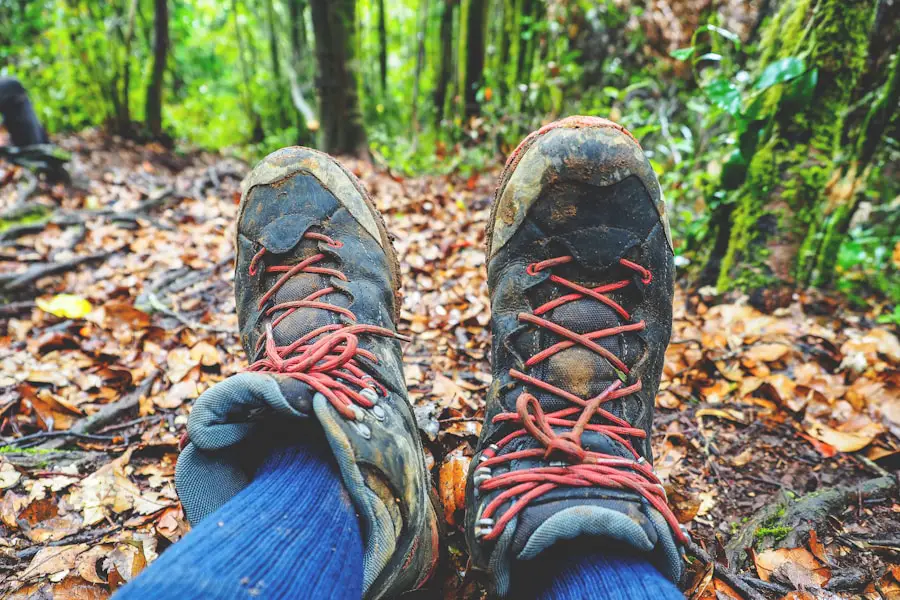
Hiking shoes do not come with a precise expiration mileage. How long they last depends on their construction, the terrain you hike, your pack load, how often they get wet or dirty, and how well you care for them. Mileage is useful for planning, but the condition of the outsole, midsole, upper, and overall fit tells you more about when footwear should be repaired or replaced.
Quick Answer
As a rough guide, lightweight hiking shoes and trail runners may wear out around 500 miles, while sturdy hiking boots can reach roughly 1,000 miles or more in favorable conditions. Do not replace footwear by mileage alone. Worn tread, collapsed cushioning, structural damage, poor grip, or persistent discomfort are more important warning signs.
Key Takeaways
- There is no universal mileage limit for hiking footwear. Lightweight hiking shoes generally wear faster than heavier, repairable hiking boots.
- Check tread depth, midsole cushioning, upper damage, sole separation, and comfort instead of relying only on miles.
- Rough rock, pavement, mud, heavy loads, poor fit, and frequent wet use can shorten footwear life.
- Clean off grit, air-dry footwear away from direct heat, and use only care products approved for its materials.
- Some well-built hiking boots can be resoled, allowing you to keep using a sound upper rather than replacing the whole boot.
Disclosure: As an Amazon Associate I earn from qualifying purchases. Some links on this page are affiliate links, at no extra cost to you.
How Many Miles Should Hiking Shoes Last?
There is no single number that applies to every hiking shoe or boot. REI’s hiking-footwear guidance notes that a solid hiking shoe may last around 500 miles, while a sturdy hiking boot can last roughly twice that distance or more, especially when it can be resoled. Columbia also gives about 500 to 1,000 miles as a broad estimate for good hiking boots.
| Footwear Type | Rough Planning Range | What Usually Ends Its Life |
| Trail-running or lightweight hiking shoes | Around 500 miles is a useful reference point, but actual life varies widely. | Compressed cushioning, worn lugs, torn mesh, or loss of comfort. |
| Traditional hiking shoes | Often several hundred miles; construction and terrain matter more than a fixed number. | Outsole wear, midsole fatigue, upper damage, or separation. |
| Sturdy hiking or backpacking boots | About 500 to 1,000+ miles can be possible for quality models. | Outsole wear, midsole deterioration, damaged uppers, or structural failure. Resoleable models may last longer. |
Note: Mileage is an estimate, not a warranty or expiration date. A shoe with 350 hard miles on sharp rock may be in worse condition than a boot with far more miles on maintained dirt trails.
The best replacement rule is simple: track mileage if it helps, but let traction, cushioning, structure, and comfort make the final decision.
Factors Affecting Hiking Shoe Longevity
Materials and construction strongly influence how long hiking footwear lasts. Full-grain leather boots and other substantial designs often tolerate abrasion better than lightweight mesh footwear, although leather needs regular care. A light synthetic trail shoe trades some durability for lower weight, flexibility, and faster drying.
Brand-name components do not guarantee a particular lifespan. A GORE-TEX membrane is designed to provide waterproof, breathable protection, while a Vibram outsole identifies a sole system or rubber compound. The complete shoe’s life still depends on its upper, midsole, outsole, bonding, stitching, fit, use, and maintenance.
Terrain and Surface
Sharp rock, scree, rough granite, and long stretches of pavement can abrade outsole rubber faster than soft dirt. Mud, sand, and grit can also work into seams and flex points. Columbia specifically notes that rough rocky terrain increases stress and wear compared with maintained trails.
Body Weight and Pack Load
The forces placed on footwear vary with the wearer, walking style, terrain, and carried load. A heavily loaded backpacking trip therefore places different demands on footwear than a short day hike with a light pack. This does not create a predictable number of miles lost, but it is one reason backpacking boots use stronger midsoles and more protective construction.
Water, Heat, and Storage
Repeated wet use is not automatically harmful if footwear is cleaned and dried correctly, but storing boots damp can encourage material deterioration and mildew. Direct heat is a bigger problem. REI’s boot-care guidance warns that high heat can weaken adhesives and prematurely age leather.
Age can matter even when mileage is low. Some hiking boots use polyurethane midsoles. Meindl explains that polyurethane can deteriorate through hydrolysis, a process influenced by moisture, heat, and UV exposure. An older boot that has spent years in storage should therefore be inspected and tested before a serious trip.
Signs of Wear and Tear in Hiking Shoes
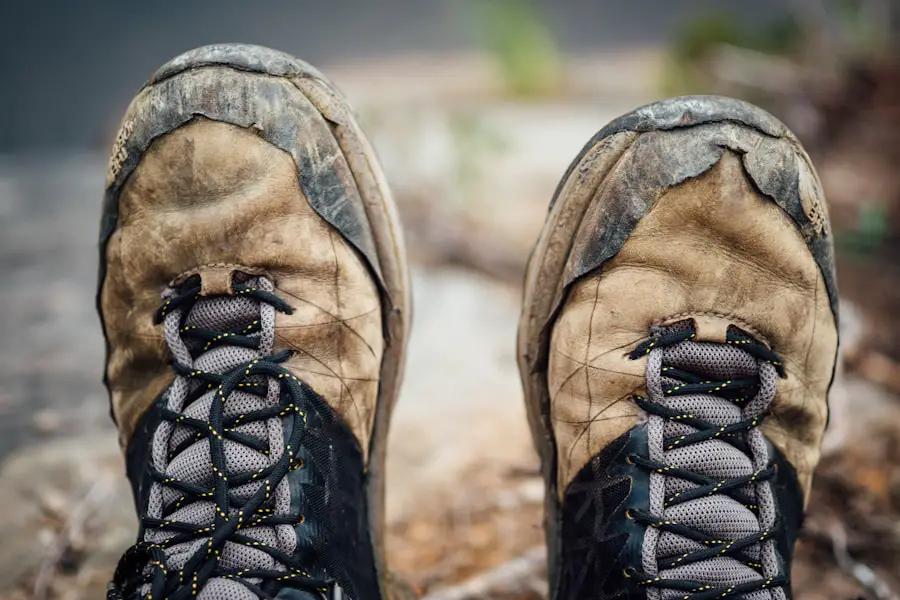
Do not wait for a shoe to fall apart on the trail. A quick inspection can catch most serious wear before it becomes a problem.
1. Worn or Rounded Tread
Look at the outsole first. Lugs that have become smooth, rounded, uneven, or noticeably shallower offer less grip than they did when new. Pay particular attention to the heel and forefoot, where wear is often greatest.
2. Compressed Midsole Cushioning
The midsole sits between your foot and the outsole. Over time, cushioning can become compressed or lose its original feel. New aches, unusual foot fatigue, or a noticeably harsher ride can be warning signs when they appear together with visible shoe wear.
Replacing an insole may improve fit or underfoot feel, but it cannot restore a midsole that has structurally worn out.
3. Sole Separation or Cracking
Check the edge where the sole joins the upper. Gaps, peeling rubber, crumbling foam, or growing cracks deserve attention. Small repairable problems may be worth fixing early, while widespread separation or deteriorating midsole material can signal the end of the shoe’s useful life.
4. Upper and Seam Damage
Inspect fabric, leather, stitching, toe protection, eyelets, and flex points. A cosmetic scuff is usually harmless, but a tear that exposes the foot, damages waterproof construction, or changes support is more serious.
5. A Noticeable Change in Fit or Comfort
A shoe can look acceptable while no longer performing well. Pay attention when a familiar pair suddenly causes heel movement, pressure points, unusual fatigue, recurring blisters, or discomfort that was not present before.
Warning: Retire or repair footwear before a demanding hike if the outsole no longer provides reliable traction, the sole is separating, the midsole is crumbling, or structural damage allows your foot to move unpredictably. Do not use a mileage target as a reason to keep unsafe shoes.
Tips for Extending the Lifespan of Hiking Shoes
| Care Practice | How to Do It |
| 1. Clean regularly | Brush away dirt, grit, and mud before they work deeper into the upper and seams. |
| 2. Air-dry after wet use | Remove the insoles and let shoes dry naturally at moderate temperatures. Avoid radiators, fires, hot cars, and strong direct heat. |
| 3. Store correctly | Keep clean, dry footwear in a cool, ventilated place away from prolonged heat and direct sunlight. |
| 4. Restore water repellency correctly | Use only a treatment suitable for the shoe’s leather, synthetic upper, and waterproof membrane. Follow the footwear manufacturer’s directions instead of applying a generic wax or spray. |
| 5. Rotate pairs when practical | Rotation gives wet footwear time to dry completely and lets you choose the right shoe for different trail conditions. |
| 6. Replace worn insoles when needed | Fresh insoles can restore their own cushioning or support, but they will not repair a worn midsole or outsole. |
| 7. Use footwear for its intended terrain | Long pavement use and highly abrasive surfaces can wear trail-oriented outsole rubber faster than softer trail surfaces. |
Cleaning matters because dirt and grit can work into flexible materials as a shoe bends. After a muddy hike, remove the laces and insoles when needed, brush off loose debris, and clean the footwear according to its manufacturer’s instructions.
For waterproof footwear, do not assume that a wet-looking outer fabric means the waterproof membrane has failed. The surface water-repellent treatment can wear down before the membrane itself does. GORE-TEX recommends restoring water repellency when water stops beading and following the footwear manufacturer’s instructions for the upper material.
Pro Tip: Keep a simple mileage note on your phone, but inspect your footwear every few hikes. Mileage helps you notice aging; the inspection tells you whether the shoe is actually ready for repair or replacement.
When to Replace Hiking Shoes
Do not treat 500 or 1,000 miles as a mandatory replacement deadline. Start paying closer attention as mileage builds, then make the decision from the shoe’s physical condition and how it performs on the trail.
Replacement becomes more reasonable when one or more of these problems is significant:
- The outsole has lost enough tread that grip is noticeably worse.
- The midsole feels flat, unstable, unusually hard, or structurally deteriorated.
- The sole is separating from the upper.
- The upper has major tears, failed seams, or structural damage.
- The shoe repeatedly causes discomfort despite still fitting correctly.
- A waterproof shoe continues leaking because the upper or membrane is damaged rather than simply needing its surface treatment renewed.
Repair or Replace?
Not every worn boot belongs in the trash. Laces and some insoles are straightforward replacement parts. Certain heavier hiking boots are also designed to be resoled. LOWA, for example, offers resoling and other repair services for eligible footwear.
Resoling makes the most sense when the upper, lining, and other structural parts remain healthy. A new outsole cannot solve a badly deteriorated midsole, torn upper, poor fit, or widespread material failure.
Note: Boots that have spent years unused deserve special attention. Flex them, inspect the midsole and bonding, and take a short local test walk before trusting them on a remote trip.
Proper Care and Maintenance of Hiking Shoes
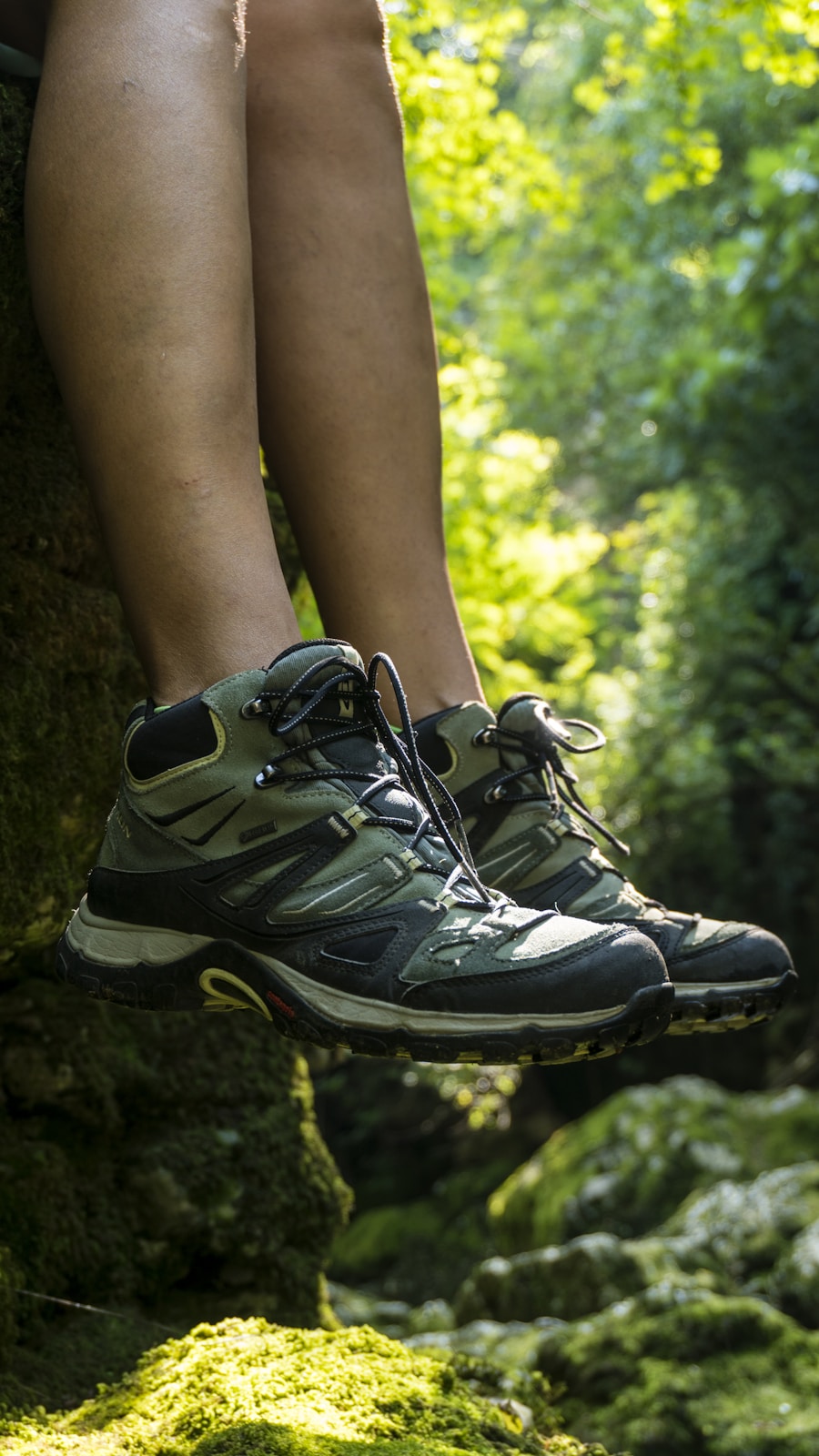
Proper care can delay premature wear, especially after muddy or wet hikes. LOWA’s boot-care instructions recommend removing insoles and laces, brushing away dirt, cleaning with appropriate products, drying away from direct heat, and storing footwear in a cool, dry place.
Clean Dirt Before It Becomes Embedded
Use a soft brush to remove loose soil, mud, and small stones. For deeper cleaning, follow the shoe manufacturer’s directions. Materials vary, so a cleaner that is safe for one leather or synthetic upper may not be appropriate for another.
Dry Slowly
Remove insoles so both the footbed and the inside of the footwear can dry. Allow the shoes to air-dry at room temperature in a ventilated area.
Avoid radiators, campfires, ovens, hair dryers, very hot boot dryers, and hot vehicles unless the manufacturer specifically approves the method. Excessive heat can damage leather and adhesives.
Restore the Correct Treatment
Waterproofing and conditioning are material-specific. Some leather boots use manufacturer-approved wax or conditioning products. GORE-TEX footwear may use a suitable water-repellent treatment on the outer material, but GORE-TEX advises against waterproofing waxes and greases that can interfere with breathability.
The safest rule is to check the care label or manufacturer’s instructions for your exact shoe rather than applying one product to every pair.
Store Shoes Dry and Ventilated
Do not put wet footwear into a closed closet, damp basement, or hot vehicle for long-term storage. Clean it, dry it thoroughly, and keep it in a location with moderate, stable conditions.
Choosing the Right Hiking Shoes for Your Needs
The right footwear depends on terrain, load, climate, and personal fit. Lightweight hiking shoes or trail runners can work well on maintained trails where flexibility and low weight matter. More substantial hiking or backpacking boots provide greater underfoot protection and durability for rough terrain and heavier loads.
There is no rule that every rugged hike requires a tall boot. Fit, outsole grip, midsole support, protection, and your own experience matter. Mid- and high-cut boots can offer more ankle protection, while some hikers prefer the freedom of lower footwear.
Try footwear with the socks you expect to hike in. Your toes should have room, your heel should remain controlled, and the shoe should not create painful pressure points. A poor fit can cause blisters and may lead you to retire an otherwise serviceable shoe early.
Waterproofing is also a trade-off rather than an automatic requirement. Waterproof footwear is useful in sustained wet conditions, while non-waterproof shoes are often lighter, more breathable, and faster to dry. Match the footwear to the conditions you actually encounter.
Getting the Most Out of Your Hiking Shoes
Use each pair within the conditions it was designed to handle. A lightweight trail shoe is an excellent choice for many hikes, but repeatedly using it under heavy backpacking loads on sharp rock places different demands on it than a maintained day-hiking trail.
Before a longer trip, spend a minute checking the outsole, midsole, upper, laces, eyelets, and sole bonding. Make sure no problem has changed since your previous hike.
Also pay attention to how the shoes feel. A gradual loss of cushioning can be hard to notice until you compare an old pair with a newer one. Increased foot fatigue, a harsher feeling underfoot, or changing stability can be useful clues when they appear alongside physical wear.
Your backpack matters to the overall hiking system as well. A properly fitted pack helps you carry your load more comfortably, while the weight of that load should influence the footwear you choose. For multi-day trips, see TakeTravelInfo’s guide to the best hiking backpacks for multi-day treks. Rather than assuming a backpack will directly extend shoe life, match your footwear and pack to the load and terrain you expect.
Love travel? Join Our Facebook Community
Frequently Asked Questions
What factors affect the mileage you can get out of hiking shoes?
Construction, outsole and midsole materials, terrain, frequency of use, pack load, walking style, wet conditions, heat exposure, fit, storage, and maintenance can all affect useful life. Rough rock and pavement generally abrade footwear faster than softer maintained trails.
How long do hiking shoes typically last?
A lightweight hiking shoe may last around 500 miles as a rough planning estimate, while sturdy hiking boots can reach about 1,000 miles or more in favorable conditions. Actual condition is more important than the mileage number.
What are signs that hiking shoes need to be replaced?
Watch for smooth or badly worn tread, collapsed cushioning, sole separation, crumbling midsole material, major upper damage, worsening stability, or persistent discomfort that was not present when the shoes were newer.
How can I extend the mileage I get out of my hiking shoes?
Remove dirt and grit, dry wet shoes naturally, store them in a cool and ventilated location, use care products approved for their materials, repair small problems early, and use footwear suited to the terrain and load.
What are the best care tips for maximizing hiking-shoe lifespan?
Brush off mud and debris, remove insoles while drying, avoid direct heat and prolonged sunlight, store footwear only when dry, and follow the manufacturer’s cleaning, conditioning, and water-repellency instructions for the exact shoe.
Can hiking boots wear out even if they have very few miles?
Yes. Age, heat, moisture, UV exposure, and storage can affect materials. Polyurethane midsoles in particular can deteriorate through hydrolysis. Inspect older stored boots and take a short test walk before depending on them for a remote hike.
Can hiking boots be resoled instead of replaced?
Some hiking and backpacking boots are designed to be resoled. Resoling can make sense when the upper, lining, and other structural components remain sound. Check with the manufacturer or a qualified repair service because not every shoe construction is resoleable.
Sources
- REI — Hiking Boots vs. Hiking Shoes — footwear construction, durability differences, terrain, and pack-load considerations.
- REI — How to Clean Hiking Boots — cleaning, drying, storage, heat, and footwear-care guidance.
- GORE-TEX — Footwear Care Instructions — cleaning, natural drying, DWR restoration, and membrane-compatible care.
- LOWA — Boot Care Guide — leather care, waterproofing, drying, and storage.
- Meindl USA — Performance Midsoles — polyurethane midsole performance, hydrolysis, storage, inspection, and resoling.
- Columbia Sportswear — How Long Do Hiking Shoes Last? — mileage estimates, terrain, materials, wear signs, and maintenance.

