
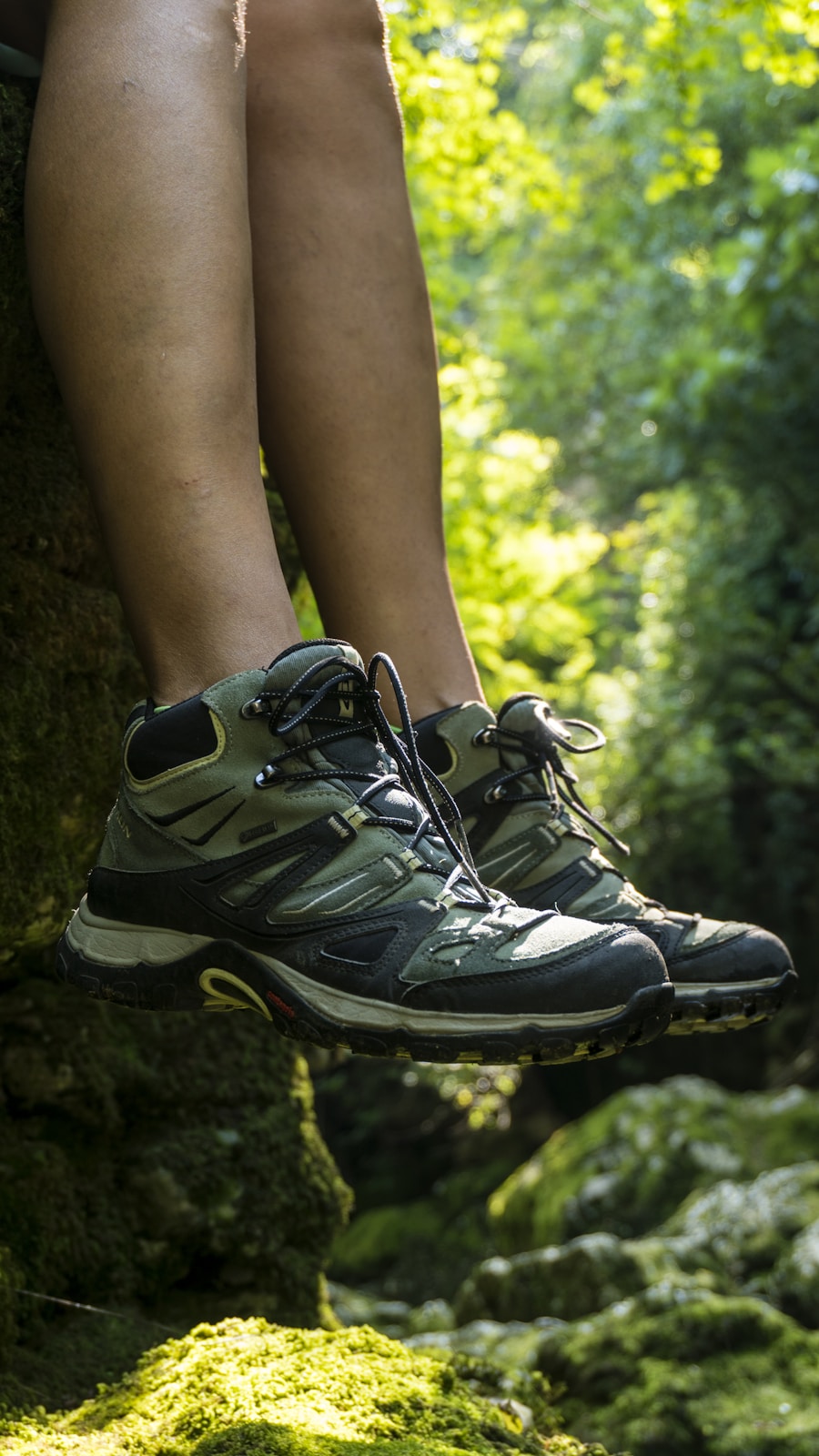
Last Updated on September 10, 2026 by Daniel Globe
Buying the right hiking shoes is less about finding the most expensive pair and more about matching the footwear to your feet, terrain, weather, and hiking style. A well-fitting pair can improve comfort, grip, and protection on long days outdoors, while the wrong size or design can create pressure points, rubbing, and unstable footing.
Quick Answer
The best place to buy hiking shoes is a specialty outdoor store when fit is your priority because you can compare sizes, widths, and models in person. Online retailers and manufacturer websites offer more selection and competitive pricing. Wherever you shop, prioritize fit, terrain-appropriate traction, comfort, and a return policy that lets you test the shoes safely indoors.
Key Takeaways
- Fit matters more than brand reputation. Hiking footwear should feel snug without being tight and should leave room for your toes.
- Choose hiking shoes, boots, trail runners, or approach shoes based on terrain, distance, pace, weather, and the load you carry.
- Specialty stores make comparison and fitting easier, while online retailers often provide a larger range of models, sizes, and prices.
- Waterproof footwear is useful in many cold or consistently wet conditions, but non-waterproof footwear is usually cooler and can dry faster.
- Check return rules before buying, especially online, and test new footwear before committing to a long hike.
Disclosure: As an Amazon Associate I earn from qualifying purchases. Some links on this page are affiliate links, at no extra cost to you.
Understanding the Different Types of Hiking Shoes
Hiking footwear is available in several forms, and there is no single type that works best for every trail. Current footwear guidance from REI recommends considering the length of the trip, terrain, weather, pace, and load you plan to carry.
| Type | Best For | Main Tradeoff |
|---|---|---|
| Hiking shoes | Day hikes, maintained trails, moderate terrain, and hikers who prefer a lower cut | Less coverage around the ankle than a mid- or high-cut boot |
| Hiking boots | Rougher trails, longer trips, heavier loads, and hikers who want a burlier upper and more underfoot structure | Usually heavier and warmer than low-cut footwear |
| Trail runners | Fast hiking, running, well-maintained to moderately rough trails, and hikers who value low weight | Generally more flexible and less protective than burly hiking boots |
| Approach shoes | Rocky approaches, scrambling, and travel to climbing routes | Climbing-oriented fit and rubber may be unnecessary for ordinary trail walking |
Traditional hiking boots use a more substantial upper and usually a stiffer platform than low-cut hiking shoes. That extra structure can be useful on rough terrain or when carrying a backpack, but a higher collar alone should not be treated as a guarantee against ankle injuries.
Low-cut hiking shoes are a versatile middle ground. They generally provide more trail-focused traction and protection than ordinary sneakers while staying lighter and cooler than many boots.
Trail runners are lighter and more flexible, making them popular with runners, fast hikers, and some long-distance hikers. Approach shoes serve a different purpose: they combine hiking comfort with climbing-inspired sticky rubber for rocky approaches and scrambling. Their relatively casual appearance also means some models work well away from the trail.
The best hiking shoe is not automatically the toughest or most expensive one. It is the one that fits your foot and matches the conditions you actually hike in.
Where to Buy Hiking Shoes: Physical Stores vs. Online
Physical stores and online retailers both have advantages. For a first pair of hiking shoes, an in-person fitting can be especially valuable because two models labeled with the same size can fit very differently in width, heel shape, toe-box space, and overall foot volume.
A specialty outdoor store lets you try several models, walk in them, and compare different sizes before buying. Some stores also provide ramps or uneven test surfaces so you can check whether your toes hit the front while descending or your heels move excessively while climbing.
Online retailers usually provide a broader selection of brands, colors, widths, and sizes. Shopping online also makes price comparison easier. Customer reviews may reveal recurring fit patterns, although another person’s foot shape should never override your own fit test.
| Where You Buy | Main Advantage | Watch For |
|---|---|---|
| Specialty outdoor store | Trying several fits and receiving footwear-specific help | Selection varies by store |
| Manufacturer website or brand store | Full access to current models, widths, and official specifications | You cannot compare different brands as easily |
| Large online retailer | Large selection and easy price comparison | Check seller identity, return rules, and whether footwear can only be returned unworn |
| Outlet or off-price retailer | Potential savings on discontinued colors, older generations, or excess inventory | Sizes and models can be inconsistent |
| Used marketplace | Lowest potential purchase price | Hidden wear, compressed cushioning, uneven soles, limited returns, and another wearer’s foot pattern |
Note: Before ordering footwear online, read the current return policy. Some sellers require shoes and packaging to remain in new condition, so do your first fit tests indoors until you are sure you will keep them.
Factors to Consider When Buying Hiking Shoes
Several factors should be considered together when buying hiking shoes. Fit comes first, but terrain, weather, traction, cushioning, footwear weight, and how much gear you carry can all change which style works best.
Fit and Foot Shape
A shoe that is too tight can create pressure and rubbing, while a shoe that is too loose can allow your foot to slide. Wear the same type of socks you plan to hike in when testing footwear.
Do not judge fit only by the size printed on the box. Check your foot length and width as well as overall volume. Your toes should have room to move, your heel should remain reasonably secure, and the upper should not pinch the sides or top of your foot.
REI’s current fitting guidance recommends roughly a thumb’s width between the longest toe and the end of the insole while describing the overall fit as snug everywhere but tight nowhere.
Terrain, Distance, and Pack Weight
Easy, well-maintained trails usually require less structure than rocky, uneven routes. Longer trips and heavier backpacks may make additional underfoot protection and a more substantial upper worthwhile. Fast hikers may instead prefer the lower weight and flexibility of hiking shoes or trail runners.
Traction and Outsole Design
Look at the outsole rather than assuming every hiking shoe grips every surface equally well. Deeper or more widely spaced lugs can help on loose soil and mud, while rubber compound and tread geometry also affect performance on rock and hard surfaces.
No outsole can eliminate slipping, especially on wet rock, ice, loose gravel, or mud. Adjust your pace to conditions even when wearing high-traction footwear.
Waterproofing vs. Breathability
Waterproof membranes are useful for wet vegetation, shallow puddles, mud, snow, and cool rainy weather. They are not automatically the best option in every climate. Waterproof footwear generally feels warmer and is less ventilated than comparable non-waterproof footwear.
For hot, dry conditions or routes with repeated water crossings, some hikers prefer breathable non-waterproof shoes that drain and dry faster. Water can also enter a waterproof boot over the collar, so “waterproof” should not be interpreted as an absolute guarantee that socks will always remain dry.
Cushioning and Underfoot Protection
Soft cushioning can feel comfortable, but more cushioning is not automatically better. Consider how stable the shoe feels on uneven terrain and whether the sole provides enough protection from sharp rocks and roots for the trails you use.
Budget and Return Policy
Price matters, but a bargain shoe that does not fit is poor value. Instead of shopping only by the lowest price, compare fit, intended use, construction, warranty information, and the retailer’s return conditions.
Top Brands and Their Current Hiking Shoe Offerings
The examples below use current men’s manufacturer listings checked July 27, 2026. Prices can change by color, size, promotion, and retailer, and footwear weight varies by size. Manufacturer weight figures are therefore shown on their original per-shoe or half-pair basis rather than mixing them with estimated pair weights.
| Brand | Current Example | Manufacturer Weight | Waterproof | Listed Price* |
|---|---|---|---|---|
| Merrell | Moab 3 Mid Waterproof | 17.45 oz / 495 g per half pair | Yes | $170 |
| Salomon | X Ultra 5 Mid GORE-TEX | 16 oz per shoe | Yes | $190 |
| Columbia | Newton Ridge Plus II Waterproof | 15.9 oz / 452 g per shoe, men’s size 9 | Yes | $110 |
| KEEN | Targhee IV Waterproof | 20.11 oz / 570 g per shoe | Yes | $190 |
*Manufacturer-listed prices checked July 27, 2026. Promotions and retailer prices can change.
Merrell is well known for the Moab family. The current Moab 3 Mid Waterproof combines a waterproof membrane, mesh and suede upper, cushioning, a nylon shank, and a Vibram TC5+ outsole. It is a versatile option for hikers who want a traditional mid-height design.
Salomon offers hiking and trail-running footwear with a more athletic feel. Its current X Ultra 5 Mid GORE-TEX is positioned for full-day hiking and mixed terrain, including rocky, wet, and muddy trails.
Columbia continues to sell the Newton Ridge Plus II Waterproof. It combines a waterproof-breathable construction, cushioned midsole, and Omni-Grip rubber outsole at a lower listed price than the other mid-height examples in this comparison.
KEEN currently offers the Targhee IV Waterproof, which uses the company’s waterproof construction, cushioning, and multi-directional outsole lugs. KEEN also offers several fits and footwear styles beyond the Targhee family.
La Sportiva remains especially relevant to shoppers looking for climbing and approach footwear. Other established hiking-footwear brands include The North Face, Lowa, Vasque, and Adidas Terrex. The important point is to compare the specific model rather than treating every shoe from one brand as having the same fit or purpose.
The Best Places to Buy Hiking Shoes for Different Budgets
There are good places to shop at nearly every budget, but the lowest advertised price should not be your only criterion.
For First-Time Buyers: Specialty Outdoor Stores
Stores such as REI and independent outdoor outfitters are useful when you need to compare several brands and sizes in person. A footwear specialist can also help identify whether your problem is length, width, overall volume, heel shape, or lacing rather than simply telling you to buy a larger size.
For the Widest Selection: Online Retailers and Brand Websites
Manufacturer websites, REI online, Backcountry, Zappos, Amazon, and other established retailers may offer more combinations of size, width, color, and model than a single physical shop can stock.
When shopping through a marketplace, confirm who is actually selling the shoes and read the current return requirements before purchasing.
For Lower Prices: Outlets and Off-Price Stores
Brand outlets, clearance departments, and off-price retailers can provide substantial savings on discontinued colors and older generations that are still perfectly usable. Sierra, formerly known as Sierra Trading Post, is one example of an off-price outdoor retailer where inventory changes frequently.
An older model is not automatically inferior. It may be an excellent purchase when the fit is right and the footwear is genuinely new. The important distinction is between buying an older model knowingly at a discount and relying on old specifications as though they describe the current generation.
For the Tightest Budget: Second-Hand Footwear
Used marketplaces such as eBay and Poshmark can reduce the purchase price, but used footwear needs closer inspection. Look for uneven outsole wear, worn-down lugs, separating soles, compressed cushioning, damaged waterproof liners, torn interiors, and a heel area molded heavily to the previous owner.
Warning: Do not buy badly worn hiking footwear just because the upper still looks good. Uneven tread, sole separation, damaged lining, persistent compression, or a distorted heel can turn a cheap purchase into a poor fit on the trail.
Tips for Trying on and Sizing Hiking Shoes
Trying on hiking shoes carefully is one of the most important steps in the buying process. Wear the socks you plan to hike in because sock thickness changes how much space is available inside the shoe.
- Check the length. Your toes should not touch the front. A useful starting point is about a thumb’s width between your longest toe and the end of the removable insole.
- Check the width. Your forefoot should not feel squeezed, and your toes should be able to move naturally.
- Check the heel. The heel should feel secure rather than lifting dramatically with every step.
- Check foot volume. A shoe can be the correct length yet still have too much or too little space over the top of your foot.
- Walk on an incline if possible. On a simulated descent, your toes should not repeatedly strike the front. On an ascent, excessive heel movement can signal a fit or lacing problem.
- Try more than one model. If a shoe pinches, creates numbness, or produces obvious pressure points in the store, another model or width is usually a better choice than hoping the problem disappears later.
It can also help to test footwear after you have been on your feet for a while rather than relying on a rushed fitting. Most importantly, give yourself enough time to walk around and notice what the shoe is doing at the heel, forefoot, arch, and toes.
Pro Tip: If the removable insole can be taken out, stand on it while wearing your hiking socks. It is a quick way to see whether the shoe has enough length before you evaluate heel hold and overall volume.
Buying Hiking Shoes Online Without Guessing
Online shopping works best when you approach sizing as a fit test rather than assuming your normal street-shoe size will always transfer.
- Start with the manufacturer’s current size chart.
- If possible, begin with a brand or product family you have worn successfully before.
- Check whether the model comes in regular, wide, or other width options.
- Read several reviews for recurring fit observations, but do not size up or down solely because one reviewer did.
- Confirm the return window and required condition before wearing the footwear outdoors.
- Test the shoes indoors with your hiking socks, stairs, and normal walking movements before removing tags or discarding packaging.
REI notes that shoppers buying online may have better odds when choosing a brand or established footwear family they already know, because many companies retain similar fit characteristics within long-running product lines.
Do Hiking Shoes Need to Be Broken In?
Some do. Flexible hiking shoes and trail runners may feel comfortable almost immediately, while stiffer backpacking or hiking boots often benefit from gradual break-in.
Start with short periods around the house, then progress to walks and short local hikes before using new footwear on a long or remote trip. Break-in can soften materials and help you identify lacing adjustments, but it should not be used to justify an obviously bad fit.
Warning: Persistent pinching, numb toes, toes striking the front, severe heel movement, or sharp pressure points are fit problems, not normal discomfort that you should simply endure until the shoe “breaks in.”
How to Care for and Maintain Your Hiking Shoes
Regular care can extend the useful life of hiking footwear and help the outsole, upper, and waterproof treatment perform as intended.
Clean Dirt and Mud Off Promptly
After a muddy hike, remove loose dirt with a soft brush. For a deeper cleaning, remove the laces and follow the footwear manufacturer’s instructions. REI’s hiking-boot care guidance recommends using an appropriate footwear cleaner or mild cleaning solution rather than harsh household detergents that may damage leather or waterproof membranes.
Air-Dry Instead of Using Direct Heat
Remove the insoles when practical and let the shoes dry at normal room temperature with good airflow. Avoid radiators, campfires, heaters, clothes dryers, and other strong heat sources because high heat can damage leather and weaken footwear adhesives.
Renew Water Repellency When Needed
New waterproof footwear normally does not need an immediate waterproofing treatment. Consider renewing the exterior water-repellent treatment when water stops beading and begins soaking into the outer material. Choose a treatment that is compatible with the shoe’s leather, suede, nubuck, fabric, or membrane, and follow the manufacturer’s directions.
Store Hiking Shoes Properly
Store clean, dry footwear in a ventilated location with normal, stable temperatures. Avoid leaving hiking shoes for long periods in a hot vehicle, damp basement, or other area that exposes materials and adhesives to extreme heat or moisture.
Know When It Is Time to Replace Them
There is no universal mileage at which every hiking shoe must be discarded. Inspect the actual condition instead. Replacement becomes more reasonable when traction lugs are badly worn, the outsole wears unevenly, cushioning feels permanently compressed, the upper no longer holds the foot securely, the waterproof liner fails from damage, or the sole begins separating from the upper.
Do Not Overlook Your Hiking Socks
Footwear fit also depends on the socks inside it. Hiking socks made from merino-wool blends or suitable synthetic fibers can manage moisture better than ordinary cotton socks, and sock thickness changes the internal volume of the shoe.
If you are choosing socks for your next trip, you may also be interested in this guide to Merino wool travel socks. Try the intended socks with your hiking footwear before the trip rather than changing to a much thicker or thinner pair at the trailhead.
Love travel? Join Our Facebook Community For More Tips.
Frequently Asked Questions
What are hiking shoes?
Hiking shoes are trail-oriented footwear designed to provide grip, underfoot protection, cushioning, and durability for outdoor walking. They are usually lower-cut and lighter than traditional hiking boots, although the exact construction varies by model.
What features should I look for in hiking shoes?
Start with fit, then consider outsole traction, cushioning, underfoot protection, upper durability, toe protection, lacing, weight, and breathability. Waterproofing may be useful in cool or consistently wet conditions but is not necessary for every hike.
Where can I buy hiking shoes?
You can buy hiking shoes from specialty outdoor stores, sporting-goods stores, manufacturer websites, large online retailers, brand outlets, and off-price retailers. Specialty stores are particularly useful when you want to compare fits in person.
What are some popular brands of hiking shoes?
Established hiking-footwear brands include Merrell, Salomon, KEEN, Columbia, The North Face, La Sportiva, Lowa, Vasque, and Adidas Terrex. Fit varies between brands and individual models, so brand reputation should not replace a proper fit test.
How do I choose the right size of hiking shoes?
Wear your hiking socks and look for a snug but not tight fit. Your toes should have room to move, your heel should remain reasonably secure, and you should not feel pinching or numbness. About a thumb’s width between the longest toe and the end of the insole is a useful starting check for length.
Should hiking shoes be waterproof?
Not always. Waterproof shoes can be useful in cool, muddy, snowy, or consistently wet conditions. Non-waterproof footwear is often more breathable and can dry more quickly, which may be preferable in hot weather or on routes with repeated water crossings.
Is it safe to buy hiking shoes online?
Yes, provided you buy from a reputable seller and understand the return policy. Check the manufacturer’s size chart, choose the correct width when available, and test the shoes indoors with your hiking socks before wearing them outside.
Sources
- REI — How to Choose Hiking Boots and Hiking Shoes — footwear types, terrain and load considerations, fit, toe room, and break-in guidance.
- REI — How to Clean Hiking Boots — cleaning, drying, storage, and heat precautions.
- Merrell — Moab 3 Mid Waterproof — current model, construction, weight, waterproofing, and listed price.
- Salomon — X Ultra 5 Mid GORE-TEX — current model, weight, intended terrain, waterproofing, and listed price.
- Columbia — Newton Ridge Plus II Waterproof — current model, materials, weight, waterproofing, and listed price.
- KEEN — Targhee IV Waterproof — current model, weight, construction, traction, and listed price.

