
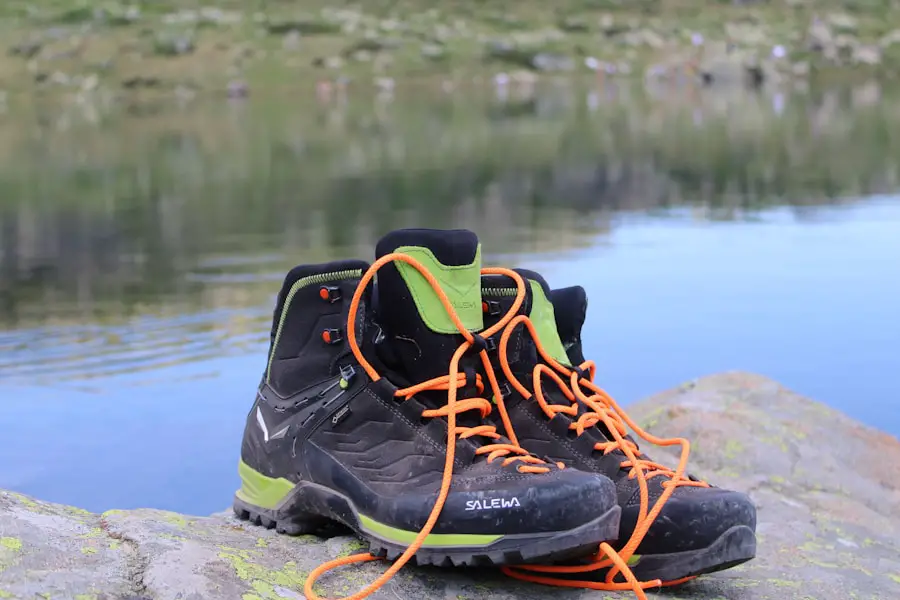
Last Updated on September 10, 2026 by Daniel Globe
Choosing the right hiking shoes starts with matching your footwear to the trail, not simply buying the heaviest boot or the most popular brand. Terrain, trip length, weather, pack weight, hiking pace, and the shape of your feet all matter. The right pair should feel secure without squeezing your feet and provide enough traction and protection for the conditions you expect.
Quick Answer
Choose hiking shoes by matching the footwear to your terrain, trip length, pack weight, weather, and foot shape. Prioritize a secure heel, roomy toe box, suitable traction, and enough underfoot protection. Waterproof membranes help in sustained wet conditions, while non-waterproof shoes usually breathe and dry faster. Comfort and fit matter more than brand.
Key Takeaways
- Match your footwear to the terrain, weather, distance, pace, and load you plan to carry.
- Hiking shoes and trail runners favor lower weight and flexibility; backpacking boots favor protection and stiffness for rough terrain and heavier loads.
- A good fit should hold your heel securely while leaving enough room for your toes to move, especially on descents.
- Waterproof footwear is useful in prolonged wet or cold conditions, but non-waterproof footwear generally ventilates and dries faster.
- Traction depends on more than lug depth. Lug shape, spacing, rubber compound, and the trail surface all matter.
At a Glance
| Time Required | About 20–45 minutes for a careful in-store fitting and walking test |
| Difficulty | Easy, but trying several models is often necessary |
| Tools Needed | Your hiking socks, regular insoles or orthotics, and ideally an incline or test ramp |
| Cost | Varies widely by model and construction; prioritize fit and intended use over price alone |
Disclosure: As an Amazon Associate I earn from qualifying purchases. Some links on this page are affiliate links, at no extra cost to you.
Assess Your Hiking Needs First
Before comparing brands or materials, think about where and how you hike. A smooth park trail places very different demands on footwear than a rocky mountain route with steep descents.
The REI hiking-footwear guide recommends considering factors such as terrain, distance, trip duration, and the load you carry. Those same factors provide a useful starting point for choosing your own footwear.
- Easy, maintained trails: Lightweight hiking shoes or trail-running shoes are often enough.
- Rocky or uneven trails: Look for more underfoot protection, a secure fit, durable uppers, and an outsole designed for irregular terrain.
- Long backpacking trips: A stiffer hiking or backpacking boot may feel more supportive under a heavier load.
- Hot, dry conditions: Breathable, non-waterproof footwear may keep your feet more comfortable and dry faster after getting wet.
- Wet or cold conditions: Waterproof footwear can be useful when keeping outside moisture away from your socks is a priority.
- Snow or ice: Choose footwear appropriate for cold conditions and make sure any traction device or crampon you plan to use is compatible with the boot.
Your personal hiking style matters too. A fast day hiker carrying a small pack may value flexibility and low weight. A backpacker carrying camping equipment over rough terrain may prefer greater stiffness, protection, and durability.
Foot shape matters just as much. Do not assume that having flat feet, high arches, or a previous favorite brand automatically determines the right shoe. If you use custom orthotics, take them with you when trying on footwear. Persistent foot pain, repeated ankle injuries, or significant instability are good reasons to seek advice from an appropriate healthcare professional.
Types of Hiking Shoes
Hiking footwear ranges from flexible trail-running shoes to rigid mountaineering boots. No single category is best for every hiker.
| Type | Best For | Main Trade-Off |
|---|---|---|
| Trail runners | Fast hiking, light packs, many maintained or moderate trails | Light and flexible, but usually less protective and may wear faster |
| Hiking shoes | Day hikes and light backpacking on light-to-moderate terrain | Good balance of protection, flexibility, weight, and durability |
| Day-hiking boots | Longer day hikes, uneven terrain, and hikers wanting a higher collar | More structure and protection, but usually heavier and warmer |
| Backpacking boots | Multiday trips, heavier packs, and rugged terrain | Durable and stiff, but heavier and more likely to require break-in |
| Approach shoes | Rocky approaches to climbing areas and scrambling-oriented routes | Sticky rubber and precise footing, but not always ideal for long general hikes |
| Mountaineering boots | Snow, glaciers, alpine climbing, and routes requiring compatible crampons | Maximum specialized protection and stiffness at the cost of weight and flexibility |
Trail runners are not limited to easy paths. Depending on their outsole and protection, they are commonly used by fastpackers and long-distance hikers. Likewise, a tall boot is not automatically the better option just because a hike is long. Your load, terrain, foot comfort, stability needs, and experience all affect the choice.
Considerations for Choosing the Right Hiking Shoes
Once you have chosen a general footwear category, compare individual models based on fit, weather protection, traction, stiffness, and protection rather than relying on the label alone.
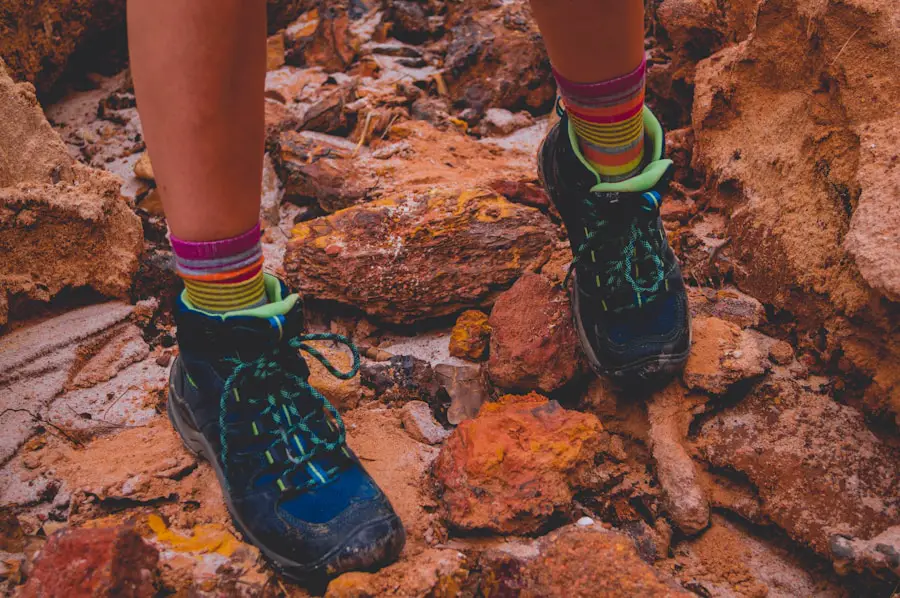
Waterproof vs. Non-Waterproof Hiking Shoes
A waterproof membrane can help prevent rain, puddles, wet vegetation, and shallow splashes from quickly soaking through the upper. That can be valuable during cold or consistently wet trips.
The trade-off is ventilation. Waterproof footwear can feel warmer and less breathable than a comparable shoe with an open mesh upper. If water enters over the collar, waterproof footwear may also take longer to dry.
Note: “Waterproof” does not mean your feet can never become wet. Sweat, water entering over the collar, damaged membranes, and saturated outer materials can still leave socks damp.
Traction and Lug Pattern
The outsole is your direct connection to the trail. Deep, widely spaced lugs can dig into mud and loose ground and shed debris more easily. Multidirectional lugs can improve grip on broken, uneven terrain.
Deeper is not automatically better everywhere. On smooth wet rock, a tread with more rubber contacting the surface can sometimes be preferable to extremely deep, widely separated lugs. Rubber compound, lug shape, spacing, and the surface itself all influence grip.
The National Park Service hiking-safety guidance recommends appropriate, sturdy footwear for hiking and emphasizes traction for unpaved trails.
Underfoot Protection and Stability
Look beyond cushioning. A shoe intended for rocky terrain may include a firmer midsole, a shank, or a flexible rock plate that helps protect the bottom of your foot from sharp stones and reduces excessive twisting.
Toe caps and protective rands can also help when you regularly encounter rocks, roots, or scree.
Warning: A higher boot collar does not guarantee protection from ankle sprains. Choose footwear that fits securely and suits the terrain. Hikers with repeated ankle injuries, chronic instability, or ongoing pain should discuss appropriate footwear or bracing with a qualified healthcare professional.
Fitting Your Hiking Shoes
A technically excellent hiking shoe is still a poor choice if it does not match your foot. Fit should be snug enough to prevent sliding but should not pinch your toes or create pressure points.
| Fit Check | What You Want | Warning Sign | What to Try |
|---|---|---|---|
| Toe room | Roughly a thumb’s width ahead of the longest toe | Toes strike the front on descents | Try more length or a different toe-box shape |
| Width | Forefoot feels held without squeezing | Pinching, numbness, or pressure on the sides | Try a wide model or different shoe shape |
| Heel | Secure with little movement | Repeated heel lift or rubbing | Adjust lacing or try a different heel shape |
| Foot volume | Upper wraps the foot securely | Excess space even with firm lacing | Try another model or suitable insole |
| Downhill test | Toes stay clear of the front | Foot slides forward | Recheck sizing, volume, and lacing |
Measure both feet because one may be slightly longer or wider. Fit to the larger foot rather than forcing it into a smaller size.
Try footwear later in the day when your feet may be slightly larger from normal activity. Wear the same thickness of hiking socks you expect to use on the trail. If you use custom orthotics, bring those too.
Walk around for several minutes and, if possible, test the shoes on an incline. Going downhill is especially useful because it reveals whether your toes strike the front or your heel slides excessively.
Pro Tip: Do not assume your hiking-shoe size must match every other shoe you own. Sizing and shape can vary between brands and even between different models from the same company. Judge the actual fit on your feet.
The right hiking shoe should hold your heel securely, give your toes room to move, and disappear from your attention once you start walking.
Socks, Insoles, and Blister Prevention
Socks affect shoe volume and moisture management, so test shoes with the socks you will actually wear. Wool or synthetic hiking socks generally manage moisture better than slow-drying cotton.
Pressure, heat, moisture, and repeated rubbing can contribute to blisters. A secure fit helps limit movement inside the shoe. On the trail, stop when you notice a hot spot instead of waiting for it to become painful.
Do You Need to Break In Hiking Shoes?
Lightweight hiking shoes and trail runners may require little break-in, but stiff leather backpacking boots can take much longer to soften and conform to your feet.
Wear new footwear for short walks before committing to a long hike. Gradually increase distance and pack weight. Break-in can soften a suitable boot, but it cannot turn a fundamentally poor fit into a good one.
Materials and Construction
The materials used in hiking footwear affect weight, breathability, drying time, stiffness, durability, and weather resistance.
Leather Uppers
Full-grain leather is durable and abrasion resistant and is often used in sturdier backpacking footwear. The trade-offs are additional weight, lower ventilation, and a longer break-in period compared with many synthetic designs.
Nubuck and split-grain leather can provide different balances of durability, flexibility, cost, and breathability.
Synthetic Uppers
Nylon, polyester, mesh, and synthetic-leather materials can reduce weight and drying time. They often require less break-in than heavy leather footwear, although durability varies considerably between models.
Waterproof Membranes
Waterproof shoes may use a membrane such as GORE-TEX between the outer material and lining. These membranes are designed to block liquid water while allowing some moisture vapor to escape, but a waterproof shoe will normally be less ventilated than an otherwise similar shoe built with open mesh.
Midsoles, Shanks, and Rock Plates
The midsole provides cushioning and influences stiffness. EVA is widely used because it can be light and cushioned. TPU and other firmer materials may be used when designers want greater structure or durability. Newer footwear can also use advanced lightweight foams.
Some hiking shoes and boots add a shank for stiffness or a rock plate to shield the foot from sharp trail features. These can be valuable on rough ground even when the shoe does not have a tall ankle collar.
Outsoles
Most hiking outsoles use rubber, but different compounds balance grip, flexibility, and wear resistance differently. Tread design should match the surface you expect rather than simply having the deepest possible lugs.
Maintenance and Care
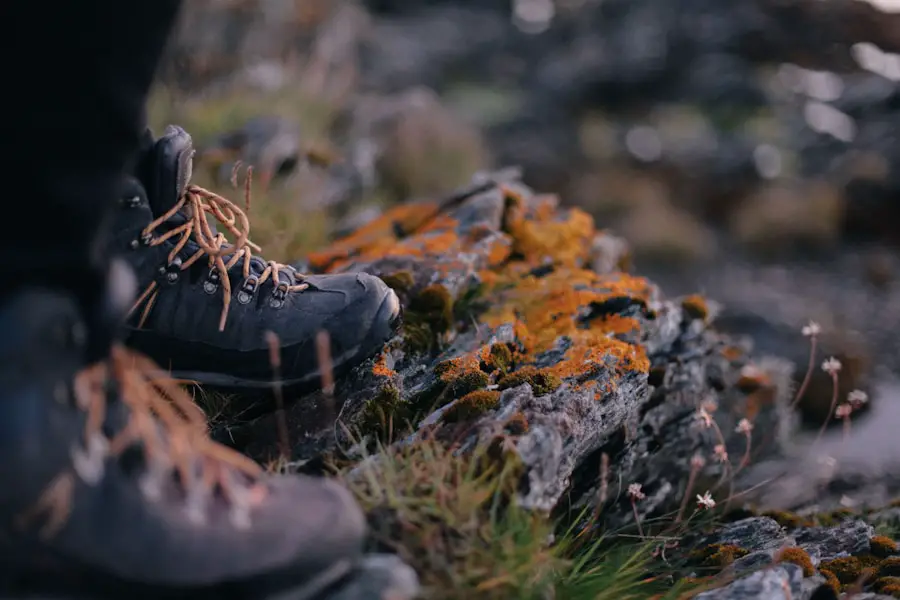
Regular cleaning can prevent dirt and grit from building up in seams, tread, and upper materials. After a muddy hike, remove loose debris with a soft brush or sponge and follow the footwear manufacturer’s care instructions.
- Remove loose dirt. Take out the laces and removable insoles when appropriate, then brush away mud, gravel, and debris.
- Clean gently. Use lukewarm water and products appropriate for the upper material. Leather may require different care from synthetic fabric.
- Rinse as needed. Avoid leaving detergent or cleaner trapped in the material.
- Air-dry. Dry footwear at moderate room temperature with good ventilation.
- Avoid direct heat. Radiators, heaters, fires, and other strong heat sources can damage adhesives and footwear materials.
- Restore water repellency when needed. If a waterproof shoe’s outer material stops beading water, use a treatment approved for that footwear.
For GORE-TEX footwear, the manufacturer’s current footwear-care instructions advise brushing off dirt, cleaning with lukewarm water and a small amount of liquid detergent, drying naturally away from direct heat, and avoiding machine washing.
Salomon similarly recommends rinsing dirty hiking shoes, using a soft brush or sponge when necessary, and allowing them to dry completely at room temperature rather than in direct sun or next to a strong heat source.
When to Replace Hiking Shoes
There is no universal replacement mileage because wear depends on your body weight, gait, terrain, pack load, materials, and how often you hike. Inspect the footwear itself.
Replacement may be appropriate when:
- The tread has worn smooth enough to noticeably reduce traction.
- Lugs are torn or badly rounded.
- The midsole feels permanently compressed or noticeably less supportive.
- The outsole is separating from the upper.
- Seams or upper materials are splitting in important areas.
- A waterproof shoe develops persistent leakage that cleaning or appropriate treatment does not resolve.
- The shoe has changed shape enough that your heel slips or pressure points develop.
Replace damaged footwear before a demanding backcountry trip rather than discovering the problem several miles from the trailhead.
Popular Hiking Shoe Brands
Several established outdoor brands offer hiking shoes, boots, and trail footwear, but brand reputation should not outweigh fit.
Merrell offers footwear ranging from traditional hiking shoes and boots to lighter trail-oriented designs. Individual models differ in cushioning, width, outsole, waterproofing, and stiffness.
Salomon produces both hiking and trail-running footwear. Some models use technologies such as Contagrip outsoles and SensiFit-style upper construction. These features are model-specific rather than universal across the entire brand.
Columbia offers hiking footwear across a broad range of prices and styles, including waterproof and non-waterproof choices.
KEEN is well known for hiking footwear with substantial toe protection in many models, although fit and shape still vary by product.
La Sportiva has strong roots in climbing and mountain footwear and offers hiking, approach, trail-running, and more technical alpine options.
The most useful way to compare these brands is not to assign each one a universal width or arch-support rating. Try the specific model on your own feet and judge its heel shape, toe box, volume, width, flex, cushioning, and intended terrain.
Final Tips for Choosing the Right Hiking Shoes
Do not rush the fitting process. Try several models and walk in each one long enough to notice pressure, sliding, or rubbing.
- Choose the footwear category for your actual hikes rather than the most extreme trip you might someday take.
- Prioritize fit before features or appearance.
- Test the shoes with your hiking socks and any orthotics or replacement insoles.
- Walk uphill and downhill before buying when a test ramp is available.
- Make sure your toes do not hit the front on descents.
- Match outsole design to your most common trail conditions.
- Think carefully before paying extra for waterproofing in a hot, dry environment.
- Break in stiff boots before a long trip.
- Address hot spots immediately rather than hiking through them.
- Check footwear condition before every major trip.
If you expect rugged dirt or gravel trails, the National Park Service recommends suitable hiking footwear rather than open-toed or inappropriate casual shoes. No shoe eliminates trail risk, so footwear should be combined with good judgment, appropriate pacing, and awareness of trail and weather conditions.
If you’re looking for the perfect hiking shoes, you may also be interested in finding the best sleeping bag for backpacking travel. A good night’s sleep is essential for any outdoor adventure, and having the right sleeping bag can make all the difference. Check out this article on the best sleeping bag for backpacking travel to ensure you’re well-prepared for your next hiking trip.
Love travel? Join Our Facebook Community For More Tips.
Frequently Asked Questions
What are the most important factors when choosing hiking shoes?
Consider terrain, trip distance, pack weight, weather, fit, outsole traction, underfoot protection, and your preferred hiking pace. Fit should come first because even a highly rated shoe can cause problems when its shape does not match your foot.
What type of hiking shoes are best for different terrain?
Light hiking shoes or trail runners can work well on maintained trails. Rough, rocky terrain may call for firmer midsoles, protective uppers, rock plates, and more aggressive outsoles. Backpacking boots can make sense for heavy loads and rugged routes, while mountaineering boots are designed for specialized alpine, snow, ice, and crampon use.
How important is ankle support in hiking shoes?
A higher, stiffer collar can add structure and may feel more supportive on rough terrain or under a heavy pack, but it does not guarantee prevention of ankle sprains. Fit, outsole grip, underfoot stability, conditioning, terrain, and previous injuries also matter. Hikers with chronic ankle instability should seek individualized professional advice.
Does the weight of hiking shoes matter?
Yes. Lighter footwear can feel more agile and less tiring, while heavier footwear often adds durability, stiffness, insulation, or protection. Choose the lightest shoe that still provides the protection and stability you need for your terrain and load rather than choosing by weight alone.
How should hiking shoes fit?
They should feel secure but not tight. Your heel should remain mostly in place, your forefoot should not be squeezed, and you should have room to wiggle your toes. A useful length check is roughly a thumb’s width between the longest toe and the front of the footwear. Your toes should not hit the front when walking downhill.
Should hiking shoes be waterproof?
Not always. Waterproof footwear can be useful in sustained wet, muddy, or cold conditions. Non-waterproof shoes generally provide better ventilation and can dry faster, making them attractive for hot climates, stream-heavy routes, and hikers who prioritize breathability.
Are trail runners better than hiking boots?
Neither is universally better. Trail runners favor low weight, flexibility, and faster drying, while sturdy hiking and backpacking boots generally offer more protection and stiffness. Your terrain, pack weight, weather, pace, foot comfort, and experience should decide between them.
What additional features should I look for in hiking shoes?
Useful features can include a protective toe cap, rock plate, supportive midsole, well-designed outsole lugs, secure lacing, a gusseted tongue that helps keep debris out, and waterproofing when the conditions justify it. Choose features that solve a real need instead of assuming that more technology always means a better shoe.
When should hiking shoes be replaced?
Replace them when wear begins to affect fit, traction, cushioning, or structural integrity. Warning signs include smooth or damaged tread, compressed cushioning, separating soles, torn uppers, persistent leaks, or a fit that has become loose enough to cause movement and rubbing.
Sources
- REI Co-op — How to Choose Hiking Boots and Hiking Shoes — footwear types, terrain, load, fit, materials, midsoles, and outsole guidance.
- U.S. National Park Service — Hike Smart — trail footwear and hiking-safety guidance.
- GORE-TEX — Footwear Care Instructions — cleaning, drying, and water-repellent treatment guidance for GORE-TEX footwear.
- Salomon — How to Clean and Care for Hiking Shoes — cleaning and air-drying recommendations.
- PubMed — Interventions for Preventing Ankle Ligament Injuries — evidence and limitations concerning external ankle support and high-top footwear.
- Salomon — What Is Contagrip? — manufacturer explanation of model-specific outsole compounds and tread designs.
