
Last Updated on July 27, 2026 by Daniel Globe
Hiking shoes and hiking boots can both work well on the trail, but they solve slightly different problems. Hiking shoes usually feel lighter and more flexible, while boots often provide more structure, coverage, and protection. The best choice depends on your terrain, weather, pack weight, foot shape, and what feels stable and comfortable to you.
Quick Answer
Choose hiking shoes for lighter weight, flexibility, warm weather, and many maintained trails. Choose hiking boots when you want more coverage, a stiffer platform, extra protection, or better performance in rough, cold, muddy, or snowy conditions. Fit, outsole grip, terrain, and pack weight matter more than boot height alone.
Key Takeaways
- Hiking shoes are usually lighter, lower-cut, and more flexible than hiking boots.
- Boots often provide more underfoot structure, ankle coverage, weather protection, and resistance to rocks and trail debris.
- A higher boot collar may feel more supportive, but research does not show that high-top footwear alone reliably prevents ankle sprains.
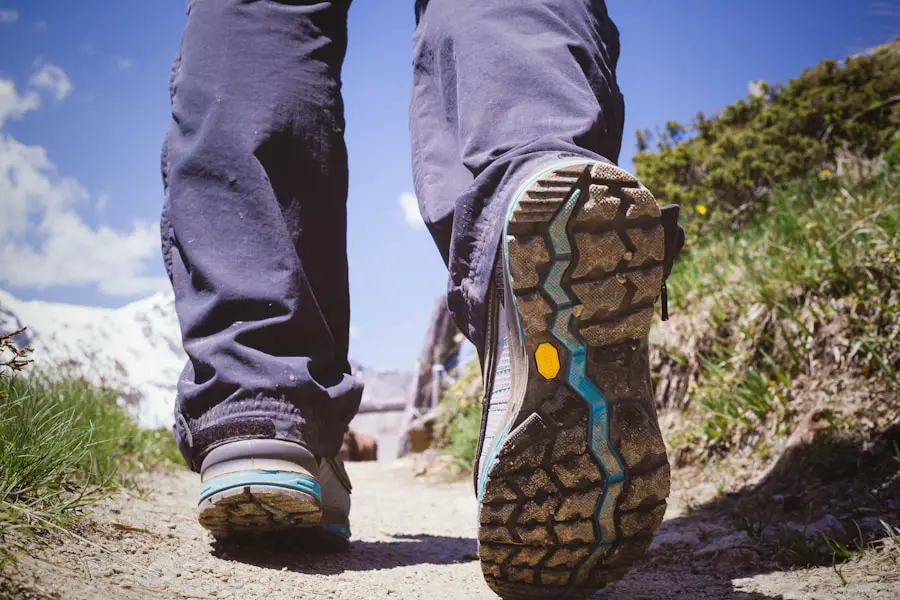
- Traction depends heavily on outsole rubber, lug shape, lug depth, and trail conditions—not simply whether the footwear is a shoe or boot.
- Terrain, weather, pack load, fit, foot shape, previous injuries, and personal preference should guide your final choice.
Disclosure: As an Amazon Associate I earn from qualifying purchases. Some links on this page are affiliate links, at no extra cost to you.
Hiking Shoes vs. Hiking Boots: Key Differences
The line between hiking shoes and hiking boots is not as strict as it once was. Modern hiking shoes can have aggressive tread, rock plates, waterproof membranes, and stiff midsoles. Some modern boots are light and flexible. Still, there are useful general differences.
| Feature | Hiking Shoes | Hiking Boots |
| Weight | Usually lighter | Usually heavier |
| Flexibility | Generally more flexible | Often stiffer and more structured |
| Ankle Coverage | Low-cut, with more freedom of movement | Mid- or high-cut, with more coverage and a more supported feel |
| Protection | Good on maintained to moderately rough trails | Often better against rocks, brush, mud, and trail debris |
| Breathability | Often better, especially in non-waterproof mesh models | Often warmer and less ventilated |
| Wet/Cold Conditions | Waterproof versions are available, but the low collar lets water enter sooner in deep mud, snow, or standing water | Often better for cold, mud, shallow snow, and extended wet conditions |
| Typical Use | Day hikes, maintained trails, fast hiking, warm weather, and some lightweight backpacking | Rough terrain, heavier loads, off-trail travel, cold weather, mud, snow, and hikers who prefer more structure |
Neither category is automatically safer or better. A well-fitting hiking shoe with a stable midsole and suitable outsole can outperform a poorly fitting boot. Likewise, a sturdy boot may be the better tool when the trail is rough, the weather is poor, or you want more protection.
Factors to Consider When Choosing Footwear for Hiking
Terrain
Start with the ground under your feet. Smooth, maintained trails usually place fewer demands on footwear. Rocky slopes, loose scree, roots, mud, and off-trail travel increase the value of underfoot protection, a stable platform, and a durable upper.
Do not judge traction only by whether the footwear is a boot or shoe. Look at the outsole. Deeper or widely spaced lugs can work well in loose dirt and mud, while tread patterns designed for rock may use a different shape and rubber compound. The outsole should match the surfaces you expect to hike on.
Pack Weight
A light daypack is very different from a fully loaded backpack. As your load increases, you may prefer a firmer midsole and more structured footwear. That does not mean every backpacker needs boots. Experienced lightweight hikers often use hiking shoes or trail runners successfully.
Think about how stable you feel under your actual load rather than following a fixed pack-weight rule.
Trip Length
Longer hikes increase the importance of fit, cushioning, blister prevention, and fatigue management, but distance alone does not decide whether you need boots. Some hikers prefer lightweight shoes for very long distances because the lower weight feels less tiring. Others prefer the firmer platform of a backpacking boot.
Weather
In hot, dry weather, breathable hiking shoes can help release heat and moisture. In cold rain, mud, or snow, a waterproof boot may provide better coverage and warmth.
Both hiking shoes and boots are available with waterproof membranes. A waterproof membrane can keep outside water from passing through the footwear, but it usually reduces ventilation compared with an open mesh upper.
Your Feet and Injury History
Foot shape, arch profile, ankle stability, old injuries, and comfort preferences matter. A person who feels stable in flexible footwear may prefer hiking shoes. Someone who likes a firmer platform may feel more confident in boots.
Warning: Do not rely on a high boot collar as an ankle brace. Research on high-top footwear and ankle-sprain prevention is mixed, with weak evidence for a protective effect during dynamic movement. If you have recurring ankle instability or a significant previous injury, ask a qualified medical professional about appropriate footwear, rehabilitation, or bracing.
Footwear matters for real trail safety. The National Park Service at Bryce Canyon identifies unsuitable footwear as the leading cause there of rescues and injuries that require hospital visits.
Advantages and Disadvantages of Hiking Shoes
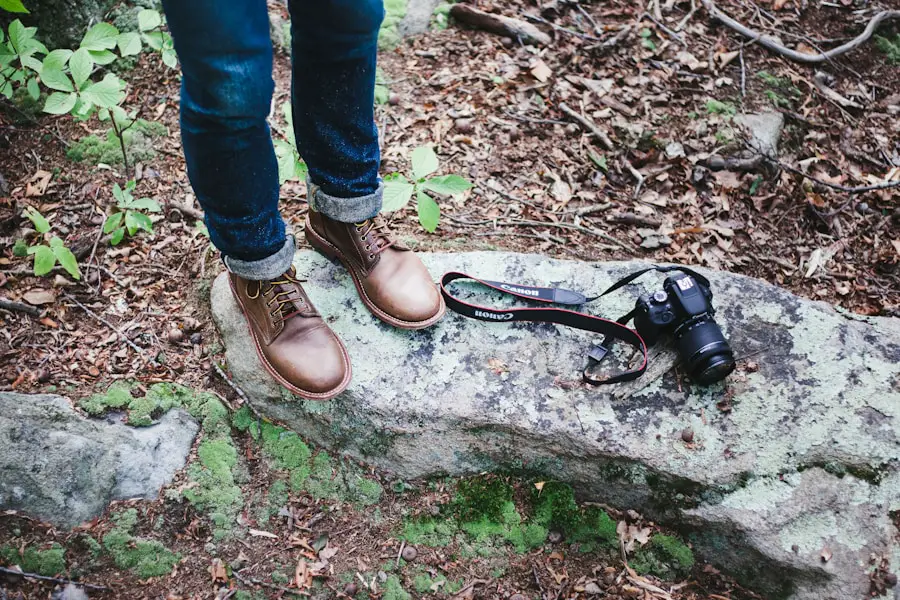
Hiking shoes appeal to hikers who want a lighter and more flexible feel. Their lower cut allows the ankle to move freely, and many models use breathable mesh or lighter synthetic materials.
Advantages of Hiking Shoes
- Lower weight: Less material generally makes hiking shoes lighter than comparable boots.
- More flexibility: Many models bend more naturally through the foot and can feel less restrictive.
- Better warm-weather comfort: Non-waterproof mesh models often release heat and moisture more easily.
- Little break-in for many models: Lightweight synthetic hiking shoes often feel comfortable much sooner than stiff leather boots.
- Versatility: They can work well for day hikes, travel, maintained trails, fast hiking, and some lightweight backpacking.
Disadvantages of Hiking Shoes
- Less ankle coverage: The low collar leaves the ankle more exposed to brush, loose stones, mud, and debris.
- Less structure in some models: Very flexible shoes may feel less stable under a heavy pack or on rough ground.
- Less protection: Lightweight uppers and midsoles may transmit more impact from sharp rocks.
- Lower weather barrier: Even a waterproof low-cut shoe can let water, mud, or snow enter over the collar.
- Potentially shorter life: Very lightweight materials may wear faster than heavier boot construction.
Do not assume that every hiking shoe has weak traction. Many hiking shoes use aggressive lugs, protective toe caps, rock plates, and durable rubber outsoles that work well on demanding trails.
Advantages and Disadvantages of Hiking Boots
| Advantages | Disadvantages |
| More ankle coverage and a supported feel | Usually heavier |
| Protects feet from rough terrain and trail debris | Stiff leather and backpacking models may require break-in |
| Many waterproof options are available | Quality models can be expensive |
| Often provides a firmer, more stable platform on uneven surfaces | Often less breathable than lightweight non-waterproof trail footwear |
Hiking boots are often favored for their durable construction and more structured feel. Their higher collars cover more of the ankle, while stiffer midsoles can provide a solid platform when you step on rocks, roots, or uneven ground. The added material can also protect the lower leg from abrasion.
That does not mean the collar alone prevents a rolled or sprained ankle. A review of research on shoe collar height found weak evidence that high-top footwear limits ankle-sprain mechanics during dynamic testing. Fit, sole stability, strength, balance, terrain, fatigue, and previous injury also matter.
Boots can also be heavier and warmer. Stiff backpacking or leather models may restrict movement more than hiking shoes and may need gradual break-in before a long trip. Lighter synthetic day-hiking boots, however, can feel comfortable much sooner.
Note: A break-in period should soften normal stiffness, not fix a bad fit. Persistent heel rubbing, pinching, numbness, or toes hitting the front usually means you need a different size, width, volume, or model.
What About Trail Runners?
Trail-running shoes sit at the lighter end of the hiking-footwear range. They are typically more flexible than hiking shoes and are designed for quick movement, frequent direction changes, and uneven outdoor surfaces.
Many fast hikers, lightweight backpackers, and long-distance hikers use trail runners because they value low weight, breathability, and quick drying. They are not limited to running.
The trade-off is that trail runners may provide less underfoot protection, less upper durability, and less structure than a traditional hiking boot. Some rugged trail runners offer excellent grip, while others are built for smoother trails. Check the outsole and midsole rather than assuming every trail runner performs the same way.
Trail runners are worth considering when you travel light, prefer a flexible shoe, hike mostly in warm conditions, or value fast drying after water crossings.
Choosing the Right Footwear Based on Terrain and Weather Conditions
A simple decision matrix can narrow your choices quickly:
| Situation | Good Starting Choice | Why |
| Maintained day trail, light pack | Hiking shoe or trail runner | Light, flexible, and usually comfortable for moderate terrain |
| Hot, dry conditions | Breathable hiking shoe or trail runner | Improved ventilation and faster drying |
| Rocky, root-filled, uneven trail | Structured hiking shoe or hiking boot | More underfoot protection and stability may help |
| Heavy mud or repeated shallow water | Waterproof shoe or boot with suitable lugs | Water protection plus mud-shedding traction |
| Cold weather or shallow snow | Waterproof hiking boot | More coverage, warmth, and protection from snow entry |
| Heavy backpack or off-trail travel | Structured hiking shoe or backpacking boot | A firmer platform and tougher upper may feel more stable and protective |
| Fast hiking with a light load | Hiking shoe or trail runner | Lower weight and more freedom of movement |
Waterproof or Breathable?
Waterproof footwear is useful when you expect repeated rain, wet vegetation, mud, or shallow snow. Waterproof membranes such as those used in GORE-TEX footwear are designed to block liquid water while allowing water vapor to escape.
Even so, a waterproof shoe can feel warmer than a highly ventilated non-waterproof model. In hot weather or on hikes with frequent deep stream crossings, some hikers prefer fast-drying footwear instead. Once water enters over the collar, a waterproof lining can also take time to dry.
Snow and Ice Need More Than a Boot
A hiking boot does not automatically provide enough grip for ice. The National Park Service winter-hiking guidance recommends appropriate waterproof footwear and over-the-shoe traction devices when conditions require them.
Warning: Smooth, icy terrain can overwhelm normal hiking tread. Use traction equipment that is appropriate for the route and conditions, and turn around when the trail exceeds your equipment or experience.
Tips for Trying on and Testing Hiking Shoes and Boots
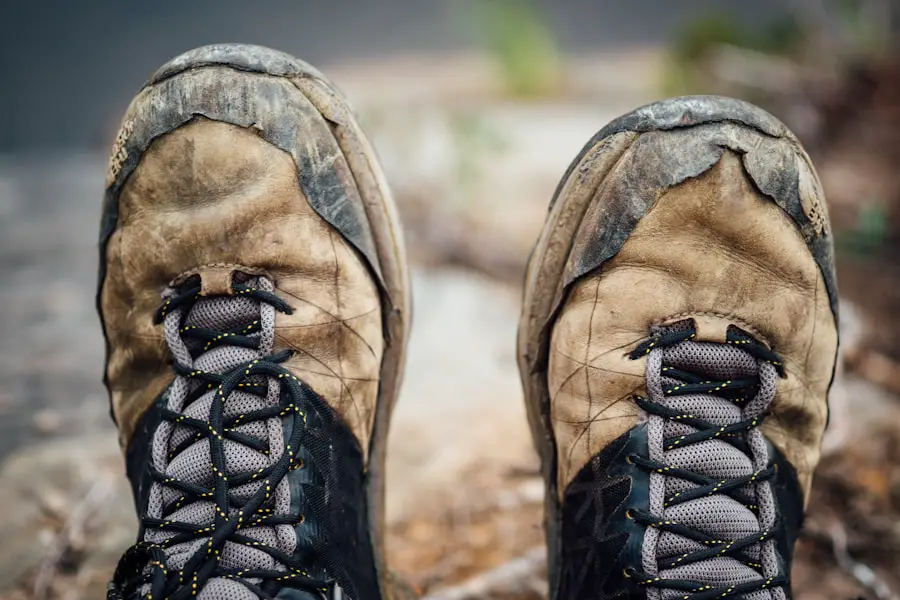
A shoe that looks perfect on paper can still be wrong for your foot. Fit should be the final test.
1. Wear Your Hiking Socks
Try footwear with the same thickness of socks you expect to use on the trail. If you use custom orthotics or special insoles, bring those too.
2. Try Footwear Later in the Day
Feet commonly become slightly larger after hours of standing and walking. Trying shoes later in the day can give you a better idea of how they will feel after several miles.
3. Check Toe Room
Your toes should be able to wiggle without feeling cramped. A useful starting check is roughly a thumb’s width between your longest toe and the end of the insole. REI’s current hiking-footwear fitting guidance uses this same check.
Width matters too. Your forefoot should not spill over the edge of the footbed or feel squeezed from the sides.
4. Check the Heel
Your heel should feel secure when you walk uphill. A small amount of movement can occur in some footwear, but repeated lifting or rubbing can create hot spots and blisters.
5. Test a Downhill Slope
Walk down an incline or test ramp if one is available. Your toes should not repeatedly hit the front of the footwear. If they do, try another size, lacing setup, or model.
6. Move Side to Side
Walk, turn, climb, and step across an uneven test surface if possible. The shoe should hold your foot without pinching it. Pay attention to heel movement, pressure points, arch comfort, and side-to-side stability.
7. Understand Break-In
Flexible hiking shoes and many synthetic day-hiking boots may need little break-in. Stiff backpacking, mountaineering, full-grain leather, and nubuck boots can require more gradual use before a long trip.
No new footwear should cause sharp pain, numbness, major rubbing, or severe pressure while you wait for it to “break in.”
Pro Tip: Before taking new footwear on a remote trip, wear it on several shorter walks or local hikes with your normal socks and loaded pack. This gives you time to catch heel slip, toe pressure, or hot spots while returning home is easy.
If you purchase online, check the retailer’s return policy before wearing the footwear outdoors. An indoor fit test gives you a chance to exchange the pair if the shape does not match your feet.
Maintenance and Care for Hiking Shoes and Boots
Regular cleaning helps footwear last longer and keeps mud from building up around seams, tread, and upper materials.
Clean Dirt and Mud
After a muddy hike, remove loose debris with a soft brush and clean water. Follow the manufacturer’s instructions for leather, suede, synthetic fabrics, and waterproof membranes.
Remove Insoles and Air the Footwear
Taking out removable insoles can help the inside dry. Shake out sand and small stones before storage.
Dry at Moderate Temperatures
Let wet footwear dry in a ventilated place at room temperature. Do not put it against a radiator, heater, fire, or other strong heat source. Excessive heat can damage adhesives, leather, foam, and other footwear materials.
Salomon’s footwear care guidance recommends cleaning mud with a soft wet brush and drying footwear at room temperature without direct sun or external heat.
Maintain Water Repellency Correctly
Waterproof footwear often has a water-repellent treatment on its outer material in addition to any waterproof membrane inside. When water stops beading on the outside, an appropriate water-based treatment may restore that surface repellency.
Note: Reapplying a durable water-repellent treatment is not the same as repairing a damaged waterproof membrane. GORE-TEX care instructions recommend following the footwear manufacturer’s directions and using a suitable water-based restorative when water no longer beads from the outer surface.
Store Footwear Dry
Store clean footwear in a cool, dry, ventilated place rather than leaving it damp in a closed bag. Keeping it away from prolonged heat and direct sunlight can also protect the materials.
Inspect It Before the Next Hike
Check the outsole for badly worn tread, separating layers, damaged seams, cracked material, and loose hardware. Good footwear cannot provide reliable grip if the tread is worn smooth.
Making the Final Decision: Hiking Shoes or Hiking Boots?
Choose the footwear that matches the hike rather than buying the heaviest option by default.
Hiking shoes are a strong choice when:
- You hike mostly on maintained or moderately rough trails.
- You carry a light pack.
- You prefer lightweight and flexible footwear.
- You hike in warm weather and value ventilation.
- You want footwear that can also work for travel and everyday walking.
Hiking boots are a strong choice when:
- You regularly hike on rough, rocky, muddy, or off-trail terrain.
- You prefer a firmer and more structured platform.
- You carry heavier loads and feel more stable in stiff footwear.
- You need more ankle coverage against trail debris.
- You often hike in cold, wet, muddy, or snowy conditions.
Trail runners are worth considering when:
- You hike fast or cover long distances with a light load.
- You value low weight and flexibility.
- You prefer breathable footwear that dries quickly.
- Your terrain does not require the protection of a heavy boot.
For many hikers, there is no single pair that is best for every trip. A breathable hiking shoe may be ideal for summer day hikes, while a waterproof boot makes more sense for muddy winter trails. The most important factors are proper fit, suitable traction, enough protection for the terrain, and confidence in the footwear under your actual hiking conditions.
Frequently Asked Questions
What is the difference between hiking shoes and hiking boots?
Hiking shoes are usually lower-cut, lighter, and more flexible. Hiking boots usually have higher collars, more material, and a more structured construction. Boots often provide more coverage and protection, while shoes usually provide more freedom of movement.
When should I choose hiking shoes over hiking boots?
Hiking shoes are a good choice for many day hikes, maintained or moderately rough trails, light packs, warm weather, and hikers who prefer less weight and more flexibility.
When should I choose hiking boots over hiking shoes?
Consider hiking boots when you want more coverage and structure for rocky trails, rough off-trail travel, heavier loads, cold weather, mud, or shallow snow. The exact choice still depends on fit and personal stability.
What are the key features of hiking shoes?
Hiking shoes commonly have a low-cut upper, flexible or moderately stiff midsole, trail-specific rubber outsole, protective toe area, and lighter construction. Depending on the model, they may also include rock plates and waterproof membranes.
What are the key features of hiking boots?
Hiking boots generally use a mid- or high-cut upper, more protective materials, a firmer midsole, and a durable trail outsole. Backpacking boots may also use internal support structures that make the sole more resistant to twisting under heavy loads or rough terrain.
Can hiking shoes be used for backpacking trips?
Yes. Hiking shoes can work for backpacking, especially with a lighter pack and on moderate terrain. Many experienced long-distance hikers also use hiking shoes or trail runners. A more structured boot may be preferable if your load is heavy, the ground is very rough, or you personally feel more stable in stiff footwear.
Do hiking boots prevent ankle sprains?
A higher boot collar can provide more coverage and may feel supportive, but research does not show that high-top footwear alone reliably prevents ankle sprains. Fit, sole stability, fatigue, strength, balance, terrain, and previous ankle injuries also affect risk.
Are waterproof hiking boots better than breathable hiking shoes?
Neither is always better. Waterproof footwear is useful in rain, mud, wet vegetation, and snow. Non-waterproof mesh footwear usually offers better airflow and can dry faster in hot weather or after deep water crossings.
Are trail runners good for hiking?
Yes. Trail runners are popular with hikers who value low weight, flexibility, breathability, and fast drying. They can work especially well with light packs on light to moderate terrain, although they may provide less durability and protection than heavier hiking footwear.
Sources
- National Park Service — Bryce Canyon Hiking — supports the importance of trail-appropriate footwear, tread, and winter traction.
- REI — How to Choose Hiking Boots and Shoes — supports current footwear categories, terrain selection, construction, fit, toe room, and break-in guidance.
- Journal of Orthopaedics, Trauma and Rehabilitation — Shoe Collar Height Review — supports the cautious discussion of high-top footwear and ankle-sprain mechanics.
- GORE-TEX — Footwear Care Instructions — supports cleaning, drying, and durable water-repellent care guidance.
- Salomon — Footwear Care — supports cleaning and room-temperature drying recommendations.
- National Park Service — Winter Hiking Tips — supports waterproof-footwear and additional traction guidance for snow and ice.

