
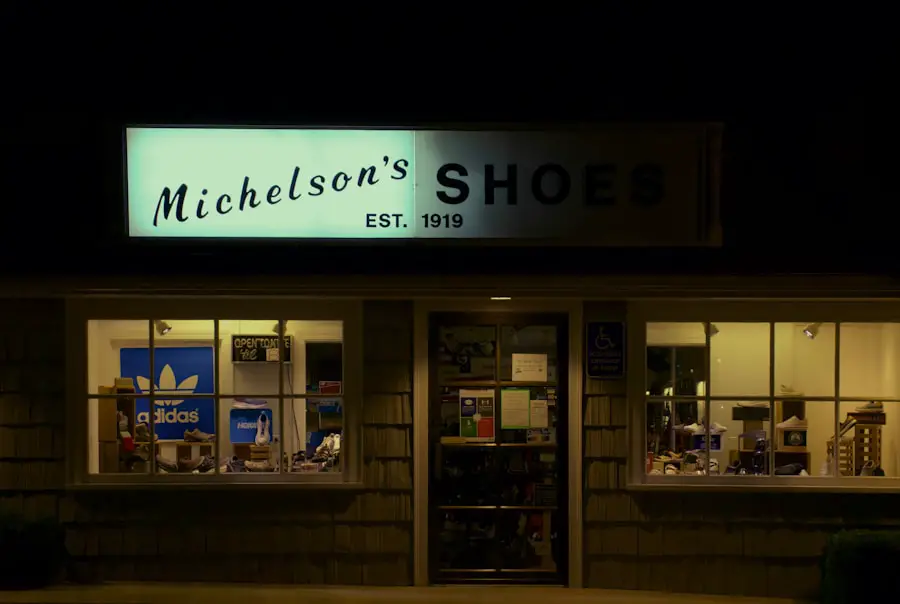
Last Updated on September 10, 2026 by Daniel Globe
Buying hiking boots is less about finding one “best” store and more about finding the right combination of fit, selection, return flexibility, and expert help. Start by matching the footwear to your terrain, trip length, pack weight, climate, and foot shape. Then choose a retailer that lets you test that fit with as little risk as possible.
Quick Answer
The best places to buy hiking boots are outdoor specialty stores, REI, reputable online outdoor retailers, brand websites, and carefully chosen secondhand shops. Beginners and hard-to-fit hikers usually benefit most from an in-person fitting. Online buyers should prioritize easy returns, verified sellers, and enough time to test the boots indoors before keeping them.
Key Takeaways
- Choose footwear for your terrain, trip length, pack weight, weather, and foot shape before comparing stores.
- Outdoor specialty stores are usually the best first stop when fit is uncertain because you can try several lasts, widths, and support levels.
- For online purchases, check the exact return policy before ordering and keep the boots clean until you are sure about the fit.
- A hiking boot should hold your heel and midfoot securely without pinching, while leaving room for your toes to move and for your feet to swell.
- Used boots can save money, but worn soles, compressed cushioning, cracked uppers, separation, or a molded-in fit are reasons to pass.
- Compare total value, not just the sale price; return shipping, warranty eligibility, fit help, and replacement options can matter more than a small discount.
Disclosure: As an Amazon Associate I earn from qualifying purchases. Some links on this page are affiliate links, at no extra cost to you.
Assess Your Hiking Needs Before You Shop
Before comparing stores or brands, decide what kind of hiking you actually do. Terrain, distance, pack weight, weather, and your preferred pace all affect the type of footwear that makes sense. A flexible hiking shoe can work well on maintained trails with light loads, while rougher terrain or heavier packs may call for a more structured shoe or boot.
Climate matters too. Waterproof footwear can be useful in persistent rain, mud, snow, or cold conditions, but waterproof constructions are often warmer and less breathable than non-waterproof options. In hot or mostly dry conditions, a lighter, faster-drying shoe may be more comfortable. REI’s current hiking footwear guide recommends choosing footwear based on duration, terrain, and load rather than assuming every hike requires a heavy boot.
- Easy day hikes: Lightweight hiking shoes or flexible boots may be enough.
- Rocky or uneven trails: Look for secure fit, durable uppers, underfoot protection, and dependable traction.
- Multi-day backpacking: More structure and support may feel better when carrying more gear.
- Cold or snowy hikes: Consider warmth, water resistance, outsole grip, and compatibility with any traction device you plan to use.
- Hot-weather hikes: Prioritize breathability, moisture management, and drying speed.
Note: A taller boot does not automatically make it the right choice. Fit, outsole grip, underfoot support, terrain, load, and your own comfort all matter. The American Hiking Society likewise emphasizes traction, support, protection, and fit when choosing hiking footwear.
Where Can You Buy Hiking Boots?
Hiking boots are widely available, but each shopping channel has a different strength. The best retailer for a first pair may not be the best retailer for an experienced hiker who already knows the exact model and size that fits.
| Where to Shop | Best For | Main Advantage | Watch For |
| Local outdoor specialty store | First-time buyers, unusual foot shapes, technical hiking | Hands-on fitting and local trail knowledge | Smaller inventory than major websites |
| REI | In-store fitting plus online selection | Footwear help, store testing, and member return benefits | Check current exclusions and membership terms |
| Backcountry | Broad online outdoor selection | Outdoor-focused filtering and gear support | Return timing and mail-return fees |
| Zappos | Online shoe shopping and size comparisons | Footwear-focused shopping and free U.S. returns under its current policy | Items must meet return-condition rules |
| Amazon | Convenience and wide marketplace selection | Many brands and sizes in one place | Seller identity, exact model, warranty eligibility, and listing-specific return terms |
| Brand website or brand store | Shoppers who already know the brand that fits them | Direct access to current models, widths, and brand-specific sizing information | Less opportunity to compare different brands side by side |
| Secondhand or consignment store | Budget shopping and lightly used gear | Lower purchase price | Hidden wear, compressed cushioning, sole separation, and limited returns |
Researching Hiking Boot Brands and Models
Once you know the type of footwear you need, compare models instead of relying on brand reputation alone. Merrell, Salomon, Lowa, Scarpa, KEEN, HOKA, Altra, La Sportiva, and many other brands make hiking footwear, but no brand is automatically best for every foot. Different models can vary in width, heel shape, toe-box volume, stiffness, cushioning, outsole design, and waterproofing.
Start with manufacturer specifications, then use detailed testing and reviews to learn how a model performs over time. Sources such as OutdoorGearLab, REI product testing, hiking forums, and social media groups can help, but treat personal anecdotes as one data point rather than proof that a model will fit you. Look for information about traction, drying time, durability, underfoot protection, fit tendencies, and the kinds of terrain testers used. Reviews are most useful when the reviewer describes foot shape, mileage, terrain, and conditions instead of simply saying a boot is “comfortable.”
Also check whether the exact model comes in the width and volume you need. A boot that looks ideal on paper is still the wrong choice if your heel lifts, your forefoot is pinched, or your toes hit the front on descents.
Fit matters more than the logo: the best hiking boot is the one that matches your foot, terrain, load, and conditions without creating pressure points or heel slip.
Visiting Outdoor Retail Stores
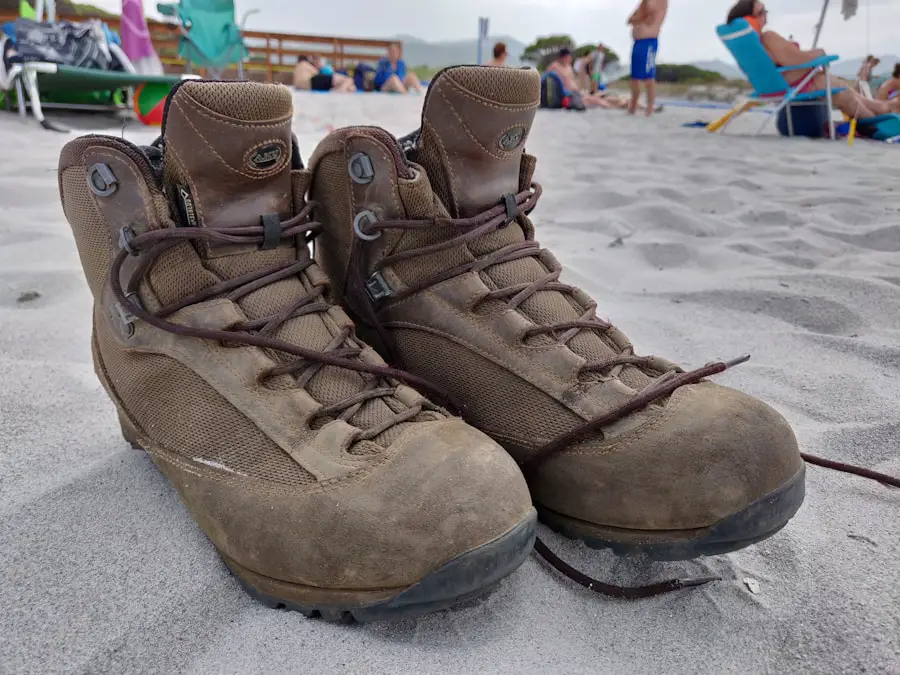
Visiting an outdoor retailer gives you something online research cannot: the chance to compare several boots on your own feet. A knowledgeable footwear specialist can help measure foot length and width, assess volume, compare different lasts, and suggest models that fit the hiking you plan to do.
Wear the socks you plan to hike in and bring any orthotics or replacement insoles you normally use. REI recommends trying footwear later in the day because feet can swell with activity. Walk around long enough to notice pressure points, heel movement, toe contact, or rubbing. Some stores provide a test rock, ramp, inclined surface, or treadmill; use whatever is available to check how your toes and heels behave on climbs and descents.
- Try both boots: Feet are often slightly different sizes.
- Check the heel: It should feel secure rather than sliding up and down with each step.
- Check the toe box: Your toes should move freely and should not hit the front on a downhill test.
- Check width and volume: The boot should not pinch the sides of your forefoot or feel loose over the top of your foot.
- Test your normal setup: Use your hiking socks, orthotics, and insoles.
Pro Tip: Do not let a discount talk you into the wrong fit. If your heel slips, your toes hit the front, or you feel a pressure point in the store, try a different size, width, or model rather than hoping the problem will disappear after a long break-in.
Online Retailers for Hiking Boots
Online shopping can offer more sizes, widths, colors, and models than a single local store. Retailers such as Amazon, Zappos, and Backcountry also make it easy to filter by size, style, brand, features, and price. The tradeoff is that you cannot judge fit until the boots arrive, so the return policy becomes part of the buying decision.
Return terms change, so check them again immediately before ordering. As of July 2026, REI advertises a one-year satisfaction-guarantee window for members, with exclusions. Backcountry’s posted policy allows unused gear to be returned within 90 days for a refund to the original payment method; used, undamaged gear has a shorter 30-day window and is eligible for store credit under that policy. Zappos’ policy, updated May 26, 2026, allows eligible merchandise to be returned within 60 days for a refund to the original payment method and currently advertises free U.S. returns. Always read the retailer’s full current terms because exclusions, fees, condition requirements, and seller-specific rules can apply.
When ordering online, use the brand’s size chart, but do not assume the same labeled size fits identically across brands or even across every model from one brand. If you already own a model that fits well, buying the same line again can reduce uncertainty. Otherwise, choose a retailer with a practical return process and test the boots indoors on clean surfaces until you are confident about the fit.
Note: Marketplace listings deserve an extra check. Confirm the exact model name, size, width, seller, condition, and return terms. If manufacturer warranty coverage matters to you, verify whether the seller qualifies under that brand’s warranty rules before buying.
Specialty Outdoor Gear Shops
Independent outdoor gear shops can be especially valuable when you want local knowledge. Staff may know which outsole patterns work well on nearby rock, mud, desert terrain, or steep trails, and smaller shops sometimes stock technical or niche brands that general sporting-goods stores do not carry.
These stores are also useful when you have hard-to-fit feet, need a wide or narrow option, use orthotics, or are moving from casual day hiking into backpacking or more technical terrain. A good fitter should ask where you hike, how far you go, what you carry, and what problems you had with past footwear before recommending a model.
Some specialty retailers also host hiking clinics, gear events, or local trail talks. Those extras are not required to buy a good boot, but they can make the store more useful than a simple shoe rack.
Secondhand and Consignment Stores
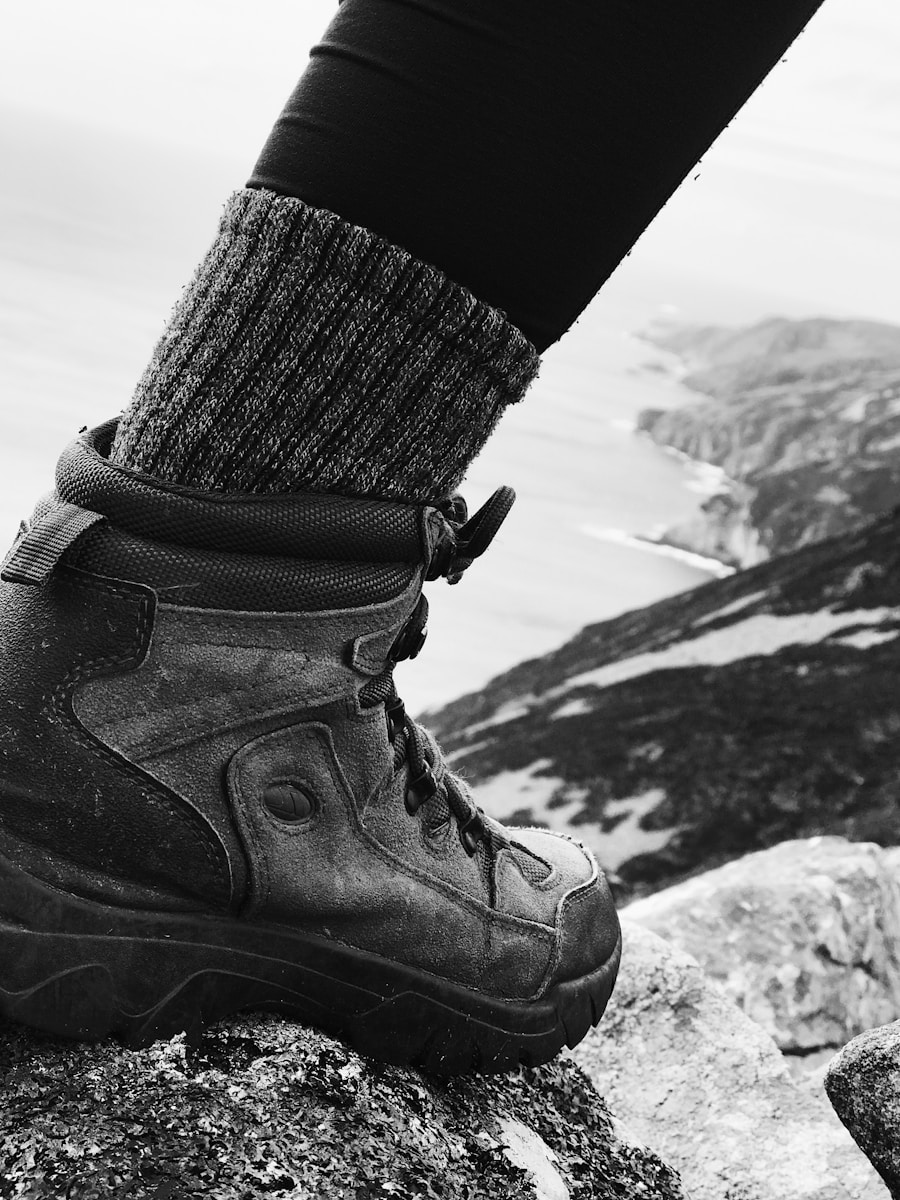
Secondhand and consignment stores can be a smart way to reduce cost, especially when you find a lightly used pair that was returned because of sizing rather than heavy trail wear. Buying used also keeps usable gear in circulation longer.
Used hiking footwear requires a closer inspection than new footwear. Look at the outsole from heel to toe. Uneven wear can change how the boot feels underfoot, while shallow or rounded lugs may reduce traction. Flex the boot and inspect the point where the upper meets the sole for cracks or separation. Press on the midsole to look for cushioning that feels collapsed or permanently compressed.
- Reject boots with sole separation, deep cracks, torn uppers, broken hardware, or a damaged heel counter.
- Be cautious with boots that are heavily molded to the previous owner’s foot.
- Check the interior lining for worn-through spots and the insole for deep compression.
- Do not assume an older waterproof boot is still waterproof.
- Ask about the store’s return policy before paying because used-gear sales may be final.
Warning: A cheap used boot is not a bargain if the outsole is separating, the midsole is packed out, or the fit has been permanently shaped by another person. Structural wear is a better reason to walk away than cosmetic scuffs.
Hiking Boot Fitting and Sizing
Proper fit is the most important part of buying hiking boots. Current REI and Salomon guidance both recommend a secure heel and midfoot with enough room for the toes to move. A useful starting check is about a thumb’s width between your longest toe and the front of the footwear while standing, but the overall shape and hold matter just as much as that single measurement.
Try boots later in the day with your hiking socks because feet often swell during activity. Lace the boots as you would on trail, then walk on flat ground and an incline. Your heel should remain controlled, and your toes should not strike the front when walking downhill. Bring orthotics or aftermarket insoles if you use them, since they can change both fit and internal volume.
Do not automatically size up by a fixed half-size or full size. Street-shoe sizing is only a starting point. Foot length, width, arch length, toe shape, volume, sock thickness, and the boot’s last all affect the final fit. If one model pinches or feels sloppy, changing models may work better than simply changing size.
The American Hiking Society also recommends trying footwear with the socks you plan to wear, walking around before buying, and making sure the heel stays secure. Those simple checks are more reliable than buying solely from a size label.
Choosing Between Hiking Shoes, Mid Boots, and Backpacking Boots
The word “hiking boot” covers several kinds of footwear. Choosing the category first can make the shopping process much easier.
- Trail-running shoes: Light and flexible, often favored for fast movement and lighter loads.
- Hiking shoes: Low-cut footwear with more trail-focused traction and structure than a typical road shoe.
- Mid-cut hiking boots: A middle ground for hikers who want more coverage and structure without a very heavy boot.
- Backpacking boots: Usually stiffer and more protective for rough terrain or heavier loads.
- Mountaineering boots: Specialized footwear for alpine, snow, ice, or climbing objectives; some models are designed for crampon compatibility.
Salomon’s current guidance likewise treats cut height as one factor among terrain, exposure, pack size, trip length, and fit. Do not choose a high-cut boot only because it looks more protective; choose the construction that suits the actual trip.
Comparing Prices and Deals
Once you know which models fit, compare the total cost across retailers. Hiking footwear prices change constantly with model year, color, size availability, and promotions, so a static “typical price” table becomes outdated quickly. Compare the exact same model, width, and version rather than assuming similarly named products are identical.
Previous-season colors or outgoing versions can offer good value when the fit and specifications still meet your needs. Price-comparison tools can help you check the same model across several retailers. Holiday promotions such as Black Friday or Labor Day sales, outlet sections, membership offers, and clearance events may also lower the price, but availability changes from year to year. Retailer newsletters can be useful for sale alerts, and a discount is only worthwhile if the return rules still work for footwear.
Include return shipping, restocking rules, warranty eligibility, and the cost of replacing a poor fit when you compare deals. Paying slightly more at a retailer that helped you find the correct size can be cheaper than cycling through several discounted pairs that do not fit.
Pro Tip: Once you find a boot that fits perfectly, write down the exact brand, model, size, width, and version. That makes future online price comparisons much safer because model updates can change fit even when the product name looks similar.
If you are looking to buy hiking boots, you may also be interested in finding the best hiking backpack for multi-day treks. Check out this article on the best hiking backpack for multi-day treks to ensure you have all the necessary gear for your outdoor adventures.
Love travel? Join Our Facebook Community
Frequently Asked Questions
What are hiking boots?
Hiking boots are trail-focused footwear designed to provide traction, protection, and support for walking on outdoor terrain. The category ranges from light, flexible hiking shoes and mid-cut boots to stiffer backpacking and mountaineering footwear.
What should I look for when buying hiking boots?
Start with fit, then match the footwear to terrain, distance, pack weight, and weather. Check heel hold, toe room, width, cushioning, outsole traction, upper durability, waterproofing needs, weight, and the retailer’s return policy.
Where can I buy hiking boots?
You can buy hiking boots at outdoor specialty stores, REI, sporting-goods stores, brand websites, online outdoor retailers such as Backcountry, footwear retailers such as Zappos, large marketplaces, and secondhand or consignment shops.
Is it better to buy hiking boots in a store or online?
In-store shopping is usually better when you are new to hiking, have fit problems, or want to compare several shapes and widths. Online shopping works well when you already know what fits or when the retailer has an easy return process that lets you test the boots indoors.
What are the different types of hiking boots?
Common categories include trail-running shoes, low-cut hiking shoes, mid-cut hiking boots, backpacking boots, and specialized mountaineering boots. The right type depends on terrain, load, weather, trip length, and personal preference.
How do I know if hiking boots fit properly?
They should feel secure through the heel and midfoot without pinching. Your toes should be able to move, and they should not hit the front on descents. A thumb’s width ahead of the longest toe is a useful starting check. Try them with your hiking socks and any orthotics you use.
Can I buy used hiking boots?
Yes, especially if the pair is only lightly used. Inspect outsole wear, midsole compression, upper damage, heel structure, interior wear, and any separation between the upper and sole. Avoid boots with structural damage or a heavily molded-in fit.
Sources
- REI Co-op Expert Advice: How to Choose Hiking Boots and Shoes — footwear types, terrain/load considerations, fit checks, socks, orthotics, and end-of-day fitting.
- American Hiking Society: Hiking Boots — fit, heel hold, toe room, socks, traction, and in-store testing guidance.
- Salomon: Low vs. Mid vs. High Hiking Shoes — toe room, heel and midfoot fit, and choosing cut height by terrain and load.
- Backcountry Return Policy — current return windows, condition requirements, and mail-return terms.
- Zappos Shipping and Returns — current footwear return timing, condition requirements, and U.S. return terms.
- REI Co-op Membership Benefits — current member return-window information.

