
Last Updated on September 10, 2026 by Daniel Globe
Choosing the right hiking boots can make or break your time on the trail. The best pair depends on where you hike, how much weight you carry, and how much ankle support your feet need — get the fit and type right, and everything from day hikes to multi-day backpacking trips feels easier.
Quick Answer
Hiking boots fall into three categories: lightweight hiking shoes for easy day trails, mid-cut boots for moderate terrain with more ankle support, and heavy-duty backpacking boots for rugged, multi-day treks with heavy packs. Choose based on terrain difficulty, pack weight, weather, and precise foot fit.
Hiking boots fall into three main categories: lightweight hiking shoes, mid-cut hiking boots, and heavy-duty backpacking boots. Lightweight hiking shoes work best for day hikes on well-maintained trails.
They offer flexibility and comfort, making them a great pick for hikers who value speed and agility over heavy support. These shoes typically have a breathable mesh upper and a flexible sole that allows natural foot movement while still providing solid traction. Mid-cut hiking boots balance support and weight.
They handle more challenging trails with uneven terrain or moderate elevation changes. These boots often have a stiffer sole than lightweight shoes, giving better stability and ankle support. The mid-cut design helps protect your ankles from twists and rolls, making them a go-to choice for hikers tackling tougher environments.
Heavy-duty backpacking boots are built for serious trekkers carrying heavy loads over long distances. They’re characterized by robust construction built for maximum support and durability, usually featuring a high-cut design for excellent ankle support — a strong match for rugged terrain and multi-day hikes.
Key Takeaways
- Hiking boots come in three main types: lightweight hiking shoes, mid-cut boots, and heavy-duty backpacking boots, each designed for specific terrain and load demands.
- Terrain, weather, required ankle stability, and pack weight should directly guide your footwear selection.
- A proper fit requires testing boots with actual hiking socks, leaving a thumb’s width of toe room, and performing an incline test to prevent toe jamming.
- Common materials include full-grain leather (maximum durability, water resistance) and synthetics (lighter, faster-drying, breathable).
- Targeted lacing techniques like the heel-lock knot can resolve slippage and pressure point issues without changing shoe sizes.
- Most quality hiking boots last between 500 and 1,000 miles before the midsole cushioning and outsole tread degrade.
At a Glance: Boot Selection Overview
| Key Decision Criteria | Trail technicality, pack weight, weather, and foot shape |
| Ideal Fitting Time | Late afternoon or evening (when feet are naturally expanded) |
| Recommended Socks | Merino wool or dense synthetic blend (avoid cotton) |
| Expected Lifespan | 500 to 1,000 trail miles |
Disclosure: As an Amazon Associate I earn from qualifying purchases. Some links on this page are affiliate links, at no extra cost to you.
Factors to Consider When Choosing Hiking Boots
Terrain and Traction
The type of terrain you plan to hike on matters a lot. If you’ll be on rocky, root-filled, or steep surfaces, look for boots with a stiffer sole, deep lugs (4mm to 6mm), and a sticky rubber compound (like Vibram) to prevent slips. If your hikes are mostly on well-maintained, flat paths, a lighter, more flexible trail shoe may be all you need.
Weather Conditions & Waterproofing Trade-Offs
Think carefully about the weather you’ll face most often. Waterproof membranes like Gore-Tex keep moisture out during rain or muddy hikes, but they also trap heat and sweat. In hot, dry, or desert climates, non-waterproof shoes with breathable mesh panels keep feet cooler and dry out much faster if submerged during creek crossings.
“One pound on your feet equals five pounds on your back. Choosing lightweight yet adequately supportive footwear dramatically reduces systemic fatigue on long-distance trail days.”
Fit, Weight, and Budget
A snug fit is key to avoiding blisters and discomfort on long hikes. Also weigh the tradeoff between boot weight and support. Heavier boots provide more stability under heavy backpacking loads, but lighter options boost speed and reduce leg fatigue. Your budget matters too. High-quality boots can be a smart long-term investment, but budget-friendly brands like Columbia offer solid performance without a premium price tag.
Note: Many hiking boots run true to standard sizing, but foot shape varies by brand — some models are available in wide widths, and it’s worth checking a brand’s width options if you have a wider foot or plan to wear thicker socks.
Finding the Right Fit for Your Hiking Boots
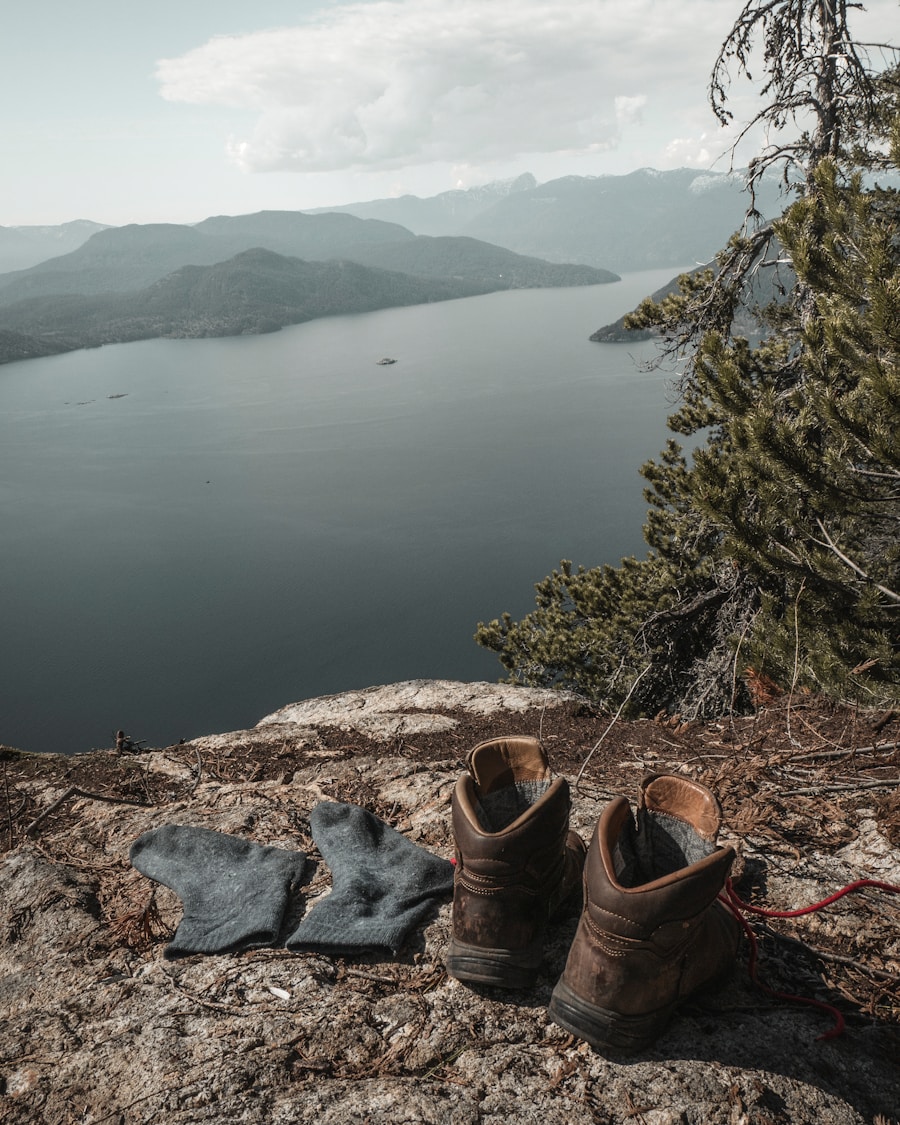
Getting the right fit is the most important step toward a comfortable hike. A well-fitting boot should feel snug across the instep while remaining roomy in the toe box. Wear the exact type of socks you plan to hike in when trying on boots — a cushioned merino wool hiking sock fits differently than a thin sock. Always try boots on later in the day when your feet are slightly swollen from normal activity.
Walk around on different surfaces if you can. Watch for pressure points or tight spots that suggest a poor fit. A reliable rule of thumb: standing upright, you should have roughly a thumb’s width of space between your longest toe and the front of the boot.
The Incline Test & Downhill Fit
To avoid bruised toes or lost toenails, test your boots on an inclined surface or ramp at the store. Walk down the slope vigorously. Your foot should stay securely locked in place; if your toes slide forward and strike the front of the boot, you need to tighten the lacing system, try a supportive aftermarket footbed, or select a larger size.
Specialized Lacing Techniques for Custom Fit
You can fine-tune boot fit using simple lacing adjustments:
- Heel Lock (Runner’s Loop): Prevents your heel from lifting and slipping against the back of the boot, eliminating friction blisters.
- Window (Parallel) Lacing: Unlaces a middle cross section over the top of your foot to relieve pressure points on high insteps.
If you have flat feet, high arches, or distinct foot mechanics, swapping out standard factory insoles for specialized orthotic footbeds provides additional arch support and improves overall alignment.
Materials and Construction of Hiking Boots
| Brand | Material | Construction | Weight |
|---|---|---|---|
| Salomon | Gore-Tex, synthetic woven, rubber | Advanced Chassis, Sensifit | 1.1 lbs |
| Merrell | Leather, mesh, Vibram rubber | Strobel construction, Air Cushion | 1.2 lbs |
| Keen | Waterproof leather, breathable mesh | KEEN.DRY, KEEN.ALL-TERRAIN rubber outsole | 1.3 lbs |
The upper materials in your hiking boots directly dictate durability, breathability, and break-in times. Most boots utilize full-grain leather, split-grain leather, or synthetic fabrics:
- Full-Grain Leather: Highly durable, water-resistant, and abrasion-resistant. Best for heavy backpacking, though heavier and requiring a longer break-in period.
- Synthetics (Nylon/Polyester): Lightweight, flexible, quick-drying, and budget-friendly, though less resistant to long-term wear.
Boot construction also relies on internal membranes and sole design. Waterproof liners like Gore-Tex seal out external wetness while allowing perspiration vapor to vent. Underneath, Vibram outsoles offer dependable, long-wearing grip, while EVA or polyurethane midsoles provide shock absorption. EVA foam feels plush out of the box, whereas polyurethane (PU) feels firmer but maintains cushioning longer over hundreds of miles.
Hiking Boot Features and Technology
Modern hiking boots incorporate targeted technologies to maximize trail performance. Advanced cushioning units absorb heel strike shock, while torsional shanks embedded in the midsole protect your feet from bruising over sharp, jagged rocks.
Lacing hardware has also evolved. Speed hooks, locking eyelets, and quick-lace systems make locking in midfoot security fast and simple. Reinforced rubber toe caps add vital protection against accidental stubbing on hidden roots and rocks.
Pro Tip: Ventilation matters as much as waterproofing. Mesh panels or breathable linings help control temperature and moisture inside the boot, which makes a noticeable difference in warmer months when heat build-up leads to hot spots and blisters.
Brands are also prioritizing sustainability. For instance, the Merrell Moab 3 is built with 100% recycled laces, webbing, and mesh lining, delivering eco-conscious construction without compromising field durability.
Proper Care and Maintenance of Hiking Boots
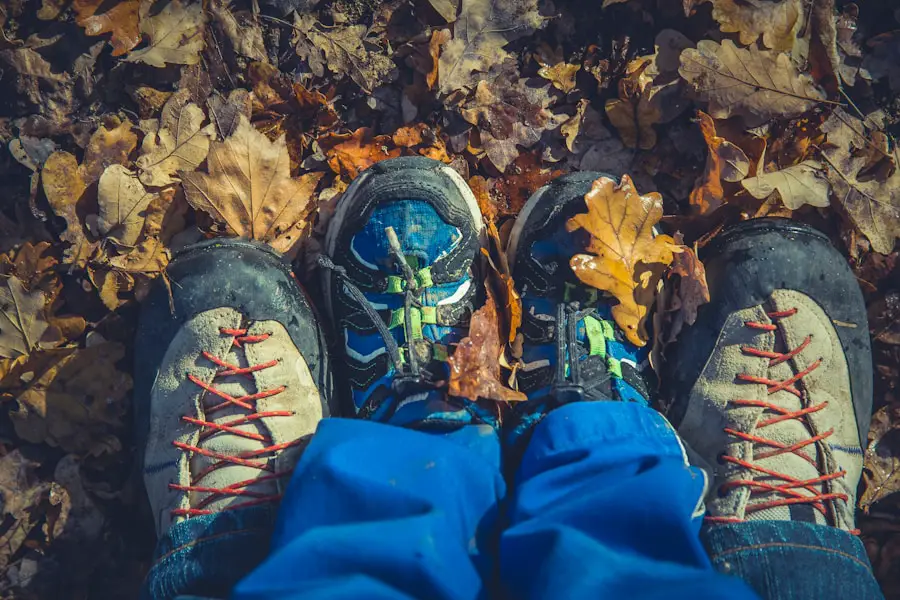
Proper maintenance significantly extends the working life of your footwear. Clean your boots thoroughly after muddy or dusty trips using a soft brush and lukewarm water. Removing dried mud prevents it from drawing moisture out of leather uppers and degrading fabric fibers.
Re-apply a durable water repellent (DWR) spray or leather conditioner periodically. Over time, factory waterproofing degrades; treating cleaned uppers ensures water continues to bead off instead of soaking through.
Warning: Never dry wet boots next to a heater, campfire, or direct radiator — high heat warps outsoles, cracks leather, and breaks down structural adhesives.
Store your boots in a climate-controlled environment away from direct sunlight. Inserting boot trees or crumpled newspaper keeps the upper material shaped properly while drawing residual moisture out of the interior liner.
When to Replace Your Hiking Boots
Even well-cared-for boots eventually break down. Signs it’s time to upgrade include:
- Compromised Traction: Tread lugs worn down flat, leading to slippage on loose trails.
- Flattened Cushioning: Midsole foam compressed so thin that you feel sharp rocks underfoot or experience unexplained knee/joint fatigue.
- Structural Separation: Delaminating seams, cracked outsoles, or tearing upper fabric.
Most quality hiking boots deliver 500 to 1,000 miles of service. Premium leather boots built with welted or stitchdown construction can often be resoled by a cobbler, giving high-end uppers a second life.
Breaking in Your New Hiking Boots
Never wear brand-new boots straight out of the box onto a multi-day trek. Breaking them in allows materials to conform to your specific foot shape, reducing blister risks.
Start by wearing new boots inside your house for a few hours at a time. Progress to short neighborhood walks and casual day hikes while wearing your technical hiking socks. Heavy leather boots take longer to break in than flexible synthetic options, so plan ahead before major trips.
Top Hiking Boot Brands and Models
Several reputable outdoor brands consistently manufacture reliable hiking boots for different budgets and foot shapes:
- Merrell: Renowned for out-of-the-box comfort. The Merrell Moab 3 is a widely popular, comfortable choice for day hikes and moderate terrain.
- Salomon: Known for agile, lightweight designs inspired by trail running. The Salomon X Ultra series (now featuring the X Ultra 5) offers technical traction and quick stability on rugged trails.
- Danner: Built for classic craftsmanship and long-term durability. The Danner Mountain Light, built in Portland, Oregon, delivers iconic style with recraftable leather longevity.
- Lowa, Vasque & Columbia: Lowa excels at supportive, precision German engineering; Vasque offers rugged trail capability; and Columbia provides reliable entry-level boots at accessible price points.
Frequently Asked Questions
What are the different types of hiking boots?
There are three main types: low-cut hiking shoes, mid-cut boots, and high-cut boots. Low-cut hiking shoes are lightweight and flexible, best for day hikes on clear trails. Mid-cut boots provide extra ankle stability for moderate, uneven terrain. High-cut boots offer maximum support and protection, making them ideal for rugged terrain and heavy backpacking loads.
How do I choose the right hiking boot for my needs?
Assess trail technicality, expected weather, and total pack weight. Test several pairs in person with hiking socks late in the afternoon, pay attention to toe room during incline tests, and pick a model balancing comfort, support, and traction.
What features should I look for in hiking boots?
Key features include a high-traction rubber outsole (like Vibram), a shock-absorbing EVA or polyurethane midsole, durable upper materials, speed-lacing hardware, protective toe caps, and breathable or waterproof membranes depending on your trail environment.
How should hiking boots fit?
They should fit snugly across the heel and instep while allowing a thumb’s width of toe space in the toe box. Your heel should stay locked without slipping, and your toes should not strike the front of the boot when walking down an incline.
How do I break in hiking boots?
Wear them indoors initially, then take short neighborhood walks before heading out on short day hikes. Gradually increase trip distance and pack weight so upper materials conform naturally to your feet before tackling long treks.
Sources
- GORE-TEX Technology — official explanation of waterproof membrane breathability and moisture management
- Merrell Moab 3 Collection — product construction specifications and recycled material details
- Salomon X Ultra 5 GORE-TEX — product technology and chassis engineering breakdown
- Danner Mountain Light — handmade leather construction specifications and recrafting guidance
- Backpacker: When Should You Replace Your Hiking Shoes? — industry standards on boot mileage and wear indicators

