Last Updated on September 10, 2026 by Daniel Globe
Not every hiking boot is waterproof. Some models use a waterproof membrane or specially constructed leather to keep rain, mud, and shallow water out, while others are designed for maximum airflow and fast drying instead. Knowing which type you own—and understanding its limits—can make the difference between comfortable feet and a long hike in wet socks. Proper fit, cleaning, drying, and occasional restoration of the outer water-repellent finish also affect how well waterproof hiking boots perform over time.
Quick Answer
Some hiking boots are waterproof, but many are not. Waterproof models usually have a membrane such as GORE-TEX, eVent, or a brand-specific system, plus construction designed to limit water entry. Check the product label or manufacturer specifications rather than assuming that every leather or high-cut hiking boot is waterproof.
Key Takeaways
- Not all hiking boots are waterproof; verify the manufacturer’s specifications or waterproof label.
- Waterproof membranes help block outside water while allowing some moisture vapor from sweat to escape.
- Even waterproof boots can get wet if water enters over the collar or if the lining, seams, or upper are damaged.
- Do not fully submerge boots to test them at home. Use a shallow, below-collar leak check instead.
- Clean boots as needed and restore the exterior water-repellent treatment when water stops beading, following the footwear manufacturer’s instructions.
At a Glance
| Time Required | About 10–20 minutes for inspection and a basic home leak check |
| Difficulty | Easy |
| Tools Needed | Soft brush or cloth, lukewarm water, shallow basin, dry socks or paper towels |
| Cost | Usually no cost for testing; cleaning or reproofing products vary by boot material and brand |
Disclosure: As an Amazon Associate I earn from qualifying purchases. Some links on this page are affiliate links, at no extra cost to you.
Are Hiking Boots Always Waterproof?
No. Hiking footwear falls into several broad categories. Some boots are marketed as waterproof and use a membrane or waterproof construction. Others are merely water-resistant, meaning they can shed light moisture for a limited time. Still others use breathable mesh and are intentionally non-waterproof so they feel cooler and dry more quickly after getting wet.
A boot’s appearance alone is not enough to tell you which type it is. Full-grain leather can resist water when properly treated, but leather construction is not automatically waterproof. Likewise, a tall boot may reduce the chance of splashes entering from above, but height does not prove that the upper or lining is waterproof.
The most reliable method is to check the manufacturer’s model description, box, tongue label, or product documentation for words such as waterproof and for the name of a waterproof technology.
Note: “Waterproof,” “water-resistant,” and “water-repellent” are not interchangeable descriptions. A water-repellent exterior finish can make water bead on the surface without turning an otherwise non-waterproof boot into a fully waterproof system.
Signs of Waterproof Hiking Boots
The clearest sign is an explicit waterproof specification from the manufacturer. Many waterproof hiking boots use an internal waterproof/breathable membrane such as GORE-TEX footwear technology, eVent footwear technology, or a proprietary membrane developed by the footwear brand.
Waterproof models may also use a gusseted tongue that is attached along much of its sides. This construction reduces the open gaps where rain, mud, and shallow water could otherwise reach the inside of the boot. Internal seam sealing or waterproof bootie construction may also be part of the system, even when those features cannot be seen from the outside.
Do not rely on exterior stitching alone. For example, GORE-TEX footwear can use an internal sock-shaped waterproof lining whose seams are sealed inside the boot. The entire finished footwear system—not simply the visible upper—is what determines waterproof performance.
You may also notice water beading on a new boot’s exterior. That usually comes from a durable water-repellent finish, commonly called DWR. The finish helps the outer material resist becoming saturated, but it should not be confused with the waterproof membrane underneath.
Pro Tip: When shopping, search the exact model name on the manufacturer’s website. A salesperson’s description or the fact that a boot is made from leather is less reliable than the manufacturer’s specification for that exact model.
Testing the Waterproofness of Your Hiking Boots
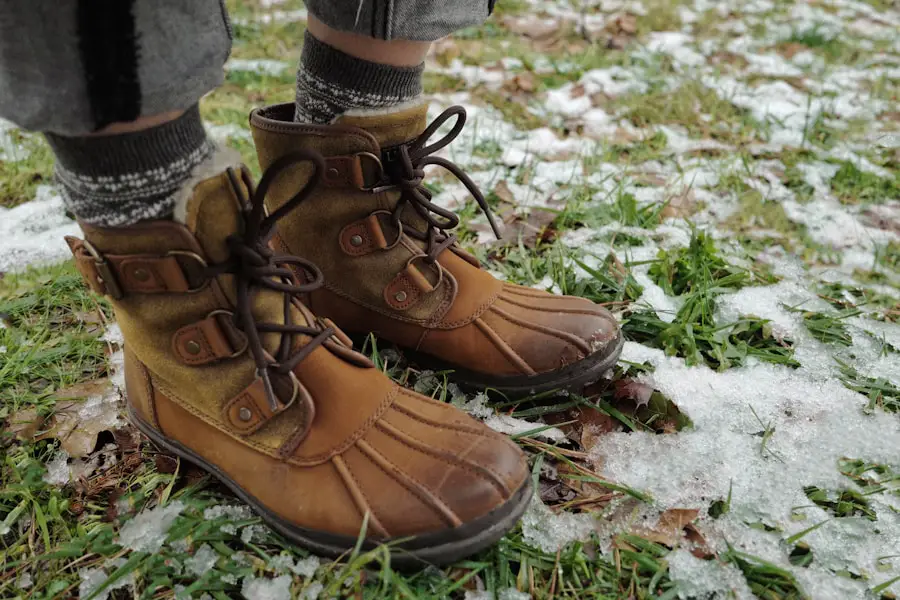
If you suspect a leak, start with an inspection rather than completely dunking the boots. Look for cuts, worn fabric, cracked leather, separated seams, punctures, or areas where the upper is pulling away from the sole.
How to Do a Basic Home Leak Check
- Start with dry boots. Remove loose dirt and make sure the lining is dry before testing.
- Put on dry socks or place dry paper towels inside. This makes small wet spots easier to detect.
- Use shallow water. Stand in a basin or other shallow container with the water level well below the top of the waterproof lining, tongue gusset, and boot collar.
- Flex the boots gently. Move your feet for several minutes without allowing water to pour over the opening.
- Check for localized dampness. A wet spot near a seam, toe, flex point, or sidewall can indicate a leak.
This is only an informal home check. Waterproof footwear manufacturers use specialized equipment and controlled procedures. For example, GORE-TEX footwear testing includes walking simulators in water baths and centrifugal testing designed to expose tiny leaks.
Warning: Do not completely submerge your feet and boots to test waterproofness. Water can enter directly over the boot collar, which does not prove that the waterproof membrane has failed. Avoid pressure washers, washing machines, and other high-pressure or aggressive tests that can damage footwear.
Is It a Leak or Just Sweat?
Waterproof/breathable footwear can release moisture vapor, but it cannot eliminate all perspiration. On warm days or during strenuous climbs, your socks may feel damp even when no outside water has entered.
A localized wet patch that repeatedly appears near one seam, flex point, or damaged area is more suspicious for a leak. General clamminess across both feet, especially during warm or high-output hiking, is more likely to involve perspiration. Moisture concentrated around the ankle can also mean water entered over the collar.
Maintenance and Care for Waterproof Hiking Boots
| Boot Care Task | When to Do It |
|---|---|
| Remove mud and debris | After muddy hikes or whenever buildup is visible |
| Restore water-repellent treatment | When water stops beading and begins soaking into the outer material, following manufacturer instructions |
| Inspect for cuts, cracks, or separation | Before important trips and after rough use |
| Dry and store correctly | After each wet or sweaty use |
Dirt, grit, oils, and dried mud can reduce the performance and life of hiking footwear. Remove the laces and insoles when appropriate, brush away loose debris, and clean the exterior using the method recommended for your boot’s materials.
For GORE-TEX footwear, the company’s current footwear care instructions recommend a sponge or brush, lukewarm water, and a small amount of liquid detergent. The company advises against bleach and machine washing and recommends natural drying at moderate temperatures away from direct heat.
Reproof When the Outer Material Stops Beading
A waterproof membrane can still be intact even when the outer fabric or leather starts looking soaked. This condition is often called “wetting out.” When water no longer beads and rolls away, the exterior water-repellent treatment may need restoration.
Use a product that is compatible with your exact footwear material. Smooth leather, nubuck, suede, synthetic fabric, and membrane-lined boots can have different requirements. Do not assume that a traditional wax or grease is appropriate. GORE-TEX, for example, advises using a suitable water-based restorative treatment and warns that waxes or greases can affect footwear breathability.
Dry Boots Without Excessive Heat
Remove insoles when practical and allow the boots to dry in a ventilated place at moderate temperature. Avoid radiators, heaters, campfires, hair dryers, and prolonged high heat, which can damage adhesives, leather, foams, and other footwear components.
Keeping feet and socks reasonably dry also matters for foot health. The CDC’s foot-hygiene guidance notes that the fungi responsible for athlete’s foot thrive in warm, dark, moist environments and recommends keeping feet clean and dry and changing shoes and socks regularly.
Types of Waterproofing Technology in Hiking Boots
GORE-TEX
GORE-TEX footwear uses a waterproof/breathable membrane integrated into the footwear construction. The system is designed to prevent external liquid water from passing through while allowing water vapor from perspiration to move outward. The finished footwear must also meet construction and testing requirements before carrying the brand’s waterproof guarantee.
eVent
eVent also makes waterproof/breathable footwear systems. Its current range includes traditional waterproof footwear technology as well as newer systems such as stormST, which uses a PFAS-free, bio-based waterproof membrane. Different eVent constructions are designed for different footwear and performance needs, so there is no useful blanket rule that every eVent boot is more or less breathable than every GORE-TEX model.
Brand-Specific Waterproof Membranes
Many boot companies use proprietary membranes instead of GORE-TEX or eVent. For example, KEEN describes its KEEN.DRY system as a waterproof, breathable membrane that allows vapor to move outward while limiting outside moisture entry. Other manufacturers use their own names and construction methods.
Waterproof Leather and Water-Repellent Treatments
Some leather boots rely on carefully selected leather, construction methods, and surface treatments. Even when a membrane is present, the outer leather or textile may receive a water-repellent treatment to slow saturation.
A waterproof membrane and an exterior water-repellent finish do different jobs: the membrane is the main barrier to outside water, while the exterior treatment helps keep the upper from becoming saturated.
Choosing the Right Waterproof Hiking Boots for Your Needs
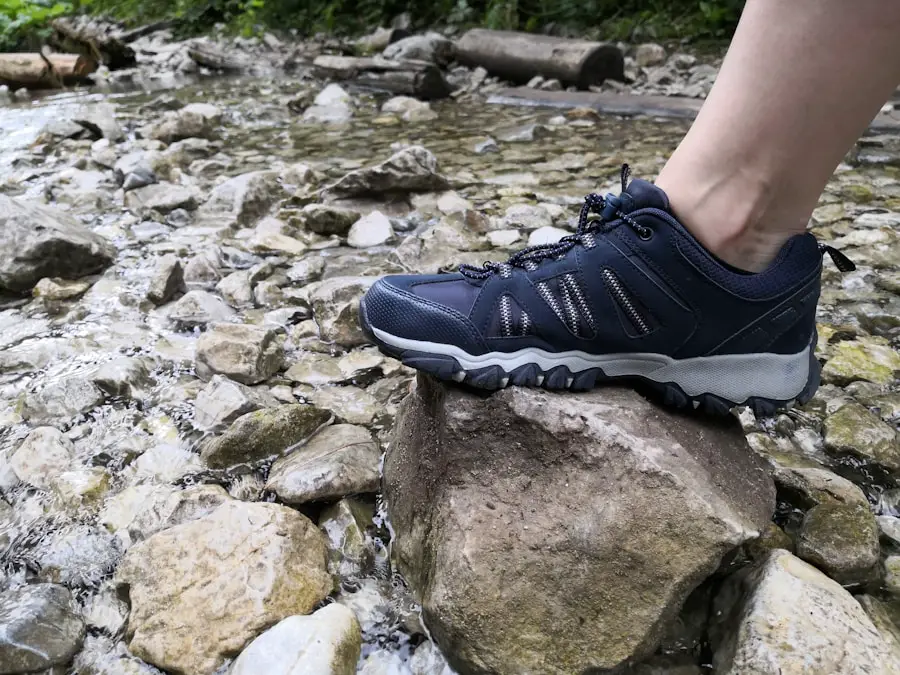
Waterproof boots are especially useful when you expect persistent rain, mud, wet vegetation, slush, or cold conditions where staying dry is important. The National Park Service includes waterproof boots and dry socks among its recommendations for cold-weather outdoor activity because staying dry is one part of maintaining warmth and comfort.
In hot, dry weather, however, a waterproof membrane may be unnecessary. Waterproof footwear can retain more heat than highly ventilated non-waterproof shoes, and sweaty feet can still feel damp. Lightweight hiking shoes or trail runners can therefore be a better choice for some warm-weather hikes.
Match the Boot to the Terrain
For rocky, uneven, or muddy routes, look for an outsole and lug pattern designed for the surfaces you expect. Do not choose a boot solely because the outsole carries a familiar brand name; traction also depends on rubber compound, tread design, surface conditions, and how worn the sole has become.
Prioritize Fit
A waterproof boot that fits badly will still make hiking uncomfortable. The boot should feel secure without squeezing your foot. Your toes need room to move, and they should not strike the front of the boot on descents. Your heel should remain reasonably secure rather than repeatedly lifting and rubbing.
Try hiking boots with the socks you expect to wear on the trail. Moisture-wicking synthetic or wool socks are generally more practical for hiking than slow-drying cotton because they manage perspiration better.
Choose the Right Height
Low-cut footwear can be lighter and cooler. Mid- and high-cut boots can provide more coverage against mud, vegetation, shallow splashes, and snow. However, even a tall waterproof boot will become wet inside if enough water flows over its collar.
Note: Waterproof boots are not waders. Stream depth, current, footing, and safe crossing technique matter more than the word “waterproof” on the footwear label.
Common Misconceptions About Waterproof Hiking Boots
Myth: All Hiking Boots Are Waterproof
Some hiking boots are waterproof, some are water-resistant, and others are intentionally breathable and non-waterproof. Always check the exact model specification.
Myth: Waterproof Boots Can Never Get Wet Inside
Water can enter over the collar. Sweat can also create internal dampness, and physical damage can eventually create a genuine leak.
Myth: A Waterproof Boot Never Needs Maintenance
The waterproof lining may continue working while the exterior treatment wears down. Cleaning and appropriate reproofing help the outer material shed water and can improve comfort.
Myth: More Waterproofing Product Is Always Better
Using the wrong treatment can alter appearance, breathability, or material performance. Follow the boot manufacturer’s care instructions and the treatment manufacturer’s compatibility guidance.
Myth: A Taller Boot Is Automatically More Waterproof
A taller cuff can increase coverage, but waterproofness still depends on the materials, internal construction, condition of the footwear, and whether water remains below the top opening.
Alternatives to Waterproof Hiking Boots
Waterproof footwear is not the best choice for every trail. In warm weather or areas with frequent stream crossings, some hikers prefer lightweight non-waterproof hiking shoes or trail-running shoes. These allow water to enter more readily but can also drain and dry faster than heavily constructed waterproof boots.
Water-resistant footwear occupies the middle ground. It may handle damp grass, brief showers, or light splashes but should not be expected to perform like a properly constructed waterproof boot during prolonged exposure.
Gaiters are another useful option. They cover the upper part of the footwear and lower leg and can reduce the entry of rain, mud, snow, stones, and trail debris around the collar. However, gaiters do not turn a non-waterproof shoe into a waterproof one, and they cannot guarantee dry feet during deep water crossings.
What to Do When Waterproof Hiking Boots Start Leaking
First identify where the moisture is coming from. A boot that is wet only on the outside may simply need its exterior water repellency restored. A repeated wet patch inside at the same seam, toe flex point, or sidewall is more consistent with a leak.
- Clean and dry the boot. Dirt can hide small cuts and damaged areas.
- Inspect the upper and sole junction. Look for cracks, punctures, separated material, or delamination.
- Check whether water is entering over the collar. Dampness around the ankle does not necessarily indicate membrane failure.
- Restore exterior water repellency if needed. Do this when the upper wets out but the inside remains dry.
- Contact the manufacturer for a persistent leak. A damaged internal membrane is usually not fixed simply by spraying the exterior with waterproofing treatment.
Boots with serious cracking, sole separation, structural damage, or extensive wear may need professional repair or replacement. Reproofing can improve the outer surface’s ability to shed water, but it cannot repair every damaged membrane, seam, or structural component.
Pro Tip: Before a long trip, wear your boots on a shorter wet-weather hike. This gives you a chance to discover fit problems, worn traction, or leaks while you are still close to home.
If you are planning a hiking trip, footwear is only one part of your travel setup. You may also want to consider scarves with hidden pockets for travel for carrying small items, a portable WiFi hotspot for international travel when connectivity matters, and softside carry-on luggage with wheels for transporting your gear.
Love travel? Join Our Facebook Community For More Tips.
Frequently Asked Questions
What makes hiking boots waterproof?
Waterproof hiking boots typically combine a waterproof membrane or specially designed waterproof construction with an upper, tongue, seams, and lining intended to limit water entry. An exterior water-repellent treatment may also help the outer material shed rain and mud.
How do waterproof hiking boots work?
Many use a waterproof/breathable membrane that blocks external liquid water while allowing some water vapor from perspiration to move outward. The surrounding footwear construction must also prevent water from bypassing that barrier through openings or damaged areas.
Are all hiking boots waterproof?
No. Hiking footwear may be waterproof, water-resistant, or intentionally non-waterproof. Check the exact model’s manufacturer specifications rather than judging waterproofness by its material, height, or appearance.
What are the benefits of waterproof hiking boots?
They can help keep outside moisture away from your feet during rain, mud, wet vegetation, shallow puddles, and some snowy conditions. Keeping socks and feet drier can improve comfort, particularly in cool weather.
Can waterproof hiking boots be used in all weather conditions?
They can be worn in many conditions, but they are not always the most comfortable choice. In hot, dry weather, highly breathable non-waterproof footwear may feel cooler and can dry faster after becoming wet.
How can I tell whether my waterproof boots are leaking?
Look for repeatable, localized wet spots near a seam, flex point, puncture, or damaged area. Dampness across both feet during strenuous hiking may instead come from sweat, while moisture near the ankle may have entered over the collar.
How often should waterproof hiking boots be reproofed?
There is no universal calendar interval. Restore the exterior water-repellent treatment when water stops beading and begins soaking into the upper, or at the interval specified by the footwear manufacturer.
Can I make non-waterproof hiking boots completely waterproof with spray?
Usually not. A compatible treatment can improve the water resistance of some outer materials, but it cannot add a fully sealed waterproof membrane or correct open construction that was never designed to be waterproof.
Sources
- GORE-TEX Footwear Technology — waterproof/breathable footwear construction and performance.
- GORE-TEX Footwear Care Instructions — cleaning, drying, and restoration of exterior water repellency.
- GORE-TEX Footwear Testing — water-bath, centrifugal, wicking, and comfort testing.
- eVent Footwear Technology — current waterproof/breathable footwear systems.
- CDC: Healthy Habits — Foot Hygiene — moisture, fungal infections, and keeping feet dry.
- U.S. National Park Service: Be Winter Ready — waterproof footwear and staying dry in cold conditions.