Last Updated on July 27, 2026 by Daniel Globe
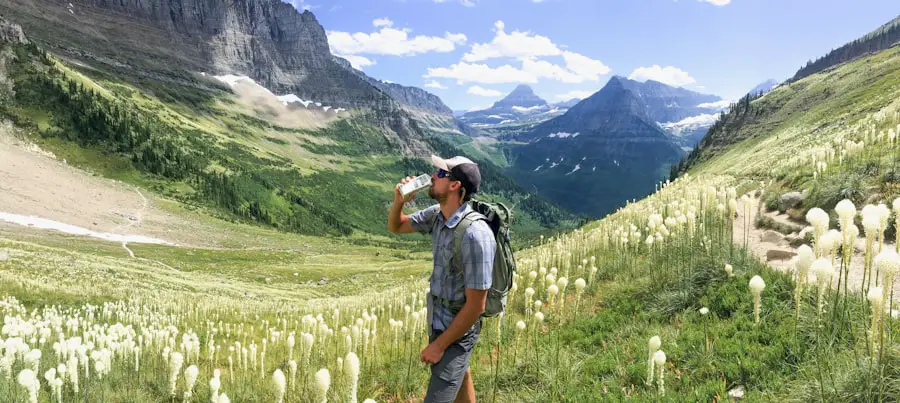
Not all hiking shoes are waterproof, and waterproof is not automatically better for every hike. Waterproof hiking shoes are most useful when you expect rain, wet grass, mud, slushy snow, or cool conditions where keeping outside moisture away from your feet matters. In hot weather or on routes with repeated deep stream crossings, a lighter non-waterproof shoe that drains and dries faster may be the more comfortable choice.
Quick Answer
Some hiking shoes are waterproof and some are not. Waterproof models usually use an internal membrane, sealed construction, or both to block outside water while allowing some moisture vapor to escape. They work well in cool, damp conditions, but non-waterproof shoes can be cooler and faster-drying in hot weather or after deep water crossings.
Key Takeaways
- Not every hiking shoe is waterproof. Check the product specifications for a waterproof membrane, liner, or waterproof construction.
- Waterproof footwear is useful for rain, wet vegetation, mud, shallow puddles, melting snow, and many cool-weather hikes.
- A waterproof membrane reduces airflow compared with many open-mesh non-waterproof shoes, so your feet may feel warmer or sweatier.
- Water that enters over a low shoe’s collar can become trapped, making a quick-drying non-waterproof shoe a better option for some stream-heavy routes.
- Waterproofing and traction are separate features. Always evaluate the outsole and tread for the terrain you plan to hike.
- Clean and reproof footwear according to the shoe manufacturer’s instructions rather than assuming one wax, silicone spray, or treatment works on every material.
Disclosure: As an Amazon Associate I earn from qualifying purchases. Some links on this page are affiliate links, at no extra cost to you.
Are Hiking Shoes Waterproof?
Some are, but many are not. Hiking shoes are sold in both waterproof and non-waterproof versions. A waterproof model normally has a waterproof/breathable liner or membrane built into the upper, often combined with a gusseted tongue, sealed construction, and water-repellent outer materials.
Non-waterproof hiking shoes usually rely more heavily on mesh or other breathable materials. They allow water to pass through more easily, but they also tend to release heat and dry faster after they become soaked.
This means the better choice depends on where and how you hike. Waterproof footwear can be valuable on a cold, rainy trail, while breathable non-waterproof footwear may be preferable on a hot summer hike or a route where your shoes will repeatedly be submerged.
Understanding Waterproofing Technology
Modern waterproof hiking shoes commonly use a thin waterproof/breathable layer inside the upper. The goal is to prevent liquid water from entering through the protected portion of the shoe while still allowing some moisture vapor generated by your feet to move outward.
GORE-TEX footwear technology is one widely used example. GORE-TEX footwear is designed as a complete system rather than relying on the membrane alone; the company tests finished footwear for waterproofness, wicking, flexing, and overall breathability.
Other current examples include eVent DVdry footwear technology and The North Face’s DryVent technology. These systems use different materials and constructions, so hikers should compare the finished shoe rather than assuming every waterproof membrane performs identically.
Note: A durable water-repellent finish, often called DWR, is not the same thing as a waterproof membrane. DWR helps water bead on the outer material. The internal waterproof layer is what provides the main barrier in membrane-lined footwear.
No low-cut hiking shoe can prevent water from entering through its open top. Deep puddles, stream crossings, rain running down your legs, or water splashing above the collar can still leave your socks wet even when the shoe itself has a waterproof liner.
Different Types of Waterproofing in Hiking Shoes
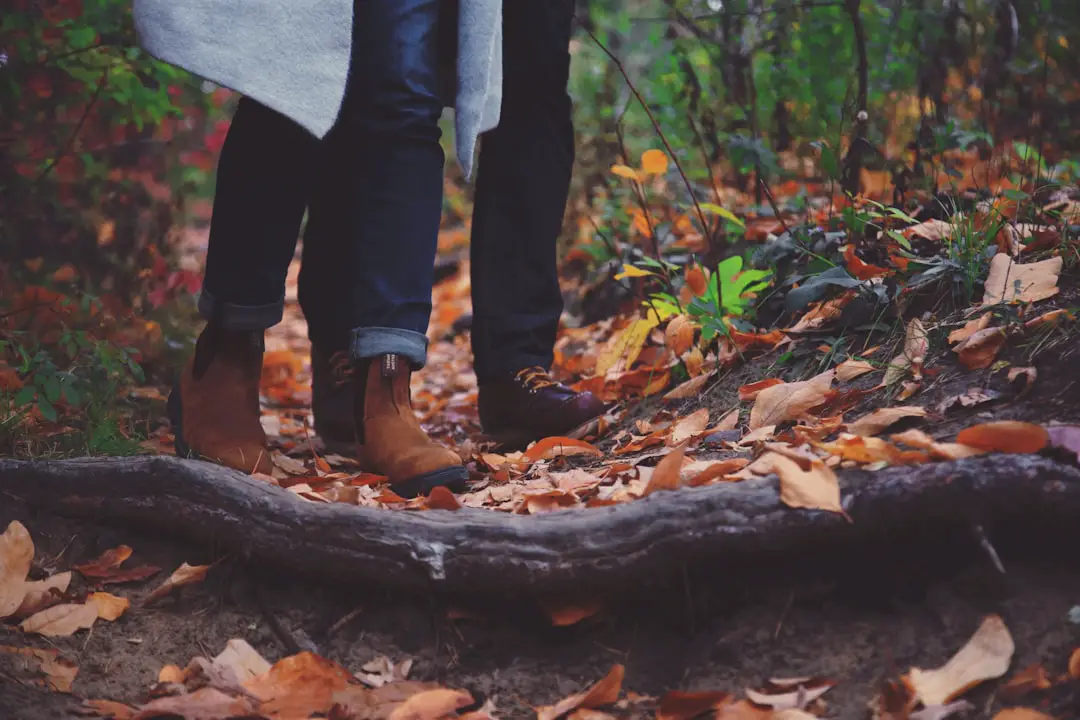
Water protection in hiking footwear generally comes from one or more of three approaches: a waterproof membrane, water-repellent treatment on the upper, and construction details intended to limit entry through seams and openings.
Waterproof membranes: Shoes sold as waterproof frequently use an internal waterproof/breathable liner such as GORE-TEX, eVent, DryVent, or another proprietary system. These are intended for hikers who expect regular contact with rain, wet vegetation, mud, shallow puddles, or snow.
Water-repellent exterior treatments: DWR treatments and compatible leather treatments help the outer material shed water instead of immediately soaking it up. These treatments can improve comfort and reduce “wetting out,” but an exterior treatment alone does not necessarily turn a ventilated non-waterproof shoe into a fully waterproof one.
Water-resistant construction: Some footwear uses treated leather, coated fabrics, gusseted tongues, sealed areas, or other construction methods to resist moisture without using the same type of membrane found in dedicated waterproof models.
| Type | What It Does | Main Limitation |
| Waterproof membrane | Blocks liquid water through the protected upper while allowing some water vapor to escape. | Usually less ventilated than an open-mesh non-waterproof upper. |
| DWR or water-repellent treatment | Helps the outside material bead and shed water. | Wears off with use and does not by itself guarantee a waterproof shoe. |
| Treated leather or coated upper | Provides varying resistance to rain, splashes, and wet vegetation. | Performance depends heavily on material, seams, care, and construction. |
Benefits of Waterproof Hiking Shoes
| Benefit | Why It Matters |
| Keeps external moisture away from your feet | Useful for rain, wet grass, mud, shallow puddles, and melting snow when water remains below the protected opening. |
| Helps keep socks drier | Wet socks have been associated with increased blister risk during long-distance hiking. |
| Useful in cold, damp weather | Keeping outside moisture away from your feet can support overall cold-weather comfort and moisture management. |
| Less mud and surface water reaching socks | Helpful on wet trails where repeated splashes and vegetation contact would quickly soak a ventilated upper. |
Keeping socks reasonably dry can improve comfort on long hikes. A 2022 study of long-distance hikers found that hiking in wet socks was associated with a higher risk of foot blisters. Blister formation is more complicated than moisture alone, however; fit, repeated shear, duration, load, and individual skin conditions also matter.
Waterproofing helps manage outside moisture, but fit, socks, breathability, and outsole grip are just as important to trail comfort.
Pro Tip: Do not assume a waterproof label means excellent wet-rock or mud traction. Check the outsole rubber, lug pattern, and intended terrain separately.
Drawbacks of Waterproof Hiking Shoes
The biggest tradeoff is usually breathability. Waterproof/breathable membranes allow moisture vapor to escape, but a membrane-lined shoe normally has less open ventilation than a comparable mesh shoe. That can make your feet feel hotter during strenuous summer hiking.
For hikers who naturally run hot, extra internal moisture from sweat can reduce the comfort advantage of blocking rain. Moisture inside the shoe does not always mean the membrane leaked.
Waterproof shoes can also dry slowly after water enters through the top. This becomes important during stream crossings. Once water rises above a low-cut shoe’s collar, the same liner that normally keeps water out can slow drainage.
Some waterproof versions are also heavier or more expensive than comparable non-waterproof versions, although this varies by model and should not be treated as a universal rule.
Waterproof vs. Non-Waterproof Hiking Shoes
The best choice depends more on conditions than on the word “waterproof” itself.
| Conditions | Usually Better Choice | Why |
| Cold rain, wet grass, mud, light snow | Waterproof | Helps keep outside moisture from reaching your socks through the upper. |
| Hot, dry trail | Often non-waterproof | More ventilation can reduce heat and improve drying. |
| Hot, humid weather | Often non-waterproof | Managing sweat and heat may matter more than blocking occasional splashes. |
| Repeated deep stream crossings | Often quick-drying non-waterproof | Once water enters over the collar, faster drainage and drying become valuable. |
| Cold slush or shallow snow | Waterproof, often with gaiters | Helps block snow and external moisture while gaiters can reduce entry from above. |
Warning: Waterproof shoes do not make a deep, fast, or unstable water crossing safe. Evaluate current, depth, footing, weather, and safer alternatives before entering moving water.
How to Test the Waterproofing of Your Hiking Shoes
If your feet suddenly feel wet, do not assume the membrane has failed. Sweat, water entering through the collar, a soaked sock cuff, or a genuine leak can all create a similar feeling.
At a Glance
| Time Required | About 10–15 minutes, plus drying time if the exterior becomes wet |
| Difficulty | Easy |
| Tools Needed | Dry paper towel or clean dry sock, shallow basin, clean water, towel |
| Cost | Usually $0 |
For a simple home check:
- Clean the exterior so dirt does not hide the source of moisture.
- Make sure the inside is completely dry.
- Place a dry paper towel or clean dry sock inside the shoe, especially around the toe box and suspected leak area.
- Place the shoe in shallow water that remains safely below the top of the waterproof lining and gusset. Do not flood the collar.
- Briefly flex the shoe by hand while keeping the opening dry.
- Remove it, dry the exterior, and inspect the paper or sock for a localized wet spot.
- If you find repeated moisture in the same protected area, inspect the lining for damage and check the manufacturer’s repair or warranty guidance.
This is only a basic troubleshooting check. Manufacturers use much more controlled methods. GORE-TEX footwear testing, for example, includes walking simulators in water, moisture sensors, wicking tests, and pressure-based leak testing.
Note: If both shoes feel equally damp after a hard hike but no isolated wet spot appears during a controlled check, sweat is a possible explanation. A true leak often creates a more localized area of moisture.
Maintenance Tips for Waterproof Hiking Shoes
Proper care helps the exterior materials shed water and keeps the footwear functioning as designed. Always check the shoe manufacturer’s instructions first because leather, suede, nubuck, synthetic mesh, adhesives, and waterproof membranes can require different products.
For GORE-TEX footwear, current manufacturer care guidance recommends removing laces, shaking out debris, brushing away loose dirt, and cleaning with lukewarm water and a small amount of liquid detergent. GORE-TEX advises against bleach and machine washing and recommends natural drying at moderate temperatures rather than direct heat.
A simple routine is:
- Remove the laces and, when practical, the insoles.
- Brush away dried mud, gravel, and loose dirt.
- Clean the upper using the method approved for that footwear material.
- Rinse away cleaner residue if the product instructions call for rinsing.
- Air-dry at moderate temperature away from a heater, campfire, radiator, or other strong heat source.
- Restore the exterior water-repellent treatment when water stops beading, using a product approved for the shoe’s material and membrane.
Pro Tip: The outside of a waterproof shoe can become saturated even when the internal membrane is still intact. Restoring the correct DWR can improve water beading and comfort without replacing the shoe.
Choosing the Right Waterproof Hiking Shoes for Your Needs
Start with the conditions you actually hike in rather than choosing waterproof footwear by default.
Consider Weather and Moisture
Frequent rain, wet grass, mud, melting snow, and cool shoulder-season conditions make waterproof footwear more useful. Hot, dry, or humid trails favor ventilation, especially for hikers whose feet sweat heavily.
Match the Outsole to the Terrain
For rocky, muddy, loose, or steep trails, examine the outsole separately from the waterproof specification. Lug depth, rubber compound, tread pattern, underfoot protection, and stability all affect performance.
Get the Fit Right
Poorly fitting hiking shoes can cause pressure, heel movement, toe contact, and blisters whether the shoe is waterproof or not. Try footwear with the socks you plan to hike in. Your heel should feel secure, your toes should have room to move without being crushed against the front, and the shoe should not create obvious pressure points.
REI’s current hiking-footwear guide recommends matching the footwear to trip distance, terrain, load, and conditions rather than choosing solely by category.
Think About Collar Height
Low-cut waterproof hiking shoes are light and flexible, but their opening sits close to the ground. A higher boot can provide more coverage from mud, shallow snow, and splashes, although water can still enter from above if conditions exceed the boot’s height.
Use Appropriate Hiking Socks
Moisture-managing hiking socks can improve comfort in either waterproof or non-waterproof footwear. Avoid creating an overly tight fit by combining thick socks with shoes that do not have enough internal volume.
Alternatives to Waterproof Hiking Shoes
Waterproof shoes are only one way to manage wet trails.
Non-waterproof hiking shoes: These can be a strong choice in hot weather and on trips where quick drainage and drying are more useful than keeping every splash out.
Trail-running shoes: Many hikers prefer them for their lower weight and breathable uppers. Some trail runners are also sold in waterproof versions, so check the exact model.
Waterproof socks: Waterproof/breathable socks can add a moisture barrier inside otherwise breathable footwear. They add warmth and bulk, so test the combination before a long hike.
Gaiters: Gaiters can help reduce entry from rain, mud, debris, and snow around the ankle opening. They do not turn a non-waterproof shoe into a completely waterproof system.
Hiking sandals or highly drainable footwear: In suitable warm conditions, these can make sense where repeated water crossings are unavoidable. They provide different protection from rocks, debris, and cold, so they should be matched carefully to the route.
Waterproofing Treatments for Non-Waterproof Hiking Shoes
Aftermarket treatments can improve water repellency, but they cannot always convert a ventilated shoe into true waterproof footwear. Water can still enter through untreated mesh, stitching, tongue openings, and other construction points.
Choose treatment according to the upper:
- Full-grain leather: Use a treatment the footwear manufacturer approves for that leather.
- Suede or nubuck: Use a product specifically designed for rough leather so you do not unnecessarily alter the material.
- Synthetic or membrane-lined footwear: Use a compatible water-based restorative or other product approved by the manufacturer.
- Silicone sprays, waxes, and beeswax products: These products exist, but compatibility varies. Do not assume they are suitable for every hiking shoe or waterproof membrane.
For example, GORE-TEX currently recommends a water-based restorative when the DWR needs renewal and advises against waterproofing waxes and greases because they can affect breathability. REI’s hiking-boot waterproofing guide likewise recommends choosing treatment according to the upper material and following product instructions closely.
Before applying any treatment, clean the footwear properly. Dirt can interfere with even coverage. Apply the product exactly as directed, and let the shoes dry using the recommended method.
Troubleshooting Wet Waterproof Hiking Shoes
The Inside Feels Damp but There Is No Obvious Leak
Sweat may be accumulating faster than moisture can escape. This is especially common during hard hiking in warm or humid conditions. Try thinner moisture-managing socks or more breathable footwear for those conditions.
The Outer Fabric Soaks Up Water
This can be “wetting out” of the exterior rather than membrane failure. If the manufacturer recommends a DWR treatment, cleaning and restoring the surface repellency may help.
Water Appears Around One Specific Area
A repeatable localized wet spot can point to damage in the lining, seam, or upper. Check for punctures, abrasion, cracked materials, or separation.
Your Feet Get Wet Only in Deep Puddles or Streams
Water may simply be entering over the collar. A waterproof membrane cannot stop water that bypasses the protected upper from above.
The Shoes Have Lost Performance After Heavy Use
Clean them first and restore the approved exterior treatment if necessary. If a controlled check still reveals a leak through the protected upper, consult the manufacturer about repair, warranty coverage, or replacement.
Making the Right Choice for Your Hiking Adventures
Waterproof hiking shoes are valuable when your route involves rain, muddy trails, wet vegetation, shallow puddles, or cold and damp conditions. Their biggest advantage is simple: they reduce the amount of outside water reaching your socks through the shoe’s protected upper.
That protection comes with tradeoffs. Waterproof footwear normally provides less ventilation than highly breathable mesh footwear, and a waterproof liner can slow drainage after water pours over the collar. For hot hiking, humid climates, or repeated stream crossings, a quick-drying non-waterproof shoe may be more practical.
The best hiking shoe therefore combines the right moisture strategy with a good fit, suitable outsole, appropriate support, and socks that work for your feet. Treat waterproofing as one feature in the complete footwear system rather than the only feature that matters.
Once your footwear is sorted, power planning may be another consideration on longer trips. This guide to the best solar charger for backpacking covers options for keeping compatible devices powered away from established charging points.
Frequently Asked Questions
What are hiking shoes?
Hiking shoes are outdoor footwear designed for walking on trails and uneven terrain. Compared with ordinary casual shoes, they generally emphasize traction, underfoot protection, stability, durability, and secure fit. They are usually lower-cut and lighter than traditional hiking boots.
Are all hiking shoes waterproof?
No. Hiking shoes are available in waterproof, water-resistant, and highly breathable non-waterproof designs. Check the product specifications for a named waterproof membrane, liner, or waterproof construction rather than assuming every hiking shoe keeps water out.
What are the benefits of waterproof hiking shoes?
They help prevent rain, puddles, wet grass, mud, and melting snow from soaking through the protected upper. This can keep socks drier and improve comfort in cool or damp conditions.
How are hiking shoes made waterproof?
Many waterproof hiking shoes use an internal waterproof/breathable membrane combined with a gusseted tongue and water-resistant upper construction. Exterior DWR treatments may also help the outer fabric shed water, but the surface treatment and waterproof membrane serve different purposes.
Can waterproof hiking shoes be breathable?
Yes. Waterproof/breathable membranes are designed to block liquid water while allowing some moisture vapor to escape. However, waterproof shoes generally provide less direct ventilation than comparable shoes with open mesh, so they may feel warmer during strenuous hiking.
Do waterproof hiking shoes stay waterproof forever?
Not necessarily. Exterior water-repellent treatments wear with use, and footwear can eventually develop abrasion, punctures, seam problems, or material damage. Regular cleaning and compatible reproofing help maintain performance, but a damaged waterproof lining may require repair or replacement.
Are waterproof hiking shoes good for stream crossings?
They work well for shallow water that stays below the protected opening. For repeated crossings deep enough to flood the collar, quick-drying non-waterproof footwear may be easier to drain and dry. Footwear choice does not replace proper water-crossing safety judgment.
Sources
- REI — How to Choose Hiking Boots and Hiking Shoes — footwear types, waterproofing tradeoffs, terrain, fit, and trip considerations.
- REI — How to Waterproof Hiking Boots — treatment selection, cleaning, application, and drying.
- GORE-TEX — Footwear Care Instructions — cleaning, drying, DWR restoration, and treatment restrictions.
- GORE-TEX — Testing GORE-TEX Footwear — waterproofness, walking, wicking, and comfort testing.
- PubMed — Influence of Sock Composition on Foot Blisters in Hikers — evidence on wet socks and blister risk.
- U.S. National Park Service — Be Winter Ready for Your Adventure — cold-weather moisture management and waterproof footwear guidance.