Last Updated on September 10, 2026 by Daniel Globe
Waterproof hiking shoes can be a smart investment when your trails are regularly cold, damp, muddy, snowy, or covered in wet grass. But they are not automatically the best choice for every hike. A waterproof membrane helps block outside moisture, yet it also reduces airflow compared with similar non-waterproof footwear. The right choice depends on weather, terrain, hiking pace, fit, and how likely water is to enter over the shoe collar.
Quick Answer
Waterproof hiking shoes are worth it for cold, damp, muddy, or snowy hikes where water is likely to stay below the shoe collar. For warm, dry trails or repeated deep-water crossings, breathable non-waterproof shoes can be more comfortable because they vent, drain, and usually dry faster once soaked.
Key Takeaways
- Waterproof hiking shoes are most useful in cold rain, mud, wet grass, shallow puddles, and light snow.
- A waterproof membrane can reduce ventilation, so hot-weather hikers may be more comfortable in breathable non-waterproof footwear.
- Waterproof does not mean water can never get inside. Water that enters over a low collar can become trapped and take longer to dry.
- Fit, outsole design, underfoot structure, and terrain matter as much as the waterproof membrane.
- Choose and maintain footwear according to the shoe manufacturer’s instructions rather than treating GORE-TEX or another membrane name as a waterproof “rating.”
Disclosure: As an Amazon Associate I earn from qualifying purchases. Some links on this page are affiliate links, at no extra cost to you.
Advantages of Investing in Waterproof Hiking Shoes
The main advantage is simple: waterproof footwear helps stop rain, shallow puddles, wet brush, and mud from soaking through the upper. Products made with a waterproof-breathable membrane such as GORE-TEX footwear technology are designed to block liquid water while allowing some water vapor from perspiration to escape.
That protection can matter most in cool or cold conditions. The CDC notes that hypothermia can occur even above 40°F when a person becomes chilled by rain, sweat, or cold-water exposure. Waterproof shoes are only one part of staying dry and warm, but keeping socks from becoming saturated can improve comfort and reduce cold exposure.
Keeping socks drier may also help with blister prevention. A 2022 study of 203 long-distance hikers found that finishing the day in wet socks was associated with a higher risk of foot blisters. Fit and friction still matter, so waterproofing should not be treated as a guarantee against blisters.
In a 2022 hiking study, wet socks were associated with about 1.9 times the risk of foot blisters compared with dry socks.
Waterproof models can also be useful for hikers who move through dew-soaked grass, muddy shoulder-season trails, or light snow. In those settings, the goal is not just dryness; it is keeping the foot environment more stable when the outside conditions are consistently wet and cool.
Disadvantages of Waterproof Hiking Shoes
The biggest trade-off is breathability. Waterproof-breathable membranes let some moisture vapor escape, but a waterproof shoe is still generally warmer and less ventilated than a comparable non-waterproof hiking shoe. REI’s current hiking-footwear guidance notes that waterproof boots can run hot and be less breathable, while many hiking shoes are designed to dry quickly and remain more breathable.
That matters in warm weather or during high-output hiking. If your feet sweat heavily, moisture can build up inside the shoe even when rain never gets through the upper. Damp socks plus friction can lead to hot spots and blisters.
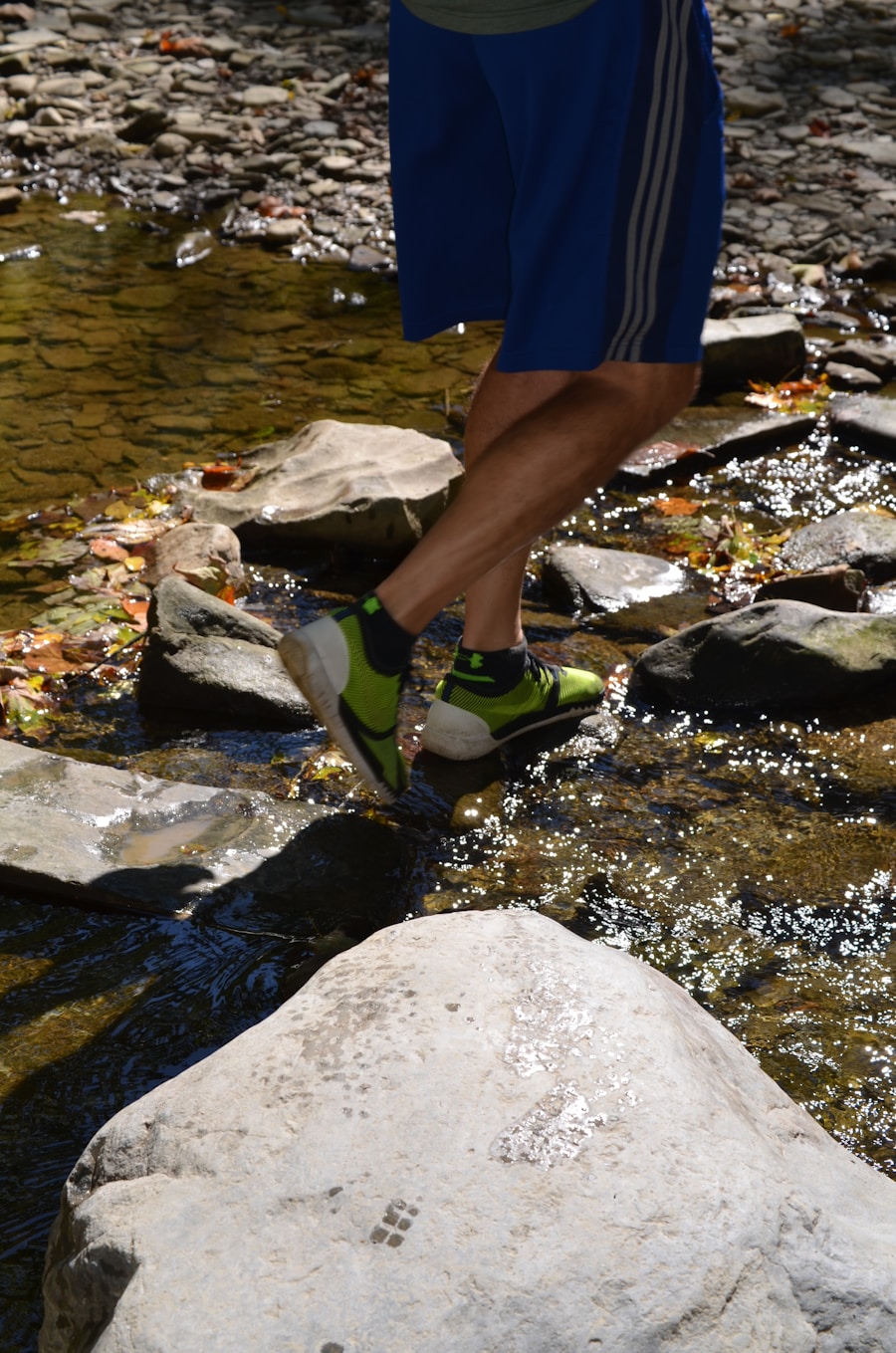
There is another limitation that is easy to miss: a waterproof membrane only protects the area it covers. If you step into water deeper than the shoe collar, water can pour in from the top. REI’s waterproof trail-running guidance points out that once water enters this way, a waterproof liner can hold it inside, while non-waterproof shoes tend to drain and dry more quickly.
Note: Waterproof footwear is not automatically heavier or more expensive in every case. Weight and price depend on the exact shoe. Compare the waterproof and non-waterproof versions of the models you are considering rather than assuming the trade-off is identical across brands.
Considerations Before Investing in Waterproof Hiking Shoes
| Waterproofing | Look for a finished shoe that is explicitly sold as waterproof and check the membrane or construction used. GORE-TEX is a branded waterproof-breathable technology, not a numerical waterproof rating. |
| Traction | Match the outsole to the surface. Deep, widely spaced lugs help shed mud; wet, smooth rock can benefit from shallower, more closely spaced lugs that put more rubber in contact with the surface. |
| Support and structure | Choose the amount of underfoot stiffness, cushioning, rock protection, and collar height that suits your terrain and load. More structure may feel more stable, but no shoe can guarantee injury prevention. |
| Breathability | Prioritize ventilation if you hike in warm weather, move fast, or have sweaty feet. Waterproof shoes usually trade some airflow for weather protection. |
| Fit | Try shoes with the socks you will actually hike in. The fit should be secure without pinching, with room to move your toes and enough length to avoid toe impact on descents. |
| Weight and drying | Compare actual model weights and consider what happens after a full soak. A lighter, non-waterproof shoe may be preferable when fast drainage and drying matter more than keeping shallow water out. |
Start with the conditions you hike in most often. If your routes are mainly dry, hot, and well maintained, a waterproof membrane may add warmth you do not need. If you frequently hike through cool rain, mud, wet vegetation, or shallow snow, waterproof footwear becomes much more useful.
Fit is just as important as weather protection. REI recommends hiking footwear that feels snug without being tight and still allows toe movement. Try shoes later in the day when your feet may be slightly swollen, and wear the same sock thickness you expect to use on the trail. Do not automatically size up just because you wear thicker socks; choose the size that fits correctly with those socks.
When Waterproof Hiking Shoes Are Worth It
Choose Waterproof Shoes for Cold, Damp, and Shallow-Water Conditions
Waterproof hiking shoes make the most sense when the outside moisture is likely to stay outside the collar. Good examples include steady rain on cool days, dew-soaked grass, muddy trails, slushy shoulder-season conditions, and shallow puddles or stream edges.
They can also be useful in snow when the shoe or boot has enough height for the conditions. In deeper snow, pairing waterproof footwear with gaiters can help reduce snow entering around the collar.
Choose Non-Waterproof Shoes for Heat or Repeated Deep Crossings
Breathable non-waterproof shoes are often the better choice for hot, dry weather and high-output hiking. They are also worth considering when you know your feet will become fully submerged during repeated stream crossings. In that situation, drainage and drying speed can matter more than a membrane that keeps shallow water out.
Warning: Waterproof hiking shoes are not a substitute for cold-weather planning. In cold, wet conditions, carry appropriate layers and dry socks, and turn back or seek shelter if you cannot stay warm and dry.
Types of Waterproof Hiking Shoes
Waterproof hiking footwear comes in several styles. The best type depends on how much structure, protection, and flexibility you want.
Low-Cut Waterproof Hiking Shoes
Low-cut hiking shoes sit around or below the ankle. They are usually lighter and more flexible than traditional boots and work well for day hikes, maintained trails, and hikers who prefer a sneaker-like feel. Their low collar is also their main waterproofing limit: deep puddles and stream crossings can send water over the top.
Mid- and High-Cut Waterproof Hiking Boots
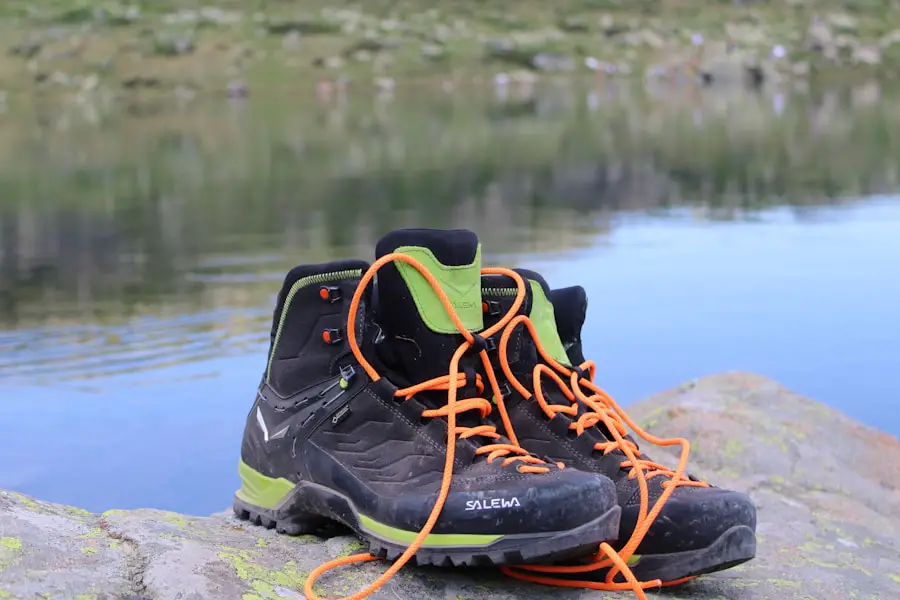
Mid- and high-cut boots provide more coverage around the ankle and are commonly built with stiffer midsoles, tougher uppers, and more underfoot structure. They can be a good match for rough terrain, colder weather, or heavier loads, although the exact support depends on the boot’s construction rather than collar height alone.
Waterproof Trail-Running Shoes and Hybrid Models
Waterproof trail runners are designed for hikers and runners who want low weight and a flexible ride with added weather protection. They can work well in cold, damp conditions, but the combination of a low collar and waterproof liner is less useful when water is likely to pour in from above. Hybrid hiking shoes sit between trail runners and boots, mixing lighter construction with more protection and structure.
How to Choose the Right Waterproof Hiking Shoes
Use the following steps to narrow down the right pair:
- Start with climate and terrain. Decide whether your normal hikes are cold and wet, hot and dry, muddy, rocky, snowy, or full of water crossings.
- Choose the footwear category. Pick a low hiking shoe, trail runner, mid boot, or higher boot based on the protection, flexibility, and load support you need.
- Match the outsole to the trail. Deep, widely spaced lugs are useful in mud. Wet, smooth rock needs good rubber contact and an outsole pattern designed for slick surfaces, not simply the deepest lugs available.
- Check the waterproof construction. Look for a clearly identified waterproof membrane or construction. GORE-TEX and eVent footwear technology are examples, but the fit and construction of the finished shoe still matter.
- Try the shoes with hiking socks. Your heel should feel secure, your toes should not hit the front on a downhill slope, and you should not feel pinching or rubbing.
- Walk in both shoes before buying. Check for heel lift, pressure points, toe crowding, and rubbing. A technically impressive waterproof shoe is still the wrong choice if it does not fit your feet.
Pro Tip: Try hiking footwear near the end of the day and wear your normal hiking socks. Feet can swell with activity, so a pair that feels barely large enough in the morning may feel cramped several hours into a hike.
Maintaining Waterproof Hiking Shoes
Proper care helps the upper, membrane, outsole, and water-repellent finish perform as intended. Always start with the footwear manufacturer’s instructions because leather, synthetic mesh, adhesives, and waterproof systems can require different care.
For GORE-TEX footwear, the brand’s current footwear-care instructions recommend removing loose dirt, brushing the exterior, cleaning with lukewarm water and a small amount of liquid detergent, and drying naturally at moderate temperatures. Gore advises against bleach and machine washing.
When water stops beading on the outer material, a compatible durable water-repellent treatment may help restore surface repellency. For GORE-TEX footwear, Gore recommends a water-based restorative and specifically warns against waterproofing waxes or greases because they can affect breathability. Leather footwear may have different care requirements, so follow the shoe maker’s directions.
Warning: Do not dry waterproof hiking shoes next to a fire, heater, or other strong direct heat source. High heat can damage footwear materials, adhesives, or protective finishes. Air-dry them at moderate temperatures unless the manufacturer says otherwise.
Inspect the shoes as they age. Worn outsole lugs reduce traction, damaged uppers can expose the waterproof layer, and leaks can develop if the membrane or seams are damaged. If a shoe begins leaking despite proper cleaning and care, check the manufacturer’s warranty or repair guidance before applying an aggressive treatment that could reduce breathability.
What to Do If Waterproof Hiking Shoes Get Wet Inside
If water enters over the collar, deal with it early instead of hiking for hours in saturated socks. When safe to stop, remove the shoes and insoles, drain any standing water, wring out or replace wet socks, and let the footwear air out. On multi-day trips, carrying a dry pair of socks in a waterproof bag gives you a simple backup.
Gaiters can help in wet brush, mud, or snow by covering the gap around the collar, but they do not turn a low-cut shoe into a sealed boot. For crossings deep enough to submerge the collar, choose a crossing strategy based on water depth, current, temperature, and trail guidance rather than assuming waterproof shoes will keep your feet dry.
Is Investing in Waterproof Hiking Shoes Worth It?
For many hikers, yes—but only when the conditions justify the trade-off. Waterproof hiking shoes are worth the extra weather protection if you regularly hike in cool rain, mud, wet vegetation, slush, or light snow. They can keep outside moisture from soaking through the upper and help your socks stay drier during shallow exposure.
They are less compelling for hot, dry trails or trips where your feet will repeatedly be submerged above the collar. In those conditions, breathable non-waterproof footwear can be cooler and can drain and dry faster after a soak.
A simple decision rule is to ask what is more likely to make your feet wet: outside water entering through the upper or sweat and water entering over the collar. If outside rain and wet vegetation are the bigger problem, waterproof shoes can be a strong choice. If heat, sweat, and full immersion are the bigger problems, non-waterproof shoes may serve you better.
If you are considering waterproof hiking shoes for a trip to Iceland, you may also want to read this seasonal guide to the best time to travel to Iceland. Weather and trail conditions vary by season, so your footwear choice should match the conditions you expect during your visit.
Frequently Asked Questions
What are waterproof hiking shoes?
Waterproof hiking shoes are trail footwear built with a waterproof membrane, sealed construction, water-resistant materials, or a combination of these features to reduce water entering through the upper. Many models use waterproof-breathable systems that block liquid water while allowing some moisture vapor to escape.
Why should I consider getting waterproof hiking shoes?
They are useful when you regularly hike through cool rain, mud, wet grass, shallow puddles, slush, or light snow. Keeping outside moisture from soaking through the upper can improve comfort and help socks stay drier.
Are waterproof hiking shoes necessary for all hiking trips?
No. For hot, dry weather, many hikers prefer breathable non-waterproof shoes. They can also be a better choice for repeated deep-water crossings because they tend to drain and dry faster after becoming fully soaked.
What are the drawbacks of waterproof hiking shoes?
The main drawbacks are reduced ventilation and slower drainage or drying when water gets inside from above the collar. Some waterproof versions also cost or weigh more than their non-waterproof counterparts, although that varies by model.
How do I choose the right waterproof hiking shoes?
Match the shoe to your climate, terrain, and load, then focus on fit. Check outsole design, underfoot structure, breathability, collar height, and the waterproof construction. Try the shoes with your normal hiking socks and make sure your toes have room without allowing excessive heel movement.
Are GORE-TEX hiking shoes completely waterproof?
GORE-TEX footwear is designed to provide durable waterproof protection through the membrane and footwear construction. However, water can still enter through the open collar if you step into water that is deeper than the shoe or boot, and physical damage can eventually cause leaks.
Do waterproof hiking shoes make your feet sweat more?
They can feel warmer because waterproof barriers reduce airflow compared with many non-waterproof uppers. Modern membranes are breathable, but hikers who run hot or sweat heavily may still prefer non-waterproof footwear in warm conditions.
Sources
- REI Co-op: How to Choose Hiking Boots and Shoes — footwear types, fit, support, outsole lug patterns, terrain, and waterproofing trade-offs.
- REI Co-op: Should I Get Waterproof Trail-Running Shoes? — warmth, ventilation, drainage, deep-water limitations, and when waterproof footwear makes sense.
- GORE-TEX: Footwear Technology — waterproof and breathable membrane performance.
- GORE-TEX: Footwear Care Instructions — cleaning, drying, and water-repellent treatment guidance.
- CDC: Preventing Hypothermia — cold exposure, wet conditions, and hypothermia risk.
- PubMed: The Influence of Sock Composition on the Appearance of Foot Blisters in Hikers — evidence linking wet socks with greater blister risk.