
Last Updated on July 27, 2026 by Daniel Globe
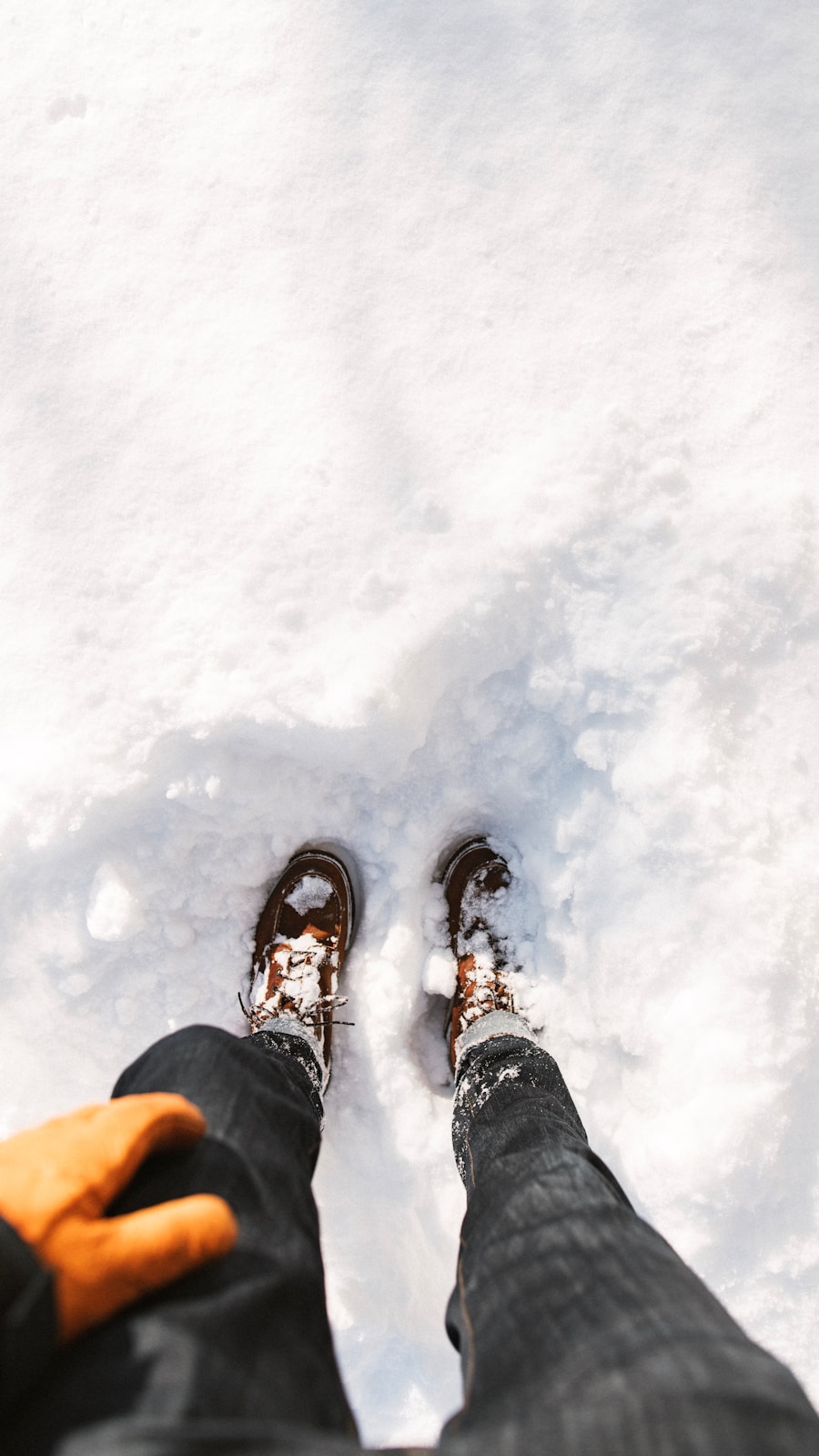
Hiking shoes can work well in snow, but only when the footwear matches the conditions. Waterproof hiking shoes with good tread are often enough for short hikes on light or packed snow. Deep snow, very cold weather, hard ice, and technical winter terrain usually call for additional protection such as insulated hiking boots, gaiters, snowshoes, or over-the-shoe traction.
Quick Answer
Yes, hiking shoes can be good for snow when they are waterproof, fit securely with warm socks, and have dependable traction. They work best on shallow or packed snow. For deep snow, very cold temperatures, or icy trails, insulated winter hiking boots, gaiters, snowshoes, or over-shoe traction devices are usually safer choices.
Key Takeaways
- Waterproof hiking shoes can handle light and packed snow, but waterproofing alone does not make a shoe warm enough for severe cold.
- For hard-packed snow or ice, carry a compatible over-the-shoe traction device. For soft, deep snow, snowshoes may be more useful.
- Low-cut shoes are more likely to let snow enter around the ankle, so gaiters become especially useful.
- Warm socks should fit without squeezing your feet. Overly tight footwear can reduce circulation and make feet colder.
- For prolonged cold, deep snow, or demanding winter terrain, an insulated winter hiking boot is usually a better choice than a lightweight hiking shoe.
Disclosure: As an Amazon Associate I earn from qualifying purchases. Some links on this page are affiliate links, at no extra cost to you.
Are Hiking Shoes Good for Different Snow Conditions?
The answer depends more on the trail than on the word “snow.” A dusting of snow over a maintained trail is very different from knee-deep powder or a steep path covered in solid ice.
| Trail Condition | Best Footwear Approach | Why |
| Light or shallow snow | Waterproof hiking shoes or boots | Good waterproofing and tread may be enough if the trail is not icy and temperatures are moderate. |
| Hard-packed snow or ice | Waterproof footwear plus compatible traction devices | Ordinary rubber tread can lose grip on smooth ice. The National Park Service recommends traction devices for hard-packed snow and ice. |
| Soft, deep snow | Winter hiking boots with gaiters; snowshoes when needed | Higher footwear helps keep snow out, while snowshoes reduce how deeply you sink into soft snow. |
| Wet snow or slush | Waterproof footwear with gaiters | Keeping liquid water and melting snow out is essential for maintaining comfort and warmth. |
| Steep or technical snow and ice | Purpose-built mountaineering footwear and appropriate technical equipment | Ordinary hiking shoes may not provide the stiffness, warmth, or equipment compatibility required for technical terrain. |
A useful winter rule: hard-packed snow and ice often call for added traction, while soft, deeper snow may call for snowshoes.
The National Park Service specifically recommends traction devices for hard-packed snow and ice and notes that snowshoes are more appropriate for soft, deeper snow.
Features of Hiking Shoes for Snow
Winter-ready hiking footwear needs to manage three problems at once: moisture, cold, and slippery ground. The importance of each feature changes with the trail and temperature.
Waterproof Construction
Snow often melts against warm footwear, so a water-resistant upper may not be enough for prolonged exposure. A waterproof membrane can help prevent outside moisture from reaching your socks while still allowing some water vapor to escape.
For example, GORE-TEX footwear technology is designed to provide durable waterproofing and breathability. Other footwear brands use their own waterproof membranes or constructions.
Remember that waterproofing and insulation are separate features. A waterproof hiking shoe can still feel cold if it has little insulation and the temperature drops far enough.
Insulation
Some winter hiking shoes and boots use synthetic insulation to slow heat loss. 3M Thinsulate, for example, uses fine fibers that trap insulating air and is available in footwear-specific constructions.
How much insulation you need depends on the temperature, wind, hike length, activity level, circulation, socks, and your own tolerance for cold. A heavily insulated boot can also become uncomfortable if your feet overheat and sweat during strenuous climbing.
Winter Traction
Aggressive lugs can improve grip in loose snow, mud, and mixed terrain. Some winter outsoles also use compounds engineered for cold or icy surfaces. Vibram Arctic Grip All Terrain, for example, is designed to improve traction on wet ice and mixed winter surfaces.
Note: No outsole makes icy terrain slip-proof. When a trail is covered in hard-packed snow or ice, use an appropriate traction device if conditions and local guidance call for one.
Collar Height and Gaiter Compatibility
Low-cut hiking shoes are light and flexible, but snow can enter around the ankle once the snow becomes deeper than the shoe collar. Mid-height or higher footwear gives you more coverage.
A higher collar should not be treated as a guarantee of ankle protection, however. Fit, sole construction, terrain, and your own stability all matter. For keeping snow out, a well-fitted gaiter can be more important than simply choosing the tallest shoe available.
Pros and Cons of Using Hiking Shoes in Snow
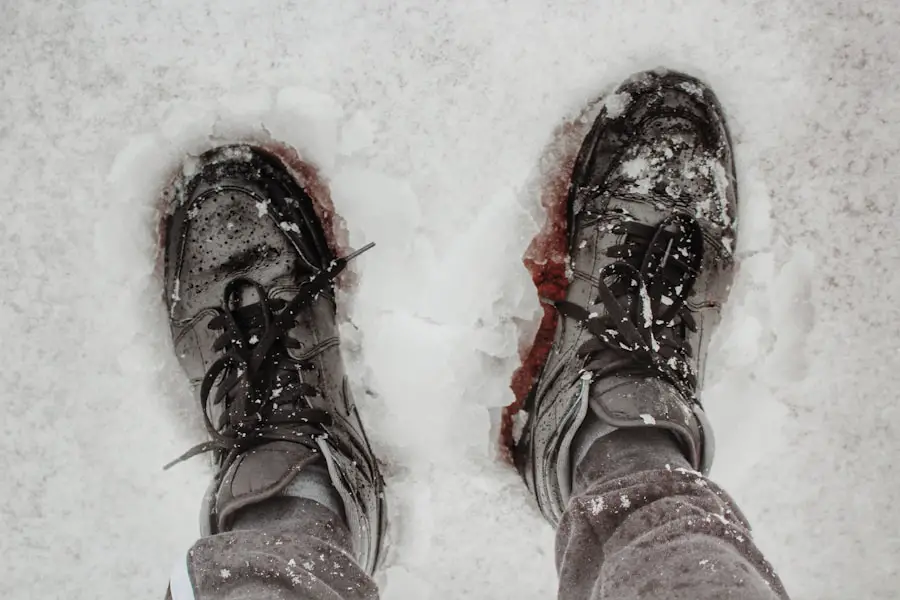
Hiking shoes have a clear advantage when winter conditions are relatively mild. Compared with bulky snow boots, they are often lighter, easier to walk in, and more familiar to hikers who already use them during the rest of the year.
Advantages
- Lower weight: Lightweight footwear can feel less tiring over long distances.
- More natural movement: Hiking shoes are usually more flexible than heavily insulated winter boots.
- Good option for packed trails: Waterproof models can work well where snow is shallow and temperatures are not severe.
- Easy traction-device use: Many over-the-shoe traction devices are designed to fit common hiking shoes and boots.
- Better versatility: A waterproof hiking shoe may remain useful in rain, mud, and shoulder-season conditions as well as snow.
Disadvantages
- Less snow protection: Low collars allow snow to enter more easily.
- Limited insulation: Many standard hiking shoes are waterproof but not insulated.
- Ice still requires care: Even aggressive tread cannot replace spikes or other traction aids when the surface becomes hard and slick.
- Greater exposure in deep snow: Repeatedly postholing through snow can soak the upper and chill the foot.
- Not ideal for technical winter travel: Ordinary hiking shoes may be unsuitable for mountaineering equipment or severe alpine conditions.
Alternatives to Hiking Shoes for Snow
| Alternative | Pros | Cons |
| Snow Boots | Often warm, waterproof, and tall enough to keep out snow | Some models are heavy or designed more for casual wear than long-distance hiking |
| Winter Hiking Boots | Designed for hiking with greater cold and snow protection; insulated versions are available | Heavier, warmer, and usually more expensive than low-cut hiking shoes |
| Trail Running Shoes with Gaiters | Lightweight and flexible for mild weather and packed trails | Usually less insulated and less protective in deep or prolonged snow |
| Snowshoes | Help prevent excessive sinking in soft, deep snow | Require compatible footwear and a different walking technique; unnecessary on many packed trails |
Traditional snow boots can be useful for very cold or deep-snow environments, but not every snow boot is designed for hiking mileage. A purpose-built winter hiking boot generally provides a better balance of walking comfort, weather protection, and trail traction.
Snowshoes are another option when unconsolidated snow is deep enough that ordinary hiking becomes exhausting. They attach over suitable footwear and spread your weight over a larger area so you do not sink as deeply.
For milder winter hikes, waterproof trail-running shoes or lightweight hiking shoes can still work, particularly when combined with gaiters and appropriate traction. They become less attractive as snow depth, exposure time, and cold increase.
Tips for Using Hiking Shoes in Snow
Wear Socks That Fit Without Squeezing Your Feet
Choose wool or synthetic hiking socks that move moisture away from your skin. A liner sock and outer hiking sock can work for some hikers, but only if the combination still leaves enough room inside the shoe.
Do not force several thick sock layers into tight footwear. According to cold-weather guidance from the National Institute for Occupational Safety and Health, tight clothing and footwear can reduce circulation to the extremities.
Pro Tip: Try on winter hiking footwear with the exact socks you intend to wear. Your heel should feel secure, but your toes should still be able to move without pressure from the front, sides, or top of the shoe.
Carry a spare dry pair of socks on longer winter hikes. If your feet become wet from sweat or snow, changing socks can help restore comfort before your feet become dangerously cold.
Use Gaiters When Snow Reaches the Shoe Collar
Gaiters cover the gap between your pants and footwear. They are especially useful with low-cut hiking shoes because they reduce the amount of snow that can fall or brush into the opening.
The National Park Service winter hiking checklist specifically recommends waterproof footwear and gaiters for snow and mud.
Carry the Right Traction
For icy or hard-packed trails, an over-the-shoe traction device can make a major difference in grip. Check the device maker’s sizing and footwear instructions before leaving home, and practice putting it on with gloves if you expect very cold conditions.
Do not assume that a technical mountaineering crampon will fit an ordinary hiking shoe. Crampon binding systems and footwear stiffness vary. Technical snow and ice travel requires equipment that is specifically compatible with the terrain and your footwear.
Choosing the Right Hiking Shoes for Snow
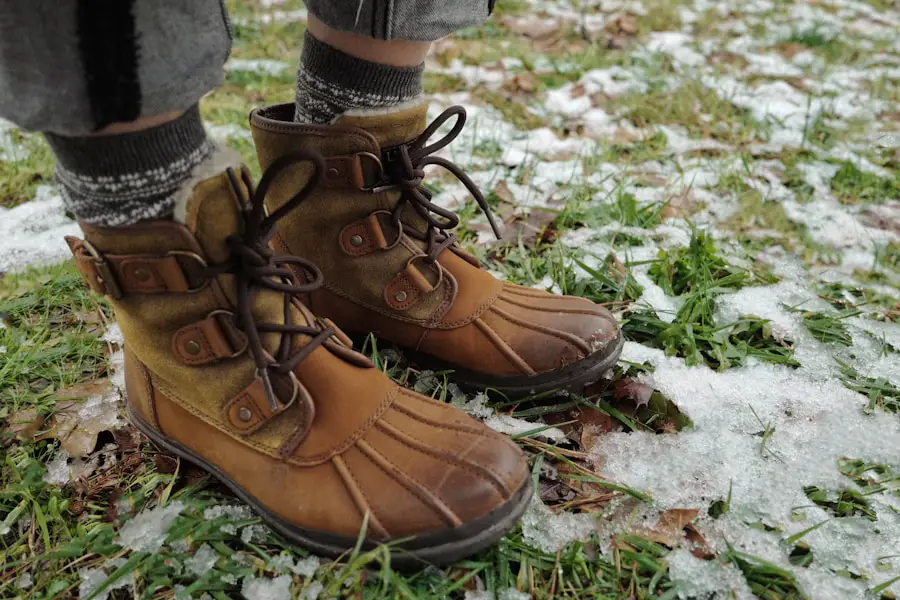
Start with the conditions you actually expect rather than buying the warmest or heaviest footwear available.
1. Get the Fit Right
Your heel should remain secure while walking, and your toes should have room to move. Winter socks must not make the shoe feel cramped. Remember that feet can swell during a long hike.
2. Decide Whether You Need Insulation
For short hikes in moderate winter temperatures, waterproof footwear paired with suitable socks may be enough. For prolonged cold or hikers whose feet chill quickly, insulated footwear provides an extra margin of warmth.
Do not choose insulation based only on a marketing number. Weather, wind, moisture, activity level, sock choice, circulation, and individual cold tolerance all change how warm a boot feels in real use.
3. Check Waterproofing
Look for a waterproof construction if you expect wet snow, slush, stream crossings, or repeated contact with melting snow. Inspect the tongue area as well; a gusseted tongue can help reduce water and snow entry.
4. Examine the Outsole
Deep, well-spaced lugs can help in loose snow, while winter-oriented rubber compounds may improve grip on cold or icy surfaces. Still, treat the outsole as your first layer of traction—not your only defense against ice.
5. Consider Snow Depth
Low-cut hiking shoes make sense when snow is shallow. Once the snow regularly reaches above the collar, a mid-height or higher boot with gaiters becomes much more practical.
6. Check Equipment Compatibility
If you plan to use gaiters, snowshoes, or traction devices, make sure they fit the footwear securely before your trip. Do not discover on the trail that a binding presses painfully on your foot or that a traction device slips off the heel.
Winter Hiking Safety Goes Beyond Footwear
The best hiking shoes cannot make a winter trail safe by themselves. Snow can hide trail markers, rocks, drop-offs, streams, and sections of ice. Weather and visibility can also change rapidly.
Before leaving, check the weather and current trail conditions, tell someone where you are going, and be prepared to turn around. The National Park Service also advises winter hikers to carry navigation equipment and to check avalanche information when traveling in areas where avalanche hazards may exist.
Warning: Numb toes, unusually pale or waxy skin, loss of feeling, or worsening pain in extreme cold can signal a cold injury. The CDC advises seeking medical care for suspected frostbite. Do not continue a hike simply because you are close to the destination.
In avalanche terrain, footwear choice is only a small part of the problem. Current NPS avalanche guidance recommends appropriate education, experience, forecasting information, and rescue equipment for people traveling in avalanche terrain.
Maintaining Hiking Shoes for Snow
Winter footwear lasts longer when salt, grit, mud, and moisture are removed after each outing.
- Brush off dirt and salt. Use a soft brush or damp cloth once heavy mud has been removed.
- Remove the insoles. Let them dry separately when the inside of the shoe is damp.
- Air-dry at room temperature. Avoid placing footwear directly against radiators, heaters, fires, or other intense heat sources that can damage adhesives and materials.
- Check the upper and sole. Look for cracks, separation, worn tread, damaged lace hardware, or leaks.
- Clean waterproof footwear according to the manufacturer. Dirt and oils can reduce performance, and some materials require specific cleaners or treatments.
- Dry before storage. Storing damp footwear can promote odor and material deterioration.
Also inspect any gaiters, traction devices, or snowshoe bindings you use with the shoes. Worn chains, points, straps, or elastomers can create a failure at exactly the time you need reliable traction.
Are Hiking Shoes Good for Snow? The Verdict
Hiking shoes get a qualified yes for snow. Waterproof hiking shoes with good tread can be an excellent lightweight option for shallow snow, packed winter trails, and moderate temperatures. Add gaiters when snow can enter around the collar and carry traction when ice is possible.
They become a poorer choice as conditions get colder, deeper, wetter, or more technical. Insulated winter hiking boots are usually more comfortable for prolonged cold and deep snow, while hard-packed ice may require over-the-shoe traction. Soft, deep snow may call for snowshoes.
The safest choice is not the shoe with the longest feature list. It is the footwear system that fits properly, stays dry, provides enough warmth for the conditions, and works with the traction or flotation equipment the trail requires.
If you are planning a winter hiking trip, footwear is only part of staying warm outdoors. The existing guide to the best sleeping bag for backpacking travel can also help when choosing cold-weather camping equipment.
Love travel? Join Our Facebook Community For More Tips.
Frequently Asked Questions
What are hiking shoes?
Hiking shoes are outdoor footwear designed for trail walking and hiking. They are usually lower-cut and lighter than traditional hiking boots while providing a protective outsole, tread, heel hold, and underfoot support for uneven terrain.
Are hiking shoes good for snow?
Yes, waterproof hiking shoes can work well in shallow or packed snow when temperatures are moderate. For deep snow, prolonged cold, or very icy conditions, insulated boots, gaiters, traction devices, or snowshoes may be more appropriate.
What features should hiking shoes have for snow?
Look for reliable waterproofing, a grippy outsole, enough room for winter socks, and a secure heel fit. Insulation is useful in colder conditions. A gaiter-compatible design and compatibility with your preferred traction devices can also make winter hiking easier.
Can hiking shoes be used for snowshoeing?
They can, provided the snowshoe binding fits securely and the footwear supplies enough waterproofing and warmth for the conditions. In deep or very cold snow, insulated hiking boots are often more comfortable. Gaiters can also help keep snow away from the shoe opening.
Are there specific hiking shoes for winter conditions?
Yes. Some footwear is built specifically for winter hiking and may combine waterproof membranes, synthetic insulation, higher collars, and cold-weather outsole compounds. Technologies such as 3M Thinsulate, GORE-TEX footwear laminates, and Vibram Arctic Grip appear in some winter models, although features vary by shoe.
Do I need microspikes or another traction device in snow?
Not for every snowy trail. Over-the-shoe traction becomes particularly valuable on hard-packed snow and ice. Soft, deep snow may call for snowshoes instead. Check trail conditions and make sure any traction device is designed to fit your footwear.
Should I wear two pairs of socks for winter hiking?
Only when the combination fits comfortably. A liner sock with a wool or synthetic hiking sock can work, but adding too much thickness can make footwear tight and reduce circulation. One properly fitted warm hiking sock is better than several layers that squeeze your feet.
Sources
- U.S. National Park Service — Winter Hiking Tips — winter footwear, gaiters, route planning, traction, weather, and avalanche awareness.
- U.S. National Park Service — Hiking with Traction Devices — traction for hard-packed snow and ice and snowshoe guidance for deeper snow.
- Centers for Disease Control and Prevention — Preventing Frostbite — frostbite risks, symptoms, and response guidance.
- 3M — Thinsulate Insulation — manufacturer information on Thinsulate insulation and footwear applications.
- GORE-TEX — Footwear Technology — manufacturer information on waterproof and breathable footwear technology.
- Vibram — Arctic Grip All Terrain — manufacturer information on winter-oriented outsole traction technology.
