Last Updated on September 10, 2026 by Daniel Globe
Sorel is best known for winter-ready footwear that blends weather protection, rugged construction, and everyday style. The brand was founded in 1962, and many of its best-known boots are still designed primarily for snow, cold, and wet conditions. That does not mean every Sorel boot is a hiking boot, though. Whether a pair works well on the trail depends on the specific model, weather, distance, and terrain.
Quick Answer
Sorel boots can be good for hiking when the hike is short, cold, wet, or snowy and the specific model fits the terrain. Classic insulated models such as the Caribou are winter boots first, not technical hiking boots. For longer, steeper, or warmer hikes, choose footwear designed specifically for hiking.
Key Takeaways
- Classic Sorel models such as the Caribou and Glacier XT are primarily winter boots, so they make the most sense for cold, snowy outings rather than long technical hikes.
- Some newer Sorel models are more trail-friendly. The Daystorm Horizon GTX, for example, combines waterproof GORE-TEX construction, hiker hardware, and a Vibram outsole.
- Waterproofing, insulation, cushioning, and outsole design vary by model. Do not assume every Sorel boot has the same features.
- For hard-packed snow or ice, a winter boot’s tread may not be enough. Carry appropriate traction devices when conditions require them.
- For long backpacking trips, steep or rocky routes, and warm-weather hikes, purpose-built hiking footwear will usually be the better choice.
Disclosure: As an Amazon Associate I earn from qualifying purchases. Some links on this page are affiliate links, at no extra cost to you.
Features of Sorel Boots
Sorel boots do not all use the same construction, so it is better to compare individual models than to treat the brand as one type of footwear. The current Sorel men’s boot range, for example, includes waterproof, winter, and casual designs with different levels of insulation, cushioning, and trail-oriented hardware.
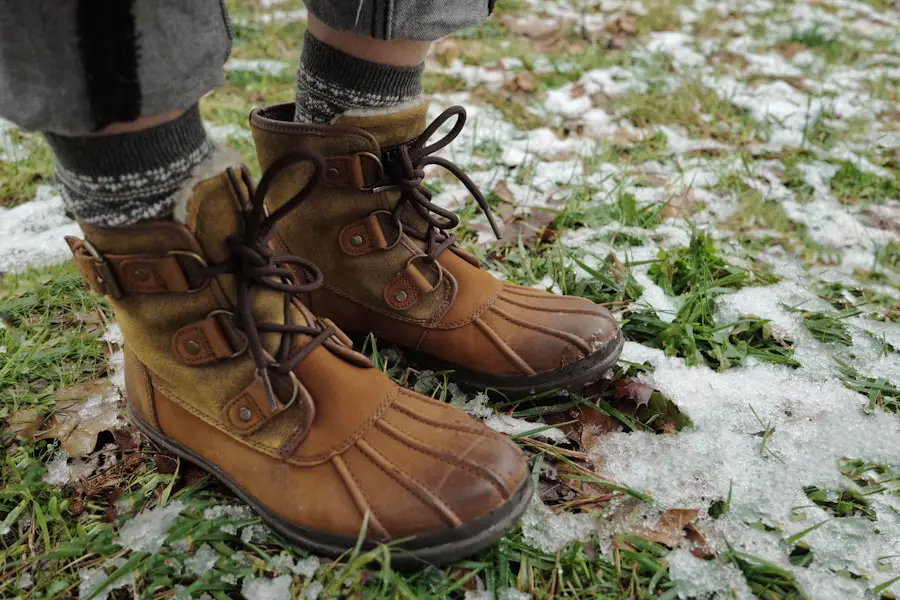
The classic Caribou Men’s Winter Boot uses waterproof construction, a removable 9 mm liner, a rubber midsole, and molded-rubber outsole. SOREL lists its intended use as heavy snow. That combination is useful when warmth and winter protection matter more than low weight or hiking-specific flexibility.
By comparison, the Daystorm Horizon GTX has GORE-TEX waterproof construction, hiker hardware, an Ortholite footbed, and a Vibram outsole. SOREL specifically describes that outsole as suitable across surfaces ranging from city streets to rugged trails.
Note: “Waterproof” is a model-specific feature, not a promise that every part of every Sorel boot is waterproof. SOREL notes on several current models that the boot construction is waterproof but the laces themselves are not.
Sorel Boots for Hiking: Durability and Support
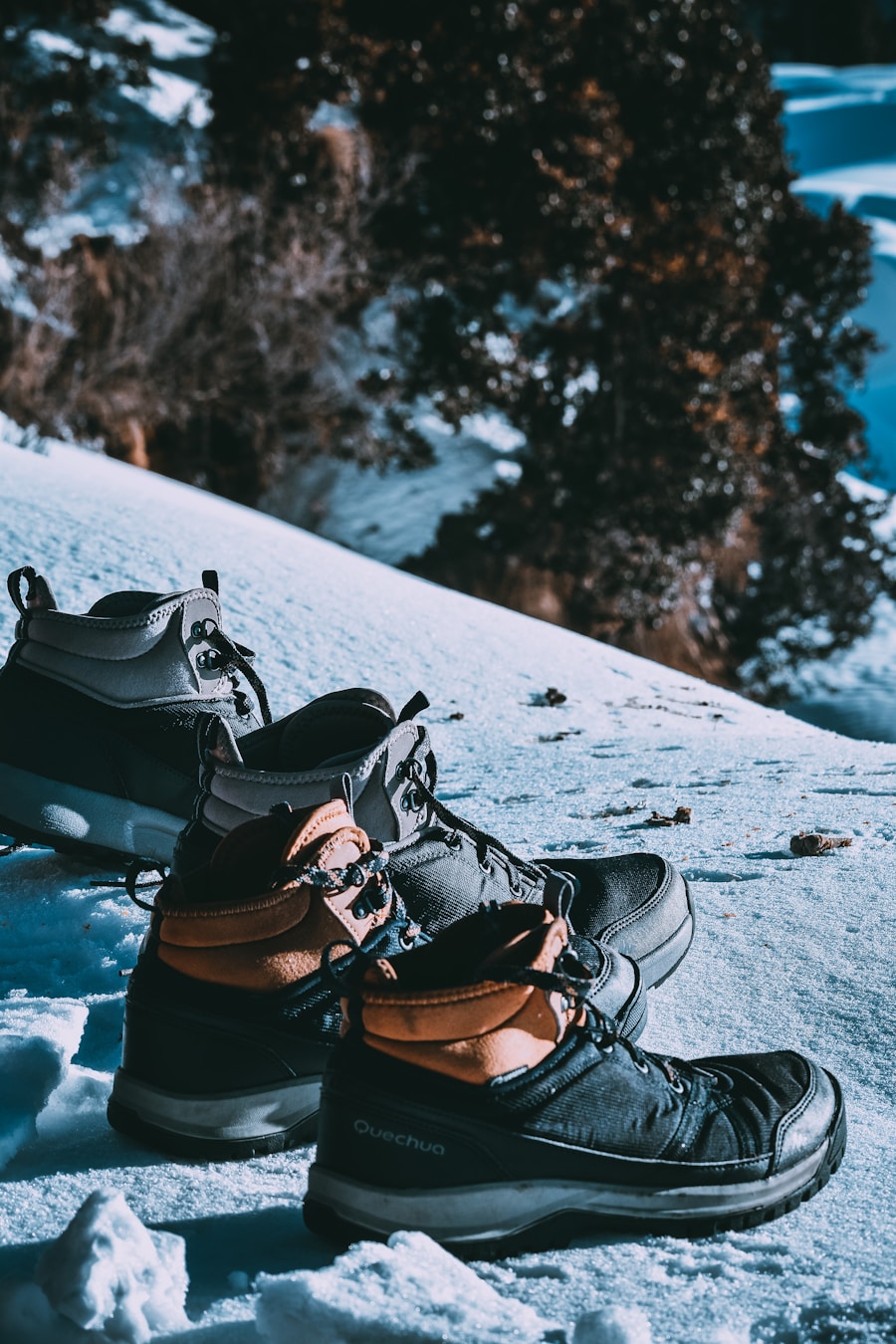
Sorel’s winter boots are built around weather protection and substantial materials, which can be useful on snowy trails, slushy paths, and cold outdoor walks. The rubber shells, leather or textile uppers, and insulated liners used on many winter models can provide more protection from snow and wet ground than an ordinary casual shoe.
That durability comes with tradeoffs. A substantial insulated snow boot can feel heavier and warmer than a purpose-built hiking shoe. On a short winter walk, that may not matter. On a long climb, a fast-paced hike, or a mild-weather trail, extra bulk and insulation may become less comfortable.
Support also varies by model. A higher boot shaft can provide more coverage and may feel secure around the ankle, but height alone should not be treated as protection against hiking injuries. Good fit, an outsole suited to the surface, stable footing, and appropriate footwear for the terrain still matter.
For steep, rocky, or extended backcountry routes, look beyond the fact that a boot appears rugged. A true hiking boot is normally designed around trail-specific concerns such as underfoot stability, predictable flex, secure heel hold, sustained walking comfort, and traction appropriate to the intended terrain.
Sorel Boots for Hiking: Traction and Grip
| Sorel Model | Current Outsole / Construction | Best Hiking Use |
| Daystorm Horizon GTX | Vibram outsole, hiker hardware, GORE-TEX waterproof construction | The most trail-oriented option here; suitable for mixed surfaces and moderate rugged trails when the fit and conditions are appropriate |
| Caribou | Molded-rubber outsole with insulated, waterproof winter-boot construction | Snowy walks, winter trails, and short cold-weather outings where warmth is the priority |
| Glacier XT Women’s Winter Boot | Molded-rubber outsole with a removable 13 mm ThermoPlus felt inner boot | Very cold and snowy conditions rather than long technical hiking |
Traction should always be judged against the actual surface. A rubber outsole that performs well in loose snow or on wet pavement is not automatically safe on polished ice, steep frozen slopes, loose scree, or wet rock.
The current Daystorm Horizon GTX is notable because SOREL pairs it with a Vibram outsole and specifically references rugged trails in its product description. The Caribou, by contrast, is categorized for heavy snow. The current Glacier XT Women’s Winter Boot is also explicitly winter-focused and uses a molded-rubber outsole rather than being presented as a technical hiking boot.
Warning: Do not rely on boot tread alone on hard-packed snow or ice. The National Park Service recommends traction devices for these conditions. Use traction that is compatible with your footwear and appropriate for the route.
A waterproof winter boot with a rugged outsole can improve comfort and grip, but it does not replace dedicated traction when the trail turns icy.
Sorel Boots for Hiking: Waterproofing and Insulation
Waterproofing is one of the strongest reasons to consider certain Sorel boots for cold-weather outdoor use. Models such as the Caribou use waterproof materials and waterproof construction, while the Daystorm Horizon GTX uses a GORE-TEX waterproof system.
However, water can still enter a boot from above, especially in deep snow, stream crossings, or heavy rain. SOREL also states on current product pages that laces incorporated into many of its waterproof boots are not themselves waterproof. Gaiters can be useful when keeping snow and debris out of the top of a boot is important.
Insulation also needs to match the activity. A heavily insulated boot can be helpful when temperatures are low or when you will spend time standing in snow. During continuous hiking, however, your feet produce more heat. An extremely warm winter boot may therefore be less appealing on mild days or strenuous routes.
The current Glacier XT demonstrates the cold-weather end of the range. It combines waterproof materials with a removable 13 mm ThermoPlus felt inner boot and reflective lining. The Caribou uses a removable 9 mm liner. Those are useful winter features, but neither specification automatically makes the boot ideal for long-distance backpacking.
Sorel Boots for Hiking: Comfort and Fit
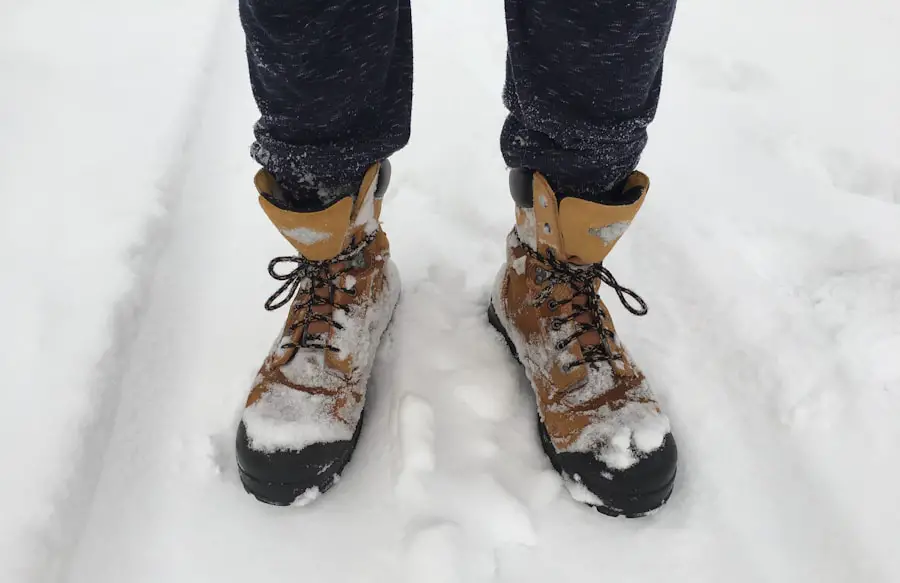
Fit matters more than the brand name. A boot that is too loose can allow heel movement, while a boot that is too short or narrow can become painful as your feet swell during a hike. Try the boots with the same thickness of socks you plan to wear outdoors and make sure your toes are not being pushed against the front on descents.
Fit can also differ between Sorel models. SOREL currently notes that the Caribou runs a little large because of its roomy liner and advises shoppers to consider sizing down. That advice should not automatically be applied to every Sorel boot.
Pro Tip: Before taking new boots on a full-day hike, wear them on shorter walks with your intended hiking socks. Test them on inclines and descents so you can catch heel slip, toe pressure, rubbing, or excessive warmth before committing to a longer route.
Also consider the midsole and footbed rather than focusing only on soft lining. The Daystorm Horizon GTX uses an Ortholite footbed, while Glacier XT uses an EVA footbed. Different constructions will feel very different over several hours of walking.
Sorel Boots for Hiking: Style and Versatility
Sorel has long combined functional winter construction with fashion-oriented design. That versatility is one reason the boots appeal to people who want footwear that can move between snowy sidewalks, travel, casual winter wear, and outdoor recreation.
For some buyers, that crossover is a major advantage. A pair of Sorels may handle commuting, snow days, travel, and occasional easy trails without requiring a separate boot for every activity.
The tradeoff is specialization. A boot designed to balance winter protection and everyday style will not necessarily provide the same hiking performance as footwear developed primarily for long trail mileage, backpacking loads, or technical terrain.
When Do Sorel Boots Make Sense for Hiking?
Sorel boots are most convincing on the trail when their winter strengths match the conditions.
- Short snowy hikes: Classic insulated models can work well when warmth and snow protection are the main concerns.
- Cold, wet walking trails: A waterproof Sorel with suitable tread may be practical for maintained paths and moderate terrain.
- Mixed urban and trail use: A trail-oriented model such as the Daystorm Horizon GTX offers a better crossover between everyday use and rugged surfaces.
- Very cold outings: Heavily insulated designs such as Glacier XT prioritize warmth and winter protection.
When a Dedicated Hiking Boot Is the Better Choice
Choose purpose-built hiking footwear when you expect long mileage, steep elevation changes, technical rock, sustained backpacking, hot weather, or terrain where precise footing is especially important. The National Park Service hiking-safety guidance recommends sturdy, rubber-soled hiking footwear suited to dirt and gravel trails.
Dedicated hiking shoes and boots also come in a wider range of weights, stiffness levels, sole patterns, and ventilation options. That makes it easier to match the footwear to the trail rather than asking a winter boot to handle every type of hike.
How to Decide Whether Your Sorel Boots Are Trail-Ready
Before heading out, check the actual pair you own rather than relying on the Sorel name alone:
- Check the intended use: Look at SOREL’s current description for your exact model.
- Inspect the outsole: Make sure the tread is not badly worn and that its design suits the trail surface.
- Match insulation to the weather: Heavy winter insulation can be useful in deep cold but excessive for mild, active hiking.
- Confirm the fit: Test the boot with your hiking socks and make sure the heel, toes, and width remain comfortable while walking downhill and uphill.
- Check waterproof construction: Do not assume every Sorel model is waterproof, and remember that openings and laces may still let moisture in.
- Plan for ice separately: Carry suitable traction devices when hard-packed snow or ice is possible.
- Consider the distance: A boot that feels fine during a one-mile snowy walk may not be the best option for an all-day hike.
Note: Older articles and listings may refer to models such as the Sorel Conquest or 1964 Premium T CVS. SOREL’s lineup changes over time, so check the current product page rather than assuming a legacy model name has the same specifications as today’s footwear.
Are Sorel Boots Good for Hiking?
Yes, some Sorel boots can be good for hiking, but the answer depends heavily on the model and conditions. Classic insulated Sorel boots such as the Caribou are winter boots first. They make the most sense for snow, cold weather, and relatively moderate outings where warmth and waterproof protection are priorities.
Newer models can move closer to true trail footwear. The Daystorm Horizon GTX is a good example because it combines waterproof GORE-TEX construction with hiker hardware and a Vibram outsole intended for varied surfaces, including rugged trails.
That still does not make every Sorel the best choice for every hike. For long-distance hiking, backpacking, technical terrain, or warm conditions, a hiking shoe or hiking boot built specifically for those demands is usually the more appropriate option.
The best approach is to match the footwear to the route. Check the specific Sorel model’s construction, fit, insulation, outsole, and intended use, then compare those features with the weather and terrain you expect to encounter.
If you are putting together gear for a cold-weather outdoor trip, you may also be interested in this guide to a rechargeable hand warmer for travel. Keeping your hands warm can be just as important as choosing appropriate footwear during cold outdoor activities.
Frequently Asked Questions
Are Sorel boots good for hiking?
Some are. Classic insulated models are best suited to cold, snowy hikes and winter walking, while more trail-oriented models such as the Daystorm Horizon GTX are better equipped for mixed and rugged surfaces. For long or technical hikes, dedicated hiking footwear is usually preferable.
What are Sorel boots best suited for?
Many of Sorel’s best-known boots are designed for cold, wet, or snowy weather. The Caribou, for example, is listed by SOREL for heavy snow. Other models are intended for waterproof everyday wear or mixed urban and outdoor use.
Can Sorel boots be used for light hiking?
Yes. A well-fitting Sorel with suitable tread can work for easy or moderate trails, particularly in cold and wet conditions. Check the exact model first because insulation, outsole design, cushioning, and intended use vary considerably across the range.
Are Sorel Caribou boots hiking boots?
The Caribou is better described as a winter boot than a dedicated hiking boot. SOREL lists its use as heavy snow. It can work for snowy walks and some winter trails, but its insulated, substantial construction may be less suitable for long, fast, or warm-weather hikes.
Which Sorel boot is better suited to trails?
Among current models discussed here, the Daystorm Horizon GTX has the clearest trail-oriented features. SOREL specifies GORE-TEX waterproof construction, hiker hardware, an Ortholite footbed, and a Vibram outsole and describes its traction across surfaces including rugged trails.
Are waterproof Sorel boots safe on ice?
Waterproofing does not guarantee ice traction. On hard-packed snow and ice, the National Park Service recommends traction devices that attach to the bottom of appropriate boots. Always match your traction equipment to the conditions and route.
What should I consider when choosing hiking boots?
Consider the terrain, distance, temperature, expected moisture, outsole traction, fit, cushioning, and amount of support you need. Try footwear with your hiking socks and choose a design intended for the conditions you expect rather than relying on appearance alone.
Sources
- SOREL — History — supports the brand’s 1962 founding and its evolution into all-season footwear.
- SOREL — Caribou Men’s Winter Boot — supports current waterproof construction, liner, outsole, fit guidance, and heavy-snow use.
- SOREL — Daystorm Horizon GTX Men’s Boot — supports GORE-TEX construction, hiker hardware, Ortholite footbed, Vibram outsole, and rugged-trail positioning.
- SOREL — Glacier XT Women’s Winter Boot — supports waterproof materials, 13 mm ThermoPlus felt inner boot, EVA footbed, and molded-rubber outsole.
- National Park Service — Hiking With Traction Devices — supports the recommendation to use traction devices on hard-packed snow and ice.
- National Park Service — Hike Smart — supports choosing sturdy footwear appropriate for hiking terrain.