

Last Updated on July 27, 2026 by Daniel Globe
Hiking boots are easy to find, but the best place to buy them depends on whether you value expert fitting help, a large online selection, lower prices, easy returns, or the chance to try gear before committing. Outdoor retailers, specialty hiking shops, sporting goods stores, online sellers, manufacturer websites, rental shops, department stores, and secondhand stores can all be useful options.
Quick Answer
You can find hiking boots at outdoor retailers, specialty hiking shops, sporting goods stores, online retailers, department stores, manufacturer websites, rental shops, and secondhand stores. For first-time buyers, an outdoor or specialty store is often the easiest choice because you can compare models, check the fit, and ask staff for help.
Key Takeaways
- Outdoor and specialty stores are especially useful when you want hands-on fitting help and the chance to compare several boots in person.
- Online retailers usually offer the widest selection, but sizing, return policies, seller authorization, and shipping costs deserve extra attention.
- Sporting goods and department stores can be convenient for basic or budget-focused purchases, although specialized boot-fitting help may vary by location.
- Rental shops are useful when you need gear only occasionally or want to test equipment before buying.
- Secondhand hiking boots can save money, but inspect the tread, sole bond, cushioning, upper, lining, and overall fit carefully.
- Whatever store you choose, prioritize fit over brand name or discount price.
Disclosure: As an Amazon Associate I earn from qualifying purchases. Some links on this page are affiliate links, at no extra cost to you.
Where Can You Find Hiking Boots?
There is no single best place for every shopper. A new hiker may benefit most from an in-person fitting, while an experienced hiker who already knows a preferred model and size may find online shopping faster and easier.
| Shopping Option | Best For | Main Advantage | What to Check |
| Outdoor retailers | Most hikers, especially beginners | Broad selection plus outdoor-focused staff | Local stock, fitting services and returns |
| Online retailers | Experienced shoppers and hard-to-find sizes | Large selection and easy comparison | Return costs, seller reputation and sizing |
| Specialty hiking shops | Technical trails and difficult-to-fit feet | Focused expertise | Brand selection and local pricing |
| Sporting goods stores | Convenience and comparison shopping | Many sports categories under one roof | Depth of hiking-specific expertise |
| Department stores | Casual use and simple day hikes | Convenience and occasional discounts | Traction, fit and intended use |
| Rental shops | Occasional trips and testing gear | No long-term purchase commitment | Availability, condition and sanitation |
| Secondhand shops | Budget shoppers | Lower purchase price | Wear, sole separation, cushioning and fit |
| Manufacturer websites | Brand-specific shoppers | Official specifications and current models | Return window, sizing and warranty terms |
Outdoor Retail Stores
Outdoor retailers are one of the easiest places to start because they bring hiking footwear, backpacks, tents, climbing equipment, camping supplies, and outdoor clothing into one store. REI is a well-known example and also provides classes, events, rentals, used gear, and outdoor advice in addition to retail products.
REI’s current membership program includes an annual Co-op Member Reward that is typically estimated at 10% on eligible purchases, although the amount is not guaranteed and exclusions apply. Shoppers considering membership should review the current terms rather than assuming every purchase earns the same reward. See the REI Co-op Member Reward details.
Physical outdoor stores can also make fitting easier. You can compare widths, lace the boots properly, walk around, and check how the heel and toes behave before buying. Some outdoor stores provide ramps, test rocks, or similar surfaces that make it easier to notice toe contact or heel movement.
Pro Tip: Bring the hiking socks and any orthotics or insoles you normally use. Try boots later in the day when your feet may be slightly larger, and walk both uphill and downhill if the store provides a test ramp.
Online Retailers
Online shopping makes it easy to compare hiking boots across many brands, sizes, widths, materials, and price levels. Amazon and Backcountry remain examples of large online shopping options, while outdoor retailers such as REI and Public Lands also sell gear online.
One important update is that Moosejaw is no longer a standalone shopping destination. Moosejaw and Public Lands were combined, and the former Moosejaw web presence now directs shoppers to Public Lands. The current Public Lands information page explains the transition.
Customer reviews can provide useful clues about sizing, durability, warmth, or break-in time, but reviews should not replace the manufacturer’s specifications or your own fit assessment. A boot that works well for one person’s foot shape may fit another person poorly.
Before ordering online, check:
- Whether your size and width are available.
- Whether returns are free or require return shipping.
- Whether boots must remain unworn to qualify for a return.
- Whether the seller is authorized by the manufacturer when warranty coverage matters.
- Whether the model is designed for the terrain and load you expect to carry.
Note: Price-match policies, sale exclusions, return windows, and warranty rules change. Check the current retailer terms instead of assuming every online seller offers the same protections.
Specialty Hiking and Outdoor Gear Shops
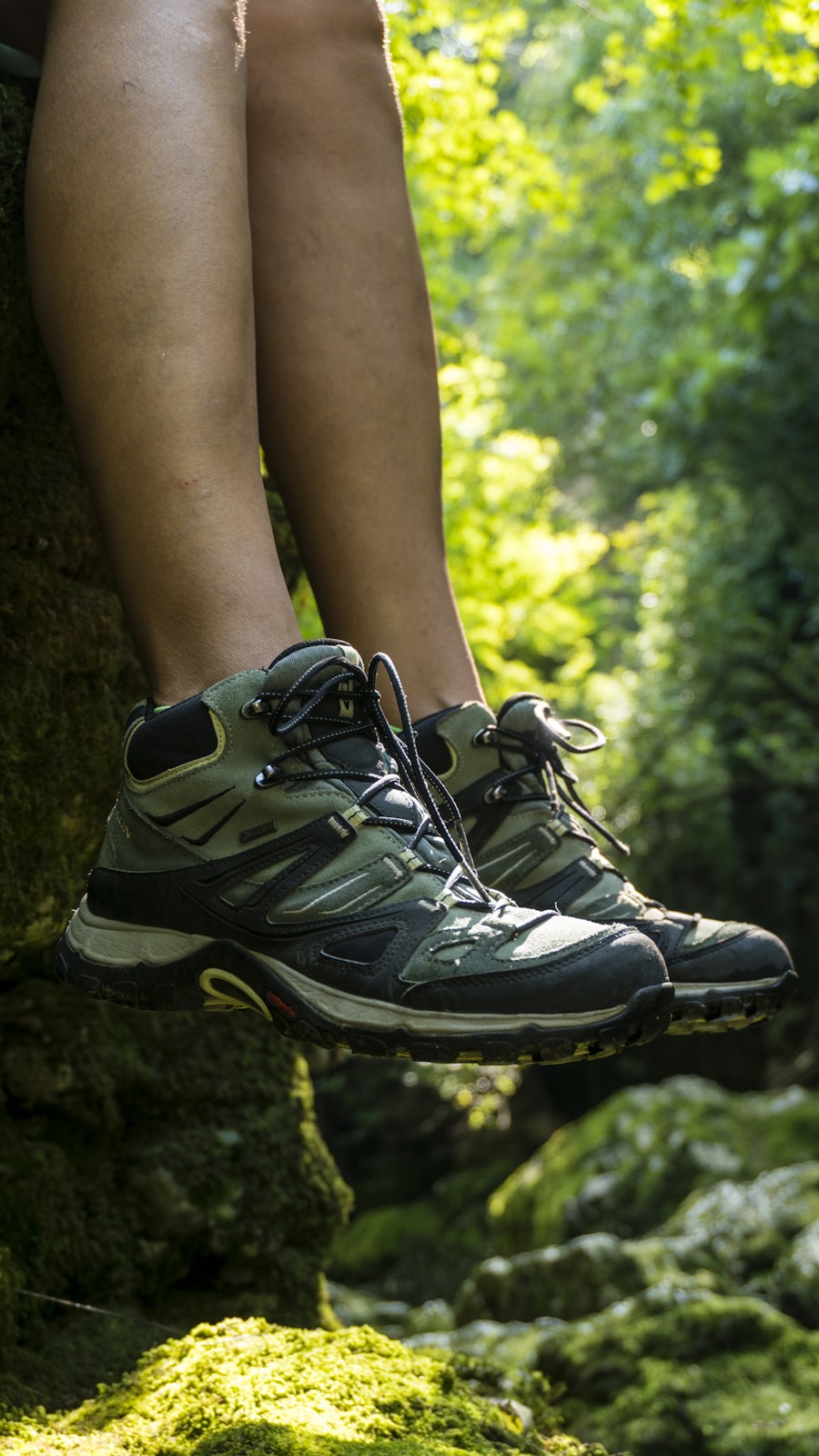
Specialty hiking and outdoor gear shops focus closely on activities such as hiking, backpacking, climbing, kayaking, or mountaineering. Because their inventory is more focused than a general retailer’s, they may carry technical footwear, specialty widths, insoles, trekking equipment, and higher-performance gear that is harder to find elsewhere.
A major advantage is the potential for detailed fitting help. Staff at a strong specialty shop may be familiar with differences in boot volume, heel shape, toe-box width, stiffness, waterproof membranes, and outsole design. They may also understand the terrain and weather common on nearby trails.
Specialty shops frequently support local outdoor communities through workshops, group outings, educational events, or trail information. That local knowledge can be especially useful for a new hiker deciding whether lightweight hiking shoes or more structured boots make sense.
Sporting Goods Stores
Sporting goods stores provide another practical place to find hiking boots. Chains such as DICK’S Sporting Goods and Academy Sports + Outdoors sell products for many sports and recreational activities, often including hiking footwear, camping supplies, outdoor clothing, hydration equipment, and backpacks.
The original version of this article included unsourced 2018–2021 store-count and revenue figures. A better approach is to use clearly defined official data. The latest final U.S. Census figures available during this review provide this industry-level context:
| Metric | Verified Figure | Reference Year |
|---|---|---|
| U.S. sporting-goods employer establishments | 20,373 | 2023 |
| U.S. sporting-goods store sales/revenue | About $58.0 billion | 2023 |
These Census figures describe the broader sporting-goods retail industry; they are not a count of stores that specifically stock hiking boots. See the U.S. Census sporting-goods profile and the Annual Integrated Economic Survey retail statistics.
The main benefit of a sporting goods store is convenience. You may be able to compare hiking boots, socks, clothing, hydration gear, and other equipment during the same visit. The tradeoff is that hiking-specific fitting expertise can vary by location, so shoppers heading into technical terrain should evaluate the footwear itself rather than relying only on the store category.
Department Stores
Department and general-merchandise stores can also carry outdoor clothing, footwear, and basic camping equipment. They may be convenient for casual hikers, families, or shoppers who want to buy several unrelated items in one trip.
The selection is often smaller than what you will find at a dedicated outdoor or specialty retailer. That does not automatically make the footwear unsuitable, but you should check traction, fit, materials, support, water resistance, and intended use carefully.
For short walks on maintained trails, a lighter hiking shoe may be enough. For rocky terrain, steep descents, heavier loads, or longer backpacking trips, a more supportive model may be appropriate.
Hiking and Outdoor Gear Rental Shops
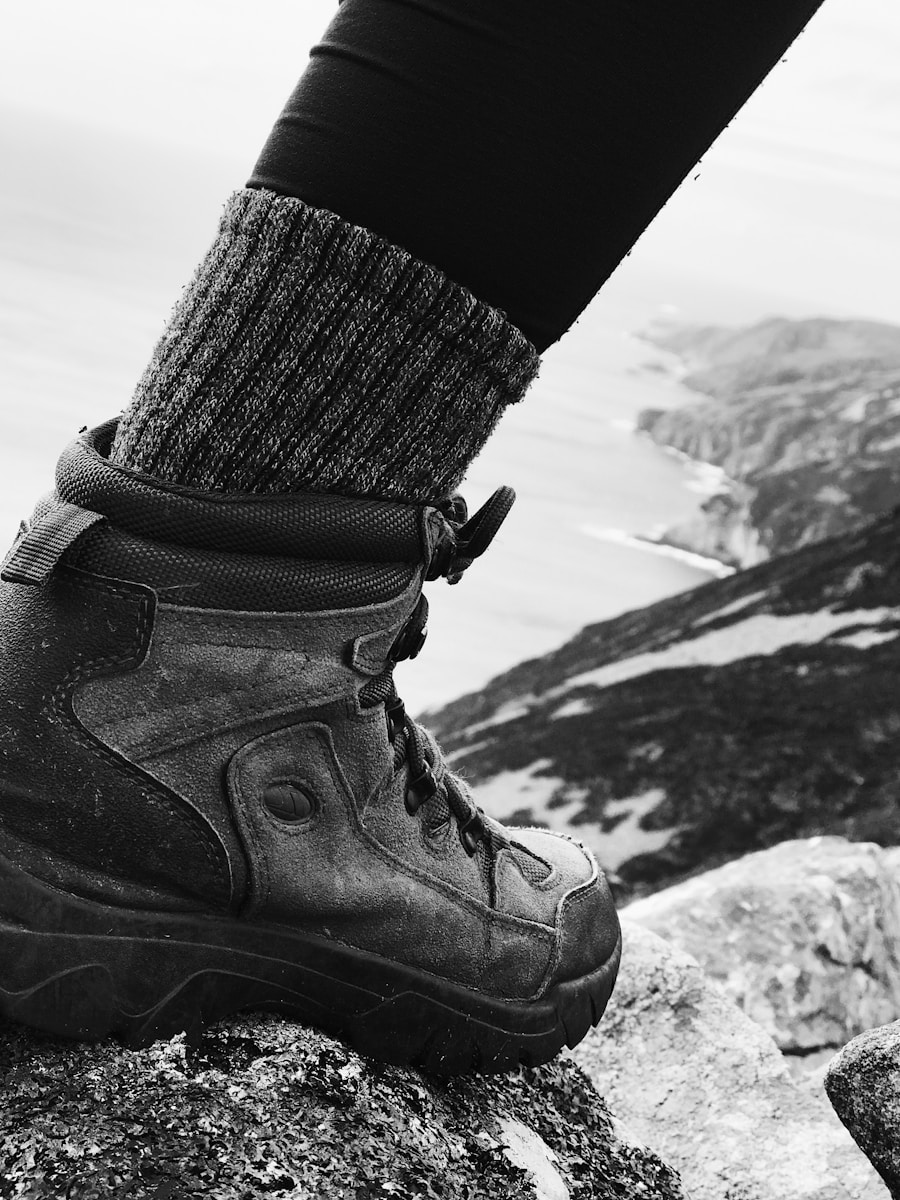
Rental shops can be useful when you are trying an activity for the first time, traveling without your own equipment, or need expensive gear only occasionally. Depending on the outfitter, available equipment may include tents, sleeping bags, backpacks, trekking poles, snowshoes, paddling equipment, climbing equipment, or other outdoor gear.
Some national parks and park concessioners offer particular types of rental equipment, but availability varies widely. Never assume a park will have the gear you need. Check the specific park, concessioner, or gateway outfitter before traveling. The National Park Service, for example, lists authorized rental operators for activities at Buffalo National River.
Renting can also help you learn what you like before buying an expensive backpack, sleep system, snowshoe, or similar item. Hiking boots are more personal because fit changes from one foot to another, so availability and comfort may be more limited than with general camping equipment.
Warning: Inspect rented equipment before leaving the shop and ask how safety-critical gear is inspected and maintained. Do not use damaged equipment or gear that does not fit correctly.
Thrift Stores and Secondhand Shops
Thrift stores, consignment shops, used-gear stores, and secondhand marketplaces can offer hiking boots for much less than their original retail price. Buying used also keeps usable products in circulation longer instead of sending them directly to waste.
Inventory is unpredictable, so patience is often necessary. A thrift store may have an excellent pair in your size one week and nothing suitable the next.
Before buying used hiking boots, inspect:
- Outsole tread: Make sure the lugs still provide useful traction and are not worn smooth.
- Sole bond: Look for separation between the outsole, midsole, and upper.
- Midsole condition: Avoid boots with badly compressed, cracked, brittle, or crumbling cushioning.
- Upper: Check leather, fabric, stitching, eyelets, hooks, and protective rands.
- Interior: Look for torn linings, excessive heel wear, odor, or mold.
- Fit: A bargain is not useful if the boot creates pressure points or lets your foot slide.
A replaceable insole can sometimes freshen a lightly used boot, but it cannot repair a worn outsole, failed midsole, damaged waterproof membrane, or poor fit.
Manufacturer Websites
Buying directly from a footwear manufacturer is useful when you already know which brand you want or need detailed information about a specific model. Current hiking-footwear brands such as Salomon, KEEN, The North Face, Columbia, Merrell, and others publish specifications, size information, material details, care instructions, and model comparisons on their own websites.
Manufacturer sites can also clarify warranty and return requirements. These rules differ by brand. For example, Columbia’s current U.S. footwear warranty states that coverage applies to qualifying products purchased from Columbia or an authorized U.S. seller, subject to its warranty terms. See the Columbia footwear warranty.
Buying direct does not automatically guarantee the lowest price, so compare the total cost, shipping, return terms, and available sizing before ordering.
How to Choose the Best Place to Buy Hiking Boots
Choose In-Store Shopping When Fit Is Uncertain
In-person shopping is especially useful when you are new to hiking boots, have wide or narrow feet, use orthotics, have experienced blisters or toe problems in the past, or are changing to a different style of footwear.
A knowledgeable fitter can measure your feet and help you compare several shapes instead of simply moving up or down one size.
Choose Online Shopping When You Know the Model
Online shopping is convenient when you already know that a particular brand, model, width, and size work for your feet. It is also helpful when your local stores do not carry the model or width you need.
Read the return terms before wearing the boots outdoors. Testing clean boots indoors can reveal pressure points while preserving return eligibility under many retailers’ policies, but each seller sets its own conditions.
Check the Retailer’s Return and Warranty Rules
Hiking-boot fit can feel different after 20 minutes than it does during the first few steps. A reasonable return policy gives you more room to evaluate the boots carefully.
Marketplace shoppers should also identify the actual seller rather than looking only at the platform name. Manufacturer warranty coverage may depend on where the product was purchased.
How to Choose the Right Hiking Boots
The store is only part of the decision. The boots should match your feet and the hiking you plan to do.
Match the Footwear to the Trail
Current hiking footwear ranges from light trail-running shoes and low hiking shoes to mid- and high-cut hiking boots, backpacking boots, and more specialized mountain footwear. There is no universal rule that every hiker needs a high boot.
Consider:
- Terrain: Smooth maintained trails generally require less structure than rocky, loose, steep, or off-trail terrain.
- Trip length: Long trips may increase the importance of cushioning, protection, durability, and fit over many hours.
- Pack load: Heavier loads may lead some hikers to prefer more structured footwear.
- Weather: Waterproof footwear can be useful in sustained wet conditions, while breathable, quick-drying footwear may be preferable in hot or dry environments.
- Experience and preference: Some experienced hikers prefer lighter footwear even on long trips, while others value a more structured boot.
For additional detail, see REI’s guide to choosing hiking boots and shoes and Salomon’s low-, mid-, and high-cut hiking footwear guide.
How Should Hiking Boots Fit?
A hiking boot should feel secure without squeezing your foot. REI’s current fitting guidance recommends room to wiggle your toes and about a thumb’s width between your longest toe and the end of the insole. Your heel should feel secure, and your foot should not slide excessively inside the boot.
Use this fitting routine:
- Try boots later in the day, when feet may be slightly larger.
- Wear the socks you plan to hike in.
- Insert your normal orthotics or replacement insoles, if you use them.
- Lace the boot firmly without cutting off circulation.
- Check that the heel feels secure.
- Wiggle your toes and make sure they are not pressed against the front.
- Walk uphill and downhill if possible.
- Make sure your toes do not hit the front during a descent.
- Reject boots with obvious pressure points, rubbing, pinching, or numbness.
The best hiking boot is not necessarily the most expensive or most supportive model. It is the one that fits your foot properly and matches the terrain, load, and conditions you actually hike in.
How to Care for Hiking Boots
Regular cleaning can help hiking boots last longer. After muddy hikes, remove loose dirt with a soft brush and clean the upper with a product suitable for the boot material. Remove the insoles when necessary and let the boots air-dry at normal room temperature.
Avoid drying wet hiking boots beside a fire, radiator, heater, or other strong heat source because excessive heat can damage leather and weaken adhesives. REI’s current hiking-boot care guidance recommends air-drying and using material-compatible cleaners.
Waterproofing treatments should also match the material. New waterproof boots are generally factory treated, so additional treatment is normally needed only after the exterior stops shedding water effectively or when the manufacturer recommends it.
If you’re planning a hiking trip or shopping for an outdoors-focused present, you can also browse this existing article on travel gifts for women for broader gift ideas.
Frequently Asked Questions
What are hiking boots?
Hiking boots are footwear designed for walking on trails and outdoor terrain. Depending on the model, they may provide features such as a durable outsole, protective toe area, structured upper, cushioning, water resistance, or additional support for rough terrain and heavier loads.
Where can I find hiking boots?
You can find hiking boots at outdoor retailers, specialty hiking shops, sporting goods stores, some department stores, online retailers, manufacturer websites, secondhand stores, and occasionally rental outfitters. Outdoor and specialty stores are especially useful when you want fitting help.
What should I look for when buying hiking boots?
Start with fit, then consider the terrain, trip length, pack weight, traction, cushioning, durability, breathability, and whether you need waterproofing. The boot should be appropriate for your hikes rather than simply being the heaviest or most expensive option.
How do I know if hiking boots fit properly?
They should feel snug and secure without painful pressure. Your toes should have room to move, the heel should remain secure with minimal unwanted slipping, and your toes should not hit the front when walking downhill. Trying boots with your hiking socks later in the day provides a more realistic fit check.
What are the different types of hiking boots?
Hiking footwear includes trail-running shoes, low-cut hiking shoes, mid- and high-cut hiking boots, backpacking boots, and specialized mountaineering footwear. Low, mid, and high describe ankle height, while labels such as hiking or backpacking boot also describe the footwear’s intended use and construction.
Is it better to buy hiking boots online or in a store?
A store is usually better when you are unsure about fit, width, or boot type because you can try several models. Online shopping is convenient when you already know your preferred model and size or need access to a wider selection. Always check the return policy before ordering.
Is it safe to buy used hiking boots?
Used hiking boots can be a good budget option when they are lightly worn and still structurally sound. Inspect the outsole, sole bond, midsole, upper, lining, and fit carefully. Avoid pairs with severe tread wear, crumbling cushioning, sole separation, mold, or structural damage.
How do I care for hiking boots?
Brush off dirt, clean the boots with products suitable for their materials, remove and dry the insoles when needed, and let the boots air-dry away from strong heat. Renew exterior waterproofing only with a treatment compatible with the boot material and when the existing treatment no longer performs properly.
Sources
- REI Co-op — How to Choose Hiking Boots and Shoes — footwear types, terrain considerations, sizing, toe room, and fitting guidance.
- Salomon — Low vs. Mid vs. High Hiking Shoes — current 2026 guidance on footwear height, fit, toe clearance, and use cases.
- Public Lands — Welcome to Public Lands — current status of the Moosejaw and Public Lands transition.
- U.S. Census Bureau — Sporting Goods Stores Profile — 2023 employer-establishment count.
- U.S. Census Bureau — Annual Integrated Economic Survey — 2023 sporting-goods store sales/revenue.
- REI Co-op — How to Clean Hiking Boots — cleaning, drying, storage, and footwear-care guidance.

