
Last Updated on July 27, 2026 by Daniel Globe
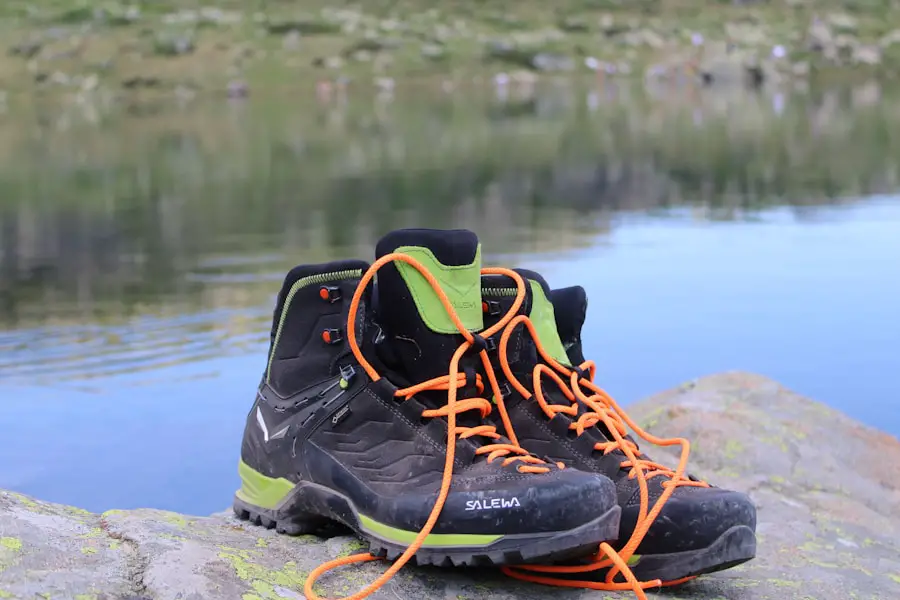
The best hiking boots are not simply the heaviest, most waterproof, or most expensive pair on the shelf. The right choice depends on where you hike, how far you travel, how much weight you carry, the weather you expect, and—most importantly—how the footwear fits your feet. A lightweight hiking shoe may be ideal for an easy day trail, while rugged backpacking boots can make more sense for rough terrain and heavier loads.
Quick Answer
Choose hiking boots by matching the footwear to your terrain, trip length, pack weight, weather, and foot shape. Prioritize a secure heel, enough toe room for descents, appropriate outsole traction, and comfortable support. Waterproof boots suit sustained wet conditions, while lighter nonwaterproof footwear usually breathes and dries faster.
Key Takeaways
- Start with your terrain, trip length, pack weight, and expected weather rather than choosing by brand alone.
- Hiking shoes and trail runners favor low weight and flexibility; backpacking boots favor protection, structure, and durability.
- A good fit is snug but not tight, holds the heel securely, and leaves room for your toes—especially when walking downhill.
- Full-grain leather is durable and abrasion resistant, while synthetic and mesh designs are often lighter and faster drying.
- Deep, widely spaced lugs can help in mud and loose terrain, but the ideal tread pattern depends on the surface.
- A waterproof membrane is useful in prolonged wet conditions but normally reduces ventilation compared with nonwaterproof mesh footwear.
- A higher boot collar can add structure around the ankle, but no boot can guarantee protection from an ankle sprain.
- Break new footwear in gradually, clean it after dirty hikes, air-dry it away from direct heat, and replace it when the sole, cushioning, upper, or fit is badly worn.
At a Glance
| Time Required | Allow a focused fitting session with enough time to compare several sizes, widths, and models. |
| Difficulty | Easy to moderate once you know your terrain, load, weather, and foot shape. |
| Tools Needed | Your normal hiking socks, any orthotics or replacement insoles you use, and preferably an incline or test ramp. |
| Cost | Varies widely by construction and intended use. Fit and suitability matter more than buying the highest-priced model. |
Disclosure: As an Amazon Associate I earn from qualifying purchases. Some links on this page are affiliate links, at no extra cost to you.
Start With Your Hiking Needs
Before choosing hiking footwear, think about the trips you actually take. A casual day hiker on maintained trails has different needs from a backpacker carrying several days of gear over rocky ground.
Consider four things first: terrain, distance, load, and weather. The U.S. National Park Service recommends researching the route and terrain before a hike so you can bring equipment appropriate for the conditions. NPS hiking-safety guidance also distinguishes between footwear appropriate for paved paths and sturdier hiking footwear for dirt and gravel trails.
- Easy, maintained trails: Comfort, low weight, and flexibility may matter more than a tall, stiff boot.
- Rocky or uneven trails: Look for more underfoot protection, secure heel hold, a stable platform, and an outsole designed for uneven surfaces.
- Long hikes or heavier packs: More structured footwear can provide greater underfoot support and durability.
- Wet or cold environments: Waterproof construction and, when necessary, insulation become more valuable.
- Hot, dry conditions: Breathable, nonwaterproof footwear may be more comfortable and can dry faster after getting wet.
The best hiking boot is the pair that matches your terrain and weather while fitting securely enough that you stop thinking about your feet.
Choose the Right Type of Hiking Footwear
“Hiking boot” is often used as a catch-all term, but several types of outdoor footwear can work on trails. Current REI hiking-footwear guidance distinguishes among hiking shoes, trail-running shoes, day-hiking boots, backpacking boots, approach shoes, and mountaineering footwear.
| Footwear Type | Best Suited To | Main Tradeoff |
| Trail-running shoe | Fast hiking, lighter loads, maintained to moderately rough trails | Light and flexible but usually offers less protection and structure |
| Hiking shoe | Day hikes and moderate terrain | Good balance of comfort and protection, with less collar coverage |
| Day-hiking boot | Longer day hikes, moderate terrain, light backpacking | More structure and protection but added weight |
| Backpacking boot | Multiday trips, heavier loads, rugged terrain | Durable and supportive but heavier, stiffer, and slower to break in |
| Mountaineering boot | Snow, ice, alpine travel, and technical mountain conditions | Specialized, rigid, heavy, and unnecessary for ordinary hiking |
Choosing the Right Material
The upper material affects a hiking boot’s weight, breathability, durability, drying time, and water resistance.
Full-grain leather is highly durable and abrasion resistant, making it well suited to rugged terrain and backpacking. It also provides good resistance to moisture when properly maintained. The tradeoffs are additional weight, less ventilation, and usually a longer break-in period.
Nubuck leather is also durable and abrasion resistant but has a softer surface and somewhat different feel. Like other leather footwear, it benefits from proper cleaning and conditioning.
Synthetic uppers made with materials such as nylon and polyester are commonly lighter than full-leather boots, generally dry faster, and often require less break-in time. Their long-term durability depends heavily on the exact fabric, overlays, stitching, and intended use.
Mesh panels increase ventilation and are common in lightweight hiking shoes and trail runners. They are useful in warm weather but may offer less protection from abrasion, dust, and moisture than a more substantial upper.
Understand the Parts of a Hiking Boot
Material is only part of the story. Two boots with similar-looking uppers can feel completely different because of their midsoles, internal support, and outsoles.
Midsole
The midsole provides cushioning and helps determine how soft or stiff a boot feels. EVA foam is common because it can be light and cushioned. TPU is generally firmer and more durable and is often used where greater structure is wanted. Neither is automatically “better”; the right feel depends on your trip and preferences.
Shank and Rock Plate
Some hiking footwear contains a shank that adds load-bearing stiffness, while some lighter shoes use a rock plate to protect the foot from sharp or uneven objects underfoot. These features can be valuable on rocky trails but may feel unnecessary on smooth paths.
Outsole and Lugs
The outsole contacts the ground, and the raised tread elements are called lugs. Lug depth, direction, spacing, rubber compound, and the total contact area all affect how a shoe behaves on different surfaces.
Deep, widely spaced lugs are useful for shedding mud. Multidirectional lugs can help on rough, uneven trails. Smooth wet rock can call for a different outsole design with greater surface contact rather than simply the deepest tread available.
Finding the Perfect Fit
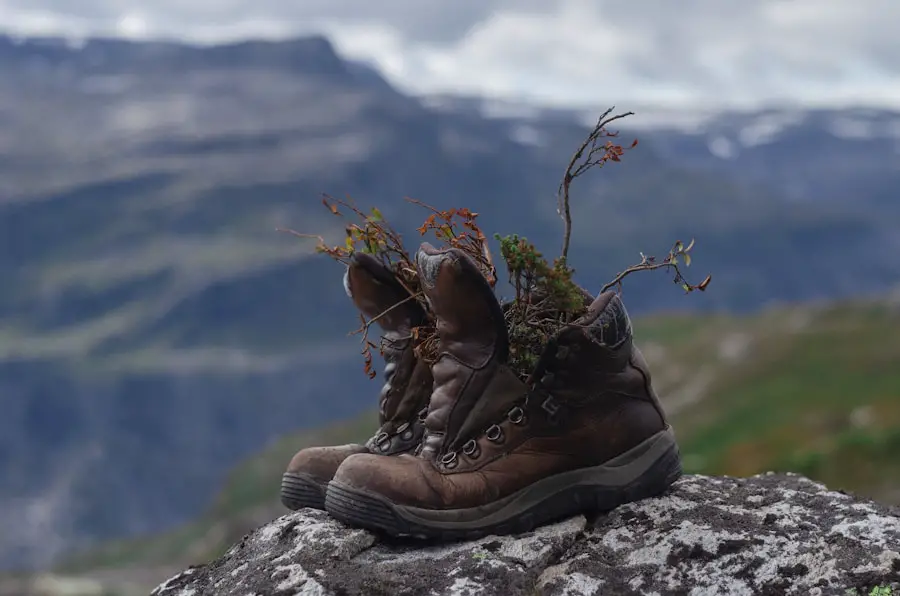
Fit should be the deciding factor once you narrow down the type of footwear you need. An expensive boot that rubs your heel or crushes your toes is still the wrong boot.
Try hiking shoes or boots toward the end of the day, when feet commonly have some swelling from normal activity. Wear the socks you intend to hike in. If you use custom orthotics or replacement insoles, bring those too.
According to REI’s current fitting guidance, hiking footwear should feel snug but not tight and should still let you wiggle your toes. One useful length check is to remove the insole, stand on it, and look for roughly a thumb’s width between the longest toe and the end of the insole.
Check These Five Fit Points
- Length: Your toes should not hit the front when walking downhill.
- Width: Your forefoot should not feel squeezed, but it should not slide from side to side.
- Heel: The heel should remain securely seated without excessive lifting or rubbing.
- Volume: The upper should wrap the foot securely without needing to crush the laces down to remove empty space.
- Hot spots: Pinching, rubbing, numbness, sharp pressure, or obvious seams against the foot are warning signs.
Pro Tip: Test both uphill and downhill movement before buying. Your heel should remain controlled on the climb, and your toes should not repeatedly strike the front of the boot on the descent.
Different brands—and different models from the same brand—use different lasts, widths, and internal shapes. Do not assume your usual street-shoe size will automatically be correct.
Considering the Terrain
| Terrain Type | What to Look For |
| Maintained, mostly flat trails | Comfort, moderate traction, low weight, and flexibility |
| Rocky or uneven trails | Secure fit, underfoot protection, stable platform, and multidirectional traction |
| Mud and loose soil | Deeper, more widely spaced lugs that can shed mud and debris |
| Wet, smooth rock | A rubber compound and tread pattern designed for wet traction, often with more surface contact than an extremely open mud tread |
| Snow or ice | Weather-appropriate boots plus compatible traction equipment when conditions require it |
Do not choose footwear only by how aggressive the sole looks. The best tread depends on whether you expect packed dirt, loose gravel, mud, wet rock, snow, or a mix of surfaces.
Support and Stability
Support becomes more important as terrain gets rougher, trips get longer, and carried loads increase. A structured midsole and stable platform can reduce excessive shoe flex and protect the foot from repeated impacts on rocks and roots.
A higher boot collar can also provide a more secure feeling around the ankle than a low-cut hiking shoe. However, that does not mean a high boot makes ankle sprains impossible. Research on high-top footwear and ankle injuries is mixed, and much of it comes from sports rather than hiking.
Note: Choose a higher collar for the structure, protection, fit, and trail performance it provides—not because you expect it to guarantee protection against ankle injury.
Flexibility still matters. A very stiff backpacking or mountaineering boot may be tiring and unnecessary on a short, smooth trail. At the other extreme, a highly flexible trail shoe may provide less underfoot protection than you want while carrying a heavy pack over sharp rock.
Waterproof and Breathable Options
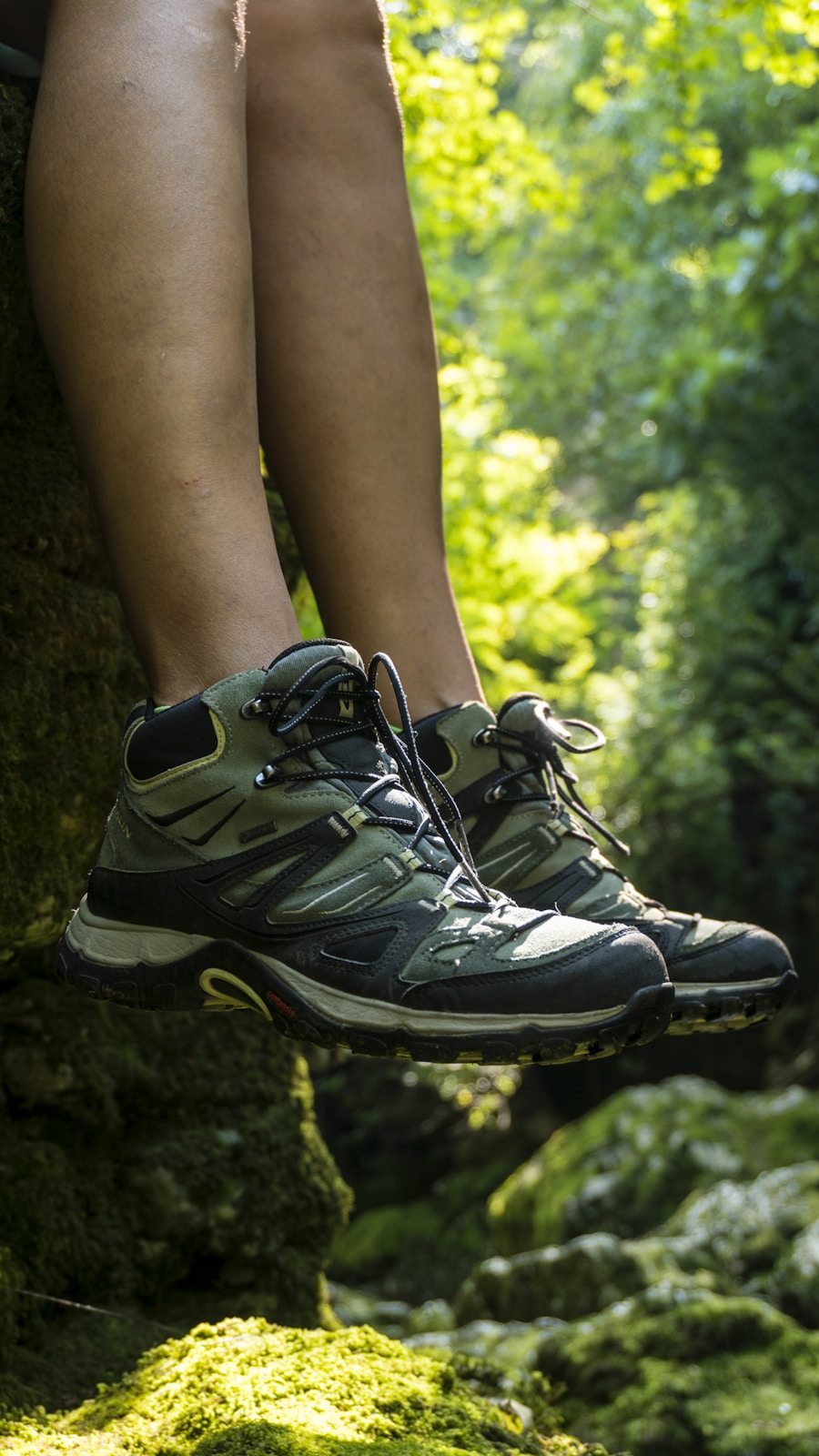
Waterproof hiking boots are useful when you expect prolonged rain, wet grass, shallow mud, snow, or consistently damp trails. Waterproof/breathable membranes such as GORE-TEX footwear technology are designed to block liquid water from the outside while allowing water vapor to move outward.
The tradeoff is ventilation. A waterproof membrane normally makes a shoe less breathable than a comparable open-mesh, nonwaterproof design. In hot or dry weather, a lightweight nonwaterproof hiking shoe may therefore feel cooler and can dry faster after it becomes wet.
Waterproof boots also have limits. If water enters over the top of the collar during a deep stream crossing, the membrane does not make that trapped water disappear. For frequent warm-weather water crossings, some hikers prefer fast-draining, quick-drying footwear instead.
Cold Weather, Snow, and Ice
Ordinary three-season hiking boots are not automatically suitable for every winter route. Cold-weather hiking may require insulation, room for appropriate socks, and an outsole suited to low temperatures.
Snow and ice can also require separate traction equipment. For technical alpine terrain, mountaineering boots may need to be compatible with the specific crampons or other traction system being used.
Warning: A hiking boot’s tread alone does not make icy terrain safe. Check trail and weather conditions and use suitable traction equipment when the route requires it. Turn back when conditions exceed your footwear, equipment, or experience.
Breaking In New Hiking Boots
Modern lightweight hiking shoes may feel comfortable almost immediately, while sturdy leather or backpacking boots can need more gradual use before a long trip.
LOWA’s boot break-in guidance recommends first wearing new footwear at home, then starting with short walks and gradually increasing duration and terrain difficulty.
- Wear the same socks you plan to use on the trail.
- Start indoors so return options are not compromised.
- Move to short, easy walks.
- Gradually add hills and uneven terrain.
- Experiment with lacing if you notice heel movement or pressure.
- Address rubbing or pressure before committing to a long hike.
Note: Break-in can soften and settle some materials, but it cannot turn a fundamentally wrong size or foot shape into a good fit. Persistent toe pressure, numbness, or major heel slippage usually means you need a different size or model.
Durability and Longevity
Durability matters because hiking footwear faces repeated abrasion, flexing, water, mud, grit, and impact. Full-grain leather is known for strong abrasion resistance, while lighter synthetic footwear often trades some ruggedness for lower weight and faster drying.
Construction matters as much as the material name. Examine high-wear areas such as the toe, heel, sidewalls, outsole edges, lace hardware, and seams. A protective toe cap or rand can be useful in rocky terrain.
Do not judge durability by outsole hardness alone. Harder rubber can improve wear life in some applications, while different compounds and tread designs emphasize different balances of grip, flexibility, and longevity.
How to Care for Hiking Boots
Regular cleaning and proper drying help hiking footwear last longer. Care instructions vary by leather, synthetic fabric, membrane, adhesives, and waterproof treatments, so the footwear manufacturer’s directions should take priority.
LOWA’s care guidance recommends removing insoles and laces from wet or dirty boots, brushing away dirt, cleaning appropriately for the material, and drying boots in a ventilated area away from strong heat.
- Remove mud and grit before they become deeply embedded.
- Take out wet insoles so the inside can dry.
- Air-dry footwear instead of placing it next to a radiator, oven, or other intense heat source.
- Use waterproofing or leather-care products only when they are appropriate for the boot material.
- Store dry footwear in a ventilated location rather than sealing damp boots in a bag.
When Should Hiking Boots Be Replaced?
There is no single mileage number that applies to every boot. Terrain, body weight, pack load, walking style, materials, and construction all affect wear.
Consider replacement when the outsole is worn enough to reduce traction, the midsole has permanently lost cushioning or stability, the upper is separating or badly damaged, waterproof construction has failed beyond practical repair, or the boot no longer holds your foot securely.
Budget-Friendly Options
You do not need the most expensive boot in the store to hike comfortably. Entry-level hiking shoes and boots can work well when they match your terrain and fit your feet.
When shopping on a budget, start with fit and intended use, then compare materials and features. Previous-season models and legitimate retailer sales can reduce cost without forcing you into footwear that is poorly suited to your hike.
A cheaper boot that fits well and matches a maintained day trail can be a better choice than a premium backpacking boot that is excessively stiff, heavy, or the wrong shape for your foot.
Common Hiking Boot Buying Mistakes
- Buying by brand alone: Even a respected brand may use a last that does not match your foot.
- Assuming heavier means safer: Extra structure can help in demanding conditions but adds weight and stiffness.
- Choosing waterproof footwear automatically: Hot, dry hikes may favor ventilation and quick drying.
- Ignoring width and volume: Correct length does not guarantee a correct overall fit.
- Testing with the wrong socks: Sock thickness changes the usable space inside the shoe.
- Ignoring downhill fit: Toes that repeatedly strike the front can become painful on long descents.
- Expecting break-in to fix the wrong size: A clearly poor fit should be exchanged rather than endured.
- Choosing tread only by lug depth: Mud, loose dirt, wet rock, and snow place different demands on an outsole.
A Simple Final Checklist
Before choosing a pair, ask:
- What terrain will I hike most often?
- How long are my typical hikes?
- Will I carry a light daypack or a heavier multiday load?
- Do I need waterproofing, insulation, or maximum ventilation?
- Do I need extra rock protection or a stiffer platform?
- Does my heel stay secure?
- Do I have enough toe room for descents?
- Does the width match my forefoot?
- Can I walk without rubbing, numbness, or pressure points?
- Have I tested the footwear with my real hiking socks and insoles?
Other gear can also affect trail comfort once your footwear is sorted. Depending on the trip, that may include practical clothing such as traveler pants, compact binoculars for hiking, or travel-comfort items such as a portable white noise machine when your adventure includes overnight stays.
Love travel? Join Our Facebook Community For More Tips.
Frequently Asked Questions
What are the key features to look for in the best hiking boot?
Look for a secure and comfortable fit first. Then match the outsole traction, underfoot protection, midsole stiffness, upper durability, waterproofing, breathability, and collar height to your terrain, trip length, pack weight, and weather. The best combination is different for a maintained day trail than for a multiday backpacking route.
What are the different types of hiking footwear?
Common categories include trail-running shoes, hiking shoes, day-hiking boots, backpacking boots, approach shoes, and mountaineering boots. Lightweight options favor speed and flexibility, while backpacking and mountaineering footwear generally adds structure, protection, and durability for more demanding terrain and loads.
What are some popular brands known for hiking boots?
Established hiking-footwear brands include Salomon, Merrell, KEEN, LOWA, Vasque, The North Face, La Sportiva, Danner, Scarpa, and others. Brand reputation is less important than choosing a specific model whose shape, width, support, outsole, and intended use match your feet and hiking conditions.
How should I choose the right size for hiking boots?
Try boots toward the end of the day with the hiking socks, orthotics, and insoles you normally use. The boot should feel snug but not tight, your heel should stay controlled, and your toes should have room to move without striking the front on a downhill slope. Width and internal volume matter as much as the size number.
How should I break in a new pair of hiking boots?
Start by wearing them indoors, then use them on short, easy walks before gradually adding distance and rougher terrain. Pay attention to heel movement, pressure points, and rubbing. Lightweight shoes may need little break-in, while sturdy leather or backpacking boots can require more gradual use. Break-in should not be used to force an obviously wrong size to work.
How should I care for and maintain my hiking boots?
Remove dirt and mud, take out wet insoles, and let boots dry in a ventilated location away from strong direct heat. Use cleaners, conditioners, or waterproofing treatments that are suitable for the specific upper material and follow the footwear manufacturer’s instructions. Inspect soles, seams, uppers, and lace hardware regularly for wear.
Are waterproof hiking boots always better?
No. Waterproof boots are useful in sustained wet, muddy, snowy, or cold conditions. Nonwaterproof hiking shoes generally offer better ventilation and can dry more quickly, which may make them more comfortable in hot, dry weather or on routes with frequent warm-water crossings.
Do high hiking boots prevent ankle sprains?
A higher or stiffer collar can restrict some ankle movement and may provide a more supportive feel, but research does not justify treating high-top footwear as a guarantee against ankle sprains. Fit, trail conditions, fatigue, balance, previous injuries, and other factors also affect injury risk.
Sources
- REI Co-op — How to Choose Hiking Boots and Hiking Shoes — footwear types, materials, midsoles, support, lugs, fit, and break-in guidance.
- U.S. National Park Service — Hike Smart — route planning, terrain, footwear, and hiking-safety guidance.
- GORE-TEX — Footwear Technology — waterproof and breathable membrane information.
- LOWA — Breaking In Hiking Boots — gradual break-in and fit guidance.
- LOWA — Hiking Boot Care Tips — cleaning, drying, waterproofing, and storage guidance.
- PubMed — Interventions for Preventing Ankle Ligament Injuries — evidence and uncertainty concerning footwear and ankle-sprain prevention.

