
Last Updated on September 10, 2026 by Daniel Globe
Choosing the right hiking shoes or boots starts with matching the footwear to the hike. Terrain, distance, weather, pack weight, and your foot shape all matter. A lightweight hiking shoe may feel great on a maintained day-hike trail, while a stiffer boot can make more sense for rocky ground, heavier loads, or demanding multi-day trips.
Personal preference matters too. Some hikers value low weight and flexibility, while others want more underfoot protection and a higher collar. Instead of choosing by appearance or brand alone, focus first on fit and then on the features that match where and how you actually hike.
Quick Answer
Choose hiking footwear that fits snugly without pinching, leaves room for your toes, holds your heel securely, and matches your terrain and pack weight. Hiking shoes favor light weight and flexibility, while sturdier boots add protection and structure. Also compare traction, waterproofing, midsole stiffness, durability, and comfort before buying.
Key Takeaways
- Fit comes first. Your footwear should feel snug but not tight, with enough space for your toes and no painful pressure points.
- Match the shoe to your hike. Smooth trails and light packs usually need less structure than rocky terrain and multi-day backpacking loads.
- Support is more than collar height. Midsole stiffness, heel hold, foot shape, rock protection, and overall construction all affect stability.
- Choose outsole tread for the terrain instead of assuming the deepest lugs always provide the best grip.
- Waterproof membranes are useful in wet conditions but generally run warmer and ventilate less than comparable non-waterproof footwear.
Disclosure: As an Amazon Associate I earn from qualifying purchases. Some links on this page are affiliate links, at no extra cost to you.
Start With Your Hiking Needs
Before comparing materials or outsole brands, think about where the footwear will be used. A short walk on a smooth woodland trail places very different demands on your feet than a rocky mountain route or a multi-day backpacking trip.
- Distance: Longer hikes usually make fit, cushioning, underfoot protection, and fatigue more important.
- Terrain: Roots, loose rock, mud, steep grades, and uneven surfaces may call for more protection and a more structured sole.
- Pack load: A heavier backpack can make a firmer, more supportive platform feel more comfortable than an ultralight shoe.
- Weather: Rain, snow, heat, and repeated stream crossings change the balance between waterproofing and breathability.
- Pace: Fast hikers may favor flexible, lighter footwear, while slower travel over difficult terrain may benefit from more protection.
REI’s hiking-footwear guidance likewise recommends considering terrain, trip duration, footwear type, and load rather than choosing a hiking boot based on a single feature.
Hiking Shoes vs. Hiking Boots vs. Trail Runners
| Footwear Type | Best Fit | Main Trade-Off |
| Trail-running shoe | Fast hiking, groomed or moderate trails, light packs | Very light and flexible but generally less protective and less durable |
| Hiking shoe | Day hikes, maintained to moderately rough trails, light-to-moderate loads | Good balance of protection, grip, weight, and flexibility |
| Day-hiking boot | Longer day hikes, rougher terrain, hikers wanting a more structured feel | More protection and structure but added weight and warmth |
| Backpacking boot | Multi-day trips, rugged terrain, heavier loads | Durable and supportive but heavier, stiffer, and slower to break in |
No category is automatically better. Experienced hikers can comfortably use relatively light shoes on demanding routes, while another person may prefer a boot on the same trail. Fit, foot strength, pack weight, weather, and personal comfort all affect the decision.
Importance of Proper Fit
The fit of your hiking footwear is the most important part of the selection process. Poorly fitting shoes can create friction, pressure points, hot spots, blisters, bruised toes, and an uncomfortable hike even when the footwear is otherwise well made.
Wear the same type and thickness of socks you expect to use on the trail. Your toes should be able to move without hitting the front or sides of the shoe, while the heel should remain reasonably secure instead of lifting noticeably with every step.
How to Check Hiking Shoe Fit
- Measure both feet. Check length and width because one foot may be slightly larger than the other.
- Shop later in the day when possible. Feet commonly swell during normal activity, so a late-day fit can better represent how shoes will feel after several hours of hiking.
- Wear your hiking socks. Sock thickness changes the amount of usable space inside the shoe.
- Check toe room. A practical starting point is about a thumb’s width between your longest toe and the end of the insole.
- Check width and volume. The forefoot should not feel squeezed, and the upper should not have large empty areas when the shoe is properly laced.
- Walk uphill and downhill. Your heel should stay controlled on climbs, and your toes should not strike the front on descents.
- Look for immediate pressure points. Do not expect a break-in period to fix a shoe that is fundamentally too short, narrow, or painful.
A good hiking shoe should feel secure without squeezing your foot, while still leaving enough room for your toes when the trail points downhill.
Pro Tip: Remove the insole and stand on it while wearing your hiking socks. This makes it easier to see whether your longest toe has adequate length and whether your forefoot extends beyond the usable width of the footbed.
If you use custom orthotics, bring them when trying on footwear. They can change both the available volume and the way your heel sits in the shoe.
Some backpacking and mountaineering boots need a gradual break-in period, while many flexible hiking shoes and trail runners feel close to their final fit from the beginning. Wear new footwear on shorter walks before trusting it on a long or remote trip.
Warning: Break-in can soften materials, but it cannot correct a shoe that is too short, painfully narrow, or badly shaped for your foot. Persistent numbness, sharp pain, or severe rubbing is a reason to try a different size or model.
Support and Stability
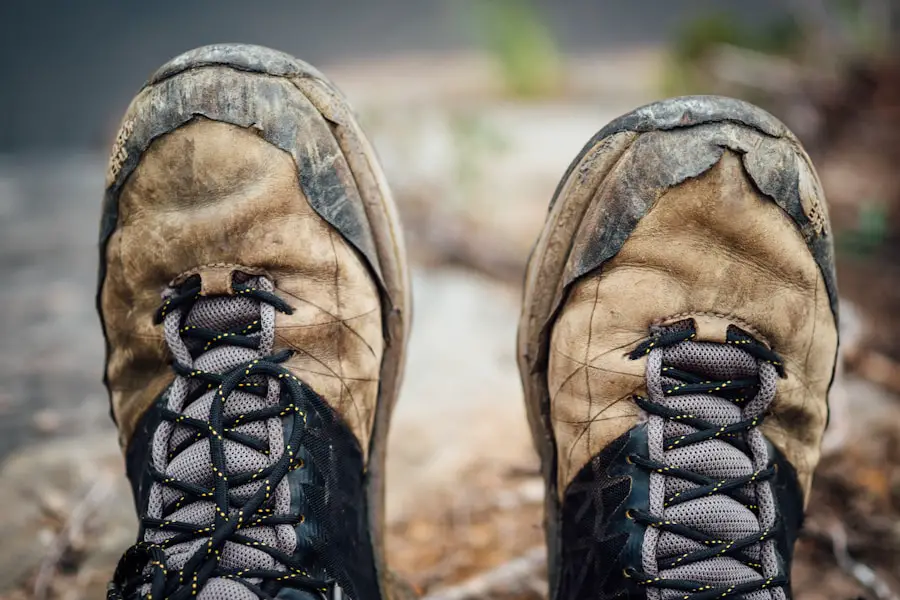
Support and stability matter most on rough, uneven, or rocky terrain. However, support does not come only from a high ankle collar. The entire shoe works as a system.
The midsole influences cushioning and stiffness. A firmer platform can protect the foot and feel more stable when hiking over rocks or carrying a heavier pack. Some hiking shoes and boots also include shanks or rock plates that increase torsional stiffness or shield the foot from sharp stones.
Arch comfort is equally personal. A contoured footbed may work well for one hiker and feel intrusive to another. Many hiking shoes have removable insoles, allowing hikers who need a different shape or prescribed orthotic to change the footbed.
Higher-cut boots can provide a more structured feeling around the ankle and may be useful for hikers who prefer that sensation. However, collar height alone should not be treated as protection against ankle sprains. Research on high-top footwear has not shown a simple, consistent injury-prevention advantage. Secure fit, appropriate terrain choice, underfoot stability, strength, balance, and careful foot placement remain important.
Do You Need a Stiff Hiking Shoe?
Stiffness can be useful on rocky terrain and under heavier loads because the sole bends and twists less around trail obstacles. On smooth ground, however, excessive stiffness may feel tiring or awkward. Lighter hikers often favor more flexible footwear when speed and natural foot movement matter more than maximum protection.
Durability and Quality Materials
| Material / Component | Strengths | Trade-Offs |
| Full-grain or nubuck leather | Strong abrasion resistance, durable structure, good protection | Heavier, usually warmer, and often requires more break-in |
| Synthetic textile / mesh | Lighter, quicker drying, more flexible, often more breathable | May abrade or tear sooner in harsh terrain depending on construction |
| Waterproof membrane | Helps keep outside water from entering while allowing water vapor to escape | Usually warmer and less ventilated than comparable non-waterproof mesh footwear |
| EVA midsole | Lightweight and cushioned | Can compress and lose cushioning with extended use |
| TPU or other firmer support materials | Durable structure and firmer support | Can add stiffness or weight |
The durability of hiking footwear depends on the materials, construction, terrain, user, and amount of wear. Leather remains popular for rugged backpacking boots because it resists abrasion well, while synthetic uppers can reduce weight, improve ventilation, and shorten break-in time.
Many modern hiking boots combine materials instead of relying on one type throughout. A shoe might use textile or mesh for flexibility, a protective rubber or synthetic rand around high-wear areas, and a reinforced toe cap for contact with rocks and roots.
Do not judge quality by stitch count alone. Some strong modern footwear uses welded or bonded construction with few visible stitches. Look instead for clean construction, secure sole attachment, durable high-wear areas, a protective toe, and materials appropriate for the terrain.
Traction and Grip
Traction has a direct effect on how confidently you can move over loose, wet, muddy, or rocky ground. The outsole’s rubber compound, lug shape, lug depth, spacing, and heel design all matter.
- Dry, packed trails: Moderate lugs usually provide enough bite without feeling overly aggressive.
- Mud and soft soil: Deeper, widely spaced lugs can dig into soft ground and shed mud more easily.
- Rocky, uneven terrain: Multidirectional lugs can improve braking and grip when your foot lands at different angles.
- Smooth wet rock: Rubber compound and contact area become especially important; the deepest possible lug is not automatically the best choice.
- Steep descents: A defined heel brake or strong rear tread can improve control.
Vibram is one well-known outsole manufacturer, and some of its designs use specialized lug geometry to increase traction. However, the Vibram name alone does not guarantee identical performance because different compounds and tread patterns are designed for different uses. The same principle applies to proprietary outsoles from other footwear brands.
Note: Ordinary hiking-boot tread is not a replacement for purpose-built traction on serious ice. Technical winter hiking or mountaineering may require compatible microspikes, crampons, or specialized boots appropriate for the route.
Waterproofing and Breathability
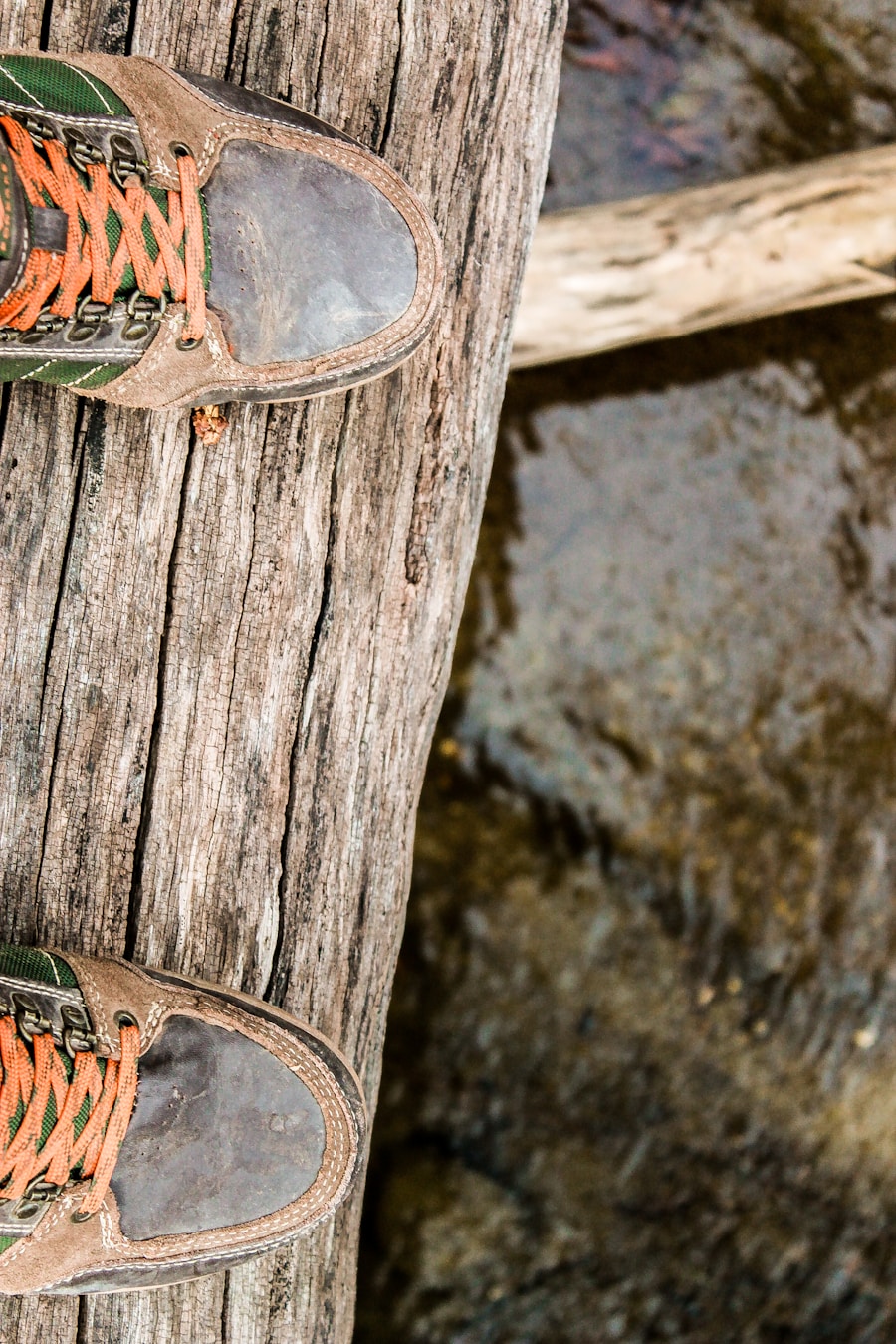
Waterproof footwear is useful when trails are consistently wet, cold, muddy, or covered with shallow snow. Many boots use waterproof-breathable membranes such as GORE-TEX footwear technology or a manufacturer’s proprietary membrane to block liquid water while allowing some moisture vapor to escape.
The trade-off is ventilation. A waterproof membrane adds another barrier around the foot, so waterproof shoes generally feel warmer and less airy than comparable non-waterproof mesh footwear. A waterproof shoe can therefore be less comfortable in hot, dry conditions.
Non-waterproof hiking shoes often breathe and dry faster. That can make them attractive for warm climates or routes where getting wet is unavoidable and rapid drying matters more than keeping every splash outside.
Some hikers therefore use waterproof boots for cold or wet seasons and more breathable footwear for warm, dry hikes.
Note: A waterproof membrane does not make a low-cut shoe immune to wet feet. Water can still enter over the collar, and perspiration can accumulate inside during strenuous hiking.
Weight and Comfort
The weight of your hiking footwear can influence fatigue over a long day. Heavier boots usually provide more material, structure, and protection, but that extra weight is carried with every step. Lightweight footwear can feel quicker and less tiring, although some models sacrifice durability or protection.
There is no universal rule that multi-day hikers must wear heavy boots or lightweight shoes. Your ideal choice depends on pack load, terrain, foot strength, weather, and personal experience.
Cushioning also deserves attention. Very soft cushioning can feel pleasant in the store but may not provide the stable platform some hikers prefer on uneven rock. Firmer midsoles can initially feel less plush yet offer more structure underfoot.
Comfort remains personal. Try several models and brands because they use different lasts, toe-box shapes, heel shapes, arch profiles, and internal volumes.
Do Hiking Socks Matter?
Yes. Hiking socks affect fit, moisture control, cushioning, and friction. Wear the same thickness during fitting that you plan to use on the trail. Moisture-wicking synthetic or wool-blend hiking socks generally manage moisture better than slow-drying cotton during sustained activity.
Use Lacing to Fine-Tune Fit
Lacing can help secure the heel, reduce pressure over the top of the foot, or create a little more space in sensitive areas. It cannot rescue the wrong shoe size, but it can improve a shoe that already matches your foot reasonably well.
Price and Value
Price often rises with more specialized materials, waterproof membranes, premium outsoles, complex construction, or durable leather, but a higher price does not automatically mean a better fit or a better shoe for your particular hikes.
Start by deciding which features you actually need. Paying extra for a stiff waterproof backpacking boot offers little value if most of your hikes are short walks on hot, dry, groomed trails. The opposite is also true: inexpensive lightweight footwear may become frustrating if it lacks the durability or protection required for repeated rocky backpacking trips.
Return policies and warranties are worth checking before purchase, especially when buying online. They provide useful protection if the shoe does not fit or develops a covered defect, but warranty length should not be treated as proof that one model is automatically better than another.
Reviews can help identify recurring durability, sizing, waterproofing, or traction problems, but use them alongside an actual fit assessment rather than buying solely from star ratings.
How to Break In Hiking Shoes and Boots
Not every hiking shoe needs the same break-in period. Flexible trail runners and many lightweight hiking shoes may feel comfortable almost immediately. Leather backpacking boots and other stiff models generally need more gradual use.
Start around the house or on short walks. Then try a local hike with some elevation before taking the footwear on a full-day or overnight trip. Increase distance only while the shoes remain comfortable.
Break-in should make stiff materials move more naturally with your foot. It should not be used to tolerate crushed toes, severe heel movement, numbness, or painful pressure.
Care and Durability
Basic maintenance can extend the useful life of hiking footwear. After muddy hikes, remove loose dirt and clean the upper according to the manufacturer’s instructions. Remove the insoles when needed and let the footwear dry naturally in a ventilated place.
Avoid trying to speed drying with intense direct heat unless the manufacturer specifically approves it. Excessive heat can damage adhesives, leather, foam, or waterproof components.
Leather footwear may require a manufacturer-approved conditioner or waterproofing treatment. Waterproof footwear can also benefit from cleaning because accumulated dirt can reduce how well the outer materials manage water.
When to Replace Hiking Shoes
There is no single mileage at which every hiking shoe or boot becomes unsafe or unusable. Hiking shoes generally wear sooner than heavy backpacking boots, and terrain can dramatically change their lifespan.
As a rough reference, some hiking shoes may approach the end of their useful trail life around 500 miles, while sturdier hiking boots can last much longer and some resoleable models can be repaired. Mileage should never be the only test.
Look for these replacement signs:
- The outsole lugs are badly worn or traction has noticeably decreased.
- The midsole feels flat, uneven, or much less cushioned than before.
- The shoe begins leaning or deforming.
- The upper has torn in a structural area.
- The outsole is separating from the upper.
- The waterproof membrane or construction has failed beyond practical repair.
- A shoe that once felt comfortable now causes unusual foot fatigue or pressure.
A resole may be worthwhile on footwear designed for it, particularly higher-quality leather boots whose uppers remain in good condition.
A Simple Buying Checklist
Before committing to a pair, ask yourself:
- Does this shoe match my usual terrain?
- Is it appropriate for the weight I normally carry?
- Do I actually need waterproofing?
- Can my toes move without hitting the front on a descent?
- Does my heel stay reasonably secure?
- Is the forefoot wide enough?
- Are there pressure points that I am hoping will magically disappear?
- Does the outsole suit mud, rock, packed dirt, or the surfaces I hike most?
- Is the midsole flexible or stiff enough for my intended use?
- Can I comfortably wear the socks or orthotics I normally use?
When looking for the perfect hiking shoe, it also helps to think about the rest of your load. A heavier pack can change which level of footwear support feels comfortable. For multi-day trips, the related guide on the best hiking backpacks for multi-day treks can help you plan how you will carry your gear alongside your footwear choice.
Frequently Asked Questions
What are the key features of a good hiking shoe?
A good hiking shoe should fit your foot comfortably and match your terrain. Look for a secure heel, adequate toe room, an outsole suited to the trail, appropriate midsole stiffness and cushioning, a protective upper, and a lacing system that holds the foot without painful pressure.
What materials are commonly used in hiking shoes?
Common materials include full-grain or nubuck leather, synthetic textiles, mesh, rubber outsoles, EVA or other foam midsoles, TPU support components, and optional waterproof membranes such as GORE-TEX. Leather generally favors durability and protection, while synthetics often reduce weight and drying time.
How important is proper fit in a hiking shoe?
Fit is the most important consideration. The shoe should feel snug without pinching, provide room for your toes, and keep your heel controlled. Try footwear with your normal hiking socks and test it on an incline so your toes do not strike the front during descents.
What type of traction is important in a hiking shoe?
The best tread depends on terrain. Deep, widely spaced lugs work well in mud; multidirectional tread helps on loose and rocky ground; and wet smooth surfaces also depend heavily on rubber compound and outsole contact area. Do not choose by lug depth alone.
Are waterproof hiking shoes necessary?
No. Waterproof hiking shoes are useful in frequent rain, wet vegetation, mud, shallow snow, and cold conditions. Non-waterproof shoes usually ventilate and dry faster, making them attractive in hot, dry weather or situations where getting wet is unavoidable.
How often should hiking shoes be replaced?
There is no universal replacement mileage. Some hiking shoes wear out around 500 miles, while sturdy boots can last substantially longer. Replace or repair footwear when tread is badly worn, cushioning has collapsed, the sole separates, structural damage appears, or the shoe no longer provides the comfort and traction it once did.
Are hiking boots better than hiking shoes?
Neither is automatically better. Hiking shoes are lighter and usually more flexible and breathable. Boots generally provide more structure, protection, and durability. Your terrain, pack load, weather, foot needs, and personal preference should decide between them.
Should hiking shoes be a size larger than normal shoes?
Do not automatically buy a larger numbered size. Shoe sizing varies between brands and models. Instead, fit the actual shoe so the heel is secure and there is enough space ahead of the longest toe for swelling and downhill hiking without creating excessive movement elsewhere.
Sources
- REI Co-op — How to Choose Hiking Boots and Shoes — footwear types, materials, terrain, fit, midsoles, outsoles, and break-in guidance.
- REI Co-op — Hiking Boots vs. Hiking Shoes — weight, durability, protection, and approximate footwear lifespan.
- American Hiking Society — Hiking Boots — general footwear selection, fit, traction, and break-in guidance.
- GORE-TEX — Footwear Technologies — waterproof and breathable footwear technology.
- Vibram — Traction Lug Technology — outsole lug design and traction principles.
- Journal of Foot and Ankle Research — High-Top vs. Low-Top Shoe Study — evidence concerning shoe collar height and ankle stability.

