
Last Updated on September 10, 2026 by Daniel Globe
Choosing hiking footwear starts with one question: where and how will you hike? A light hiking shoe may be ideal for an easy day on maintained trails, while a stiffer backpacking boot can make more sense for rugged ground and heavier loads. Fit matters just as much as features, so the best hiking boot is ultimately the one that matches your terrain, weather, foot shape, and walking style.
Quick Answer
When choosing hiking boots, prioritize fit first, then match the footwear to your terrain, trip length, pack weight, and weather. Look for secure heel hold, enough toe room, suitable underfoot stiffness, terrain-appropriate traction, and the right balance of waterproofing and breathability. Heavier or taller boots are not automatically better.
Key Takeaways
- Match your footwear to the terrain, distance, pack weight, weather, and pace rather than choosing boots based on appearance or brand alone.
- Fit is critical: hiking footwear should feel snug without pinching, hold the heel securely, and leave room for your toes during descents.
- Leather is generally durable and supportive, while synthetic uppers are often lighter, faster-drying, and more breathable.
- Waterproof membranes are useful in wet or cold conditions, but non-waterproof footwear can be cooler and faster-drying in warm conditions.
- Choose outsole rubber and lug patterns for the actual terrain you hike; deep aggressive lugs are not ideal for every surface.
At a Glance
| Time Required | Allow enough time to try several models, walk on an incline if available, and compare the fit rather than making a rushed purchase. |
| Difficulty | Easy once you know your terrain, typical pack weight, weather, and foot measurements. |
| Tools Needed | Your usual hiking socks and any orthotics or replacement footbeds you intend to use. |
| Cost | Varies widely by footwear category, materials, and construction. Prioritize fit and the features you actually need rather than price alone. |
Disclosure: As an Amazon Associate I earn from qualifying purchases. Some links on this page are affiliate links, at no extra cost to you.
Match Your Footwear to Your Hiking Needs
Before comparing materials or outsole technology, think about your normal hikes. Consider the distance, terrain, elevation change, weather, pace, and the amount of gear you carry. These factors help determine whether you need a lightweight hiking shoe, a more structured boot, or specialized footwear.
Current REI hiking-footwear guidance groups choices by terrain, distance, load, and footwear construction rather than assuming that every hiker needs a traditional boot.
| Footwear Type | Usually Best For | Main Tradeoff |
|---|---|---|
| Trail-running shoe | Fast hiking, maintained trails, light loads, and hikers who value flexibility and low weight | Less underfoot and upper protection than stiffer boots |
| Hiking shoe | Day hikes and light-to-moderate terrain | Lower collar and generally less structure than a backpacking boot |
| Day-hiking boot | Longer day hikes, mixed terrain, cool or wet conditions, and hikers who prefer more structure | Heavier and usually less breathable than a hiking shoe |
| Backpacking boot | Multi-day trips, heavier packs, rugged trails, and off-trail travel | More weight, stiffness, and break-in than lighter footwear |
| Mountaineering boot | Snow, ice, alpine objectives, and situations requiring compatible traction equipment | Specialized, stiff, heavy, and excessive for ordinary hiking |
Hiking Shoes and Trail Runners
For a leisurely day hike on a well-maintained trail, a traditional heavy boot may be unnecessary. Hiking shoes and trail runners can provide good trail traction while remaining lighter and more flexible. They are especially appealing in warm weather and for hikers carrying light loads.
Day-Hiking and Backpacking Boots
A day-hiking boot adds more structure and coverage while remaining more flexible than a heavy backpacking model. Backpacking boots typically use stiffer midsoles, tougher uppers, and more substantial construction for longer trips and heavier loads.
Mountaineering and Winter Footwear
Snow, ice, and alpine travel can require specialized boots rather than ordinary hiking footwear. If you intend to use crampons, check the boot and crampon manufacturer’s compatibility requirements. A flexible hiking shoe is not a substitute for a rigid mountaineering boot when the traction system requires one.
Materials and Durability
Hiking footwear uses leather, synthetic textiles, rubber, foams, and reinforcing components in different combinations. No material is automatically best; each changes weight, durability, drying time, flexibility, and breathability.
Leather vs. Synthetic Uppers
Full-grain leather is valued for abrasion resistance, durability, and good water resistance. It is commonly used in more substantial backpacking footwear, but it is generally heavier, less breathable, and slower to break in than lightweight synthetic construction.
Synthetic materials such as polyester and nylon are common in modern hiking footwear. They are often lighter, dry faster, and require less break-in. The tradeoff is that some synthetic constructions can show wear sooner, especially where multiple seams and overlays are exposed to abrasion.
Construction quality matters as much as the material name. Inspect stitching, bonding, toe protection, eyelets, seams, and the junction between the upper and midsole. A durable material cannot compensate for poor construction.
Midsoles, Shanks, and Rock Protection
The midsole controls much of the shoe’s cushioning and stiffness. EVA-based midsoles are common where lighter cushioning is desired, while firmer materials such as TPU are often used where durability and support matter more.
Some boots also contain a shank or other internal stiffening component to improve load support. Rock plates or similar protective layers can reduce the pressure you feel from sharp stones. These features are worth considering on rocky terrain but may make footwear feel less flexible on easy trails.
Support and Stability
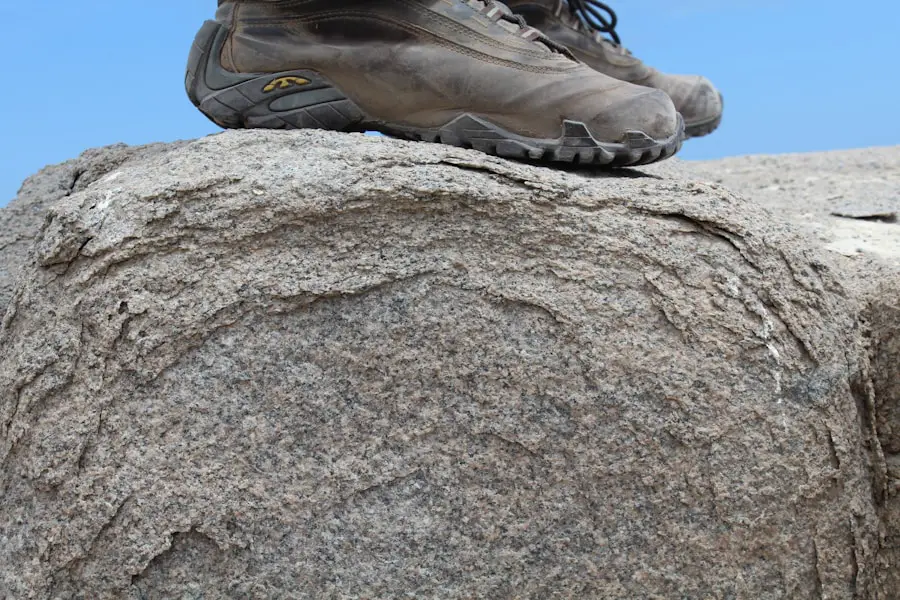
Support is not just about how high a boot reaches above the ankle. Midsole stiffness, heel hold, foot shape, underfoot structure, lacing, and overall fit all influence how stable the footwear feels.
A stiffer boot can feel more secure when carrying a heavier pack or walking over rocks and roots. A flexible hiking shoe can feel more natural and comfortable on smoother trails. Neither design is universally safer for every hiker.
Note: A taller boot collar may restrict ankle movement and provide a more supportive feel, but boot height alone should not be treated as a guarantee against ankle sprains. Fit, terrain, fatigue, strength, previous injuries, and other factors also matter.
Many hiking shoes and boots use removable insoles, which can be helpful if you need a different footbed for fit or comfort. Bring any custom orthotics with you when trying on footwear because they can change the available volume inside the shoe.
Waterproofing and Breathability
| Construction | Advantages | Tradeoffs |
|---|---|---|
| Waterproof membrane | Helps block rain, wet grass, shallow puddles, and snow while allowing some moisture vapor to escape | Usually warmer and less ventilated than an equivalent non-waterproof mesh shoe |
| Non-waterproof mesh or textile | High airflow and often faster drying, especially useful in warm weather | Rain, wet vegetation, and shallow water can soak through quickly |
| Leather-focused construction | Durable with good natural water resistance when properly cared for | Can be heavier and slower to dry than lightweight synthetic footwear |
Waterproof footwear is useful when you regularly encounter wet grass, rain, mud, shallow puddles, slushy snow, or cool conditions. Technologies such as GORE-TEX footwear membranes are designed to block liquid water while allowing moisture vapor to escape.
That does not mean a waterproof shoe will feel as cool as an open mesh shoe. Waterproof membranes generally reduce ventilation compared with highly breathable non-waterproof designs. In hot or dry climates, hikers who sweat heavily may prefer a non-waterproof model that breathes and dries more quickly.
Pro Tip: Think about where the water will come from. A waterproof membrane can stop water entering through the upper, but it cannot keep your foot dry if water pours over the top of the shoe or boot.
Traction and Grip
Traction depends on more than having an aggressive-looking sole. Rubber compound, lug depth, lug shape, spacing, direction, heel design, and the surface underfoot all affect grip.
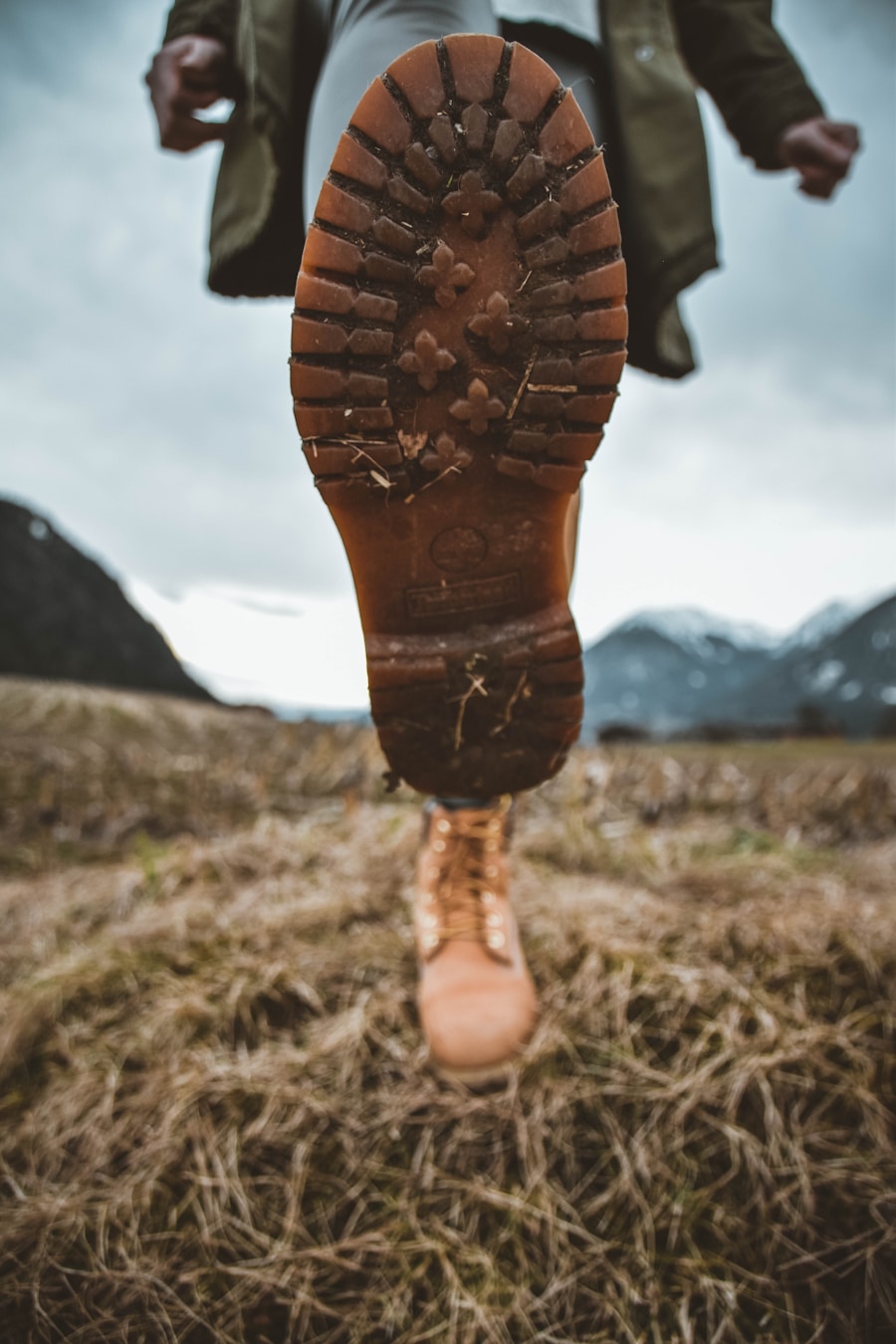
Deep, widely spaced lugs are useful on mud and loose ground because they can bite into soft surfaces and shed debris. Multidirectional lugs can help on uneven terrain and during changes in direction. On smooth wet rock, however, a very deep tread is not automatically better; more rubber contact with the surface can sometimes be useful.
Outsole manufacturers such as Vibram produce different compounds and lug systems for different uses. Do not assume every sole carrying the same brand name will perform identically.
For ordinary dry, packed trails, you may not need an extremely aggressive outsole. Mud, loose dirt, steep descents, rocky trails, snow, and wet surfaces place different demands on traction.
Warning: Ordinary hiking-boot tread is not a substitute for appropriate ice traction. Snow and ice may require compatible traction devices or specialized mountaineering equipment based on the route and conditions.
Weight and Comfort
Footwear weight affects how a shoe feels over a long day. Heavier boots may provide more protection, stiffness, and durable materials, while lighter hiking shoes and trail runners generally feel more agile and flexible.
Do not choose the lightest option simply because it weighs less. A lightweight shoe that leaves your feet sore on rocky terrain is not an improvement. Likewise, a heavy backpacking boot can be unnecessary for an easy afternoon walk on a maintained path.
Comfort depends on fit, cushioning, stiffness, foot shape, socks, and the surface underfoot. Some hikers prefer substantial cushioning, while others prefer a firmer shoe that gives them more ground feel. Neither preference is universally correct.
Fit and Sizing
Fit is one of the most important things to look for in hiking boots. Even premium footwear can cause blisters, pressure, numbness, or damaged toenails if the shape does not match your foot.
Hiking footwear should generally feel secure without being painfully tight. Your heel should stay reasonably locked into the heel cup, while your toes need enough room to move and avoid hitting the front on descents.
Current REI fitting guidance recommends checking length, width, arch length, foot volume, and toe clearance. It also recommends trying footwear later in the day, when feet have typically swollen from normal activity.
Use This Fit Checklist
- Wear your actual hiking socks. Sock thickness changes the amount of space inside the shoe.
- Shop later in the day when possible. Feet normally become somewhat larger after hours of standing and walking.
- Check toe clearance. A useful starting point is roughly a thumb’s width between your longest toe and the end of the insole, while still ensuring the overall shoe volume fits correctly.
- Test the heel. Excessive up-and-down movement can create friction and blisters.
- Walk uphill and downhill. Your toes should not repeatedly strike the front when descending.
- Watch for pressure points immediately. Pinching, rubbing, numbness, or painful seams are warning signs that the shape may be wrong.
- Try more than one model. Two shoes marked with the same size can fit differently because their shape and internal volume differ.
- Bring your orthotics or replacement footbeds. They can materially change the fit.
Pro Tip: Remove the insole and stand on it when possible. This gives you a quick visual check of whether your foot extends beyond the footbed or lacks enough length at the toes.
Warning: Do not rely on a break-in period to fix a boot that causes obvious pain, pinching, numbness, or major heel movement in the store. If you have persistent foot pain, a significant previous foot or ankle injury, or prescribed orthotics, consider professional fitting and advice from an appropriate healthcare professional.
Do Hiking Boots Need to Be Broken In?
Flexible trail shoes and lightweight hiking shoes may feel comfortable almost immediately. Stiffer leather, backpacking, and mountaineering boots can require more gradual use before a long trip.
Start by wearing new footwear for normal walking, then take short hikes before committing to a long or remote route. Break-in can soften materials and help you learn how the footwear behaves, but it should not be expected to correct a fundamentally poor fit.
Socks, Lacing, and Footbeds
Footwear is only one part of your hiking system. Socks, lacing, and insoles can change comfort and heel security significantly.
- Socks: Choose hiking socks with a thickness that matches the available shoe volume and the conditions you expect.
- Lacing: Adjusting lace tension can help secure the heel or reduce pressure over sensitive areas of the foot.
- Footbeds: Removable insoles can be replaced when a different shape or level of support provides a better fit.
- Orthotics: Always test the shoe with the orthotic you intend to wear rather than assuming it will fit later.
If you have bunions or a naturally broad forefoot, a roomier toe box or wide-width model may reduce unwanted pressure. A history of plantar fasciitis or other recurring foot pain is different from a simple sizing issue; footwear preferences can affect comfort, but shoes should not be treated as a stand-alone medical treatment.
Price and Budget
Hiking footwear ranges from simple trail shoes to specialized mountaineering boots, so there is no single price that represents good quality. More expensive models may use premium materials or specialized construction, but a higher price does not guarantee a better fit or a better choice for your hike.
Set your budget after deciding which footwear category you actually need. Paying for a heavy, highly technical boot makes little sense if most of your hiking is on easy local trails. At the same time, choosing a flimsy shoe only because it is inexpensive can be poor value if your normal terrain quickly wears it out.
Prioritize these features in order:
- Proper fit and foot shape.
- Suitability for your terrain and trip type.
- Traction appropriate to the surfaces you encounter.
- Enough underfoot protection and stiffness for your load.
- Waterproofing only when your conditions justify it.
- Durable construction and a reasonable return or fitting policy.
Seasonal sales can make higher-quality footwear more affordable, but avoid buying the wrong size or shape simply because the discount is attractive.
Care and When to Replace Hiking Footwear
Good care can help hiking footwear perform as intended. Brush away dried mud, clean the upper according to the manufacturer’s instructions, and allow wet footwear to dry thoroughly away from excessive direct heat. Waterproof footwear may also require manufacturer-recommended cleaning or treatment to maintain performance.
Inspect your shoes periodically rather than waiting for a complete failure on the trail. Replacement may be worth considering when the outsole is badly worn, traction lugs have lost their shape, the upper is cracked or torn, the sole is separating, cushioning has noticeably collapsed, or the footwear can no longer provide the fit and performance you need.
If you’re in the market for hiking boots, you may also want to check out this article on traveler pants to complete your outdoor adventure outfit. Having the right gear is essential for a successful hike, so make sure to consider your whole clothing and footwear system. And don’t forget to pack one of these portable phone chargers for your next trip to stay connected while exploring nature.
Love travel? Join Our Facebook Community For More Tips.
Frequently Asked Questions
What should I look for in hiking boots?
Start with fit, terrain, trip length, pack weight, and weather. Then compare outsole traction, midsole stiffness, upper durability, waterproofing, weight, toe protection, and overall comfort. A boot that fits your foot and your usual hikes is more useful than the most technical model on the shelf.
What type of terrain will I be hiking on?
Smooth maintained trails usually allow lighter, more flexible footwear. Mud and loose soil benefit from deeper, well-spaced lugs. Rocky, uneven terrain can justify more underfoot protection and structure. Snow and ice may require specialized footwear and compatible traction equipment rather than ordinary hiking tread.
Do I need ankle support in hiking boots?
A taller, stiffer boot can feel more supportive, particularly with heavier loads or on rough terrain, but collar height alone does not guarantee protection from an ankle sprain. Overall fit, midsole stiffness, heel security, terrain, fatigue, and your individual needs also affect stability.
What material should I look for in hiking boots?
Full-grain leather is durable and abrasion-resistant but tends to be heavier and less breathable. Synthetic nylon, polyester, and mixed-material uppers are commonly lighter, faster-drying, and easier to break in. Choose based on the balance of durability, weight, ventilation, and weather protection you need.
How should hiking boots fit?
They should feel snug but not painfully tight. Your heel should stay secure, your toes should have room to move, and your toes should not strike the front on a downhill test. Try boots with your hiking socks, preferably later in the day, and check for rubbing, numbness, pinching, or pressure before buying.
Are waterproof hiking boots always better?
No. Waterproof footwear is useful in rain, wet vegetation, mud, shallow puddles, snow, and cool conditions. Non-waterproof footwear is often more ventilated and faster-drying, which can make it more comfortable for warm, dry hikes or hikers whose feet run hot.
Should I buy hiking boots one size larger?
Do not automatically size up by a full size. Sizing differs among brands and models. Instead, fit the actual shoe so you have adequate toe clearance, secure heel hold, and enough width and volume while wearing your hiking socks. The correct labeled size is whatever produces that fit.
Do new hiking boots need to be broken in?
Lightweight hiking shoes may need little break-in, while stiff leather, backpacking, and mountaineering boots often benefit from gradual use before a long trip. Start with short walks and hikes, but do not expect break-in to cure obvious pinching, pain, or a fundamentally poor fit.
Sources
- REI Co-op — How to Choose Hiking Boots and Hiking Shoes — footwear types, materials, midsoles, traction, fit, sizing, and break-in guidance.
- The North Face — How to Choose Hiking Boots — matching footwear construction to terrain, trip type, and load.
- GORE-TEX — Footwear Technology — waterproof and breathable footwear membrane technology.
- Vibram — Traction Lug Technology — how lug design contributes to outsole traction.
- PubMed — The Role of Shoes in the Prevention of Ankle Sprains — evidence and limitations surrounding high-top footwear and ankle-sprain prevention.

