
Last Updated on July 27, 2026 by Daniel Globe
Blundstone boots can work well for walking, travel, and easier hikes, but the right answer depends on the model and the trail. Standard Blundstone Chelsea boots are versatile and comfortable, while the All-Terrain range adds a more trail-friendly Vibram outsole. For steep, rocky, technical, or heavily loaded hikes, a dedicated hiking shoe or lace-up hiking boot is usually the better choice.
Quick Answer
Yes, Blundstones can be good for light hiking on maintained trails, especially All-Terrain models with Vibram outsoles. Standard Originals and Classics are better suited to walking, travel, and easier paths. For steep, rocky, off-trail, or backpacking routes, choose dedicated hiking footwear with a secure lace-up fit, strong tread, and appropriate support.
Key Takeaways
- Blundstones are best for casual walks, maintained trails, travel, and light hikes rather than highly technical terrain.
- All-Terrain Blundstones are the strongest trail-oriented option because their Vibram rubber outsoles provide better grip than the soles used on many standard models.
- Do not assume every Blundstone is waterproof. Most standard leather styles are water-resistant, while selected Thermal and All-Terrain Thermal models use waterproof* leather and additional weather-focused construction.
- Chelsea boots do not lock the foot and ankle in place like a higher lace-up hiking boot, which matters more on steep, loose, rocky, or off-camber ground.
- Fit matters as much as the model: test your boots with hiking socks, leave adequate toe room, and make sure your toes do not hit the front while descending.
Disclosure: As an Amazon Associate I earn from qualifying purchases. Some links on this page are affiliate links, at no extra cost to you.
Blundstone Boots: From Tasmanian Workwear to Outdoor Footwear
Blundstone’s history is rooted in Tasmania, Australia. According to Blundstone’s official history, John Blundstone began making purpose-built footwear in Hobart in 1870. The company says its broader roots can be traced further into the nineteenth century, but 1870 is the date it uses for the start of the Blundstone footwear business.
The Chelsea-style boot that most people now associate with Blundstone came later. The Original #500 was developed during the 1960s and launched in 1969, combining elastic side panels, pull tabs, durable leather, and a simple slip-on design. Blundstone remains a privately owned Tasmanian family company, although its leather footwear is now manufactured through production partners in several countries.
That history helps explain why Blundstones sit in an unusual place today. They began as practical work-oriented footwear and have become popular for everyday wear, travel, walking, and outdoor use. That versatility is useful, but it does not mean every Blundstone performs like a purpose-built hiking boot.
Features and Benefits of Blundstone Boots for Hiking
The biggest advantage of Blundstone boots on an easy trail is convenience. Their elastic-sided Chelsea construction makes them quick to pull on and off, and many wearers like using one pair for a day that combines walking, sightseeing, casual hiking, restaurants, and travel.
Comfort technology varies by model. Many Blundstone styles use cushioned midsoles, removable footbeds, and XRD® technology in the heel to absorb impact. Leather also softens and molds across the foot with use, although it does not stretch lengthwise.
Traction depends heavily on which Blundstone you choose. Originals and Classics commonly use durable TPU outsoles suited to everyday walking and light outdoor use. The All-Terrain range uses a purpose-built Vibram® rubber outsole with enhanced grip, increased tread contact, flexibility, and a self-cleaning tread pattern. For someone specifically buying Blundstones with trail use in mind, that difference is important.
Note: Water protection is model-specific. Standard leather Blundstones are commonly described as water-resistant. Selected Thermal and All-Terrain Thermal styles use waterproof* leather, while their elastic and seams have their own water-resistance specifications. Check the exact model rather than assuming every pair is waterproof.
Comparing Blundstone Boots to Traditional Hiking Boots
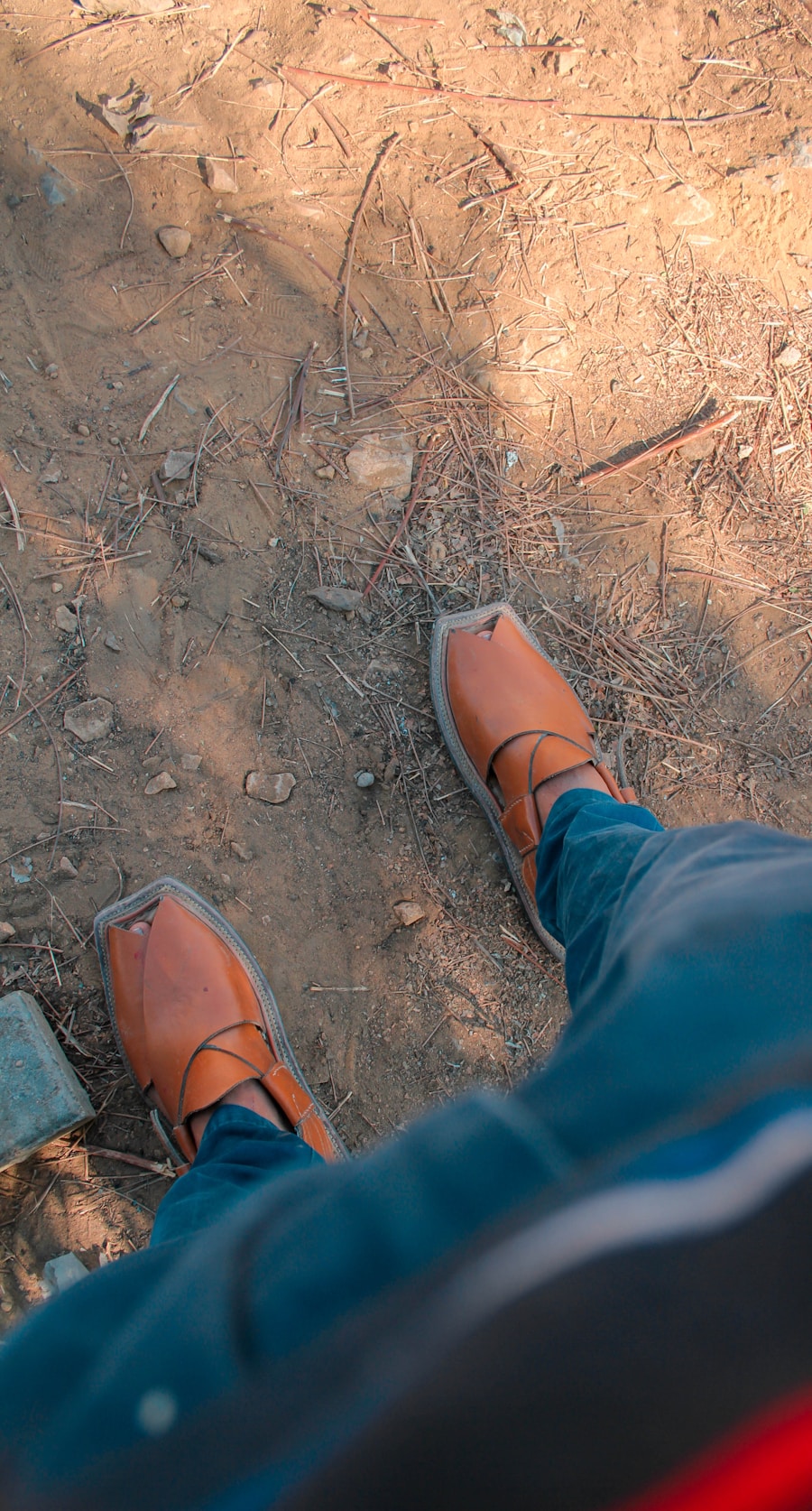
Traditional hiking boots and Blundstones solve different problems. A Blundstone Chelsea boot emphasizes easy on/off use, everyday comfort, and versatility. A dedicated hiking boot is normally designed around trail-specific traction, foot retention, protection, and control on uneven terrain.
The most important difference is the way the boot holds your foot. A Chelsea boot has elastic side panels rather than laces. It may sit above the ankle, but you cannot tighten different zones around the instep and ankle the way you can with a lace-up hiking boot. Blundstone itself notes that its Chelsea boots do not provide as much support as a higher boot with lace support.
Traction also varies. An All-Terrain Blundstone with a Vibram sole is more capable on wet or uneven ground than many standard Chelsea-boot soles. Even so, demanding hiking footwear may have deeper, more aggressive lugs and a chassis designed specifically for steep climbs, loose descents, rock, and off-camber terrain.
Warning: Do not choose footwear based on style alone for a demanding hike. The National Park Service recommends sturdy, rubber-soled hiking footwear with appropriate traction and ankle support for many dirt and gravel trails. Some parks specifically recommend lugged hiking footwear for steep or rocky terrain.
Where Blundstones Make Sense
- Maintained park and woodland trails
- Flat or gently rolling dirt paths
- Short day hikes with a light pack
- Travel where you want one boot for city walking and casual trails
- Mild mud or wet grass when your specific model has suitable tread and water resistance
- Cold-weather walking when using an appropriate Thermal model
When Dedicated Hiking Footwear Is the Better Choice
- Steep ascents or long descents
- Loose rock, scree, roots, or highly uneven ground
- Off-trail or off-camber hiking
- Technical scrambling
- Multi-day backpacking with a heavy pack
- Routes where a park or land manager specifies trail footwear requirements
- Conditions where aggressive traction or a tightly adjustable fit is critical
Think of standard Blundstones as versatile walking boots that can handle some hiking—not as automatic replacements for purpose-built hiking boots on every trail.
Tips for Choosing the Right Blundstone Boots for Your Hiking Needs
| Feature | What to Look For |
| Material | Leather type varies by model. Choose a finish appropriate for your expected weather and follow the matching care instructions. |
| Traction | Standard models commonly use TPU soles. All-Terrain boots use a Vibram rubber outsole with enhanced grip and self-cleaning tread, making them the more trail-oriented choice. |
| Support | Chelsea construction offers some structure around the ankle but less adjustable support than a higher lace-up hiking boot. |
| Water Protection | Do not assume waterproofing. Many styles use water-resistant leather; selected Thermal and All-Terrain Thermal models use waterproof* leather and additional weather-focused construction. |
| Weight | Weight varies by model. Compare the specific boot with your hiking footwear instead of assuming every Blundstone is lighter. |
Which Blundstone Series Is Best for Hiking?
Originals: Best treated as versatile everyday boots for walking, travel, and easier outdoor use. They are a reasonable option for maintained trails when the conditions are mild.
Classics: Similar in purpose but generally roomier and designed with additional comfort features. They can work well when all-day walking and casual trail use matter more than aggressive terrain performance.
All-Terrain: The strongest general choice when hiking is part of the plan. Models such as the #2056 use a Vibram rubber outsole with enhanced grip and self-cleaning tread while retaining Blundstone’s slip-on Chelsea construction.
All-Terrain Thermal: Better suited to colder and wetter conditions. Current styles such as the #2241, #2242, and #2250 combine a Vibram outsole with waterproof* leather, insulation, and a warmer footbed.
Get the Fit Right Before You Hike
Fit is especially important in a slip-on boot because you cannot tighten laces midway through a hike. Blundstone’s current fitting guidance recommends trying boots on while standing and wearing the socks or orthotics you intend to use.
- Your toes should not touch the front of the boot.
- Allow roughly a quarter inch of space ahead of your toes.
- A small amount of heel movement is normal, but excessive slipping can lead to rubbing.
- Test the boots as though you were walking downhill and make sure your toes do not slam into the front.
- Remember that leather can stretch slightly across the instep but will not become longer.
- Try boots later in the day when your feet may be slightly larger from normal swelling.
Pro Tip: Wear the exact hiking socks you plan to use when trying on Blundstones. Then take several shorter walks before committing to a long trail day. A boot that feels comfortable for 20 minutes around town can still create heel rubbing or toe pressure after several miles.
How to Care for and Maintain Blundstone Boots
Trail dirt, mud, moisture, and repeated flexing can shorten the life of any leather boot. Blundstone’s official boot-care guidance recommends cleaning and treating each material according to its finish.
Full-Grain and Smooth Leather
- Brush off loose or caked dirt with a soft-bristled brush or wipe it away with a damp cloth.
- Let wet leather air-dry naturally at room temperature.
- Apply an appropriate leather cream or polish after testing it on a small hidden area first.
- Wipe away excess product and let the boot dry naturally.
- Use an appropriate waterproofing treatment when additional water resistance is needed.
Rustic Leather
Use a product intended for rustic leather. Conditioning can temporarily darken the surface, so test any treatment in an inconspicuous area before covering the entire boot.
Nubuck or Suede
Use a suitable nubuck or suede brush rather than ordinary pigmented leather polish. A gum eraser can help with some scuffs, followed by a material-appropriate water and stain repellent.
Warning: Never force-dry wet leather beside a fire, heater, or other strong heat source. Blundstone warns that artificial heat can harden, shrink, and crack leather and may contribute to separation between the upper and sole.
Store clean boots in a cool, ventilated place away from direct sunlight. Conditioning frequency depends on use and climate. Rather than following a rigid calendar, treat the leather when it starts looking dry, scuffed, or worn.
Real-Life Hikers’ Experiences with Blundstone Boots
Real-world experiences with Blundstones vary because “hiking” can mean anything from a flat forest path to a rocky mountain route. An important distinction is also whether someone is wearing a standard Chelsea model or an All-Terrain version.
One documented example comes from a 2024 review highlighted by Blundstone’s news site. Travel writer Emily Pennington described using All-Terrain Chelsea boots across a wide range of destinations and conditions, praising their comfort, Vibram outsoles, water-resistant leather, and versatility.
That kind of experience shows why some travelers like All-Terrain Blundstones as a one-pair solution. It does not mean every Blundstone is ideal for every hike. A well-maintained forest path places very different demands on footwear than loose rock, steep descents, or rugged backcountry terrain.
For demanding trails, follow the requirements of the park or land manager. The National Park Service frequently recommends sturdy hiking footwear with good tread and, on rough terrain, ankle support.
The Versatility of Blundstone Boots: From Hiking to Everyday Wear
Versatility remains one of Blundstone’s strongest advantages. A traditional hiking boot may be excellent on the trail but look or feel overly technical for restaurants, airports, offices, or sightseeing. Blundstones are easier to use across those settings.
That makes them especially appealing for travel. You can wear the same pair on a city walk, a maintained nature trail, during transit, and with casual clothes later in the day. The pull-on design also makes them convenient when going through accommodations, airports, campsites, or other places where shoes come on and off frequently.
The trade-off is specialization. The features that make a Chelsea boot simple and versatile—elastic sides, no lacing system, and a relatively clean profile—also limit how tightly you can secure the foot for difficult terrain.
For travelers whose outdoor plans are mostly short or moderate walks, that compromise may be worthwhile. For a trip built around serious hiking, dedicated hiking footwear is the safer choice.
The Future of Blundstone Boots: Innovations and Developments
Blundstone continues to expand beyond its classic TPU-soled Chelsea boots. One of the clearest developments is its partnership with Vibram for the All-Terrain range, which adds a rubber performance outsole with enhanced grip, self-cleaning tread, and greater trail-oriented capability.
The company is also expanding weather-focused footwear. All-Terrain Thermal models combine Vibram soles with waterproof* leather, Thinsulate® insulation, warmer footbeds, and water-resistant elastic construction for colder conditions.
On the environmental side, Blundstone says it currently sources most of its leather from sustainably certified tanneries, uses recyclable packaging made from recycled material, and is working to eliminate PFAS from its products and manufacturing processes. Those are more concrete developments than simply describing future materials as “eco-friendly.”
These changes do not turn every Blundstone into a technical hiking boot. They do, however, give walkers and travelers more choices between the brand’s traditional everyday Chelsea boots and models intended for rougher surfaces or harsher weather.
If you are planning to use Blundstones for travel as well as light hiking, clothing that works across both settings can also reduce how much you pack. See our guide to travel pants with hidden pockets for another practical travel option.
Love travel? Join Our Facebook Community
Frequently Asked Questions
What are Blundstones?
Blundstone is a Tasmanian footwear brand dating its footwear business to 1870. It is best known for pull-on Chelsea boots with elastic side panels and dual pull tabs, although its current range also includes work, lace-up, Thermal, and All-Terrain footwear.
Are Blundstones good for hiking?
Blundstones can be good for light hiking on maintained trails, especially when the terrain is not steep or highly technical. All-Terrain models are better suited to trail use because of their Vibram outsoles. For rough, steep, rocky, or backcountry routes, dedicated hiking footwear normally provides a more secure fit and specialized traction.
Can Blundstones be used for light hiking or walking?
Yes. Walking and easier trail use are where Blundstones make the most sense. Their comfort, durable construction, and ability to transition from outdoor use to everyday wear make them particularly practical for travel and casual day hikes.
Which Blundstones are best for hiking?
The All-Terrain range is the most trail-oriented option because it uses a Vibram rubber outsole with enhanced grip and self-cleaning tread. All-Terrain Thermal models add cold-weather insulation and waterproof* leather for colder and wetter conditions.
Are Blundstones waterproof?
Not all Blundstones are waterproof. Many standard leather models are water-resistant. Selected Thermal and All-Terrain Thermal models use leather that Blundstone markets as waterproof*, together with other weather-resistant construction. Always check the specifications for your exact model.
What are the drawbacks of wearing Blundstones for hiking?
The main drawbacks are the non-laced Chelsea fit, less adjustable ankle and instep support than a lace-up hiking boot, and traction that varies considerably by model. Standard Blundstones are therefore less suitable for steep, rocky, highly uneven, or technical terrain.
Can you backpack in Blundstones?
A short trip on easy terrain with a light pack may be manageable for someone already comfortable in the boots, but Blundstones are not the first choice for demanding multi-day backpacking. A heavier pack and uneven terrain increase the value of a secure lace-up fit, purpose-built tread, and trail-specific support.
What socks should you wear with Blundstones for hiking?
Choose well-fitting wool or synthetic hiking socks that manage moisture and reduce rubbing. Avoid testing a new sock-and-boot combination for the first time on a long hike. Wear your intended socks when sizing the boots so there is enough toe room without excessive heel movement.
Sources
- Blundstone — Our Story — company history and the 1870 founding timeline.
- Blundstone — Walking and Hiking Guide — current manufacturer guidance on light hiking, traction, support, and model selection.
- Blundstone — All-Terrain Boot Guide — Vibram outsole, grip, self-cleaning tread, and All-Terrain construction.
- Blundstone — Boot Care — cleaning, conditioning, drying, and material-specific maintenance.
- U.S. National Park Service — Hike Smart — hiking-footwear and trail-safety guidance.
- U.S. National Park Service — Mount Rainier Hiking Safety — guidance on sturdy footwear, non-slip tread, and ankle support.

