
Last Updated on July 27, 2026 by Daniel Globe
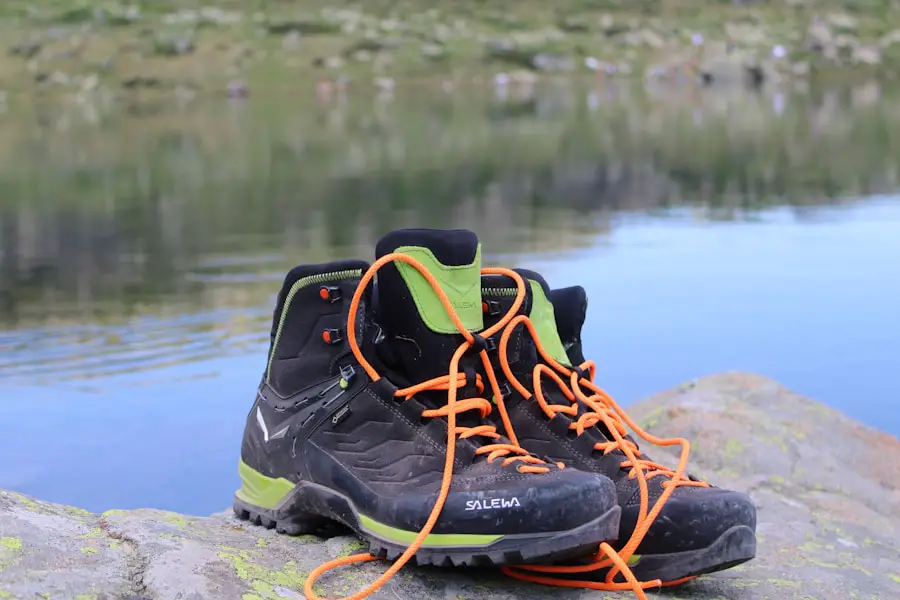
Hiking boots should feel secure around your heel and midfoot, but they should never squeeze, pinch, or make your toes feel cramped. The goal is a snug fit that keeps your foot from sliding while still leaving enough space for your toes and for the small amount of swelling that can happen during a long day on the trail.
Quick Answer
Hiking boots should be snug, not tight. Your heel should stay secure, your midfoot should feel supported, and your toes should be able to wiggle without touching the front. A useful starting point is about a thumb’s width of space beyond your longest toe, followed by an incline or downhill fit test.
Key Takeaways
- A hiking boot should hold your heel and midfoot securely without squeezing your foot.
- Your toes need enough room to wiggle and should not hit the front of the boot when walking downhill.
- Pain, pinching, numbness, tingling, or persistent pressure are signs that the boot is too tight or the wrong shape.
- Try boots late in the day while wearing the socks and orthotics you plan to hike with.
- Lacing can fine-tune a good fit, but it cannot fix a boot that is too short, narrow, or low-volume.
At a Glance
| Time Required | About 15–30 minutes to properly compare and test several pairs |
| Difficulty | Easy, but fit should be judged while standing, walking, and testing an incline |
| Tools Needed | Your hiking socks, any orthotics or replacement insoles, and preferably a fitting ramp or stairs |
| Cost | Usually $0 for the fit test itself; professional fitting may be available at outdoor footwear stores |
Disclosure: As an Amazon Associate I earn from qualifying purchases. Some links on this page are affiliate links, at no extra cost to you.
How Hiking Boots Should Fit
The simplest rule is that a hiking boot should feel snug everywhere but tight nowhere. REI’s current hiking-footwear guidance recommends room to wiggle your toes and uses roughly a thumb’s width between the longest toe and the end of the insole as a useful length check. REI’s hiking boot fitting guide also recommends checking width, foot volume, heel position, intended socks, and performance on an incline.
Length alone is not enough. A boot can technically be long enough and still feel painful if the toe box is too narrow, the instep is too low, or the overall shape does not match your foot. The American Orthopaedic Foot & Ankle Society’s FootCareMD guidance similarly recommends about 3/8 to 1/2 inch of space beyond the longest toe and says the heel should not slide while walking.
A good hiking-boot fit holds the heel securely while giving the toes enough room to spread, flex, and stay clear of the front of the boot on descents.
Potential Risks of Tight Hiking Boots
Boots that are too tight can create pressure and friction on the skin. That can cause hot spots, blisters, calluses, bruised toenails, and pain that becomes worse as your feet swell during a hike. A boot that is too loose can also cause blisters because the foot slides and rubs, which is why the goal is secure rather than simply roomy footwear.
Excessive pressure across the forefoot can also irritate nerves. FootCareMD’s guidance on Morton’s neuroma notes that tight-fitting shoes can compress and irritate nerves in the forefoot, producing pain, burning, tingling, or numbness. Those symptoms are a reason to loosen the boot and reassess the fit rather than assuming discomfort is a normal part of breaking in hiking footwear.
Tight or narrow footwear may also contribute to or aggravate problems such as bunions and hammertoes. However, shoe fit is only one factor. Mayo Clinic notes that foot structure, genetics, stress, injuries, and arthritis can also play a role in bunion development.
Warning: Stop and loosen or remove your boots if you develop numbness, persistent tingling, severe pain, or toes that remain compressed against the front. Seek medical advice if numbness, weakness, significant swelling, or pain continues after the boots are removed.
Benefits of a Snug Fit
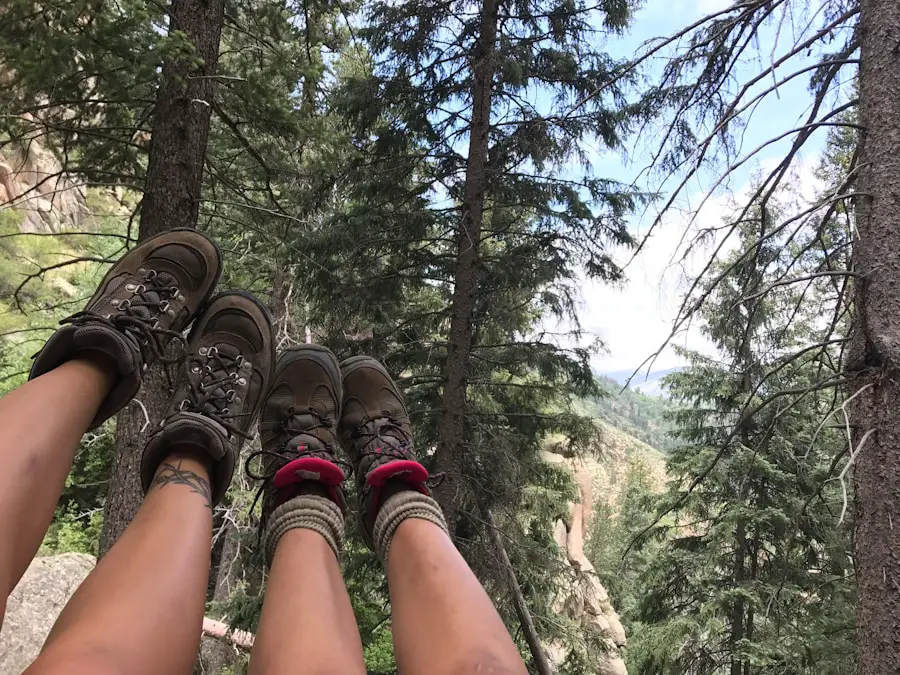
A properly fitted hiking boot should feel secure around the heel and midfoot while leaving the toes room to move. Holding the rear of the foot in place limits unwanted sliding, which can reduce friction and make foot placement feel more predictable on rocks, roots, and uneven trails.
The heel should not repeatedly lift or rub when you walk. At the same time, the boot should not need to be cinched so tightly that pressure develops across the top of your foot. A secure heel and comfortable midfoot give you control without sacrificing circulation or toe space.
A snug fit is especially useful on descents because it limits how far the foot slides forward. However, the toes still need enough clearance that they do not strike the front of the boot with each downhill step.
Finding the Right Balance
The correct fit falls between two extremes: a boot that lets your foot slide around and one that squeezes it. Check several parts of the fit separately instead of deciding based only on the size printed on the box.
| Fit Area | What You Should Feel |
| Toe Room | Toes can wiggle and do not hit the front; roughly a thumb’s width beyond the longest toe is a useful starting check. |
| Heel | Secure with little unwanted movement and no repeated rubbing or lifting. |
| Forefoot Width | The widest part of your foot sits comfortably in the widest part of the boot without side pressure. |
| Instep | Supported without a lace, tongue, or upper creating a painful pressure point on top of the foot. |
Try hiking boots toward the end of the day, when your feet may be slightly larger than they were in the morning. Wear the same hiking socks you expect to use on the trail. If you use custom orthotics or replacement insoles, bring those too because they can change the amount of space inside the boot.
Do not choose a boot with the expectation that a painful or cramped fit will eventually stretch enough to become correct. Some materials soften during break-in, but inadequate length, width, or toe-box volume usually requires a different size, width, or boot shape.
Tips for Properly Fitting Hiking Boots
- Measure both feet. Feet are often slightly different sizes, so fit the larger foot rather than assuming your usual street-shoe size is correct.
- Try several brands and models. The same labeled size can feel different because boot lasts, widths, heel cups, and toe boxes vary.
- Wear your hiking socks. Sock thickness changes how much room is available inside the boot.
- Check the toe box while standing. Your toes should lie naturally rather than being curled, squeezed together, or pressed against the top.
- Walk for several minutes. Pay attention to heel lift, rubbing, pressure points, pinching, and any numb or tingling areas.
- Test an incline or stairs. Your toes should not strike the front when moving downhill.
- Compare widths before adding length. If the boot is long enough but squeezes the sides of your forefoot, a wide version or different boot shape may work better than simply buying a longer size.
Pro Tip: Remove the insole and stand on it while wearing your hiking socks. The outline of your foot can make it easier to see whether you have adequate length and whether your forefoot is spilling beyond the width of the insole.
Test the Boots on a Downhill Slope
A flat store floor does not reproduce what happens during a descent. Use a fitting ramp, stairs, or another safe incline if one is available. Lace the boots normally and walk downhill several times. Your heel should remain reasonably secure, and your toes should not repeatedly touch the front.
If the boot passes the flat-floor test but your toes hit the end on a slope, the boot may be too short, too high-volume, or poorly matched to your foot. Changing the lacing can help control forward movement, but lacing should not be used to compensate for clearly inadequate toe room.
Use Lacing to Fine-Tune a Good Fit
Lacing is useful for correcting small fit issues. A heel-lock or surgeon’s-knot style technique can reduce excessive heel movement, while window lacing can reduce a pressure point across the top of the foot. REI’s hiking-boot lacing guide provides examples of both approaches.
However, laces cannot make a narrow toe box wider or create additional length. If your toes remain cramped or numb even after adjusting the laces, try a wider or differently shaped boot.
Understand What Break-In Can and Cannot Fix
Stiffer backpacking and mountaineering boots may become more flexible and comfortable after several short walks. That is normal break-in. What should not be normal is hoping that significant pain, toe compression, or numbness will disappear after enough miles.
Break in new boots gradually before using them for a long hike, but return or exchange them when possible if basic length, width, or volume is clearly wrong.
How Tight Is Too Tight?
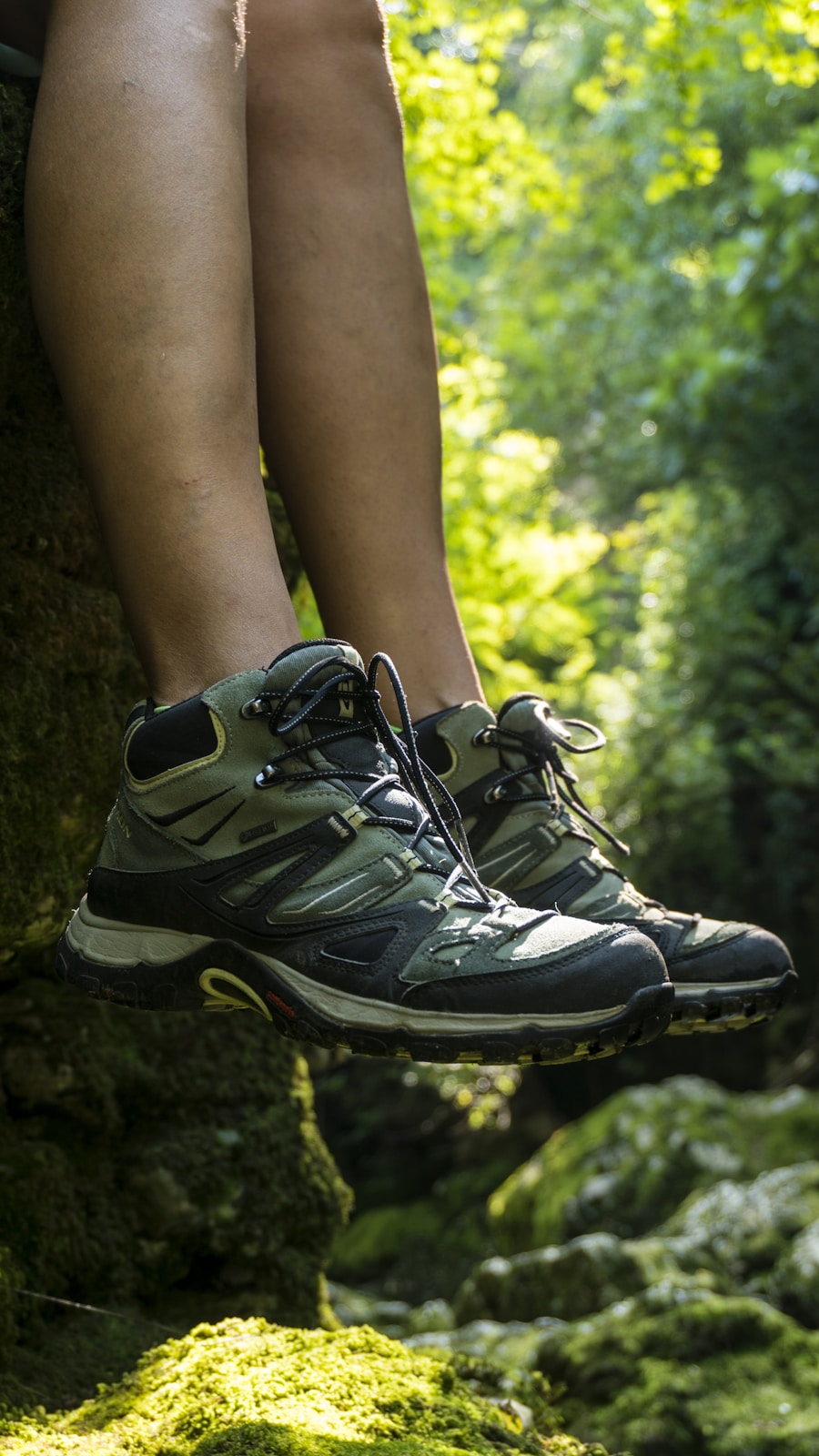
A hiking boot is too tight when the pressure becomes uncomfortable rather than supportive. You should be able to stand and walk without having to tolerate pain while waiting for the boot to loosen.
Common signs that a boot is too tight include:
- Toes touching or striking the front of the boot.
- Toes being squeezed together from the sides.
- Pinching across the forefoot or instep.
- Burning, tingling, or numbness.
- Pressure marks that become painful quickly.
- Difficulty wiggling your toes.
- Hot spots that repeatedly form in the same location.
FootCareMD advises that the widest part of the foot should fit comfortably in the widest part of the shoe and that footwear should fit properly when purchased rather than relying on future stretching. Its proper shoe-fit guidance also recommends standing and walking in footwear to check for rubbing and heel movement.
Note: Going up half a size is not always the best solution. If the boot is already long enough but squeezes the ball of your foot, choosing a wide version or a model built on a roomier last is usually more useful than adding unnecessary length.
The Impact of Terrain on Boot Fit
Terrain affects the type and structure of hiking footwear you may prefer, but it should not change the basic rule that your boots must fit without painful compression. Rugged trails may justify a stiffer sole, more protection, or a more supportive boot, while easier maintained trails may be comfortable in lighter hiking footwear.
Steep terrain does make heel security and toe clearance more noticeable. On an ascent, excessive heel movement can cause rubbing. On a descent, a loose heel or high-volume boot can allow the foot to slide forward and drive the toes into the front.
The correct response is to start with a properly sized boot and then fine-tune the laces. Do not compensate for downhill movement by buying a boot that squeezes your toes while standing on level ground.
Seasonal sock changes matter as well. If you plan to use thicker winter hiking socks, test the boots with those socks before buying. The sock and boot should work together without creating numbness or excessive pressure.
Finding the Perfect Fit
The best hiking boot is not necessarily the stiffest, tightest, or most expensive model. It is the one whose shape matches your foot and keeps you comfortable during the type of hiking you actually do.
Start with enough length for your longest toe, then check forefoot width, heel security, instep pressure, and overall volume. Test the boots with your real hiking socks and orthotics, walk in them for several minutes, and use an incline whenever possible. Your feet should feel supported without feeling trapped.
When your trip involves hiking in a destination such as Tennessee, weather and season can also affect the socks and footwear you choose. The site’s guide to the best time to travel to Tennessee can help you plan around seasonal conditions before deciding which hiking footwear to pack.
Frequently Asked Questions
What is the purpose of hiking boots?
Hiking boots are designed to provide traction, underfoot protection, durability, and a secure platform for walking on outdoor terrain. Some models also provide additional structure around the ankle, while lighter hiking shoes prioritize flexibility and lower weight.
Should hiking boots be tight?
No. Hiking boots should feel snug and secure, but they should not squeeze your toes or create pain, pinching, tingling, or numbness. Your heel and midfoot should remain stable while your toes retain enough room to move.
How much room should be in the toe of hiking boots?
About a thumb’s width between your longest toe and the end of the insole is a useful starting point. You should also test the boots on an incline because your toes should not hit the front when walking downhill.
Should my heel move in hiking boots?
Your heel should feel secure and should not repeatedly slide or rub while walking. Small differences depend on boot construction, but obvious lifting that produces friction is a fit problem worth correcting with lacing or a different boot shape.
Should I buy hiking boots a half size bigger?
Not automatically. Some hikers end up in a larger hiking size than their casual shoes, but the correct choice depends on actual foot measurements, boot shape, intended socks, and downhill toe clearance. If the problem is width rather than length, a wide model may fit better than simply sizing up.
What happens if hiking boots are too tight?
Overly tight boots can cause pressure, rubbing, blisters, painful toenails, hot spots, and forefoot discomfort. Tight footwear can also irritate or compress nerves and contribute to tingling or numbness. Persistent symptoms should not be ignored.
Will hiking boots stretch as they break in?
Some boots soften and conform slightly as they break in, especially models made with stiffer materials. Break-in should not be expected to fix a boot that is too short, painfully narrow, or compressing your toes from the start.
How can I ensure the right hiking-boot fit?
Try boots later in the day, wear your normal hiking socks, bring any orthotics you use, measure both feet, and walk in several models. Check toe clearance, forefoot width, heel security, and instep pressure, then test the final candidates on an incline or stairs.
Sources
- REI Co-op — How to Choose Hiking Boots and Shoes — hiking-specific guidance on toe room, heel fit, socks, foot volume, end-of-day fitting, incline testing, and break-in.
- FootCareMD / American Orthopaedic Foot & Ankle Society — 10 Points of Proper Shoe Fit — shoe length, width, heel security, end-of-day measurement, and proper fit.
- FootCareMD / American Orthopaedic Foot & Ankle Society — Morton’s Neuroma — tight footwear, forefoot nerve compression, numbness, and wider footwear.
- Mayo Clinic — Bunions: Symptoms and Causes — relationship between tight or narrow footwear, foot structure, and bunions.
- Guy’s and St Thomas’ NHS Foundation Trust — Choosing Shoes to Reduce Foot Pain — toe clearance, toe-box width, fastening, and pressure reduction.

