Last Updated on July 28, 2026 by Daniel Globe
Tennessee changes noticeably with both season and elevation, so the best time to visit depends on where you are going and what you want to do. West Tennessee is generally warmer, Middle Tennessee has pronounced seasonal changes, and the mountains of East Tennessee can be much cooler than nearby valleys. For most travelers, spring and fall offer the easiest mix of comfortable weather, scenery, and outdoor activities.
Quick Answer
The best time to visit Tennessee is generally late April through May and late September through October. Spring brings wildflowers and festivals, while fall brings cooler air and colorful foliage. Summer is hotter and more humid, and winter is quieter but variable. In the Smokies, October is beautiful but also especially busy.
At a Glance
| Best Overall Months | Late April–May and late September–October |
| Best for Smokies Fall Color | Mid-September onward at high elevations; commonly mid-October to early November at lower and middle elevations |
| Best Budget Strategy | Compare January–February weekday rates outside holiday and event periods |
| Statewide Annual Precipitation | About 52.2 inches as a long-term statewide average |
Key Takeaways
- Late April through May and late September through October provide the best all-around balance for most Tennessee trips.
- Summer is popular with families but brings more heat, humidity, and frequent afternoon thunderstorms.
- October is prime foliage season in much of the Smokies, but it is also the national park’s busiest month.
- Winter can work well for museums, city breaks, and lower-demand weekdays, but snow and ice can affect the mountains.
- Weather varies substantially by elevation, so conditions in Memphis, Nashville, Knoxville, and the high Smokies can be very different on the same day.
According to the NOAA Tennessee State Climate Summary, most of Tennessee has warm, humid summers and cool winters, with temperatures dropping as elevation rises. The state’s long-term annual precipitation average is about 52.2 inches, but rainfall varies widely from year to year and from one part of Tennessee to another.
Tennessee’s long-term statewide precipitation average is about 52.2 inches per year, so even the best travel months can bring rain.
Disclosure: As an Amazon Associate I earn from qualifying purchases. Some links on this page are affiliate links, at no extra cost to you.
Tennessee Weather by Region
East Tennessee and the Smoky Mountains
East Tennessee has some of the state’s greatest elevation changes. Knoxville and the valleys can feel warm while conditions at high elevations in Great Smoky Mountains National Park are much cooler. Snow is also more common in the mountains than in most lower-elevation parts of the state.
This elevation difference matters in both spring and fall. Wildflowers may be blooming in valleys while higher trails remain chilly, and autumn color begins at high elevations before moving down toward lower valleys.
Middle Tennessee and Nashville
Middle Tennessee has four distinct seasons. National Weather Service climate normals for Nashville put normal afternoon highs near 73°F in April, 80°F in May, 84°F in September, and 74°F in October. That makes late spring and early-to-mid fall comfortable for sightseeing, although individual days can be much warmer, cooler, or wetter.
West Tennessee and Memphis
West Tennessee generally runs warmer in summer. National Weather Service normals for Memphis show normal highs around 92°F in July and August. April, May, and October are therefore easier choices for travelers who want to spend long periods walking outdoors.
Peak Tourist Seasons in Tennessee
Spring: Wildflowers, Festivals, and Changeable Weather
March through May brings warming temperatures, green landscapes, and spring blooms. Late April and May are usually more comfortable for outdoor sightseeing than early March, especially in the mountains where colder conditions can linger.
Spring also brings thunderstorms and severe-weather potential. NOAA notes that Tennessee tornadoes can occur in any month but tend to peak in spring. Keep weather alerts enabled and check the local forecast before hiking, camping, or spending a full day outdoors.
Pro Tip: For a spring Smokies trip, build some flexibility into your itinerary. A rainy mountain day can be shifted to museums, scenic drives where conditions allow, or indoor attractions in Gatlinburg and nearby towns.
Summer: Family Trips, Lakes, and High Humidity
June through August is a major vacation period for families. Dollywood in Pigeon Forge, lakes, rivers, water parks, and mountain attractions all draw summer visitors. The tradeoff is heat and humidity, especially in Nashville, Memphis, and other lower-elevation areas.
Afternoon showers and thunderstorms are common in the Smokies during summer. For hiking and other strenuous outdoor activities, an early start often provides cooler conditions and more flexibility before afternoon weather develops.
Fall: Foliage, Festivals, and Heavy Smokies Traffic
September and October offer some of Tennessee’s most comfortable travel weather, with cooler nights and gradually declining humidity. October is especially popular because of autumn color in East Tennessee.
Do not plan around a single statewide “peak foliage” date. The National Park Service fall-color guidance explains that color starts at higher Smokies elevations, sometimes by mid-September, and works downhill over several weeks. Lower and middle elevations commonly produce their strongest display from mid-October into early November, depending on the year’s weather.
Warning: October is the busiest month of the year in Great Smoky Mountains National Park. Expect traffic, full parking areas, and longer travel times, particularly on weekends and around popular overlooks and trailheads.
Winter: Quieter Cities and Variable Mountain Conditions
December through February can be a good time for museums, music venues, restaurants, and city-focused trips. Nashville and Memphis usually have much milder winter conditions than the high Smokies, although cold snaps, snow, and ice are still possible.
In the mountains, weather can change rapidly with elevation. Roads, trails, campgrounds, and facilities may also operate on seasonal schedules. Check conditions before driving into Great Smoky Mountains National Park rather than assuming a route that is open in summer will be accessible in winter.
Best Time to Visit Tennessee by Trip Type
| Trip Type | Best Window | Why |
|---|---|---|
| General sightseeing | Late April–May, late September–October | Comfortable temperatures for city walks and outdoor stops |
| Smokies wildflowers | Mid-spring | Peak spring bloom period for many park wildflowers |
| Fall foliage | Mid-September–early November, depending on elevation | Color moves from higher elevations toward lower valleys |
| Music festivals | Spring–summer | Major music and cultural events cluster in warmer months |
| Family vacation | Summer or school breaks | Full attraction schedules, with hotter and busier conditions |
| Budget-focused city trip | January–February weekdays | A good period to compare lower-demand rates outside holidays and special events |
Events and Festivals in Tennessee

Tennessee’s event calendar can affect both the experience and the price of a trip. Major festivals may increase lodging demand, road traffic, and restaurant crowds, so check your destination’s event calendar before booking.
Bonnaroo Music & Arts Festival is held each June on the festival farm in Manchester. The 2026 festival ran June 11–14 and included multiple stages, camping, art, and activities beyond the music lineup. Dates and performers change each year, so use the official schedule when planning a future trip.
In Memphis, the Memphis in May World Championship Barbecue Cooking Contest remains one of the city’s signature food events. The 2026 contest took place May 13–16 at Liberty Park and brought together competition barbecue teams and public festival programming.
Fall travelers can also plan around the National Storytelling Festival in Jonesborough. The 2026 festival is scheduled for October 2–4. In Nashville, the annual Nashville Cherry Blossom Festival is an April celebration featuring Japanese culture, performances, food, and activities.
Outdoor Activities and Recreation in Tennessee
| Activity | Best Season | Popular Locations |
|---|---|---|
| Hiking | Spring and fall | Great Smoky Mountains National Park, Cumberland Trail |
| Fishing | Year-round opportunities; conditions vary by species and water | Tennessee River, Dale Hollow Lake |
| Camping | Spring and fall for milder weather | Cherokee National Forest, Natchez Trace State Park |
| Cycling | Spring and fall | Natchez Trace Parkway, Big South Fork National River and Recreation Area |
Tennessee’s landscape supports everything from mountain hiking to lake recreation. Great Smoky Mountains National Park currently advertises more than 800 miles of trails. Popular options include the Alum Cave Trail toward Mount Le Conte and spring wildflower walks in areas such as Greenbrier. Always check trail and road conditions before leaving, because storm damage, maintenance, and seasonal closures can alter access.
Note: As of the National Park Service’s July 18, 2026 update, Laurel Falls Trail remains closed for rehabilitation. Check the park’s current cautions and closures page before including Laurel Falls in your itinerary.
The park also requires a parking tag for vehicles parked longer than 15 minutes, subject to listed exemptions and designated fee-free dates. A parking tag does not guarantee that a space will be available, which is especially important during busy fall weekends.
Beyond hiking, Tennessee’s lakes and rivers offer fishing, kayaking, canoeing, and other water activities. Anglers should check current Tennessee Wildlife Resources Agency rules before fishing. In general, people who take or attempt to take fish must have the appropriate Tennessee fishing license or qualify for an exemption.
Best Time for Budget Travel in Tennessee
Traveling on a budget in Tennessee is possible in every season, but there is no single statewide “cheapest month.” Hotel and cabin prices change with concerts, college football, holiday weekends, conventions, school breaks, and local festivals.
January and February weekdays are a sensible period to compare rates in many destinations because they fall outside the main spring, summer, and fall travel periods. However, winter holidays and special events can still push prices higher. Gatlinburg and other Smokies destinations can also stay busy around holiday-light displays and long weekends.
For the strongest value, compare the same hotel across several midweek dates rather than assuming all November-through-February stays will be inexpensive. Flexible travelers can also save by staying outside the most heavily visited downtown or park-gateway areas.
Special Considerations for Traveling with Children

Tennessee has family-friendly attractions in every major region. The Adventure Science Center in Nashville offers interactive science exhibits, while the Children’s Museum of Memphis focuses on hands-on play and learning. East Tennessee adds theme parks, aquariums, mountain drives, and short nature walks.
Late April, May, September, and early October are particularly useful for families who want outdoor time without the peak heat of midsummer. Summer still works well when school schedules matter most, but plan frequent water and air-conditioning breaks in lower-elevation cities and schedule strenuous outdoor activities earlier in the day.
When choosing accommodations, look beyond room price. A convenient location, breakfast, a pool, laundry access, and the ability to return for an afternoon break can matter more to families than saving a small amount on a hotel far from the day’s attractions.
Tips for Avoiding Crowds in Tennessee
Timing matters as much as season. Downtown attractions in Nashville and Memphis are often easier to visit close to opening time, while major entertainment districts become busier later in the day and evening.
The Smokies require a different strategy. October is the park’s busiest month, and popular parking areas can fill early. Visit on weekdays when possible, start early, keep a backup trail or scenic stop in mind, and avoid building an itinerary that depends on finding a specific trailhead parking space at midday.
Another approach is to spend part of the trip beyond Tennessee’s best-known tourism corridors. Jonesborough, Cumberland Gap, smaller state parks, and local historic districts can provide a quieter contrast to Broadway, Beale Street, Gatlinburg, and Pigeon Forge.
Warning: Severe thunderstorms, flash flooding, and tornadoes are part of Tennessee’s climate. Tornadoes can occur in any month, although statewide activity tends to peak in spring. Check National Weather Service forecasts and alerts before outdoor trips, and do not rely only on visible conditions in mountainous areas.
What to Pack for Tennessee in Spring and Fall
Spring and fall are comfortable partly because temperatures change throughout the day. A simple layered packing system works better than relying on one heavy jacket.
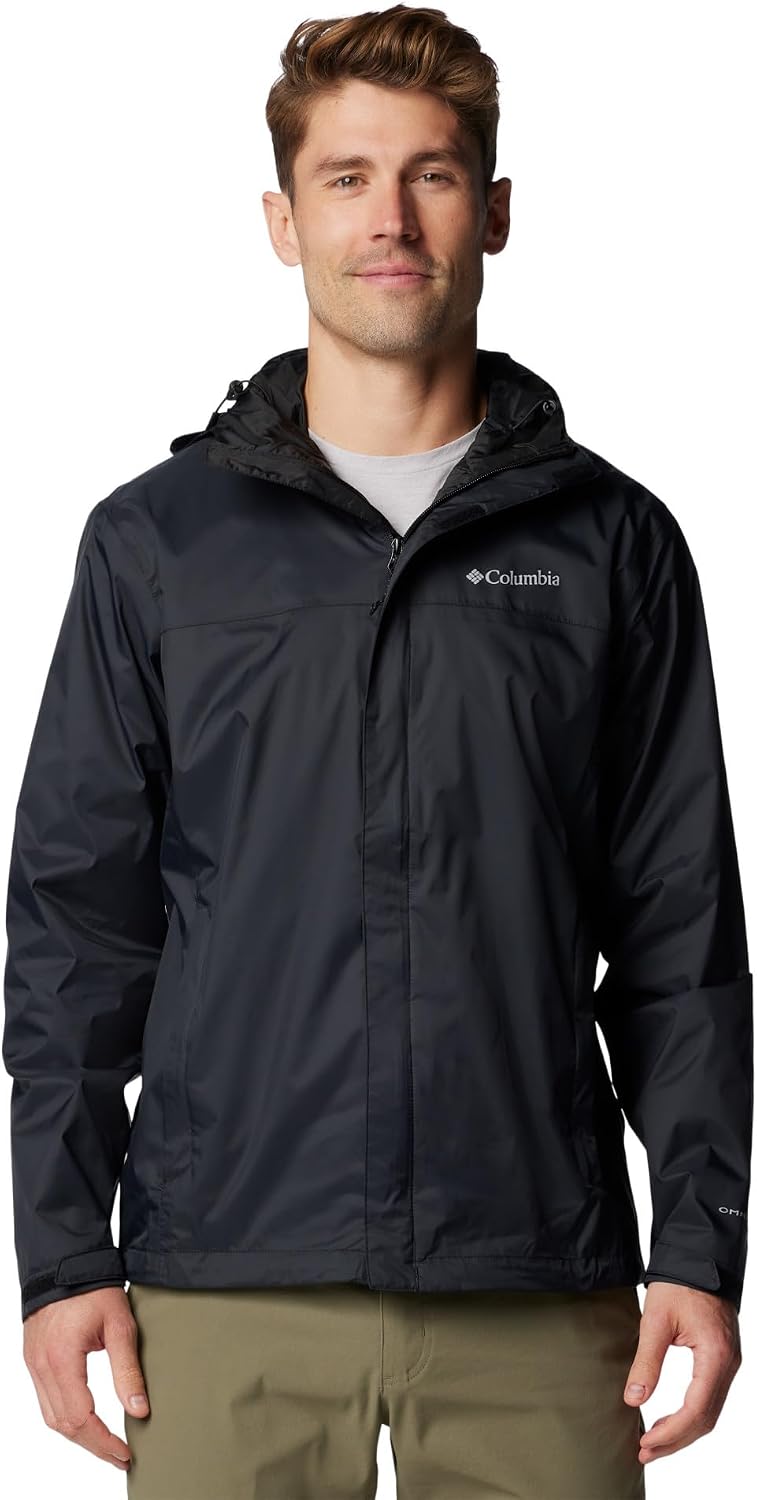
- Lightweight rain jacket or compact umbrella
- Breathable shirts plus a light sweater or fleece
- Comfortable walking shoes with good grip
- Refillable water bottle
- Sun protection, including sunscreen and sunglasses
- Warmer layer for high-elevation Smokies outings
- Offline map or downloaded trail information when hiking
Mountain travelers should check the forecast for the actual elevation and destination rather than using a Gatlinburg or Knoxville forecast as a substitute for conditions on a high trail.
Off-Season Attractions and Hidden Gems in Tennessee
Jonesborough is a strong choice for travelers who enjoy history at a slower pace. Known as Tennessee’s oldest town, its historic center combines shops, restaurants, architecture, and a long storytelling tradition. The National Storytelling Festival adds a major October draw, but the town can be explored at other times of year as well.
Cumberland Gap National Historical Park is another alternative for travelers interested in Appalachian scenery and early American history. Its trails and overlooks provide a different experience from the most heavily visited sections of Great Smoky Mountains National Park.
Winter and shoulder-season trips can also be built around indoor attractions in Nashville, Memphis, Knoxville, and Chattanooga, then paired with outdoor stops whenever the forecast cooperates. That flexibility is often more useful than choosing travel dates based on one statewide temperature or rainfall average.
Overall, Tennessee works as a year-round destination, but late spring and early-to-mid fall provide the best balance for most visitors. Choose May for greenery and spring activities, late September or October for cooler conditions and fall atmosphere, summer for school-break trips and water recreation, or winter for a more flexible city-focused getaway.
Before booking, check the event calendar for your specific destination and the current National Weather Service forecast. Travelers headed to the Smokies should also review National Park Service road, trail, parking, and facility conditions because mountain access can change independently of weather in Nashville, Memphis, or Knoxville.
Frequently Asked Questions
What is the best time to travel to Tennessee?
For most travelers, the best times are late April through May and late September through October. These periods generally combine comfortable temperatures with spring scenery or fall color, although weather varies by region and elevation.
What is Tennessee weather like in spring and fall?
Spring is mild to warm but can be rainy and stormy. Fall usually brings cooler nights and less oppressive humidity than summer. High elevations in East Tennessee can be much colder than Nashville or Memphis during either season.
When is the best time to see fall foliage in the Smoky Mountains?
Color can begin at the highest elevations in mid-September. Lower and middle elevations commonly reach their strongest color from mid-October into early November, but exact timing changes with weather and elevation each year.
What are popular attractions to visit during the best months?
Popular choices include Great Smoky Mountains National Park, Nashville’s music museums and live venues, Memphis historical and music attractions, Dollywood, scenic drives, hiking trails, lakes, and Tennessee’s state parks.
Are there festivals during spring and fall in Tennessee?
Yes. Spring events include the Nashville Cherry Blossom Festival and Memphis in May programming, while fall includes the National Storytelling Festival in Jonesborough. Major event dates change annually, so check the organizer’s official calendar before booking.
What outdoor activities are best in Tennessee?
Hiking, camping, cycling, fishing, kayaking, and scenic driving are popular choices. Spring and fall are especially comfortable for land-based activities, while summer is well suited to lakes and other water recreation if you are prepared for heat and thunderstorms.
Is winter a good time to visit Tennessee on a budget?
It can be. January and February weekdays are worth checking for lower-demand rates, particularly for city trips, but prices still rise around holidays and special events. Mountain travelers should also plan for possible snow, ice, and seasonal closures.
Sources
- NOAA/NCEI Tennessee State Climate Summary — statewide temperatures, precipitation, elevation effects, severe weather, and tornado seasonality
- National Weather Service — Nashville Climate Records — monthly temperature normals for Middle Tennessee
- National Weather Service — Memphis Climate Normals — monthly temperature and precipitation normals for West Tennessee
- Great Smoky Mountains National Park — Hiking — current trail mileage and hiking guidance
- Great Smoky Mountains National Park — Current Cautions and Closures — current trail closures including Laurel Falls
- Great Smoky Mountains National Park — Fall Colors — foliage timing by elevation and October crowd guidance