
Last Updated on September 11, 2026 by Mason Reed
Camping meals are easiest when you match the food, cookware, and preparation method to the type of trip you are taking. Backpackers need lightweight, shelf-stable meals and a compact stove, while car campers can carry coolers, larger pans, and comfort-focused cooking gear. This guide covers both approaches and helps you plan satisfying meals without carrying equipment that does not fit your trip.
Quick Answer
Plan camping meals around your transportation, cooking time, water supply, and food-storage options. Choose lightweight, quick-cooking food for backpacking. For car camping, a cooler and two-burner stove let you prepare fuller meals. Specialty tools such as cast-iron waffle makers and sourdough kits make more sense at a developed basecamp.
Affiliate disclosure: This article contains affiliate links. If you buy through one of these links, we may earn a commission at no additional cost to you.
Key Takeaways
- Backpacking meals should be light, shelf-stable, calorie-dense, and quick to cook with minimal water and fuel.
- Car camping gives you room for a cooler, a two-burner propane stove, fresh ingredients, and larger cookware.
- The Coleman Triton is a car-camping stove, not a normal backpacking stove.
- A cast-iron waffle maker and sourdough starter are comfort-focused basecamp options that require extra time, care, and equipment.
- Food temperature, treated water, propane safety, wildlife storage, and cleanup should be part of every meal plan.
Featured Camping Meal Gear at a Glance
| Category | Product | Best For |
|---|---|---|
| 🏆 Best Full-Size Camp Stove | Coleman Triton | Car camping, group meals, tailgating, and developed basecamps |
| 🎨 Best Specialty Breakfast Tool | HAWOK Waffle Maker | Leisurely car-camping breakfasts and home stovetop use |
| 📘 Best Basecamp Baking Guide | Simply Sourdough | Home practice or developed basecamps with time and baking equipment |
Match Your Meals to the Type of Camping
Backpacking
Every ounce matters when you carry your food, stove, fuel, cookware, and water. Choose dry foods that provide useful energy without requiring long cooking times. Instant oats, tortillas, couscous, dehydrated beans, tuna or chicken pouches, nut butter, trail mix, dried fruit, powdered milk, and freeze-dried meals are easier to carry than canned food or fresh ingredients.
A small backpacking stove, one pot, one spoon, and a mug are usually more practical than a full-size two-burner stove. Plan meals that use the same pot and require only boiling or brief simmering.
Car Camping
When your vehicle is close to the campsite, you can bring a cooler, full-size stove, skillet, cutting board, food thermometer, and larger water containers. This makes eggs, pancakes, pasta, chili, stir-fries, grilled food, and fresh vegetables realistic choices.
Pack raw meat below ready-to-eat food in the cooler, keep the cooler shaded, and minimize how often you open it.
Developed Basecamp Cooking
A stable basecamp lets you spend more time on meals and use heavier tools. Cast-iron cookware, waffle makers, Dutch ovens, and baking projects can work when you have reliable water, a safe cooking area, enough fuel, and time for cleaning.
These comfort-focused options are poor choices for fast-moving backpacking trips but can make a relaxed weekend camp feel more like an outdoor kitchen.
How to Plan Camping Meals
Estimate How Much Food You Need
A commonly used backpacking starting point is about 1.5 to 2.5 pounds of dry food and roughly 2,500 to 4,500 calories per person per day. Your actual needs depend on body size, mileage, elevation gain, weather, trip length, and normal appetite. Review the planning guidance from REI’s backpacking experts, then adjust the range using food you have tested before the trip.
Do not rely on calorie totals alone. Include carbohydrates for quick energy, fat for calorie density, protein for recovery, and familiar foods that you will still want to eat when tired.
Use a Simple Meal Formula
- Breakfast: A quick carbohydrate, a protein or fat source, and a drink.
- Lunch: A no-cook wrap, crackers, or bread with a shelf-stable filling.
- Dinner: A fast-cooking grain or noodle, protein, vegetables, and seasoning.
- Snacks: Foods you can eat without unpacking the kitchen.
- Backup food: One simple meal or snack reserve for delays, extra hunger, or a failed cooking setup.
Pro Tip: Test every meal at home with the same stove, pot, water amount, and cooking method you plan to use outdoors. This reveals inaccurate serving sizes, long cook times, weak seasoning, and excess fuel use before they become campsite problems.
Sample Two-Day Backpacking Menu
| Meal | Day 1 | Day 2 |
|---|---|---|
| Breakfast | Eat before departure or pack a breakfast bar and nut butter | Instant oats with powdered milk, dried fruit, and chopped nuts |
| Lunch | Tortilla with tuna pouch, mayonnaise packet, and hard cheese | Peanut-butter tortilla with dried banana or raisins |
| Dinner | Couscous with dehydrated vegetables, chicken pouch, and seasoning | Freeze-dried meal or instant noodles with dehydrated vegetables and shelf-stable protein |
| Snacks | Trail mix, energy bar, jerky, and electrolyte drink mix | Nuts, dried fruit, crackers, chocolate, and energy bar |
Sample Two-Day Car-Camping Menu
| Meal | Day 1 | Day 2 |
|---|---|---|
| Breakfast | Breakfast burritos with eggs, cheese, and precooked potatoes | Pancakes or waffles with fruit and yogurt kept in a cooler |
| Lunch | Sandwiches, raw vegetables, fruit, and chips | Chicken or bean wraps with slaw |
| Dinner | One-pot chili with tortillas or bread | Pasta with vegetables and a separately cooked protein |
| Snacks | Fruit, popcorn, trail mix, and cheese | Hummus, crackers, granola bars, and toasted marshmallows where fires are permitted |
Simple Camping Meal Ideas
Easy Breakfasts
- Instant oatmeal with nuts, powdered milk, cinnamon, and dried fruit
- Granola with shelf-stable or powdered milk
- Peanut-butter tortillas with banana chips
- Egg and cheese breakfast wraps for cooler-equipped trips
- Pancakes or waffles for relaxed car-camping mornings
No-Cook Lunches
- Tuna, salmon, chicken, or bean pouches in tortillas
- Nut-butter wraps with dried fruit
- Crackers with shelf-stable meat and hard cheese
- Hummus packets with pita or vegetables
- Trail mix, energy bars, and fruit for a moving lunch
Fast Dinners
- Couscous with dehydrated vegetables and chicken
- Instant rice with beans, cheese, and taco seasoning
- Ramen with vegetables, peanut butter, and chili sauce
- One-pot pasta with shelf-stable sauce
- Freeze-dried meals when low weight and fast cleanup matter most
Flavor Boosters That Pack Small
Small packets of olive oil, hot sauce, soy sauce, powdered cheese, bouillon, dried herbs, curry powder, garlic powder, and chili flakes can make simple trail food much easier to enjoy. Label seasonings and double-bag liquids to prevent spills.
Food, Water, and Camp-Kitchen Safety
Warning: Never use a propane stove inside a tent, vehicle, closed shelter, or other enclosed area. Burning fuel can produce deadly carbon monoxide. Use the stove outdoors on a stable, nonflammable surface, away from dry vegetation, tents, and loose clothing.
Keep Perishable Food Cold
The USDA identifies 40°F to 140°F as the food-safety danger zone. Perishable food should not remain in that range for more than two hours, or more than one hour when the outdoor temperature is above 90°F. Keep cold food below 40°F using ice, frozen gel packs, or frozen water bottles. Read the full USDA camping food-safety guidance.
Use a Food Thermometer
- Cook whole cuts of beef, pork, lamb, and veal to at least 145°F and allow a three-minute rest.
- Cook ground meat to at least 160°F.
- Cook poultry and reheat leftovers to at least 165°F.
- Keep raw meat and its utensils separate from ready-to-eat food.
Treat Uncertain Water
Clear-looking lake or stream water can still contain harmful germs. The CDC recommends boiling uncertain water or using an appropriate filtration and disinfection method. Bring clear water to a rolling boil for one minute, or three minutes above 6,500 feet, unless local guidance requires another method.
Water that looks clean is not automatically safe for drinking, cooking, brushing teeth, or washing food.
Use and Store Propane Safely
Inspect the cylinder, regulator, connector, and stove before lighting. Do not use a cylinder that is badly rusted, bulging, dented, gouged, leaking, or heat-damaged. If you smell propane, do not light the stove. Close the valve if it is safe to do so and move away from ignition sources.
Single-use DOT-39 propane cylinders are not designed for refilling. Follow campground rules and local hazardous-waste guidance when disposing of them. See the National Park Service propane-safety guidance.
Protect Food From Wildlife
Food, trash, cookware, coolers, toiletries, and other scented items can attract wildlife. Do not store them in your tent. Check the rules for your specific park or forest before leaving home because some locations require lockers or approved bear-resistant containers.
The National Park Service recommends securing scented items immediately, cleaning dishes promptly, packing out scraps, and keeping food storage closed whenever it is not actively in use.
Clean Up Without Contaminating Water
Eat or pack out all food scraps before washing dishes. Strain particles from dishwater and pack the particles out with your trash. Where local rules allow, dispose of strained water at least 200 feet from camp and natural water sources. Follow the location-specific guidance described by Leave No Trace.
Plan for Allergies and Dietary Needs
Check every packaged meal, sauce, seasoning, and snack before the trip. Keep allergen-free utensils and food separate when needed, and do not assume a freeze-dried or dehydrated meal is safe because its name sounds suitable. Carry any prescribed emergency medication where it can be reached quickly, not buried inside a food bag.
Selection Criteria
The featured products were evaluated according to their intended trip type rather than treated as interchangeable camping essentials. Portability matters most for backpacking, while burner control, cooking space, and wind protection matter more at a vehicle-accessible campsite.
Preparation time, cleanup, fuel use, maintenance, and the extra equipment needed for each product were also considered. A tool that creates a memorable meal may still be a poor choice when it adds excessive weight or requires difficult cleaning.
Versatility and documentation were considered alongside convenience. Products with clear manufacturer specifications are easier to recommend confidently. When a listing contains uncertain or conflicting information, that uncertainty is stated rather than treated as a verified feature.
Coleman Triton Two-Burner Propane Stove

The Coleman Triton is the most practical featured product for cooking complete meals at a car-accessible campsite. It has two independently adjustable burners, two wind guards, a removable chrome-plated grate, and 22,000 total BTUs of cooking power. Coleman says the cooking surface fits one 12-inch pan and one 10-inch pan.
The stove uses a 16-ounce propane cylinder, sold separately. The product listing states a burn time of up to one hour on high, although real use varies with burner settings, wind, temperature, and cooking habits. See the official Coleman Triton product page.
Note: Published weight information conflicts. Amazon lists the item at 5 pounds, while Coleman’s current page lists 10.550 pounds. Treat it as a full-size tabletop car-camping stove and verify the current listing if the exact packed weight affects your setup.
What People Say
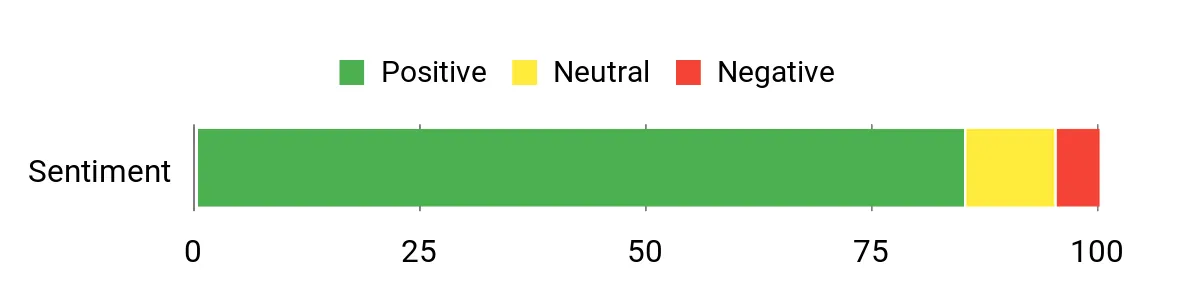
The original review dataset associated with this article describes generally positive feedback about heat output, wind guards, burner control, and the removable grate. The collection date, sample size, and analysis method were not supplied, so the chart below should be treated as a historical snapshot rather than a live marketplace rating.
Overall sentiment in the original dataset: Positive
| Pros | Cons |
|---|---|
| ✅ Two burners support full meals and larger cookware | ❌ Too large and heavy for normal backpacking |
| ✅ Wind guards help protect the flames | ❌ Propane cylinder is sold separately |
| ✅ Removable grate simplifies routine cleaning | ❌ Requires outdoor tabletop space and safe fuel storage |
| ✅ Independent burner controls allow boiling and simmering at once | ❌ No built-in ignition on the standard Triton model |
When It Shines
| Situation | How It Helps |
|---|---|
| Car Camping | You can use two pans at once and prepare eggs, pasta, chili, stir-fries, and other full meals. |
| Basecamp Cooking | Independent controls let you boil water on one burner while simmering on the other. |
| Tailgating and Picnics | The folding body, carry handle, latch, and tabletop design simplify transport from a vehicle. |
| Group Weekends | The larger cooking area reduces the time needed to prepare multiple portions. |
Practicality
Choose this stove when vehicle access matters more than low pack weight. It gives you greater control and cooking space than a compact backpacking stove, but it requires a stable outdoor surface, a separate propane cylinder, and room for cookware.
Key Benefits
- 22,000 total BTUs across two adjustable burners
- Wind guards that help shield both burners
- Room for one 12-inch pan and one 10-inch pan
- Removable grate and folding body
- Up to one hour on high with one 16-ounce cylinder under the listed test conditions
Rating note: Marketplace ratings and review totals change over time. Check the current product listing instead of relying on the undated figures in the original article.
HAWOK Heart-Shaped Cast-Iron Waffle Maker

The HAWOK waffle maker is a specialty cast-iron tool for people who want a memorable breakfast at a vehicle-accessible campsite. Its heart-shaped cooking plates are designed for stovetop use, and the listing describes a handle holder and basting brush among the included items.
It is much heavier and less versatile than a pan or compact backpacking pot. Cast iron also requires careful heating, drying, and seasoning. Independent manufacturer documentation for the original article’s capacity, coating, and oven-safety claims could not be confirmed, so those specifications should not guide the purchase.
What People Say
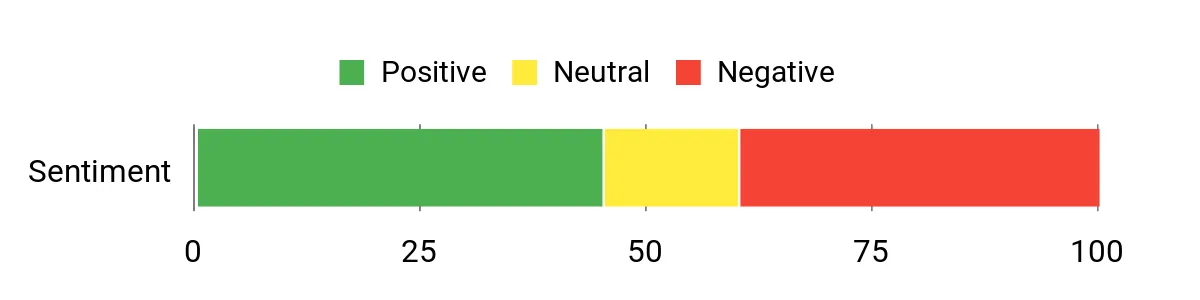
The original review snapshot describes interest in the heart shape and cast-iron construction, along with concerns about uneven results and hand washing. The dataset date and methodology are not available, so confirm current feedback and seller details on the live listing.
Overall sentiment in the original dataset: Neutral
| Pros | Cons |
|---|---|
| ✅ Cast iron holds heat once fully preheated | ❌ Heavy and bulky compared with normal camping cookware |
| ✅ Heart shape creates a distinctive breakfast | ❌ Requires hand washing, thorough drying, and seasoning care |
| ✅ Listing describes a handle holder and basting brush | ❌ May heat unevenly when the burner and iron are poorly matched |
| ✅ Can serve as an occasional home or camp breakfast tool | ❌ Limited independent documentation for several listing specifications |
When to Use It
| Situation | How It Fits |
|---|---|
| Car Camping | Vehicle access makes the extra weight and cleaning supplies easier to manage. |
| Basecamp Weekends | A slower schedule gives you time to preheat the iron and cook in batches. |
| Special Breakfasts | The heart shape adds a playful touch for birthdays, anniversaries, or family trips. |
| Home Stovetop Use | You can practice heat control and batter quantity before trying it outdoors. |
Practicality
This is an optional comfort item rather than essential camping cookware. Bring it only when you have a compatible stove, a stable cooking surface, enough fuel, cleaning water, and space to store cast iron after it cools.
Before the trip, confirm the current seller’s instructions, dimensions, compatible heat sources, and included accessories.
Key Benefits
- Distinctive heart-shaped waffle design
- Cast-iron construction with strong heat retention
- Suitable for leisurely breakfasts where weight is not a concern
- Useful for home practice before a camping trip
Rating note: The original 3.4/5 figure and review count were not dated. Check the current listing and read recent reviews about fit, seasoning, hinge movement, and heat distribution.
Simply Sourdough: The Alaskan Way
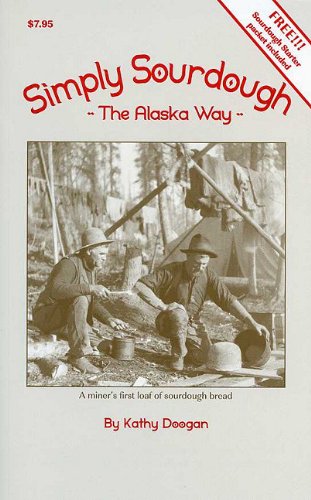
Simply Sourdough: The Alaskan Way is a compact cookbook by Kathy Doogan. The Todd Communications catalogue lists it as a 48-page softcover published in 2007 and describes recipes ranging from breakfast food to sourdough chocolate cake.
The publisher describes a complimentary sourdough starter packet, but buyers should verify that the packet is included, especially when purchasing a used copy. A starter also needs activation, feeding, time, flour, clean water, temperature control, and suitable baking equipment. That makes the book more realistic for home preparation or a developed basecamp than a lightweight trail kitchen.
What People Say
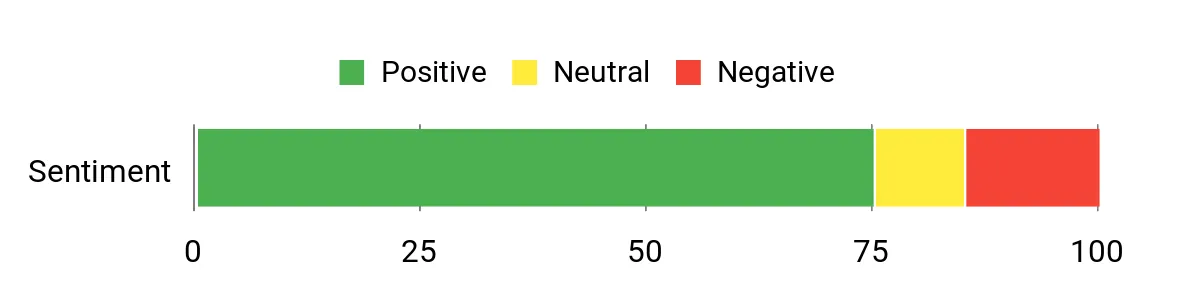
The original dataset describes positive reactions to the concise format, approachable recipes, and bundled starter concept. It also notes that starters sometimes require troubleshooting. Because the review date and sample are not provided, the chart should be treated as a historical snapshot.
Overall sentiment in the original dataset: Positive
| Pros | Cons |
|---|---|
| ✅ Compact 48-page format | ❌ Used copies may not include the bundled starter packet |
| ✅ Focused collection of sourdough recipes | ❌ A starter needs ongoing feeding and suitable conditions |
| ✅ Easy to carry as a reference book | ❌ Outdoor baking requires extra cookware, fuel, flour, and time |
| ✅ Better suited to planned baking than improvised recipes | ❌ Not a practical solution for fast-paced backpacking |
When to Use It
| Situation | How It Fits |
|---|---|
| Home Preparation | You can activate the starter, test recipes, and learn fermentation before leaving home. |
| Developed Basecamp | It works when you have dependable water, baking equipment, fuel, and time. |
| Group Meals | Tested recipes can be scaled before the trip when you know the number of people. |
| Leisurely Trips | A relaxed schedule makes starter feeding and longer preparation more manageable. |
Practicality
The book itself is compact, but sourdough baking is not a compact cooking process. Use it as a planning and recipe resource rather than assuming the included packet turns bread into a quick campsite meal.
Key Benefits
- Written by Kathy Doogan and published by Todd Communications
- 48-page softcover format
- Includes a focused selection of Alaskan-style sourdough recipes
- Some new copies may include a starter packet
- Useful for practicing recipes before a basecamp trip
Rating note: The original article gives inconsistent review information. Verify whether the listing is new or used, whether the starter packet is included, and what recent buyers report.
Frequently Asked Questions
What should I pack for camping meals?
Pack food that fits your cooking method, water supply, storage options, and trip length. Backpackers should favor tortillas, instant grains, nut butter, dried fruit, pouches, dehydrated food, and quick-cooking meals. Car campers can add cooler-safe ingredients, fresh produce, eggs, meat, and larger cookware.
How do I cook efficiently on the trail?
Measure ingredients at home, choose quick-cooking food, use a lid, protect the flame from wind without enclosing the stove, and cook one-pot meals. Soaking ingredients before heating can shorten cooking time, but keep food-safety limits in mind.
Is a two-burner propane stove suitable for backpacking?
Usually not. A stove such as the Coleman Triton is designed for tabletop outdoor use and is best transported by vehicle. Backpackers normally use a much smaller stove, one lightweight pot, and compact fuel.
Can I bake or maintain sourdough starter at camp?
Yes, but it is easiest at a developed basecamp with clean water, stable temperatures, enough flour, suitable cookware, and extra fuel. Activate and test the starter at home first. Do not depend on an untested starter for essential trip food.
How much food should I carry per day?
A common backpacking starting point is 1.5 to 2.5 pounds of dry food and roughly 2,500 to 4,500 calories per person per day. Adjust for body size, distance, elevation, weather, appetite, and trip duration. Test the quantity during a shorter trip first.
How do I keep food safe without a cooler?
Choose shelf-stable food such as dehydrated meals, instant grains, unopened pouches, nut butter, dried fruit, nuts, powdered drinks, and sealed snacks. Once a pouch or package is opened, eat it promptly and follow its storage instructions.
How should I wash dishes in the backcountry?
Remove and pack out food scraps first. Use a small amount of hot water and soap where permitted, strain the dishwater, and pack out the strained particles. Dispose of the water according to local rules, normally well away from camp and natural water.
Where should I store food at night?
Never store food or other scented items in your tent. Follow the rules for the specific campground or backcountry area. Depending on the location, you may need a food locker, hard-sided vehicle, approved bear-resistant container, or designated hanging system.
Customer Preferences
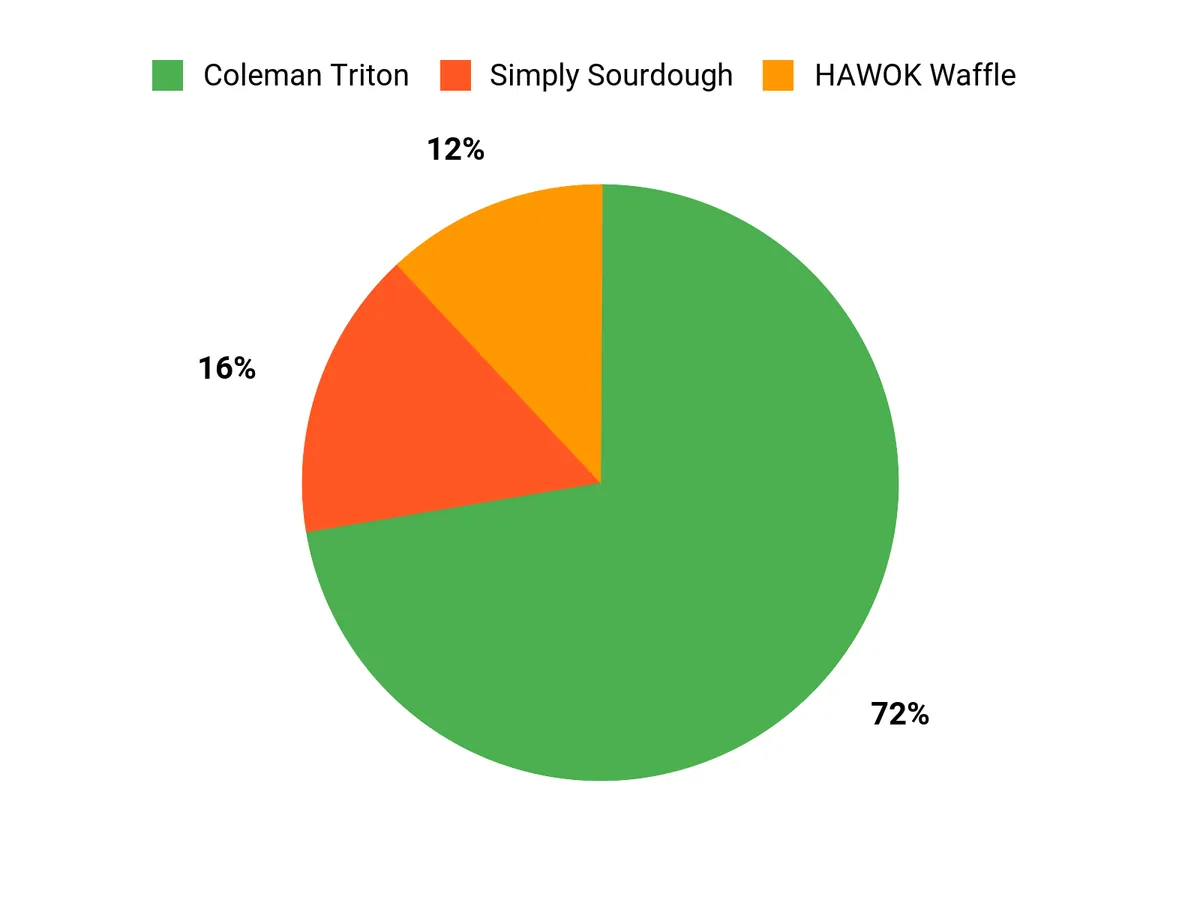
Choose the Coleman Triton when you want a dependable two-burner cooking station and can transport it by vehicle. Choose the HAWOK waffle maker only when a novelty breakfast is worth the extra weight and maintenance. Choose Simply Sourdough when you want a recipe resource for home practice or a well-equipped basecamp rather than a quick trail meal.
Final Product Comparison
| Comparison | Coleman Triton 2-Burner Propane Stove | HAWOK Cast-Iron Heart Waffle Maker | Simply Sourdough: The Alaskan Way |
|---|---|---|---|
| Product |
|
|
|
| Rating | Check the current listing; live ratings and review totals change. | Check the current listing; the original rating was undated. | Check the current listing and confirm whether the copy is new or used. |
| Specifications |
|
|
|
| Key Highlights |
|
|
|
| Best For | Car camping, tailgating, group meals, and developed basecamps | Leisurely breakfasts where weight and cleanup are not major concerns | Home practice and well-equipped basecamp baking |
| Amazon Link | Check price on Amazon | Check price on Amazon | Check price on Amazon |
Conclusion
Good camping meals begin with the trip plan, not the product list. Carry lightweight, fast-cooking food and compact equipment when backpacking. Use a cooler and full-size stove when car camping gives you more space. Reserve waffle makers, sourdough projects, and other specialty cooking for developed basecamps where you have the time, fuel, water, and equipment to use them safely.
The Coleman Triton is the strongest all-around featured choice for vehicle-based cooking. The HAWOK waffle maker is an optional breakfast tool, while Simply Sourdough is better treated as a recipe and practice guide. Whichever setup you choose, test it at home, confirm current product details, store food properly, and follow local fire and wildlife rules.
This roundup is reader-supported. When you click through affiliate links, we may earn a referral commission on qualifying purchases.
Sources
- Coleman Triton 2-Burner Propane Camping Stove — manufacturer features, output, pan sizes, and published weight.
- USDA Food Safety While Hiking, Camping and Boating — coolers, danger-zone limits, hand hygiene, and safe cooking temperatures.
- CDC Water Treatment Options When Hiking, Camping or Traveling — boiling, filtering, and disinfecting uncertain water.
- National Park Service Bear Safety: Storing Food — food, trash, cookware, scented-item, and bear-storage guidance.
- National Park Service Propane Canister Safety — inspection, disposal, and single-use cylinder precautions.
- Todd Communications: Simply Sourdough — publisher, author, page count, publication year, and starter-packet description.


3 Comments
Pingback: Tent Denier Explained: How To Choose Tent Fabric 2026
Pingback: Cooling Gel Travel Pillows: Complete Guide For 2026
Pingback: Travel Pillow Measurements: Neck Fit Guide For 2026