Last Updated on September 11, 2026 by Daniel Globe
Traditional Irish dress is not one single outfit but a collection of garments, textiles, and styles that developed across centuries. Clothing such as the léine, brat cloak, wool garments, linen pieces, and later Irish textiles reflected practical needs, regional traditions, social position, and cultural identity. Irish clothing also became connected with history and resistance as authorities attempted to regulate visible Irish customs.
Quick Answer
Traditional Irish dress includes historical garments such as the léine, brat cloak, wool clothing, and linen pieces rather than one official national costume. These clothes reflected climate, craftsmanship, social status, and regional identity. Today, Irish textiles and designs continue to influence fashion while preserving connections to Irish heritage.
Key Takeaways
- Ireland does not have one single historical national costume.
- The léine and brat cloak are among the best-known traditional Irish garments.
- Wool, linen, tweed, and natural dyes shaped Irish clothing traditions.
- Modern Irish fashion often adapts historical materials and designs.
Disclosure: As an Amazon Associate I earn from qualifying purchases. Some links on this page are affiliate links, at no extra cost to you.
Why Irish Dress Became Symbolic
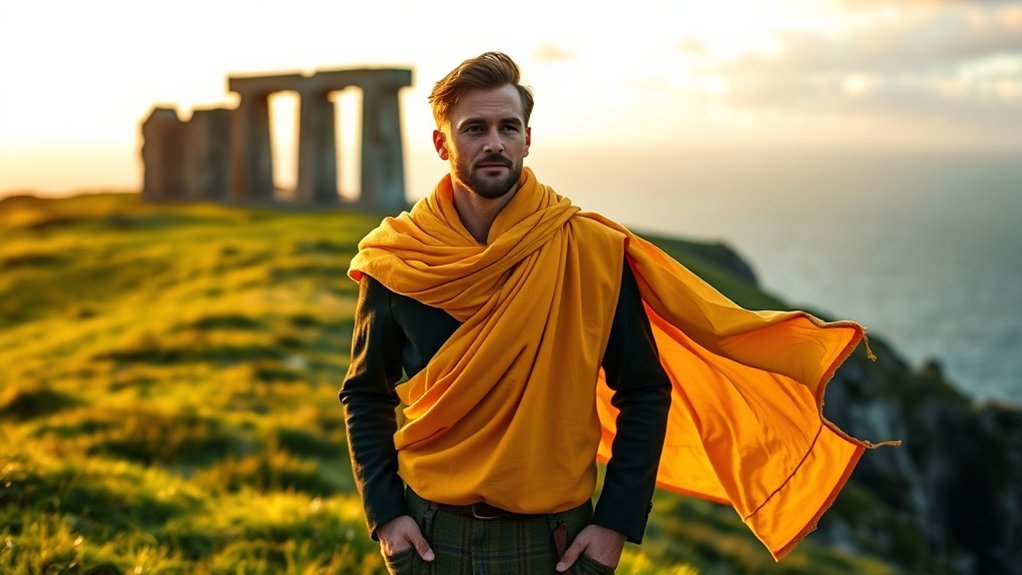
Irish dress became symbolic because clothing communicated belonging, social position, and connection to local traditions. Historical garments were shaped by everyday needs, but they also carried messages about language, community, and cultural difference.
The léine, a loose linen garment worn in Gaelic Ireland, became one of the most recognizable examples of traditional Irish clothing. Its style, materials, and decoration helped distinguish Irish dress from other European fashions. Clothing regulations introduced under English rule attempted to limit certain Irish customs, including specific garments and saffron-colored clothing. These laws show that dress was viewed as a visible expression of cultural identity. :contentReference[oaicite:7]{index=7}
Warning: Historical Irish clothing should not be confused with modern “Irish costumes.” Many outfits sold today are inspired by tradition but are not exact representations of everyday historical clothing.
Traditional Irish Dress Through the Centuries
Irish clothing changed over time rather than remaining fixed. Different periods brought changes in materials, European influences, and social expectations. The National Museum of Ireland notes that clothing in Ireland reflected changing fashions, regional practices, and available materials rather than a single national style. :contentReference[oaicite:8]{index=8}
The léine was a major garment in Gaelic Ireland. It was commonly made from linen and could be worn with additional layers. Another important item was the brat, a wool cloak that provided warmth and could also communicate status through its quality and appearance. :contentReference[oaicite:9]{index=9}
During the sixteenth century, English authorities introduced clothing restrictions that targeted Irish-style garments. These rules included limits on saffron-colored shirts and other traditional clothing forms, showing how appearance became linked with political control. :contentReference[oaicite:10]{index=10}
Key Fabrics in Irish Dress and Clothing
Irish clothing traditions were closely connected to natural materials available locally. Wool and linen became especially important because they suited Ireland’s climate and supported local craftsmanship. :contentReference[oaicite:11]{index=11}
- Wool: Used for warmth, cloaks, and durable everyday clothing.
- Linen: Lightweight and breathable, making it suitable for garments such as the léine.
- Donegal tweed: A later textile tradition known for handwoven wool and distinctive textures.
- Saffron-colored cloth: A historically recognized feature of some Irish garments and a target of clothing restrictions.
Pro Tip: When researching Irish clothing history, focus on the garment’s time period and region. Irish dress changed significantly across centuries.
How Traditional Irish Dress Shapes Modern Fashion
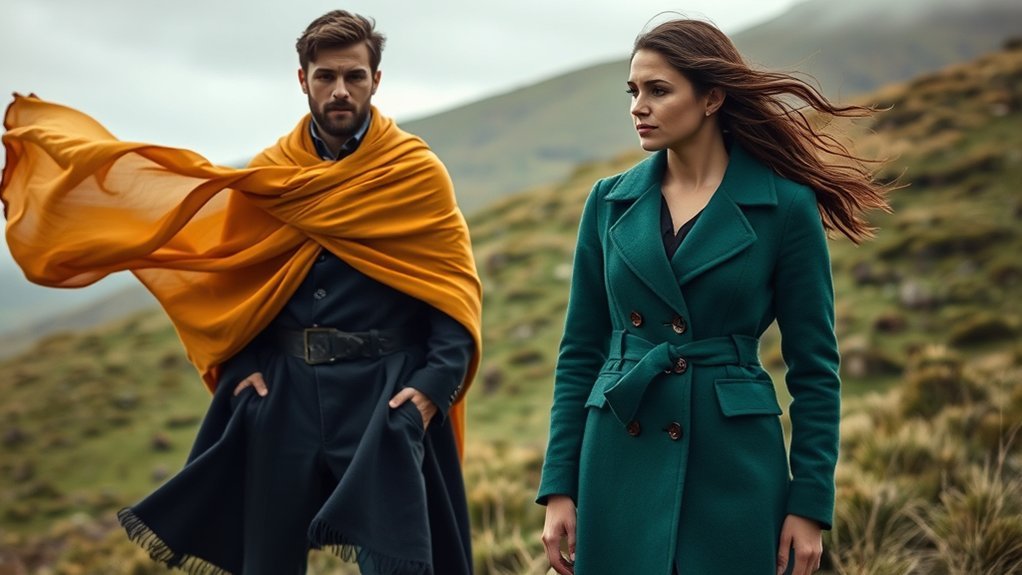
Traditional Irish dress continues to influence modern fashion through materials, textures, and craftsmanship. Designers often borrow ideas from historical clothing without simply recreating old garments.
- Pleated and flowing shapes influence contemporary silhouettes.
- Irish linen supports lightweight, sustainable clothing designs.
- Donegal tweed remains valued for durability and texture.
- Traditional craft techniques inspire modern designers.
Modern Irish fashion shows how heritage can evolve. Historical materials and patterns can appear in contemporary clothing while still maintaining links to Irish craftsmanship.
What Irish Dress Symbolizes Today
Today, Irish dress represents heritage, craftsmanship, and cultural connection rather than one fixed style. People may connect with Irish clothing through textiles, dance costumes, traditional events, or modern designs inspired by older garments.
Symbols such as the Claddagh and traditional textile patterns continue to appear in Irish-inspired clothing because they connect modern designs with ideas of history, community, and belonging.
Irish dress is best understood as a changing tradition: a combination of historical garments, regional materials, and modern interpretations.
Frequently Asked Questions
Why does Ireland have no traditional dress?
Ireland does not have one official traditional dress because clothing developed differently across regions, classes, and historical periods. While garments such as the léine and brat are strongly associated with Irish history, there was no single national costume worn by everyone.
How can you avoid looking like a tourist in Ireland?
Choose practical clothing suited to Ireland’s weather, avoid exaggerated costume versions of Irish culture, and pay attention to local style. Comfortable layers, waterproof outerwear, and simple clothing are often more appropriate.
What is an Irish brat?
An Irish brat is a traditional wool cloak associated with Gaelic clothing. It provided warmth and could also indicate social position through its quality and style.
What is a traditional Irish dress?
Traditional Irish dress refers to historical garments and textiles associated with Ireland, including linen léinte, wool cloaks, and regional clothing traditions. It is not one single outfit.
Conclusion
Traditional Irish dress tells a story of materials, craftsmanship, regional identity, and historical change. From the léine and wool cloak to modern Irish textiles, clothing has remained a way for people to express connection with Irish heritage. Understanding Irish dress means looking beyond costumes and seeing the history woven into every fabric and design.
Sources
- National Museum of Ireland — Clothing the Family — background on Irish clothing materials and traditions.
- National Museum of Ireland — The Way We Wore — historical clothing context.
- Speculum — Moustaches, Mantles, and Saffron Shirts — research on Irish clothing laws.