
Last Updated on July 27, 2026 by Daniel Globe
Hiking boots should hold your feet securely without squeezing them. A good fit keeps the heel and midfoot stable while leaving enough room for your toes to move and for your feet to expand during a long hike. When your footwear fits correctly, you spend less time thinking about rubbing, pressure, or toe impact and more time enjoying the trail.
Quick Answer
Hiking boots should feel snug, not tight. Your heel and midfoot should stay secure without painful pressure, while your toes should be able to wiggle freely. As a practical starting point, aim for roughly a thumb’s width between your longest toe and the front of the boot so your toes do not strike the end on descents.
Key Takeaways
- Proper hiking-boot fit is snug through the heel and midfoot but never painfully tight.
- Your toes need enough room to wiggle and to avoid hitting the front of the boot on descents.
- Terrain, weather, pack weight, foot shape, width, socks, and insoles all affect the best footwear choice.
- Blisters, hot spots, numbness, toe impact, excessive heel lift, and persistent pressure are signs that the fit needs attention.
- Try boots with your real hiking socks and insoles, walk on an incline if possible, and do not expect break-in to correct a fundamentally wrong size or shape.
At a Glance
| Time Required | Several minutes per pair, plus time to walk on level ground and an incline |
| Difficulty | Easy |
| Tools Needed | Your hiking socks, normal insoles or orthotics, and ideally a ramp, stairs, or store test incline |
| Cost | No extra cost beyond the footwear, socks, or insoles you plan to use |
Disclosure: As an Amazon Associate I earn from qualifying purchases. Some links on this page are affiliate links, at no extra cost to you.
Factors to Consider When Choosing Hiking Boots
Choosing hiking boots involves more than picking a size or favorite brand. Start with the terrain. Rugged trails with sharp rocks, roots, steep grades, or a heavier pack may call for footwear with a firmer midsole, protective upper, and more structured construction. On smoother maintained trails, lighter hiking shoes or flexible boots may be more comfortable.
The weather matters too. Waterproof membranes can help keep external moisture out in wet or cold conditions, but they usually reduce ventilation compared with non-waterproof mesh footwear. REI’s current hiking-footwear guide notes this breathability tradeoff, so waterproof boots are useful in many conditions but are not automatically the best choice for every wet or warm hike.
Think about trip length and load as well. A short day hike with a light pack may not require the same stiffness or protection as a multi-day backpacking trip. More demanding terrain and heavier loads often make a more structured sole desirable, while hikers who prioritize low weight may prefer hiking shoes or trail-running footwear.
Finally, match the boot to your foot rather than trying to make your foot adapt to the boot. Width, arch shape, heel width, overall foot volume, and the use of orthotics can all change how a particular model feels. If one foot is larger than the other, fit the larger foot first and then fine-tune the smaller side with lacing or an appropriate insole if necessary.
How Tight Should Hiking Boots Be?
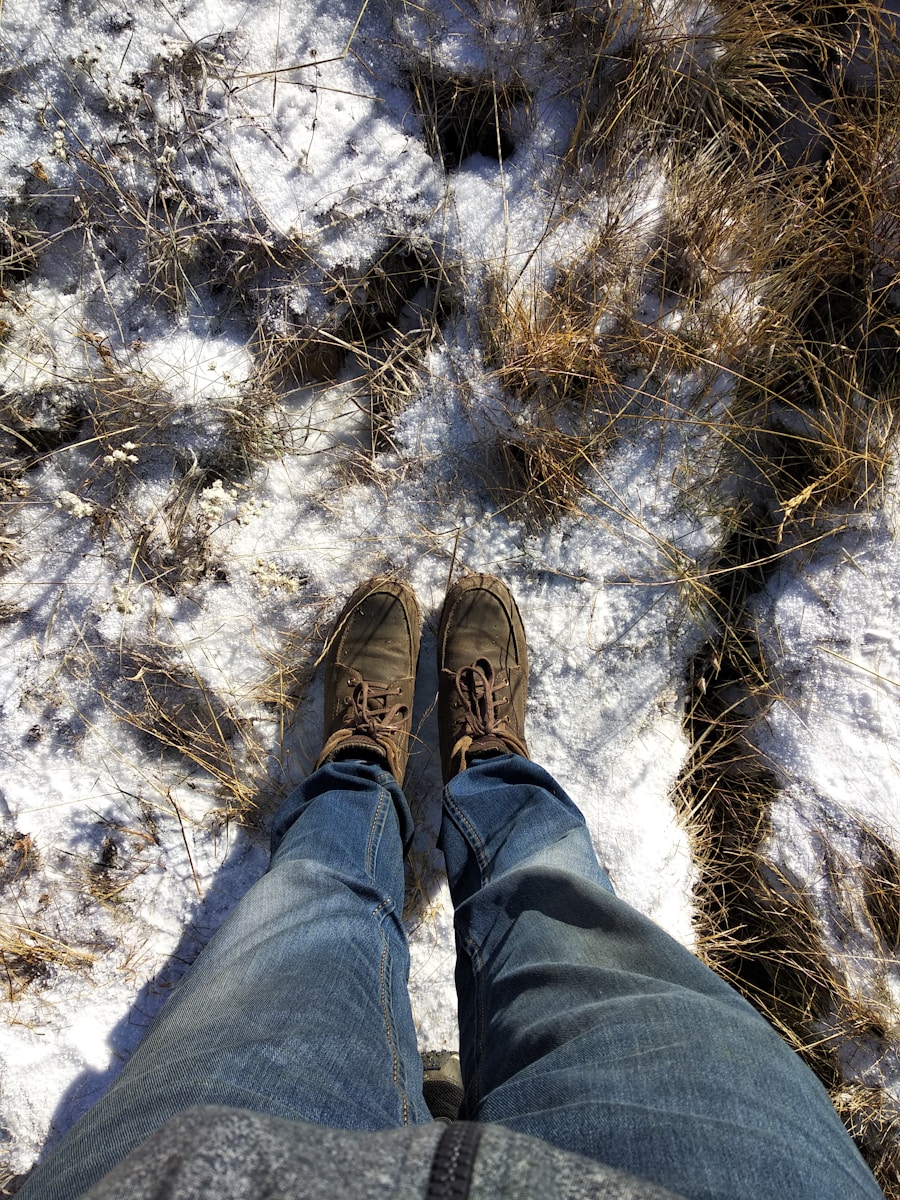
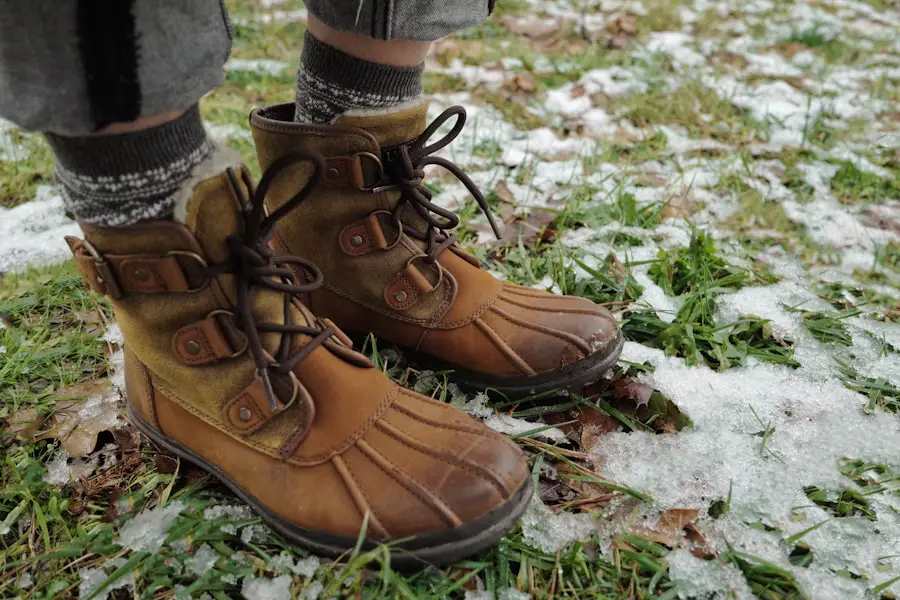
The best hiking-boot fit is often described as snug everywhere and tight nowhere. Your heel and midfoot should feel held in place, but you should not feel squeezing, pinching, numbness, or throbbing pressure.
For length, a useful starting point is about a thumb’s width between your longest toe and the end of the boot or removable insole. REI recommends this check in its current fitting guidance. That extra space matters most when walking downhill, when your foot naturally shifts forward inside the boot.
How the Heel Should Fit
Your heel should sit securely in the heel cup. A small amount of natural movement may occur depending on the boot, but substantial up-and-down sliding can create friction and hot spots. Danner’s new-boot fitting guidance likewise advises that the heel should not slide substantially while walking.
How the Midfoot Should Fit
The midfoot should feel supported when the laces are comfortably snug. You should not need to pull the laces extremely tight just to stop your foot from moving. If the boot still feels loose over the top or sides of your foot after normal lacing, its internal volume or shape may not match your foot.
How the Toe Box Should Fit
Your toes should be able to wiggle without pressing against the front, sides, or top of the toe box. Walk down a ramp or stairs while wearing the boots. Your toes should not repeatedly strike the front. That impact becomes far more noticeable after hours on a trail and can contribute to sore or bruised toenails.
Warning: Numbness, tingling, sharp pressure, pinched toes, or repeated toe impact are not signs that a hiking boot merely needs to be “broken in.” Stop and reassess the size, width, lacing, or model.
Signs of a Poor Fit
| Sign | What It May Mean |
|---|---|
| Toes hit the front downhill | Boot may be too short, too low-volume, or allowing the foot to slide forward |
| Substantial heel lift | Heel cup may be too loose, boot volume may be too large, or lacing may need adjustment |
| Pinching at the forefoot | Boot may be too narrow or the toe-box shape may not match your foot |
| Hot spots or blisters | Friction, excess movement, pressure, moisture, or a combination of these factors |
| Numbness or tingling | Laces may be overtightened or the boot may be too narrow, short, or low-volume |
| Foot slides side to side | Boot may be too wide or too high-volume for the foot |
Discomfort in the toes, arches, heels, or sides of the foot deserves attention before a long hike. Pinching or obvious pressure points while simply walking around a store are particularly useful warning signs because those sensations usually become more noticeable with distance.
Blisters can also signal a fit problem, although fit is not the only cause. Moisture and friction matter. In a 2022 study of 203 long-distance hikers, wet socks were associated with a higher likelihood of foot blisters. The research is available through PubMed.
A boot can be the correct numbered size and still be the wrong fit. Width, heel shape, toe-box shape, foot volume, socks, insoles, and lacing all affect how securely and comfortably it holds your foot.
Excess movement can make the foot less stable inside the footwear and increase friction. On the other hand, excessive tightness can create pressure, numbness, and toe discomfort. The goal is not to eliminate all sensation of movement by tightening the boot as much as possible; it is to hold the foot securely without compression.
Tips for Finding the Right Fit
Measure and try hiking boots after you have been on your feet for part of the day because feet can become somewhat fuller with activity. Measure both feet rather than assuming they are identical.
Wear the hiking socks you actually plan to use. If you normally hike with custom orthotics, aftermarket insoles, or a particular footbed, bring those too. Changing sock thickness or replacing the factory insole later can change the fit.
Try several brands and models because a size marked the same on two boxes can feel very different. The shape of the last used to build the footwear affects heel width, forefoot width, toe-box shape, arch placement, and internal volume.
Walk around long enough to notice pressure or movement. Whenever possible, use a store ramp or similar incline. Bend your knees, flex your ankles, walk uphill, and walk downhill. Pay particular attention to whether the heel lifts on climbs and whether the toes hit the front on descents.
Pro Tip: Remove the insole and stand on it while wearing your hiking socks. It provides a quick visual check of length and width. REI recommends checking for roughly a thumb’s width of space beyond the longest toe as a starting point.
Use Lacing to Fine-Tune a Good Fit
Lacing can improve a boot that already fits reasonably well. A heel-lock or surgeon’s-knot technique may reduce heel movement, while window lacing can relieve a pressure point on the top of the foot. REI’s hiking-boot lacing guide covers these approaches.
Lacing cannot make a short toe box longer or turn a significantly narrow boot into the correct width. If your toes consistently hurt or the boot pinches despite normal adjustments, try another size, width, or model.
Trying on Hiking Boots: What to Look for
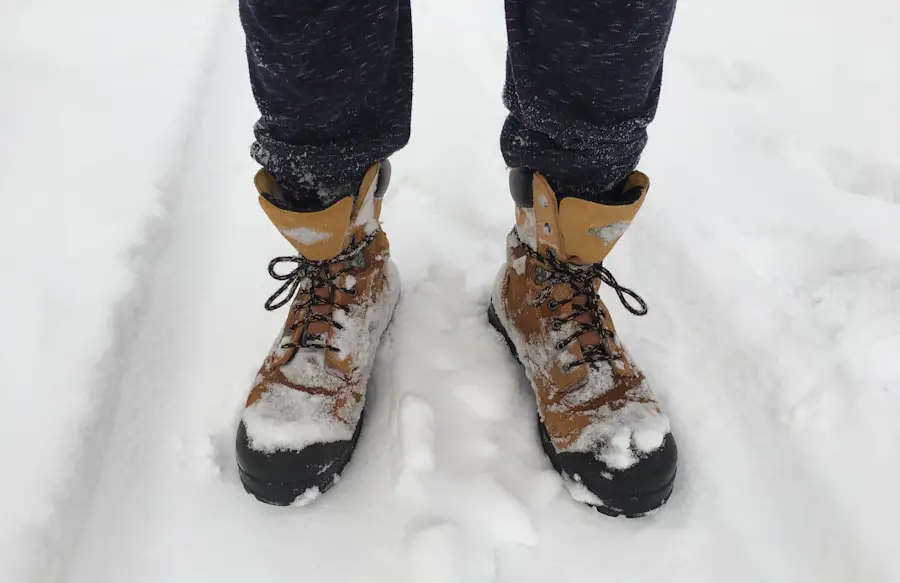
Fit comes first, but construction still matters. Reinforced toe areas can protect the upper from rocks and trail debris, and a secure lacing system makes it easier to adjust the fit around different parts of your foot.
Consider weight and stiffness in relation to your hike. Heavier, stiffer boots can provide underfoot structure and protection on rough terrain, but they also require more effort to move. Lighter footwear may feel less tiring and more flexible on easy trails. The correct balance depends on terrain, load, weather, distance, and personal preference.
Check the outsole as well. Lug depth, rubber compound, sole stiffness, and tread pattern influence traction on loose dirt, mud, rock, and other surfaces. No outsole provides perfect grip everywhere, so choose footwear for the surfaces you expect to encounter.
Breathability is also important. Waterproof membranes can reduce water entry through the upper, but they generally ventilate less than highly breathable non-waterproof footwear. In warm weather or conditions where your footwear is likely to become soaked from above, quick-drying footwear can sometimes be preferable.
A Five-Step Hiking Boot Fit Test
- Use your real hiking setup. Put on your normal hiking socks, insoles, or orthotics.
- Seat your heel. Slide the heel to the back of the boot and lace the footwear snugly without crushing the top of the foot.
- Check toe room. Make sure your toes can wiggle and are not touching the front while standing.
- Walk on an incline. Check for heel lift uphill and toe impact downhill.
- Listen to pressure points. Pinching, numbness, sharp pressure, or persistent rubbing means the fit still needs attention.
Note: Boot height and stiffness can change how supported a boot feels, but do not assume that a high collar guarantees protection from ankle sprains. A review of ankle-injury prevention research noted that the specific protective effect of high-top shoes remained uncertain. See the evidence review on PubMed.
Breaking in Hiking Boots
Some hiking footwear needs a break-in period, but the amount varies. Flexible hiking shoes and many synthetic boots may feel comfortable almost immediately, while stiff backpacking or leather boots can take longer to soften and flex naturally.
Start indoors so you can still return the boots if the retailer’s policy permits. Wear the socks and insoles you plan to hike in. Next, take short walks around your neighborhood, then move to easy trails before committing to a long backcountry trip.
Increase distance and pack weight gradually. Danner recommends short periods of wear for new boots and allowing extra time for thicker leather or stiffer components. REI similarly advises gradually progressing from indoor wear to short walks and then trail use.
Warning: Break-in softens materials; it does not correct the wrong size, width, or toe-box shape. Do not rely on extra-thick socks, soaking boots, or painful long walks to force badly fitting footwear to work.
If one small area rubs but the overall fit is correct, a different lacing technique may help. Persistent pinching at the toes, repeated numbness, or significant heel movement usually calls for a different size or model rather than more break-in time.
Maintenance and Care for Hiking Boots
Cleaning hiking boots helps preserve the upper, sole, and waterproof components. After a muddy hike, remove loose dirt with a soft brush or cloth. Take out removable insoles and shake debris from inside the footwear.
For GORE-TEX footwear, the manufacturer recommends using lukewarm water and a small amount of liquid detergent when needed, avoiding bleach and washing machines, and allowing footwear to dry naturally at moderate temperatures. Direct heat can damage footwear materials. See the official GORE-TEX footwear care instructions.
Leather footwear may require a conditioner or treatment recommended for that specific leather. Do not assume that every wax, grease, or waterproofing treatment is safe for every waterproof membrane; follow the boot manufacturer’s directions.
Store boots clean and dry in a ventilated area away from strong heat. Inspect laces, stitching, the outsole, and the upper periodically. Replace worn laces and address sole separation, damaged eyelets, or significant tread wear before a demanding trip.
In conclusion, finding properly fitting hiking boots is less about making them tight and more about balancing security with space. Terrain, foot shape, socks, insoles, weather, and intended use all matter. A boot that fits well should hold your heel and midfoot confidently while giving your toes room to move through climbs, descents, and normal foot expansion.
When considering whether hiking boots should be tight, remember that blisters and discomfort can come from footwear that is too tight, too loose, poorly shaped for your foot, or combined with excess moisture. If you need to contact TakeTravelInfo about this guide or other site content, use the contact page.
Love travel? Join Our Facebook Community For More Tips.
Frequently Asked Questions
What are the benefits of having tight hiking boots?
Hiking boots should not actually feel tight. The goal is a secure, snug fit around the heel and midfoot without squeezing the foot. Making boots excessively tight can create pressure, numbness, rubbing, and toe discomfort rather than improving the fit.
Can tight hiking boots cause discomfort or pain?
Yes. Boots that are too tight can pinch the toes or forefoot and may cause pain, pressure, numbness, tingling, hot spots, or blisters. Persistent discomfort is a reason to reassess the size, width, lacing, or boot model.
How should hiking boots fit?
They should feel snug around the heel and midfoot while leaving enough toe-box space to wiggle your toes. Your heel should not slide substantially, and your toes should not hit the front when you walk downhill.
What are the consequences of wearing hiking boots that are too tight?
Overly tight boots can create pressure points, restrict comfortable toe movement, and contribute to rubbing, soreness, numbness, or blisters. Tightness also gives your feet less room as they become fuller during a long day of walking.
How can I ensure the right fit for my hiking boots?
Try them with your normal hiking socks and insoles, check both feet, walk around for several minutes, and test an incline if possible. Look for secure heel retention, comfortable midfoot support, toe wiggle room, and no pinching or pressure points.
How much toe room should hiking boots have?
A common starting point is roughly a thumb’s width between your longest toe and the end of the boot or insole. The more important real-world test is that your toes can move comfortably and do not strike the front during a descent.
Should my heel move in hiking boots?
Your heel should feel securely captured. A little natural movement can occur in some footwear, but substantial repeated lifting or sliding can create friction and indicates that the heel shape, boot volume, size, or lacing may need adjustment.
Will hiking boots stretch if they are too tight?
Some leather and stiff materials soften and conform slightly with use, but break-in will not reliably fix a boot that is too short, substantially too narrow, or the wrong shape. Painful tightness is a reason to change the fit rather than force the boot to stretch.
Sources
- REI Co-op — How to Choose Hiking Boots and Shoes — current guidance on toe room, heel and midfoot fit, boot types, waterproofing, terrain, and materials.
- Danner — New Boots — manufacturer guidance on toe room, pinching, heel movement, and break-in.
- American Hiking Society — Hiking Boots — fitting with hiking socks, trying footwear later in the day, heel retention, and incline testing.
- GORE-TEX — Footwear Care Instructions — cleaning, drying, DWR, and waterproof-footwear maintenance.
- Journal of Tissue Viability — Sock Composition and Foot Blisters in Hikers — field evidence linking wet socks with increased blister occurrence.
- Cochrane/PubMed — Interventions for Preventing Ankle Ligament Injuries — evidence limitations regarding a specific protective effect from high-top shoes.

