
Last Updated on July 24, 2026 by Daniel Globe
Running out of water before you reach the trailhead can turn a good hike into an emergency. The safest plan is not one rigid number for everyone. You need enough carrying capacity for the route, weather, effort, refill points, and your own sweat rate, while also avoiding forced drinking that can lead to overhydration.
Quick Answer
Plan on about 0.5 liters (17 oz) per hour for a moderate hike, then increase carrying capacity toward 1 liter (34 oz) per hour for hot, exposed, steep, or high-altitude routes. Treat this as a planning range, not a drinking command. Drink according to thirst or a tested personal sweat rate, and carry a backup.
Key Takeaways
- Use 0.5 liters per hour as a practical starting point for carrying water in moderate conditions.
- Plan closer to 1 liter per hour for extreme heat, full sun, steep climbs, dry air, or high altitude.
- Do not force yourself to finish a fixed amount. Drinking beyond your losses can cause exercise-associated hyponatremia.
- For multi-day trips, plan water by the distance and time between verified sources, then add water for cooking and a reserve.
- Treat natural water correctly, and remember that many portable filters do not remove viruses.
What’s in This Article
- Factors That Affect Your Water Needs
- How Much Water for Each Type of Hike
- Tips for Staying Hydrated on the Trail
- How to Calculate the Amount of Water to Carry
- Why Too Much Water Can Also Be Dangerous
- Hydration Gear Options for Hiking
- Signs of Dehydration and Heat Illness
- How to Store and Purify Water Safely
- Frequently Asked Questions
Disclosure: As an Amazon Associate I earn from qualifying purchases. Some links on this page are affiliate links, at no extra cost to you.
Factors That Affect Your Water Needs
The National Park Service recommends carrying at least 1 liter for every 2 hours of hiking as a general minimum. That equals about 0.5 liters (17 oz) per hour. It is a useful planning baseline, but it is not a universal drinking prescription.
Your actual needs can change sharply because sweat loss differs from one person and one hike to another. Consider all of these factors before choosing your water capacity:
- Time: Include expected walking time, rest stops, navigation delays, and the return trip.
- Intensity: Steep climbs, a fast pace, scrambling, and a heavy pack usually increase sweat loss.
- Weather: Heat, humidity, direct sun, and low wind raise heat strain. Dry air can hide sweat because it evaporates quickly.
- Altitude: Faster breathing, dry air, and increased urine output can affect hydration at elevation, according to Bryce Canyon National Park.
- Acclimatization: People who are new to hot conditions may need more rest and a slower pace while their bodies adapt.
- Individual factors: Body size, fitness, clothing, medications, health conditions, pregnancy, age, and previous heat illness can affect heat tolerance and fluid needs.
- Water access: A marked spring or stream is not automatically reliable or safe. Confirm current conditions and carry a treatment method.
Note: Carrying capacity and drinking rate are not the same thing. Extra capacity protects you from delays or failed water sources, but you should not force yourself to drink the entire amount.
How Much Water for Each Type of Hike
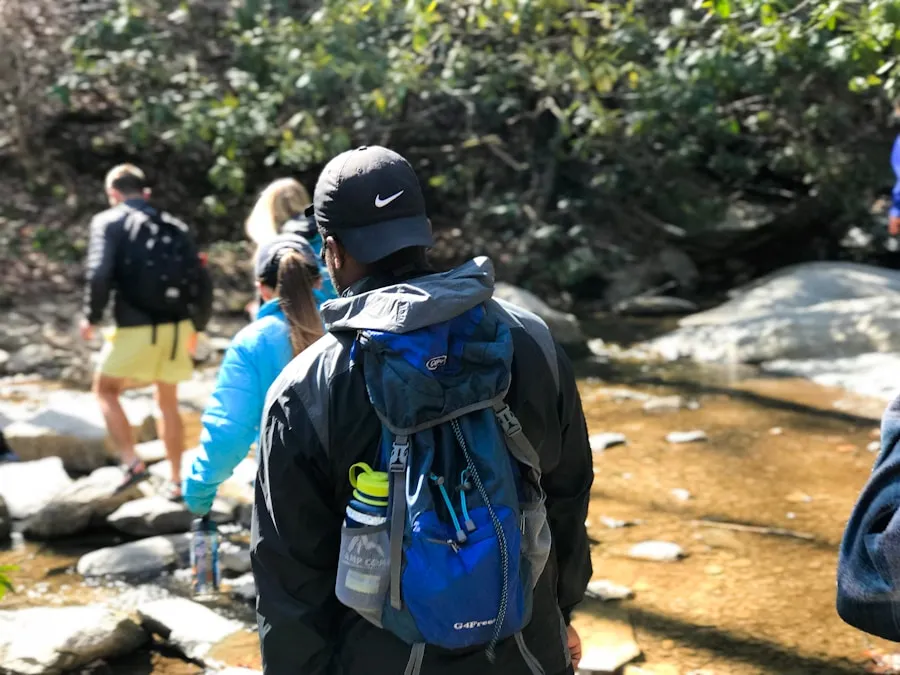
The table below gives practical carrying ranges for a healthy adult starting a hike normally hydrated. Adjust them for the route, forecast, reliable refill points, and your personal experience.
| Hike or Condition | Planning Range | What to Consider |
|---|---|---|
| 1 to 2 hours, cool or moderate conditions | 0.5 to 1 liter (17 to 34 oz) | Carry more if the trail is exposed, steep, remote, or unfamiliar. |
| 2 to 4 hours, moderate conditions | 1 to 2 liters (34 to 68 oz) | Add a reserve when no reliable water is available. |
| 4 to 8 hours, moderate conditions | 2 to 4 liters (68 to 135 oz) | The pack weight becomes significant, so verify refill points or shorten the route when appropriate. |
| Hot, dry, exposed, or strenuous hiking | Plan toward 1 liter (34 oz) per hour | Start early, reduce pace, take cooling breaks, and turn back before the reserve is needed. |
| Multi-day backpacking | Enough to reach the next verified source, plus a reserve | Add water for cooking, drinks, medication, and dry camps. Do not rely on a fixed liters-per-day rule. |
Hot-weather recommendations can be much higher than the moderate baseline. The CDC’s NIOSH heat guidance advises about 8 oz every 15 to 20 minutes for moderate activity in heat lasting less than two hours, while also warning that fluid intake generally should not exceed 6 cups per hour. That workplace guidance shows why conditions matter, but hikers still need an individualized plan for longer wilderness activity.
Pro Tip: Test your setup on a shorter hike in similar weather. Record how much you drink, how you feel, and whether your body weight rises or falls. That gives you a better estimate than copying another hiker’s number.
Tips for Staying Hydrated on the Trail
| Hydration Tip | How to Use It |
|---|---|
| Drink to thirst or a tested plan | Take regular opportunities to drink, but do not force fluid after thirst is satisfied. |
| Start normally hydrated | Drink with meals and during the hours before the hike. Avoid chugging a large volume immediately before starting. |
| Replace electrolytes when sweating for hours | Use normal salty foods or a balanced electrolyte drink during long, hot efforts. Electrolytes do not make overdrinking safe. |
| Avoid alcohol | Alcohol can impair judgment and heat tolerance. Moderate caffeine does not automatically cause dehydration, but very high-caffeine drinks may cause other problems. |
| Use urine color only as a clue | Dark urine and reduced output can suggest dehydration, but urine alone cannot diagnose your hydration status. |
| Carry water where you can reach it | A bottle pocket, soft flask, or drinking tube makes it easier to respond to thirst without a long stop. |
Balanced food matters as much as fluid on long hikes. Sweat contains water and sodium, while exercise also uses carbohydrate. Normal trail food and an electrolyte drink can help during several hours of heavy sweating. Salt tablets are not a routine fix and may be unsafe for some people.
Water-rich foods such as oranges, cucumber, or melon can add some fluid during a break, but they do not replace planned drinking water. Also bring enough food for the calories hiking uses.
The safest hydration plan prevents both extremes: too little fluid and more fluid than your body is losing.
How to Calculate the Amount of Water to Carry
- Estimate total time. Include walking, planned stops, possible route-finding delays, and the return trip.
- Choose a planning rate. Start near 0.5 liters per hour for moderate conditions. Move toward 1 liter per hour for hot, exposed, steep, dry, or high-altitude hiking.
- Check each water segment. Calculate the time between the trailhead, verified water sources, camps, and the finish.
- Add non-drinking needs. Include water for cooking, hot drinks, medication, and any dry campsite.
- Add a reserve. An extra 0.5 liter is reasonable for many day hikes, but remote or extreme routes may require more.
- Check the weight. One liter of water weighs about 1 kilogram, or 2.2 pounds. If the result is too heavy, change the route, timing, refill plan, or group strategy instead of simply carrying an unsafe load.
Example: A five-hour moderate hike uses a 0.5-liter-per-hour planning rate: 5 × 0.5 = 2.5 liters. Adding a 0.5-liter reserve gives a starting carrying target of 3 liters, unless a verified refill point lets you safely plan shorter segments.
How to Estimate Your Sweat Rate
The National Athletic Trainers’ Association position statement recommends individualizing fluid plans by measuring sweat loss under relevant conditions. A simple field estimate is:
Sweat rate in liters per hour ≈ (pre-hike weight in kg − post-hike weight in kg + fluid consumed in liters − urine produced in liters) ÷ hours.
Use the same scale, similar clothing, and a route that resembles your planned hike. This estimate helps you choose carrying capacity. It is not a command to replace every drop while moving, and you should not aim to gain body weight during exercise.
Warning: Never depend entirely on an unconfirmed spring, stream, tank, or seasonal source. Water can dry up, freeze, become contaminated, or be inaccessible. Verify recent conditions and carry a backup treatment method.
Why Too Much Water Can Also Be Dangerous
Drinking more water than your body loses can dilute blood sodium and cause exercise-associated hyponatremia. The Wilderness Medical Society guideline identifies sustained overdrinking as the main preventable risk and recommends drinking according to thirst or using an individualized fluid plan.
Early symptoms can include headache, nausea, vomiting, dizziness, unusual fatigue, irritability, a bloated feeling, or weight gain. These signs overlap with dehydration and heat illness, so you cannot diagnose the cause from one symptom.
Warning: Confusion, loss of coordination, collapse, seizures, breathing trouble, or loss of consciousness during or after exertion is an emergency. Call local emergency services or activate backcountry rescue. Do not keep forcing plain water into a confused or unconscious person.
Hydration Gear Options for Hiking
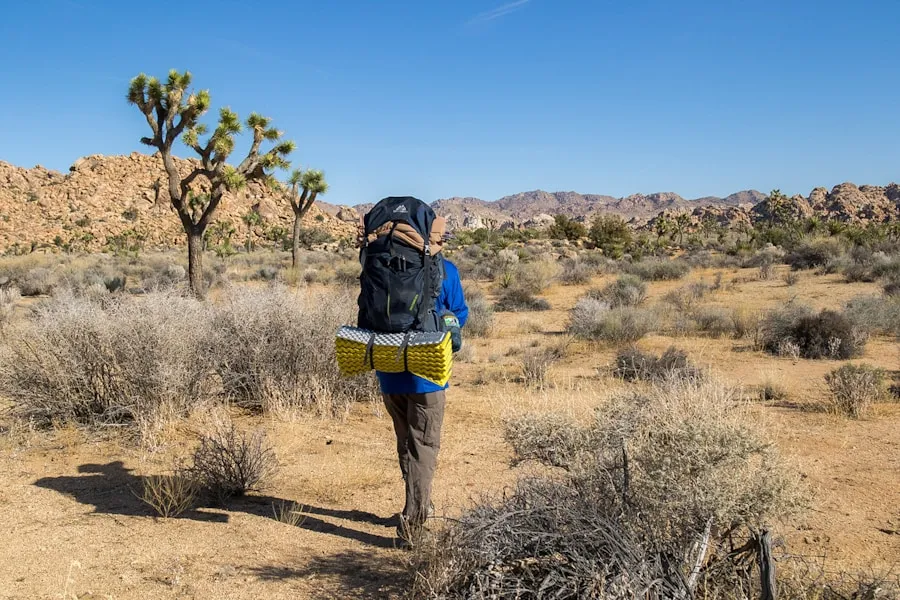
Hydration reservoirs make it easy to sip while moving, and their soft shape fits well inside many packs. The drawbacks are that leaks can be hard to notice, the remaining volume is difficult to see, and the hose and bladder need careful cleaning.
Rigid bottles are simple, durable, and easy to inspect. Insulated bottles keep water cooler but weigh more. Soft or collapsible bottles reduce bulk after use. On remote hikes, carrying water in two separate containers gives you a backup if one leaks or breaks.
Choose treatment gear by the organisms and water conditions you may face. According to the CDC’s backcountry water-treatment guidance, many common filters remove parasites but not viruses or all bacteria. Filters rated to 0.3 micron absolute or smaller can remove bacteria and parasites, but not viruses. UV devices can inactivate parasites, bacteria, and viruses in small amounts of clear water, but cloudy water should be filtered first.
- Day hike with no refill: Bottles or a reservoir with enough capacity for the whole route and reserve.
- Route with verified water: Bottles or reservoir plus a filter, disinfectant, or UV device suited to the source.
- Remote trip: Two water containers and two compatible treatment methods, such as a filter plus chlorine dioxide.
- Freezing weather: Bottles are often easier to protect because filter elements and reservoir hoses can freeze.
Signs of Dehydration and Heat Illness
Thirst, dry mouth, reduced urine output, headache, dizziness, weakness, and fatigue can occur with dehydration. Dark urine may support the concern, but it is only one clue. Food, supplements, medication, and the time since your last drink can change urine color.
What to Do for Mild Symptoms
Stop or slow down, move to shade or a cooler area, loosen extra clothing, and take small sips. Eat a snack or use a balanced electrolyte drink if you have been sweating heavily for several hours. Do not resume the same pace until symptoms clearly improve.
Heat Exhaustion
The CDC lists headache, nausea, dizziness, weakness, irritability, thirst, heavy sweating, elevated temperature, and decreased urine output as signs of heat exhaustion. Stop hiking, cool the person, provide frequent sips if the person is alert and able to swallow, and seek medical evaluation. Call emergency services when care is not otherwise available or symptoms worsen.
Heat Stroke or Another Neurologic Emergency
Confusion, slurred speech, loss of consciousness, seizures, or very high body temperature can signal heat stroke. Start rapid cooling and call emergency services immediately. Similar neurologic symptoms can also occur with severe hyponatremia, so do not assume that more plain water is the correct treatment.
How to Store and Purify Water Safely
Wash bottles, caps, hoses, bite valves, and reservoirs according to the manufacturer’s instructions. Dry them fully between trips. In the field, keep untreated water away from clean bottle openings, hands, and the clean side of your filter to prevent cross-contamination.
Clear-looking water can still carry bacteria, viruses, and parasites. Treat water used for drinking, cooking, brushing teeth, or washing food. If water may contain fuel, pesticides, mining waste, harmful algae toxins, or other chemicals, use a different source because boiling and normal disinfection will not make it safe.
| Method | Best Use | Important Limit |
|---|---|---|
| Boiling | Most reliable method for killing germs | Bring clear water to a rolling boil for 1 minute, or 3 minutes above 6,500 feet. It requires fuel and cooling time. |
| Portable filter | Fast treatment of streams and lakes | Performance varies. Many filters do not remove viruses, and some do not remove all bacteria. |
| Filter plus disinfectant | Broad protection when viruses may be a concern | Follow the product label for dose, contact time, temperature, and organism coverage. |
| UV purifier | Small amounts of clear water | Cloudy water must be filtered first, and the device needs working batteries. |
| Chemical tablets or drops | Lightweight primary or backup treatment | Effectiveness and waiting time vary. Iodine is not appropriate for everyone or for long-term use. |
Frequently Asked Questions
How much water should I carry when hiking?
Use about 0.5 liters per hour as a moderate-condition planning baseline. Plan toward 1 liter per hour for hot, dry, exposed, steep, or high-altitude routes. Add a reserve, but drink according to thirst or a tested personal plan rather than forcing yourself to finish a fixed amount.
What factors affect how much water I need on a hike?
Duration, pace, elevation gain, pack weight, temperature, humidity, sun exposure, altitude, clothing, acclimatization, medications, health conditions, and your personal sweat rate can all change your needs.
Should I wait until I feel thirsty to drink?
Keep water accessible and take regular opportunities to drink. For prolonged or strenuous wilderness activity, drinking according to thirst is a key strategy for avoiding overhydration. Experienced hikers can also use a sweat-rate test to build an individualized plan.
How can I tell if I am getting dehydrated on the trail?
Thirst, dry mouth, reduced urine output, headache, dizziness, weakness, and fatigue are common warning signs. Dark urine can support the concern, but it is not a reliable stand-alone test. Stop, cool down, and reassess instead of pushing through worsening symptoms.
Can drinking too much water be dangerous?
Yes. Drinking more than you lose can dilute blood sodium and cause exercise-associated hyponatremia. Headache, nausea, bloating, unusual fatigue, confusion, poor coordination, seizures, or collapse after heavy fluid intake require prompt medical attention.
Is it safe to drink water from streams or lakes while hiking?
Not without treatment. Clear water can still contain harmful germs. Boiling is the most reliable option. Otherwise, choose a filter, disinfectant, or UV system that covers the organisms likely to be present, and follow the product instructions exactly.
How should I plan water for a multi-day backpacking trip?
Plan each segment between verified water sources instead of using one liters-per-day number. Include walking time, camp location, cooking, drinks, medication, dry stretches, treatment time, and a reserve if a source fails.
Health Disclaimer: This article provides general information, not personal medical advice. Ask a qualified healthcare professional about hiking in heat or at altitude if you have heart or kidney disease, fluid or sodium restrictions, take medicines that affect hydration, are pregnant, or have a history of heat illness.
Getting your water plan right is one of the most important parts of hike preparation. Start with a moderate carrying estimate, adjust for conditions and verified refill points, add a reserve, and learn your own sweat pattern. Carry enough to handle delays, but do not force water beyond thirst. A safe hiker prepares for both dehydration and overhydration.
Sources
- National Park Service: Hiking Safety — supports the 1-liter-per-2-hours carrying baseline, heat-illness signs, and treating natural water.
- CDC/NIOSH: Workplace Recommendations for Heat — supports hot-condition hydration, electrolyte, rest, and upper-intake cautions.
- Wilderness Medical Society: Exercise-Associated Hyponatremia Guideline — supports drinking to thirst, individualized planning, and the danger of overdrinking.
- National Athletic Trainers’ Association: Fluid Replacement Position Statement — supports personal sweat-rate assessment and balanced fluid planning.
- CDC: Water Treatment When Hiking, Camping, or Traveling — supports boiling times and the limits of filters, disinfectants, and UV treatment.
- CDC/NIOSH: Heat-Related Illnesses — supports heat-exhaustion and heat-stroke symptoms and emergency actions.

