
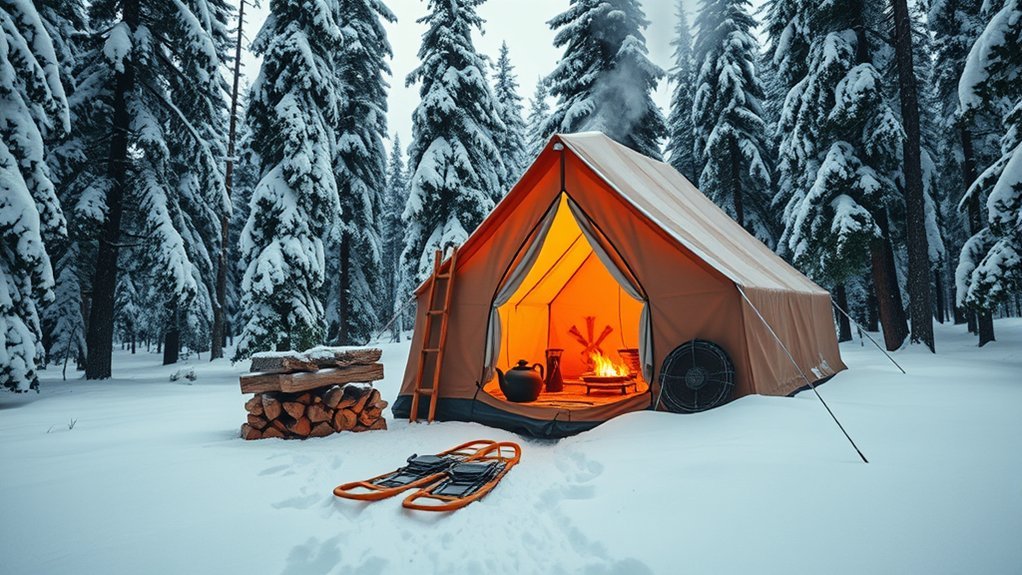
Last Updated on September 10, 2026 by Daniel Globe
Hot tent camping lets you use a properly vented wood stove inside a stove-compatible shelter, making cold-weather trips more comfortable. It also adds serious fire, burn, and carbon monoxide risks. A safe setup depends on a purpose-built hot tent, a matched stove and chimney, open ventilation, correct clearances, current fire rules, and constant supervision.
Quick Answer
Hot tent camping uses a stove-compatible tent and a vented wood stove for cold-weather heat and cooking. Use only equipment approved for this purpose, follow both manuals, keep vents open, install a working carbon monoxide alarm, maintain required clearances, check fire restrictions, and fully extinguish the stove before sleeping or leaving.
Key Takeaways
- Use a purpose-built hot tent with a manufacturer-approved stove jack; ordinary tent fabric is not fireproof.
- Match the tent, stove, pipe diameter, stove jack, heat shield, and spark arrestor as one system.
- Keep ventilation open and use a battery-powered carbon monoxide alarm rated for the expected temperature.
- Never leave a burning stove unattended, and do not sleep with the stove burning.
- A hot tent does not replace a winter-rated sleeping bag, insulated pad, dry clothing, or an emergency plan.
At a Glance
| Time Required | About 30–60 minutes for a careful first setup; less after a full practice run |
| Difficulty | Intermediate; beginners should practice outdoors at home before a winter trip |
| Tools Needed | Hot tent, matched stove and pipe, spark arrestor, heat shield or mat, CO alarm, gloves, fire-starting kit, stakes, guylines, saw, and fire-control supplies |
| Cost | Usually several hundred dollars; premium ultralight tent-and-stove systems can exceed $1,000 |
Warning: This guide does not replace the tent and stove manuals or local fire regulations. If the manuals conflict, the more restrictive instruction controls. Do not improvise a stove jack, reduce clearances, close required vents, or use an unvented heater, charcoal grill, or ordinary camping stove inside a tent.
Disclosure: As an Amazon Associate I earn from qualifying purchases. Some links on this page are affiliate links, at no extra cost to you.
What Is Hot Tent Camping?
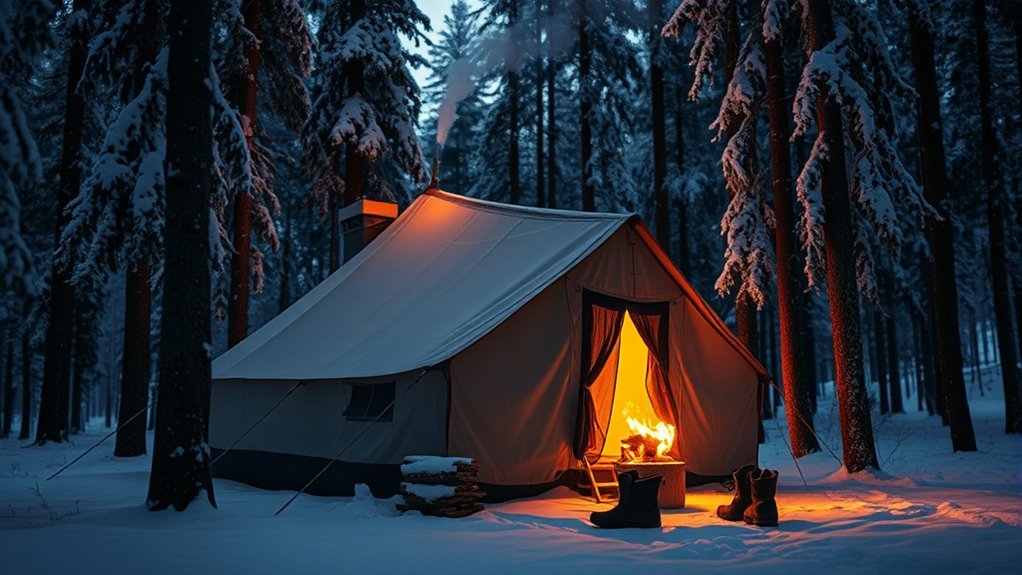
Hot tent camping is cold-weather camping in a shelter designed to accept a chimney through a heat-resistant stove jack. A small wood-burning tent stove provides temporary heat and may offer a flat cooking surface. The setup can help dry damp clothing, melt snow for water, warm meals, and make long winter evenings more comfortable.
Most lightweight hot tents are single-wall shelters, not insulated cabins. They cool quickly after the fire goes out, and their main fabric can melt or burn if it contacts the stove, pipe, sparks, or embers. Even the stove jack is heat-resistant rather than fireproof. The safe approach is to treat every part of the shelter as combustible and follow the exact clearances in both equipment manuals.
Benefits and Limits of Hot Tenting
- Warm working space: You can change clothes, cook on an approved stove surface, and manage gear without remaining in deep cold.
- Drying ability: Controlled heat and airflow can help dry gloves, socks, and outer layers, but nothing should hang where it can fall onto the stove or pipe.
- Longer cold-season trips: Heat can improve comfort, but it does not make severe weather harmless.
- Extra weight and work: The stove, chimney, saw, fire-control gear, and fuel processing add bulk and demand constant attention.
- No overnight heat guarantee: Because the stove must not be left burning unattended, your sleeping system must keep you safe after the fire is out.
Essential Gear for Hot Tent Camping
Build the system around compatibility, not around one appealing product. The tent maker must approve stove use, the pipe must fit the stove jack or approved heat protector, and the stove maker’s clearance and chimney rules must be possible inside that shelter.
Required Tent Features
| Feature | What to Look For | Why It Matters |
|---|---|---|
| Approved stove jack | A factory-installed or manufacturer-approved jack sized for your pipe or heat protector | Keeps hot metal from touching the main tent fabric |
| Permanent ventilation | Peak vent plus low airflow from doors, vents, or a raised skirt, as directed by the maker | Supports draft, reduces condensation, and lowers—but does not eliminate—CO risk |
| Enough floor area | Room for the required stove clearances, a safe traffic lane, and sleeping gear away from heat | Prevents bags, clothing, and people from entering the hot zone |
| Strong pitch | Secure stake points, guylines, vents, and a shape that can handle expected wind and snow | Keeps fabric away from the chimney and reduces collapse risk |
| Floor plan that suits the trip | Floorless space around the stove or a removable floor section approved for stove use | Makes ash control and heat protection easier |
Note: “Flame-resistant” does not mean “fireproof.” The U.S. Consumer Product Safety Commission lists a voluntary tent-flammability standard, while hot-tent makers warn users to keep flame and heat away from the main fabric. Treat the shelter as combustible.
Wood Stove Selection
Choose a stove that the tent maker recommends for the shelter’s size and layout. A stove that is too large can overheat a small tent; one that is too small may encourage overfiring. Compare these points:
- Material: Titanium is light for backpacking. Stainless steel is usually heavier and better suited to basecamp or vehicle-supported trips.
- Firebox size: Match heat output and burn time to the tent, expected temperature, and available floor space.
- Pipe system: Use the specified pipe diameter, length, damper, heat protector, and stove-jack interface.
- Air control: A well-fitting door and adjustable intake make the burn easier to manage.
- Spark control: Use the approved spark arrestor and inspect it often because soot can restrict draft.
- Cooking surface: A stable flat top can heat water or food while the stove is supervised.
Safety Accessories Needed
| Safety Accessory | Purpose |
|---|---|
| Carbon monoxide alarm | Adds an early warning for CO; choose one whose listed temperature range covers the trip and place it according to its manual. |
| Spark arrestor | Reduces escaping embers; it must stay clean enough to preserve draft. |
| Heat-resistant floor protection | Protects the floor and ground from radiant heat, coals, and sparks; it does not cancel required clearance. |
| Heat-resistant gloves | Protect hands while opening the door, adjusting controls, or handling approved stove parts. |
| Fire-control supplies | Water, a shovel, and an appropriate extinguisher for the setting provide an emergency response. |
| Chimney support | Approved guy-out points and guylines stabilize the pipe in wind. |
Complete Hot Tent Camping Checklist
- Stove-compatible hot tent, poles, stakes, snow anchors, guylines, and repair kit
- Matched stove, legs, pipe sections or roll-up pipe, damper, spark arrestor, and approved heat protector
- CO alarm with fresh batteries plus a backup set stored warm and dry
- Heat mat or floor shield, heat-resistant gloves, tongs, and a metal ash container if needed
- Dry fire-starting materials, local firewood where allowed, and a folding saw suited to legal dead-and-down wood
- Winter sleeping bag, insulated sleeping pad, dry base layers, spare socks, and insulated clothing
- Water, food, headlamp, first-aid kit, navigation tools, weather information, and an emergency communication plan
Before You Go: Rules, Weather, and Campsite
Check Fire Restrictions and Permits
A tent stove may count as an open fire under local rules, even when it has a door and chimney. Check the land manager’s current restrictions, permit requirements, approved-fuel rules, and spark-arrestor requirements before leaving home and again when you arrive. During a ban, use a legal alternative or camp without a stove.
Buy firewood near the campsite when possible. Moving firewood can spread invasive pests, and cutting live trees is usually prohibited. Burn only clean, dry, untreated wood. Never burn trash, painted wood, pressure-treated lumber, or wood containing nails or hardware.
Choose a Safe Campsite
Look for firm, level ground on a durable surface. Avoid dead trees, hanging limbs, dry grass, deep brush, avalanche paths, flood channels, and places where wind can push the shelter or chimney into vegetation. Leave enough open space around the tent for the clearances and emergency exit described in the manuals.
Face the door so you can leave quickly without stepping over the stove or guylines. Consider wind direction, but do not seal the tent against wind; required vents must remain open. In snow, use reliable anchors and plan to remove accumulation before it overloads the shelter.
Prepare for Cold Without the Stove
Plan as though the fire will go out soon after bedtime. Your sleeping bag, pad, clothing, shelter, food, and emergency supplies must be adequate for the forecast low without stove heat. This is the margin that protects you if fuel becomes wet, the stove fails, fire restrictions change, or you must extinguish the fire early.
Safety Tips for Staying Warm and Protected
Safe hot tent camping depends on several layers of protection. Ventilation, a chimney, and a CO alarm support one another; none is a substitute for correct installation or active supervision.
Prevent Carbon Monoxide Poisoning
- Keep every required vent open, including low and high vents specified by the tent maker.
- Use a working battery-powered CO alarm rated for the expected temperature and follow its placement instructions.
- Use dry wood and maintain a clean, unobstructed chimney and spark arrestor.
- Never run an unvented heater, charcoal grill, lantern, or ordinary backpacking stove inside the shelter.
- Do not sleep while the wood stove is burning, and never leave it unattended.
Warning: Carbon monoxide is colorless and odorless. Headache, dizziness, weakness, nausea, vomiting, chest pain, confusion, unusual sleepiness, or a sounding alarm require immediate action. Get everyone into fresh air, call emergency services, and do not re-enter the tent until the source has been made safe.
Prevent Burns and Tent Fires
- Keep sleeping bags, packs, clothing, fuel, and drying lines outside the stove’s required clearance zone.
- Use gloves and tools when touching doors, dampers, pipe parts, or cookware.
- Keep children and pets behind a stable guard or out of the hot tent while the stove is operating.
- Do not use gasoline, alcohol, lighter fluid, kerosene, or similar accelerants to start or revive the fire.
- Do not place wet clothing directly on the stove or pipe.
- Keep the exit clear and a headlamp within reach.
The stove is a temporary comfort tool, not a substitute for a winter sleeping system or a reason to ignore changing weather.
Manage Wind and Snow
Stake and guy the shelter for the forecast, then support the chimney as the stove maker directs. Recheck tension after fabric cools, warms, or collects snow. Clear snow before it presses the fabric toward the pipe or blocks low vents and air intakes. If wind makes the chimney unstable or causes repeated smoke spillage, extinguish the fire and correct the setup.
Recommended Hot Tents and Stoves
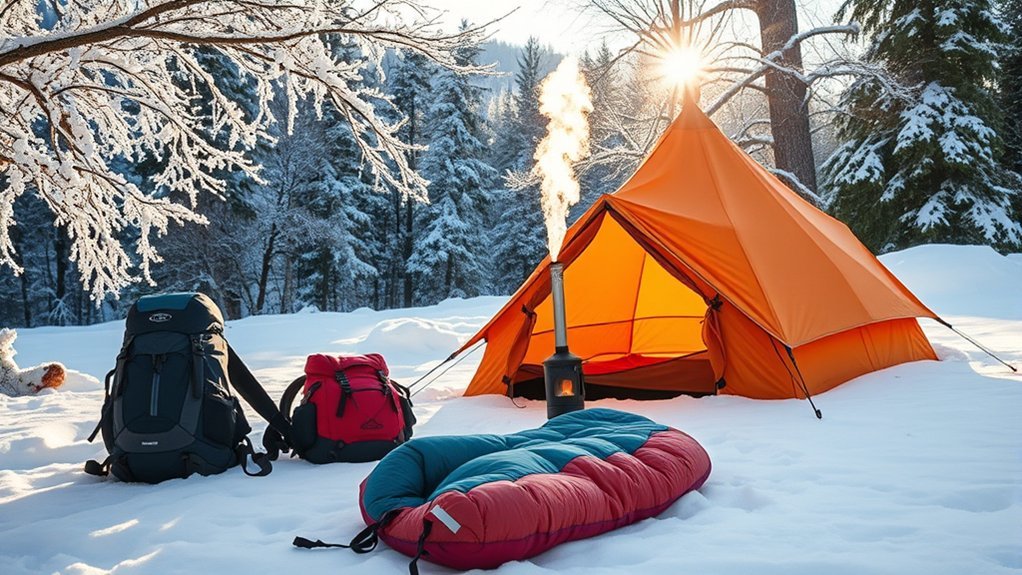
The following are current examples from official manufacturers, not universal winners. Availability, specifications, and instructions can change. Confirm the latest manual and verify that every tent, stove, pipe, jack, and heat protector is compatible before buying.
Top Hot Tent Options
| Hot Tent | Useful Traits | Check Before Buying |
|---|---|---|
| OneTigris SMOKEY HUT | Lightweight pyramid-style shelter with a flue opening and snow skirts | Floorless layout, usable space with a stove, pipe fit, and all current warnings |
| Seek Outside Cimarron 4p 2.0 | Four-season, floorless pyramid design with stove jack, peak vent, and room for two people with a stove | Seam sealing, pole choice, stove size, pipe length, and floor or liner options |
| POMOLY hot tents | A range of stove-compatible shelters in different sizes and fabrics | Exact model capacity with a stove, jack dimensions, ventilation, fabric care, and required clearances |
Best Wood Stove Choices
| Wood Stove | Useful Traits | Best Fit |
|---|---|---|
| Winnerwell Fastfold Titanium Tent Stove | Foldable titanium body and packable chimney system | Weight-conscious trips where the full safety clearance can be maintained |
| Seek Outside Medium U-Turn | Ultralight titanium construction, intake control, damper, and integrated spark arrestor | Backcountry hot-tent systems sized around the maker’s medium stove |
| POMOLY TIMBER Lite | Ultralight titanium body with a heat-resistant viewing window | Campers who want low weight and flame visibility and can follow its exact pipe and clearance rules |
Key Features to Consider
- System compatibility: The stove, pipe, heat protector, jack, and tent must work together without improvised parts.
- Usable capacity: A “four-person” shelter may hold only two people after a stove and safe clearances are added.
- Weight versus durability: Titanium is lighter; thicker steel systems may suit vehicle-supported camps better.
- Ventilation and condensation control: Look for a peak vent, safe low airflow, and optional liner where appropriate.
- Manual quality and replacement parts: Clear instructions, repair support, spare pipe parts, and replacement jacks matter more than decorative features.
Tent Setup and Layout
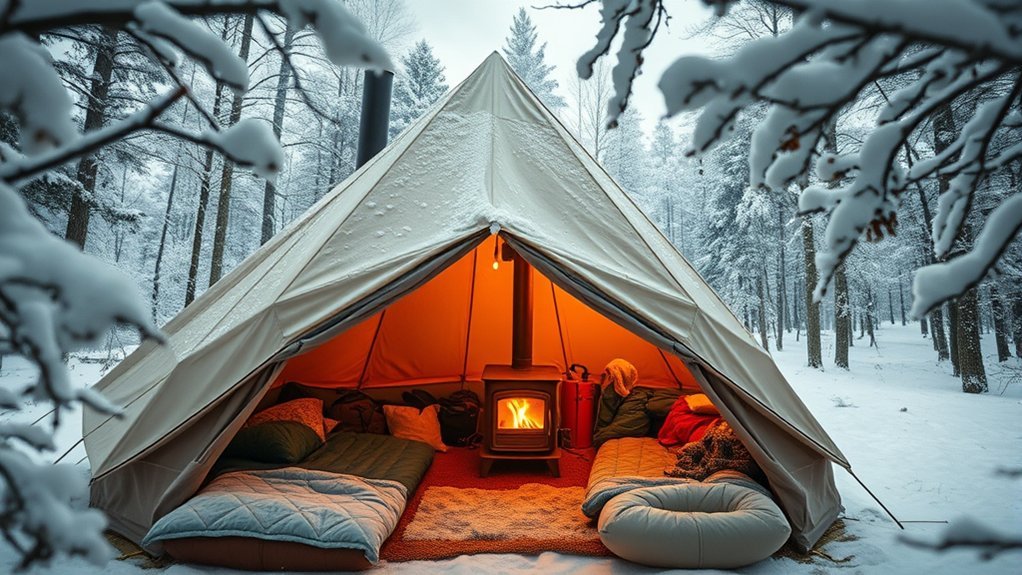
Practice the full setup outdoors at home before relying on it in winter. Assemble the pipe, light a small test fire, confirm draft, learn how the stove responds, and verify that the CO alarm works within its listed temperature range.
How to Set Up a Hot Tent Safely
- Confirm the site is legal and safe. Check current fire restrictions, weather, overhead hazards, vegetation, wind exposure, and escape routes.
- Pitch the shelter firmly. Stake the corners square, install the center pole or frame, open required vents, and tension every critical guyline.
- Plan the interior. Put sleeping gear at the far side, keep the entrance clear, and mark a no-gear zone around the stove.
- Install floor protection. Place the approved heat mat or shield under and around the stove as the stove manual directs.
- Assemble the stove on a stable base. Lock the legs, door, intake, and pipe collar in place before adding fuel.
- Install the chimney correctly. Pass only the approved pipe or heat protector through the stove jack, maintain the maker’s pipe height, and stabilize the chimney.
- Check every clearance. Measure from the stove and pipe to tent fabric, gear, bedding, clothing, and the ground. Do not guess.
- Set the CO alarm and fire-control gear. Test the alarm, place it as its manual requires, and keep gloves, water, a shovel, and an extinguisher accessible.
- Start a small supervised fire. Watch the pipe, jack, draft, tent fabric, and alarm. Stop immediately if smoke spills, the pipe shifts, or any surface overheats.
Pro Tip: Photograph the correct home practice setup, including the pipe, jack, clearances, and guyline pattern. The photos give you a fast reference when setting up in wind, snow, or fading light.
Note: Clearance and chimney numbers are stove-specific. For example, Winnerwell’s Fastfold manual calls for substantial clearance to combustibles and a chimney extending at least 3 feet above the highest roof-contact point. Use the numbers in your own current manual, not a generic rule.
Wood Stove Operation and Safety
Lighting and Managing the Fire
- Open the stove’s intake and damper as directed by the manufacturer.
- Use a small amount of dry tinder and kindling. Never use volatile liquid accelerants.
- Add small, dry wood gradually and keep the door closed except when loading or tending.
- Watch the flame, pipe, jack, tent fabric, and CO alarm during the entire burn.
- Adjust only the controls described in the manual. Do not choke the stove so far that smoke spills into the tent.
- Keep the spark arrestor and chimney free of soot, ash, snow, and debris.
Cooking on a Tent Stove
Use only a stable cooking surface approved by the stove maker. Keep pot handles turned away from the traffic path, use gloves, and avoid pans that can slide off a narrow top. Never let cooking distract you from draft, ventilation, and clearances. Keep food packaging and oils away from the stove.
Shutting Down Before Sleep or Departure
Stop adding wood early enough for the fuel to burn down completely. Remain awake and present until there is no active flame and the stove is in the shutdown state described by its maker. Never leave the shelter while the stove is burning, and do not sleep with the fire operating. Keep ventilation open while any combustion or hot coals remain.
What to Do If Smoke Enters the Tent
Open the door and vents, move people into fresh air, and reduce risk without leaning over the stove. If the problem does not clear at once, extinguish the fire safely. Check for a blocked spark arrestor, wet fuel, a closed damper, a loose pipe joint, poor chimney height, snow blockage, or wind-driven downdraft before relighting.
Tent Maintenance and Repair
After Each Trip
- Let the stove, pipe, and ash become completely cold before packing.
- Remove soot and inspect the pipe, damper, spark arrestor, door, legs, and fasteners.
- Dry the tent fully before storage and brush away ash, dirt, and needles.
- Inspect the stove jack for scorching, tears, separation, or a poor seal around the pipe.
- Check tent panels for ember pinholes and examine guylines, stakes, zippers, and seams.
Repairing Ember Holes
Use the repair method approved for the exact fabric and coating. On some silicone-coated shelters, the manufacturer permits a small dab of compatible silicone sealant for a tiny ember pinhole. Larger holes may need a sewn or bonded fabric patch. PU-coated fabrics, polycotton, canvas, and Dyneema may require different products.
Clean and dry the area, follow the sealant or patch maker’s cure time, and test the repair before the next trip. Do not assume that a generic stick-on patch or household silicone will bond to every tent. Replace a damaged stove jack, heat protector, or chimney part rather than covering structural heat damage with a patch.
Seasonal Inspection
At the start of each cold season, assemble the complete system outdoors. Check the alarm and batteries, confirm the current manuals, inspect heat shields, verify pipe fit, and replace worn parts. Review local fire rules and practice extinguishing the stove without rushing.
Troubleshooting Common Hot Tent Problems
| Problem | Likely Causes | Safe Response |
|---|---|---|
| Smoke spills inside | Blocked arrestor, wet wood, closed control, poor pipe height, wind downdraft, or a loose joint | Ventilate, move to fresh air, extinguish if it does not clear immediately, then correct the cause |
| Weak draft | Cold pipe, damp fuel, restricted intake, soot, or an undersized chimney | Follow the manual’s startup procedure, use dry kindling, and inspect the full airflow path |
| Heavy condensation | Closed vents, wet gear, cooking moisture, snow melt, or too many occupants | Increase safe ventilation, keep wet gear controlled, use a liner if approved, and avoid sealing the skirt completely |
| Tent becomes too hot | Oversized stove, excess fuel, or overfiring | Stop adding fuel, use only approved controls, increase safe ventilation, and do not reduce clearances |
| CO alarm sounds | Combustion gas accumulation, poor draft, or equipment fault | Get everyone into fresh air, call emergency services, and do not re-enter or relight until the cause is resolved |
| Snow presses on the tent | Accumulation, weak anchors, or poor pitch | Extinguish the stove if the pipe or fabric may shift, clear snow safely, and retension the shelter |
Frequently Asked Questions
How do I choose the right campsite for hot tent camping?
Choose legal, durable, level ground away from dead trees, hanging limbs, dry vegetation, flood channels, and avalanche terrain. Allow room for the stove and chimney clearances, stable guylines, required ventilation, and a clear exit. Check current fire restrictions before lighting the stove.
Can I use a regular tent for hot tent camping?
No, unless the tent manufacturer explicitly approves wood-stove use and provides or approves a compatible stove jack and layout. Do not cut a hole in an ordinary tent or pass a bare pipe through its fabric. Standard tent materials can melt, ignite, or release smoke when overheated.
What food should I pack for hot tent camping?
Pack high-energy foods that are simple to prepare, such as oatmeal, pasta, rice meals, soup, tortillas, nut butter, trail mix, jerky, cheese, and hot drinks. Protect food from freezing when needed, carry a backup cooking method that is legal for the area, and keep packaging away from the stove.
How do I deal with condensation inside the tent?
Keep high and low vents open, control wet gear, avoid sealing the skirt completely, and limit steam from cooking or melting snow. Wipe heavy moisture before it freezes. An approved liner can reduce dripping, but it must preserve stove and pipe clearance.
What are the best practices for campfire safety?
Use only legal fire areas, check restrictions, clear nearby combustibles, keep water and a shovel ready, stay with the fire, and extinguish it until it is cold. A campfire is separate from a tent stove; do not build an open fire inside or under a tent.
Can I sleep with the wood stove burning?
No. Tent-stove manufacturers warn against unattended overnight operation, and carbon monoxide or fire problems can develop while occupants are asleep. Let the fire finish, keep ventilation open while coals remain, and rely on your sleeping bag and pad for overnight warmth.
Do I still need a winter sleeping bag and insulated pad?
Yes. The shelter can cool rapidly after the stove goes out. Choose a sleeping bag and insulated pad suitable for the expected low temperature, and carry enough dry clothing to remain safe without stove heat.
Conclusion
Hot tent camping can turn a cold winter camp into a warm place to cook, dry gear, and spend the evening. That comfort comes with responsibilities: use a stove-approved shelter, follow both manuals, maintain ventilation and clearances, use a CO alarm, obey fire restrictions, and supervise every burn. Practice before the trip, extinguish the stove before sleep, and carry a sleeping system that keeps you safe when the tent is cold.
Sources
- Centers for Disease Control and Prevention: Carbon Monoxide Poisoning Basics — CO properties, symptoms, and emergency risk
- U.S. Consumer Product Safety Commission: Portable Heaters and Camping Equipment — fuel-burning equipment and sleeping-area precautions
- Winnerwell Fastfold Titanium Camping Stove Manual — clearances, chimney height, CO alarm, fuel, and unattended-use warnings
- National Park Service: Minimize Campfire Impacts — fire restrictions, supervision, local wood, and complete extinguishment
- U.S. Consumer Product Safety Commission: Tents — recreational tent flammability standard information
- OneTigris Tent Stove Jack Guidance — stove-jack compatibility and the distinction between fire-resistant and fireproof
