
Last Updated on July 29, 2026 by Mason Reed
Your first tent camping trip is easier when you pack for five basic needs: shelter, sleep, food and water, clothing, and safety. Start with the campground’s current rules and weather forecast, then use a checklist instead of packing from memory. Test unfamiliar gear at home and leave unnecessary gadgets and bulky items behind.
Quick Answer
For a first tent camping trip, pack a weather-ready tent, sleeping bag and insulated pad, headlamp, food, potable water, stove and fuel, layered clothing, toiletries, first aid kit, insect repellent, sunscreen, navigation tools, and a way to store food securely. Check campground, fire, pet, and wildlife rules before leaving.
Key Takeaways
- Choose a tent and sleep system for the forecasted wind, rain, and overnight temperature.
- Bring potable water or a reliable treatment method for any water source of uncertain quality.
- Keep perishable food at or below 40°F and store all food and scented items according to local wildlife rules.
- A tent or tarp does not protect you from lightning; know where the nearest safe building or hard-topped vehicle is.
- Practice setting up your tent and stove before the trip, and plan to reach camp before dark.
At a Glance
| Time Required | One planning and packing session, plus a practice tent setup |
| Difficulty | Beginner-friendly at an established campground |
| Tools Needed | Packing checklist, campground rules, weather forecast, map or offline navigation, and emergency contacts |
| Cost | Varies by campsite fee and whether you buy, borrow, or rent the major gear |
Disclosure: As an Amazon Associate I earn from qualifying purchases. Some links on this page are affiliate links, at no extra cost to you.
First Tent Camping Checklist
Use this master list as a starting point, then adjust it for the season, campground amenities, trip length, group size, and local rules.
Shelter and Sleep
- Tent with rainfly, poles, stakes, guylines, and instructions
- Footprint or groundsheet sized so it does not extend beyond the tent floor
- Sleeping bag suited to the forecasted overnight low
- Insulated sleeping pad
- Pillow or stuffed clothing bag
- Small repair kit with patches, cord, tape, and spare stakes
Food, Water, and Cooking
- Potable water, refillable bottles, and a water container
- Backup water treatment when the water supply is uncertain
- Portable stove, compatible fuel, lighter, and waterproof matches
- Simple meals, snacks, and one extra no-cook meal
- Cooler, ice or frozen packs, and a cooler thermometer
- Pot, pan, cooking utensils, reusable plate or bowl, mug, and eating utensils
- Sharp knife, cutting board, can opener, and food-storage containers
- Trash bags, paper towels, small amount of soap, wash basin, and dish strainer
Clothing, Lighting, and Safety
- Moisture-wicking base layers, insulating layers, and rain protection
- Comfortable footwear and extra socks
- Sleep clothes kept dry in a sealed bag
- Headlamp for each camper, camp lantern, and spare batteries
- First aid kit and personal medications
- Sunscreen, insect repellent, hat, and sunglasses
- Map, compass, downloaded offline map, and whistle
- Charged phone, charging cable, and power bank
- Emergency contact information and a copy of the trip plan
Camp Comfort and Cleanup
- Camp chairs where space and weight allow
- Toilet paper and a campground-approved waste system
- Toothbrush, toothpaste, hand-cleaning supplies, and toiletries
- Reusable towel and wet wipes
- Bear-resistant container or other food-storage equipment only when required by the site
- Reservation confirmation, permit, identification, payment method, and vehicle information
Note: This checklist is general guidance. Campground rules, ranger instructions, emergency orders, fire restrictions, and required wildlife-storage methods always take priority.
Essential Camping Gear
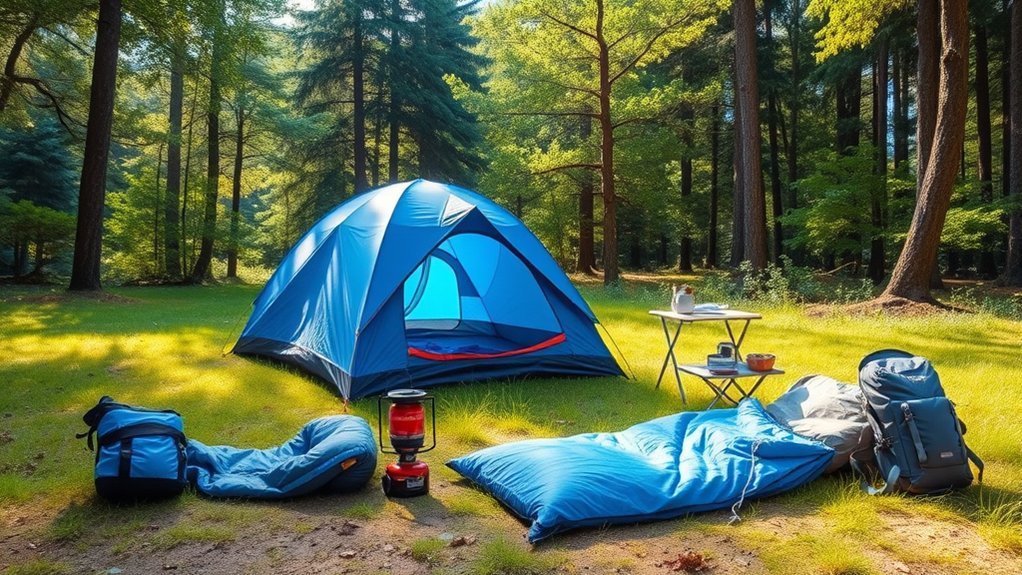
Start with a reliable tent that is large enough for the people and sleeping pads using it. Check that the rainfly, poles, stakes, guylines, and groundsheet are all present. Pitch the tent at home before the trip so you know how the pieces fit and can find damage while repairs are still easy.
Choose a sleeping bag for the expected overnight conditions. A lower temperature rating generally indicates a warmer bag, so “20°F or higher” is not a safe universal rule. Review the bag’s comfort information when available, compare it with the forecasted low, and allow extra protection if you tend to sleep cold. Pair the bag with an insulated sleeping pad because the ground can draw heat away from your body.
Bring a headlamp for hands-free movement after sunset, plus spare batteries or a reliable charging method. A lantern helps around the table, but it should not replace each camper’s personal light. Small repair supplies, spare cord, and extra stakes can solve common tent problems without adding much bulk.
Pro Tip: Set up your complete sleep system at home for one night. This tests the tent, sleeping pad, bag, pillow, lighting, and nighttime clothing together instead of testing each item separately.
Cooking and Dining Supplies
A portable stove makes meals more dependable than a campfire. A two-burner stove is convenient for group car camping, while a compact single-burner model may be enough for simple meals. Bring the correct fuel, check connections before lighting, and operate the stove outdoors on a stable surface away from the tent and other flammable materials.
Plan each meal before shopping. Choose food that is easy to prepare, limit recipes with many ingredients, and bring one no-cook backup meal in case weather or equipment makes cooking difficult. Reusable plates, bowls, mugs, and utensils reduce trash. A sharp knife and cutting board make preparation easier, but keep the knife stored safely when it is not in use.
Cooler and Food Safety
Keep perishable food at or below 40°F. Pack a cooler with plenty of ice or frozen packs and place a thermometer inside so you can verify the temperature. Raw meat and poultry should be sealed and stored in a separate cooler when possible. When using one cooler, place raw products below ready-to-eat food so leaking liquid cannot drip onto it.
Return food to the cooler promptly. Discard perishable food that has remained above safe refrigeration temperature for more than two hours, or more than one hour when the air temperature is above 90°F. Use clean hands and utensils, cook food thoroughly, and do not reuse a plate that held raw meat until it has been properly washed.
Warning: Smell and appearance cannot confirm that food is safe. When cooler temperature or time out of refrigeration is uncertain, discard the questionable perishable food.
Water and Hydration
Confirm whether the campground has potable water and whether it will be operating during your stay. Bring enough water for drinking, cooking, brushing teeth, and basic cleanup, along with refillable bottles and a larger camp container.
Do not assume that a clear stream, lake, or spring is safe. The Centers for Disease Control and Prevention advises treating water when its safety is uncertain. Boiling is the most reliable way to kill germs. Another option is to use an appropriate filter and then disinfect the filtered water, following the product directions.
Washing Dishes at Camp
Scrape food into a trash bag before washing. Use as little soap and water as practical, strain food particles from the wastewater, and pack those particles out. Where local rules permit dispersed wastewater, carry it well away from lakes and streams before scattering it. Use a designated campground sink or disposal station when one is provided.
Personal Care and Safety Items
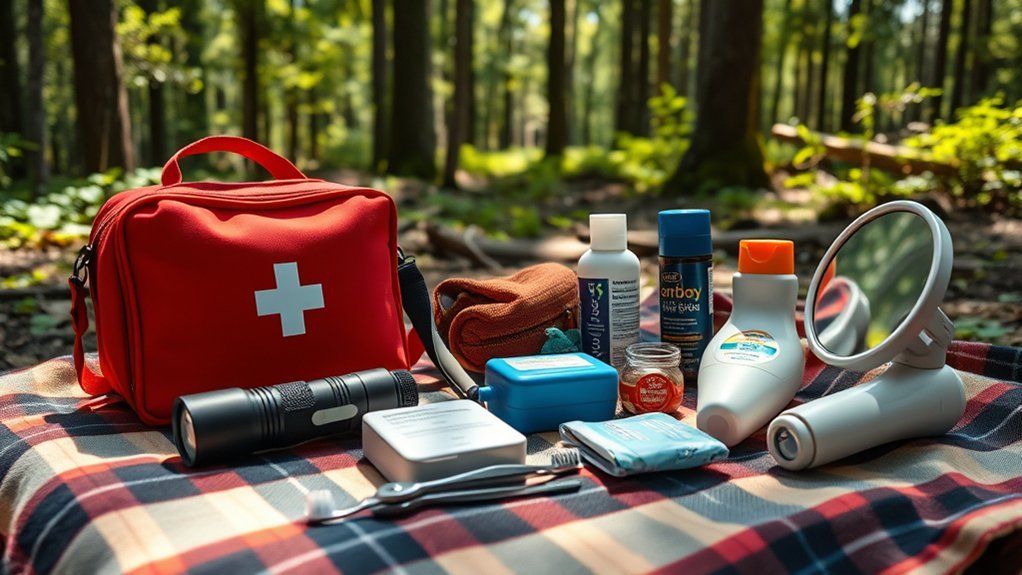
Pack personal care and safety supplies in clearly marked bags so they are easy to find. Keep toiletries separate from cooking equipment, but remember that toothpaste, lotions, deodorant, and similar scented products may need to be stored with food in wildlife areas.
Essential Hygiene Supplies
A simple hygiene kit can include a toothbrush, toothpaste, toilet paper, hand-cleaning supplies, soap, a towel, wet wipes, and any personal products you need. Use campground toilets whenever available. In areas without toilets, follow the managing agency’s exact human-waste instructions because soil, season, elevation, group size, and local regulations can change the approved method.
Do not wash yourself or your dishes directly in a lake or stream, even when the soap is labeled biodegradable. The National Park Service’s Leave No Trace guidance recommends carrying wash water 200 feet from natural water sources, using minimal soap, and scattering strained dishwater where regulations allow.
Safety Equipment Necessities
Carry a first aid kit sized for the group and trip. At a minimum, it should support the treatment of small cuts, blisters, minor burns, sprains, and common discomforts. Add personal medications, emergency contact information, and any supplies recommended by your healthcare professional.
Bring sunscreen and insect repellent and follow each product label. Wear protective clothing when practical and check yourself, children, pets, clothing, and gear for ticks after spending time in brush or tall grass. When using both sunscreen and insect repellent, apply sunscreen first and repellent second.
Every camper should know where the first aid kit, vehicle keys, emergency contacts, and nearest safe weather shelter are located. A whistle, charged phone, offline map, and power bank provide useful backups, but cell service should never be assumed.
Wildlife and Food Storage
Keep food, garbage, dirty cookware, toiletries, and other scented items out of the tent. Secure them as soon as you reach camp. The required method may be a campground locker, closed vehicle, certified bear-resistant container, or approved hanging system.
Check the current site rules rather than choosing a method on your own. The National Park Service’s food-storage guidance notes that parks may allow or require different systems. Never feed wildlife, leave scraps behind, or burn food waste in a campfire.
Clothing and Attire
Layering lets you adjust as the temperature, wind, and activity level change. Start with a moisture-wicking base layer, add insulation when needed, and carry an outer layer that blocks rain and wind. Keep one set of sleeping clothes dry in a sealed bag.
| Layer Type | Recommended Fabrics | Purpose |
|---|---|---|
| Base layer | Synthetic or wool | Moves moisture away from the skin |
| Insulating layer | Fleece, wool, or insulated jacket | Retains warmth |
| Outer layer | Rain jacket and weather-resistant pants | Blocks rain and wind |
| Socks | Wool or synthetic | Manages moisture and helps reduce friction |
| Sleep clothes | Dry base layers | Keeps damp daytime clothing out of the sleeping bag |
Cotton can be comfortable in hot, dry conditions, but it dries slowly and should not be your main cold- or wet-weather layer. Pack comfortable footwear suited to the terrain, plus extra socks in a waterproof bag. A warm hat and light gloves can make cool mornings and evenings much more comfortable.
Navigation and Planning Considerations
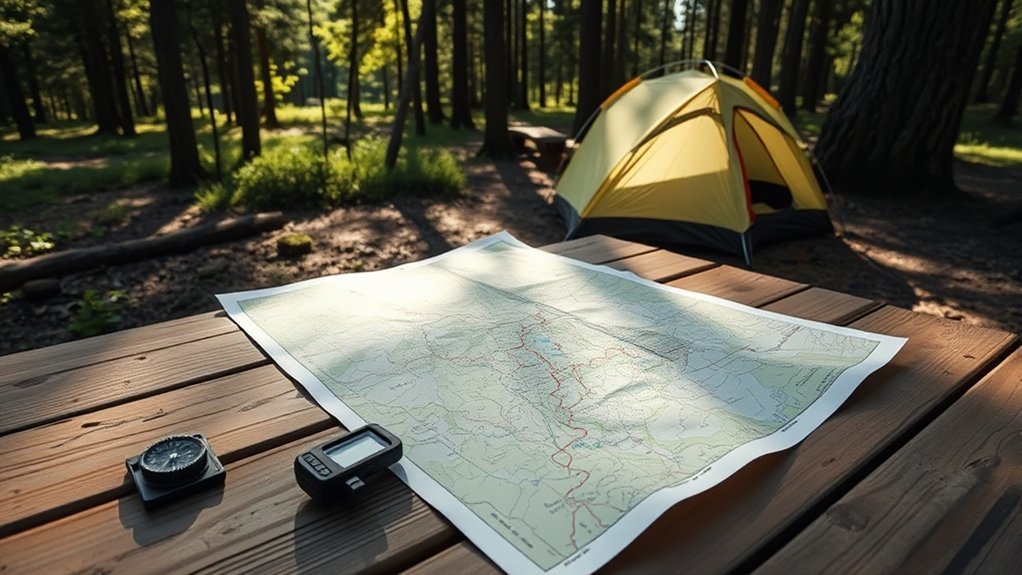
Good planning begins before you pack. Read the complete campground page and confirm the reservation dates, check-in process, site limits, parking rules, quiet hours, potable-water status, toilet availability, pet policy, food-storage requirements, and current fire restrictions.
Share your destination, campsite number, travel route, companions, vehicle description, and expected return time with a trusted person. Download maps and campground details before leaving because reception may be weak or unavailable.
Choosing and Inspecting the Campsite
Use an established campsite when one is provided. Before pitching the tent, look for drainage paths, standing water, sharp objects, ant nests, unstable ground, and dead or damaged branches overhead. Avoid low ground beside streams, dry washes, narrow canyons, and other places exposed to flash flooding.
Keep the tent away from the cooking area, campfire, vehicle path, and places where people may trip over guylines. Position the door so entry is safe and practical, then stake the tent and tension the rainfly according to its instructions.
Warning: Do not camp on a stream bank or in a drainage channel because flooding can arrive from rain that falls miles away. If water begins rising, move to higher ground immediately.
Map and Compass Skills
Bring a printed map when the trip includes trails or remote roads, even if you also use a phone or GPS device. Learn how to orient the map, identify major landmarks, follow a bearing, and account for local magnetic declination when necessary.
Mark the campground, trailheads, water sources, ranger stations, major road junctions, and emergency exit routes. Practice basic navigation in a familiar area before relying on it in unfamiliar terrain.
Weather Forecast Awareness
Check the point forecast for the campground rather than relying on weather from a distant town. Review the daytime high, overnight low, rain chance, wind, lightning risk, heat alerts, flood watches, and fire weather. Check again shortly before departure because conditions can change.
| Condition | Preparation | Action at Camp |
|---|---|---|
| Rain | Rainfly, rain clothing, dry bags, and suitable footwear | Keep gear covered, maintain ventilation, and avoid touching wet tent walls |
| Cold night | Suitable sleeping bag, insulated pad, dry sleep clothes, and warm layers | Change out of damp clothing and eat before settling in |
| Heat | Extra water, shade plan, sun protection, and lighter activities | Rest during peak heat and watch for signs of heat illness |
| Thunderstorm | Identify a substantial building or hard-topped vehicle in advance | Leave the tent and seek safe shelter when thunder is heard |
| Strong wind | Extra stakes, guylines, and a sheltered site | Secure loose gear and reassess whether the site remains safe |
The National Weather Service warns that a tent and open-sided picnic shelter do not provide lightning protection. Move to a substantial building or hard-topped vehicle when thunder is heard and remain there until 30 minutes after the last thunder.
Important Items for Your First Camping Trip
Before closing the vehicle or backpack, complete one final check:
- Shelter: Confirm that the tent body, rainfly, poles, stakes, guylines, footprint, and repair supplies are present.
- Sleep: Pack the sleeping bag, insulated pad, pillow, and dry nighttime clothing.
- Water: Bring potable water and a backup treatment method when the source is uncertain.
- Food: Pack meals, stove, fuel, utensils, cooler thermometer, storage containers, and trash bags.
- Lighting: Give each camper a headlamp and carry backup batteries or charging power.
- Safety: Include the first aid kit, medications, sunscreen, insect repellent, whistle, map, and emergency contacts.
- Rules: Save the reservation, directions, pet rules, food-storage requirements, and current fire restrictions.
Quality and suitability matter more than carrying a large amount of gear. A simple tent that you know how to pitch is more useful than a complicated shelter you have never opened. Easy-to-prepare food is often better than an ambitious menu that creates extra cleanup and cooler space.
What Not to Pack on a First Camping Trip
- Too many gadgets: Extra electronics add charging needs, bulk, and distraction.
- Bulky cotton clothing for cool or wet weather: Cotton dries slowly and can leave you uncomfortable when temperatures fall.
- Glass containers: They are heavy, breakable, and prohibited at some campgrounds.
- More food than you can store safely: Extra perishables create cooler and wildlife-storage problems.
- Untested equipment: Do not make the campsite your first attempt at pitching the tent or operating the stove.
- Unnecessary fire tools: Leave axes, large fire grates, and excess firewood at home when fires are restricted or not part of the plan.
- Strongly scented items: Bring only what you need and store scented products according to wildlife rules.
Tips for a Successful Camping Experience
For a first trip, an established campground with toilets, potable water, defined sites, and a host can make learning easier. Choose a location close enough to home that changing plans is practical. Arrive with enough daylight to inspect the site and pitch the tent without rushing.
Practice campsite etiquette by keeping noise low, respecting site boundaries, controlling pets, dimming bright lights, and leaving shared facilities clean. Store food immediately after meals and pick up crumbs that may attract animals.
A campfire is optional. Check current rules before lighting one, use an established ring, keep the fire small and attended, and keep water nearby. Never go to sleep or leave while coals remain hot. Drown the fire, stir the coals, add more water, and repeat until everything is cold.
Pack out all trash, leftover food, and hygiene products. Inspect the campsite before departure and leave it at least as clean as you found it.
Pro Tip: Keep the first trip short and simple. One or two nights at an established campground gives you time to learn what you use, what you forgot, and what you can leave home next time.
Frequently Asked Questions
How do I choose the right camping spot?
Start with a designated site that matches your reservation and equipment. Inspect it for drainage channels, low ground, sharp objects, unstable soil, insect nests, dead branches, and nearby hazards. Keep the tent away from the fire ring, cooking area, vehicle path, and stream banks exposed to flooding.
What should I do if it rains?
Use the rainfly, close exposed openings, keep gear in waterproof containers, and maintain ventilation to reduce condensation. Use a tarp only where it can be secured safely and rules permit it. When thunder is heard, leave the tent or tarp and move to a substantial building or hard-topped vehicle.
Can I bring my pet camping?
Bring a pet only when the campground allows it. Check leash length, trail access, beach restrictions, vaccination requirements, waste rules, and limits on unattended animals. Carry water, food, bedding, identification, waste bags, and any medication your pet needs.
How can I stay safe around wildlife?
Observe animals from a distance, never feed them, and keep a clean campsite. Store food, garbage, cookware, toiletries, and scented products using the method required by the campground. Keep these items out of the tent and never leave scraps in the fire ring.
What is the best way to keep food fresh?
Pre-chill food, use plenty of ice or frozen packs, and monitor the cooler with a thermometer. Keep perishable food at or below 40°F. Store raw meat in sealed containers below ready-to-eat food, open the cooler as little as possible, and follow the two-hour discard rule—or one hour above 90°F.
Can I drink water from a stream or lake?
Do not drink untreated natural water simply because it looks clear. Use potable campground water when available. When water safety is uncertain, boil it or use a suitable filtration and disinfection process according to current health guidance and the treatment product’s directions.
What sleeping-bag temperature rating should I choose?
Choose a bag intended for the expected season and overnight low. A lower temperature rating indicates more cold protection, but rating systems and individual comfort vary. Review the comfort rating when available, use an insulated sleeping pad, and bring appropriate sleep clothing.
Can I have a campfire?
Only when the campground and current fire restrictions allow it. Use an established ring, keep the fire attended and small, and keep water nearby. Extinguish it completely with water and stirring until no heat remains. A portable stove is usually the more dependable cooking option.
Conclusion
A successful first tent camping trip does not require every outdoor product on the market. It requires a dependable shelter, a suitable sleep system, safe food and water, weather-ready clothing, basic safety supplies, and a clear plan. Check local rules, test your equipment, arrive before dark, and keep the trip simple. Careful preparation leaves more time to enjoy the campsite, the people with you, and the experience of sleeping outdoors.
Sources
- Centers for Disease Control and Prevention: Water Treatment While Camping — safe treatment of water from uncertain sources
- USDA Food Safety and Inspection Service: Food Safety While Hiking and Camping — cooler packing and cross-contamination prevention
- National Weather Service: Outdoor Lightning Safety — safe shelter and the limits of tents and picnic shelters
- National Weather Service: Flood Safety for Camping and Hiking — flash-flood hazards and campsite location
- National Park Service: Bear Safety and Food Storage — food, garbage, and scented-item storage
- National Park Service: Leave No Trace — campsite selection, washing, waste, campfires, and wildlife protection
