
Last Updated on July 29, 2026 by Mason Reed
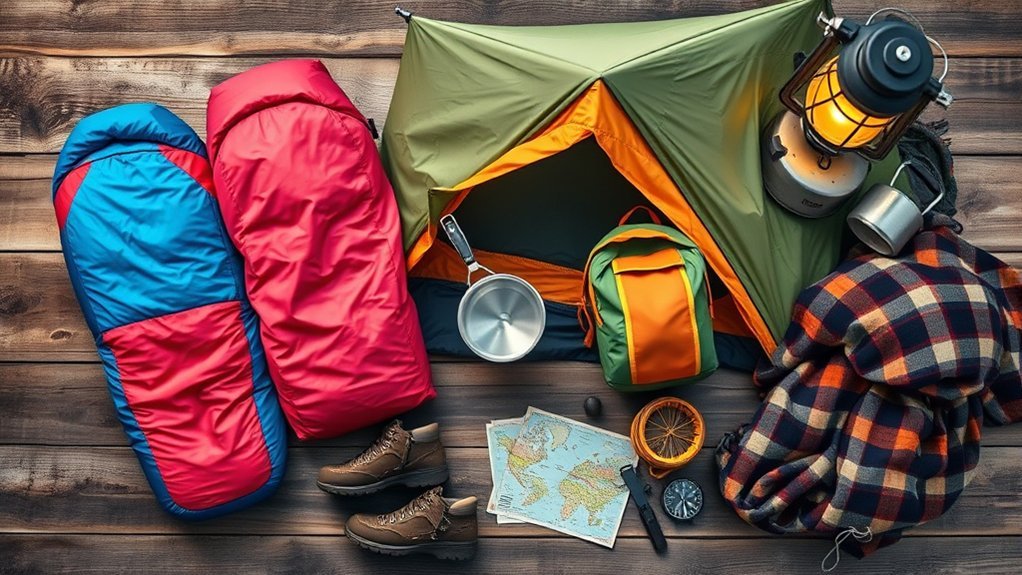
A good tent camping checklist covers more than a tent and sleeping bag. You also need a plan for water, food, weather, lighting, first aid, hygiene, repairs, and campsite rules. This guide is built mainly for frontcountry or car camping, where you can carry a cooler, camp table, and comfort items. Backcountry campers should use lighter gear and follow area-specific permit, food-storage, and sanitation rules.
Quick Answer
For tent camping, pack a weather-ready tent, sleeping bag and pad, safe drinking water, food and a cooler, an outdoor camp stove, layered clothing, a headlamp, first-aid kit, navigation, sun and insect protection, hygiene supplies, repair tools, emergency contacts, and any reservation, permit, or pet documents.
Key Takeaways
- Match your tent, sleeping bag, clothing, and rain gear to the forecast and campsite conditions.
- Bring enough safe water or a reliable treatment method, plus food that can be stored at safe temperatures.
- Use fuel-burning stoves, heaters, grills, and lanterns outside and away from tents.
- Pack a headlamp, first-aid kit, navigation, emergency contacts, and a backup way to receive weather alerts.
- Check campsite rules for fires, pets, food storage, quiet hours, vehicles, permits, and waste disposal before leaving home.
At a Glance
| Time Required | 30–60 minutes to plan and pack, plus a practice tent setup before the trip |
| Difficulty | Easy, with extra planning for remote sites, children, pets, cold weather, or bear country |
| Tools Needed | Packing checklist, storage bins or bags, tent repair kit, multi-tool, mallet, headlamp, and cooler thermometer |
| Cost | $0 when using owned or borrowed gear; new equipment costs vary most by tent, sleep system, stove, and cooler |
Disclosure: As an Amazon Associate I earn from qualifying purchases. Some links on this page are affiliate links, at no extra cost to you.
Essential Tent Camping Gear
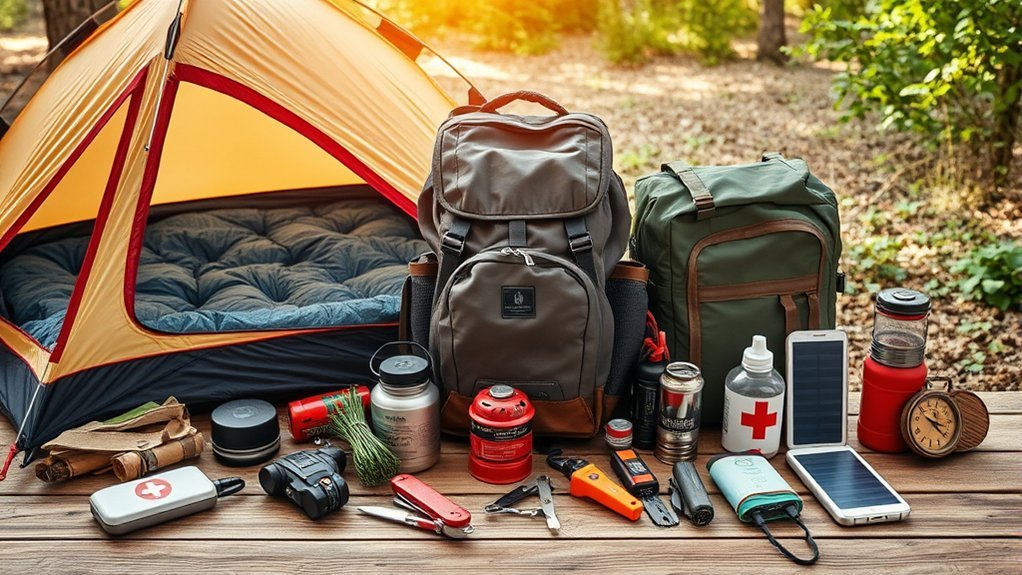
Start with the items that keep you sheltered, rested, hydrated, and able to handle changing conditions. The National Park Service camping guide recommends matching your shelter and sleep system to the location, season, and expected weather.
- Shelter: Tent, poles, stakes, guylines, rainfly, footprint or ground tarp, and a small repair kit. The footprint should fit beneath the tent floor rather than extend beyond it and collect runoff.
- Sleep system: Sleeping bag rated for the expected low temperature, sleeping pad or air mattress, pump if needed, pillow, and extra blanket for cold sleepers.
- Lighting: Headlamp or flashlight for each adult, a lantern for shared areas, and spare batteries. A headlamp is especially useful because it keeps both hands free.
- Water: Drinking water, refillable containers, and a backup filter, purification tablets, or boiling method when potable water is not guaranteed.
- Navigation and communication: Downloaded map, paper map when appropriate, compass or GPS, charged phone, portable battery, whistle, and the campground address or coordinates.
- Clothing: Moisture-wicking layers, insulating layer, waterproof shell, sleep clothes, sturdy footwear, hat, and extra socks.
- Sun and insect protection: Sunscreen, sunglasses, sun hat, and an EPA-registered insect repellent. Follow the current CDC tick-prevention guidance for clothing, repellent, and tick checks.
- Hygiene: Toilet paper, hand sanitizer, toothbrush, soap, towel, menstrual supplies, prescription items, and waste bags.
- Documents and payment: Reservation or permit details, identification, vehicle information, and the payment methods accepted at the site. A printed backup is useful where cell service is weak.
A complete camping kit should protect you from weather, help you navigate and communicate, and cover water, food, first aid, lighting, fire safety, and repairs.
Important Tools and Repair Gear
The best tools are compact, familiar, and suited to the gear you actually carry. Pack them where you can reach them without unloading the whole vehicle.
Multi-Tool Versatility Benefits
A multi-tool or pocket knife can handle food packaging, loose screws, small gear repairs, and other campsite tasks. Useful features may include pliers, screwdrivers, a can opener, scissors, and wire cutters. Choose a durable model, learn how each tool locks or folds, and clean and dry it after the trip. Do not use a blade for a task that calls for a saw, axe, or other purpose-built tool.
Duct Tape Uses
Duct tape is valuable for temporary repairs to a torn rainfly, cracked storage bin, loose pole section, or damaged gear bag. Wrap a short length around a water bottle or trekking pole to save space. It can also form a temporary strap or hold a patch in place until you can make a proper repair.
Note: Keep duct tape in the repair kit, not as a substitute for wound care. Treat cuts with clean water, sterile or clean dressings, and proper first-aid tape or bandages. Pack blister pads or moleskin for hot spots.
Essential Cutting and Stake Tools
Scissors are useful for cutting cord, opening packages, and trimming medical tape. A mallet makes it easier to drive and remove tent stakes without damaging them. A hatchet or wood axe is optional, not essential; many campgrounds restrict wood collection or require locally purchased firewood. Follow posted fire rules, maintain a safe cutting area, use protective footwear, and keep sharp tools away from children.
Campsite Kitchen
Build your kitchen around the meals you plan to cook. A one-burner stove may be enough for simple meals, while a two-burner stove is convenient for families or dishes that need two pans. Test the stove before leaving, inspect fuel connections, and pack the correct fuel and ignition method.
- Camp stove, fuel, lighter or matches, and windscreen approved for the stove
- Pot, pan, kettle, heat-safe utensils, cutting board, and can opener
- Plates, bowls, cups, cutlery, napkins, and small containers of seasonings
- Cooler with ice or frozen packs and an appliance thermometer
- Water container, biodegradable soap, wash basin, sponge, and quick-dry towel
- Trash bags, resealable food bags, and wildlife-resistant food storage where required
- Camp table if the site lacks a usable table
- Portable high chair or booster seat when camping with a young child
Biodegradable soap still should not go directly into a lake, stream, or spring. Follow the campground’s wastewater rules and keep washing activities away from natural water sources.
Warning: Never use a fuel-burning stove, charcoal grill, heater, or lantern inside a tent, vehicle, or other enclosed sleeping area. Carbon monoxide is odorless and can become deadly. Cook outside on a stable surface and follow the manufacturer’s clearance and ventilation instructions.
Safety Items
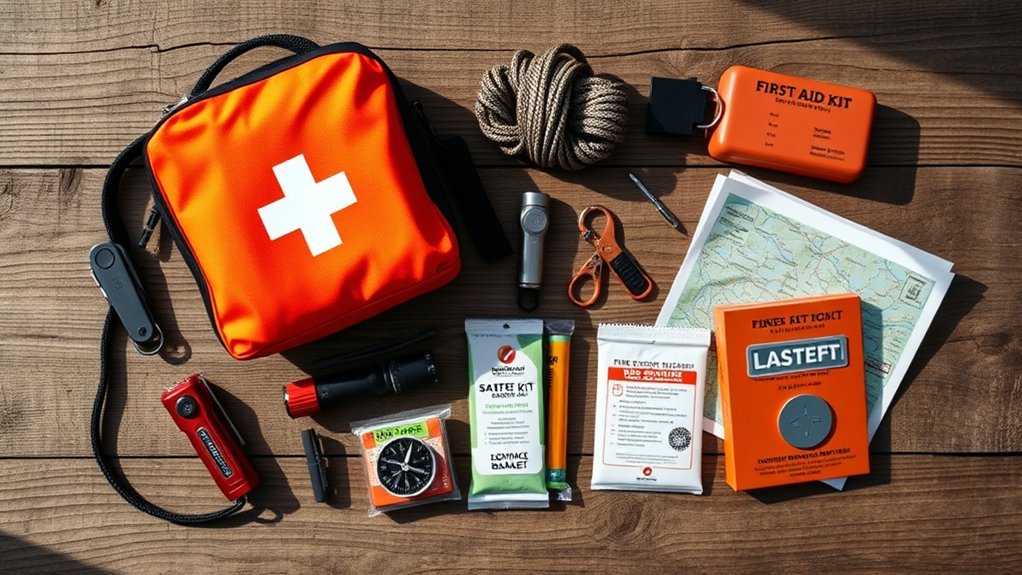
Safety gear should match the group, location, activities, weather, and distance from medical help. Before the trip, tell a trusted person where you are going, who is with you, and when you expect to return.
First-Aid Kit Essentials
Pack a first-aid kit with adhesive bandages, sterile gauze, nonstick dressings, medical tape, antiseptic wipes, disposable gloves, tweezers, scissors, elastic wrap, blister treatment, and any supplies needed for known allergies or health conditions. Include personal prescriptions in their labeled containers. Over-the-counter pain, allergy, or stomach medicines may be useful when they are safe for the people in your group; follow labels and individual medical advice. Check expiration dates and replace damaged or used supplies before every trip.
Emergency Contact Information
Keep emergency contacts, health information that rescuers may need, campground details, ranger or host contact information, and the nearest medical facility in a waterproof pouch. Give each adult access to the list. Do not rely on cell service alone; carry a whistle, know where the nearest staffed location is, and consider a satellite communicator for remote areas.
Weather, Fire, and Wildlife Safety
Check the forecast before departure and continue monitoring alerts during the trip. The National Weather Service advises moving to a substantial building or hard-topped vehicle when thunder is heard; a tent is not a safe lightning shelter. Wait at least 30 minutes after the last thunder before returning outside.
Check current fire restrictions before packing a stove or planning a campfire. Use established fire rings where permitted, keep water and a shovel nearby, supervise the fire, and extinguish it completely before leaving or sleeping. Store food, trash, toiletries, pet food, and other scented items exactly as the campground requires. In many wildlife areas, a closed vehicle, food locker, or approved bear-resistant container is required.
Shelter and Sleeping Essentials
Choose a tent with enough floor space for the sleepers and the gear that must remain inside. Occupancy labels often assume people are sleeping close together, so a group may be more comfortable in a tent rated for one or two extra occupants. Check the actual floor dimensions, peak height, door layout, and packed size.
Practice setting up the tent at home with its poles, stakes, rainfly, and guylines. At camp, use the assigned tent pad or a durable, level area that does not collect water. Look up for dead or damaged branches, keep the tent away from the cooking area, and avoid placing it in a drainage channel. Use a sleeping pad for insulation from the ground, then add a sleeping bag rated for the forecast low and a pillow or compact substitute.
Pro Tip: Set up the tent once at home, then pack the poles, stakes, rainfly, footprint, and repair sleeve together. This catches missing parts before you arrive after dark or in bad weather.
Cooking and Dining Supplies
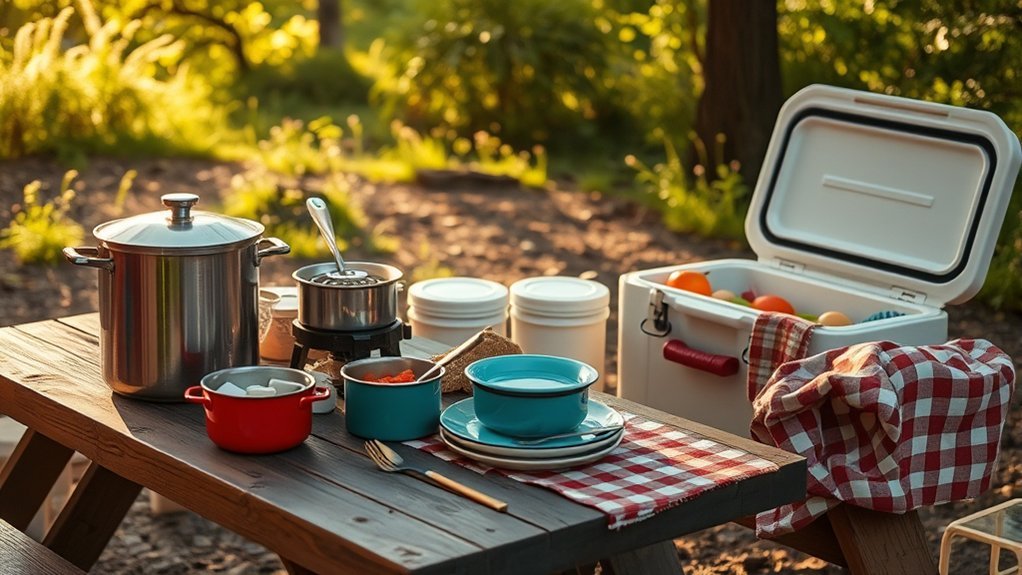
A simple meal plan prevents overpacking and reduces food waste. Choose meals that share ingredients, prepare some items at home, and pack one easy no-cook meal in case weather or fire restrictions prevent stove use. Durable plates, cutlery, cups, and a compact spice kit make meals easier without adding much bulk.
Keep raw meat separate from ready-to-eat food. The USDA food-safety guidance for camping says cold food should stay at or below 40°F. Perishable food should not remain in the 40°F–140°F danger zone for more than two hours, or more than one hour when the temperature is above 90°F. Use a cooler thermometer rather than guessing.
Food, Water, and Wildlife Storage
Confirm whether the campsite has potable water and whether seasonal shutoffs or advisories are in effect. Bring enough water for drinking, cooking, and basic cleaning, plus a backup treatment method when you may need to collect water. Natural water can contain organisms even when it looks clear, so filter, disinfect, or boil it according to official local guidance.
Never keep food, trash, toiletries, or scented products in your sleeping tent. Store them in the supplied food locker, a hard-sided locked vehicle, or an approved bear-resistant container when required. Keep the campsite clean, wipe up spills, and dispose of dishwater and trash under local rules. Food-storage distances and methods vary by park, so the posted regulation always takes priority over a general rule.
Clothing, Hygiene, and Personal Care
Pack clothing in layers so you can adjust as temperatures change. Bring extra socks to reduce friction and replace wet pairs, plus rain gear, sleep clothes, and a warm layer even when daytime weather looks mild. A lightweight daypack helps carry water, snacks, sun protection, first aid, and a layer during hikes.
For hygiene, pack hand sanitizer, soap, toilet paper, a toothbrush, towel, and personal care items. Use campground toilets where provided. In undeveloped areas, follow the land manager’s human-waste rules; some sites require waste bags rather than catholes. Pack out all trash, wipes, hygiene products, and pet waste.
Comfort and Convenience
Comfort items can make a family campsite easier to manage, but they should come after safety essentials. Consider camp chairs, a shade canopy where allowed, hand warmers for cold nights, a doormat, earplugs, and a small broom. Clear bins or labeled bags can separate the kitchen, sleep gear, clothing, tools, and first aid. Portable chargers are useful, but they do not replace a paper backup of critical information.
Fun and Entertainment
Simple activities help everyone enjoy downtime without relying on a signal or power outlet. Pack options that fit the site, weather, and group:
- A deck of cards or a compact board game for family time
- Paper, colored pencils, or a nature journal for outdoor crafts
- Books or a charged e-reader for quiet moments
- A frisbee or soft beach ball for active play in an open area
- Cornhole, ladder toss, or another campsite-friendly game where space and rules allow
Keep noise low during campground quiet hours, supervise children near fires and water, and avoid games that damage plants or disturb wildlife. Campfire stories can be memorable even when a fire ban means gathering around a lantern instead.
Preparation Tips
Good preparation begins with the specific campground rather than a generic gear list. Check the reservation, arrival procedure, site dimensions, vehicle limits, fire rules, potable water, toilets, showers, food lockers, electrical hookups, pet policy, quiet hours, and cell coverage.
About One Week Before
- Review the forecast and likely overnight low.
- Test the tent, stove, lantern, headlamps, air mattress, and batteries.
- Plan meals and make a shopping list.
- Refill prescriptions and update first-aid supplies.
- Download maps and save the campsite address and emergency contacts.
- Confirm fire restrictions, wildlife rules, and any permits.
The Day Before Leaving
- Freeze ice packs and prechill the cooler.
- Charge phones, lights, and portable batteries.
- Fill water containers if potable water is uncertain.
- Pack by category and check each item off once it enters the vehicle.
- Leave your trip plan with a trusted contact.
When You Arrive
- Check in and read posted alerts or campground notices.
- Identify the safest weather shelter and nearest staffed location.
- Set up the tent before dark, then organize the kitchen and food storage area.
- Keep food and cooking odors away from the sleeping area.
- Secure loose items before wind or rain arrives.
Complete Tent Camping Packing Checklist
- Shelter: Tent, poles, stakes, guylines, rainfly, footprint, mallet, repair sleeve, seam repair supplies
- Sleeping: Sleeping bag, sleeping pad or air mattress, pump, pillow, blanket, sleep clothes
- Water: Drinking water, bottles, larger container, filter or purification method, backup supply
- Kitchen: Stove, fuel, ignition, cookware, utensils, cooler, thermometer, food, seasonings, tableware
- Cleaning: Wash basin, biodegradable soap, sponge, towel, trash bags, hand sanitizer
- Clothing: Base layers, warm layer, rain shell, hat, extra socks, sturdy shoes, sleepwear
- Safety: First-aid kit, prescriptions, whistle, headlamps, extra batteries, sunscreen, insect repellent
- Navigation and power: Maps, compass or GPS, phone, charging cable, portable battery
- Tools: Multi-tool, scissors, duct tape, cord, tent patches, optional mallet or approved fire tools
- Personal items: Toiletries, toilet paper, towel, menstrual supplies, glasses or contacts
- Documents: Reservation, permit, ID, vehicle information, emergency contacts, pet records when needed
- Comfort and fun: Chairs, table, games, books, art supplies, child seating, pet bed and leash
Frequently Asked Questions
How do I choose the right tent size for my group?
Compare the tent’s floor dimensions with the number and width of your sleeping pads. A tent rated for the exact group size may feel tight because capacity labels usually allow little room for gear. For car camping, choosing one or two extra-person spaces often improves comfort.
What should I do if it rains during my camping trip?
Use the rainfly, keep the tent vents open enough to reduce condensation, move gear away from the tent walls, and store wet items separately. If you hear thunder, leave the tent and move to a substantial building or hard-topped vehicle. Avoid low areas that may flood.
Can I bring my pet camping with me?
Only when the campground and your planned activities allow pets. Check the exact rules before booking. Pack a leash or restraint, food, water, bowls, waste bags, bedding, identification, medication, and vaccination records when required. Never leave a pet unattended in unsafe heat or around wildlife.
How can I stay organized while camping?
Use labeled bins or bags for shelter, sleeping, kitchen, clothing, hygiene, tools, and safety gear. Keep frequently used items near the top, return items to the same place after use, and use a checklist when loading the vehicle and breaking camp.
What are some eco-friendly camping practices to follow?
Follow Leave No Trace principles: plan ahead, use durable surfaces, dispose of waste properly, leave natural objects in place, minimize fire impacts, respect wildlife, and be considerate of other visitors. Pack out food scraps, pet waste, and all trash.
How much water should I bring?
There is no single amount that fits every camper. Needs rise with heat, altitude, activity, age, health, cooking, and washing. Confirm whether potable water is available, carry more than your planned use, and bring a treatment backup when the source may be unreliable.
Can I use a camp stove inside my tent?
No. Use a fuel-burning camp stove outside, away from tents and sleeping gear, on a stable surface. Enclosed or partly enclosed spaces can trap carbon monoxide and create a fire hazard. Follow the stove manufacturer’s instructions and local fire restrictions.
Conclusion
A successful tent camping trip starts with a checklist built around the actual campsite, forecast, group, and planned activities. Pack shelter, sleeping gear, water, food, lighting, first aid, clothing, hygiene, tools, and documents before adding comfort items and games. Test critical equipment at home, store food safely, monitor weather, and follow local fire, wildlife, pet, and waste rules. That preparation leaves more time for meals, stories, exploration, and a comfortable night outdoors.
Sources
- U.S. National Park Service: What to Bring Camping — shelter, sleeping, water, food, and general packing guidance
- U.S. National Park Service: Ten Essentials — navigation, lighting, first aid, layers, repairs, food, water, and emergency shelter
- U.S. National Park Service: Camping Safely During Your Stay — campsite, fire, food-storage, weather, wildlife, and pet safety
- National Weather Service: Lightning Safety — safe shelter and the 30-minute wait after thunder
- U.S. Consumer Product Safety Commission: Portable Heaters and Camping Equipment — carbon-monoxide hazards from fuel-burning camping equipment
- USDA Food Safety and Inspection Service: Food Safety While Hiking and Camping — cooler temperatures and time limits for perishable food
