

Last Updated on August 2, 2026 by Mason Reed
The lifespan of a tent varies widely based on material, design, and how well you care for it — anywhere from 3 to 7 years for lightweight budget tents to 15 to 20 years for high-quality canvas or clear-span tents with proper maintenance. Usage frequency and environmental exposure play a major role in how long a tent actually survives, and regular cleaning paired with prompt repairs can add years to its usable life. Understanding these factors helps you choose the right tent and get the most value from your investment.
Quick Answer
Most standard camping tents last 5 to 10 years with moderate use and good care. Budget pop-up canopies typically last 3 to 7 years, while durable canvas or clear-span tents can last 15 to 20 years or more. The biggest factors are fabric quality, UV exposure, and how consistently you clean and dry the tent before storage.
Key Takeaways
- Standard synthetic camping tents last around 5–10 years; canvas and glamping-style tents can last 10–20 years.
- UV exposure is the single biggest cause of fabric breakdown and loss of waterproofing.
- Aluminum alloy poles resist corrosion better than steel; fiberglass poles fail fastest.
- Drying a tent fully before storage is the single most effective way to prevent mold and fabric degradation.
- If repair costs exceed roughly half the price of a new tent, replacement is usually the better value.
Disclosure: As an Amazon Associate I earn from qualifying purchases. Some links on this page are affiliate links, at no extra cost to you.
Factors Affecting Tent Longevity
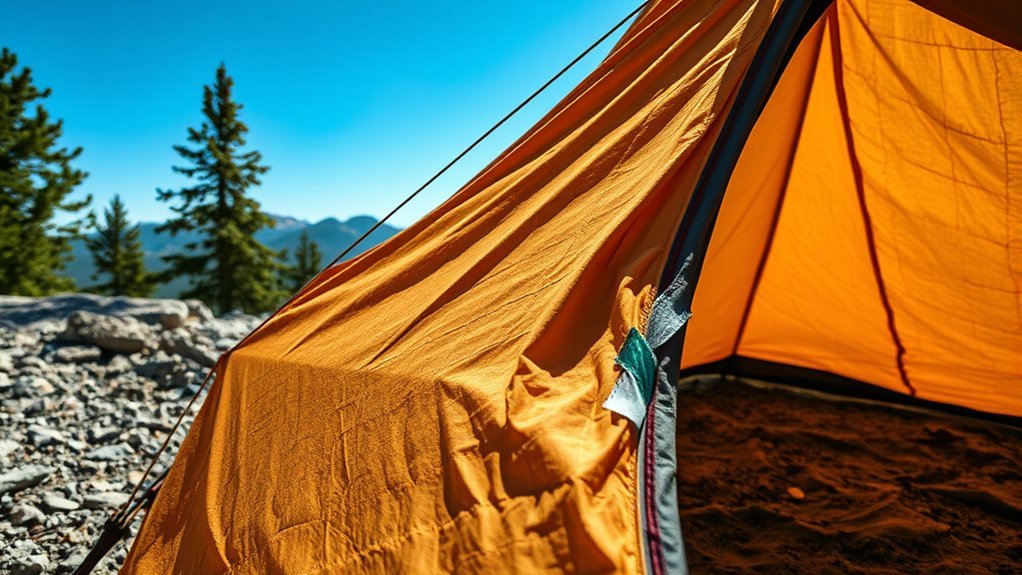
Several factors determine how long a tent will actually hold up. Material selection matters most: heavier canvas and PVC-coated fabrics resist wear far better than lightweight synthetic materials, though they add weight and cost. Environmental exposure is the next biggest factor — consistent UV exposure gradually weakens polyester fibers, reducing tear strength and waterproof performance over time. Frequent setup and teardown also accelerates wear, since repeated flexing stresses seams, zippers, and pole joints.
Pole and frame material matters too. Aluminum alloy poles are lightweight and corrosion-resistant, making them the standard choice for quality tents, while steel frames are sturdier for large event or glamping structures but heavier and more prone to rust if not maintained. Fiberglass poles, common in budget tents, are the most likely component to crack or splinter under stress. Combined with proper maintenance — routine cleaning, complete drying before storage, and prompt repairs — these choices can meaningfully extend a tent’s usable life.
Pro Tip: Before buying, check what the poles are made of. Fiberglass rainfly poles are consistently the first component to fail on budget tents, sometimes within the first few uses, while aluminum poles on mid-range and premium tents tend to outlast the fabric itself.
Different Typical Lifespans of Various Tent Designs
When choosing a tent, it helps to understand the typical lifespan associated with each design. Your usage patterns and how well you maintain the tent will directly affect how long it actually lasts, so it’s worth matching your expectations to the type of tent you buy.
Lifespan by Tent Type
Lifespan varies significantly by tent category. Foldable and pop-up canopies typically last 3 to 7 years thanks to their lightweight, budget-friendly materials, though that portability comes at the cost of durability. Standard backpacking and family camping tents made from ripstop nylon or polyester generally last 5 to 10 years with moderate, seasonal use and proper care. Pole-and-frame party or event tents often reach 10 to 15 years given their sturdier construction and less frequent, more controlled use. Canvas and clear-span glamping-style tents sit at the top end, commonly lasting 10 to 20 years — and sometimes longer — when built from heavy-duty materials and stored correctly. Dome tents generally fall in the 5 to 10 year range and need regular maintenance to keep their pole structure stable.
Usage Impact on Longevity
How you use your tent has just as much influence on its lifespan as what it’s made of. Three factors matter most:
- Frequency of Use: Frequent setup and teardown wears components down faster, especially on lightweight foldable canopies.
- Environmental Conditions: Harsh weather degrades materials faster, and dome tents in particular need careful handling during storms.
- Type of Activities: Hosting events or full-time camping puts more strain on a tent; frame and pole tents typically hold up better under this stress than lightweight backpacking tents.
Mindful, consistent use goes a long way toward maximizing how many seasons your tent gives you.
Backpacking Tents vs. Family and Cabin Tents
Backpacking tents are built to prioritize low weight over raw durability, using thinner fabrics (often under 40 denier) and slimmer poles. Cared for properly, they typically last 5 to 8 years or a few hundred nights of use before fabric and coatings noticeably degrade. Family and cabin tents use heavier fabrics and thicker poles since weight is less of a concern, which generally pushes their lifespan closer to 8 to 12 years under normal seasonal use. If you camp frequently and need your tent to double as reliable weather protection on multi-day trips, that durability gap is worth factoring into your purchase.
Maintenance and Care for Your Tent
Consistent maintenance is the single biggest lever you have over your tent’s lifespan — proper care can extend usable life considerably, while neglect shortens it just as fast. Three practices matter most:
- Regular Cleaning: After each use, clean the tent with mild soap and water to remove dirt and debris before it breaks down the fabric coating.
- Proper Drying: Always let the tent dry completely before folding and storing it — this is the single most effective way to prevent mold, mildew, and coating breakdown.
- Safe Storage: Store the tent in a clean, dry, well-ventilated space, away from moisture and direct sunlight.
Handle the tent gently during setup and takedown, and inspect it regularly for wear so you can catch small issues before they become expensive repairs.
Note: Use a breathable storage sack rather than a tightly compressed stuff sack for long-term storage between trips — cramming fabric into a tight space stresses seams and creates creases that weaken the material over time.
Tips for Extending the Lifespan of Your Tent
Beyond routine cleaning and drying, a few habits make a measurable difference in how long a tent lasts.
Regular Maintenance Routine
- Inspect Regularly: Check for wear signs like cracks, delamination, or fraying seams, and address them before they worsen.
- Reapply Waterproof Coatings: Periodically seal seams and reapply waterproof treatment to maintain the tent’s protective capability.
- Check Poles After Every Trip: Look for bent sections, cracked fiberglass, or rust on steel poles — these fail well before fabric usually does.
Proper Storage Techniques
Storage matters as much as active care. Always confirm the tent is completely dry before folding it, since trapped dampness causes mold and fabric degradation. Avoid prolonged exposure to direct sunlight during storage, as UV rays continue to weaken material even when the tent isn’t in use. Here’s a quick reference for effective storage:
| Key Technique | Description | Benefits |
|---|---|---|
| Tent Folding | Properly fold to minimize creasing | Preserves fabric integrity |
| Storage Locations | Use ventilated, dry areas | Prevents moisture damage |
| Regular Inspections | Check for signs of wear or pests | Maintains tent integrity |
Signs of Damage and When to Replace Your Tent
Recognizing early signs of damage helps you decide between a quick repair and a full replacement. Watch for three key indicators:
- Fabric Condition: Cracks, splits, or delamination on the tent cover reduce weather resistance and often signal it’s time to replace rather than repair.
- Pole Integrity: Chipped paint, rust, or scratches on poles can compromise the tent’s structural stability.
- Repair Costs: If repairs would cost more than roughly half the price of a new tent, replacement is usually the better long-term value.
Warning: Never continue using a tent with cracked or split poles in windy or stormy conditions — a structural failure mid-storm can leave you without shelter when you need it most.
Choosing the Right Tent for Your Needs
Start by identifying how often you’ll actually use the tent. Frequent trips justify investing in a more robust design with durable materials — heavier canvas or PVC-coated tarpaulin tends to outlast lighter fabrics, though it typically costs more and weighs more.
Next, consider seasonal use. A 3-season tent works well for mild conditions, while a 4-season tent is built for harsher weather and stronger winds. Look for waterproof coatings and durable frames, typically ripstop nylon or polyester paired with aluminum poles, to maximize longevity. Regular maintenance — cleaning and prompt repairs — remains the single biggest factor in how many years you actually get out of any tent you choose.
Environmental Conditions Impacting Tent Durability
Understanding the environmental conditions your tent will face helps you plan for its longevity. Three conditions matter most:
- Extreme Weather: Heavy rain and strong winds can cause structural failures and accelerate material degradation.
- UV Exposure: Prolonged sunlight weakens polyester fabric, reducing tensile strength and waterproof performance over time.
- Humidity and Terrain: Humid climates raise the risk of mold, while uneven or rocky ground increases wear on the tent floor and stakes.
Best Practices for Tent Setup and Storage
Start with proper ground preparation — a clean, level site minimizes wear on the tent’s fabric and structure. Pay attention to tent orientation, positioning it away from harsh winds and direct sunlight where possible. Always follow the manufacturer’s assembly instructions to avoid unnecessary stress on poles and seams, and secure the tent with appropriate stakes and guylines in windy conditions. After use, store the tent in a cool, dry place away from direct sunlight, and always let it dry completely before packing it away to prevent mold and material breakdown. Regular inspection and prompt repair of any wear will extend its usable life considerably.
Frequently Asked Questions
Can I repair a damaged tent instead of replacing it?
Yes, in most cases. Seam sealing, fabric patching, and reapplying waterproof coatings can extend a tent’s usable life considerably. Repair is usually worthwhile unless the cost approaches half the price of a comparable new tent.
How does UV exposure affect tent lifespan?
UV exposure gradually breaks down fabric fibers and coatings, reducing tear strength and waterproofing over time. Tents with UV-resistant coatings and shaded storage last noticeably longer than those left in direct sun.
Are there specific tents for extreme weather conditions?
Yes — four-season tents use heavier, weather-resistant materials and reinforced pole structures designed specifically for high winds, snow load, and harsh conditions, making them a better choice for challenging environments than standard 3-season tents.
What are signs that a tent is ready for retirement?
Significant tears, persistent leaks, deteriorating seams, or poles that repeatedly crack or bend are all signs a tent is nearing the end of its life. Regular maintenance can delay this, but eventually every tent wears out.
Do different brands impact tent durability?
Yes. Brand reputation often correlates with material quality and manufacturing standards, which directly affects how well a tent withstands weather and repeated use. Researching a brand’s warranty and materials before buying is worth the time.
Conclusion
Your tent’s lifespan comes down to a few core factors: the materials it’s built from, the conditions it faces, and how consistently you care for it. Standard tents typically last 5 to 10 years, while durable canvas and clear-span designs can last 15 to 20 years or more with proper maintenance. Cleaning, drying, and storing your tent correctly after every trip is the single most effective habit for maximizing its lifespan. Watching for cracks, torn fabric, or failing poles will help you know when it’s time for repair versus replacement, so you’re always ready for the next trip.
Sources
- Wood To Water Outdoors — average synthetic tent lifespan and UV degradation effects
- Life inTents — glamping and canvas tent lifespan ranges
- Tent Camping Life — standard camping tent lifespan and use-cycle factors
- Glitzcamp — luxury tent materials and frame construction lifespan factors
