
Last Updated on September 11, 2026 by Logan Reeves
When a natural disaster disrupts power, water, communications, roads, or stores, a good emergency kit gives you time and options. The strongest kit starts with basic needs—safe water, food, first aid, light, communications, sanitation, medications, documents, and tools—then adds gear that fits your local hazards and household. This guide reviews practical products while separating essential preparedness from optional convenience items.
Quick Answer
Build a natural-disaster kit around at least three days of water and nonperishable food, first aid, a battery or hand-crank radio, flashlights, spare power, sanitation supplies, medications, copies of key documents, and basic tools. Add backup options and customize the kit for children, pets, medical needs, climate, and local hazards.
Key Takeaways
- Start with essentials recommended by emergency-management agencies before buying specialized gear.
- Plan for at least three days, then increase supplies when your location, household needs, or likely outage duration justify it.
- Use multiple ways to get light, information, and safe water so one failure does not leave you without a backup.
- Portable filters have limits: the Katadyn BeFree removes bacteria and cysts but is not a complete solution for viruses or chemical contamination.
- Battery lanterns and flashlights are safer primary outage lighting than open-flame candles.
- Review the kit at least twice a year and after every use; rotate food, water, medicines, and batteries before they expire or degrade.
Affiliate disclosure: This article contains Amazon affiliate links. If you buy through them, we may earn a commission at no extra cost to you.
Warning: Follow evacuation orders, boil-water notices, utility instructions, and other directions from local authorities. Emergency gear does not replace professional medical care, fire response, or official public-safety guidance.
Top Picks
|
Category |
Product |
Editorial Score |
|---|---|---|
|
🏆 Best First Aid Kit |
92/100 |
|
|
💡 Best Emergency Radio |
89/100 |
|
|
🔋 Best Long-Term Power |
95/100 |
|
|
💧 Best Water Filter |
90/100 |
|
|
🍫 Best Emergency Food |
84/100 |
|
|
🕯️ Best Long-Burning Candle |
86/100 |
|
|
🔦 Best Battery Lanterns |
91/100 |
|
|
🔧 Best Shutoff Tool |
82/100 |
|
|
📦 Best Heavy-Duty Storage |
88/100 |
|
|
🎒 Best Daypack |
87/100 |
Selection Criteria
You want gear that performs when systems fail, so each item was chosen for reliability, durability, and practical utility in a disaster. Medical supplies were evaluated for completeness and organization, power options were scored for redundancy and shelf life, water and food items for portability and safe storage, and lighting for run time and ease of battery replacement.
Portability, price-to-value, ease of use, storage life, and role redundancy were weighed alongside build quality and reviewer consistency. The scores are editorial comparisons within this roundup, not laboratory safety certifications. Treat changing Amazon ratings and review counts as time-sensitive listing snapshots rather than fixed product specifications.
Build the Core Emergency Kit First
The products in this roundup cover only part of a complete disaster kit. The U.S. government’s Ready campaign recommends a basic supply kit with water, nonperishable food, a battery-powered or hand-crank radio, a NOAA Weather Radio, flashlight, first aid kit, whistle, dust mask, sanitation supplies, wrench or pliers, manual can opener, local maps, and extra batteries. Add household-specific supplies before spending money on specialty gear.
- Water: Store at least one gallon per person per day for at least three days for drinking and sanitation, then increase the amount when heat, pregnancy, illness, pets, or local risk calls for more.
- Food: Keep at least a three-day supply of shelf-stable food that your household will actually eat, including infant, allergy, medical-diet, and pet needs.
- Medical: Include prescriptions, copies of medication lists, basic first aid, glasses or contact supplies, and backup power for approved medical devices.
- Communication: Keep a weather radio, charged phones, power banks, charging cables, a paper contact list, and a family communication plan.
- Sanitation: Pack soap or sanitizer, moist towelettes, toilet paper, garbage bags, ties, menstrual products, diapers, and other personal-care items.
- Documents and money: Protect copies of IDs, insurance details, important contacts, and some cash in a water-resistant pouch.
- Protection and tools: Add sturdy shoes, work gloves, masks, a whistle, manual can opener, wrench or pliers, duct tape, and local maps.
How Much Emergency Gear Should You Store?
Use three days as a practical minimum, not a universal finish line. Ready.gov’s basic checklist uses at least three days of water and food, while the American Red Cross recommends planning for longer disruptions in some scenarios such as extended power outages. Your target should reflect local hazards, evacuation routes, climate, medical needs, storage space, and how quickly outside help normally reaches your area.
Pro Tip: Build one full home kit and smaller grab-and-go kits for your vehicle, workplace, or other places where household members spend significant time. Keep the heaviest water at home and pack only what you can realistically carry during an evacuation.
Plan for Evacuation and Shelter-in-Place
A home storage bin and a daypack solve different problems. Keep bulk supplies where they are easy to reach if you shelter at home, and keep a lighter evacuation bag with medications, water, snacks, light, radio, chargers, documents, hygiene items, clothing layers, and a local map. If authorities order an evacuation, leave when directed rather than delaying to gather extra gear.
Emergency Water: Stored Water Comes First
Portable filters are useful backups, but they do not replace stored water. CDC emergency-water guidance says boiling is the best method for killing disease-causing organisms when water is microbiologically unsafe and bottled water is unavailable. Filters vary: many portable filters do not remove viruses, and no ordinary filter, boiling method, or disinfectant can make water safe if it contains harmful chemical contamination. Always follow local drinking-water advisories.
Power, Lighting, and Carbon Monoxide Safety
Use battery lanterns and flashlights as primary emergency lighting. Keep spare batteries matched to your devices, charge power banks before severe weather, and test radios and lights on a schedule. If you use a portable generator, grill, camp stove, or other fuel-burning device, operate it outdoors and well away from doors, windows, and vents to reduce carbon monoxide risk.
M2 Basics Kit

You want a first aid kit that is easy to grab and actually useful when things go sideways. This compact, hard-case M2 Basics Kit holds 321 pieces in clearly separated compartments so you can find what you need under stress.
It works well in your car, garage, office, RV or classroom and includes basics for cuts, burns, sprains and minor wounds plus a simple first-aid guide. If you want practical coverage without extra bulk, this is a reliable midrange option to keep ready and check periodically.
What People Say
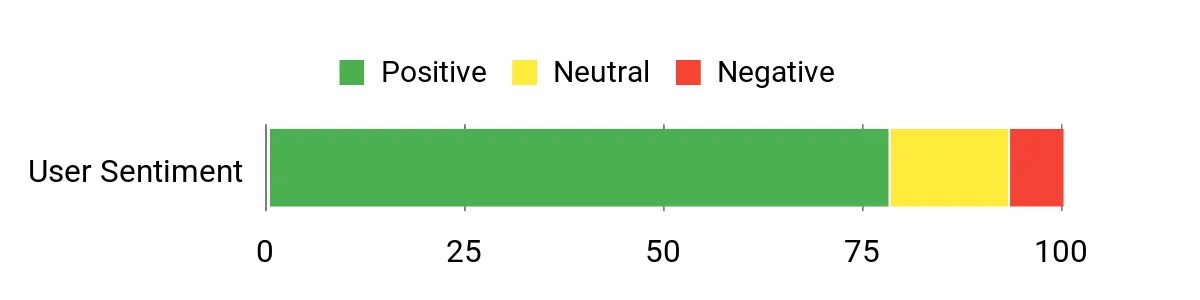
Customers commonly praise the kit for its value and completeness, noting the hard case and internal organization make it easy to store in a car or home. Many say the included guide and variety of bandages, antiseptics and tools give them confidence, while a few recommend repacking or replacing lower-grade consumables before relying on it for serious use.
Overall Sentiment: Positive
Preparedness Benefits
|
Benefit |
Description |
|---|---|
|
Immediate Wound Care |
Helps you control bleeding and protect minor cuts with bandages, gauze and antiseptic wipes so you can reduce infection risk quickly. |
|
Burn and Sprain Management |
Includes burn cream and cold packs for immediate soothing and supplies like wraps to stabilize minor sprains until further care. |
|
Hygiene and Infection Control |
Disposable gloves, antiseptics and sterile dressings let you handle wounds more safely and reduce cross-contamination. |
Shelf Life
Check consumables annually; replace ointments, antiseptic wipes and any expired sterile dressings. Replenish used cold packs and single-use items after deployment.
Key Benefits
- You Can Treat Cuts & Burns
- You Stay Organized On The Go
- You Get Broad Use Cases
- You Save Space Without Sacrificing Items
Rating snapshot: 4.7 (total: 1932+)
Midland Radio
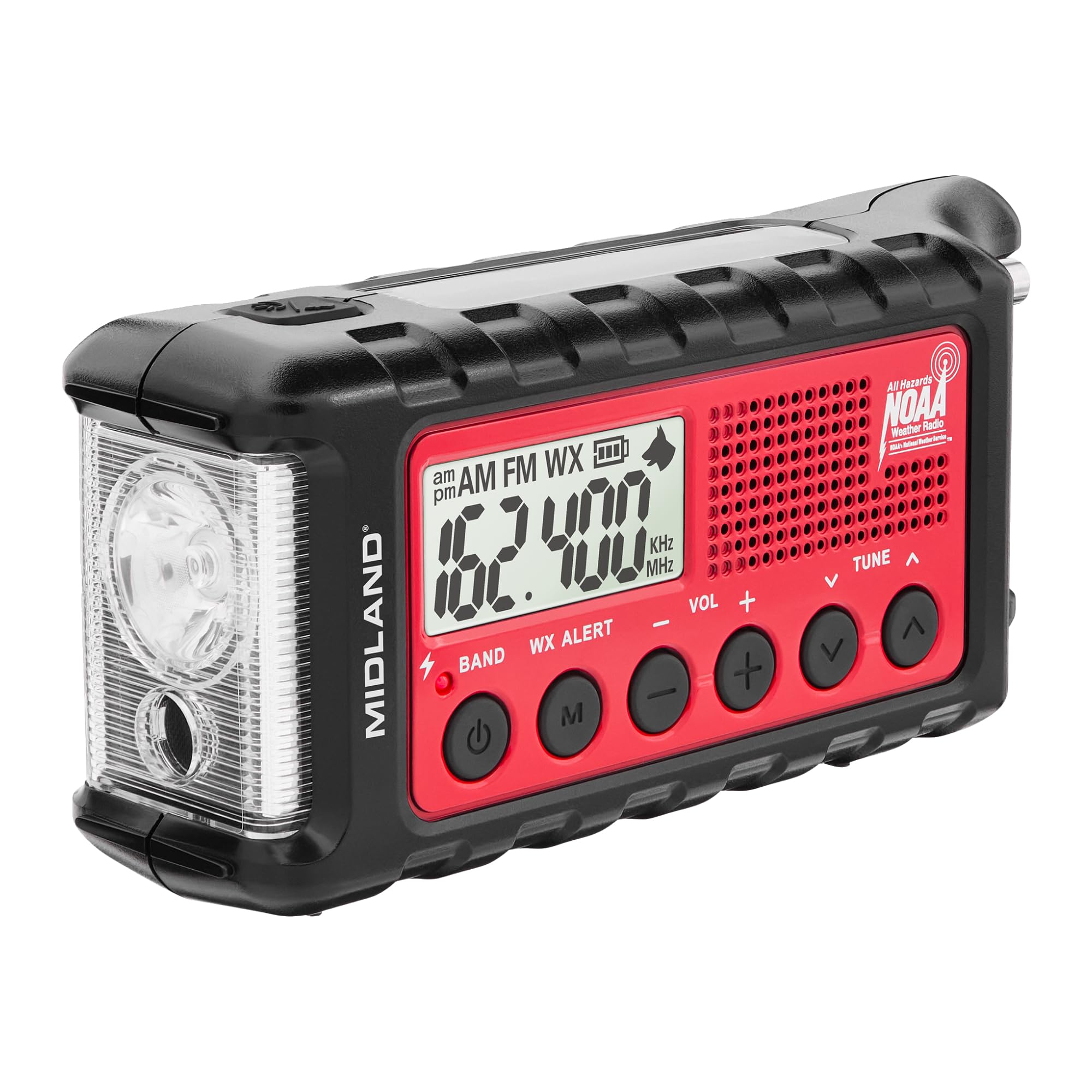
The Midland ER310 is a strong communications backup because it combines NOAA Weather Radio alerts, AM/FM reception, a rechargeable lithium-ion battery, solar and hand-crank charging, and a six-AA backup battery compartment.
Midland also includes an LED flashlight with an SOS beacon and USB output for charging small devices. Treat the solar panel and hand crank as emergency-maintenance options rather than fast primary charging; keep the internal battery charged and store a separate set of fresh AA batteries.
What People Say
Reviewers often highlight the tri-power design and reliable reception, noting the hand crank and solar options give peace of mind when outlets are unavailable. Many appreciate the USB charging for phones and find the flashlight and SOS features genuinely useful.
A number of users recommend reading the manual to get the most from the radio’s feature set.
Overall Sentiment: Positive

Preparedness Benefits
|
Benefit |
Description |
|---|---|
|
Access To Emergency Info |
Receiving timely weather alerts helps you make safer decisions about shelter, evacuation and medical needs. |
|
Power For Communication |
Charging a phone or small device lets you call for help, confirm medical instructions or coordinate care. |
|
Light For First Aid |
The built-in flashlight and SOS signal let you safely assess and treat minor injuries when lighting is limited. |
Shelf Life
Recharge the internal battery periodically during storage, test NOAA reception and the flashlight during kit checks, and store backup AA cells separately if you are concerned about leakage. Midland recommends keeping the unit dry and avoiding extreme temperatures.
Key Benefits
- You Stay Informed With NOAA Alerts
- You Have Multiple Power Options
- You Can Charge Your Phone
- You Get Integrated Light & SOS Signals
Rating snapshot: 4.6 (total: 5916+)
Energizer AA
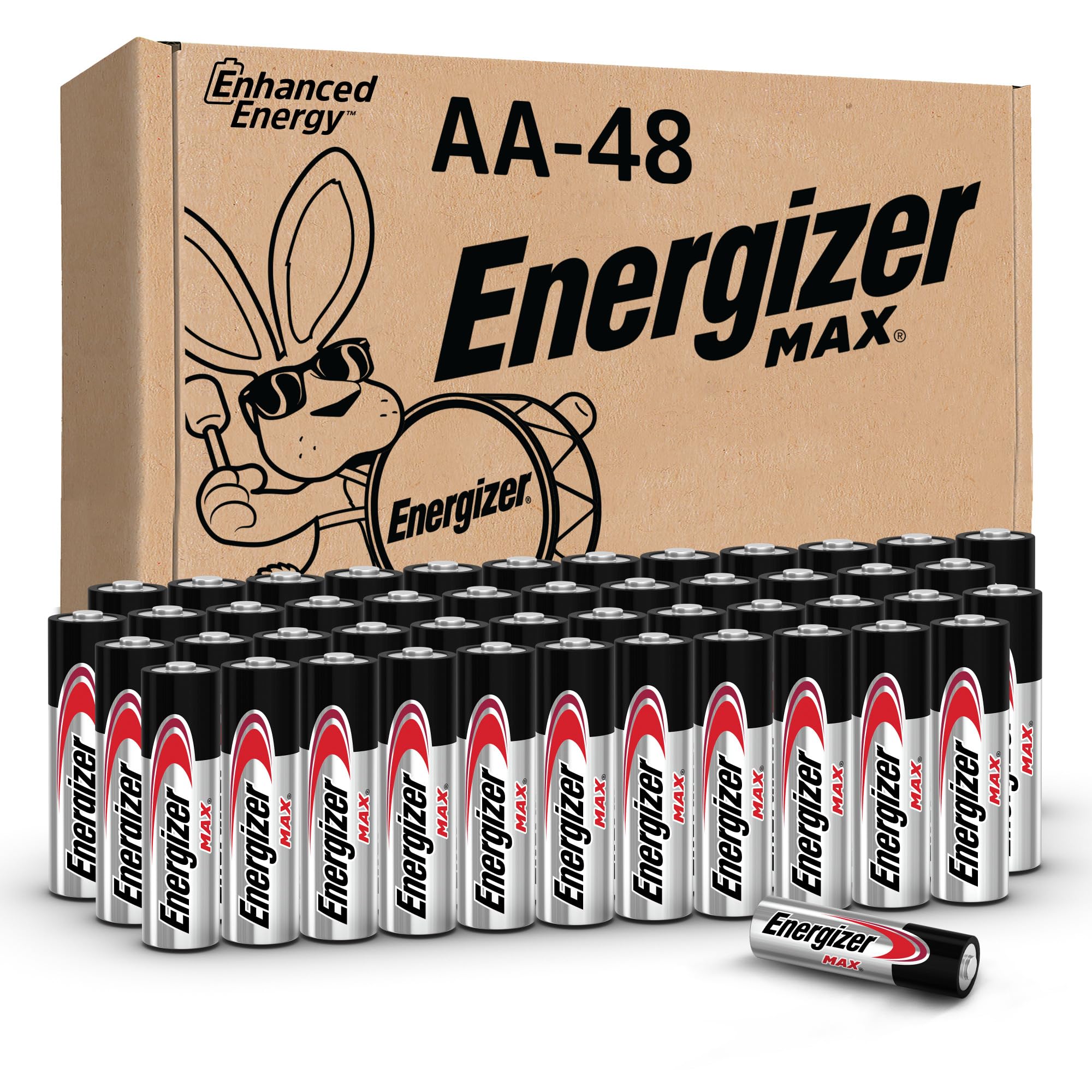
You want dependable power when everything else fails, and these Energizer AA cells are a smart place to start. They store for years and keep enough charge to run flashlights, radios and many small emergency devices, which makes them ideal for a home kit, grab bag or vehicle stash. The brand’s leakage protection adds a layer of safety for stored electronics, and the long shelf life means you can set them aside and trust they’ll work later.
If you’re building a kit focused on reliability, keeping quality alkaline cells like these on hand is practical and low-effort.
What People Say
People repeatedly note the long shelf life and consistent performance, saying these batteries reliably power flashlights and radios even after long storage. Reviewers appreciate the leakage protection and large pack sizes for prepping, and many report steady, predictable results across a wide range of household and emergency devices.
Overall Sentiment: Positive

Preparedness Benefits
|
Benefit |
Description |
|---|---|
|
Power For Medical Devices |
They can power compatible AA devices during outages. For any medical device, follow the device manufacturer’s battery requirements and keep the recommended backup-power plan. |
|
Reliable Lighting |
You keep flashlights and battery lanterns operating during outages, helping you move safely and tend to minor injuries. |
|
Preparedness Confidence |
You reduce stress by storing trusted power sources that are likely to work when you need them for emergency tasks. |
Shelf Life
Energizer currently states that MAX AA alkaline batteries hold power for up to 10 years in storage. Keep them cool and dry, check them during scheduled kit inspections, and remove batteries from devices that will sit unused for long periods if the device maker recommends it.
Key Benefits
- You Keep Devices Running Longer
- You Can Store Spares For Years
- You Reduce Leakage Risk
- You Cover Many Emergency Devices
Rating snapshot: 4.8 (total: 79200+)
Katadyn BeFree

You want a water filter that is light, fast, and simple to use when clean water is uncertain. Katadyn rates the BeFree 3.0L at up to 2 liters per minute and up to 1,000 liters of capacity, depending on water quality. Its 0.1-micron hollow-fiber membrane removes bacteria, cysts, and sediment, and the membrane cleans by shaking or swishing rather than backflushing.
The collapsible 3-liter flask makes it practical for emergency kits, camping, and evacuations where you may need to treat clear freshwater. It is not a universal purifier: CDC guidance notes that many portable filters do not remove viruses, and contaminated water can require boiling or disinfection. Water contaminated with harmful chemicals or toxins cannot be made safe by ordinary boiling, disinfection, or filtration.
Note: Use local boil-water or do-not-drink advisories as the deciding authority. If chemical contamination is suspected, use an approved alternate water source rather than relying on this filter.
What People Say
Customers frequently highlight how lightweight and fast the BeFree is, especially compared with bulkier gravity systems. Users like the wide-mouth flask for easy filling and the EZ‑Clean membrane for simple maintenance, while a few mention challenges filling from very shallow or silty water and recommend skimming cleaner surface water first.
Overall Sentiment: Positive

Preparedness Benefits
|
Benefit |
Description |
|---|---|
|
Safe Drinking Water |
The 0.1-micron hollow-fiber membrane removes bacteria, cysts and sediment from suitable freshwater sources; it does not provide complete protection against viruses or chemical contamination. |
|
Sustained Hydration |
Fast flow and a 3.0L capacity let you refill containers quickly so you can maintain hydration during long outdoor activity or extended outages. |
|
Reduced Weight Strain |
By filtering on-site you carry less heavy water, which helps you move faster and reduces fatigue during evacuations or long treks. |
Shelf Life
Membrane is tested to 1000 L depending on water quality; rinse or swish after use, inspect regularly, and replace according to manufacturer guidance or after heavy use.
Key Benefits
- You Get Fast Flow Filtration
- You Carry Minimal Weight
- You Clean The Filter Easily
- You Fill Bottles Or Hydration Packs
Rating snapshot: 4.6 (total: 623+)
Millennium Bars

You want compact, calorie-dense food that fits into a kit or car without fuss. These energy bars come in a 36-pack of assorted flavors and are designed for grab-and-go situations, long trips or to top up an emergency pantry. They offer a predictable source of calories and some protein, so you can keep moving or hold out until help arrives. If you prefer simple, ready-to-eat options that stack well in storage bins, these are a convenient choice to include in your checklist.
What People Say
Reviewers tend to appreciate the convenience and variety, noting the bars are easy to stash in packs, cars or long-term boxes. Many highlight the steady calorie punch and usable protein content for short-term sustenance, while others recommend rotating stock and checking flavor preferences if you plan to rely on them for extended periods.
Overall Sentiment: Positive

Preparedness Benefits
|
Benefit |
Description |
|---|---|
|
Sustained Energy |
Provides quick, concentrated calories to keep you active during evacuations or extended outages. |
|
Portable Nutrition |
You can eat them on the move, providing quick calories when cooking facilities or regular meals are not available. |
|
Simple Meal Replacement |
Useful as a short-term substitute when regular meals aren’t possible, supplying carbohydrates and modest protein. |
Shelf Life
Store in a cool, dry place and rotate stock regularly; follow manufacturer guidance and replace any bars past their printed expiration or after 2–5 years depending on storage conditions.
Key Benefits
- You Get Ready-To-Eat Calories
- You Carry Lightweight Nutrition
- You Maintain Energy On The Move
- You Store Bulk Easily
Rating snapshot: 4.5 (total: 614+)
UCO Candles

UCO candles can provide long-running backup light when used in a compatible candle lantern, but they should not be your primary outage lighting. The American Red Cross recommends flashlights or battery-powered lanterns instead of candles during power outages because open flames increase fire risk.
Keep these as a secondary option only if you can use them safely: place the lantern on a stable, nonflammable surface, keep it away from children, pets, fuel and fabrics, provide ventilation, and never leave it unattended. UCO currently states that its white paraffin candles can burn about 9–12 hours in open air and longer in compatible UCO lanterns.
Warning: Prefer flashlights or battery lanterns during outages. Never use an open flame to inspect a damaged building or anywhere a gas leak may be possible.
What People Say
Customers commonly praise the steady, warm light and the lack of dripping when used inside UCO lanterns. Many note the 9-hour burn time as especially useful for outages and that the candles fit lanterns perfectly, while others appreciate the convenience of having a bulk pack to spread across kits and storage locations.
Overall Sentiment: Positive

Preparedness Benefits
|
Benefit |
Description |
|---|---|
|
Light For First Aid |
You can use the steady flame to illuminate minor wound care or to find supplies when electric light isn’t available. |
|
Comfort And Stress Reduction |
A candle can provide backup light when safer electric lighting is unavailable, but it adds an open-flame fire risk and requires constant supervision. |
|
Low Irritant Option |
Unscented candles avoid added fragrance, but any burning candle produces combustion by-products and should only be used with ventilation and close supervision. |
Shelf Life
Store in a cool, dry place; candles remain usable for many years. Inspect before use and replace any that are cracked, discolored or brittle.
Key Benefits
- You Get Long Continuous Light
- You Avoid Drip And Soot
- You Add Reliable Backup Lighting
- You Pack Spares Easily
Rating snapshot: 4.7 (total: 9212+)
Etekcity Lanterns
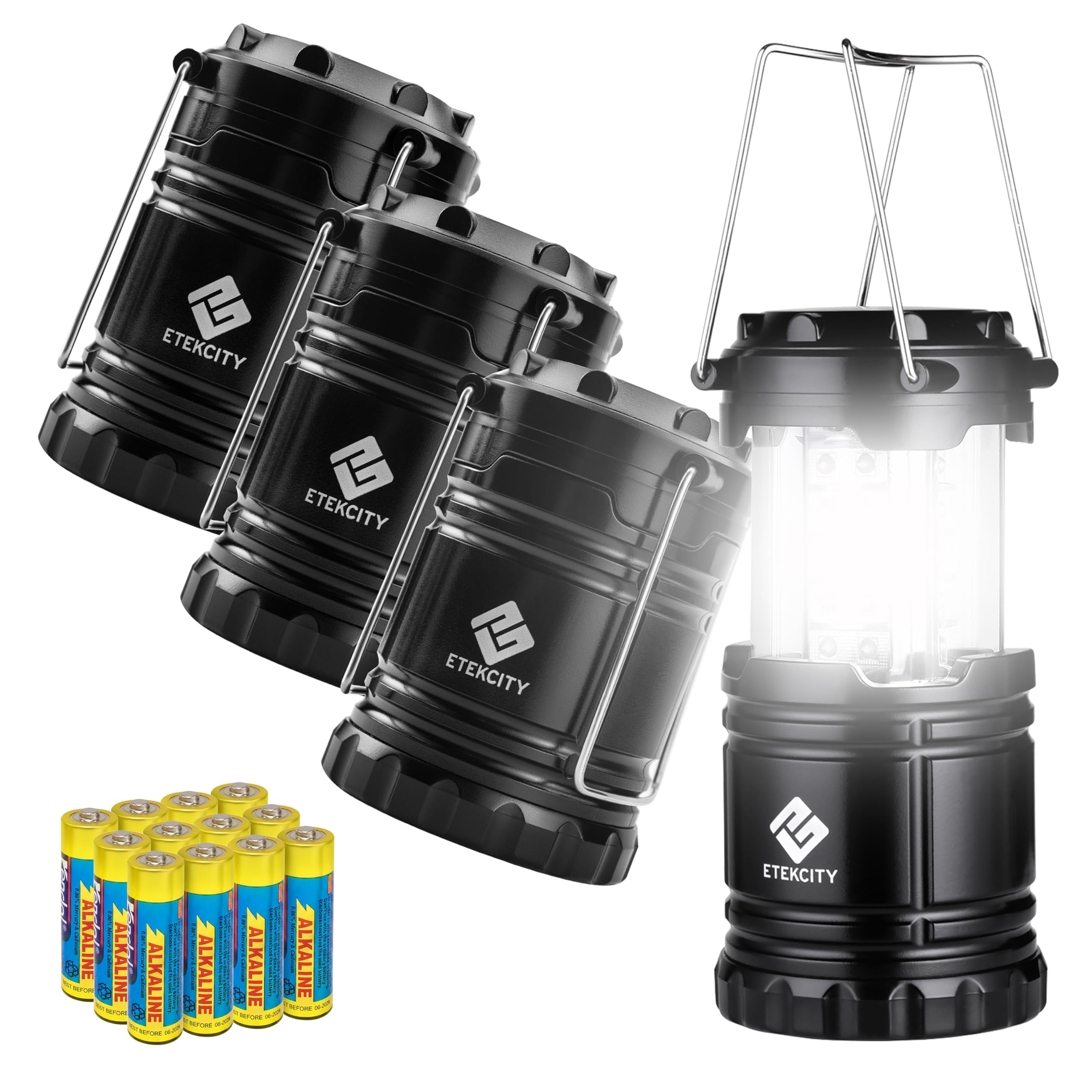
You want dependable light that is easy to move around and won’t fail when the power goes out. These Etekcity lanterns are compact, lightweight and foldable so you can stash them in a closet, car or emergency bin.
They deliver wide, adjustable illumination for whole-room use, run on common AA cells and feel durable enough for outdoor use. For everyday chores, weekend camping or storm preparedness, they offer a simple, reliable lighting solution you can count on.
What People Say
Customers often praise how bright and dependable these lanterns are during outages and outdoor trips, and many note the convenience of the foldable design and included batteries. Reviewers highlight the adjustable light levels and rugged feel as practical for home emergency kits and camping, while a few mention the ongoing battery use if left on high brightness.
Overall Sentiment: Positive

Preparedness Benefits
|
Benefit |
Description |
|---|---|
|
Safe Navigation |
You reduce trips and falls by illuminating pathways and work areas during outages, which helps prevent minor injuries at home or in shelters. |
|
Aids First Aid |
You can perform basic wound care or assess injuries more effectively when you have steady, wide-area light at hand. |
|
Stress Reduction |
Consistent, adjustable lighting creates a calmer environment during disruptions, helping you think more clearly and make better decisions. |
Shelf Life
Store lanterns in a cool, dry place; remove batteries during long-term storage and test units seasonally. Replace standard AA cells every 1–2 years or after heavy use.
Key Benefits
- You Light Whole Rooms Easily
- You Get Long Battery Runtime
- You Store And Carry Them Easily
- You Rely On Durable, Water-Resistant Build
Rating snapshot: 4.7 (total: 49931+)
Superior Shutoff

A dedicated utility wrench can help when emergency officials or your utility instruct you to shut off gas or water, but knowing when and how to use it matters more than simply owning the tool. The Superior Tool 2750 is designed for common gas and water shutoff valves.
Store it near the relevant shutoff only after confirming that it fits your valves and that household members know the correct procedure. Superior Tool warns that after the main gas is shut off, the gas company or a licensed professional should turn it back on and relight pilot lights.
Warning: Do not shut off utilities casually. If you smell gas, hear a leak, see damage, or local officials instruct you to act, leave the area and follow your utility’s emergency procedure. Never turn the main gas back on yourself after a shutoff.
What People Say
Users commonly value the wrench for being sturdy and straightforward to use, saying it works well for turning stubborn valves without slipping. Many recommend keeping it mounted or stored near the meter or main shutoff so it’s instantly available, while a few note fit can vary by valve type and suggest confirming compatibility before an emergency.
Overall Sentiment: Positive

Preparedness Benefits
|
Benefit |
Description |
|---|---|
|
Reduced Fire Hazard |
Turning off gas rapidly lowers the chance of ignition after a leak, helping protect people and property. |
|
Flood Prevention |
Stopping water flow quickly limits flooding and water-related damage that can cause injuries and mold risks. |
|
Faster Emergency Response |
You can stabilize a hazardous situation sooner, making it safer for you and first responders to assess and treat any injuries. |
Shelf Life
No expiration; keep dry and inspect for corrosion periodically. Replace if bent or damaged.
Key Benefits
- You Shut Off Utilities Quickly
- You Carry A Simple, Durable Tool
- You Reduce Damage Risk
- You Store It Near Key Access Points
Rating snapshot: 4.5 (total: 196+)
Rubbermaid Brute
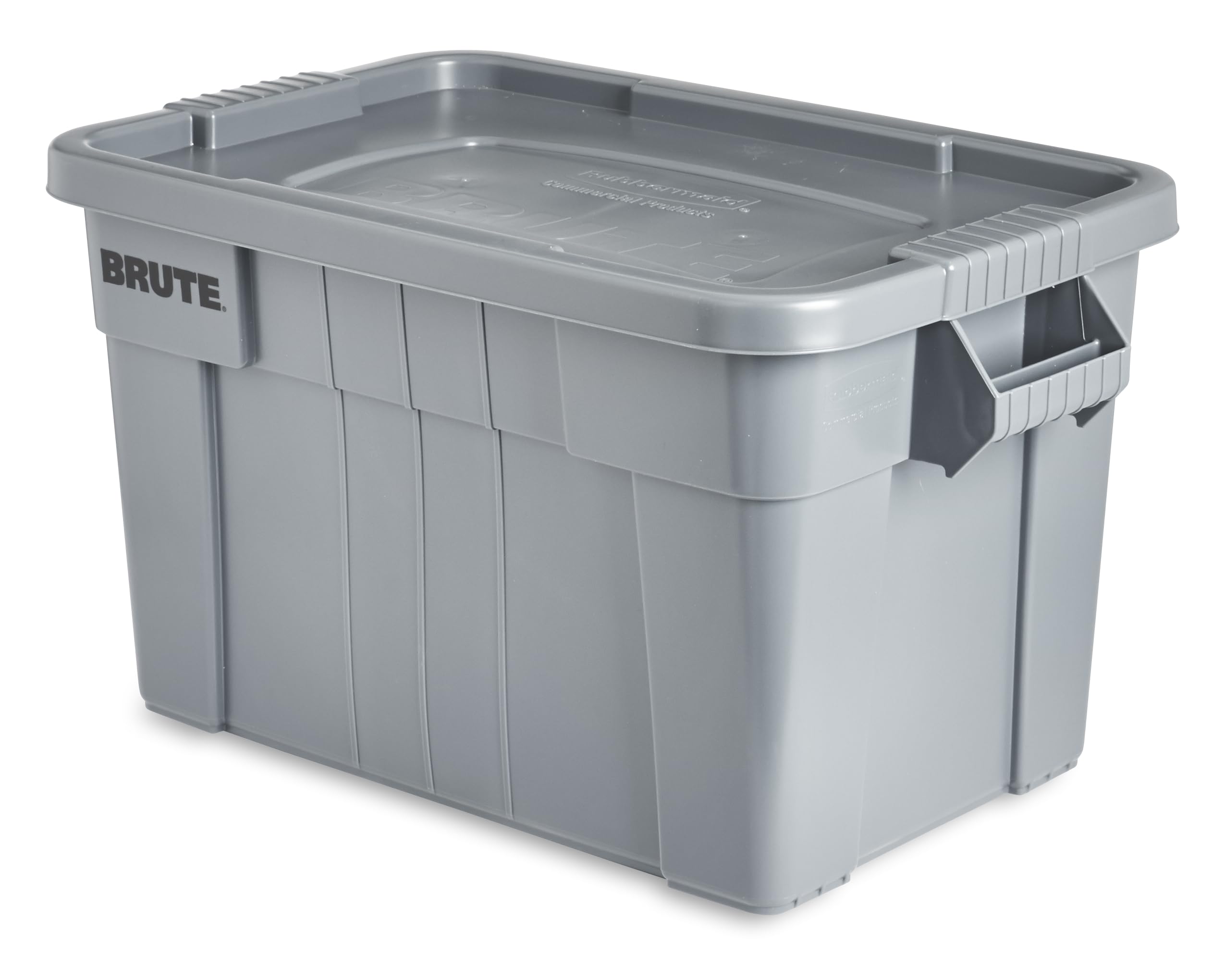
You want a storage solution that survives being moved, stacked and reused under real-world conditions. The Rubbermaid Brute tote is built for heavy loads and frequent handling, with reinforced walls, snap lid and comfortable handles that make carrying and stacking easier.
It’s versatile for shelter kits, tool storage, food supplies or moving boxes, and the rugged construction means you won’t worry about a flimsy tub failing when you need it most. Keep a few around your garage, car or emergency cache to organize gear and protect essentials.
What People Say
Buyers frequently praise the Brute for its solid construction and reliable lids that stay put when stacked. Users like the grip handles and how the tubs stand up to repeated use for tools, camping gear and emergency supplies, though a minority warn that extremely heavy stacking can stress the sides over time. Overall it’s seen as a workhorse storage choice that just keeps working.
Overall Sentiment: Positive

Preparedness Benefits
|
Benefit |
Description |
|---|---|
|
Protects Emergency Supplies |
Keeps first aid kits, clothing and food off the floor and shielded from light moisture and dust, reducing contamination risks. |
|
Reduces Injury Risk |
Sturdy lids and secure stacking lower the chance of falling boxes or spilled contents, which helps prevent trips and strain injuries. |
|
Improves Response Speed |
Well-organized bins let you locate medical or shelter items quickly during an emergency, saving critical time when every minute counts. |
Shelf Life
No expiration; inspect periodically for cracks or lid wear and replace damaged totes. Clean before long-term storage to avoid odors or contamination.
Key Benefits
- You Get Durable, Stackable Storage
- You Carry Heavy Loads More Comfortably
- You Protect Supplies From Light Moisture
- You Organize Kits For Faster Access
Rating snapshot: 4.6 (total: 6215+)
Mystery Ranch Scree

You want a pack that carries a full day’s kit without feeling cumbersome. The Mystery Ranch Scree 32 offers a 32‑liter capacity with thoughtful pockets, an adjustable harness and a water‑resistant nylon shell that stands up to trail use and daily wear.
It’s comfortable for day hikes, light multi‑day trips or as a grab‑and‑go bug‑out option, and the fit and build quality make it feel lighter than its size. Be intentional about organizing smaller items so you don’t lose them in the many compartments, and it will serve you reliably on repetitive outings.
What People Say
You’ll notice reviewers highlight the Scree’s comfortable fit and smart pocketing, saying it holds everything needed for day hikes while feeling light on the trail. People often praise the construction and adjustability, though several suggest being methodical with small items because the many pockets can hide things if you’re not organized.
Overall Sentiment: Positive

Preparedness Benefits
|
Benefit |
Description |
|---|---|
|
Ergonomic Load Carrying |
You reduce fatigue on hikes thanks to a supportive harness and balanced load distribution, helping you move longer with less strain. |
|
Reduced Injury Risk |
You lower the chance of trips and falls by keeping essentials secured and accessible, so you don’t fumble for gear on uneven terrain. |
|
Faster Evacuation |
You can pack critical items in separate compartments for immediate access, speeding up departure when time matters. |
Shelf Life
No expiration; inspect straps, zippers and seams periodically and repair or replace the pack if structural wear appears.
Key Benefits
- You Carry 32L Efficiently
- You Adjust Fit With Ease
- You Organize Gear For Quick Access
- You Rely On Durable, Lightweight Fabric
Rating snapshot: 4.6 (total: 20+)
AmazonBasics Case

You need luggage that doubles as a reliable travel or evacuation piece, and this AmazonBasics hardside trolley fits the bill. It’s built with a scratch-resistant ABS shell, smooth spinner wheels and a telescoping handle so you can move quickly through airports or out of a neighborhood. The expandable zipper and internal divider keep gear orderly, which is handy when you’re packing emergency clothing, documents or a grab bag.
For a practical, no-nonsense option that handles regular use well, this is a sensible choice.
What People Say
Reviewers frequently praise the suitcase for its balance of size, durability and smooth wheels, saying it’s easy to maneuver and fits a practical amount for short trips. Many highlight the expandable capacity and interior organization as useful features, while a minority mention occasional issues with wheel damage under heavy airline handling.
Overall Sentiment: Positive

Preparedness Benefits
|
Benefit |
Description |
|---|---|
|
Faster Evacuation |
You can move quickly with spinner wheels and a telescoping handle, reducing time spent carrying heavy loads during an evacuation. |
|
Lower Physical Strain |
Smooth-rolling wheels and ergonomic handles reduce shoulder and back strain compared with carrying duffels or backpacks. |
|
Reduced Stress |
Organized compartments let you access documents, medications and first-aid supplies faster, helping you make clearer decisions under pressure. |
Shelf Life
No expiration; inspect wheels, handles and zippers periodically and store in a cool, dry place when not in use.
Key Benefits
- You Move Faster With Spinner Wheels
- You Pack More With Expandable Capacity
- You Keep Essentials Organized
- You Use A Lightweight, Durable Shell
Rating snapshot: 4.4 (total: 11592+)
Frequently Asked Questions
What should I include in a basic natural disaster kit?
Cover water, nonperishable food, first aid, prescriptions, a weather radio, flashlights, spare power, sanitation items, documents, cash, sturdy clothing, masks, a whistle, a manual can opener, local maps, and basic tools. Then add supplies for children, older adults, disabilities, pets, and local hazards.
How many days of emergency supplies should I keep?
A common baseline is at least three days of water and nonperishable food. Increase that amount if your area can be isolated longer, your household has medical or mobility needs, extreme weather is common, or local emergency agencies recommend a larger reserve.
How do I store and maintain my emergency kit?
Keep it cool, dry, easy to reach, and protected from pests and leaks. Review it at least twice a year and after every use. Replace expired food, water, medicines, first-aid consumables, and damaged batteries; recharge power banks and radios; test lights; and update documents, clothing sizes, and household-specific supplies.
Is a portable water filter enough after a disaster?
No. Filter performance depends on the product and contaminant. The Katadyn BeFree is designed to remove bacteria, cysts, and sediment, but portable filters may not remove viruses. Water with harmful chemical contamination cannot be made safe by ordinary boiling, disinfection, or filtration. Follow local advisories and use bottled or otherwise approved water when directed.
Should I use candles during a power outage?
Flashlights and battery lanterns are the safer first choice. The American Red Cross advises against candles during outages because of fire risk. If you keep candles as a last-resort backup, supervise them continuously, keep them away from combustibles, children, pets, and suspected gas leaks, and use a stable lantern or holder.
When should I shut off gas or water?
Follow your utility’s instructions and directions from local officials. A shutoff tool is useful only if you know the correct procedure and your tool fits the valve. After the main gas is shut off, do not turn it back on yourself; the gas company or a licensed professional should restore service.
What should I add for children, pets, or medical needs?
Add age-appropriate food, diapers, comfort items, pet food and water, leashes or carriers, prescription medicines, copies of medical information, mobility or communication aids, and manufacturer-approved backup power for critical devices. Review these supplies more often because sizes, doses, and needs can change.
How to Prioritize These Picks
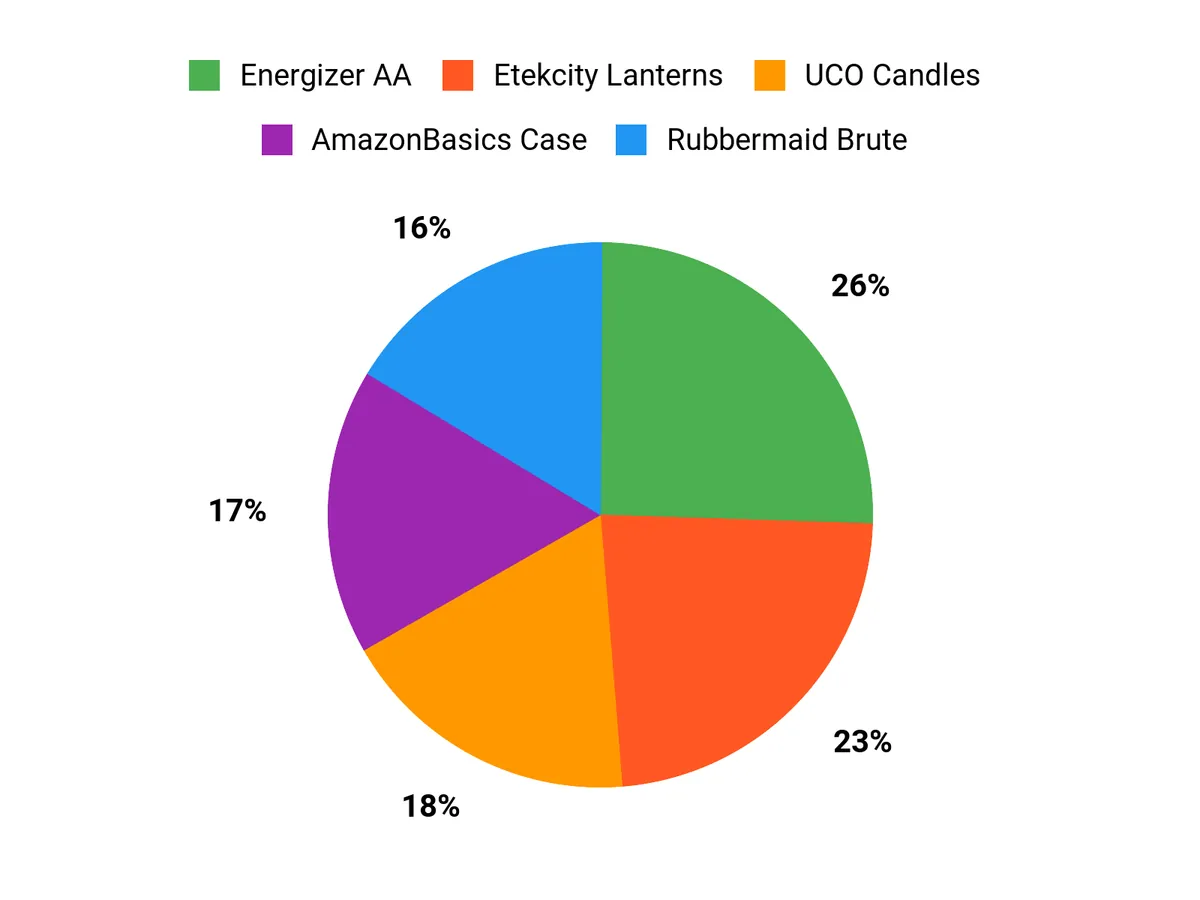
Prioritize by need, not by score alone. A first-aid kit, safe water plan, weather radio, flashlights or lanterns, and compatible spare power cover higher-priority functions than convenience items such as a rolling case. The M2 Basics kit adds organized wound-care supplies, the Midland ER310 adds redundant communication power, Energizer AA cells support compatible devices, and the Katadyn BeFree adds a portable filtration option. Storage totes and backpacks help organize or move gear, but they do not replace the supplies inside them.
Sources
- Ready.gov Emergency Supply Checklist — baseline emergency-kit items, including at least three days of water and food.
- American Red Cross: Power Outage Safety — lighting, utility, generator, food, and outage-safety guidance.
- CDC: Make Water Safe During an Emergency — boiling, disinfection, filtration limits, and chemical-contamination warning.
- Katadyn BeFree 3.0L Fact Sheet — filter pore size, flow rate, capacity, weight, and cleaning method.
- Midland ER310 User Guide — power sources, NOAA alerts, flashlight, USB output, battery backup, and storage guidance.
- Superior Tool 2750 Instructions — gas and water shutoff procedure and gas-service restoration warning.
Wrapping Up
A reliable natural-disaster kit is a system, not a shopping list. Start with water, food, first aid, medications, communication, safe lighting, sanitation, documents, and household-specific supplies. Use products in this roundup to add redundancy where they fit your plan, but follow official guidance for water treatment, utility shutoff, evacuation, fire safety, and medical-device power. Review the kit at least twice a year, practice using unfamiliar gear, and update it whenever your household or local risks change.
| Product Name | Image | Rating Snapshot | Dimensions & Weight | Material & Build Quality | Special Highlights |
|---|---|---|---|---|---|
| M2 BASICS 321 Piece Premium First Aid Kit |
|
4.7/5 (1,932 reviews) | 9.7 x 9.5 x 3.1 inches; 1.5 Pounds | High Quality, Durable, Portable Hard Case; Latex-Free |
|
| Midland ER310 Emergency Crank Weather Radio |
|
4.6/5 (5,916 reviews) | 8.0 x 3.4 x 2.4 inches; about 1 lb (manufacturer specs) | Plastic enclosure; rechargeable battery plus 6-AA backup compartment |
|
| Energizer E91DP-24 AA Batteries (48 Count) |
|
4.8/5 (79,200 reviews) | 8.19 x 4.72 x 1.5 inches; 6.72 Ounces | Alkaline Battery; Leak-Resistant Design |
|
| Katadyn BeFree 3.0L Water Filter |
|
4.6/5 (623 reviews) | 44.7 x 23 x 7.5 cm; approx. 100 g / 3.5 oz (manufacturer specs) | 0.1-micron hollow-fiber membrane; TPU flask; PVC- and BPA-free |
|
| Millenium Foods Energy Bars Assorted Flavors |
|
4.5/5 (614 reviews) | N/A; 2.96 Ounces per Bar | N/A |
|
| UCO Candle Lantern Candles (20-Pack) |
|
4.7/5 (9,212 reviews) | 1.25 x 3.5 inches; 1.6 Ounces Each | White Wax; Designed to Fit UCO Lanterns |
|
| Etekcity Camping Lanterns (4-Pack) |
|
4.7/5 (49,931 reviews) | 3.46 x 3.46 x 4.86 inches; 0.57 Pounds Each | ABS Material; Waterproof and Impact-Resistant |
|
| Superior Tool 2750 Gas and Water Shutoff Valve |
|
4.5/5 (196 reviews) | 18.54 x 4.02 x 1.14 inches; 2 Pounds | Metal; Durable Construction |
|
| Rubbermaid Commercial BRUTE Tote Storage Container |
|
4.6/5 (6,215 reviews) | 27.88 x 17.38 x 15.13 inches; 6.9 Pounds | Rugged Plastic; Heavy-Duty and Stackable |
|
| Mystery Ranch Scree 32 Backpack |
|
4.6/5 (20 reviews) | 11.5 x 9 x 22 inches; N/A | 210D Robic Nylon; Lightweight and Durable |
|
| Amazon Basics Hardsided Check-In Trolley |
|
4.4/5 (11,592 reviews) | 17.8 x 11.3 x 26.8 inches; 10.14 Pounds | Durable ABS Hard Shell; Scratch Resistant Finish |
|

1 Comment
Pingback: Canadian Rockies Weather: Complete Travel Guide [2026]