

Last Updated on July 28, 2026 by Mason Reed
Dealing with a jammed or snagging tent zipper in the middle of a trip is one of the most frustrating outdoor mishaps. Tent zippers operate in harsh environments exposed to dirt, sand, salt spray, and heavy fabric tension, making regular care essential for long-term performance. By practicing preventive cleaning, applying safe dry silicone or wax lubricants, and keeping zippers unzipped during pitch setup, you can stop fabric snags before they start and keep your tent gliding smoothly for years.
Quick Answer
To stop tent zippers from snagging, leave them unzipped when pitching to relieve fabric tension, scrub grit from the teeth using a soft toothbrush and fresh water after every trip, and lubricate tracks with a dry silicone spray or wax stick. If fabric gets caught, gently wiggle the slider backward instead of forcing it.
Key Takeaways
- Scrub zipper grooves with a toothbrush and fresh water after every trip to remove abrasive grit and sand.
- Keep door zippers open while pitching your tent to prevent excessive seam strain and slider misalignment.
- Use dry silicone- or wax-based zipper lubricants; avoid standard petroleum WD-40, which damages fabric coatings and attracts dirt.
- Never force a stuck zipper—gently wiggle the slider while pulling caught fabric flat to clear snags without tearing.
- Dry zippers completely before storage to prevent corrosion, tape degradation, and mildew formation.
At a Glance
| Time Required | 10–15 minutes for routine cleaning & lubrication; 15–20 minutes for field repairs |
| Difficulty | Beginner (routine care) to Intermediate (slider crimping & field fixes) |
| Tools Needed | Soft toothbrush, fresh water, silicone/wax zipper lubricant, needle-nose pliers |
| Cost | $0–$12 (using basic household items or specialized gear lubricant) |
Disclosure: As an Amazon Associate I earn from qualifying purchases. Some links on this page are affiliate links, at no extra cost to you.
Basic Routine Zipper Care and Cleaning
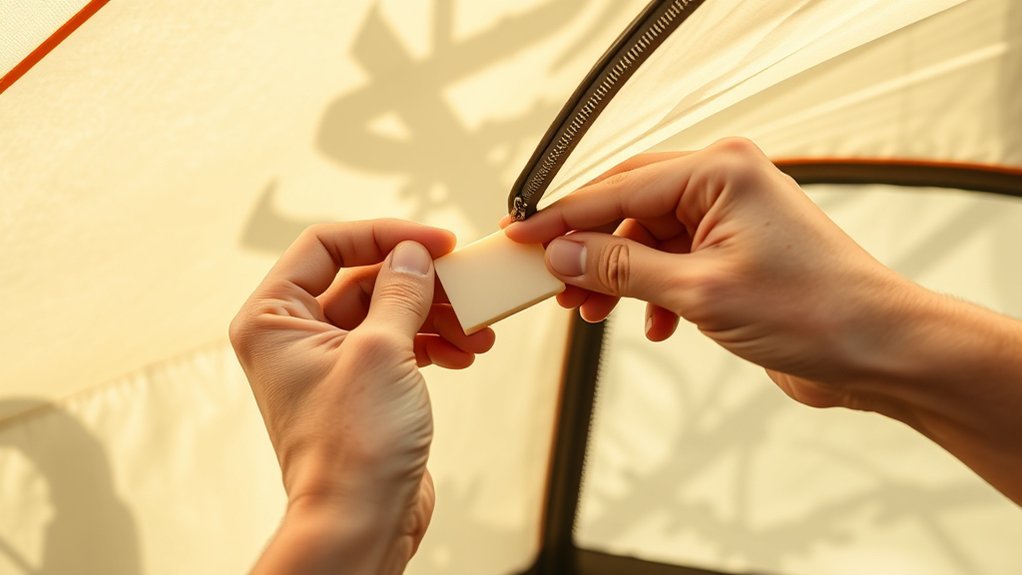
Building a simple maintenance regimen after every camping trip is the most effective way to prevent zipper jams and fabric snags. Dirt, fine sand, and salt spray accumulate inside the zipper coils and slider body during normal outdoor use. Over time, this abrasive buildup acts like sandpaper, grinding down metal sliders and plastic teeth until the mechanism fails.
- Scrub the Grooves: Use a soft toothbrush to gently brush away dried mud, sand, and grit from both sides of the zipper track.
- Rinse with Fresh Water: Flush the zipper tracks with clean water to wash out micro-particulate debris, especially after camping in sandy, desert, or coastal environments.
- Wipe Down Fabric Tapes: Use a damp cloth to wipe the surrounding fabric tape and storm flaps, removing salt crystals or grime.
- Inspect and Trim Loose Threads: Carefully trim any loose threads or frayed fabric edges along the zipper border using small scissors. Loose threads are a primary cause of unexpected slider jams.
- Air Dry Completely: Allow the zipper tape and canvas to dry thoroughly before storing the tent away. Storing wet zippers leads to oxidation and fabric mildew.
Note: Sunlight UV exposure and repeated high-heat cycles weaken the synthetic zipper tape over time. Storing your tent in a cool, dark place inside a breathable storage sack prolongs both zipper and fabric lifespan.
Open Zippers While Pitching the Tent
Proper handling during setup is just as critical as cleaning. Pitching a tent with door zippers fully closed subjects the zipper track and slider body to extreme lateral stress as tensioning poles flex into position or canvas stretches over frame rafters.
Proper handling during setup, such as keeping zippers open while tensioning canvas or inserting poles, is key to preventing seam strain and extending zipper life.
- Unzip all major door and window zippers completely before inserting tent poles or draping heavy wall tent canvas over frames.
- Position the tent body or canvas smoothly across the frame without catching door fabric on sharp corner joints or pole tips.
- Adjust corner guy lines and stake points with zippers open, ensuring an even pull across the entire structure.
- Close the zippers only after the structure is fully upright and stabilized. If a zipper feels exceptionally tight when closing, ease off tension on nearby guy lines or rafter poles.
Choosing and Applying Zipper Lubricants
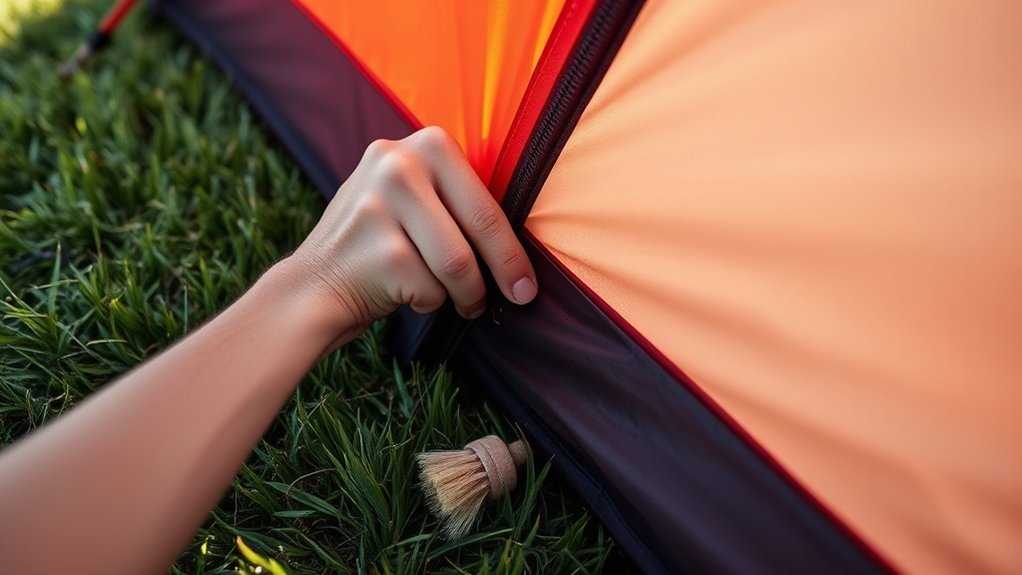
Once the zipper tracks are clean and dry, periodic lubrication drastically reduces operational friction and protects teeth from premature wear. However, using the wrong lubricant can destroy your tent fabric.
- Clean and Dry First: Never apply lubricant over dirty or wet zipper tracks, as this traps grit inside the mechanism.
- Select Safe Formulas: Use specialized non-silicone wax sticks, paraffin candle wax, or dry 100% silicone sprays designed specifically for outdoor equipment. Dry lubricants coat the teeth without leaving a tacky film.
- Targeted Application: Rub wax sticks directly along the exterior teeth. If using a silicone spray, apply it to a cotton swab or small brush first to prevent overspray onto surrounding tent fabric.
- Work the Mechanism: Slide the zipper pull back and forth 3–4 times to distribute the lubricant evenly across the slider jaws and teeth.
Warning: Never use standard petroleum-based WD-40 or heavy oils on tent zippers. Petroleum solvents strip waterproof polyurethane coatings from tent fabrics, degrade plastic zipper teeth, and leave a greasy residue that attracts sand and dirt. If using a WD-40 product, choose the WD-40 Specialist Silicone Lubricant, which is formulated specifically for plastics and fabrics without harsh petroleum solvents.
Troubleshooting Major Snags, Stuck Sliders, and Separated Teeth
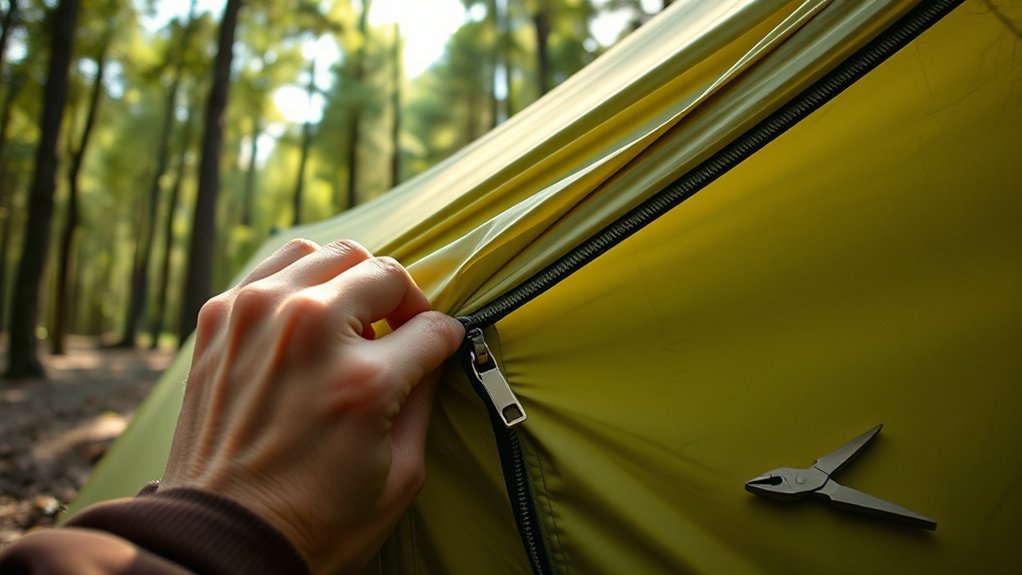
When a tent zipper jams or splits open in the backcountry, immediate, gentle intervention is necessary to prevent permanent damage to the track or slider body.
Freeing Fabric Snags and Stuck Sliders
Forcefully yanking a stuck zipper pull is the main cause of torn fabric, bent teeth, and snapped slider pulls.
- Stop Pulling: Immediately cease pulling the zipper as soon as you meet resistance.
- Back the Slider Up: Gently wiggle the zipper slider backward (in the opposite direction of movement) while using your other hand to pull the caught fabric storm flap out from the slider mouth.
- Apply Field Lubrication: If the slider is stuck due to friction rather than caught fabric, rub graphite from a soft lead pencil, dry bar soap, or candle wax along the teeth directly ahead of and behind the slider.
Fixing Separated Teeth and Loose Sliders
A common field issue occurs when the zipper slider moves, but the teeth split open behind it. This happens when repeated use widens the metal slider jaws, preventing them from pressing the interlocking coil or teeth together correctly.
- Move the zipper slider all the way back to the bottom stop.
- Inspect the metal slider body. You will notice a top and bottom plate separated by a gap where the teeth enter.
- Using needle-nose pliers or a multi-tool, apply light, gentle pressure to squeeze the rear side plates of the slider closer together.
- Test the zipper glide. Squeeze in micro-increments—excessive pressure can crush the slider body or crack cast zinc pulls.
Pro Tip: Before packing your tent away at the end of the season, unzip every track fully, let the tent air dry in the shade, and give all tracks a light wax coat. This prevents metal teeth from seizing together during long-term storage and stops mildew from building up near the zipper tape seams.
Choosing a Tent with High-Performance Zipper Hardware
When purchasing a tent, examining the zipper hardware and surrounding seam construction provides great insight into the overall durability of the shelter.
- Stiff Anti-Snag Storm Baffles: Look for tent doors that incorporate stiffened webbing or high-density fabric flaps along the zipper line to prevent fabric from folding into the slider.
- Heavy-Duty Zipper Gauges: Tents equipped with larger zipper gauges—such as #8 or #10 YKK zippers—resist jamming and handle heavy canvas strain far better than lightweight #3 or #5 backpack zippers.
- Nylon Coil vs. Molded Plastic Teeth: Nylon coil zippers flex better around rounded tent doors and resist sand intrusion, while molded plastic (Vislon) zippers offer superior durability under heavy tension in winter or wall tents.
- Reinforced Stress Points: Quality tents feature reinforced bar-tack stitching at the top and bottom zipper stops to absorb pull forces during door operation.
Frequently Asked Questions
What materials can I use for zipper lubrication?
Dry silicone-specialist sprays, wax-based zipper sticks, paraffin candle wax, and pure graphite are all safe and effective choices. Apply wax sticks directly along the teeth, or spray silicone onto a cloth or swab before applying. Avoid standard petroleum-based WD-40, oils, or grease, which degrade synthetic fabric coatings and attract dirt.
How often should I clean my tent zipper?
Clean your tent zippers after every camping trip, especially following sandy, dusty, or saltwater coastal outings. Regular cleaning with a soft toothbrush and fresh water removes micro-grit before it can wear down slider jaws or strip teeth alignment.
Can I replace a broken zipper slider myself?
Yes. If your zipper teeth are intact but the slider is cracked, worn, or missing, you can replace it using a matching slider (e.g., #5 or #10 YKK). You will need small pliers to remove the top metal stop clip, slide off the old slider, thread the new slider onto the track, and crimp a replacement top stop into place.
What prevents zippers from closing smoothly?
The most common culprits are dirt and sand in the grooves, fabric storm flaps caught in the slider, widened slider jaws, and excessive canvas tension from tight guy lines or frame setup. Regular cleaning, unzipping during setup, and gentle handling resolve most closing issues.
How do I choose a tent with durable zippers?
Look for tents built with recognized zipper brands (like YKK), heavy gauge sizes (#8 or #10), reinforced bar-tack stitching at slider stops, and stiffened anti-snag baffles along the door flaps to prevent fabric from catching in the slider jaws.
Conclusion
By incorporating these maintenance habits into your gear routine, you can keep your tent zippers gliding smoothly, eliminating frustrating fabric snags and stuck sliders during outdoor trips. Simple practices—like brushing away grit, using safe wax or silicone lubricants, unzipping doors during setup, and carrying a multi-tool for field adjustments—ensure your shelter remains reliable season after season.
Sources
- REI Co-op Expert Advice — Zipper Repair, Maintenance, and Care Guidelines
- Gear Aid Care Guide — How to Clean and Lubricate Outdoor Equipment Zippers
- YKK Fastening Products Group — Zipper Hardware Specifications and Maintenance Standards
- WD-40 Company — Specialist Silicone Lubricant Product Usage and Compatibility Specs
