
Last Updated on July 28, 2026 by Daniel Globe
A rattlesnake encounter can be unsettling, especially when the snake is hard to see in grass, brush, or rocky terrain. The safest approach is simple: watch where you place your hands and feet, give every snake plenty of room, and never try to handle or move one. If a bite occurs, treat it as a medical emergency.
Quick Answer
Reduce rattlesnake-bite risk by staying on clear trails, wearing boots and long pants, watching where you step or reach, and giving snakes plenty of space. If bitten, call 911, stay still, keep the bite in a neutral position of comfort, remove tight items, and never use ice, suction, cutting, or a tourniquet.
Rattlesnakes are venomous pit vipers, but they generally prefer avoiding people rather than confronting them. Their activity changes with temperature, season, species, and location. The CDC notes that snakes tend to be especially active around dawn and dusk and during warm weather, but that is not a universal schedule.
In very hot summer conditions, some rattlesnakes shift more activity into the evening or night and spend the hottest hours in shade or underground. During cooler weather, they may be active in daylight. That means there is no single “safe” hour when hikers can stop watching for snakes.
Camouflage is another reason encounters can happen unexpectedly. A rattlesnake may remain still instead of rattling, and some snakes have damaged or undeveloped rattles. Never depend on hearing a warning before you get close.
Key Takeaways
- Stay on clear trails and look before stepping over logs, rocks, or other places where a snake may be hidden.
- Wear sturdy boots and long pants in rattlesnake habitat, but remember that clothing cannot guarantee protection from a bite.
- Give any snake plenty of room. Never touch, corner, capture, move, or kill it.
- Do not depend on a rattle. Rattlesnakes can remain silent, and a rattle may be damaged or not fully developed.
- After a suspected rattlesnake bite, call 911 immediately and follow emergency instructions rather than trying home remedies.
At a Glance
| Time Required | Prevention is ongoing during the hike; after a bite, emergency action should begin immediately. |
| Difficulty | Easy prevention habits; a bite requires professional emergency medical care. |
| Tools Needed | Sturdy boots, long pants, phone or satellite communicator, basic first-aid supplies, marker, and a light for hiking after dark. |
| Cost | No special snakebite product is required; use normal hiking and first-aid gear. |
The CDC estimates that 7,000–8,000 people are bitten by venomous snakes in the United States each year and about five die. Fast medical care helps keep serious outcomes uncommon.
Identifying a Rattlesnake
Rattlesnakes live in many parts of the continental United States, including deserts, grasslands, mountains, woodland, and coastal habitats. Their best-known feature is the segmented rattle at the end of the tail, but even that is not a perfect field-identification tool.
A rattle can break off, and a young snake may have only a small button that produces little or no warning sound. Rattlesnakes also do not always rattle before striking. The National Park Service notes that rattles may be absent or undeveloped.
Adult rattlesnakes often have a broad head, heat-sensing facial pits, and vertically shaped pupils. However, do not move closer to inspect these details. Some harmless snakes can flatten their heads and appear triangular, and eye shape is difficult to judge from a safe distance.
Note: If you cannot confidently identify a snake from a safe distance, simply treat it as potentially venomous and leave it alone. Identification is never worth moving closer.
Choosing the Right Hiking Gear
The right hiking gear adds a useful layer of protection in rattlesnake habitat. The CDC recommends boots and long pants for people working outdoors where venomous snakes may be present.
Choose sturdy, closed boots rather than sandals or open shoes. Long, loose-fitting pants also create more separation between the skin and vegetation. Neither boots nor pants make you bite-proof, so protective clothing should support—not replace—careful foot placement.
Snake guards or reinforced gaiters may provide another barrier for people who regularly travel through heavy brush or known rattlesnake habitat. A headlamp or flashlight is also valuable when walking after dark because warm pavement and trails can attract snakes after sunset.
Your emergency gear matters just as much. Carry a charged phone where service exists. On remote routes, consider a satellite messenger or personal locator beacon. A standard first-aid kit, clean dressing material, and permanent marker are more useful than a commercial venom-extractor kit.
Products Worth Considering
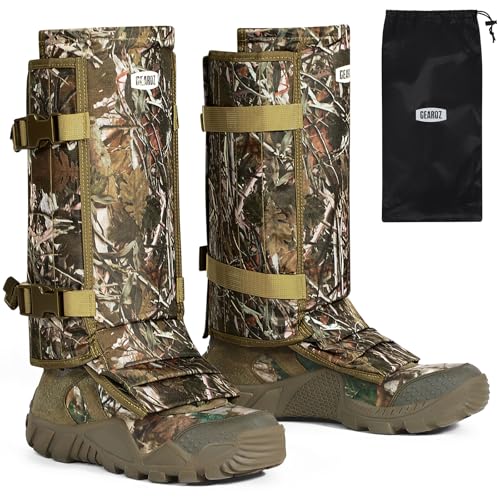
STRONG STRUCTURE & MATERIAL: Made from 1000D Oxford and 12 separated PP boards, the snake guards provide robust defense against snake bites, which are durable and suitable for both men and women, offering effective protection

🐍DURABLE, WATERPROOF, BREATHABLE: With Wear-resistant Oxford fabric covering individual PP boards, Tough enough to resist snow and bite. The high-quality waterproof coating can keep your legs dry. You can wear it in harsh environments, but you can also feel comfortable and breathable

DURABLE MATERIAL: skiguard snake gaiters are made of 1000D Oxford fabric and Polypropylene panels,snow proof, breathable and tear resistant.Our gaiters for hiking are designed to be super tough, strong enough to prevent poisonous snakes, thorns, and cactus. withstanding the most challenging conditions. If you need snake proof gaiters that will hold up under any conditions, look no further than skiguard.
Staying on Designated Trails

Staying on designated trails makes it easier to see where you are placing your feet and reduces the amount of time spent pushing through tall grass, brush, or rock piles where snakes may be hard to spot. A maintained trail is not snake-free, however, so keep watching the ground ahead.
The National Park Service advises visitors to give rattlesnakes plenty of room and never place hands or feet where they cannot see first.
Be especially careful around fallen logs. Rather than stepping blindly over one, step onto the log if footing is safe, look at the ground on the far side, and then step down. Use the same rule around boulders, ledges, brush piles, and trail edges.
Staying on marked paths also limits unnecessary disturbance to wildlife habitat. Check the park’s current trail alerts before leaving and ask a ranger about recent snake activity when local information is available.
Being Mindful of Your Surroundings
| Situation | Why to Be Careful | Safer Move |
|---|---|---|
| Tall grass or dense brush | Camouflage can make a resting snake difficult to see. | Stay on the clear trail when possible and slow down when visibility is poor. |
| Logs, rocks, ledges, and crevices | They provide shade and hiding places. | Look before stepping or reaching and never put a hand into a blind space. |
| Dawn, dusk, or after dark | Snake activity can increase during these periods in warm conditions. | Use a light and watch the entire trail surface ahead. |
Regularly scan the trail surface and the edges of nearby vegetation. Rattlesnakes are well camouflaged, so a coiled snake may first look like a patch of leaves, a branch, or a rock.
Listening can help, but never make hearing a rattle your main safety system. A snake can remain silent, and wind, conversation, headphones, or rushing water may hide the sound.
A trekking pole can help you maintain stable footing and can be used cautiously when moving through vegetation where your feet are difficult to see. Never poke, prod, or move a rattlesnake with a pole once you know where it is.
Avoiding Areas Known for Rattlesnake Activity
Rattlesnakes use habitats that provide cover, suitable temperatures, and prey. Rocky outcrops, brush, wood piles, rodent burrows, trail edges, and similar places deserve extra attention.
Before a hike, check the park website, visitor center, or ranger station for local wildlife notices. Local advice is more useful than relying on a nationwide “snake season” because activity patterns differ widely by climate and elevation.
Do not assume midday is always safer. During very hot weather, snakes may shelter during the middle of the day and become more active later. During cooler periods, they may use sunny daytime areas to warm themselves.
The practical rule is to stay alert whenever conditions are warm enough for snakes to be active and whenever you are traveling through suitable habitat.
What to Do If You Encounter a Rattlesnake

Seeing a rattlesnake does not mean a strike is inevitable. Most encounters end safely when the person stops approaching and gives the snake room to leave.
- Stop moving toward the snake. If you hear a rattle but cannot see where it is coming from, pause and locate the snake before choosing a direction to move.
- Give it a wide buffer. Stay at least several feet away and use more distance whenever the trail allows.
- Back away slowly. Watch your footing so you do not trip or accidentally move toward a second hidden snake.
- Do not touch or harass it. Never throw rocks, poke it with a stick, try to move it, or attempt to kill it.
- Choose another route if necessary. If the snake remains on a narrow trail, wait from a safe location or turn around rather than squeezing past it.
If a safe photograph can be taken from a considerable distance, it may help identify the snake later. Never approach for a better photo.
Note: If you’re hiking with a dog, keep it leashed and close. If a snake bites the dog, keep the animal as calm and still as possible, carry it if practical, and go to an emergency veterinary hospital immediately.
Rattlesnake Bite Symptoms and Why Every Bite Is an Emergency
A rattlesnake bite may cause puncture marks, pain, tenderness, swelling, bruising, bleeding, or blistering around the bite. More serious effects can include nausea, vomiting, weakness, tingling, abnormal bleeding, low blood pressure, vision changes, muscle problems, or trouble breathing.
Symptoms can worsen after the bite, so do not wait to see how severe they become. Some bites inject little or no venom, sometimes called a “dry bite,” but you cannot safely determine that on the trail. Every suspected rattlesnake bite should receive prompt professional evaluation.
The CDC advises seeking emergency medical attention without waiting for symptoms.
First Aid for Rattlesnake Bites
Warning: Never apply ice, a tourniquet, electric shock, pressure-immobilization bandaging, or suction to a rattlesnake bite. Do not cut the wound. These methods do not safely remove venom and may cause additional injury.
If someone may have been bitten by a rattlesnake, use these steps while arranging emergency medical care:
- Call 911 immediately. Do not wait for swelling or other symptoms to appear.
- Sit or lie down and minimize movement. Keep the bitten area still in a neutral position of comfort. Follow instructions from emergency dispatchers rather than deliberately raising or lowering the limb to a specific height.
- Remove tight items early. Take off rings, watches, tight shoes, bracelets, or restrictive clothing before swelling increases.
- Gently wash the bite. If practical, use soap and water, then cover it with a clean, dry dressing.
- Track swelling. Mark the leading edge of swelling or tenderness with a pen and write the time beside the mark.
- Leave the snake alone. A photograph from a safe distance may help, but never delay treatment or risk another bite to get one.
- Do not drive yourself. The CDC warns that a snakebite can cause dizziness or loss of consciousness. Use EMS or another safe transport plan directed by emergency professionals.
- Monitor the person. Watch breathing and responsiveness and follow the 911 dispatcher’s instructions until help arrives.
You can also contact the U.S. Poison Help line at 1-800-222-1222 for expert poison-center guidance, particularly while emergency transport is being arranged. Calling Poison Control does not replace calling 911 for a suspected rattlesnake bite.
Do not use pressure-immobilization bandaging for a rattlesnake bite. The American Red Cross specifically advises against it for pit vipers, which include rattlesnakes, copperheads, and cottonmouths.
Suction devices are also ineffective. In a 2004 human study using simulated venom, a commercial extractor recovered only about 0.04% of the simulated envenomation load. Current CDC guidance simply advises not to attempt suction.
Do not use alcohol as a painkiller or take aspirin, ibuprofen, naproxen, or other pain medicines unless emergency or medical professionals advise you to do so.
Seeking Prompt Medical Attention
A rattlesnake bite needs hospital evaluation even when the person initially feels well. Call 911 and begin evacuation as soon as possible. Do not spend time hunting for the snake or trying to confirm its exact species.
Hospital staff will monitor swelling, vital signs, blood-clotting problems, neurologic symptoms, and other effects. Antivenom is recommended when there are signs of progressive envenomation, such as worsening tissue injury or systemic symptoms. Not every bite receives identical treatment, so the medical team makes that decision from the patient’s condition.
Early symptoms do not reliably predict how severe the bite will become. Even when swelling appears limited, continue with emergency evaluation rather than trying to watch the bite at camp or at home.
If You’re Deep in the Backcountry
Use 911, an emergency satellite feature, satellite messenger, or personal locator beacon as soon as possible. Give rescuers your location and follow their instructions.
Keep the bitten person as still as practical while arranging evacuation. Walking increases exertion, so avoid a long self-evacuation when rescue or assisted transport is available. If movement is necessary to reach immediate safety or communications, move only as much as the situation requires.
Do not delay the emergency call while trying home remedies or identifying the snake.
Pro Tip: Mark the leading edge of swelling or tenderness and write the time beside it. If swelling spreads, mark the new edge and add the new time. This gives the medical team a useful record of how the bite is progressing.
Carrying a Snake Bite Kit
A commercial “snake bite kit” is not necessary and can be harmful if it encourages suction, cutting, tight bands, or other outdated treatments. Current emergency guidance does not recommend trying to extract venom in the field.
Instead, carry a normal hiking first-aid kit with clean dressing material and a permanent marker. More important still is having a reliable way to call for help. On remote routes without dependable cell service, a satellite communicator or personal locator beacon can be far more useful than a venom extractor.
If a kit you already own contains a suction pump, do not use it for a rattlesnake bite. Focus on keeping the person still, activating emergency services, removing constricting items, protecting the wound, and arranging rapid medical care.
Products Worth Considering

Venom Extraction First Aid Kit: This snake bite kit includes 1 extraction pump, 1 razor, 4 differently shaped suction cups, 1 rubber tourniquet, 2 plasters, 2 alcohol swabs and 1 CPR mask. It enables you to manage snake and insect bites effectively outdoors, maximising your window for optimal treatment.

🐍COMPREHENSIVE OUTDOOR EMERGENCY KIT-This 40-piece emergency kit includes a compact extractor tool, CPR mask, tourniquet, razor, marker, sting relief pads, prep wipes, iodine wipes, bandages, cotton tips, gloves, whistle, tweezers, and carabiner—organized to support outdoor preparedness during unexpected emergencies.

Used in variety of occasions:Keep a DLY brand bite and sting extractor kit handy for all of your outdoor activities. It's a handy addition to your First Aid Supplies, car glovebox, backpack, etc. Rattlesnake Bite Kit is essential for backcountry camping, fishing, hiking or just a day at the local park.
Educating Yourself and Others
Before entering rattlesnake habitat, learn which species live in the area and read wildlife alerts from the park, state wildlife agency, or university extension service. Local information can tell you where snakes are commonly reported and when unusual activity is occurring.
Learning identification is useful, but it should never lead to close inspection. A photograph taken from far away can be reviewed later. On the trail, distance matters more than identifying the exact species.
Brief everyone in your hiking group before leaving. Make sure each person knows not to pick up snakes, how to call for emergency help, and where emergency communication gear is stored.
Practicing Prevention Techniques
Consistent habits are more useful than trying to find a supposedly snake-free time of day. Watch the ground ahead, stay on clear routes, slow down when visibility is poor, and keep hands out of crevices, brush piles, and spaces beneath rocks or logs.
Hiking with another person can also make an emergency easier to manage because one hiker can call for help or assist with evacuation. Do not rely on a group’s footsteps or voices to scare snakes away.
If hiking after dark, use a flashlight or headlamp and inspect the trail several steps ahead. During daylight, pay attention to sun-warmed rocks, trail edges, shaded brush, and other places snakes may use to regulate body temperature.
If you’re camping overnight, keep the tent zipped and check boots, clothing, and sleeping gear before putting them on or climbing inside. Maintain a clean campsite and follow local food-storage rules. Properly storing food away from your sleeping area also helps reduce unwanted wildlife and rodent activity around camp.
Note: Rattlesnake activity changes with local weather, elevation, habitat, and season. Check local park guidance instead of relying on a nationwide rule about the “safest” month or hour to hike.
Frequently Asked Questions
What should I do if I get bitten by a rattlesnake while hiking?
Call 911 immediately. Sit or lie down, minimize movement, keep the bitten area in a neutral position of comfort, remove rings or other tight items, gently wash and cover the bite if practical, and follow the emergency dispatcher’s instructions. Do not drive yourself.
What should I not do after a rattlesnake bite?
Do not apply ice, a tourniquet, pressure-immobilization bandaging, electric shock, or suction. Do not cut the wound, try to suck out venom, drink alcohol as a painkiller, or delay medical care while waiting for symptoms.
Should I try to capture or kill the rattlesnake for identification?
No. Never capture, handle, or kill the snake. That creates a risk of another bite, and even a dead snake’s head can still bite reflexively. A photograph from a safe distance may be useful if it can be taken without delaying emergency care.
How can I prevent getting bitten by a rattlesnake while hiking?
Stay on clear trails, wear sturdy boots and long pants, look before stepping over logs or rocks, keep your hands out of places you cannot see, use a light after dark, and give every snake plenty of space.
What are the symptoms of a rattlesnake bite?
Possible symptoms include puncture marks, pain, swelling, bruising, bleeding, blistering, nausea, vomiting, weakness, tingling, abnormal bleeding, vision changes, low blood pressure, muscle problems, and trouble breathing. Do not wait for symptoms before seeking emergency care.
Should I use a pressure bandage after a rattlesnake bite?
No. The American Red Cross advises against pressure-immobilization bandaging after bites from North American pit vipers, including rattlesnakes. Keep the injured area still and follow instructions from 911 or medical professionals instead.
What if a rattlesnake bites me where there is no cell service?
Activate a satellite messenger, personal locator beacon, or satellite emergency feature if available. Keep movement and exertion as low as practical while arranging evacuation. Do not spend time using home remedies or hunting for the snake.
Sources
- CDC/NIOSH — Venomous Snakes at Work — updated March 3, 2026; current U.S. prevention, symptoms, first-aid, and antivenom guidance.
- MedlinePlus — Snake Bites — emergency symptoms, prevention, first-aid precautions, and Poison Help information.
- American Red Cross — Venomous Snake Bites — emergency care and guidance against pressure-immobilization bandaging for pit-viper bites.
- Poison Control — Rattlesnake Bites — symptoms, antivenom information, prevention, and poison-center guidance.
- National Park Service — Snake Safety — safe-distance, encounter, and trail-safety guidance.
- Alberts, Shalit & LoGalbo — Annals of Emergency Medicine — human-model study showing negligible extraction with a commercial snakebite suction device.
