
Last Updated on September 11, 2026 by Daniel Globe
Normal wear and tear in a California rental is ordinary aging, not damage you must pay for. The hard part is deciding whether a mark, stain, or broken item came from normal use or from neglect, misuse, or an accident. California Civil Code section 1950.5 sets the security-deposit rules, but each case still depends on the unit’s age, move-in condition, length of tenancy, and evidence.
Quick Answer
In California, normal wear and tear is the ordinary decline caused by everyday use and aging, such as faded paint, light scuffs, and worn carpet. A landlord may not deduct for it. Any deduction must be allowed by law, reasonably necessary, documented, and tied to damage or cleaning beyond the move-in condition.
Key Takeaways
- Landlords cannot charge a security deposit for ordinary wear, pre-existing conditions, or routine turnover work.
- A few light marks may be normal; large holes, burns, broken fixtures, pet damage, and deep stains are more likely to be tenant damage.
- Cleaning charges are allowed only when needed to return the unit to the same level of cleanliness it had at move-in, excluding normal wear.
- California tenants can request a pre-move-out inspection during the last two weeks of the tenancy.
- Within 21 calendar days after move-out, the landlord generally must return the balance and provide an itemized statement, required photos, and supporting documents.
Note: This article gives general information about California residential rentals, not legal advice. A city or county may provide added protections, including rules about deposit interest or local dispute procedures.
Disclosure: As an Amazon Associate I earn from qualifying purchases. Some links on this page are affiliate links, at no extra cost to you.
What Is Normal Wear and Tear?
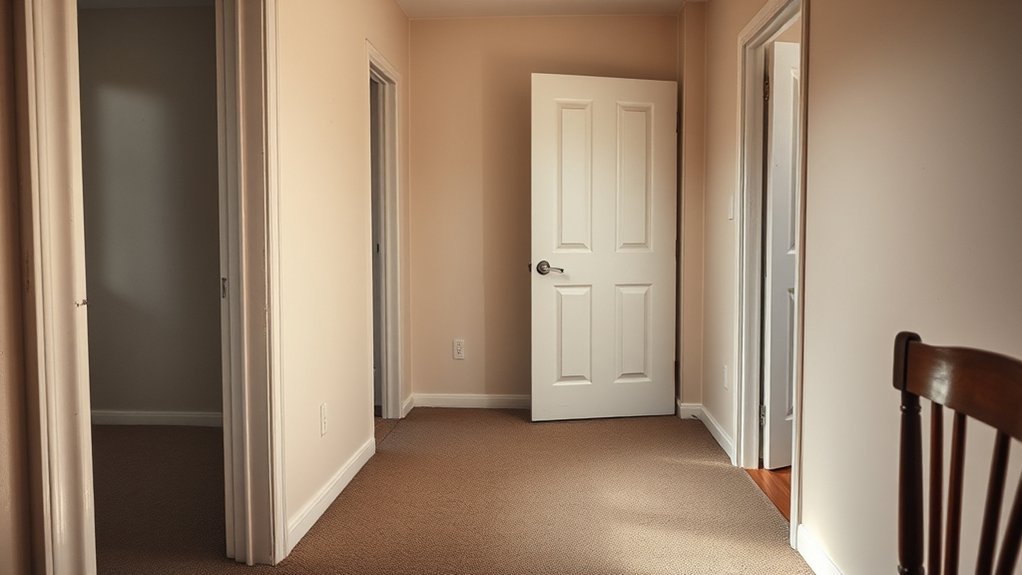
Normal wear and tear is the gradual decline that occurs when a home is used in a reasonable way. California law does not give a complete room-by-room definition. Instead, it bars deductions for “ordinary wear and tear” and for the cumulative effects of that wear.
Common examples may include faded paint, light floor scuffs, gently worn carpet fibers, loose hardware caused by age, and minor marks from ordinary furniture use. A few small picture-hanging holes may also be treated as normal, while oversized anchors or many holes that require extensive patching may cross into damage.
The decision usually turns on five facts:
- Condition at move-in: A tenant is not responsible for a defect that already existed.
- Age of the item: Old paint, carpet, fixtures, and appliances already have less remaining value.
- Length of tenancy: More ordinary aging is expected after a long tenancy.
- Cause and severity: A light scuff from normal use differs from a gouge caused by dragging heavy furniture.
- Evidence: Checklists, dated photos, videos, repair records, and messages help show what changed.
California landlords may charge only amounts that are reasonably necessary, and they may not charge for ordinary wear and tear.
Normal Wear and Tear vs. Tenant Damage
Tenant damage is avoidable harm caused by the tenant, a guest, or another person for whom the tenant is responsible. It usually results from misuse, neglect, an accident, or a failure to report a problem before it becomes worse. The same condition can be treated differently depending on its cause, scale, age, and move-in condition.
| Area | Often Normal Wear | More Likely Tenant Damage |
|---|---|---|
| Walls | Fading, minor nicks, light furniture rubs, a few small nail holes | Large holes, many anchors, paint gouges, unauthorized heavy painting that must be restored |
| Carpet | Flattened traffic lanes, fading, moderate aging | Burns, large rips, pet urine saturation, indelible stains |
| Hard floors | Light scratches and dulling from normal foot traffic | Deep gouges, water damage caused by an unreported spill, broken tiles from impact |
| Fixtures | Finish wear, minor looseness from age, ordinary mineral buildup | Broken handles, cracked doors, missing parts, damage from improper use |
| Cleaning | A unit returned as clean as it was at move-in | Trash, heavy grease, food residue, or extra cleaning needed beyond the move-in level |
Wear and Tear on Walls and Paint
Paint fades, dulls, and collects small marks over time. Light scuffing, minor scratches, and marks where a sofa touched the wall are common examples of ordinary wear. A landlord generally should not charge a tenant for routine repainting that would have been needed because of age or normal turnover.
Large holes, numerous wall anchors, deep gouges, writing, smoke residue, or an unauthorized color that requires extra work may support a deduction. Even then, the charge should reflect the paint’s age and the amount of work reasonably needed. The California Department of Real Estate’s tenant guide describes a two-year paint-life approach as a practical guide, not a fixed rule of law. Some owners use longer useful lives.
Document each wall at move-in and move-out. Photograph the full wall first, then take a close-up of any mark. Keep receipts and written approval for any touch-up paint so the color and finish can be verified.
Wear and Tear on Floors and Carpet
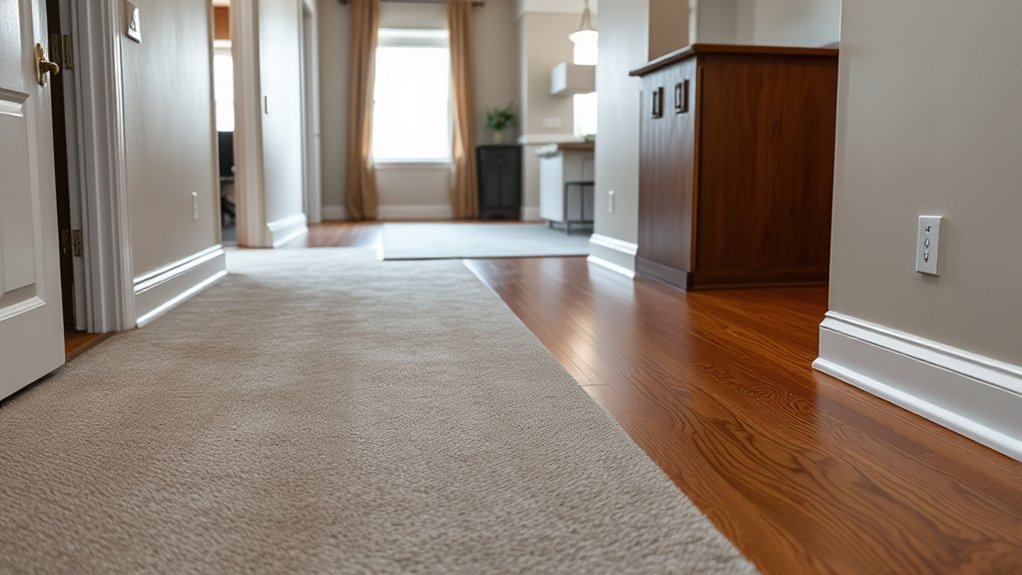
Floors naturally show traffic patterns, fading, dull finishes, and light scratches. Carpet fibers also flatten with use. Those conditions are usually ordinary aging, especially when the flooring was already old or worn when the tenancy began.
Deep gouges, broken tiles, burns, large rips, and stains that cannot be removed are more likely to be damage. California law also prevents a landlord from requiring professional carpet cleaning as a routine move-out charge. It is deductible only when reasonably necessary to return the premises to their move-in condition, excluding ordinary wear.
When damaged flooring must be replaced, the tenant should not automatically be charged the full cost of a brand-new floor. A common method is to prorate the charge for the item’s remaining useful life. For example, if a carpet had an expected life of 10 years, was six years old, and comparable replacement cost $1,200, a remaining-life calculation would be $480 rather than $1,200. The useful life and replacement price must still be reasonable and supported.
Normal Wear and Tear for Appliances
Appliances can lose shine, develop small scratches, become noisier, and work less efficiently as they age. Those changes do not automatically show tenant damage. The key questions are whether the appliance was supplied with the rental, what the lease says, how old it was, whether it was used properly, and what caused the problem.
Appliance Lifespan Expectations
California security-deposit law does not assign one legal lifespan to every refrigerator, range, water heater, washer, or air conditioner. Useful life varies by product, installation, maintenance, and prior use. Landlords should keep purchase dates, model information, service records, and move-in photos. If replacement is reasonably necessary because of tenant-caused damage, the age and remaining value of the appliance should be considered rather than charging the full price of a new upgrade.
Signs of Normal Wear
Minor finish scratches, faded labels, light discoloration, worn knobs, and ordinary mineral buildup may result from normal use. A landlord-supplied appliance that simply stops working because of age is not automatically tenant damage. Tenants should report leaks, unusual sounds, error messages, or unsafe operation promptly and keep a copy of the request.
Damage Versus Everyday Use
- Normal use: cosmetic aging, ordinary loss of finish, or a mechanical failure not caused by misuse.
- Possible tenant damage: a cracked shelf from overloading, a broken control caused by force, missing parts, or damage from using the appliance against instructions.
- Maintenance question: clogged filters, seals, and buildup depend on the lease, the cause, and whether the tenant received clear care instructions.
Do not guess about cause. Photograph the condition, report it in writing, and ask for the service diagnosis if the repair cost may be deducted.
What California Landlords Can Deduct For
California law allows a residential landlord to use a security deposit only for specified purposes and only in amounts that are reasonably necessary. The four main categories are unpaid rent, qualifying cleaning, tenant-caused damage beyond ordinary wear, and restoration or replacement of the landlord’s personal property when the rental agreement allows it.
| Charge Type | When It May Be Deductible | Example |
|---|---|---|
| Unpaid rent | Rent or another lawful payment remains due | Final month’s unpaid rent |
| Damage | The tenant or guest caused harm beyond ordinary wear | Broken cabinet door or a large wall hole |
| Cleaning | Cleaning is needed to restore the move-in level of cleanliness, excluding wear | Removing heavy oven grease that was not present at move-in |
| Landlord’s property | The lease allows a charge to restore or replace supplied personal property | Missing keys or damaged supplied furniture |
| Ordinary wear | Not deductible | Faded paint or worn traffic paths in old carpet |
For most California residential tenancies that began on or after July 1, 2024, the security deposit is capped at one month’s rent. A qualifying small landlord who is a natural person or certain qualifying limited liability company may collect up to two months’ rent, but that exception does not apply to a prospective tenant who is a service member.
Warning: A lease cannot turn ordinary wear into tenant damage or make a residential security deposit “nonrefundable.” A flat cleaning or repainting fee is not automatically valid just because it appears in the lease.
How Replacement Charges Should Be Calculated
A deduction should restore the rental to its prior condition, not give the landlord a free upgrade. When an older item is damaged beyond repair, a fair calculation usually considers:
- the item’s age and condition at move-in;
- its reasonable expected useful life;
- the remaining useful life when the damage occurred;
- the cost of a comparable replacement, not an unnecessary upgrade;
- whether repair would cost less than replacement; and
- the share of damage caused by the tenant rather than earlier tenants or ordinary aging.
The Department of Real Estate describes useful-life proration as a common method, but it also warns that its paint and carpet examples are practical guides rather than hard-and-fast statutory formulas. Ask for the item’s purchase date, original condition, replacement invoice, and the calculation used.
How to Document Property Condition
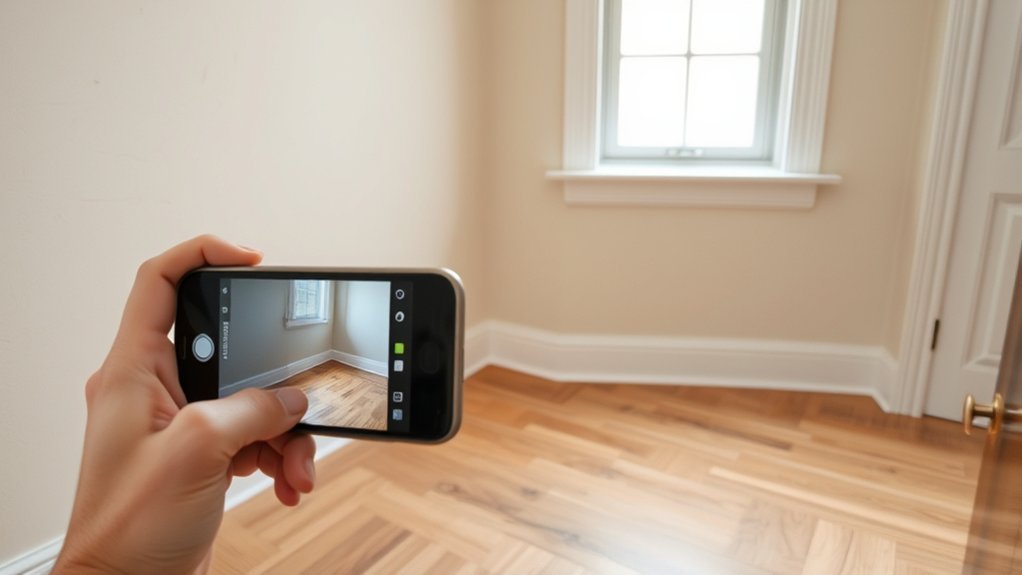
Good records are the best protection against a security-deposit dispute. Document the property at move-in, during the tenancy, and again after your belongings are removed.
At a Glance
| Time Required | About 30–60 minutes for a small unit; longer for a large home |
| Difficulty | Easy, but detail matters |
| Tools Needed | Phone or camera, written checklist, lease, and secure cloud or local storage |
| Cost | Usually $0 |
- Start wide: Take a full-room photo from each doorway, including floors, walls, ceilings, windows, and built-ins.
- Move closer: Photograph every stain, scratch, chip, crack, broken part, missing item, and area of dirt.
- Test fixtures: Record appliances, faucets, drains, lights, windows, doors, locks, smoke alarms, and heating or cooling equipment.
- Write it down: Complete a move-in checklist and send a copy to the landlord. Keep proof of delivery.
- Track repairs: Save maintenance requests, replies, entry notices, invoices, and photos taken before and after work.
- Repeat at move-out: Remove belongings, clean the unit, and take matching photos and a slow video from the same angles.
- Preserve the files: Keep the original files with timestamps, back them up, and save the lease and deposit records together.
Pro Tip: Send a short move-in email listing the main defects and attach the photos. A time-stamped message is easier to use later than images stored only on your phone.
Use California’s Pre-Move-Out Inspection
After either party gives notice that the tenancy will end, the landlord generally must notify the tenant in writing of the option to request an initial inspection and the right to be present. If requested, the inspection must occur at a reasonable time during the final two weeks of the tenancy.
The landlord and tenant should try to agree on a time. The landlord generally must give at least 48 hours’ written notice unless both sides sign a written waiver. After the inspection, the landlord must give the tenant an itemized statement of proposed repairs or cleaning that could lead to deductions. The tenant then has time to fix permitted issues before moving out.
The initial inspection is not a final guarantee. A landlord may still deduct for authorized damage that occurs after the inspection or could not be seen because belongings blocked the area.
What the Landlord Must Send After Move-Out
No later than 21 calendar days after the tenant vacates, the landlord generally must return the remaining deposit and provide an itemized statement showing each deduction and its basis. Current California law also requires important photo and document support:
- For tenancies beginning on or after July 1, 2025, the landlord must take photos immediately before or at the start of the tenancy.
- For deductions made on or after April 1, 2025, the landlord must take photos after possession is returned but before deducted repairs or cleaning, and again after that work is completed.
- If the landlord or an employee does the work, the statement must describe the work, time spent, and reasonable hourly rate.
- If an outside person or business does the work, the landlord generally must provide the bill, invoice, or receipt and identifying information.
- If repair and cleaning deductions together do not exceed $125, the landlord may omit supporting documents at first. The tenant may request them within 14 calendar days after receiving the statement, and the landlord then has 14 calendar days to comply.
- If work or paperwork cannot reasonably be completed within 21 days, the landlord may use a good-faith estimate and must provide the final documentation within 14 calendar days after completion or receipt.
Beginning January 1, 2026, the statute also includes electronic-return rules when the landlord received the deposit or rent electronically, unless the parties use another permitted written arrangement.
How to Dispute Unfair Deductions
- Compare the evidence: Match the move-in and move-out photos, checklist, lease, inspection statement, invoices, and landlord photos.
- Check the math: Look for full replacement charges on old items, unsupported labor, upgrades, routine turnover work, or cleaning that was not needed to restore the move-in condition.
- Write a demand letter: List each disputed deduction, explain why it is improper, attach key evidence, request the amount due, and give a reasonable deadline.
- Keep proof: Send the letter by a trackable method and save a complete copy.
- Use court resources: The California Courts demand-letter tool can help. A tenant may bring a qualifying claim in small claims court.
If a landlord keeps a deposit in bad faith, Civil Code section 1950.5 allows a court to award actual damages plus statutory damages of up to twice the security deposit. The landlord carries the burden of proving that the amounts claimed were reasonable and authorized.
How to Prevent Tenant Damage
Preventing damage starts long before move-out. Landlords should provide a clean, safe unit, a detailed move-in record, clear care instructions, and an easy way to report maintenance. Tenants should use the property reasonably and report leaks, loose fixtures, appliance problems, pests, and other concerns before they spread.
- Use clear lease language: Explain care duties without trying to redefine ordinary wear as damage.
- Respond quickly: A small leak, loose hinge, or failed seal can become costly if ignored.
- Give written instructions: Explain filter changes, ventilation, approved cleaners, and appliance use when those tasks are the tenant’s responsibility.
- Document lawful inspections: Record the condition without intruding on the tenant’s privacy or ignoring notice requirements.
- Choose durable materials: Washable paint, repairable flooring, and replaceable fixture parts reduce turnover disputes.
When to Use a Property Manager
A property manager may help when an owner cannot consistently handle inspections, maintenance, documentation, tenant communication, and current deposit rules. The manager should understand California Civil Code section 1950.5, local ordinances, fair-housing duties, entry-notice rules, and record retention.
- Use a manager when maintenance requests or turnover work are being missed or poorly documented.
- Ask how the manager separates ordinary wear from tenant damage and how replacement costs are prorated.
- Review sample inspection reports, photo procedures, invoices, and security-deposit statements before signing a management agreement.
A manager can reduce administrative work, but the owner should still review policies and records. Hiring a manager does not erase the landlord’s legal responsibilities.
Frequently Asked Questions
What is the 2% rule for rentals?
The “2% rule” usually refers to an old real-estate screening idea that monthly rent should equal about 2% of a property’s purchase price. It is not a California security-deposit rule, a maintenance requirement, or a test for normal wear and tear.
What is considered excessive wear and tear?
“Excessive wear and tear” usually means damage beyond ordinary aging, such as large wall holes, deep floor gouges, burns, broken fixtures, missing parts, large rips, or severe stains. Cause, age, move-in condition, tenancy length, and evidence all matter.
What are reasonable deductions for wear and tear?
There should be no security-deposit deduction for ordinary wear and tear itself. A landlord may deduct only reasonably necessary amounts for allowed costs, such as tenant-caused damage or extra cleaning needed to restore the move-in level of cleanliness.
What is normal wear and tear after 15 years?
After 15 years, substantial fading, worn finishes, old carpet, minor floor scratches, and aging fixtures may be expected. A landlord still may charge for new tenant-caused damage, but old items may have little remaining value and replacement charges should not ignore age or prior condition.
Can a California landlord charge for carpet cleaning?
Only when carpet cleaning is reasonably necessary to return the rental to the same level of cleanliness it had at move-in, excluding ordinary wear. A routine professional-cleaning charge for every tenant is not automatically deductible.
Are California landlords required to take move-out photos?
Yes, when claiming repair or cleaning deductions under the current law. Beginning April 1, 2025, landlords must take photos after the unit is returned and before deducted work, then take photos after the work. Move-in photos are also required for tenancies beginning on or after July 1, 2025.
What happens if a landlord misses the 21-day deadline?
The tenant can demand the deposit and challenge the deductions. A bad-faith failure to follow the statute can expose the landlord to actual damages and up to twice the security deposit in statutory damages. The outcome depends on the facts and the court’s findings.
Conclusion
Normal wear and tear is the expected decline caused by time and ordinary use. Tenant damage is avoidable harm that goes beyond that aging. In California, fair deductions must match the move-in condition, the item’s age, the cause of the problem, and the reasonable cost of repair or cleaning. Detailed photos, a written checklist, the pre-move-out inspection, and a careful review of the 21-day statement give both tenants and landlords the best chance of avoiding a dispute.
Sources
- California Civil Code section 1950.5 — lawful deductions, inspections, photos, documentation, refund timing, and bad-faith damages.
- California Department of Real Estate: 2025 Landlord-Tenant Guide — practical guidance on wear, cleaning, carpet, paint, useful life, and deposit disputes.
- California Courts: Guide to Security Deposits — deposit-return steps, estimates, supporting records, and dispute guidance.
- California Department of Justice: Security Deposits Consumer Alert — tenant rights, deposit limits, inspections, deductions, and remedies.
- California Courts: Security Deposit Demand Letter — official tool for preparing a written demand.
