Last Updated on September 11, 2026 by Daniel Globe
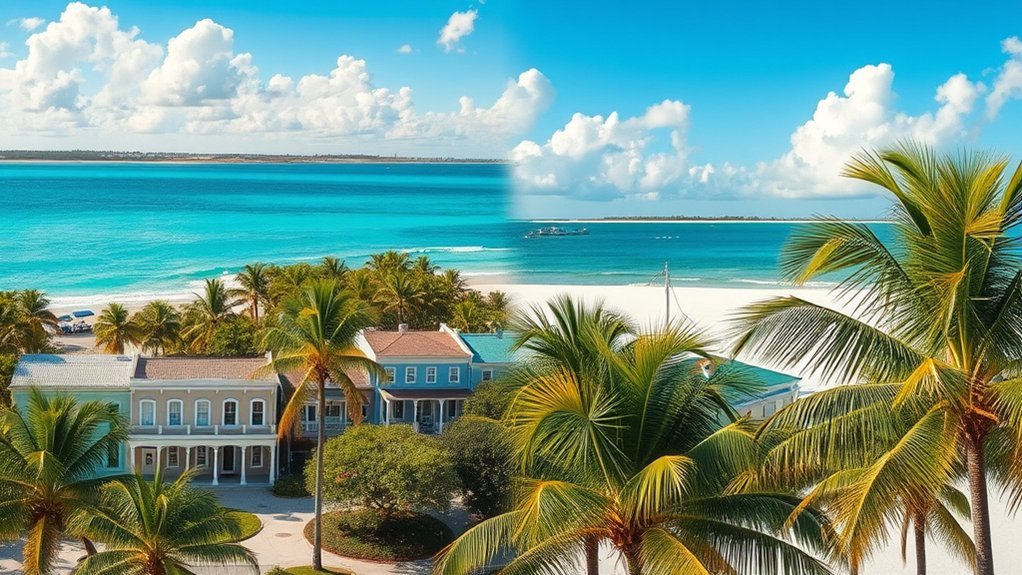
Nassau offers warm beach weather throughout the year, but the experience changes with rainfall, crowds, prices, and storm risk. The drier months attract the most visitors, while the wetter months may bring better hotel offers and quieter beaches. Choosing the right time depends on whether you value predictable weather, cultural events, lower costs, or extra space.
Quick Answer
The best time to visit Nassau is generally December through April for milder temperatures and a lower chance of rain. January and February are especially comfortable but can be busy and expensive. For a better balance of weather, crowds, and prices, consider late April, May, or November.
Key Takeaways
- Best weather: December through April is usually drier and less humid than summer.
- Best compromise: Late April, May, and November may offer a useful mix of warm weather, lighter demand, and lower rates.
- Best for culture: Visit around December 26 or January 1 for Nassau’s main Junkanoo parades.
- Best chance of discounts: Summer and early fall can be cheaper, but heat, rain, and tropical-weather risk increase.
- Hurricane planning: Atlantic hurricane season runs from June 1 through November 30, with activity historically highest around September.
Disclosure: As an Amazon Associate I earn from qualifying purchases. Some links on this page are affiliate links, at no extra cost to you.
When Is the Best Time to Visit Nassau?

For most travelers, the best time to visit Nassau is from December through April. These months usually bring warm days, less rain than summer, and more comfortable conditions for beaches, walking tours, golf, and boating. The official Bahamas visitor FAQ notes that winter lows are generally around 70°F, while summer highs commonly reach 80–90°F.
The trade-off is demand. Winter is Nassau’s peak travel period, especially around Christmas, New Year’s Day, school breaks, and major events. Flights, resorts, and popular excursions can cost more or sell out earlier.
Late April, May, and November can provide a better balance for flexible travelers. The weather remains warm, and rates may be more favorable than during the winter peak. However, May marks the transition toward wetter weather, and November remains within Atlantic hurricane season until the end of the month.
| Travel Goal | Best Period | Main Trade-Off |
|---|---|---|
| Drier beach weather | December–April | Higher rates and more visitors |
| Weather and value balance | Late April, May, or November | Rain or holiday demand may still affect a trip |
| Junkanoo celebrations | December 26 or January 1 | Busy streets, limited rooms, and peak pricing |
| Quieter trip and possible deals | June–November | More humidity, rain, and tropical-weather risk |
Pro Tip: Compare refundable rates for late April, May, and November. These periods can offer better value, but check school holidays, cruise schedules, and major events because demand can change from week to week.
Nassau Weather by Season
Nassau has a warm subtropical climate. Temperatures remain suitable for outdoor travel in every season, but rainfall, humidity, wind, and storm risk change through the year. Even during the drier months, rain is possible, and a cold front can occasionally bring breezier or cooler conditions in winter.
| Season | Typical Conditions | Crowds and Prices | Best For |
|---|---|---|---|
| Winter December–February |
Warm, comparatively dry, and less humid; occasional breezy cold fronts | Highest demand, especially around holidays | Beaches, sightseeing, golf, boating, and Junkanoo |
| Spring March–May |
Warm with increasing humidity and a rising chance of showers by May | Busy during spring break and Easter; demand may ease later | Swimming, family trips, and shoulder-season value |
| Summer June–August |
Hot, humid, and wetter, with thunderstorms and tropical-weather risk | Often less expensive outside holiday periods | Warm water, indoor-outdoor itineraries, and flexible budgets |
| Fall September–November |
Warm and humid; highest tropical-cyclone activity occurs around early fall before conditions trend drier | Generally quieter, with possible resort promotions | Travelers who prioritize space, value, and flexibility |
Nassau is warm all year. The real seasonal decision is how much rain, crowding, cost, and storm uncertainty you are willing to accept.
Winter in Nassau: Dry Days and Festive Events
Winter is Nassau’s most dependable period for outdoor plans. Daytime temperatures commonly sit in the 70s to low 80s°F, while humidity and rainfall are generally lower than in summer. Beaches, walking tours, golf courses, and boat excursions are easier to schedule, although wind or passing cold fronts can occasionally affect water conditions.
Dry Season Weather
December through February usually offers bright, warm days and comfortable evenings. January is commonly one of the cooler months, so a light sweater or thin jacket can be useful after sunset or on a breezy boat ride. Rain can still occur, but prolonged wet periods are less common than during the wetter half of the year.
Winter is also peak season. Reserve sought-after resorts, restaurants, and excursions well ahead of Christmas, New Year’s Day, and school vacation periods.
Festive Winter Events
Nassau’s largest Junkanoo parades take place on Boxing Day, December 26, and New Year’s Day, January 1. Groups perform with drums, whistles, horns, bells, dancing, and elaborate handmade costumes along Bay Street.
UNESCO added Junkanoo to its Representative List of the Intangible Cultural Heritage of Humanity in 2023. The tradition dates at least to the early 19th century and is rooted in cultural practices maintained by enslaved Africans and their descendants.
The St. Valentine’s Day Regatta has traditionally brought native sloop racing to Montagu Bay in February. Its dates and program may change, so check the current Bahamas tourism calendar before planning a trip around it.
Best Winter Activities
- Relax on Cable Beach, Cabbage Beach, or a quieter New Providence beach.
- Book snorkeling, diving, sailing, or fishing with a reputable local operator.
- Explore downtown Nassau, the Queen’s Staircase, forts, museums, and local food spots.
- Play golf or take a walking tour during the cooler part of the day.
- Attend Junkanoo or a confirmed sailing event when your dates align.
Spring in Nassau: Warm Weather and Changing Crowds
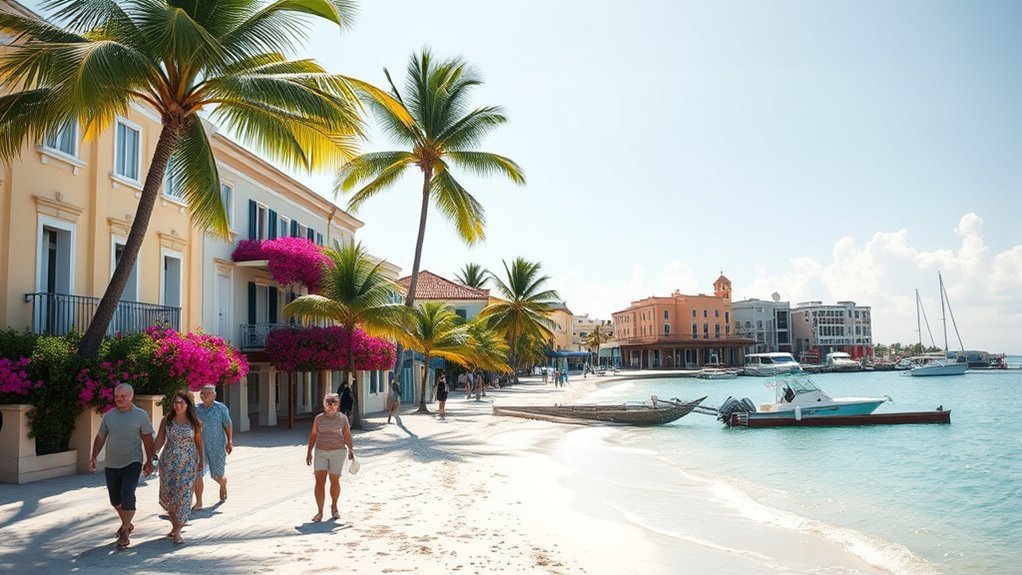
Spring brings warm water, long daylight hours, and a gradual increase in heat and humidity. March and early April can remain busy because of spring break, Easter travel, and favorable weather. Crowds and prices may ease later in April and during May, although May also begins the transition toward wetter conditions.
| Spring Perk | What to Expect |
|---|---|
| Late-season breathing room | Late April and May may be calmer than March or Easter week. |
| Easter season | Expect family gatherings, beach picnics, holiday demand, and changing business hours. |
| Late-April regatta option | The National Family Island Regatta takes place in George Town, Exuma, not Nassau, and requires separate travel. |
The National Family Island Regatta is a major Bahamian sailing celebration, but it is held in George Town, Exuma. Travelers based in Nassau should treat it as a separate island trip and confirm flights, ferries, lodging, and current event dates before booking.
Note: Easter dates, regattas, festivals, and public-event schedules change from year to year. Verify the official calendar before purchasing a nonrefundable flight or hotel stay.
Summer in Nassau: Heat, Rain, and Budget Deals
Summer is hot and humid, with common daytime highs in the upper 80s to around 90°F. Showers and thunderstorms become more frequent. Some rain is brief and localized, but a tropical wave, depression, or storm can produce longer periods of rain, rough seas, cancellations, and travel disruption.
Morning is often the most comfortable time for outdoor sightseeing. Keep an indoor backup plan for the afternoon, such as a museum, restaurant, spa, or resort activity. Water temperatures are warm, but snorkeling and boat trips still depend on wind, visibility, lightning, and sea conditions.
Hotels and vacation packages may offer lower rates than during winter, especially outside holiday weekends. The discount varies by property and booking date, so compare the full cost, cancellation rules, resort fees, and weather protections rather than relying on a fixed percentage.
Warning: Atlantic hurricane season runs from June 1 through November 30. No island is guaranteed to avoid a direct impact. Check official forecasts, choose flexible reservations, and understand your travel-insurance coverage before booking.
How to Plan for Nassau During Hurricane Season
The National Hurricane Center identifies September 10 as the climatological peak of Atlantic hurricane season, with most activity occurring from mid-August through mid-October. This does not mean a storm will affect Nassau during your trip, but the probability of disruption is higher during that period.
- Use flexible bookings: Prefer reservations that allow date changes or cancellation without a large penalty.
- Read insurance exclusions: Coverage often depends on when a storm was named and why a trip was canceled.
- Track official information: Review National Hurricane Center advisories and updates from your airline, cruise line, resort, and local authorities.
- Allow schedule room: Avoid tight onward connections when tropical weather could delay flights or ships.
- Follow local instructions: If officials issue a warning, shelter order, port closure, or evacuation direction, act promptly.
Traveling during hurricane season can still produce sunny, enjoyable days. The key is accepting uncertainty and protecting the parts of the trip that could be expensive to change.
Fall in Nassau: Quiet Beaches and Better Rates
September and October are usually quieter than winter, but they fall within the most active portion of hurricane season. Heat and humidity remain high, and tours or water activities may be affected by rain, wind, or rough seas even when a named storm is not nearby.
November is often a stronger shoulder-season choice. Conditions begin trending toward Nassau’s drier winter pattern, while peak holiday demand has not fully arrived. Rates may be more attractive, and beaches and attractions can feel less crowded. However, hurricane season continues through November 30, so flexible booking remains useful.
National Heroes Day is observed in October, and local cultural events may take place around the holiday. Check the current calendar because dates, venues, closures, and programs can change.
Nassau Festivals and Holidays Worth Planning Around
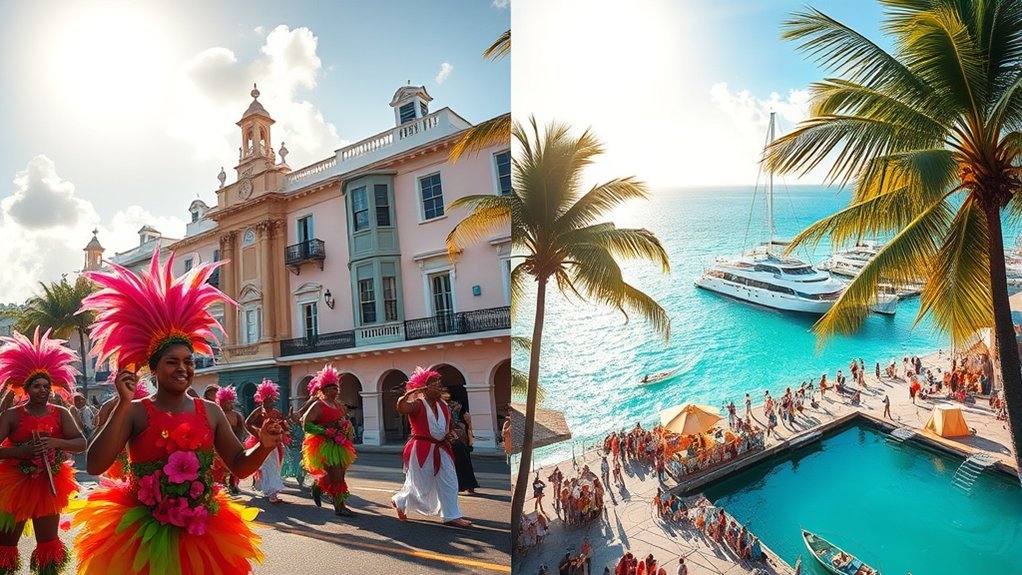
Nassau’s events can transform a normal beach trip into a deeper cultural experience. They can also increase hotel demand, traffic, street closures, and noise. Confirm dates before booking because smaller festivals and regattas do not always follow the same schedule every year.
Junkanoo Parade Dates
The main Nassau Junkanoo parades are held on December 26 and January 1. The largest competitions move through Bay Street in downtown Nassau, typically beginning overnight and continuing into the morning.
Arrive early, follow local crowd-control instructions, carry only what you need, and arrange transportation in advance. Hotels near downtown may offer convenient access, but rooms can sell quickly.
Holiday and Regatta Events
The St. Valentine’s Day Regatta is traditionally associated with February sloop racing at Montagu Bay. Confirm whether it is scheduled during your travel year before building an itinerary around it.
The National Family Island Regatta is held in George Town, Exuma, rather than Nassau. It showcases traditional Bahamian workboats and sailing culture but requires separate transportation and lodging.
Easter often brings family beach gatherings and public-holiday activity. Independence Day on July 10 may include ceremonies, music, parades, fireworks, and cultural programs. Exact event details vary by year and venue.
Royal Beach Club Paradise Island
Royal Beach Club Paradise Island opened in December 2025. It combines beaches, pools, dining, drinks, music, and Bahamian-inspired experiences on Paradise Island. However, it is not a free public beach or a standard walk-in Nassau attraction.
According to Royal Caribbean’s official FAQ, eligible cruise guests visiting Nassau must purchase a day pass. Capacity varies seasonally, and advance booking is recommended. Pass options include all-day dining, beverages, Wi-Fi, general amenities, and round-trip transportation, with alcoholic drinks limited to eligible adults under the applicable pass.
Pricing is specific to the sailing and date. Travelers should review the Royal app or My Royal Cruise for current availability, inclusions, age rules, cabana options, and cancellation terms.
What to Pack and When to Book
Seasonal Packing Tips
- December–April: Pack breathable clothes, sun protection, swimwear, and one light layer for breezy evenings or boat rides.
- May–November: Add a compact rain jacket, quick-drying clothes, a waterproof phone pouch, and insect repellent.
- Year-round: Bring comfortable walking shoes, a reusable water bottle, sunglasses, a hat, and any required medication.
- For excursions: Follow the operator’s footwear, identification, swimming, and equipment requirements.
How Far Ahead to Book
Book well ahead for Christmas, New Year’s Day, Junkanoo, spring-break periods, Easter, and major cruise dates. During summer and fall, you may find more last-minute availability, but refundable reservations provide better protection if weather affects the trip.
Frequently Asked Questions
What’s the best month to go to Nassau, Bahamas?
January and February are strong choices for comfortable weather and a comparatively low chance of rain. They are also peak-season months, so expect higher prices and more competition for rooms. Late April or November may be better if value and lighter crowds matter more.
What does 242 mean in The Bahamas?
The Bahamas is part of the North American Numbering Plan. Its international calling format begins with +1 242: +1 is the country calling code used by NANP members, and 242 is The Bahamas’ numbering-plan area code. “242” is also used informally as a symbol of Bahamian identity.
What is the leading cause of death in The Bahamas?
The answer depends on the year and dataset. The WHO country page for The Bahamas currently displays 2021 estimates with COVID-19 first and ischaemic heart disease next. WHO also warns that incomplete registration and cause-of-death quality issues may affect the estimates.
When is the worst time to go to The Bahamas?
There is no universally worst month. Travelers who want to minimize tropical-weather risk may prefer to avoid mid-August through mid-October, when Atlantic activity is historically highest. Travelers who dislike crowds and peak prices may prefer to avoid late December through early spring.
Is November a good time to visit Nassau?
November can be a good shoulder-season month because temperatures remain warm and winter crowds have not fully arrived. Conditions generally begin trending drier, but Atlantic hurricane season continues through November 30.
Does it rain all day during Nassau’s wet season?
Not necessarily. Many showers are localized or short-lived, but tropical waves and organized storms can bring prolonged rain, lightning, flooding, rough water, and canceled activities. Keep indoor alternatives and avoid assuming every shower will pass quickly.
Can you swim in Nassau year-round?
Swimming is possible throughout the year for many visitors. Winter water and breezes can feel cooler, while summer water is warmer. Always follow beach flags, lifeguard instructions, excursion guidance, and local warnings about wind, currents, lightning, or rough seas.
Is it worth visiting Nassau during hurricane season?
It can be, especially for travelers seeking lower demand and possible promotions. Book flexible arrangements, study insurance exclusions, monitor official forecasts, and accept that flights, cruises, tours, and beach conditions may change.
Sources
- The Bahamas Ministry of Tourism: Island FAQ — general temperature and rainy-season guidance.
- National Hurricane Center: Tropical Cyclone Climatology — hurricane-season dates and historical activity patterns.
- The Bahamas Ministry of Tourism: Junkanoo — official festival background and principal parade dates.
- The Bahamas Ministry of Tourism: National Family Island Regatta — event location and current scheduling information.
- Royal Caribbean: Royal Beach Club Paradise Island FAQ — opening status, day-pass access, inclusions, and capacity.
- World Health Organization: Bahamas Country Data — mortality estimates and data-quality limitations.
Conclusion
The best time to visit Nassau depends on the trade-off you prefer. Choose December through April for the most dependable outdoor weather, January for Junkanoo and winter energy, or late April, May, and November for a possible balance of warmth, value, and lighter demand.
Summer and early fall can still deliver rewarding beach days and better offers, but they require more flexibility because of heat, rain, and tropical-weather risk. Compare cancellation policies, verify event locations and dates, and check official forecasts before departure. With those steps in place, you can choose the Nassau season that fits your budget and travel style without relying on weather guarantees.