
Last Updated on July 26, 2026 by Daniel Globe
Walking and hiking both offer a practical way to move more, spend time outdoors, and explore places at your own pace. The main difference is not a strict label but the conditions involved. Walking usually takes place on predictable, maintained surfaces, while hiking often involves natural trails, elevation changes, rough footing, longer distances, and more trip planning.
Either activity can be gentle or demanding. A brisk walk up a steep city hill may require more effort than a short, flat nature trail. Your pace, distance, elevation gain, weather, pack weight, and fitness level matter more than the name of the activity.
Quick Answer
Walking usually happens on paved or well-maintained surfaces and requires little specialized planning. Hiking generally takes place on natural trails with uneven ground, elevation changes, and changing conditions. Hiking often requires more preparation and gear, but either activity can provide valuable physical and mental-health benefits.
Key Takeaways
- Walking is usually more accessible and predictable, while hiking often involves natural terrain, elevation, and additional hazards.
- Distance, elevation gain, surface, exposure, weather, altitude, and navigation demands determine how difficult a route feels.
- Choose footwear and equipment for the actual conditions rather than assuming every hike requires heavy waterproof boots.
- Check official alerts, weather, closures, permits, daylight, water access, and wildlife rules before leaving.
- Carry essential safety supplies, leave a trip plan with a trusted person, and turn around when conditions exceed your ability or preparation.
At a Glance
| Time Required | About 20 minutes for a short walk to several hours or more for a hike |
| Difficulty | Easy to strenuous, depending on pace, distance, elevation, terrain, altitude, and weather |
| Tools Needed | Supportive footwear and weather-appropriate clothing; longer or remote hikes also require navigation, water, food, light, first aid, and emergency supplies |
| Cost | Often free or low-cost, although footwear, transportation, parking, entrance fees, or permits may add expense |
Disclosure: As an Amazon Associate I earn from qualifying purchases. Some links on this page are affiliate links, at no extra cost to you.
Hiking vs. Walking: What Is the Difference?
Walking is the general act of traveling on foot. It may take place on sidewalks, roads, paved greenways, indoor tracks, beaches, or maintained park paths. It is easy to fit into everyday life through neighborhood walks, errands, dog walking, lunch breaks, or exercise sessions.
Hiking is a type of walking that usually takes place in a natural outdoor setting. A hike may involve dirt trails, rocks, roots, mud, stream crossings, loose gravel, steep slopes, high elevation, or changing weather. These conditions can increase effort and require more balance, navigation, equipment, and preparation.
| Factor | Walking | Hiking |
|---|---|---|
| Typical surface | Paved, compact, or well-maintained | Natural, uneven, rocky, muddy, or steep |
| Effort | Usually light to moderate, but pace and hills can make it vigorous | Often moderate to vigorous because of terrain, elevation, or pack weight |
| Navigation | Often straightforward | May require trail signs, maps, a compass, GPS, or route-finding skills |
| Equipment | Supportive shoes and suitable clothing | Traction-focused footwear, a pack, water, navigation, and emergency supplies as conditions require |
| Planning | Usually limited for familiar routes | May include weather, alerts, permits, daylight, water, wildlife, and turnaround planning |
| Accessibility | More likely to offer smooth surfaces, rest areas, and nearby facilities | Varies widely; some trails are accessible, while others contain steep grades or barriers |
The boundary between the two activities is flexible. A flat one-mile nature loop may feel like a walk, while a fast, hilly urban route may feel as demanding as a hike. Focus on the actual route and effort rather than the label.
How to Choose Between Hiking and Walking
Choose walking when you want a convenient activity, predictable footing, easy access, or a route that can be shortened quickly. It is often the better starting point for people returning to activity, testing new footwear, exercising with young children, or managing limited time.
Choose hiking when you are prepared for natural terrain and want more exploration, elevation, scenery, or route variety. Start with short, well-maintained trails before progressing to steeper, longer, more remote, or less-marked routes.
Note: Moderate physical activity is safe for most people, but anyone with a chronic condition, unexplained symptoms, significant mobility limitations, or a long period of inactivity should choose an appropriate intensity and consult a qualified healthcare professional when needed.
Choosing the Right Trail for Your Fitness Level
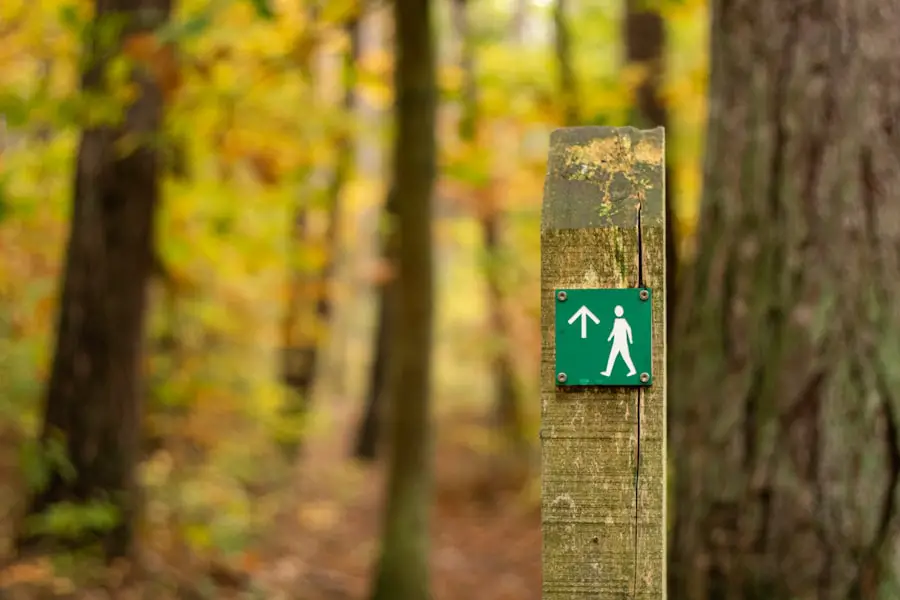
Selecting a suitable route is one of the most important parts of planning a safe and enjoyable hike. Do not rely only on labels such as easy, moderate, or difficult because rating systems differ among parks, guidebooks, and trail apps.
Review the complete route and consider the abilities of every person in the group. The slowest or least-experienced participant should help determine the route, pace, and turnaround point.
Trail Factors to Check
- Distance: Confirm whether the listed distance is one way, round trip, or a loop.
- Elevation gain: Total climbing often affects effort more than the highest elevation alone.
- Grade: A short, steep trail may feel harder than a longer route with gradual climbing.
- Surface: Look for rocks, roots, sand, mud, snow, loose gravel, water crossings, stairs, or scrambling.
- Exposure: Check for cliffs, narrow ledges, strong sun, high winds, or sections without shade.
- Altitude: Higher elevation can make exertion feel harder, especially before you acclimate.
- Navigation: Determine whether the route is clearly marked or requires map, compass, or route-finding skills.
- Current conditions: Closures, fires, flooding, snow, ice, washed-out bridges, and wildlife activity may change the route.
- Daylight: Include breaks, slower return travel, and unexpected delays when estimating finish time.
- Facilities: Check parking, restrooms, drinking water, shade, rest areas, accessible surfaces, and emergency access.
The National Park Service Trip Planning Guide recommends matching an activity to your skills, experience, fitness, medical needs, equipment, weather, and comfort level. Official park pages and rangers can also provide current route and hazard information.
Pro Tip: For a first hike, choose a short, popular, well-maintained route with modest elevation gain and an easy option to turn back. Finish while you still feel comfortable rather than using every bit of your energy on the outward trip.
A Simple Beginner Progression
- Build consistency with 20- to 30-minute walks on familiar, level routes.
- Add gentle hills or a slightly longer distance.
- Try a short, maintained nature trail in good weather.
- Increase either distance or elevation gradually rather than increasing both at once.
- Practice carrying the water and equipment you will use on longer outings.
- Move to rougher or more remote trails only after developing navigation, pacing, and emergency skills.
Essential Gear for Hiking and Walking
The best equipment depends on the route, weather, remoteness, trip length, and the needs of the group. A neighborhood walk may require little more than supportive shoes and weather-appropriate clothing. A remote hike requires greater preparation because help, water, shelter, and cell service may not be nearby.
| Item | How to Choose or Use It |
|---|---|
| Hiking Boots or Trail Shoes | Choose secure traction and a comfortable fit. Trail shoes or trail runners may suit maintained routes, while boots may help with heavier packs, rough terrain, or personal ankle-support needs. Waterproofing is useful in some wet or cold conditions but is not required for every hike. |
| Backpack | Use a comfortable pack with secure straps and enough capacity for water, food, layers, navigation, and emergency supplies without overpacking. |
| Water Bottle or Hydration System | Carry enough safe drinking water for the route and conditions. Do not assume natural water is safe without an appropriate treatment method. |
| Map and Compass | Carry navigation tools and know how to use them. Download offline maps where available and bring a paper backup for remote trips. |
| Sun Protection | Use suitable sunscreen, sunglasses, a hat, shade, and protective clothing based on exposure. |
| First-Aid Kit | Carry supplies appropriate for the group and trip, including personal medicines and blister care. |
| Snacks and Extra Food | Pack durable foods that are easy to eat and provide enough energy for the planned outing plus reasonable delays. |
| Clothing Layers | Use moisture-managing clothing, insulation, and rain or wind protection as conditions require. Avoid depending on one heavy layer. |
| Light Source | Carry a headlamp or flashlight with adequate battery power, even when planning to return before dark. |
| Emergency and Repair Supplies | Depending on the route, carry an emergency shelter, whistle, fire-starting equipment where legal and appropriate, and basic repair tools. |
The Ten Essentials
For hiking, especially on longer or remote routes, the National Park Service Ten Essentials provide a useful planning framework:
- Navigation
- Sun protection
- Insulation
- Illumination
- First-aid supplies
- Fire-starting equipment where appropriate and permitted
- Repair kit and tools
- Nutrition
- Hydration and water-treatment supplies when needed
- Emergency shelter
Adjust the list for the season, environment, group, trip length, and local hazards. A charged phone is useful, but it is not a replacement for navigation, light, emergency shelter, or other essential supplies because service and battery life may be limited.
Moisture-wicking socks may help reduce dampness and friction during longer outings. Test footwear, socks, packs, and clothing on shorter routes before using them on a demanding hike. Trekking poles are optional, but some hikers find them useful for balance, steep descents, stream crossings, or reducing strain on tired legs.
Safety Tips for Hiking and Walking
Preparation should begin before you reach the trail. Check the official land-manager website for weather, active alerts, closures, permits, reservations, parking restrictions, water availability, pet rules, fires, flooding, and wildlife notices. Create a backup plan in case conditions change.
Before You Leave
- Choose a route that every group member can complete safely.
- Check the forecast for the full outing, not only the starting hour.
- Review the route, total distance, elevation, surface, and turnaround options.
- Confirm sunrise, sunset, and expected completion time.
- Leave a trip plan with a trusted person who is not joining the outing.
- Include your route, trailhead, vehicle information, group members, and expected return time.
- Tell the trusted person what to do if you do not check in as planned.
- Carry the equipment and medicines required for the actual conditions.
- Download offline maps and carry a backup map when appropriate.
The NPS recommends checking current conditions, knowing your limits, carrying essential equipment, creating a backup plan, and sharing a trip plan before an outdoor activity.
While You Are on the Route
- Stay on the intended, designated route unless official guidance directs otherwise.
- Keep the group together and let the slowest member set a sustainable pace.
- Drink regularly and eat before fatigue becomes severe.
- Watch for changing weather, smoke, rising water, heat, cold, ice, and unstable footing.
- Protect remaining daylight by setting and following a turnaround time.
- Take breaks before exhaustion affects balance or judgment.
- Turn back when the route, weather, health, or available time no longer matches your plan.
Warning: Do not continue through severe weather, flash-flood risk, dangerous heat, unstable snow, fast water, wildfire closures, worsening illness, or fading daylight simply to reach a destination. Reaching a viewpoint or summit is optional; returning safely is not.
If You Become Lost or Injured
Stop, stay calm, and assess immediate dangers before moving. If you have reliable service and face a serious emergency, contact 911 or the appropriate local emergency authority and provide your location, route, condition, group details, and available supplies. Follow the dispatcher’s instructions.
Do not move a person with a possible spine, head, or major limb injury unless remaining in place creates a greater danger. Use first-aid supplies within your training, prevent further heat loss or overheating, make yourself visible, and use a whistle or light to signal. When lost, unnecessary wandering can make rescue more difficult, so consider staying in a safe location unless you can confidently return to a known route or must move away from an immediate hazard.
Chest pain, severe breathing difficulty, fainting, confusion, signs of stroke, severe bleeding, serious allergic reaction, or severe heat illness require urgent professional help.
Trail Etiquette
Follow posted signs because right-of-way rules can vary. Under general NPS hiking etiquette, downhill hikers normally yield to uphill hikers, bicyclists yield to hikers and stock, and hikers yield calmly to horses or pack animals. Announce yourself politely before passing and avoid blocking the trail.
Exploring Nature and Wildlife
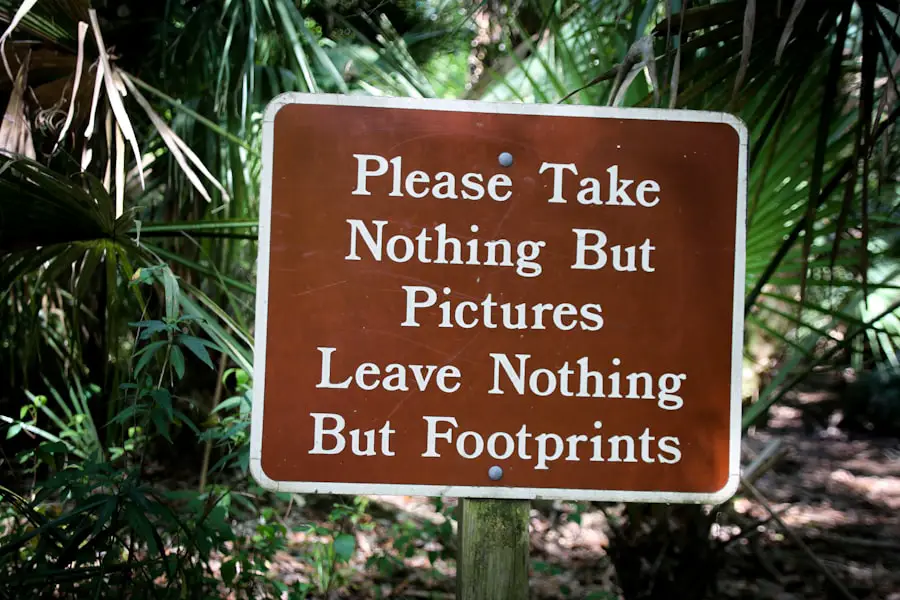
Hiking and walking can provide opportunities to notice forests, wetlands, mountains, grasslands, shorelines, plants, birds, insects, and other wildlife. Slowing down and reducing noise often makes it easier to notice natural sounds and animal behavior.
Use binoculars or a zoom lens rather than approaching wildlife. Never feed, touch, chase, call, surround, or block an animal’s path. Secure food and scented items according to local rules. Required viewing distances differ by park and species, so check the official rules before the trip.
The National Park Service wildlife-viewing guidance advises visitors to give animals room, follow park-specific distances, and move back when an animal reacts to their presence. An animal changing direction, stopping normal behavior, staring, approaching, fleeing, or displaying agitation can indicate that you are too close.
Note: Wildlife rules are location-specific. Advice for bears, bison, snakes, moose, mountain lions, alligators, marine animals, or nesting birds should come from the agency managing the place you are visiting.
Mental Health Benefits of Hiking and Walking
Walking and hiking can support mental well-being through physical activity, time away from daily demands, exposure to natural settings, and social connection. Some people find that a quiet route helps them focus on breathing, movement, sounds, and scenery, creating a form of moving mindfulness.
Research reviews have found that nature exposure and structured outdoor activities may support lower perceived stress and improved mood. Some studies also report changes in physiological stress measures such as cortisol, but methods and findings are not uniform. Nature-based activity should therefore be described as a supportive wellness practice rather than a guaranteed treatment.
Nature exposure is associated with improved psychological stress outcomes in many studies, while evidence for physiological measures is more variable.
Outdoor movement may also encourage social interaction through walking groups, family outings, clubs, and guided hikes. At the same time, people who prefer quiet reflection may value the chance to spend time alone in a safe, familiar setting.
Hiking or walking is not a substitute for professional mental-health care. Anyone experiencing persistent anxiety, depression, distress, or thoughts of self-harm should seek appropriate support rather than relying on outdoor activity alone.
Physical Health Benefits of Hiking and Walking
Walking and hiking count as physical activity, and their intensity can range from light to vigorous. Regular physical activity can support cardiovascular health, sleep, mood, healthy weight, bone health, balance, coordination, and lower risk of several chronic diseases. The Centers for Disease Control and Prevention notes that even a single session of moderate-to-vigorous activity can provide immediate benefits, while regular activity provides broader long-term benefits.
Level walking mainly challenges the legs and cardiovascular system. Hiking may add greater demands through climbing, descending, uneven surfaces, and pack weight. The legs and core perform most of the work, while trekking poles or a carried pack can increase upper-body involvement.
Uneven terrain may challenge balance and coordination, but it can also increase the chance of slips or falls. Beginners should progress gradually and avoid technical terrain until they have the appropriate strength, footwear, skills, and judgment.
Uphill hiking often uses more energy than level walking of the same duration because the body must work against gravity. However, calorie use varies by body size, speed, elevation, surface, pack weight, fitness, and duration. Hiking should not be described as automatically burning more calories than every indoor workout.
Current CDC physical-activity guidance recommends that most adults work toward at least 150 minutes of moderate-intensity aerobic activity per week and muscle-strengthening activity on at least two days. Some activity is still better than none, and activity can be divided into shorter sessions.
Using the Talk Test
During moderate-intensity activity, you can usually talk but not sing comfortably. During vigorous activity, speaking more than a few words may require a pause for breath. Slow down, rest, or turn around when effort becomes inappropriate for your health, experience, conditions, or remaining distance.
Environmental Impact of Hiking and Walking
Outdoor activity can build appreciation for natural places, but every visit also creates an opportunity to protect or damage the environment. Shortcuts can widen trails and increase erosion. Food scraps can attract wildlife. Noise can disturb animals and other visitors. Picking plants, moving rocks, or approaching wildlife can alter the area people came to enjoy.
The Seven Principles of Leave No Trace provide a practical framework:
- Plan ahead and prepare.
- Travel and camp on durable surfaces.
- Dispose of waste properly.
- Leave what you find.
- Minimize campfire impacts.
- Respect wildlife.
- Be considerate of others.
Stay on established trails where required, avoid cutting switchbacks, and do not walk around barriers or closure signs. Pack out food scraps, tissues, pet waste, and all other trash. Follow local instructions for toilets and human waste because rules vary by environment and land manager.
Finding the Best Hiking and Walking Routes
Begin with the official website or app of the agency that manages the park, forest, reserve, city trail, or recreation area. Look for current maps, alerts, closures, permits, reservations, accessibility details, water information, seasonal hazards, and emergency contacts.
Community trail databases, social-media groups, hiking clubs, and recent visitor reports can provide useful secondary information about scenery, crowds, mud, insects, or parking. However, user-generated routes and difficulty ratings may be inaccurate, unofficial, or outdated. Confirm critical information with the land manager or a ranger before relying on it.
Route-Research Checklist
- Who manages the land?
- Is the route officially designated and currently open?
- Is a permit, reservation, pass, or entry fee required?
- What are the round-trip distance and total elevation gain?
- What terrain, crossings, exposure, or navigation challenges are present?
- Is reliable drinking water available?
- Are dogs, bicycles, horses, or other users allowed?
- Are there accessible parking spaces, surfaces, restrooms, or rest areas?
- What time does the trailhead, gate, shuttle, or parking area close?
- What weather and daylight conditions are expected?
- Are there fire, flood, snow, wildlife, or air-quality alerts?
Guided hikes and local walking groups can help beginners learn pacing, navigation, natural history, and trail etiquette. Choose qualified leaders and confirm what equipment, ability, and transportation the outing requires.
Tips for Making the Most of Your Outdoor Adventure
Set a realistic purpose for the outing. You may want exercise, quiet time, photography, wildlife observation, social connection, or practice for a longer trip. A clear goal makes it easier to choose the right route and avoid taking on unnecessary difficulty.
- Start early enough to avoid rushing and protect remaining daylight.
- Use a pace that the full group can sustain.
- Schedule short breaks before fatigue becomes severe.
- Keep snacks, water, navigation, and weather protection easy to reach.
- Pause occasionally to notice sounds, plants, views, and changes in weather.
- Take photographs without stepping into closed areas or approaching wildlife.
- Record distance, conditions, equipment lessons, and how you felt for future planning.
- Check in with your trusted contact when the trip is complete.
Be flexible. A shorter route, lower viewpoint, different trail, or neighborhood walk can still provide a worthwhile outdoor experience. Changing the plan is a sign of sound judgment when weather, health, crowds, closures, or timing do not match the original goal.
For hikers who carry photography equipment, a supportive pack can help organize a camera, weather protection, water, and personal supplies. This guide to the best travel camera backpacks explains features to consider when selecting a pack for documenting outdoor trips.
Frequently Asked Questions
What is the difference between hiking and walking?
Walking is the broad activity of traveling on foot and often takes place on paved or maintained surfaces. Hiking usually occurs on natural trails and may involve rough footing, elevation changes, navigation, changing weather, and additional preparation.
How does the terrain differ between hiking and walking?
Walking commonly uses sidewalks, roads, greenways, tracks, or maintained park paths. Hiking may include dirt, rocks, roots, mud, sand, snow, loose gravel, steep slopes, water crossings, or narrow sections. The exact terrain matters more than the activity label.
What are the physical differences between hiking and walking?
Walking can range from light to vigorous depending on speed and hills. Hiking often adds climbing, descending, uneven surfaces, and pack weight, which can increase cardiovascular, leg, core, balance, and coordination demands. Upper-body involvement increases when using trekking poles or carrying a pack.
What equipment and clothing are needed for hiking versus walking?
A routine walk may require supportive shoes, suitable clothing, water, and sun or rain protection. A hike may also require traction-focused footwear, navigation, layers, food, first aid, a light, emergency shelter, and other Ten Essentials. Equipment should match the route rather than the label.
What are the mental and emotional differences between hiking and walking?
Both activities may support mood, stress management, mindfulness, and social connection. Hiking may add adventure, scenery, and a sense of accomplishment, while walking may offer a more predictable and convenient routine. Neither activity guarantees a mental-health outcome or replaces professional care.
Is hiking better exercise than walking?
Not automatically. A steep or fast hike may be more demanding than a relaxed walk, but a brisk, hilly walk can be harder than a short, flat hike. The best activity is one that matches your ability, supports your goals, and can be performed consistently and safely.
Can I hike in regular walking shoes?
Regular walking shoes may be adequate on short, dry, smooth, maintained trails if they fit securely and provide enough traction. Rough, muddy, steep, snowy, or loose terrain may require trail shoes or boots with more grip and protection.
How far should a beginner hike?
There is no universal starting distance. Beginners should choose a short route they can complete with energy in reserve, modest elevation gain, clear navigation, and an easy turnaround option. Build distance or elevation gradually based on comfort and recovery.
Sources
- CDC: Health Benefits of Physical Activity for Adults — supports the physical and mental-health benefits of regular activity.
- CDC: Physical Activity Recommendations — supports current weekly activity guidance.
- National Park Service Trip Planning Guide — supports route selection, alerts, backup plans, trip plans, and preparation.
- National Park Service Ten Essentials — supports the recommended outdoor safety-supply framework.
- National Park Service Wildlife-Viewing Guidance — supports safe distances and responsible wildlife observation.
- PubMed: Effect of Nature Exposure on Perceived and Physiologic Stress — supports the qualified discussion of nature exposure and stress.

