
Last Updated on September 10, 2026 by Daniel Globe
The Rocky Mountains, or Rockies, stretch roughly 3,000 miles from British Columbia in Canada toward New Mexico in the United States. Across that enormous distance, hikers encounter alpine lakes, forested valleys, tundra, high passes, rugged rock, and weather that can change quickly. The range offers everything from short family walks to exposed summit routes and multi-day backcountry trips.
Quick Answer
Hiking in the Rockies can be spectacular, but safe trips depend on matching the trail to your ability, carrying the Ten Essentials, preparing for altitude and fast-changing weather, respecting wildlife, and checking current park rules before you go. Trail conditions, permits, reservations, and transportation requirements can change by park and season.
Each season changes the experience. Summer brings wildflowers and long daylight, but high-country snow can linger and afternoon thunderstorms can develop quickly. Fall can bring cooler hiking weather and changing foliage, while winter and spring may require traction, snowshoes, avalanche awareness, or mountaineering skills depending on the route.
The Rockies also hold deep cultural history. What is now Rocky Mountain National Park, for example, lies within the traditional homelands and territories of many present-day Tribal nations, and Indigenous people have traveled, lived, hunted, gathered, and cared for these mountain landscapes for thousands of years. That human history is part of the landscape hikers experience today, alongside protected places such as Rocky Mountain National Park in Colorado and Banff National Park in Alberta.
Key Takeaways
- The Rockies offer everything from easy lake walks to difficult alpine climbs, so compare distance, elevation gain, exposure, and current conditions before choosing a route.
- Carry sturdy footwear, layers, navigation, food, water, sun protection, illumination, first aid supplies, emergency shelter, and other Ten Essentials appropriate to the trip.
- Popular hiking areas include Rocky Mountain National Park, the Lake Louise area of Banff National Park, and trails along the Icefields Parkway.
- Altitude illness, lightning, cold, snow, wildlife, and limited cell service can turn a routine hike into an emergency.
- Check official park pages for trail closures, wildlife warnings, permits, timed-entry systems, shuttle requirements, and backcountry rules before leaving the trailhead.
At a Glance
| Time Required | From under an hour for short nature walks to a full day for major alpine objectives; backpacking trips can last several days. |
| Difficulty | Easy to expert. High elevation, steep terrain, snow, exposure, and weather can make a short route much harder than the mileage suggests. |
| Tools Needed | Ten Essentials, appropriate footwear, layered clothing, route map/GPS, water and treatment method where needed, plus seasonal gear such as traction devices. |
| Cost | Varies by location. Park admission, parking, shuttles, reservations, camping, or wilderness permits may carry separate fees. |
Disclosure: As an Amazon Associate I earn from qualifying purchases. Some links on this page are affiliate links, at no extra cost to you.
Essential Gear for Hiking in the Rockies
When preparing for a hiking adventure in the Rockies, the right gear supports both safety and comfort. Mountain weather can change rapidly, and conditions at the trailhead may be very different from conditions above treeline. Sturdy hiking shoes or boots should fit well, provide suitable traction for the route, and remain comfortable over the distance you plan to cover. Waterproof footwear can help in wet or snowy conditions, while moisture-managing socks can reduce friction and help prevent blisters.
Use a layering system instead of relying on one heavy garment. A moisture-managing base layer, insulating mid-layer, and wind- and water-resistant outer shell let you adjust as temperature, wind, sun, and precipitation change. Bring a hat, gloves, sunglasses, and sunscreen even in summer because high elevation can mean strong sun and cold wind on the same day.
A well-fitted backpack should hold the National Park Service Ten Essentials: navigation, sun protection, insulation, illumination, first aid, fire, repair tools, food, hydration, and emergency shelter. For Rocky Mountain National Park specifically, the NPS also advises hikers to bring their own water because potable water can be limited.
- Navigation: map plus compass and/or GPS; download offline maps before entering areas with weak service.
- Hydration: carry enough water for the route and conditions. If you plan to refill from natural sources, bring a reliable treatment method.
- Food: bring enough for the planned trip plus an emergency reserve.
- Light: carry a headlamp even for a day hike in case delays keep you out after dark.
- Emergency gear: first aid supplies, emergency shelter, whistle, and a repair tool belong in the pack, not in the vehicle.
- Seasonal gear: traction devices, gaiters, snowshoes, poles, or specialized climbing equipment may be required when snow and ice are present.
Pro Tip: Pack for the highest and most exposed part of your route, not just the weather you feel at the parking lot. A warm layer, rain shell, and headlamp weigh little compared with the risk of being caught cold, wet, or delayed after sunset.
Best Hiking Trails in the Rockies: Three Popular Options
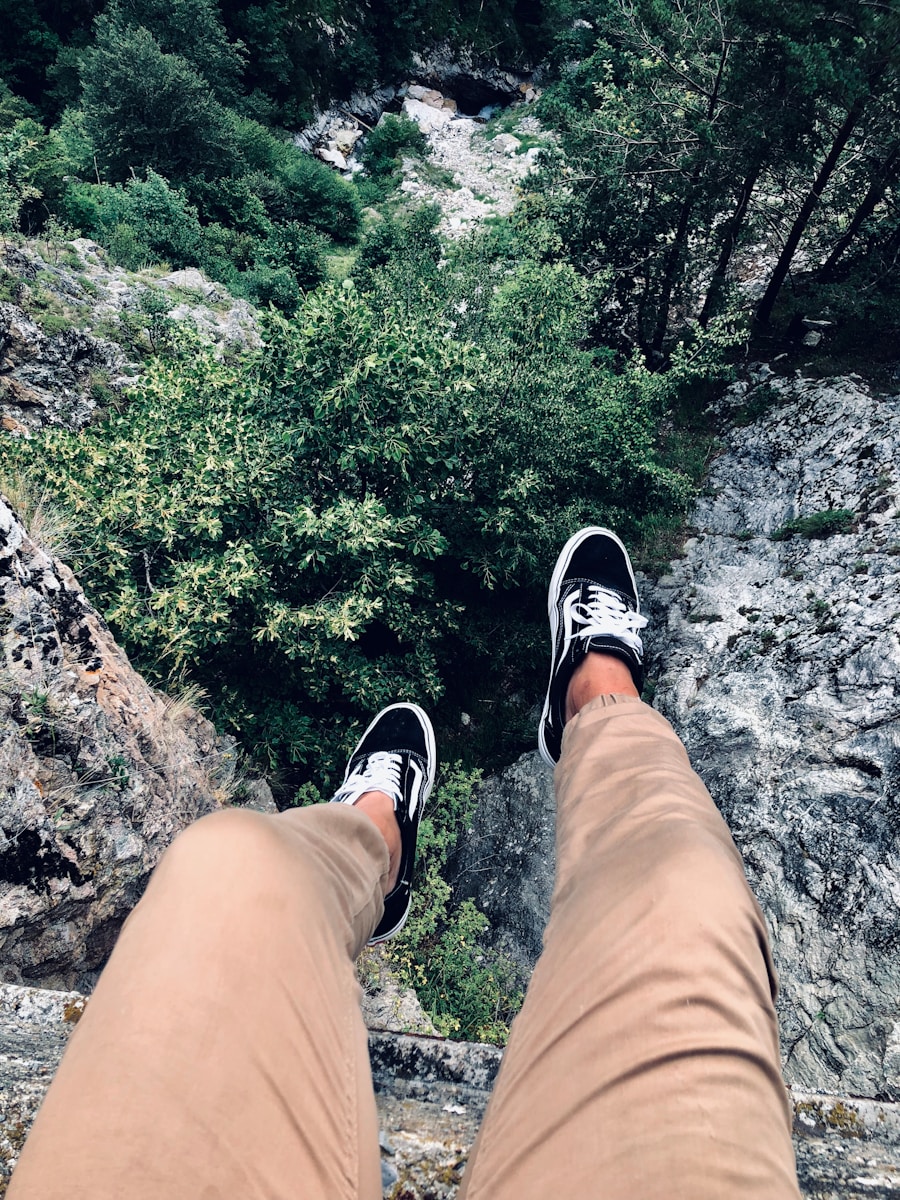
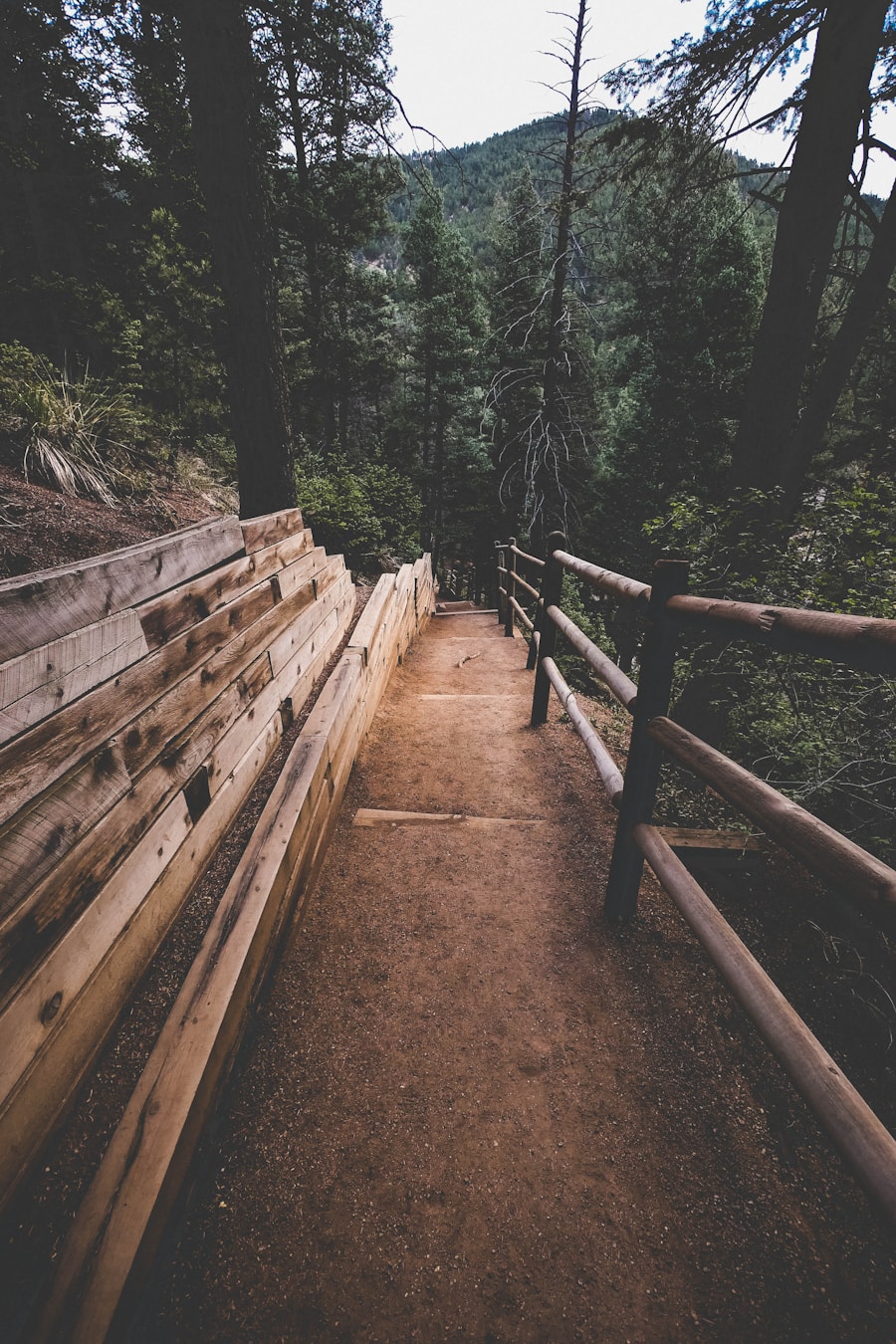
The Rockies contain thousands of trails, so no short list can identify one universal “best” route. The right choice depends on experience, fitness, season, snowpack, wildlife activity, and access rules. The three routes below show the range from a moderate lake hike to a serious alpine climb.
Longs Peak Keyhole Route, Rocky Mountain National Park
Longs Peak rises to 14,259 feet in Rocky Mountain National Park. The standard Keyhole Route is about 15 miles round trip, and the National Park Service says it typically takes 10 to 15 hours. More importantly, the NPS explicitly states that the Keyhole Route is not a hike: the upper route is an exposed climb with scrambling, narrow ledges, loose rock, steep drop-offs, and terrain where an unroped fall could be fatal.
Many climbers begin in the predawn hours to reduce exposure to afternoon thunderstorms. Current summer conditions can still include overnight ice, high winds, and rapid weather changes, so anyone considering Longs Peak should read the NPS Longs Peak Keyhole Route guidance and the current conditions report before attempting it.
Warning: Do not treat Longs Peak as a routine day hike because you are fit or because the trail is popular. The upper Keyhole Route requires sound judgment, comfort with exposed scrambling, appropriate conditions, and a willingness to turn around.
Emerald Lake, Rocky Mountain National Park
For a more moderate option, the Emerald Lake route begins at Bear Lake and passes Nymph Lake and Dream Lake before reaching Emerald Lake beneath steep mountain walls. Current NPS planning information lists Emerald Lake about 1.7 miles one way from Bear Lake, or roughly 3.4 miles round trip, with about 771 feet of elevation gain. Conditions can remain wet, muddy, snowy, or icy well into the hiking season, so check the park’s current trail report rather than assuming the trail is snow-free because it is summer.
Parker Ridge, Banff National Park
Along the Icefields Parkway in Banff National Park, Parker Ridge is a shorter hike with a large alpine payoff. Parks Canada lists Parker Ridge at 2.7 km one way, or 5.4 km (about 3.4 miles) round trip, with 305 m (about 1,000 feet) of elevation gain and an estimated 2.5-hour round trip. The switchbacks lead to views over the Saskatchewan Glacier.
Lake Louise and the Icefields Parkway are destinations and access corridors rather than single hiking trails. Around Lake Louise, hikers can choose among several official routes, while the Icefields Parkway provides access to trailheads such as Parker Ridge. Always check the specific trail page because distances, seasonal closures, and access arrangements differ.
Safety Tips for Hiking in the Rockies
| Safety step | What to do |
|---|---|
| 1. Check the weather | Review the mountain forecast and current park alerts before leaving. |
| 2. Carry enough water | Start hydrated, carry water, and bring treatment if your plan depends on natural sources. |
| 3. Wear appropriate footwear | Match traction and support to the terrain, snow, mud, and distance. |
| 4. Bring navigation | Carry a map and compass and/or GPS, and know how to use them. |
| 5. Share your plan | Tell someone your route, trailhead, vehicle, and expected return time. |
| 6. Stay on designated trails where required | Avoid shortcuts, obey closures, and protect fragile alpine vegetation. |
| 7. Give wildlife space | Never feed or approach wildlife; follow the distance rules for the park you are visiting. |
| 8. Pack extra layers | Carry insulation and rain protection even when the trailhead is warm and sunny. |
| 9. Carry first aid supplies | Bring a practical kit and know basic first aid; do not rely on cell coverage. |
| 10. Leave no trace | Pack out trash and follow local rules for camping, fires, food storage, and human waste. |
Altitude Illness
Altitude is one of the biggest differences between a Rocky Mountain hike and a low-elevation walk. The CDC notes that unacclimatized travelers sleeping at 8,000 feet or higher can be at risk for altitude illness, sometimes at lower elevations. Acute mountain sickness commonly includes headache along with symptoms such as dizziness, fatigue, nausea, or loss of appetite.
Gradual ascent is the most reliable preventive strategy. The CDC advises avoiding a rapid jump to high sleeping elevations, taking it easy during the first 48 hours at altitude, and avoiding alcohol during that period. Staying adequately hydrated is sensible for hiking, but drinking extra water does not substitute for acclimatization and should not be presented as a guaranteed way to prevent altitude sickness.
Warning: Do not continue ascending when altitude symptoms are worsening. Confusion, loss of coordination, severe shortness of breath at rest, or other serious symptoms can signal a medical emergency. Descend and seek urgent medical help.
Lightning and Fast-Changing Weather
Mountain weather can change within hours. In Rocky Mountain National Park, the NPS says lightning is common from June through September and advises hikers to get off exposed high terrain when storms threaten. For major high-country routes, starting early and setting a firm turnaround time can reduce exposure to afternoon storms.
If you hear thunder, move away from summits, ridges, isolated tall objects, and bodies of water. A substantial building or hard-topped vehicle is safer than remaining exposed outdoors. The NPS advises waiting at least 30 minutes after the last thunder before leaving shelter.
Navigation, Communication, and Turnaround Decisions
Cell service is unreliable in many mountain areas. Download maps before the hike, carry a backup navigation method, and share your route with someone who is not on the trip. If weather, fatigue, injury, route-finding, water supply, or trail conditions become worse than expected, turning around early is good mountain judgment, not a failed hike.
Wildlife Encounters: What to Expect in the Rockies
The Rockies cross many ecosystems and jurisdictions, so wildlife varies by location. Hikers may see elk, moose, bighorn sheep, deer, bears, marmots, pikas, and many bird species. Mountain lions also live in parts of the range, although sightings are uncommon. American bison can be seen in places such as Yellowstone National Park, while Rocky Mountain National Park itself does not have a resident bison population.
Birdlife is also diverse, but broad claims should be tied to a specific place. Rocky Mountain National Park reports 280 bird species, while Yellowstone documents nearly 300. Hikers may see or hear raptors, songbirds, waterfowl, and alpine species depending on habitat and season.
Observe every animal from a distance and never feed wildlife. Required distances differ by park. Rocky Mountain National Park prohibits approaching within 75 feet of wildlife or any distance that disturbs normal behavior. Yellowstone requires at least 100 yards from bears, wolves, and cougars and at least 25 yards from other wildlife, including bison and elk. Follow the rules where you actually are rather than applying one park’s distance to the whole Rockies.
Bear guidance also varies. Parks Canada recommends carrying bear spray in its mountain national parks. In U.S. bear country, the NPS also recommends carrying appropriate bear spray where it is allowed and keeping it immediately accessible rather than buried in a backpack. Learn how to use it before the hike and check local transportation and park rules.
Note: If an animal changes direction, stops feeding, raises its head repeatedly, becomes agitated, or moves because of you, increase your distance. A zoom lens or binoculars provide a better view without crowding wildlife.
The Benefits of Hiking in the Rockies
Physical Health Benefits
Hiking is a form of physical activity that can support cardiovascular fitness, muscular endurance, balance, and overall conditioning when done regularly. Rocky Mountain trails add sustained climbing, descending, and uneven ground, which can challenge the legs and core more than level walking. The training effect depends on pace, terrain, pack weight, duration, and the hiker’s current fitness.
Mental Health Benefits
Many hikers also value the mental break that comes from moving through forests, meadows, and alpine terrain. Research on nature-based interventions generally finds potential benefits for stress, mood, anxiety, and depressive symptoms, although study methods and the size of the effect vary. A 2026 second-order meta-analysis in Nature Human Behaviour found overall benefits across many nature-based interventions while also noting limitations such as inconsistent intervention definitions and the heavy use of passive control groups.
That evidence supports careful wording: time in nature may improve mood and reduce stress for many people, but hiking should not be presented as a guaranteed treatment for anxiety or depression. Claims that it reliably boosts creativity or problem-solving also need more specific evidence than the original article provided.
The value of a Rocky Mountain hike is not only the view: it combines sustained movement, time outdoors, changing terrain, and a break from normal routines.
Social and Personal Benefits
Remote trails and quiet lakesides can create space for reflection, while hiking with friends or family can build shared memories, teamwork, and communication. Those benefits are personal rather than guaranteed, but they are part of why many people return to the mountains year after year.
Day Hikes vs. Overnight Backpacking in the Rockies
When planning an adventure in the Rockies, hikers often choose between a day hike and an overnight backpacking trip. Day hikes are ideal for shorter excursions that let you return to your lodging or vehicle by evening. They range from easy family walks to strenuous alpine routes, so “day hike” does not automatically mean easy.
Overnight backpacking provides deeper access to remote valleys, lakes, and high-country camps. Carrying shelter, sleep gear, food, water treatment, and other overnight equipment makes the pack heavier, but it also allows hikers to experience quieter evenings, star-filled skies, and early-morning scenery farther from busy trailheads.
Backpacking requires more planning for food storage, water treatment, campsite selection, navigation, weather, waste disposal, and emergency communication. Permits are common in protected backcountry areas. In Rocky Mountain National Park, a Wilderness Permit is required for overnight wilderness camping. In Banff National Park, a backcountry permit is mandatory for overnight backcountry trips, and advance reservations are required for designated backcountry camping.
Pro Tip: For a first Rocky Mountain trip, choose a day hike that leaves extra time and energy in reserve. Learn how your body handles elevation and mountain weather before committing to a remote overnight itinerary.
Planning Your Hiking Trip in the Rockies: Tips and Resources
Start by choosing a region and a trail that match the least experienced person in your group. Compare mileage, elevation gain, starting elevation, exposure, expected surface conditions, water availability, and estimated time. A five-mile alpine route can be harder than a much longer low-elevation trail.
Use official park or land-management pages as the primary source for trail conditions, closures, regulations, wildfire or wildlife alerts, and access requirements. Apps and user reviews such as AllTrails can provide useful recent observations, but they should supplement—not replace—official information and a real navigation plan.
Check 2026 Entry, Parking, and Shuttle Rules
Access rules can change by season. For 2026, Rocky Mountain National Park requires timed-entry reservations during specified daytime hours from late May into October, with a separate Timed Entry + Bear Lake Road option for the Bear Lake Road corridor. Review the current NPS timed-entry page before planning your arrival because dates and release schedules can change from year to year.
In Banff National Park, transportation planning is especially important around Lake Louise and Moraine Lake. For the 2026 season, Parks Canada shuttle access is reservation-based, and Moraine Lake Road is closed to personal vehicles. Check the Parks Canada Lake Louise and Moraine Lake transportation page before your trip.
Check Conditions the Day Before and Again at the Trailhead
Mountain conditions are dynamic. Review the weather forecast, current trail report, wildfire information, wildlife bulletins, and any temporary closures shortly before departure. Snow, ice, mud, high water, downed trees, or a wildlife restriction can change the difficulty or legality of a route even when an older trail description says it is open.
Build a Simple Trip Plan
- Record the trailhead, route, distance, elevation gain, and expected return time.
- Set a turnaround time before you start.
- Leave the plan with a trusted person and tell them when to contact authorities if you do not check in.
- Download offline maps and carry backup navigation.
- Know where reliable water is available and whether it must be treated.
- Check whether camping, parking, timed entry, shuttle, or wilderness permits are required.
- Confirm local food-storage and bear-safety rules if traveling in bear country.
Joining a local hiking group or going with an experienced partner can be useful when you are new to high-elevation travel. It can add route knowledge and shared decision-making, but every hiker should still carry essential gear and understand the plan.
For overnight trips, personal-care items are optional compared with safety gear, but compact grooming gear can still be useful when space allows. If you are building a travel kit, this guide to the best travel razor covers portable options. Pack hygiene items only after the essentials for navigation, weather, hydration, food, first aid, and shelter are covered.
Love travel? Join Our Facebook Community For More Tips.
Frequently Asked Questions
What is hiking?
Hiking is recreational walking in natural environments, usually on established trails or routes. It can range from short, easy walks to long mountain days that involve steep grades, rough ground, high elevation, and route-finding.
What are the benefits of hiking?
Hiking can contribute to cardiovascular fitness, muscular endurance, balance, and overall physical activity. Time in natural settings may also support mood and stress reduction, although mental-health effects vary among people and hiking is not a substitute for professional treatment when care is needed.
What should I bring on a hike in the Rockies?
Bring the Ten Essentials, including navigation, sun protection, insulation, illumination, first aid, fire, repair tools, extra food, water, and emergency shelter. Add suitable footwear, rain protection, and any route-specific gear such as traction devices, trekking poles, water treatment, or bear spray where recommended and permitted.
How do I prepare for a Rocky Mountain hike?
Research the route, distance, elevation gain, starting altitude, trail conditions, weather, access rules, and wildlife alerts. Build fitness gradually, allow time to acclimatize if arriving from low elevation, share your trip plan, set a turnaround time, and be ready to choose an easier route if conditions are poor.
What are some popular hiking destinations?
Popular Rocky Mountain hiking areas include Rocky Mountain National Park in Colorado, Banff National Park and the Lake Louise area in Alberta, the Icefields Parkway corridor, Yellowstone National Park, and other protected mountain areas across the United States and Canada. Outside the Rockies, famous hiking destinations include the Appalachian Trail, Peru’s Inca Trail, and New Zealand’s Milford Track.
Do I need a permit to hike in the Rockies?
Many day hikes do not require a hiking permit, but park entry reservations, parking reservations, shuttles, trail-specific permits, or backcountry permits may still be required. Overnight wilderness camping commonly requires a permit. Always check the official page for the exact park and date of your trip.
Do I need bear spray when hiking in the Rockies?
It depends on the location. Parks Canada recommends carrying bear spray in its mountain national parks. The U.S. National Park Service also recommends bear spray in bear country where it is allowed. Check local rules, carry it where you can reach it quickly, and learn how to use it before the hike.
What should I do if I feel altitude sickness?
Stop ascending if you develop symptoms after gaining elevation. Mild symptoms may improve with rest at the same elevation, but worsening symptoms call for descent. Confusion, loss of coordination, or severe breathing difficulty can be emergency warning signs; descend and seek urgent medical care.
Sources
- National Park Service — Longs Peak Keyhole Route — route elevation, distance context, exposure, scrambling, and climbing hazards.
- CDC Yellow Book — High-Altitude Travel and Altitude Illness — acclimatization, risk elevation, symptoms, alcohol guidance, and descent.
- National Park Service — Ten Essentials — core hiking and emergency gear categories.
- Parks Canada — Hiking in Banff National Park — Parker Ridge distance, elevation gain, and estimated hiking time.
- Parks Canada — Bear Safety in the Mountain National Parks — bear-aware travel and bear spray guidance.
- PubMed — 2026 systematic overview and second-order meta-analysis of nature-based interventions — current evidence on stress, anxiety, depression, and study limitations.
