
Last Updated on July 28, 2026 by Daniel Globe
Milan offers far more than international luxury labels. Its jewelry scene includes appointment-only high-jewelry maisons, historic antique dealers, watch specialists, famous Milanese brands, and small workshops where pieces are designed and made on site. The best choice depends on whether you want an heirloom, a contemporary statement piece, a custom commission, or a more approachable handmade gift.
Quick Answer
For Milanese high jewelry, consider Giampiero Bodino, Vhernier, Pomellato, or Buccellati. Pennisi is the strongest stop for antique and signed pieces, while Pisa 1940 specializes in luxury watches and jewelry. Pilgiò, Agapanthus, Daniela de Marchi, and Moh Gioielli offer more independent, design-led experiences.
Key Takeaways
- Many luxury flagships are concentrated in the Quadrilatero della Moda, especially around Via Montenapoleone, Via Manzoni, and Via Pietro Verri.
- Independent workshops in Cinque Vie, Porta Venezia, and Navigli are better suited to custom work, unusual materials, and direct contact with designers.
- Giampiero Bodino is appointment-led, and antique or custom purchases deserve extra time for documentation, sizing, and condition checks.
- Haruko Ito’s Milan atelier closed on December 31, 2025, so it should not be included as a current Milan shopping stop.
- Confirm addresses, hours, appointment rules, and product availability on each boutique’s official website before visiting.
Disclosure: As an Amazon Associate I earn from qualifying purchases. Some links on this page are affiliate links, at no extra cost to you.
Best Milan Jewelry Stores at a Glance
| Store | Best For | Milan Location | Visit Note |
|---|---|---|---|
| Giampiero Bodino | One-of-a-kind high jewelry | Via Mozart 9 | Arrange an appointment |
| Pennisi | Antique, vintage, and signed jewelry | Via Alessandro Manzoni 29 | Ask for provenance and condition details |
| Pisa 1940 | Luxury watches and branded jewelry | Via Pietro Verri 7 | Useful for comparing several maisons |
| Vhernier | Sculptural contemporary jewelry | Via Montenapoleone 21 | Look for unusual material combinations |
| Pomellato | Colored gemstones and bold Milanese design | Via Montenapoleone 17 | Compare Nudo, Iconica, and Sabbia lines |
| Buccellati | Textured goldwork and ornate Italian craftsmanship | Via Montenapoleone 23 | Allow time to study engraving and lace-like work |
| Pilgiò | Mixed materials and one-of-a-kind studio work | Via Caminadella 6 | Ask about custom pieces and Oro Muto |
| Agapanthus | Natural gems and handmade botanical motifs | Via Cerva 14 or Corso Garibaldi 125 | Two Milan locations offer different routes |
| Daniela de Marchi | Textured metal, color, and personal styling | Via dei Piatti 9 or Piazzale Lavater 2 | Good for customizable colors and stones |
| Moh Gioielli | Handmade gifts and independent design | Viale Gorizia 4 | Confirm studio hours before visiting |
The Unique Blend of Culture and Craftsmanship in Milan’s Jewelry Scene
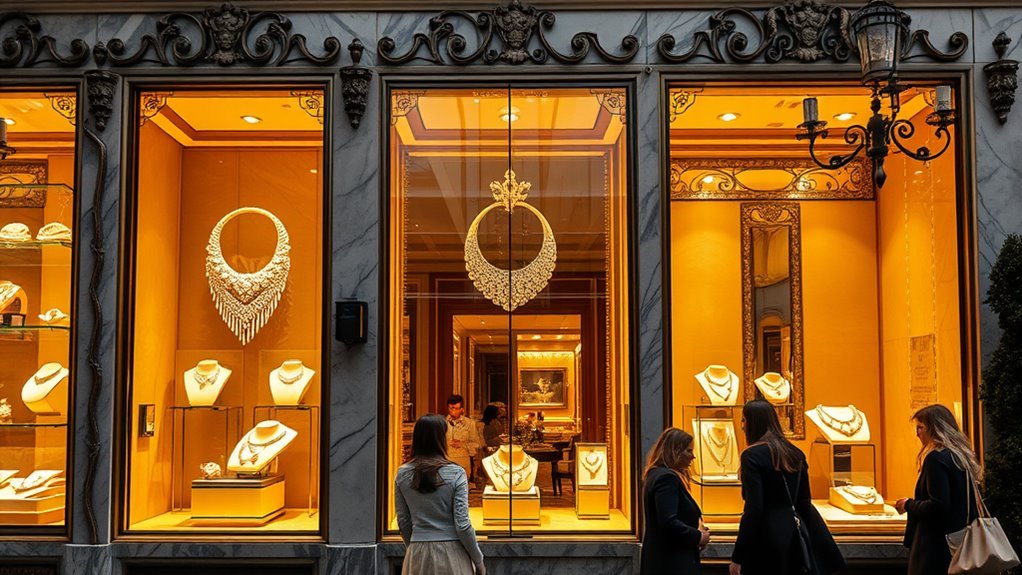
When you explore Milan, you encounter a jewelry scene shaped by historic goldsmithing, fashion, architecture, and industrial design. Antique specialists preserve pieces from earlier centuries, while contemporary studios work with sculptural volumes, textured surfaces, colored stones, titanium, bronze, silver, and unconventional finishes.
The city also gives you several types of shopping experience. Via Montenapoleone and the surrounding Quadrilatero della Moda are home to major maisons and luxury retailers. Cinque Vie and nearby central streets reveal quieter ateliers, while Porta Venezia and Navigli are useful for independent designers and workshop-led boutiques.
Claims about sustainability should be judged brand by brand rather than assumed across Milan’s jewelry industry. Ask each seller about recycled content, mine-of-origin programs, labor standards, repair services, and packaging when those issues matter to you. A brand’s use of natural stones, handmade production, or experimental materials does not automatically prove a specific ethical certification.
How to Plan a Jewelry Shopping Day in Milan
Start in the Quadrilatero if your priorities are high jewelry, global brands, and luxury watches. Pennisi, Pisa 1940, Pomellato, Vhernier, and Buccellati are close enough to form the core of one central route. Giampiero Bodino is also central, but its Villa Mozart experience should be arranged in advance.
For independent design, create a second route around Cinque Vie and the historic center. Pilgiò is on Via Caminadella, and Daniela de Marchi’s atelier is on Via dei Piatti. Agapanthus has a Via Cerva boutique near the Duomo and another location on Corso Garibaldi. Moh Gioielli is farther southwest in the Navigli area, while Daniela de Marchi’s second boutique is near Porta Venezia.
Pro Tip: Tell the boutique what you are looking for when booking: antique earrings, a particular watch brand, a custom ring, a gemstone color, or a target budget. Staff can confirm availability and set aside enough consultation time.
Warning: Do not rely on old travel guides for opening hours. Luxury boutiques may close for private events, holidays, seasonal breaks, or appointment-only viewings. Check the official website on the day you visit.
Maison Giampiero Bodino: High Jewelry at Villa Mozart
Maison Giampiero Bodino presents contemporary Italian high jewelry inside Villa Mozart, a 1930s residence at Via Mozart 9. The setting is part of the experience: this is not designed as a quick browse through an ordinary retail floor, but as a more personal introduction to Bodino’s artistic world.
The Maison draws on Italian decorative history, architecture, color, and high-jewelry technique. Individual designs may feature elaborate geometry, arabesque-like detail, bold gemstones, or references to Renaissance and Baroque art, but the exact pieces available can change because high jewelry often includes unique creations and private commissions.
Visits should be arranged directly with the Maison. The official contact number is +39 02 30314777. When requesting an appointment, explain whether you are interested in existing pieces, a private commission, or simply learning more about the collection.
Note: Commissioned high jewelry can require design discussions, gemstone selection, approvals, production time, and fittings. Ask for the expected process and timeline before making travel-dependent plans.
Products Worth Considering

✦ REAL 14K GOLD ✦: Discover the elegance of this brand-new chain crafted from genuine 14k yellow gold.NOT Plated, NOT Filled, NOT Overlayed: This chain is professionally tested and stamped for 14K gold purity. Enjoy its remarkable durability and hypoallergenic properties.

Italian Horn Necklace - An Italian horn, as an amulet and a talisman, popular among Italian and American. Ward off evil, and protect the person in question.

Italian Imported Figaro Chain Necklace and Bracelet Set.
Pennisi: A Treasure Trove of Antique Jewelry
Pennisi, at Via Alessandro Manzoni 29, has served collectors and admirers of antique and vintage jewelry since 1971. Its selection includes one-of-a-kind antique pieces, signed jewelry, objets de vertu, Art Deco work, and designs representing several historical periods.
The boutique is especially relevant when you want something that cannot be compared only by carat weight or current retail price. Period, maker, condition, restoration, rarity, provenance, and the quality of earlier craftsmanship can all influence an antique jewel’s value and appeal.
Products Worth Considering

Features - cameo brooch with faded green painted enamel and little yellow colored rose design

Package Inclusion: receive an elegantly designed Vintage jewelry display Frame, with dimensions of about 10.43 x 7.09 x 0.79 inches/ 26.5 x 18 x 2 cm, designed to offer a visually appealing and convenient solution for your beloved jewelry storage and display needs; Warm Reminder: this product is made of resin and crafted by hand; Minor scratches and slight excess glue are unavoidable, but please feel free to contact our customer service if you have any questions
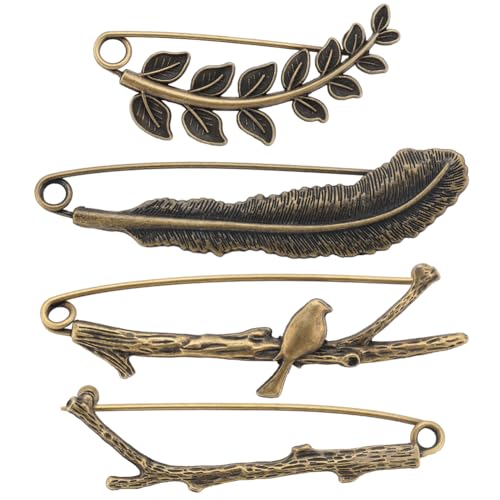
[ANTIQUE BRONZE BROOCHES]: The lapel brooches are in antique bronze, full of vintage style. The brooches are full of details, patterns are clear, very beautiful.
Unique Antique and Signed Collection
Pennisi’s collection can include necklaces, brooches, rings, tiaras, watches, parures, cameos, micromosaics, and signed jewelry. The official collection spans styles from the 18th and 19th centuries through Art Nouveau, Art Deco, and mid-20th-century design.
Ask which components are original, whether stones or settings have been replaced, whether the piece has been repaired, and whether the seller can identify a maker or period mark. A written condition description is particularly useful for delicate enamel, old-cut stones, convertible pieces, and antique clasps.
Family Legacy and Heritage
The Pennisi family has built the boutique around connoisseurship and collecting rather than mass-market inventory. Its Via Manzoni location also places it near Milan’s historic luxury district and the Grand Hotel et de Milan.
Personal service is valuable here because two visually similar antique jewels can have very different histories. Let the staff know whether you intend to wear the piece regularly, collect it, resize it, or give it as a gift. That information can change which condition, construction, and period are most practical.
Pisa 1940: Luxury Watches and Jewelry
Pisa 1940, historically known as Pisa Orologeria, has operated in Milan since 1940. Its flagship at Via Pietro Verri 7 brings together luxury watches, jewelry, and accessories from major international maisons.
This is one of the most useful stops when you want to compare several established watchmakers in one location. The store combines brand presentations with specialist guidance on movements, complications, case sizes, materials, bracelets, servicing, and long-term ownership.
Before visiting for a specific reference, contact the store to check availability. Highly sought-after models may have limited stock, waiting lists, purchase-history considerations, or exhibition-only examples. For pre-owned or certified watches, ask what inspections, warranty coverage, accessories, and service records are included.
Products Worth Considering

DOUBLE ROW CRYSTAL BEZEL — Elegantly embellished with sparkling crystals surrounding the rectangular tank case for a glamorous, luxury-inspired look
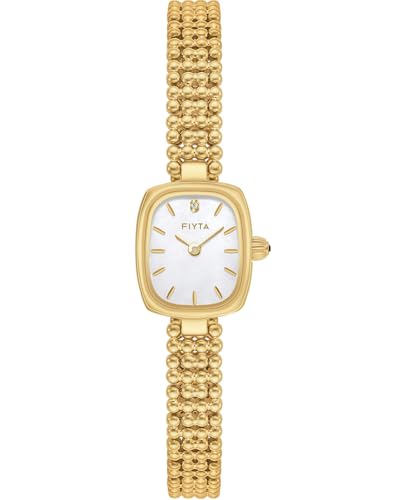
[Vintage Square Aesthetic] Features a sophisticated square case with soft rounded corners to reimagine classic mid-century elegance. This timeless silhouette serves as a graceful jewelry-inspired statement piece for cocktail parties, business meetings, or upscale brunches.

Lavish 18k Real Gold/Platinum Plating: Crafted with precision, our timepiece features 18k Real Gold/Platinum Plating, ensuring a luxurious and lasting finish. Elevate your style with the touch of opulence
Vhernier: Sculptural Milanese Jewelry
At Vhernier, Via Montenapoleone 21, jewelry is treated as wearable sculpture. The Maison is known for rounded volumes, smooth contours, carefully controlled proportions, and forms influenced by modern art, architecture, animals, and natural movement.
A Sculptural Design Aesthetic
Vhernier’s identity depends more on shape and volume than on traditional displays of ornament. Gemstones are often custom-cut to fit the design, allowing color and material to follow the jewel’s form rather than dominate it.
Collections such as Calla, Abbraccio, Aladino, Palloncini, and Mon Jeu illustrate different parts of the brand’s visual language. Try pieces on whenever possible because the curves, scale, weight, and relationship to the body are difficult to judge from photographs alone.
Signature Craftsmanship and Techniques
The Maison combines traditional fine-jewelry methods with techniques developed for its own designs. These include mirror-like gold surfaces, two-prong pavé, layered color effects, and settings intended to preserve smooth outlines.
When comparing pieces, ask how the surface should be cared for and whether the jewel can be polished, refinished, resized, or repaired. Sculptural forms and mixed materials may require service by the original workshop rather than a general repair shop.
Gold Paired With Unconventional Materials
Vhernier commonly works with rose or white gold and may combine it with titanium, bronze, aluminum, ebony, jet, diamonds, jade, turquoise, lapis, or mother-of-pearl. These combinations create contrast in weight, color, texture, and temperature.
The brand should not be described as using ironwork waste or recycled steel without a specific product source. Those claims are not part of Vhernier’s documented material identity.
Pomellato: Colored Gemstones and Milanese Design
Pomellato was founded in Milan in 1967 and is one of the city’s best-known contemporary fine-jewelry houses. Its Via Montenapoleone 17 boutique is a natural stop for shoppers drawn to strong color, rounded forms, substantial goldwork, and jewelry designed to be worn rather than reserved only for formal occasions.
The Nudo collection is recognized for exposed colored gemstones in clean settings, while Iconica emphasizes bold gold forms. Sabbia uses irregular arrangements of pavé diamonds, and other lines explore chains, links, and stackable combinations.
Color can vary noticeably between natural stones, even within the same collection. Compare pieces in person when possible and ask whether the stone has received treatments, how it should be cleaned, and whether matching additions are likely to remain available later.
Buccellati: Textured Gold and Italian Ornament
Buccellati operates a Milan boutique at Via Montenapoleone 23. The house is associated with elaborate surface work, engraving, pierced metal, lace-like patterns, contrasting gold colors, and designs influenced by Renaissance ornament, textiles, foliage, and Italian decorative art.
Buccellati is especially rewarding when viewed closely. Techniques can create the appearance of fabric, honeycomb, silk, or fine embroidery in metal. The visual effect often depends on tiny cuts and changes in texture rather than only on large gemstones.
Ask staff to explain the technique used on a piece and how that surface should be maintained. Aggressive polishing can soften engraved details, so future cleaning and restoration should follow the Maison’s care guidance.
Haruko Ito Gioielli Poetici: A Former Milan Atelier
Haruko Ito’s Gioielli Poetici was part of Milan’s independent jewelry scene for about 15 years. Her work connects wearable objects with nature, memory, silence, and concepts influenced by Japanese aesthetics and philosophy.
Important 2026 Update: Haruko Ito’s official website states that the Via Tivoli 8 atelier remained operational only through December 31, 2025, and that the project would return to Japan in 2026. Do not plan a Milan shopping visit without obtaining new confirmation directly from the designer.
The designer’s documented collections include Bamboo, WA, Lunar Surface, Shell, Yellow & Black, Plissé, and Desert. Wedding rings, solitaires, and “Light Point” designs also formed part of the atelier’s special-occasion work.
| Collection | Theme or Visual Direction | What to Notice |
|---|---|---|
| WA | Harmony and relationship | Restrained forms and balanced composition |
| Bamboo | Growth and resilience | Linear, plant-inspired structures |
| Desert | Space, silence, and landscape | Texture and an austere visual mood |
| Light Point | Light and special moments | Minimal designs intended for daily wear or gifts |
Although the former Milan atelier is no longer a dependable shopping destination, the work remains relevant to understanding the city’s recent independent-jewelry history.
Pilgiò: Embracing the Beauty of Raw Materials
Pilgiò is a Milan jewelry studio founded in 1984 and located at Via Caminadella 6. Pieces are designed and produced within the studio through a combination of planning, manual work, surface treatment, and material experimentation.
The studio is a strong choice for shoppers who value irregular texture, mixed materials, one-of-a-kind pieces, and custom work over conventional high-polish luxury. Its collections may combine precious metals with titanium, iron, steel, silver, cement, diamonds, or oxidized finishes.
Material-Led Craftsmanship
Pilgiò’s work begins with the behavior of the material. Hammering, oxidation, welding, inclusion, casting, surface variation, and hand finishing can remain visible rather than being polished away. These traces make the process part of the final design.
The studio’s mixed-material pieces should be discussed individually. Ask whether an oxidized finish will continue changing, whether iron or steel needs to stay dry, whether a ring can be resized, and how concrete, silver, gold, or titanium combinations should be stored.
Oro Muto and Discreet Elegance
Pilgiò’s collection is called Oro Muto, not “dumb gold.” The name suggests gold with a quieter visual presence: textured, darkened, matte, or intentionally less reflective than conventional polished jewelry.
This approach appeals to people who want precious material without obvious sparkle. The designs emphasize surface, contrast, wearability, and personal character rather than the display of a large central stone.
Agapanthus Gioielli: Handmade Jewelry and Natural Gems
Agapanthus Gioielli was founded in 2003 by Grazia and Elena Gilardi and Paola Rocca. The company designs and creates handmade jewelry in Italy, combining precious metals with natural gemstones selected with input from trained gemologists.
Milan shoppers can visit the boutique at Via Cerva 14 or the Corso Garibaldi 125 location. The Via Cerva store fits easily into a central Duomo and fashion-district route, while Corso Garibaldi works well with a Brera and Porta Nuova itinerary.
Agapanthus is best understood through its natural gemstones, handmade settings, satin-finished metals, and recurring botanical details rather than through an unsupported general sustainability claim.
Collections and current products may include:
- Rametto designs: The brand’s recognizable branch-and-leaf motif, produced in silver and several gold alloys.
- Natural gemstone pieces: Jewelry featuring diamonds, sapphires, rubies, tourmalines, quartz, garnet, spinel, and other individually selected stones.
- Hope jewelry: Necklaces and gift-oriented pieces carrying the Hope name.
- Bridal and special-occasion work: Rings, solitaires, bands, and pieces that may be customized for an event.
- Handmade settings and chains: Details shaped, finished, or assembled by artisans rather than treated as purely standardized components.
Because natural stones differ in color and internal features, compare the actual jewel rather than relying only on a product photograph. Ask whether a major gemstone includes an independent report and whether the setting can be resized or adapted.
Daniela de Marchi: Textured Metal Designs With Colorful Stones
Daniela de Marchi works with bronze, brass, silver, enamel, diamonds, and natural stones. The signature Dropage texture is made through lost-wax casting: small wax spheres are modeled over a surface, the wax is replaced by metal during casting, and the resulting irregular texture catches light and color.
The historic atelier is at Via dei Piatti 9 in Milan’s Cinque Vie district. A second boutique at Piazzale Lavater 2 serves the Porta Venezia area. Both locations offer guidance on shape, scale, color, and combinations that suit a wearer’s style.
| Jewelry Type | Design Possibilities | Stone Examples |
|---|---|---|
| Necklaces | Chokers, long designs, sculptural pendants, and textured links | Amazonite, amethyst, labradorite, carnelian |
| Bracelets | Rigid bangles, chains, and substantial statement forms | Labradorite, smoky quartz, rose quartz |
| Earrings | Small lobe pieces, ear cuffs, drops, and large pendants | Amazonite, onyx, amethyst, sodalite |
| Rings | Adjustable, sculptural, chevalier, band, and statement designs | Amethyst, green aventurine, quartz, labradorite |
| Personalized Pieces | Guided selection of metal color, stone, proportion, and style | Depends on current availability |
Colored or plated surfaces may require more careful wear than solid, untreated gold. Follow the brand’s care guidance and avoid water, perfume, creams, detergents, and abrasive cleaners unless the boutique confirms otherwise.
Moh Gioielli: Independent Artistry With a Personal Touch
Moh Gioielli is a goldsmith workshop at Viale Gorizia 4 in Milan’s Navigli area. Its handmade pieces may use gold, silver, bronze, brass, stones, or pearls, with forms ranging from organic and softly textured to geometric and architectural.
Compared with appointment-only high jewelry, Moh can be a more approachable place to look for an original gift or an independent design. “Affordable,” however, is relative: prices vary by material, labor, stone, size, and whether a piece is unique, numbered, or custom-made.
At Moh Gioielli, you may find:
- Unique or limited handmade pieces
- Rings, earrings, necklaces, and small gift designs
- Natural forms alongside geometric shapes
- An on-site goldsmith workshop
- Opportunities to discuss alterations or custom ideas directly
Confirm opening hours before traveling to the Navigli location. Independent studios may divide their time between customer appointments, bench work, sourcing, events, and exhibitions.
How to Buy Jewelry in Milan With Confidence
Check Materials, Hallmarks, and Documents
Ask for a written invoice that identifies the seller, item, metal, fineness, principal gemstones, and price. Fine jewelry should carry relevant marks where required, but a hallmark alone does not describe gemstone quality, treatment, provenance, or the full value of the piece.
For a significant diamond or colored stone, ask whether an independent laboratory report is included. Check that any report number and measurements correspond to the jewel. For branded jewelry and watches, request the original certificate, warranty card, serial information, packaging, and service history when available.
Buy Antique and Vintage Jewelry Carefully
Antique pieces often show age, repairs, replaced components, or altered sizes. These changes are not automatically negative, but they should be disclosed and reflected in the description. Ask about:
- The estimated period and maker
- Signatures, maker’s marks, and assay marks
- Replaced stones, clasps, shanks, posts, or chains
- Previous repairs or restoration
- Current condition and fragile areas
- Provenance or previous ownership when documented
- Return rights and any independent appraisal
Confirm Sizing, Customization, and Aftercare
Not every ring can be resized safely. Full pavé bands, titanium pieces, mixed-material rings, enamel, tension settings, and heavily textured designs may have strict limits. Get the finished size, alteration policy, production estimate, and cost in writing before ordering.
Also ask who handles cleaning, refinishing, stone tightening, clasp replacement, and future repairs. Original workshops are often the best choice for proprietary surfaces, unusual alloys, antique constructions, and sculptural pieces.
Understand VAT Refunds
Residents outside the European Union may qualify for a VAT refund on eligible goods exported from the EU. According to the European Union’s VAT guidance, the goods and refund documents generally must be presented to customs when leaving the EU within three months of purchase.
Procedures, minimum purchase amounts, fees, and refund operators can vary. Bring proof of non-EU residence, ask the boutique to prepare the correct paperwork at the time of sale, and keep the jewelry accessible for customs inspection rather than placing it in checked baggage too early.
Note: A VAT refund is not the same as avoiding taxes everywhere. Your home country may impose customs declarations, duties, or import taxes when you return. Check the rules that apply to your destination.
Frequently Asked Questions
What jewelry is Milan known for?
Milan is known for contemporary fine jewelry, sculptural forms, colored gemstones, textured goldwork, design-led independent studios, luxury watches, and antique jewelry. The city’s strongest characteristic is variety: historic ornament, fashion-driven color, industrial precision, and handmade experimentation can all be found within a relatively compact area.
What is the most popular jewelry brand in Italy?
There is no single official popularity ranking. Pomellato is one of Milan’s best-known contemporary jewelry houses, while Buccellati, Bulgari, Damiani, and other Italian brands have strong international recognition. The best choice depends on whether you prefer colored stones, ornate goldwork, classic luxury, contemporary design, or a particular price range.
Is Italy a good place to buy jewelry?
Yes. Italy has deep goldsmithing traditions and offers everything from international maisons to small workshops. A good purchase still requires the same checks you would make elsewhere: verify the seller, metal, stones, condition, documentation, return policy, repair support, and total cost after any taxes or customs charges.
Where can I buy gold jewelry in Milan?
For high jewelry and luxury gold pieces, consider Giampiero Bodino, Vhernier, Pomellato, or Buccellati. Pennisi carries antique and vintage gold jewelry, while Pilgiò, Agapanthus, Daniela de Marchi, and Moh Gioielli offer more independent approaches. Choose according to style, documentation, customization needs, and budget rather than assuming every boutique serves the same buyer.
Do Milan jewelry stores require appointments?
Many accept walk-ins, but appointments are wise for high jewelry, rare watches, antiques, custom work, or a specific gemstone. Giampiero Bodino is especially appointment-oriented. Contact any boutique before traveling when you need a particular piece, service, language, or extended consultation.
Is Haruko Ito Gioielli Poetici still open in Milan?
The official website states that Haruko Ito’s Via Tivoli 8 atelier remained operational through December 31, 2025, and that the project would return to Japan in 2026. Treat older articles listing it as a current Milan store as outdated unless the designer announces a new local location.
Conclusion
Milan rewards jewelry shoppers who look beyond a single definition of luxury. The Quadrilatero offers famous maisons, important watches, and high jewelry, while the city’s quieter studios explore texture, color, natural stones, mixed materials, and custom design. Pennisi adds a strong antique dimension that few ordinary shopping guides cover.
Plan your route by neighborhood, reserve appointments for specialized visits, and ask detailed questions before a major purchase. With ten current boutiques ranging from Buccellati and Pomellato to Pilgiò and Moh Gioielli, Milan offers meaningful choices for collectors, gift buyers, design enthusiasts, and anyone seeking a piece with a clear connection to Italian craftsmanship.
Sources
- YesMilano — Quadrilatero della Moda — verifies Milan’s principal luxury-shopping district and its core streets.
- European Union — VAT Refund Guidance — explains the general rules for eligible non-EU travelers exporting purchases.
- Gioielleria Pennisi — verifies its Via Manzoni address, history, and antique and vintage specialties.
- Vhernier Boutique Directory — verifies the current Milan boutique address and contact details.
- Pilgiò — verifies the studio’s 1984 founding, Via Caminadella address, in-house production, and material-led approach.
- Haruko Ito Gioielli Poetici — provides the official notice concerning the closure of the Milan atelier and return to Japan.
