
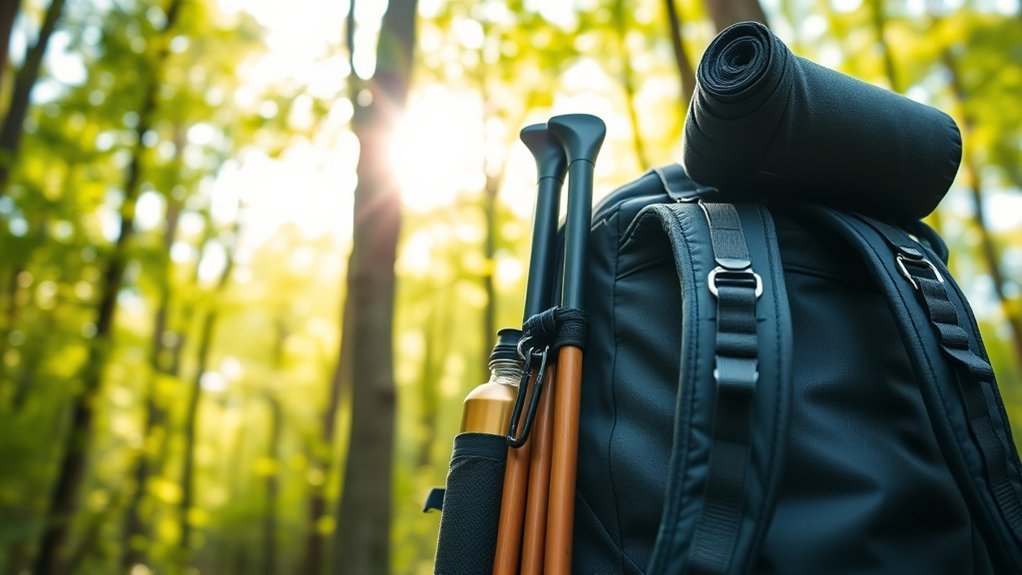
Running out of space inside your pack is a common hurdle for hikers and campers. Fortunately, most modern backpacks are engineered with external attachment points designed to carry bulky gear safely. Learning to use these features correctly allows you to expand your carrying capacity without sacrificing comfort or balance on the trail.
To attach items to the outside of your backpack, utilize built-in features like side compression straps for sleeping pads, daisy chains for carabiners, and bottom loops for tents. Always balance the load to maintain stability and secure heavy items closer to your back to prevent injury and fatigue.
Key Takeaways
- Balance is Key: Distribute weight evenly to prevent tipping and strain.
- Use Built-ins: Maximize compression straps, loops, and floating lids before adding extra cordage.
- Secure Loose Ends: Tighten all straps to stop gear from swinging or snagging on branches.
- Protect from Elements: Use dry bags for any gear stored on the exterior.
Side Compression Straps

When you’re out on a hike, stabilizing your load is essential for comfort and balance. Side compression straps are your first line of defense. These straps effectively compress your backpack’s volume, pulling the weight closer to your back to improve stability as you navigate uneven terrain. You’ll find them on most overnight and climbing backpacks, making them perfect for securing bulky gear like sleeping pads, tent poles, and snowshoes.
To maximize stability, balance the load between the left and right sides of your pack. If your backpack features reversible straps, take advantage of the extra attachment options to wrap around larger items. By properly utilizing side compression straps, you enhance packing efficiency and minimize the risk of your gear shifting while you move.
Shoulder Strap Loops
After securing your main load, you can enhance your backpack’s functionality with shoulder strap loops. These loops are situated on the front of your harness and are perfect for attaching high-use gear. This gives you immediate access to essentials like snacks, compact cameras, or GPS devices without needing to stop and remove your pack.
Many backpacks feature daisy chains or horizontal keeper-style straps here. You can also find D-rings designed specifically for clipping lighter items. By utilizing shoulder strap loops, you move some weight to the front, which can help counterbalance a heavy rear load. However, avoid attaching heavy items here, as they can bounce and cause chafing.
Floating Lids
Floating lids are a game-changer for backpackers looking to maximize their load-carrying efficiency. These are adjustable top pockets connected to the main pack body by extendable webbing straps. They allow you to “sandwich” bulky items like a coiled rope or a sleeping pad between the lid and the main bag.
- Improved Balance: Helps align heavy gear close to your spine for better weight distribution.
- Adjustable Fit: Tighten or loosen the webbing to accommodate different loads and shapes.
- Weight Reduction: Many floating lids are removable for lighter summit pushes.
- Vertical Compression: Acts as a top-down compressor to keep the main load compact.
Tie Out Loops
If you’re looking to maximize versatility, tie out loops are a fantastic addition. These small fabric loops are often sewn onto the rear face of the pack. They serve as customizable attachment points for hanging items like solar chargers to soak up sun while you hike, or wet tarps that need to dry.
Unlike fixed daisy chains, tie out loops often require you to add your own cordage. You can use paracord and cord locks for a secure attachment system. For lighter or softer items, shock cord (bungee) works well to hold layers like a rain jacket against the pack. For heavier gear, use static cord to prevent bouncing.
Rear Sleeping Pad Straps
When gearing up for a multi-day adventure, rear sleeping pad straps are often the standard solution for carrying lightweight but bulky items. Located at the very bottom of the pack, they are ideal for cylindrical items like sleeping pads or tent bodies.
- Check the Placement: Ensure straps are threaded correctly through the buckles to prevent slipping.
- Secure Your Gear: Slide your rolled pad or tent through the loops and pull tight.
- Mind the Width: Be aware that items attached horizontally here effectively widen your profile—watch out for narrow gaps in rocks or trees.
- Reinforce if Needed: If your gear is heavy, consider adding a secondary strap to the daisy chain for backup security.
Frequently Asked Questions
Can I attach a tent to my backpack’s exterior?
Yes, attaching a tent to the exterior is common. Use the bottom sleeping pad straps or side compression straps to secure it. Ensure the poles are vertical or the bag is centered horizontally to maintain balance and prevent the pack from pulling you backward.
What materials are best for attaching items securely?
Nylon webbing straps with cam buckles are the most secure option for heavy items. For lighter gear, carabiners and shock cords (bungee) are effective. Avoid using plain string or weak clips that might snap under trail conditions.
How do I prevent items from getting damaged during hikes?
Pack items in durable protective cases or stuff sacks before strapping them on. Avoid attaching fragile electronics to the outside where they can impact rocks or trees. Ensure all straps are cinched tight so items do not bounce or swing.
Are there specific items I should avoid attaching outside?
Avoid attaching expensive electronics, heavy water bottles, or loose items that can easily snag on branches. Heavy items placed too far from your center of gravity can also ruin your balance and cause injury.
How can I keep attached items dry in rain?
Use waterproof dry bags for any gear attached externally. Alternatively, you can use a backpack rain cover that is large enough to stretch over both your pack and the attached gear, though dry bags are generally more reliable for external items.
Conclusion
Mastering these attachment methods allows you to carry more while staying comfortable. By using compression straps, loops, and lids effectively, you transform your backpack into a versatile tool ready for any adventure. Remember to prioritize balance and security with every strap you tighten. Gear up, double-check your load, and enjoy the freedom of the trail.