
Last Updated on July 30, 2026 by Caleb Warren
A backpack rain cover can keep the exposed fabric, pockets, and attached gear from becoming soaked during a shower. It works best when it fits the fully packed backpack, is tightened against the wind, and is combined with a pack liner or dry bags for items that must remain dry.
Quick Answer
Pack the backpack first, stretch the correctly sized rain cover over the pack body, position any drain eyelet at the bottom, and tighten the elastic or drawcord. Fasten the keeper strap or cord hook if provided. Keep the shoulder straps clear, and place critical gear in a liner or dry bags.
Key Takeaways
- Choose the cover by the backpack’s fully packed size, not its empty size alone.
- Cover the pack body while leaving the shoulder straps, back panel, and hip belt usable.
- Tighten every drawcord, keeper strap, buckle, or hook supplied with the cover.
- Use a pack liner or dry bags for a sleeping bag, electronics, medication, dry clothing, and other critical equipment.
- Dry the cover completely before storing it, and follow its manufacturer’s cleaning instructions.
At a Glance
| Time Required | About 1–2 minutes after the backpack is packed |
| Difficulty | Easy |
| Tools Needed | Correct-size rain cover; optional pack liner and dry bags |
| Cost | No added cost if included with the backpack; separate covers vary by size, fabric, and brand |
Disclosure: As an Amazon Associate I earn from qualifying purchases. Some links on this page are affiliate links, at no extra cost to you.
Understanding the Importance of a Rain Cover
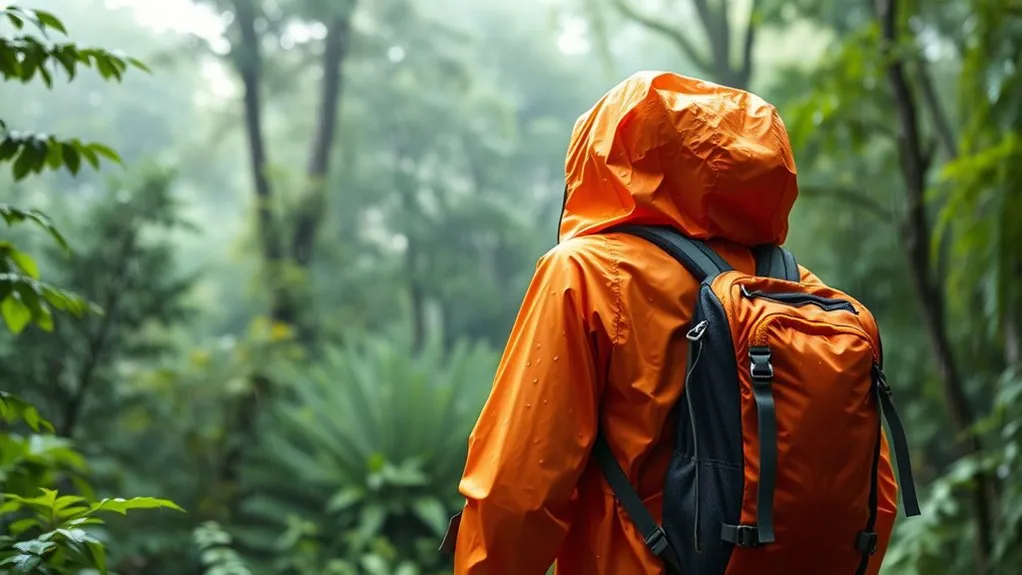
A rain cover shields the exposed body of a backpack from direct rain. This can reduce water absorption, keep exterior pockets from becoming saturated, and prevent the pack fabric from gaining as much water weight during a wet hike.
Most everyday and hiking backpacks are not completely waterproof. Coated fabric may resist water, but seams, zippers, lid openings, and pockets can still allow moisture inside. The harness side of a typical cover also remains open so you can wear the pack. For that reason, a cover should be treated as one part of a layered rain-protection system rather than a complete waterproof seal.
REI’s wet-weather backpacking guidance recommends using a pack liner or smaller waterproof bags for vulnerable equipment even when a rain cover is carried. A liner protects the main compartment, while individual dry bags isolate items such as a sleeping bag, electronics, spare clothing, medication, and maps.
Note: A backpack rain cover normally protects the front, sides, top, and base of the pack. It does not seal the shoulder-strap opening, and it is not designed for submersion.
How to Properly Fit Your Rain Cover
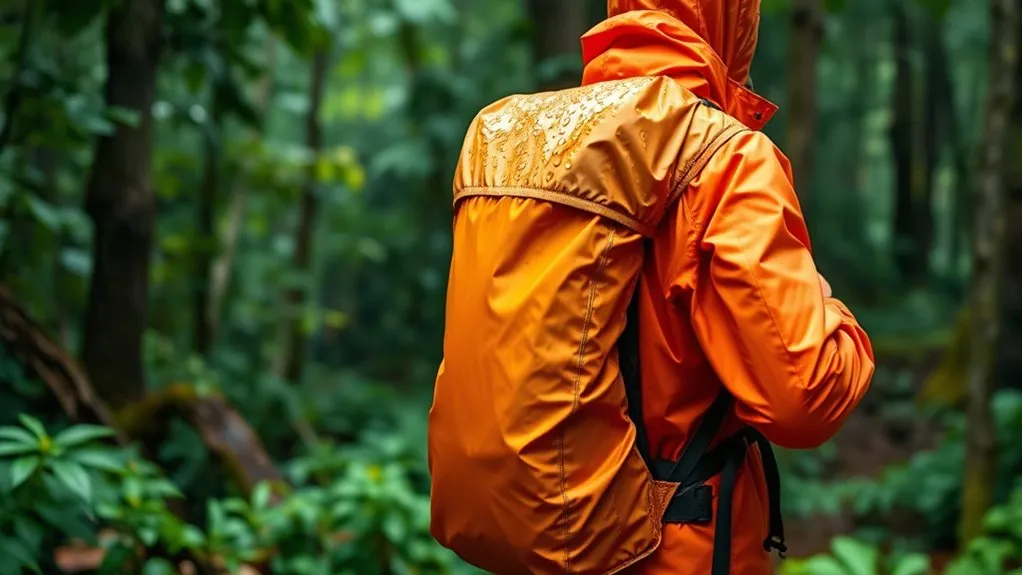
Fit the cover after the backpack is fully loaded. A cover that fits an empty pack may become too tight after the lid, side pockets, sleeping pad, or other external equipment is added.
- Pack and close the backpack. Tighten the backpack’s compression straps and secure loose cords or equipment before adding the cover.
- Identify the cover’s orientation. Look for a logo, wider top section, reinforced base, drain eyelet, cord lock, keeper strap, or manufacturer label. If the cover has a drain hole, position it at the lowest point of the pack.
- Stretch the cover over the pack body. Pull the elastic edge around the top, sides, and bottom. Some covers are easiest to hook over the base first and pull upward; others are designed to stretch over the pack like a shower cap.
- Cover exterior pockets and exposed fabric. Make sure the lid, front pocket, side pockets, and the base of the backpack are inside the cover.
- Keep the harness clear. The shoulder straps, back panel, sternum strap, and hip belt must remain outside the cover so the backpack can be worn normally.
- Tighten the edge. Pull the drawcord or adjust the elastic so the cover sits close to the backpack without crushing the contents.
- Fasten the retention system. Clip any keeper strap across the back panel, attach a cord hook to the haul loop, or close the supplied buckle. These parts help prevent the cover from filling with air or blowing off.
- Check the hydration hose. Route the hose outside the tightened edge and confirm that it is not pinched or blocked.
- Test the fit. Put on the backpack, move your arms, and check that the cover does not interfere with the shoulder straps, hip belt, or access to essential equipment.
Cover designs differ, so use the instructions supplied with your model whenever they conflict with a generic fitting method. For example, Sea to Summit’s attachment guide explains how its drain eyelet, drawcord hook, and keeper strap should be positioned.
Warning: Do not rely on a rain cover alone for electronics, medication, a down sleeping bag, emergency insulation, or clothing needed to prevent cold exposure. Place those items in sealed internal storage.
Material Choices for Effective Rain Protection
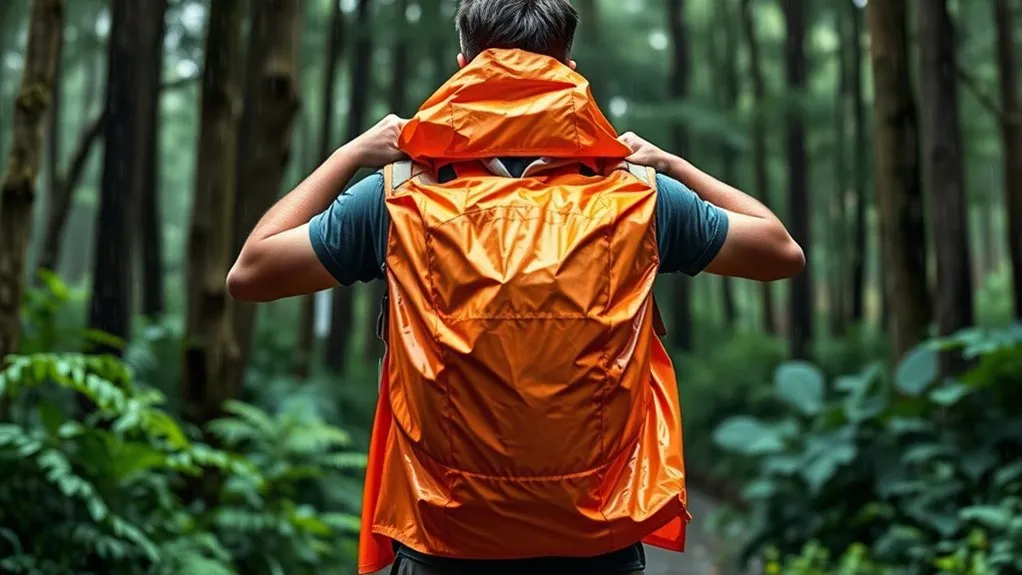
Backpack rain covers are commonly made from coated nylon or polyester. The coating limits water penetration, while the fabric weight and construction affect packability, durability, and abrasion resistance.
- Lightweight fabric: Packs into a small pouch and adds little weight, but may be easier to puncture on branches or sharp rocks.
- Heavier fabric or a reinforced base: Better suited to rough trails, frequent use, and backpacks that are often placed on the ground.
- Seam-sealed construction: Uses tape or sealant to reduce water entry through sewn seams.
- Seamless or one-piece construction: Reduces the number of stitched openings in the main cover body.
- Drawcord or strong elastic: Helps the cover follow the shape of the pack instead of hanging loosely.
- Keeper strap or buckle: Improves security in wind and helps prevent the cover from ballooning.
- Drain eyelet: Allows water that reaches the inside of the cover to escape from the bottom.
- Bright or reflective detailing: Can improve visibility in dim, rainy conditions.
Do not judge a cover by fabric thickness alone. A lightweight cover with an effective retention strap and suitable fit may perform better than a heavier cover that is too loose. Check the manufacturer’s listed material, seam construction, pack-size range, and care instructions before buying.
Selecting the Right Size for Your Backpack
Start with the backpack’s stated capacity in liters, but do not treat volume as the only measurement. Rain-cover size ranges differ between manufacturers, and two backpacks with the same capacity can have different shapes.
Measure or test the backpack while it is packed as it will be used. Include the raised lid, full front pocket, stuffed side pockets, and anything attached outside the main compartment. A sleeping pad, tent body, tripod, helmet, or bulky jacket can increase the amount of coverage required.
Choose a Larger Size When Necessary
A larger cover may be appropriate when the backpack is near the top of a manufacturer’s size range or regularly carries bulky external gear. However, it should still tighten securely. Excess fabric can flap, collect water, snag vegetation, or catch the wind.
Check the Backpack’s Shape
Standard hiking covers may not fit external-frame packs, child carriers, square delivery bags, camera backpacks, or unusually tall commuter packs. Use a model designed for the backpack’s shape when a standard cover cannot wrap securely around the body.
Test the Cover Before the Trip
Install the cover at home with the backpack fully loaded. Confirm that it reaches around the base, contains the exterior pockets, leaves the harness clear, and can be tightened without overstretching the seams or elastic.
Additional Tips for Maximum Rain Coverage
Deploy the Cover Before the Pack Is Soaked
Keep the rain cover near the top of the pack or in its built-in pocket. Put it on when rain appears likely rather than waiting for water to soak the backpack fabric. Early installation also gives you time to secure it before wind or heavy rain arrives.
Secure It in Wind
Tighten the perimeter cord and use every supplied keeper strap, buckle, hook, or attachment loop. Stop and readjust the cover if it begins flapping, sliding sideways, or filling with air.
Recheck It After Accessing the Pack
Opening the lid or removing an item can loosen the cover. Refit the elastic around every pocket and retighten the retention system before continuing.
Keep the Bottom Drained
If the cover has a drain eyelet, keep it at the lowest point. If water begins pooling inside a cover without a drain, stop in a safe place, remove the water, and correct the fit.
Protect the Cover From Abrasion
A thin cover can be damaged when the backpack is placed on sharp rocks, rough concrete, thorns, or broken branches. Set the pack on a smooth surface or remove the cover before dragging or resting it on abrasive ground.
Pro Tip: Practice installing the cover with cold or wet hands before your trip. You should be able to find the top, tighten the cord, and fasten the retention strap without unloading the backpack.
Rain Cover vs. Pack Liner vs. Dry Bags
The most reliable system uses each layer for a different job:
- Rain cover: Protects the outside of the backpack and reduces how much water the pack fabric absorbs.
- Pack liner: Creates a protected inner compartment for most of the load, including clothing and sleeping equipment.
- Dry bags or waterproof cases: Isolate the items that would create a serious problem if they became wet.
A rain cover protects the backpack shell; a liner and dry bags protect the contents.
For a short walk in light rain, a fitted cover may be enough for noncritical contents. For an overnight trip, sustained rain, exposed terrain, or valuable equipment, use internal waterproof storage as well. This approach also protects the contents if wind lifts the cover or water enters through the harness opening.
Common Rain-Cover Problems and Fixes
The Cover Flaps in the Wind
Tighten the drawcord, remove excess slack, and fasten the keeper strap or hook. If the cover remains loose after full adjustment, it may be too large for the packed backpack.
The Cover Keeps Slipping Off
Check that the elastic reaches around the base and that the retention system is attached. Smooth or tapered backpacks may need a cover with a cross-strap or central keeper strap.
Part of the Backpack Remains Exposed
Repack bulky external items closer to the pack body. If the cover still cannot reach around the base and pockets without excessive stretching, move to the next manufacturer-approved size.
Water Collects Inside the Cover
Place the drain eyelet at the bottom and check whether the upper edge is directing runoff into the harness opening. Empty pooled water before it soaks into the pack fabric.
The Hydration Hose Is Pinched
Route the hose between the cover edge and shoulder strap before fully tightening the cord. Test the bite valve and hose flow after fitting the cover.
Frequently Used Gear Is Hard to Reach
Move snacks, navigation tools, gloves, and a rain jacket to hip-belt pockets or clothing pockets before installing the cover. Repeatedly removing the cover during a storm increases the chance of water entering the pack.
Items Inside the Pack Are Wet
Inspect the cover for gaps or tears, but also check the backpack’s zippers, seams, hydration opening, and harness side. Move vulnerable items into a liner or dry bag rather than expecting the exterior cover to form a complete seal.
How to Clean, Repair, and Store a Rain Cover
Cleaning
Read the care label before using soap or immersing the cover. Manufacturer instructions vary according to the coating, seam tape, and fabric.
- Remove the cover from the backpack and shake off loose dirt.
- Wipe mud and surface grime with a soft, damp cloth or sponge.
- Use only a manufacturer-approved mild cleaner if water alone is not enough.
- Avoid bleach, fabric softener, harsh stain remover, and aggressive scrubbing.
- Do not use a washing machine, dryer, iron, or direct heat unless the care label specifically permits it.
- Air-dry the cover completely in a ventilated area away from strong direct sunlight.
Deuter’s care guidance recommends spot-cleaning a rain cover with a damp cloth rather than submerging it and stresses that the cover must be completely dry before storage. General pack-care instructions, such as Osprey’s cleaning guide, also warn against harsh chemicals, machine washing, and drying in direct sunlight.
Inspection and Repair
Hold the dry cover up to a light and check for pinholes, tears, peeling coating, loose seam tape, weak elastic, cracked cord locks, or damaged buckles. Small punctures may be repairable with a patch or sealant made for the cover’s fabric and coating. Follow the repair-product curing time before folding the cover.
Replace the cover if the elastic no longer grips the pack, the retention system cannot be secured, the coating is separating across a large area, or repairs cannot restore useful coverage.
Storage
Store the cover only when it is clean and completely dry. Fold or stuff it into its integrated pouch, then keep it in a cool, dry location away from direct sunlight, heaters, open flames, oils, and sharp tools. Do not leave a damp cover compressed inside the backpack.
Can You Use a Backpack Rain Cover in Snow?
A rain cover can shed falling snow and keep the outer pack fabric cleaner, but it is not a complete winter waterproofing system. Heavy or wet snow can collect on the top, work under the open harness side, or strain a loose cover.
Clear accumulated snow regularly, secure the cover against wind, and keep insulation, gloves, dry layers, electronics, and emergency supplies in waterproof internal storage. Wet clothing and cold wind increase heat loss, so change into dry layers and seek shelter if you begin shivering or showing signs of cold stress. See the National Weather Service cold-safety guidance for additional precautions.
Frequently Asked Questions
Can I use a rain cover in heavy snow?
Yes, but treat it as an outer shield rather than complete protection. Secure it against wind, remove accumulated wet snow, and place critical equipment in a pack liner or dry bags. A cover does not seal the harness side or replace suitable winter clothing and shelter.
How do I clean my rain cover?
Follow the care label. A safe default is to shake off dirt, wipe the cover with a soft damp cloth, and air-dry it completely away from direct heat and strong sunlight. Avoid machine washing, a dryer, bleach, fabric softener, and harsh detergent unless the manufacturer specifically allows them.
Will a rain cover fit all backpack shapes?
No. Most general-purpose covers are shaped for standard daypacks and hiking backpacks. External-frame packs, child carriers, square bags, camera packs, and backpacks with bulky attached gear may require a specially shaped or larger cover.
Can I use a rain cover with a hydration pack?
Yes. Route the hydration hose outside the cover’s tightened edge and confirm that the hose is not pinched. The shoulder straps and back panel must remain uncovered so the pack can be worn normally.
How do I store my rain cover when it is not in use?
Make sure it is clean and completely dry, then place it in its integrated stuff sack or storage pouch. Keep it in a cool, dry location away from sunlight, heaters, oils, and sharp equipment.
Does a rain cover make a backpack waterproof?
No. It reduces direct rain exposure, but the harness opening, zippers, seams, pockets, and hydration ports may still admit water. Use a liner or dry bags when the contents must remain dry.
Should I use dry bags with a backpack rain cover?
Use them for equipment that cannot safely become wet, including sleeping insulation, electronics, medication, maps, emergency clothing, and fire-starting supplies. The cover protects the backpack exterior, while dry bags protect individual contents.
Conclusion
A backpack rain cover works best when it matches the fully packed bag, wraps around every exposed pocket, and is secured with its drawcord and retention system. Install it before the backpack becomes soaked, keep the harness and hydration hose clear, and check the fit whenever you open or repack the bag.
Most importantly, remember that the cover is an outer shield rather than a complete waterproof seal. Combine it with a pack liner or dry bags for critical equipment, inspect it after each trip, and store it only when completely dry.
Sources
- REI Co-op: Tips for Backpacking in the Rain — pack covers, liners, dry sacks, and wet-weather trail safety
- Sea to Summit: How to Attach an Ultra-Sil Pack Cover — drain-eyelet orientation, drawcord attachment, keeper strap, and abrasion caution
- Sea to Summit: Keeping Your Pack and Its Contents Dry — backpack seam and zipper limitations and layered rain protection
- Deuter: How to Clean a Backpack — rain-cover spot cleaning, complete drying, and storage care
- National Weather Service: Cold-Weather Safety — wet clothing, dry layers, and hypothermia precautions