
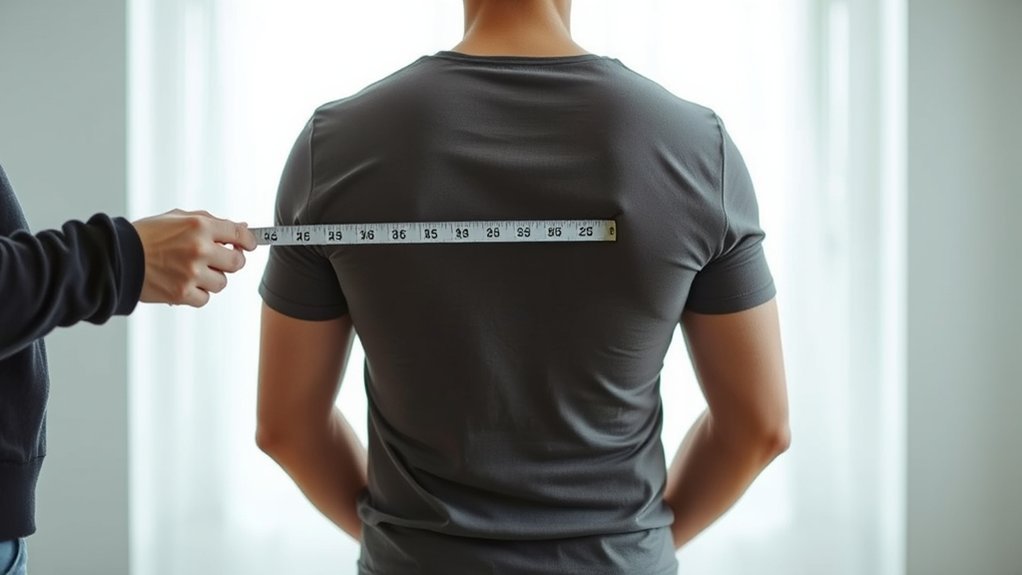
To measure your torso length for a backpack, locate your C7 vertebra and iliac crest. Use a flexible tape measure to find the distance between these points. Make certain the tape is snug but not tight. Take multiple measurements for accuracy and average them. This guarantees a proper fit, enhancing comfort on your hikes. If you want to learn more about hip measurements and fitting adjustments, keep exploring the details.
Understanding the Importance of Proper Backpack Fitting

When you’re planning a long hike, understanding the importance of proper backpack fitting can make all the difference in your comfort and performance. An ill-fitting backpack can lead to discomfort and strain, ultimately affecting your enjoyment of the trek. Measuring your torso length accurately guarantees the backpack sits correctly, aligning the weight with your hips and shoulders for ideal load distribution.
Every backpack is designed with varying torso lengths and sizes, so knowing your measurements helps you select a model that fits your unique shape. Don’t overlook your hip measurement, either; a snug hip belt allows for better weight transfer and stability, enhancing overall comfort.
Once you have the right pack, adjust the fit using load lifters and shoulder straps to improve balance and minimize gaps between the backpack and your body. This attention to detail will elevate your hiking experience, allowing you to move freely and confidently through nature.
Tools You’ll Need for Measuring
To measure your torso length accurately, you’ll need a few essential tools. These items will help guarantee you get precise measurements, making your backpack fitting experience much more enjoyable.
Accurate torso measurements are key for a comfortable backpack fit; gather the right tools for success.
- Flexible tape measure: This is vital for measuring the distance from your C7 vertebrae to your iliac crest.
- Marker or pen: Use this to mark your C7 vertebrae for better accuracy.
- Friend or assistant: Having someone help can keep the tape straight and properly positioned.
- Notebook: Keep track of multiple measurements to average out for precision.
- Mirror: A mirror can help check your posture while measuring.
Step-by-Step Guide to Measuring Torso Length
Measuring your torso length is a straightforward process that guarantees your backpack fits you perfectly. Start by locating your iliac crest, the bony part of your hip bones, and the C7 vertebra, which is the prominent bone at the base of your neck. Grab a flexible tape measure for accuracy. Position the tape at the C7 vertebra and extend it down to the iliac crest, ensuring it’s snug but not tight. This distance is your torso length. For greater reliability, take multiple measurements and note the variations. Remember, a proper fit is essential, as backpacks cater to different torso lengths. This simple measurement empowers you to choose a backpack that aligns with your body, enhancing comfort and freedom on your adventures. Enjoy the liberation that comes with a perfectly fitted backpack!
Averaging Your Measurements for Accuracy
After taking your torso length measurements, averaging them is the next step to assure accuracy. This process will help you refine your measurements and guarantee a better fit for your backpack. Here’s how to do it effectively:
Averaging your torso length measurements ensures a precise fit for your backpack, enhancing your comfort on the trail.
- Measure from the C7 vertebra to the iliac crest three times for consistency.
- Use a flexible tape measure for a more accurate reading.
- Add all your measurements together.
- Divide the total by the number of measurements taken.
- Be mindful of your starting and ending points.
Averaging helps account for any minor discrepancies in your technique. By focusing on these details, you empower yourself to make informed decisions about your gear, enhancing your outdoor experiences. Remember, a well-fitted backpack can make all the difference in your comfort on the trail!
Measuring Your Hip Circumference
Measuring your hip circumference accurately is vital for finding a backpack that fits comfortably. Start by locating the widest part of your hips and use a flexible tape measure to get a snug, but not tight, fit. To guarantee consistent results, stand straight with your feet together and measure multiple times, averaging the results for precision.
Importance of Accurate Measurement
To guarantee a comfortable fit, knowing your hip circumference is essential when selecting a backpack. A precise measurement helps you find a pack that fits securely around your hips, enhancing your outdoor experience. Here’s why it matters:
- Assures weight distribution, reducing discomfort during long hikes.
- Accommodates varying hip sizes, as not all backpacks do.
- Aids in finding packs with specific sizing options.
- Using a flexible tape measure guarantees accuracy.
- Measuring multiple times provides a reliable average.
Finding the Widest Point
Finding the widest point of your hips is crucial for determining your hip circumference accurately. To do this, grab a flexible tape measure and wrap it around the fullest part of your hips, making sure the tape stays parallel to the ground. Stand with your feet shoulder-width apart, ensuring the tape is snug but not digging into your skin. For the best results, take multiple measurements and calculate the average. This step is crucial, as not every backpack is designed to fit all hip sizes, influencing your comfort on the trail. Finally, record your measurement in inches or centimeters, so you can easily reference it against backpack sizing charts for the perfect fit.
Tips for Consistent Results
Achieving consistent results in hip circumference measurements is vital for ensuring a comfortable backpack fit. Follow these tips to get accurate results:
- Use a flexible tape measure and wrap it around the widest point of your hips without compressing the flesh.
- Measure while standing to better represent your size.
- Wear form-fitting clothing or measure over bare skin to eliminate bulk.
- Take at least three measurements and average the results to minimize inconsistencies.
- Remember that hip circumference is important for selecting a backpack with a suitable hip belt fit.
Selecting the Right Backpack Size
Selecting the right backpack size starts with understanding your torso length, as this measurement directly impacts fit and comfort. Don’t forget to take into account your hip circumference, too; a good fit means effective weight distribution. Always test the backpack with some weight to verify it holds up under real conditions.
Torso Length Importance
When you measure your torso length accurately, you’re taking an essential step toward guaranteeing your backpack fits properly and enhances your comfort on the trail. Understanding this measurement helps you choose a backpack that aligns with your body, allowing for a liberating outdoor experience.
- Prevents discomfort and injuries
- Guarantees even weight distribution
- Matches your specific torso size
- Affects your overall hiking posture
- Differentiates between male and female designs
Hip Measurement Considerations
To guarantee your backpack fits properly, measuring your hip circumference is vital. Wrap a flexible tape measure around the widest part of your hips, and record the measurement. It’s wise to measure multiple times for accuracy, as not all backpacks accommodate different hip sizes effectively. Your hip measurement is fundamental for making sure the hip belt fits snugly, promoting ideal weight distribution during hikes. Many backpacks come in various sizes (S, M, L, XL), so always check the brand’s sizing chart. A well-fitted hip belt should sit comfortably without pinching, and adjustments are key to minimizing gaps between the belt and your body. Proper fit guarantees you can move freely and comfortably on your adventures.
Adjusting Your Backpack for Optimal Comfort
Achieving ideal comfort while hiking requires careful adjustments to your backpack, ensuring it fits your body snugly. Here are some key tips to enhance your comfort:
Achieving comfort while hiking starts with a snug backpack fit; adjust it carefully for the best experience.
- Make sure the hip belt fits snugly against your hips for effective weight transfer.
- Adjust shoulder straps to be snug but not overly tight, minimizing gaps for better weight distribution.
- Utilize load lifters to improve balance and stability, reducing shoulder strain.
- Loosen straps during breaks to prevent wear and maintain comfort.
- Test the fit with added weight (8 to 15 kilograms) to simulate actual hiking conditions.
Testing Your Backpack With Weight
Testing your backpack with weight is an essential step in ensuring it meets your comfort and performance needs on the trail. Start by loading your backpack with 8 to 15 kilograms. Ask shop assistants to help simulate actual hiking conditions. As you wear it, check the fit of the hip belt; it should hug your body snugly to effectively transfer weight from your shoulders.
| Component | Adjustment Tips | Comfort Check |
|---|---|---|
| Hip Belt | Snug fit against your body | Should feel secure |
| Shoulder Straps | Adjust for balance | No pinching or pressure |
| Load Lifters | Tighten for better posture | Centered weight distribution |
| Straps | Loosen while resting | Prevents wear and tear |
Proper adjustments enhance comfort and balance, so take your time. Remember, a well-tested backpack can liberate you on your adventures.
Tips for Maintaining Your Backpack Fit
Maintaining your backpack fit is essential for comfort and performance, especially during long hikes. Here are some practical tips to keep your pack fitting like a glove:
- Regularly check and adjust the hip belt and shoulder straps for a snug fit.
- Inspect your backpack after each hike for wear, paying attention to straps and seams.
- Store your backpack in a cool, dry place to prevent moisture damage.
- Periodically reassess your torso and hip measurements; body changes can affect fit.
- Loosen straps when resting to reduce strain on adjustment points.
Frequently Asked Questions
Can I Measure Torso Length Alone, or Do I Need Assistance?
You can measure your torso length alone! Just use a flexible measuring tape, align it from your C7 vertebra down to your iliac crest, and you’ll get an accurate measurement without needing assistance.
Does Torso Length Vary Between Different Backpack Brands?
Yes, torso length can vary between different backpack brands. Each brand designs their packs uniquely, often leading to differences in fit. It’s essential to try on backpacks and check sizing guides for the best match.
What if My Torso Length Falls Between Two Backpack Sizes?
If your torso length falls between sizes, choose the larger pack for comfort and adjustability. You can also try on both sizes to see which feels best for your specific needs and preferences.
How Often Should I Remeasure My Torso Length?
You should remeasure your torso length annually or whenever your body changes considerably, like weight loss or gain. Keeping your measurements updated guarantees a comfortable and supportive backpack fit, enhancing your outdoor adventures.
Can I Use a Regular Ruler Instead of a Flexible Tape Measure?
Sure, you can use a regular ruler, but it might not give you the most accurate measurement. A flexible tape measure can contour to your body better, ensuring a perfect fit for your backpack.
Conclusion
Now that you know how to measure your torso length and select the right backpack, you’re ready to commence on your next adventure—like a modern-day explorer charting unknown territories. Remember, a well-fitted backpack can make all the difference, turning a challenging trek into a delightful journey. So, take the time to adjust and test your gear; your back will thank you, and you’ll be prepared to conquer mountains, both literal and metaphorical. Happy hiking!