

Last Updated on July 28, 2026 by Mason Reed
Choosing between silnylon and silpoly tent fabric depends on the shelter’s exact specifications and the conditions in which you camp. Silnylon is known for a strong strength-to-weight profile and useful elasticity, while silpoly absorbs less moisture and usually holds a tighter pitch in rain. This guide explains the practical differences so you can choose the right fabric for your next trip.
Quick Answer
Silpoly is often the easier all-around choice for wet or sunny trips because it absorbs little moisture, resists rain-related sag, and generally handles UV exposure better. Silnylon remains an excellent option when high tear strength, flexibility, and low weight matter. Always compare the exact fabric weight, coating, waterproof rating, and test data before buying.
Key Takeaways
- Silnylon can loosen as nylon fibers take on moisture, so some shelters need re-tensioning during sustained rain.
- Silpoly absorbs less moisture and normally retains its shape and pitch tension better in wet weather.
- Polyester generally tolerates sunlight better than nylon, but color, denier, weave, coating, and storage also affect fabric life.
- Silnylon often offers excellent tear strength for its weight, but it is not automatically lighter or stronger than every comparable silpoly.
- Hydrostatic head, finished weight, tear strength, and coating type must be checked for the exact tent or fabric.
- Tent geometry, seam construction, stakes, poles, guylines, ventilation, and pitching skill can matter as much as the fabric name.
Disclosure: As an Amazon Associate I earn from qualifying purchases. Some links on this page are affiliate links, at no extra cost to you.
Silnylon vs. Silpoly: Basic Differences
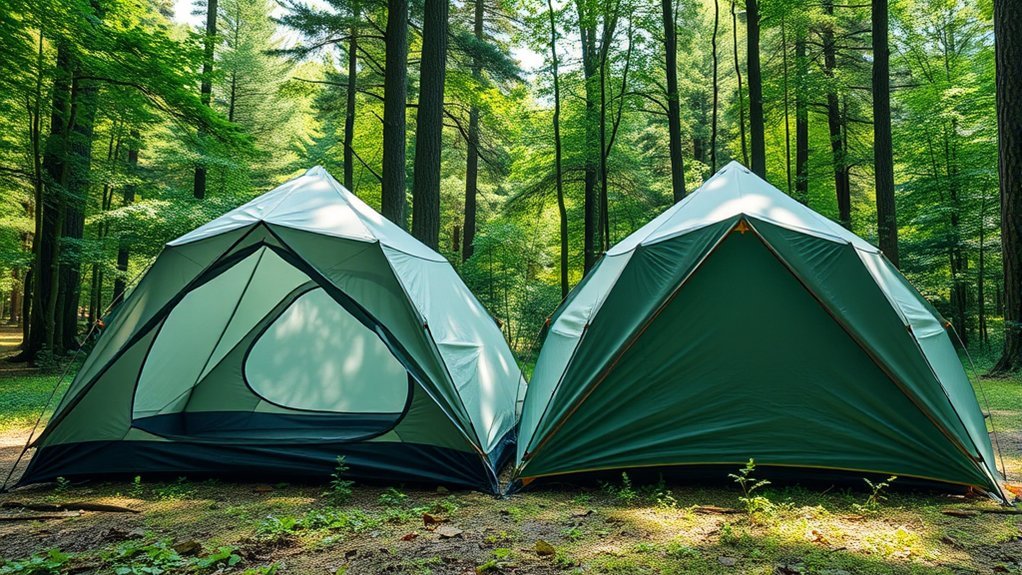
Silnylon is woven nylon fabric treated with silicone. It is widely used for tent flies, tarps, floors, stuff sacks, and other lightweight outdoor gear. Nylon is valued for its strength, toughness, and elasticity, but its fibers can take on more moisture than polyester. That dimensional change can allow a tightly pitched shelter to become looser during rain.
Silpoly is woven polyester fabric treated with silicone. Polyester takes on less moisture, so a silpoly fly normally changes shape less when rain, dew, or humidity arrives. That helps the shelter remain taut and can make a wet fly faster and easier to shake dry before packing.
Both materials can make reliable lightweight shelters. Neither name, however, tells you the complete specification. Manufacturers may use different yarn grades, weaves, thread counts, coatings, reinforcements, and construction methods.
Sil/Sil and Sil/PU Coatings
The “sil” in silnylon or silpoly does not always describe the entire coating system. Some fabrics are silicone-treated on both sides. Others combine silicone with a polyurethane or polyether-based coating.
This distinction affects more than terminology. It can influence waterproof ratings, tear strength, coating life, seam-tape compatibility, and the type of adhesive that will bond to the shelter. Before applying a patch or seam sealer, check the tent manufacturer’s instructions rather than relying only on the words “silnylon” or “silpoly.”
Note: “Silnylon” and “silpoly” are broad product categories, not standardized performance grades. Two fabrics with the same fiber and denier can have different weights, coatings, waterproof ratings, and strength.
| Comparison | Silnylon | Silpoly |
|---|---|---|
| Pitch in rain | More likely to loosen and need re-tensioning | Usually retains tension with less adjustment |
| Moisture uptake | Higher than polyester | Lower than nylon |
| UV resistance | Generally more vulnerable to prolonged sunlight | Generally better, though not immune to UV damage |
| Strength profile | Often excellent tear strength and elasticity | More dimensionally stable; strength varies by product |
| Finished weight | Check the exact oz/yd² or g/m² specification | Check the exact oz/yd² or g/m² specification |
| Waterproof rating | Depends on the finished fabric and coating | Depends on the finished fabric and coating |
| Often preferred for | High strength-to-weight needs and designs that use fabric elasticity | Wet, humid, or sunny conditions and low-maintenance pitching |
Does Silnylon Sag More Than Silpoly in Rain?
Silnylon is more likely to loosen when exposed to rain, dew, or high humidity. Nylon fibers can take on moisture and change dimensions, while the shelter’s panels and seams remain under load. The result may be a softer fly, reduced interior clearance, or guylines that need tightening.
Silpoly normally holds its shape better because polyester absorbs less moisture. Manufacturers such as Durston Gear use this characteristic to maintain a stable pitch and speed drying after rain.
- Silpoly usually requires fewer mid-storm guyline adjustments.
- A loose fly can move closer to the inner tent and reduce usable space.
- Either fabric can leak at an unsealed seam, damaged coating, worn panel, zipper, vent, or poorly designed opening.
- A tight initial pitch, secure stakes, suitable guylines, and good site selection remain important with both fabrics.
Warning: Do not confuse rain-related sag with waterproofness. A taut fabric can have a weak water-penetration rating, while a fabric that stretches can still be highly waterproof. Check the finished fabric’s hydrostatic-head specification and seam construction.
What Hydrostatic Head Actually Measures
Hydrostatic head is a laboratory measure of how much water pressure a fabric resists before penetration occurs. ISO 811:2018 describes a hydrostatic-pressure method for testing water resistance in textiles.
The rating applies to the tested finished fabric. The base fiber alone does not determine it. Coating chemistry, coating amount, weave, thread count, aging, abrasion, manufacturing consistency, and the test method can all affect the result.
For example, Ripstop by the Roll currently lists comparable 20D silnylon and 20D silpoly at approximately 2,000 mm. This does not prove that all silnylon and silpoly are equal. It shows why broad waterproof-rating ranges should not be assigned by fiber name.
Water Weight and Drying
A silnylon shelter can feel heavier after prolonged rain because water may remain on the surface, in seams, and within or around the yarn structure. Silpoly also carries surface water, but its lower fiber moisture uptake usually helps it shake dry and recover more quickly.
Actual wet-pack weight depends on shelter size, coatings, surface texture, how long it has rained, and how thoroughly the fly is shaken or wiped before packing.
UV Resistance and Fabric Lifespan
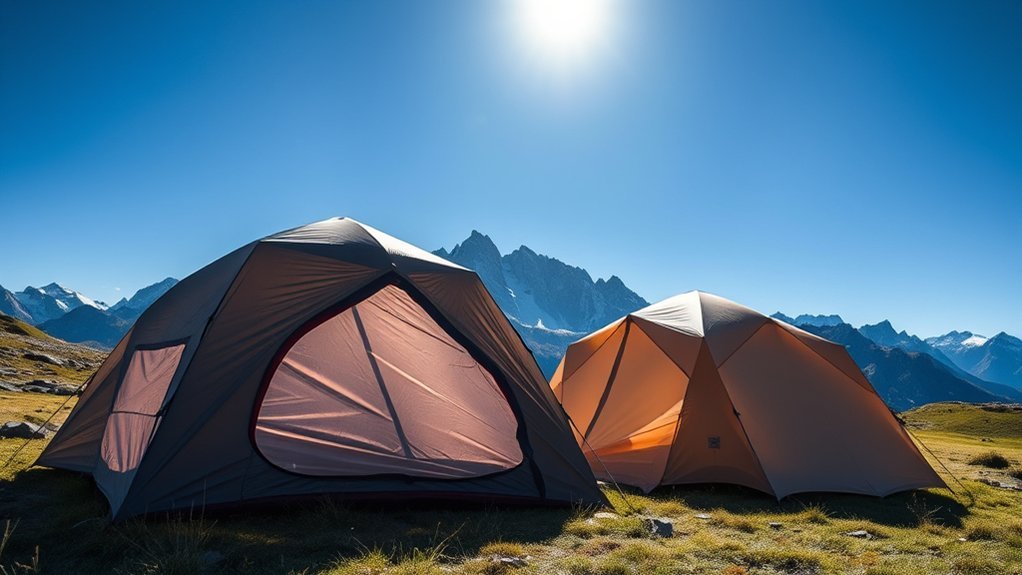
Polyester generally retains its properties under sunlight better than nylon, giving silpoly an advantage for shelters that spend many hours pitched in open terrain. Silnylon can still last for years when it is well made, used carefully, and stored correctly.
Fiber type is only one part of UV durability. These details also matter:
- Color: Dyes and pigments change how much light reaches the fibers.
- Denier and thread density: Heavier or more tightly constructed fabric may tolerate wear and exposure differently.
- Yarn quality: High-tenacity yarn can perform differently from a basic yarn of the same denier.
- Coating and treatment: Silicone, polyurethane blends, stabilizers, and surface finishes affect aging.
- Exposure pattern: A weekend tent pitched in forest shade faces a different load from a shelter left in desert sun for weeks.
Note: No ultralight woven tent fabric should be treated as permanently UV-proof. Limit unnecessary exposure, especially when a shelter is left standing between trips or used as a long-term sunshade.
How to Extend the Life of Either Fabric
- Dry the tent completely before long-term storage.
- Store it loosely in a cool, dry place rather than compressed in a hot vehicle or attic.
- Remove dirt with water, a soft cloth, and the cleaning method recommended by the manufacturer.
- Avoid harsh detergents, bleach, solvents, and aggressive scrubbing.
- Inspect high-stress corners, pole contact points, guyline attachments, and seams.
- Use a footprint only when the floor and campsite conditions justify the extra protection.
- Avoid leaving the shelter pitched in direct sun longer than necessary.
Weight and Packability
Silnylon is often described as the lighter option, but the material name and denier do not provide enough information to prove that. Denier measures the mass of a yarn over a set length. It does not include every factor that determines the finished fabric’s weight.
Finished weight is affected by:
- Yarn denier and fiber density
- Thread count and weave
- Ripstop grid construction
- Coating type and coating amount
- Calendering and other finishing processes
- Reinforcement layers, seam tape, zippers, and shelter design
Current 20D silnylon and 20D silpoly products from the same fabric supplier can share the same listed finished weight and hydrostatic-head rating. Compare the data sheet, not the fabric name alone.
How to Compare Fabric Weight Correctly
Look for finished weight in ounces per square yard or grams per square meter. Then consider how much fabric the tent uses. A shelter with a more efficient shape can weigh less than another shelter made from nominally lighter material.
- A lower-denier fabric is not always lighter after coatings are applied.
- A heavier fabric can be worthwhile if it improves tear strength, abrasion resistance, or floor durability.
- Comparing complete shelter weights is more useful than comparing only fly-fabric denier.
- Published minimum, trail, and packaged weights may include different components, so read the manufacturer’s definition.
Consider how the total shelter fits your adventure, transport method, and expected weather rather than choosing solely by a small difference in fabric weight.
Packability and Storage Ease
Both fabrics pack much smaller than bulky canvas or heavy coated polyester. Silnylon is often soft and compressible, while some silpoly fabrics feel slightly crisper. The exact hand and packed size depend on denier, weave, coating, and shelter construction.
During a wet trip, silpoly’s lower moisture uptake can make morning teardown easier. It may still need to be packed wet, but it normally carries less absorbed moisture and is less likely to remain stretched at the next pitch.
Impact on Hiking Performance
Dry weight matters on long climbs, but trail performance includes more than the number printed on a product page. A shelter that dries quickly, pitches consistently, and requires fewer adjustments can save time and reduce frustration during a rainy trip.
- Silpoly can be convenient on repeated wet pitches.
- Silnylon may provide strong performance at a competitive total shelter weight.
- Faster drying reduces the time a wet fly remains strapped to or stored inside a pack.
- A well-designed, slightly heavier shelter can be more useful than a lighter shelter that is too small or difficult to pitch.
Strength, Stretch, and Durability
Nylon is widely respected for strength, toughness, and elongation. High-tenacity nylon can deliver excellent tear and tensile performance for its weight. Polyester is less elastic and usually more dimensionally stable, which helps a carefully cut shelter maintain its geometry.
These are tendencies, not guaranteed rankings. Current manufacturer data show how strongly the result depends on the exact product. DutchWare publishes ASTM test results for its 20D silnylon and separate results for its 20D Xenon Sil polyester. The figures differ, but they describe those particular fabrics, coatings, yarns, and production batches—not every silnylon and silpoly.
Wind Performance
Silnylon’s elasticity can help a shelter panel absorb and redistribute some gust loading rather than remaining completely rigid. That can be useful in designs created around the fabric’s stretch.
However, fabric choice alone does not make a tent stormworthy. Wind performance also depends on:
- Overall tent shape and the angle presented to the wind
- Panel size and cut
- Pole or trekking-pole geometry
- Guyline placement and adjustment range
- Stake holding power and soil conditions
- Seam construction and reinforcement patches
- Door, vent, and zipper orientation
- How accurately the shelter is pitched
Silpoly’s lower stretch keeps the shelter geometry more consistent, but concentrated stress still needs to be handled by good panel design and reinforced attachment points.
Pro Tip: Compare the complete shelter rather than choosing by fabric alone. A well-guyed silpoly tent can outperform a poorly designed silnylon tent in wind, and the reverse can also be true.
Abrasion and Puncture Resistance
Neither silnylon nor silpoly should be judged by tear strength alone. Tent floors and low wall panels may also face abrasion, punctures, seam stress, and repeated folding.
A thicker fabric can tolerate rough campsites better, but site selection remains important. Remove sharp sticks, check for pointed rocks, and avoid dragging the tent across the ground. For tarps, protect the fabric from branches that rub repeatedly in wind.
Waterproofing, Seam Sealing, and Repairs
The waterproof fabric is only one part of a dry shelter. Water can enter through needle holes, worn seam tape, failed sealant, damaged coatings, vents, doors, zippers, or contact between a loose fly and the inner tent.
Some shelters arrive fully sealed. Others require the owner to seal selected seams before the first wet trip. Follow the manufacturer’s directions because silicone-treated and polyurethane-coated surfaces require different products.
Warning: A general-purpose polyurethane seam sealer may not bond correctly to a silicone-treated surface. Use a product approved for the shelter’s actual coating.
Gear Aid Seam Grip SIL, for example, is formulated for silicone-treated fabrics. The same coating-compatibility rule applies to repair tape and adhesive patches.
Field Repair Basics
- Carry a patch or repair product approved for silicone-treated fabric when your shelter uses that coating.
- Clean and dry the damaged area as well as conditions allow.
- Round the corners of a cut patch to reduce peeling.
- Support a long tear from both sides when the repair system permits.
- Reduce tension on the damaged panel until a permanent repair can be made.
- Follow adhesive cure-time instructions before exposing the repair to heavy rain or high load.
Condensation: Is One Fabric Better?
Neither silnylon nor silpoly eliminates condensation. Condensation forms when humid air meets a surface cold enough for water vapor to turn into liquid. Campers, wet clothing, damp ground, cooking, nearby water, low temperatures, and limited airflow can all increase moisture inside a shelter.
The surface behavior may look different. Water can bead, spread, or run differently depending on the coating and finish, but ventilation and shelter design usually matter more than whether the fly is nylon or polyester.
- Open high and low vents when weather permits.
- Use both doors or vestibule openings to improve crossflow.
- Avoid pitching directly over saturated ground when a drier site is available.
- Keep wet gear outside the sleeping area when practical.
- Maintain space between the inner tent and rainfly.
- Do not assume every interior drop is a leak; inspect where the water formed and how it moved.
How to Read a Tent Fabric Specification
Use the following checklist when comparing tents, tarps, or fabric sold for do-it-yourself shelters:
- Base fiber: Nylon or polyester.
- Yarn type: Standard, high-tenacity, Nylon 6, Nylon 6.6, recycled polyester, or another named yarn.
- Denier: Useful for describing yarn size, but not a complete durability rating.
- Finished weight: Compare ounces per square yard or grams per square meter.
- Weave and thread count: These affect stability, strength, coating support, and feel.
- Coating: Silicone on both sides, silicone/PU hybrid, polyether-based coating, or another system.
- Hydrostatic head: Look for a published value and, when available, the test standard.
- Tear and tensile testing: Check the named test method and warp/weft results.
- Seam treatment: Factory taped, factory sealed, owner-sealed, or untreated.
- Repair instructions: Confirm which adhesive, tape, and sealant are compatible.
- Complete tent design: Review reinforcements, guylines, poles, vents, floor material, and warranty support.
Which Tent Fabric Should You Choose?
Choose Silpoly When
- You regularly camp in rain, dew, or high humidity.
- You want the fly to retain tension with fewer adjustments.
- You often pack the shelter in damp conditions.
- Your trips involve extended exposure to open sunlight.
- You value easy pitching and low wet-weather maintenance.
Choose Silnylon When
- The exact fabric offers better tested strength for the required weight.
- The tent design uses nylon’s elasticity to manage gust loading.
- You are comfortable re-tensioning the shelter after rain or temperature changes.
- You have compared the finished weight and found a meaningful total shelter advantage.
- The model’s design, price, warranty, and overall performance are better for your needs.
Do Not Choose by Fabric Name Alone
Cost, weight, and performance vary widely. Silnylon is not always cheaper or lighter, and silpoly is not automatically more waterproof. A strong decision compares the exact tent’s design and published specifications.
For most campers who expect frequent wet weather, silpoly’s tension stability is a practical advantage. For users who prioritize a particular high-strength fabric or a wind-focused shelter design, silnylon remains a proven choice.
Frequently Asked Questions
Can silnylon be repaired easily in the field?
Yes, provided you carry a patch or adhesive made for silicone-treated fabric. Clean and dry the damaged area, reduce tension on the panel, and follow the repair product’s application and cure instructions.
Does silpoly create more condensation in cold weather?
Not inherently. Condensation is controlled mainly by humidity, surface temperature, airflow, occupancy, and shelter design. The coating can change how droplets bead or run, but good ventilation matters more than the base fiber.
Are there special care instructions for silnylon tents?
Clean the tent gently according to the manufacturer’s directions, avoid harsh detergents and bleach, dry it completely before storage, limit unnecessary sun exposure, and use only repair products compatible with its coating.
Can both fabrics be used for tarps as well as tents?
Yes. Silnylon and silpoly are both used for tarps, tent flies, floors, ponchos, covers, and other lightweight gear. The best version depends on the required strength, stretch, waterproof rating, packed weight, and exposure conditions.
What is the typical lifespan of silpoly compared with silnylon?
There is no reliable universal lifespan. Both can last for years, but usage, sun exposure, fabric weight, coating quality, abrasion, storage, and maintenance create large differences. Silpoly generally has an advantage under prolonged UV exposure, while well-made and carefully stored silnylon can also provide long service.
Is silnylon always lighter and stronger than silpoly?
No. Nylon often has an excellent strength-to-weight profile, but finished weight and strength depend on yarn quality, denier, weave, thread count, coating, and manufacturing. Compare the exact weight and test results for each fabric or tent.
Is silpoly more waterproof than silnylon?
Not automatically. Silpoly normally absorbs less moisture and sags less, but waterproofness depends on the finished fabric’s coating, weave, hydrostatic-head rating, seams, and condition. Either material can be made with a high or modest water-pressure rating.
Do silnylon and silpoly tents need seam sealing?
Some do and some do not. The answer depends on how the tent was manufactured and whether its seams were taped or sealed at the factory. Follow the tent maker’s instructions and use a sealant compatible with the actual coating.
Conclusion
Silpoly is a strong all-around choice for campers who regularly face rain, humidity, and direct sun. Its low moisture uptake helps the shelter hold tension, dry faster, and require fewer adjustments. Silnylon remains valuable for designs that benefit from nylon’s strength, toughness, and elasticity.
The best choice is not determined by the fabric name alone. Compare the finished weight, yarn, denier, weave, coating, hydrostatic head, strength testing, seam treatment, repair requirements, and complete tent design. Match those details to your normal weather and camping style, and either material can provide reliable shelter.
Sources
- ISO 811:2018 — Textiles: Hydrostatic Pressure Test — official method for measuring a fabric’s resistance to water penetration
- Ripstop by the Roll: 1.1 oz 20D Silnylon — current finished weight, coating, denier, and hydrostatic-head specifications
- Ripstop by the Roll: 1.1 oz 20D Silpoly — current finished weight, coating, denier, and hydrostatic-head specifications
- DutchWare: 20D Silnylon Technical Specifications — ASTM tear strength, tensile strength, fabric weight, and hydrostatic-head data
- DutchWare: 20D Xenon Sil Polyester Specifications — product-specific polyester weight, strength, and UV test data
- Gear Aid: Seam Grip SIL Silicone Sealant — coating-compatible seam sealing and repair guidance for silicone-treated fabric
